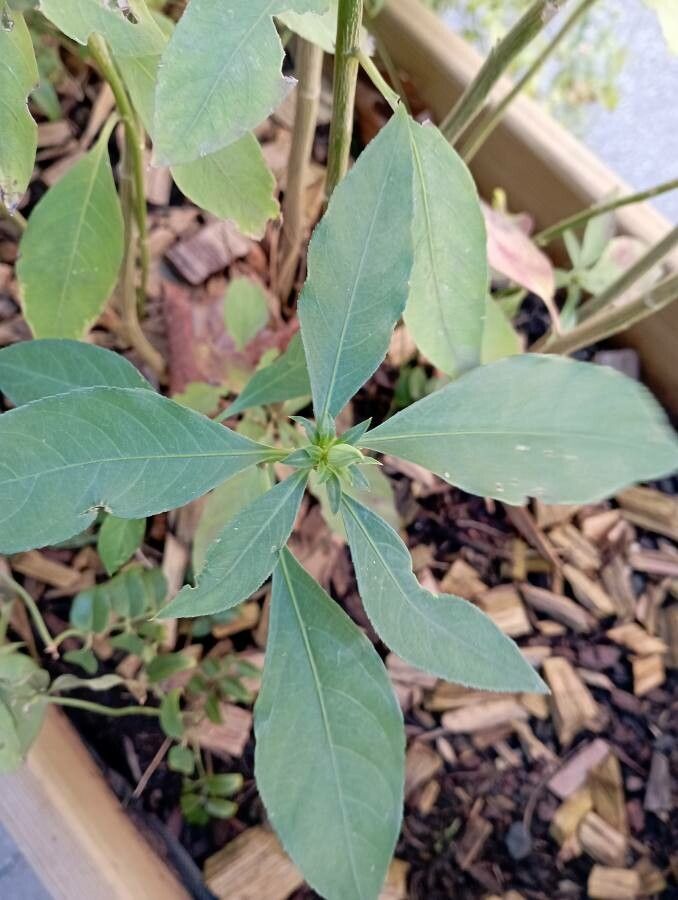
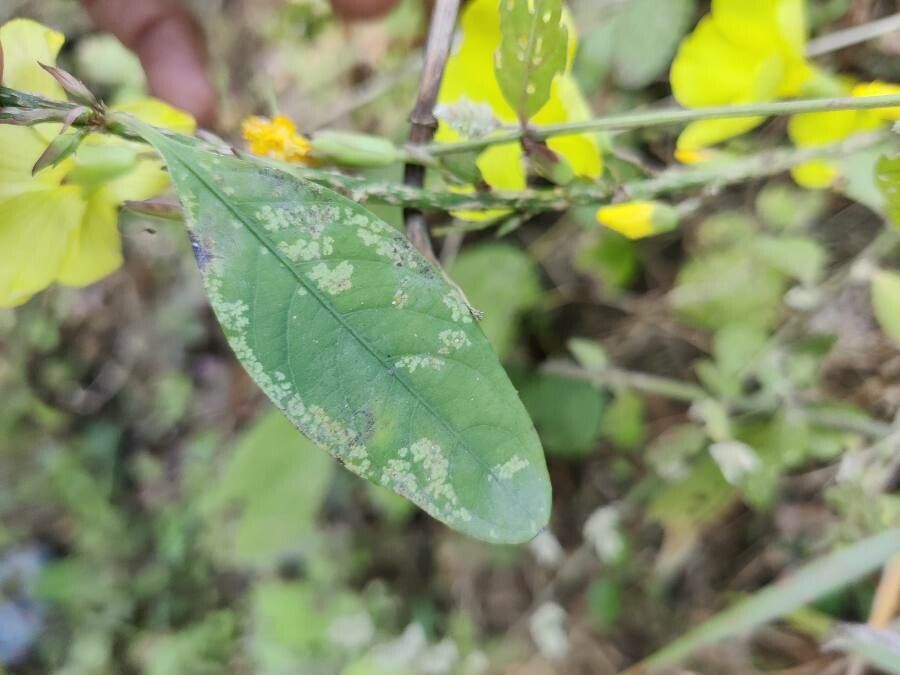
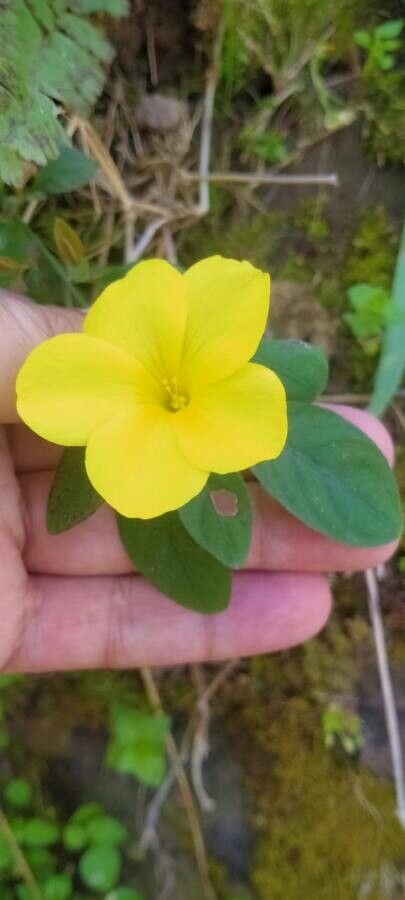
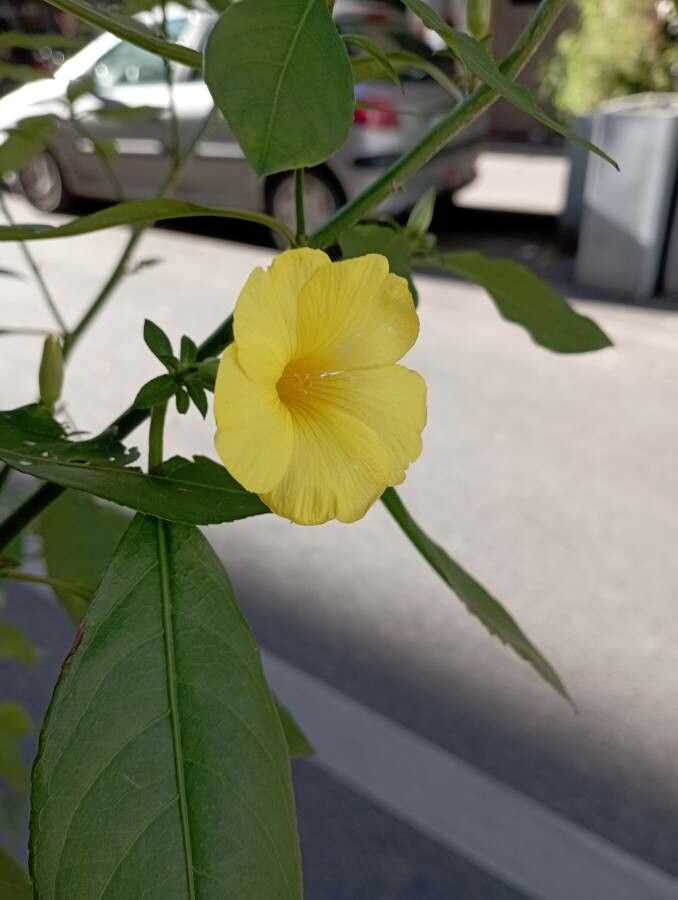
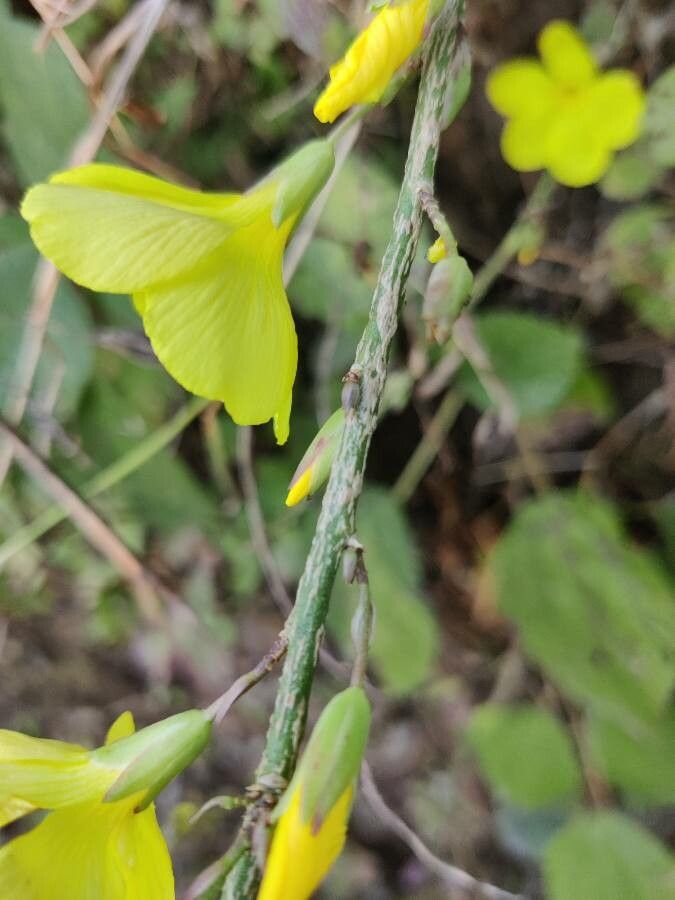
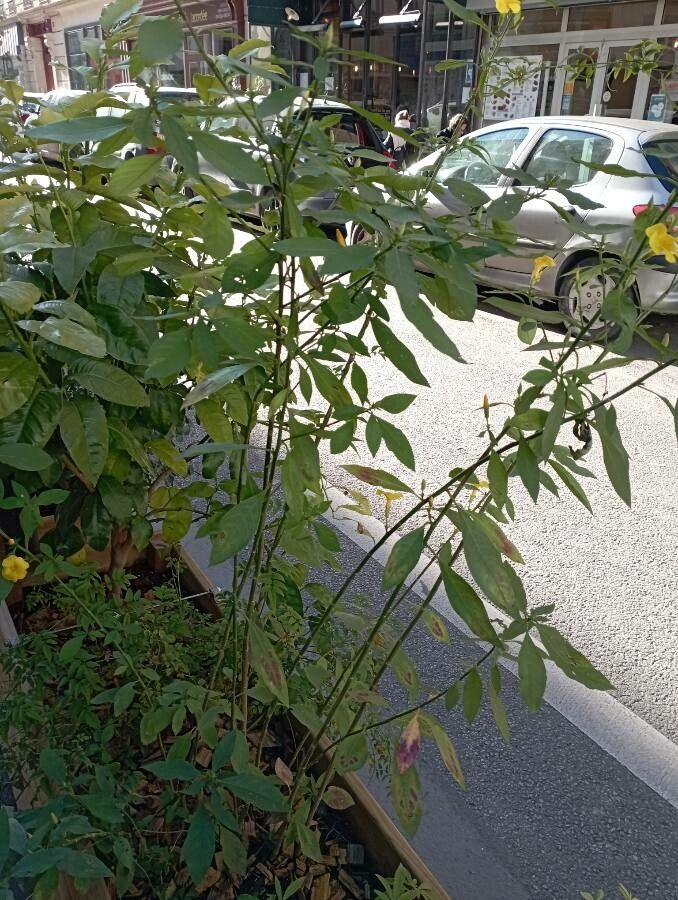
Reinwardtia indica, yellow flax or pyoli, is a species of Linaceae found in the Himalayas. It is the only species in the monotypic genus Reinwardtia.
Yellow flax has strong resistance to disease and is generally not susceptible to illnesses. Regarding maintenance, this plant is fairly undemanding. When grown outdoors it needs only light watering, and larger plants typically do not require pruning; however, smaller plants should be trimmed after they finish blooming. Yellow flax is suitable for anyone who has an outdoor area, such as a garden or deck, and it does not call for extensive care experience.
How to keep Reinwardtia Indica.
Light
Yellow flax thrives with abundant sunlight, although it can tolerate somewhat lower light levels. Native to a sunny habitat, yellow flax is healthiest when grown in those conditions. Too much or too little light can impede growth, cause discoloration, and limit flowering.
Water
Yellow flax grows best in moderately humid tropical areas and is drought-tolerant, meaning it can flourish with consistent soil moisture. To support healthy growth, water the plant every 1-2 weeks and use well-draining soil to prevent root rot. This setup closely mimics its natural habitat, promoting optimal development.
Temperature
Yellow flax is native to areas where the usual temperatures fall between 68 and 100.4 °F (20 and 38 ℃). It grows best within this span and may need temperature adjustments during changing seasons to recreate its natural habitat.
Fertilizer
The best time to fertilize a Yellow flax is in early spring, when it breaks dormancy. This supports overall growth and the development of flowers. Fertilization improves foliage, stems, and branches, and encourages flowers that are large, vibrant, and long-lasting. It helps move nutrients from the roots to the blooms and enhances the plant's health and resistance to disease.
Pruning
Yellow flax is known for its bright yellow flowers and shrubby growth. For optimal results, prune it in late spring after it has finished blooming. During pruning, remove any dead wood and shape the plant. Light thinning can enhance airflow, reduce the risk of disease, and promote vigorous growth, ultimately improving future blooms. This advice is supported by local horticultural guides.
Pot & Repot
Repot yellow flax every 2-3 years, preferably in the spring. Choose a medium-sized pot with well-draining soil. After repotting, place the plant in bright, indirect light and maintain consistent moisture to support its recovery and growth.
Botanical profile.
- Plant Type
- Shrub
- Life Cycle
- Perennial
- Genus
- Reinwardtia
- Family
- Linaceae
- Hardiness Zone
- 9-11
- Mature Height
- 91 cm
- Mature Spread
- 91 cm
- Leaf Color
- Green
- Leaf Type
- Evergreen
- Flower Color
- Yellow
- Flower Size
- 3.05 cm to 5.08 cm
- Bloom Time
- Winter, Spring
- Planting Time
- Spring, Summer, Autumn
- Harvest Time
- Spring, Early summer
Other names.
Reader questions.
What are the sunlight requirements for Yellow flax?
Yellow flax requires full sun, defined as more than 6 hours of sunlight per day, but it can also tolerate partial sun, which is about 3-6 hours of sunlight. It's important to observe how sunlight moves through your garden to find spots that offer a balance of light and shade. This ensures your plants grow healthy by receiving the perfect amount of light.
What is the native temperature range for Yellow flax?
Yellow flax, botanically known as Reinwardtia indica, is native to regions that experience typical temperature ranges of 68 to 100.4 °F (20 to 38 °C). This plant thrives the most within this temperature span. To ensure it grows healthily, especially through fluctuating seasons, it may be necessary to adjust temperatures to mimic its natural habitat closely. The plant is extremely heat-loving, and exposure to cold temperatures can be harmful. Therefore, in autumn, it is advised to bring outdoor-grown Yellow flax indoors, placing it near a bright window, albeit at a safe distance from heaters, to maintain a temperature above 20°C. This helps in preventing the detrimental effects of temperatures nearing or dropping below 0°C.
How does insufficient or excessive sunlight affect Yellow flax?
Yellow flax flourishes under ample sunlight, indicative of its origin in sunny environments. Both insufficient and excessive light can adversely affect its growth, leading to symptoms like discoloration, restricted blooming, and hindered growth. The plant can exhibit symptoms such as small or pale leaves, stretched appearance, early leaf drop, and halted growth under low light conditions. Conversely, too much sunlight can result in chlorosis, sunscald, leaf curling, wilting, and leaf scorching, indicating damage from intense sunlight exposure.
How does low temperature affect Yellow flax and what measures should be taken?
Yellow flax prefers warm climates and does not tolerate low temperatures well. Its optimal growth temperature is above 20°C, and maintaining it above 0°C during winter is crucial. Exposure to temperatures below -5°C can cause the leaves to lighten in color, and following frost damage, leaves can turn brown or black, exhibiting wilting and drooping. To combat frost damage, it's recommended to trim off damaged parts and move the plant to a warmer indoor setting. Placing it near a south-facing window ensures ample sunlight. However, the plant should not be placed near heaters or air conditioners as they can excessively dry the air, negatively affecting the plant's health.
What are the recommendations for using artificial lighting with Yellow flax?
Indoor Yellow flax plants require adequate lighting, especially when natural sunlight is insufficient. Artificial lighting, like LED lights, can be a vital solution by providing the necessary wavelengths for optimal growth. Full sun plants need 30-50W/sq ft, partial sun plants require 20-30W/sq ft, and full shade plants 10-20W/sq ft of artificial light. The light source should be placed 12-36 inches above the plant, mimicking natural sunlight for 8-12 hours per day to promote healthier growth.
How does high temperature affect Yellow flax and what are the recommended precautions?
Yellow flax should ideally be kept at temperatures below 38°C during the summer. When exposed to temperatures exceeding 43°C, the plant's leaves can lighten in color, making it more prone to sunburn. To mitigate the damage from high temperatures, it is advisable to trim away the sunburned and dried-up parts of the plant. Moving the plant to a shaded area, especially away from the harsh midday and afternoon sun, can help protect it. Additionally, watering the plant in the morning and evening helps keep the soil moist, assisting in the plant's overall well-being during high temperature periods.
How to recognize and address light deficiency in Yellow flax?
Symptoms of light deficiency in Yellow flax include smaller new leaves, leggy or sparse growth, faster leaf drop, and a halt in new growth. Leaves may appear lighter-colored or exhibit chlorosis, and the plant may experience wilting or leaf scorching due to inadequate sunlight. To address light deficiency, gradually move your Yellow flax to a location with at least 6 hours of direct sunlight daily. For indoor plants, use artificial light sources like desk lamps or invest in professional grow lights for sufficient light exposure. Outdoor plants should be moved gradually to sunnier spots to prevent sunburn.
What are the solutions for improving Yellow flax's exposure to sunlight?
To improve Yellow flax's sunlight exposure, indoors, consider gradually relocating the plant to receive at least 6 hours of direct sunlight via a south-facing window. If moving the plant isn't feasible, use artificial light for at least 8 hours daily. Outdoors, gradually acclimate your plants to sunnier locations to avoid shock. Minimize obstructions by pruning or relocating plants to areas with better sunlight. When transplanting smaller plants, do so during their dormant period, late winter or early spring, to a sunny location with good drainage.