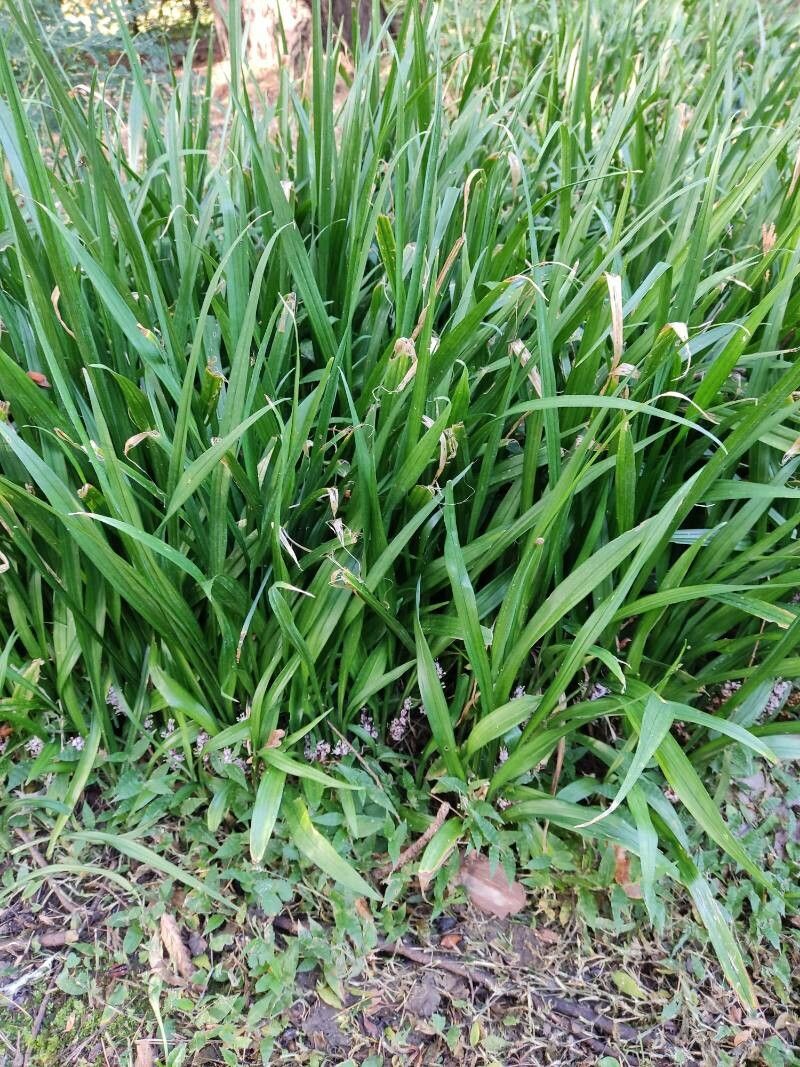
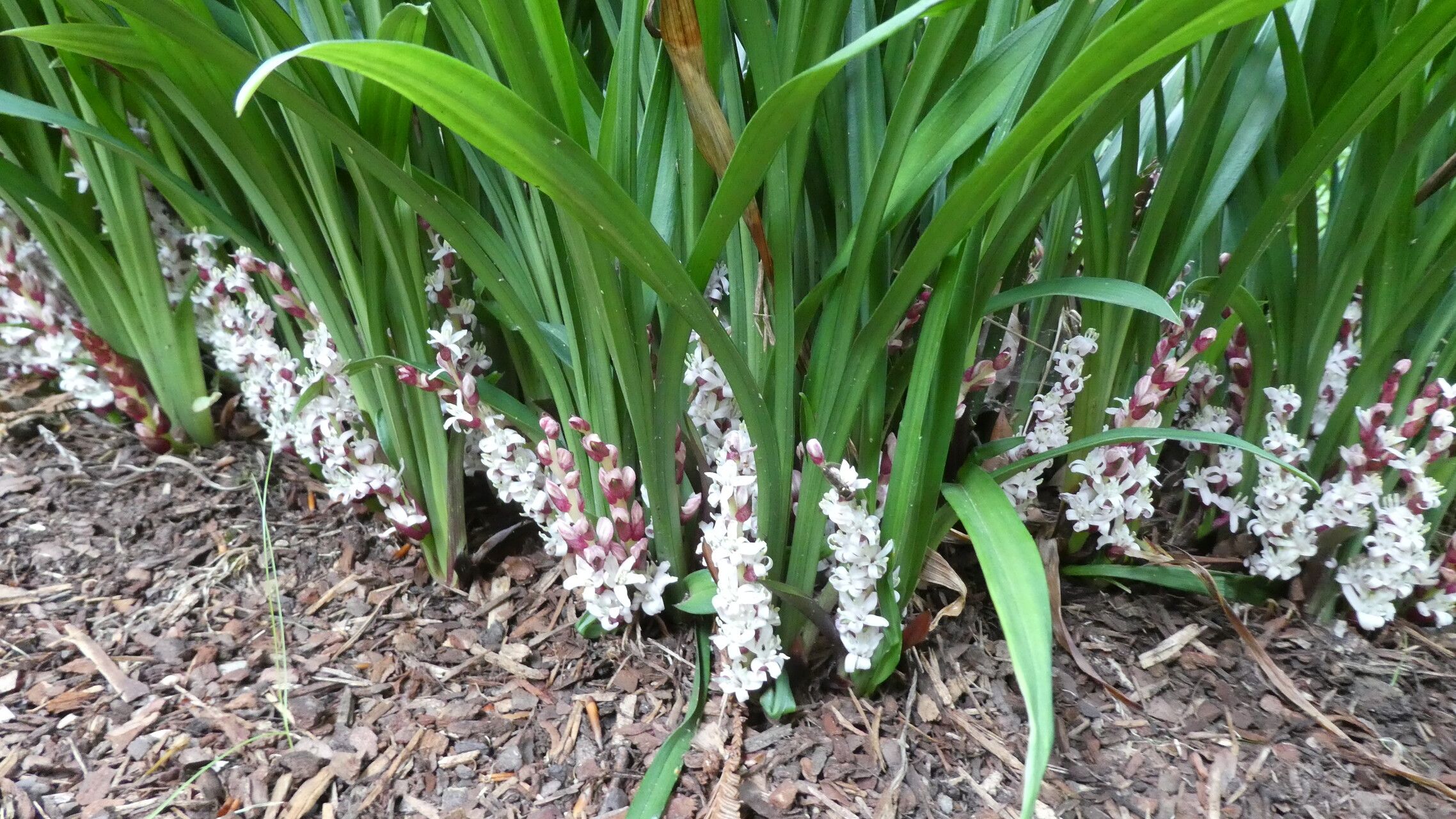
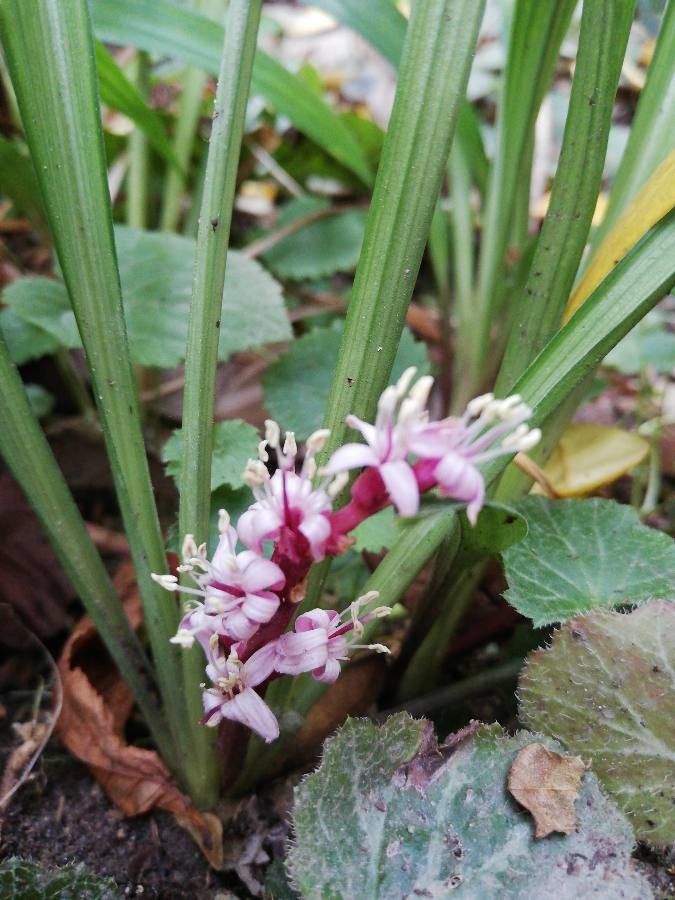
Reineckea is a genus of plants in the Nolinoideae. Several species names have been proposed within the genus, but only one is widely accepted: Reineckea carnea, native to China and Japan.
Reineckea is fairly resistant to disease and generally does not tend to suffer from illnesses. However, it can be vulnerable to pests and diseases present in its surroundings; these problems are usually mild. For care, this plant requires moderate maintenance. Regular pruning is necessary to preserve a good appearance and support healthy growth. Fertilizing can also help encourage flowering. Reineckea is appropriate for anyone who has outdoor space, such as a garden or patio, and does not demand much gardening experience. It may need more attention when cultivated indoors.
How to keep Reineckea Carnea.
Light
The reineckea grows best with moderate sunlight but can endure abundant light. Originating from areas with mixed lighting, reineckea benefits from varying light intensities at different growth stages. Excessive exposure can cause plant stress, while insufficient light may restrict growth.
Water
Reineckea, a plant native to Asian forests, thrives in consistently moist soil and is moderately drought-tolerant. For optimal health, it requires weekly watering, particularly during periods of active growth. Reineckea tends to do better indoors, where you can maintain stable moisture levels to promote lush foliage.
Temperature
Reineckea naturally grows in areas with temperatures between 59 and 95 °F (15 to 35 ℃). It tolerates minor temperature variations, but sudden changes should be introduced gradually to avoid shock.
Fertilizer
The best time to fertilize a Reineckea is in early spring, as it comes out of dormancy and starts active growth. Fertilization supplies essential nutrients for healthy development. Although Reineckea has fairly low fertilizer requirements, giving it fertilizer once a year can improve its survival and encourage better, longer-lasting flowers.
Pruning
Reineckea is a hardy perennial known for its grass-like foliage and pink-to-purple flowers. To maintain its health and encourage new growth, prune the plant in early spring to remove any damaged parts. Regularly trim away dead leaves to keep the plant healthy. Avoid heavy pruning, as it can cause stress to the plant. Instead, focus on enhancing air circulation to support vibrant regrowth.
Pot & Repot
Repot Reineckea every 2 to 3 years in the spring. Use a slightly larger pot with drainage holes to prevent root rot. After repotting, water sparingly and place the plant in dappled sunlight. This will help it recover and ensure optimal growth as a low, spreading ground cover.
Botanical profile.
- Plant Type
- Herb
- Life Cycle
- Perennial
- Genus
- Reineckea
- Family
- Asparagaceae
- Hardiness Zone
- 7-10
- Mature Height
- 20 cm
- Mature Spread
- 40 cm
- Leaf Color
- Green
- Leaf Type
- Evergreen
- Flower Color
- Pink
- Flower Size
- 1.02 cm to 1.52 cm
- Bloom Time
- Early summer, Mid summer
- Planting Time
- Spring, Autumn
- Harvest Time
- Late summer, Early fall, Mid fall
- Native Area
- Japan, China
Other names.
Reader questions.
What are the sunlight requirements for Reineckea plants?
Reineckea plants thrive in conditions where they are exposed to moderate amounts of sunlight but can also tolerate full sun. Ideally, they need about 3-6 hours of sunlight daily (partial sun) but can grow in areas receiving more than 6 hours of sunlight (full sun). It's essential to observe the movement of sunlight in your garden to find spots that offer a healthy balance of light and shade, as this will support the plants' overall well-being.
What is the ideal temperature range for Reineckea?
Reineckea thrives best in regions where temperatures are kept between 59 to 95°F (15 to 35°C). The plant can adapt to minor temperature fluctuations; however, it's important to gradually acclimate it to abrupt changes to prevent shock. Thanks to its strong cold resistance, special frost protection measures are not typically necessary. Nonetheless, in areas expecting winter temperatures to dip below -15°C, cold protection should be provided by covering the plant with soil or straw. It's also advised to water the plant abundantly before the first freeze in autumn to ensure the soil remains moist, aiding the plant through winter and early spring.
How should I use artificial lighting for Reineckea if it doesn't receive enough natural sunlight?
When natural sunlight is insufficient, especially in winter or less sunny spaces, artificial lighting can be a crucial supplement for Reineckea plants. LED lights are recommended because they can be customized to the plants' needs, offering the specific light wavelengths required. For full sun plants, aim for 30-50W/sq ft of light, for partial sun plants 20-30W/sq ft, and for full shade plants, 10-20W/sq ft. Position the light source 12-36 inches above the plant, simulating natural sunlight conditions as closely as possible, and ensure that the plants receive 8-12 hours of light daily.
How does Reineckea react to low temperatures?
Reineckea is cold-tolerant and prefers temperatures above 15°C. Though it generally sustains winter well, should temperatures fall below -15°C, the plant may experience reduced or even an absence of sprouting in the following spring. To mitigate these effects, any parts that have not sprouted by spring should be removed to encourage new growth.
What are the symptoms of insufficient or excessive light exposure in Reineckea plants?
Symptoms of insufficient light include smaller new leaves, leggy or sparse growth, faster leaf drop, slower growth or stunted growth, and lighter-colored or irregular-patterned new leaves. Excessive sunlight can cause chlorosis (yellowing of leaves), sunscald (pale or necrotic areas on the plant), leaf curling (as a defense mechanism to minimize water loss), wilting (due to increased water loss and inadequate hydration), and leaf scorching (brown, dry edges on leaves due to too much sunlight). These symptoms indicate the plant's stress and the need for immediate attention to light conditions.
How should Reineckea be cared for in high temperatures?
During the summer months, it's crucial to ensure that Reineckea's surrounding temperature does not exceed 35°C. Exposure to temperatures above 41°C may lead to the plant's leaves becoming lighter, curling, and potentially suffering from sunburn; in severe cases, the plant may wilt and dry out entirely. To care for Reineckea in high temperatures, it is recommended to trim away any sunburned or dry sections, relocate the plant to a shaded area during the peak midday and afternoon heat, or use a shade cloth for protection. Additionally, watering the plant in the morning and evening will help keep the soil suitably moist.
What are the best practices for managing sunlight exposure for Reineckea plants?
To ensure your Reineckea plants get the right amount of sunlight, gradually accustom them to sunnier spots by moving them to brighter areas each week. For indoor plants that are too large to move, use artificial lighting to supplement natural light, keeping lights on for at least 8 hours daily or investing in professional grow lights. Outdoors, avoid sudden changes in light intensity to prevent sunburn. If sunlight is blocked, prune trees or branches that cast shade, or consider transplanting smaller plants to sunnier locations during their dormant period, ensuring they're placed in an area with good drainage. Remember, while adjusting the plants to more suitable light conditions may not reverse damage to already affected parts, new growth will be healthy and more robust.