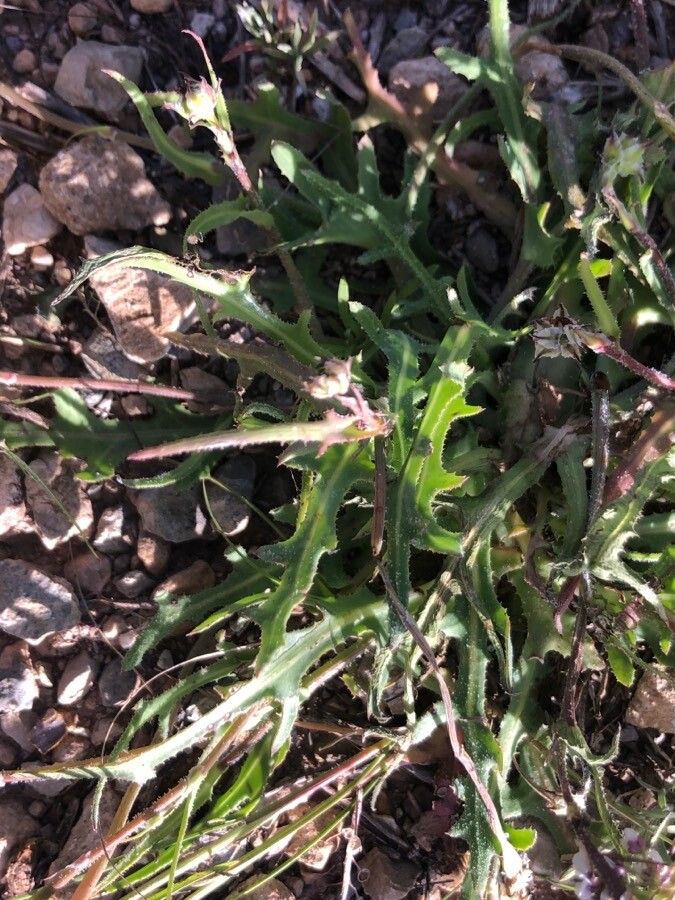
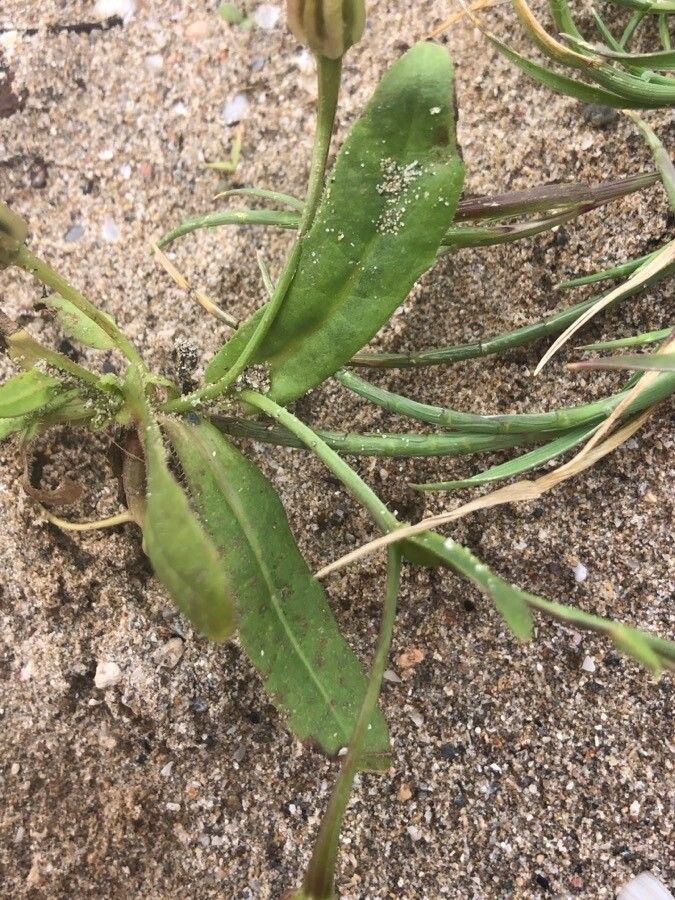
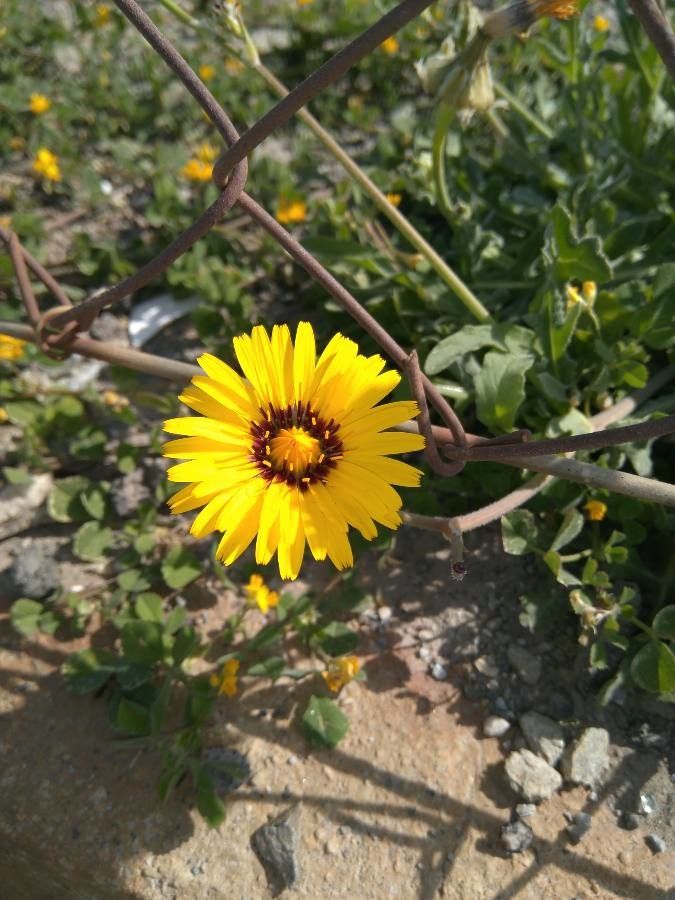
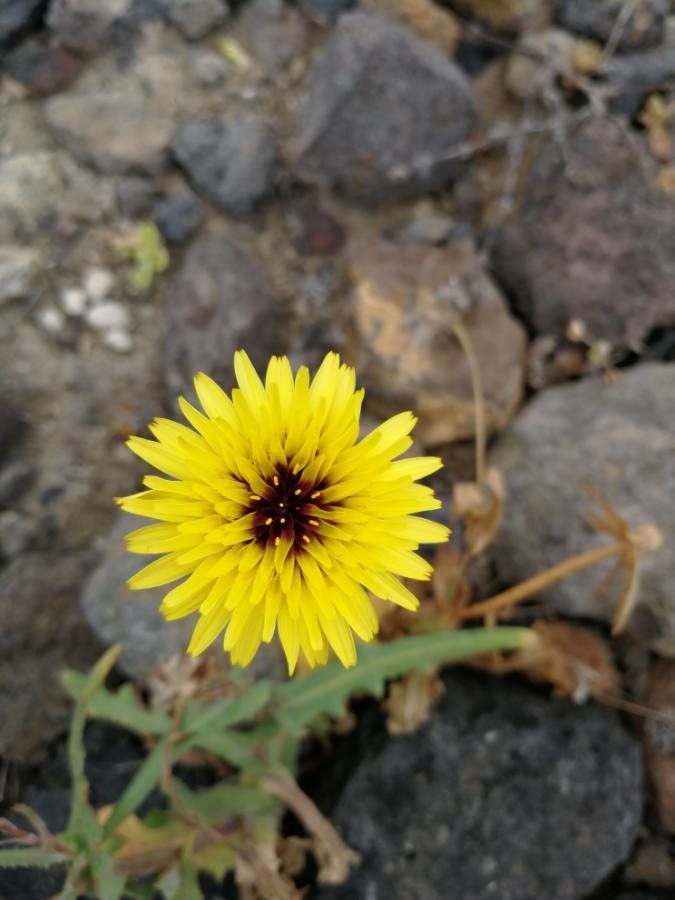
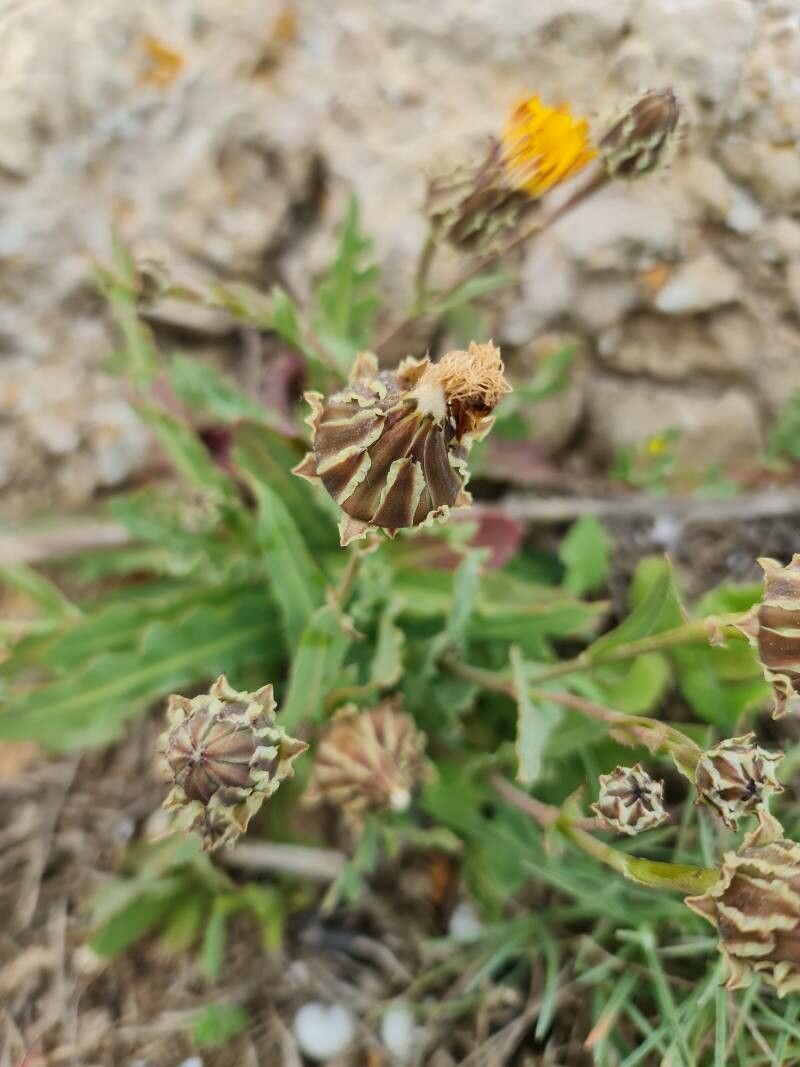
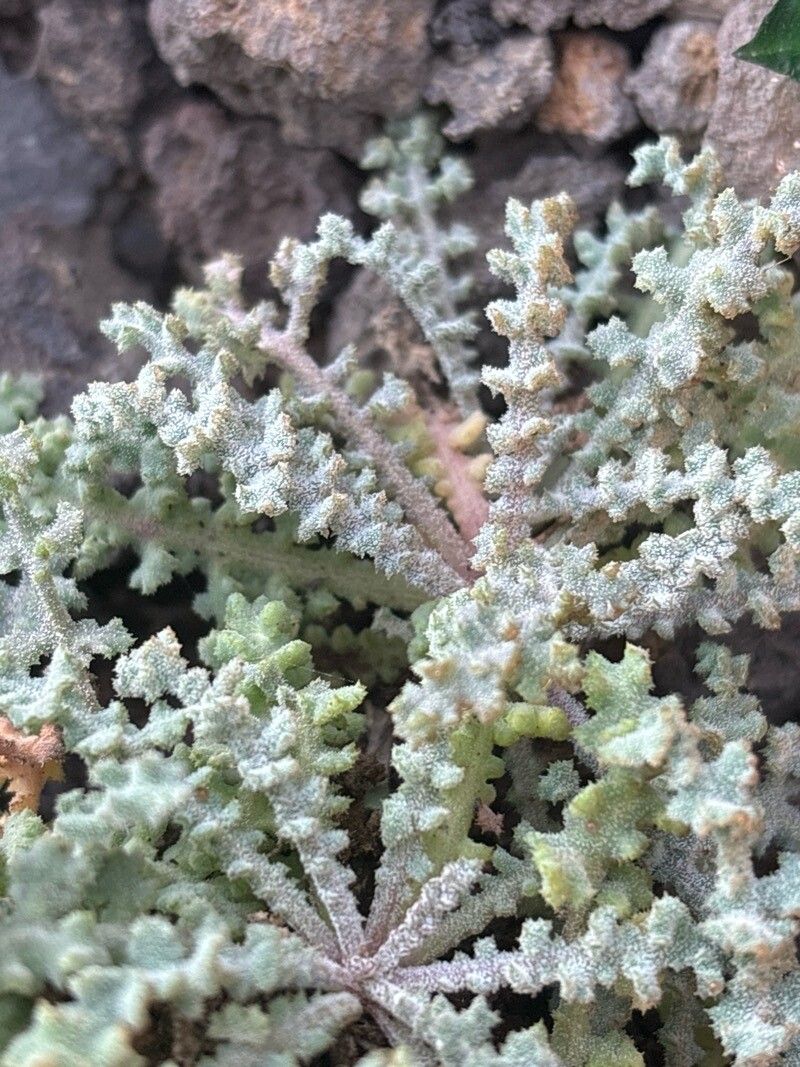
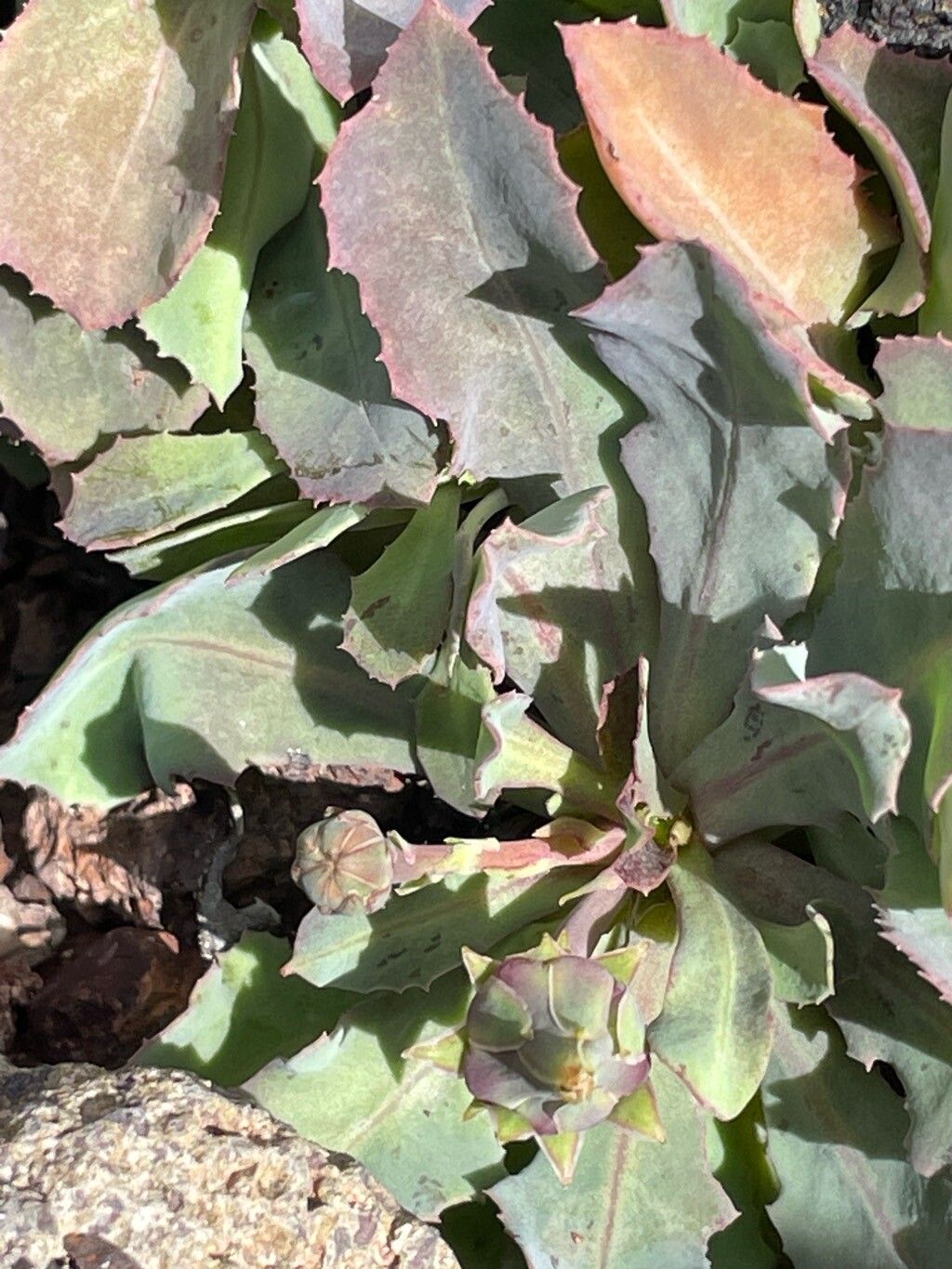
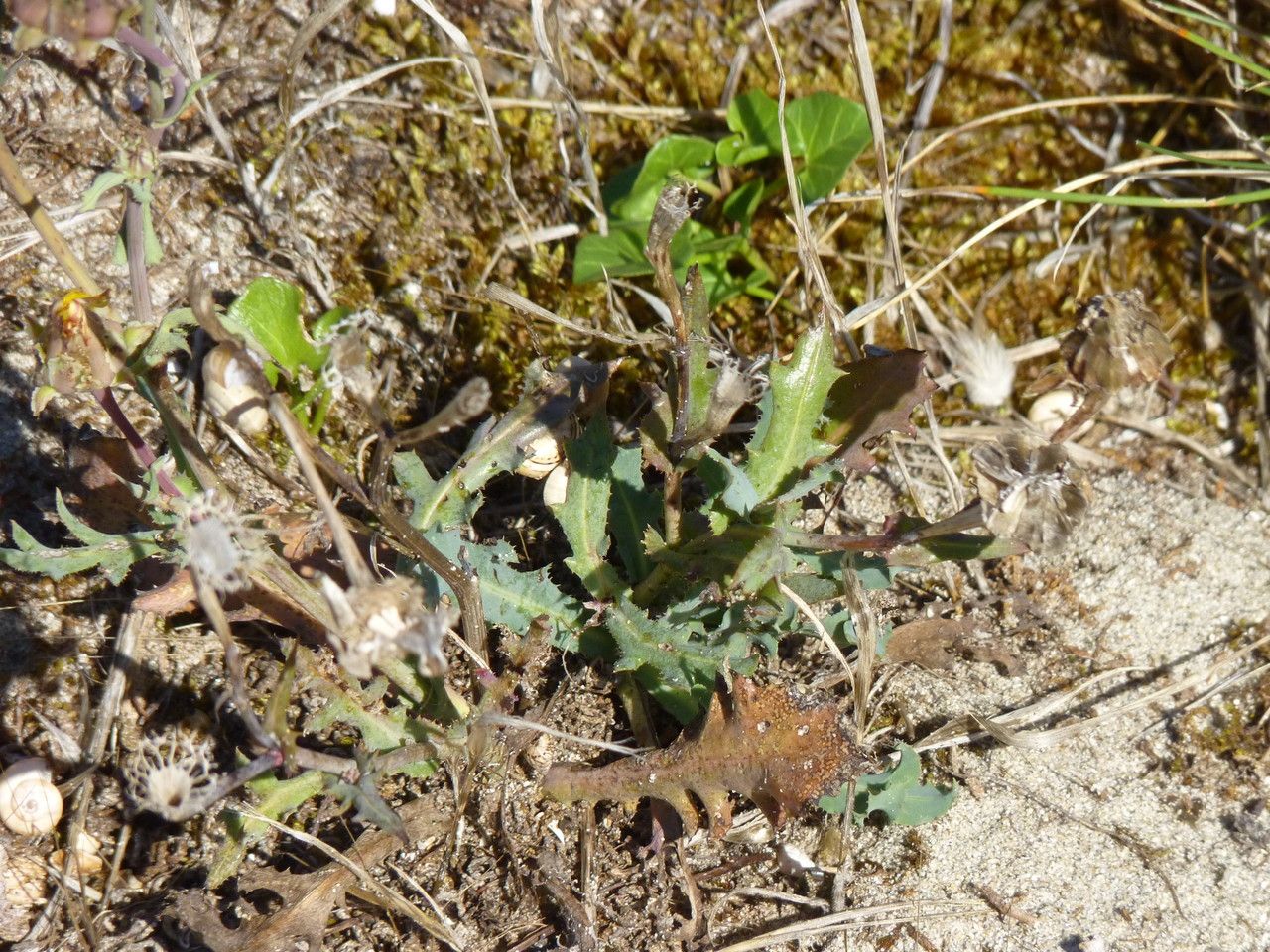
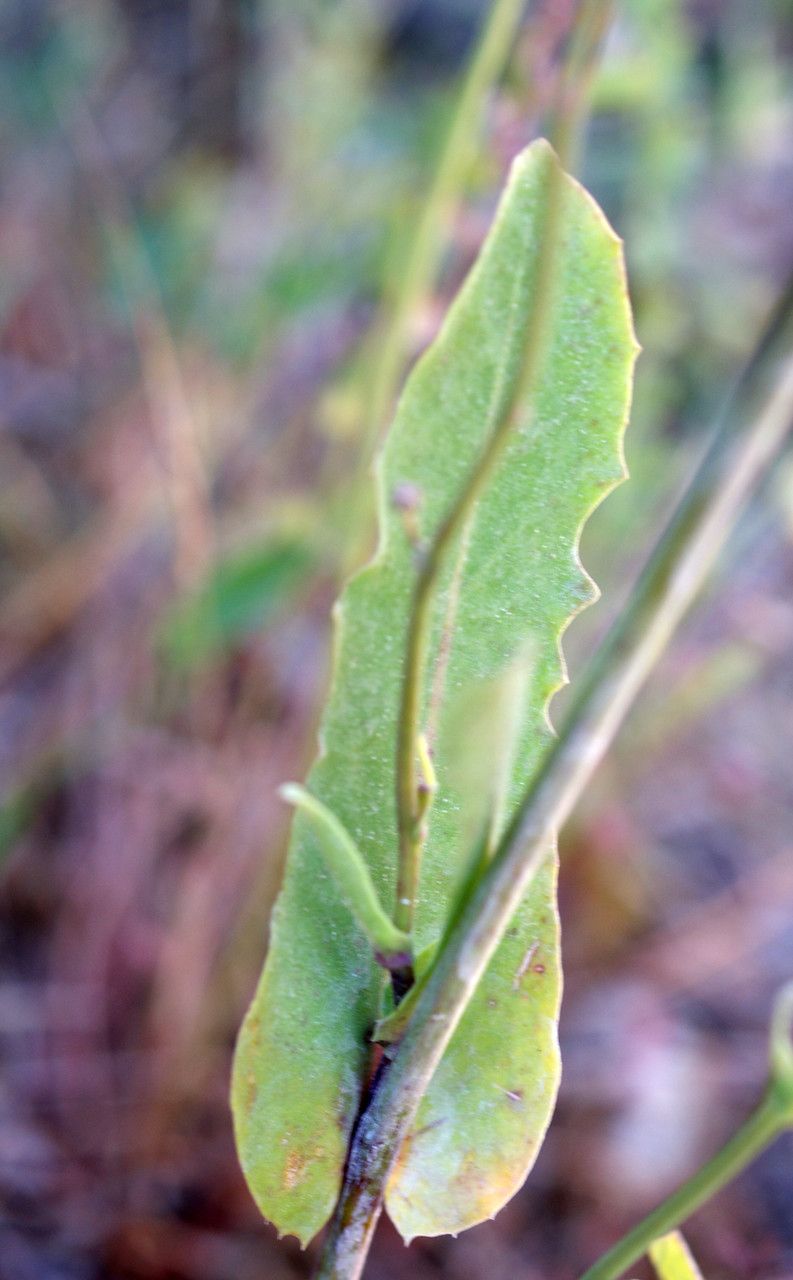
Reichardia tingitana is a species of plant in the family Asteraceae that is distributed primarily throughout Mediterranean and West Asia. It is known by the common name false sowthistle.
False sow-thistle shows moderate resistance to disease but can be prone to problems such as leaf spot. Its vulnerability to insect pests may differ by variety, although most varieties are less resistant to pests. For care, False sow-thistle requires regular watering and fertilizing, along with frequent pruning of yellow leaves. It is important to address pests and diseases as they appear and to harvest the plant promptly. False sow-thistle is well suited to people who have some time and energy to dedicate to regular care.
How to keep Reichardia Tingitana.
Light
The false sow-thistle does best when it receives ample sunlight all day, which encourages robust growth. In its native areas it is used to abundant sun, but it can also tolerate places with less light. Too much light can stunt its growth, while too little can cause its leaves to become pale.
Water
False sow-thistle is best suited for moderate climates and prefers consistently moist soil. To mimic its natural environment, it should be watered weekly. Outdoors, this herbaceous plant thrives with the help of natural rainfall. However, when grown indoors, it's important to water it carefully to maintain similar conditions.
Temperature
For False sow-thistle, moderate temperatures are best—about the same as what most people find comfortable. It grows well when conditions are neither excessively hot nor overly cold. The main problem with very high temperatures is the chance of sunburn, so it's advisable to give some shade in summer to prevent excessive heat. When temperatures fall, False sow-thistle becomes dormant. If you want it to keep growing continuously, you need to maintain warmer conditions during winter. Frost can damage the plant and should be avoided.
Fertilizer
To maximize yield, False sow-thistle responds well to regular applications of a balanced fertilizer, especially one high in nitrogen. Apply fertilizer before planting, at planting, and when seedlings are 2 inches tall. Adding compost or manure also gives a steady nutrient supply. If soil nutrients are lacking, leaves and stems will be underdeveloped, flavors will be poor, stems thin, and the taste may become bitter.
Pruning
The false sow-thistle features bright yellow flowers that resemble dandelions and thrives in well-drained soil. To promote healthy growth and maintain its shape, prune the plant from early to late spring. Be sure to remove any dead stems and spent flowers to encourage continuous blooming. For optimal results, use clean, sharp tools and make your cuts just above a leaf node.
Botanical profile.
- Plant Type
- Herb
- Life Cycle
- Annual, Perennial
- Genus
- Reichardia
- Family
- Asteraceae
- Hardiness Zone
- 8-11
- Mature Height
- 20 cm
- Mature Spread
- 20 cm to 40 cm
- Leaf Color
- Green, Light Green
- Leaf Type
- Semi-evergreen
- Flower Color
- Yellow
- Flower Size
- 2.54 cm to 3.56 cm
- Bloom Time
- Spring, Summer
- Planting Time
- Spring, Summer, Autumn
- Harvest Time
- Late spring, Summer, Early fall
- Native Area
- Saudi Arabia, Libya, Djibouti, Egypt, India, Tunisia, United Arab Emirates, Sudan, Cyprus, Eritrea, Pakistan, Greece, Morocco, Yemen, Kenya, Tanzania, Lebanon, Afghanistan, Iraq, Syria, Italy, Spain, Oman, Iran, Ethiopia, Kuwait, Algeria, Qatar
Other names.
Reader questions.
How should I water my False sow-thistle?
To water False sow-thistle, you have various options such as using a garden hose with a spray nozzle or a watering can. This plant is not too particular about the type of water it receives, so rainwater, tap water, or filtered water will all suffice. However, it's best to avoid watering from above as it can harm the leaves and flowers and potentially cause disease. A drip irrigation system is often a suitable method for watering False sow-thistle since it evenly and directly applies water to the soil. If you have a False sow-thistle growing in a container, you can follow a similar watering technique but use a cup, watering can, or tap to apply water directly to the soil.
What are the sunlight requirements for False sow-thistle?
False sow-thistle thrives best with ample sunlight, requiring above 6 hours of direct sunlight daily (full sun) for optimal growth. It can also grow in conditions with about 3-6 hours of sunlight (partial sun), although it is native to areas that usually enjoy abundant sunshine. It's important to observe how sunlight moves through your garden to find spots that offer a good balance of light and shade suitable for your plants, ensuring their health and happiness.
What should I do if I give my False sow-thistle plant too much or too little water?
The solution for underwatering False sow-thistle is simple. When you see that your plant is lacking moisture, start watering it more regularly. On the other hand, overwatering can be a bigger issue if you don't catch it early. Overwatered False sow-thistle can develop diseases that cause it to decline and die. To prevent this, choose a suitable location with sunlight to dry the soil and proper drainage to prevent water from pooling. If you've overwatered a potted False sow-thistle, you may need to change the pot. The previous container might have had poor soil drainage or inadequate drainage holes. When repotting the overwatered plant, use loose soil and a pot with efficient drainage.
How does artificial lighting benefit indoor plants, and what are the recommendations for its use with False sow-thistle?
Indoor plants, including False sow-thistle, require adequate lighting to grow well, especially when natural sunlight is insufficient. Artificial lighting serves as an essential solution, promoting faster, healthier growth. LED lights are recommended due to their ability to provide specific wavelengths needed by plants. For full sun plants like False sow-thistle, 30-50W/sq ft of artificial light is needed. The lights should be placed 12-36 inches above the plant and kept on for 8-12 hours per day to mimic natural sunlight conditions effectively.
How often should I give water to my False sow-thistle?
False sow-thistle requires regular watering throughout the growing season. In spring, you should water it once a week. As the weather gets warmer, you may need to water it two to three times a week. However, watering it more than that can harm the plant. Regardless of how often you need to water, make sure the soil remains moist but not wet. Watering False sow-thistle in a pot is slightly different. The soil in a pot dries out faster, so you'll need to water it more frequently. Generally, watering a container-grown False sow-thistle a few times a week is needed, compared to just once a week for a plant in the ground.
What are the symptoms of insufficient or excessive sunlight in False sow-thistle?
False sow-thistle can show various symptoms due to incorrect lighting conditions. Insufficient light may result in small leaves, leggy or sparse growth, faster leaf drop, slower or no new growth, and paler new leaves. Excessive sunlight can cause chlorosis (leaves turning yellow), sunscald (damaged leaves or stems), leaf curling (as a defense mechanism), wilting (from increased water loss), and leaf scorching (brown, dry leaf edges). These symptoms highlight the plant's struggle to adapt to its environment, either by conserving energy or protecting itself from damage.
How much water does my False sow-thistle require?
Determining the amount of water to give your False sow-thistle can be done in several ways. One option is to check the soil's moisture by feeling it, and then watering until the top six inches are moist. Another method is to use a measurement, such as giving about two gallons of water per week. However, be cautious as this may result in overwatering if your plant actually needs less. When growing False sow-thistle in a container, a different approach is required. Make sure to water enough to moisten all dry layers of soil, which can be checked by sticking your finger in the soil or observing excess water draining from the pot's holes.
What solutions can help manage light exposure for False sow-thistle to ensure healthy growth?
To manage light exposure for False sow-thistle and ensure its healthy growth, gradual adaptation to proper sunlight is key. Indoor plants may be moved closer to south-facing windows or supplemented with artificial lighting, keeping lamps on for at least 8 hours daily. Outdoors, transitioning plants to sunnier spots gradually helps prevent sunburn. Reducing obstructions like pruning trees or transplanting to sunnier locations with good drainage can also be beneficial. Note that parts of the plant affected by insufficient light might not recover, but new growth should be healthy once light exposure is optimized.
How can I know if I'm giving enough water to my False sow-thistle plant?
Avoiding overwatering your False sow-thistle can be a bit challenging. On one hand, these plants have deep roots that need weekly soil moisture. On the other hand, they are highly prone to root rot. Overwatering can also lead to browning. Underwatering is less of a concern as these plants can survive without additional watering for some time. However, if you wait too long, they may wilt and display dry leaves.
How do I water my False sow-thistle at different times of the year?
As the seasons change, you can expect your False sow-thistle's water needs to change as well. In the spring, watering once per week should be sufficient. However, as the summer heat arrives, you will likely need to increase the frequency of watering to about three times per week, especially if your False sow-thistle is in a container. Containers tend to dry out faster than ground soil in warm weather. In the autumn, when the temperature has cooled and the sun is not as strong, your False sow-thistle may require less water while still in bloom.
How do I water my False sow-thistle as it grows?
False sow-thistle goes through various growth stages throughout the year, each with different water requirements. To start, when you plant the seed, it's important to water more frequently to ensure consistent soil moisture. Once the seed germinates and the plant emerges from the soil, you can reduce the watering slightly. When the False sow-thistle is fully matured, a regular watering frequency of once per week is sufficient. However, during flower development, giving slightly more water can be beneficial.
What's the difference between watering False sow-thistle inside and outside?
False sow-thistle usually prefer outdoor growing environments for a few reasons. Firstly, they tend to grow quite tall, which may be challenging to accommodate indoors. Additionally, these plants require a significant amount of daily sunlight, which might be difficult to provide indoors. However, if you can create a suitable indoor growing space, you may need to water your False sow-thistle more frequently than if it were grown outdoors. This is because indoor locations are typically drier due to HVAC units, and soil in containers can dry out faster compared to soil in the ground.