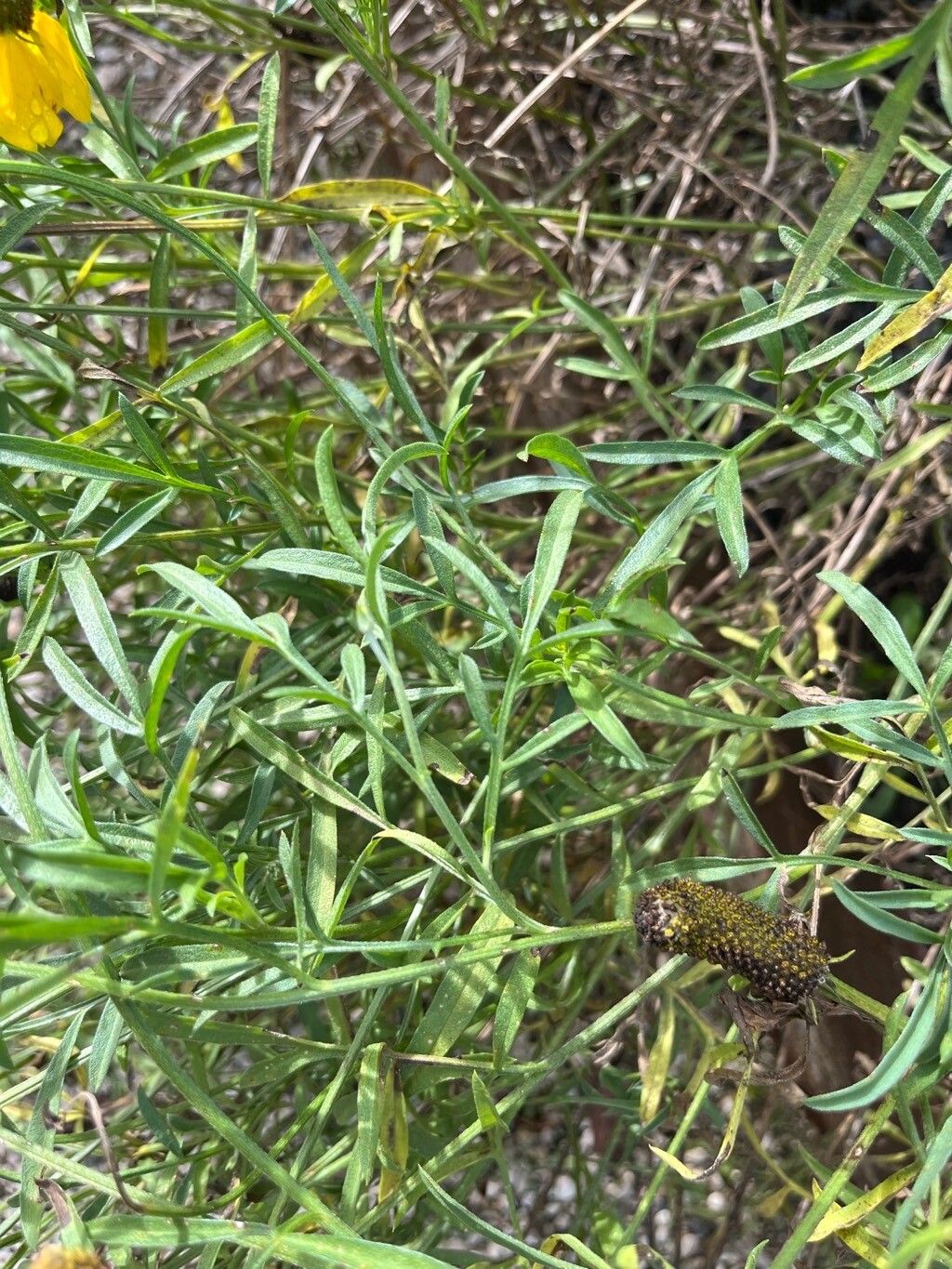
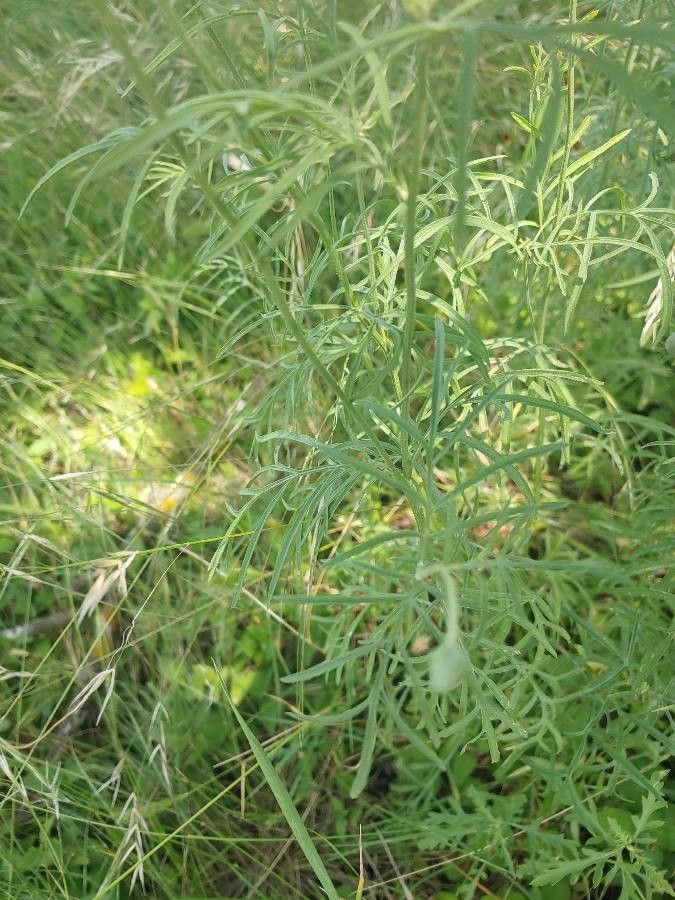
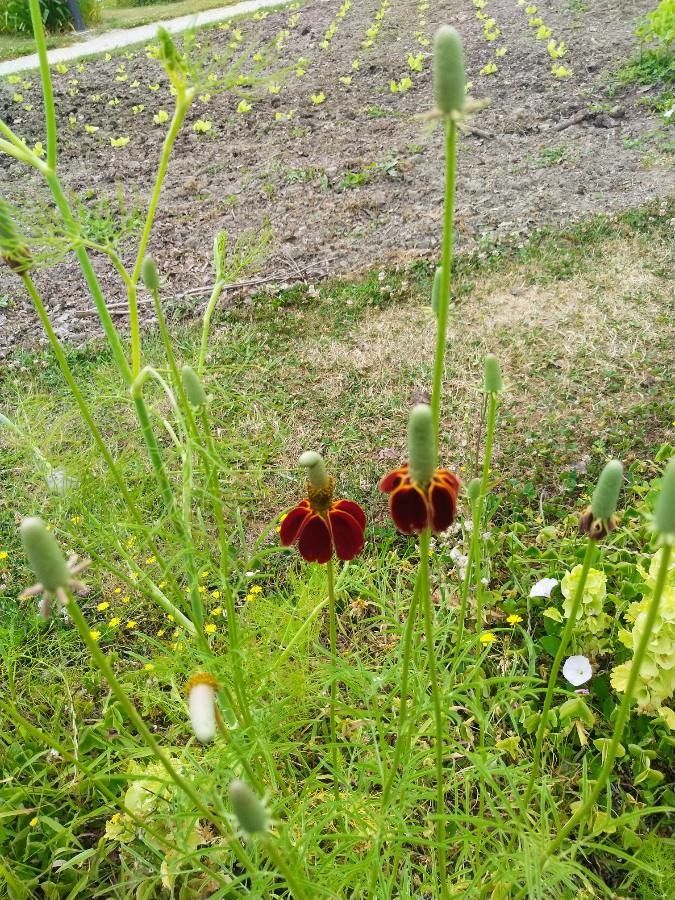
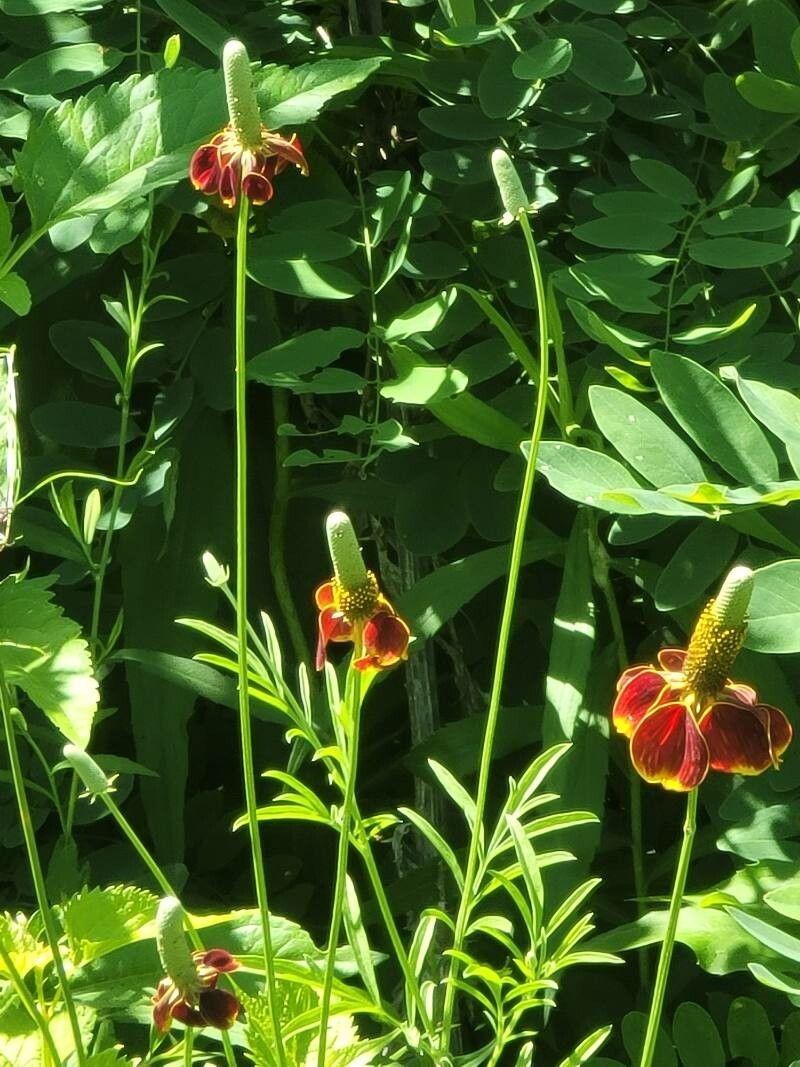
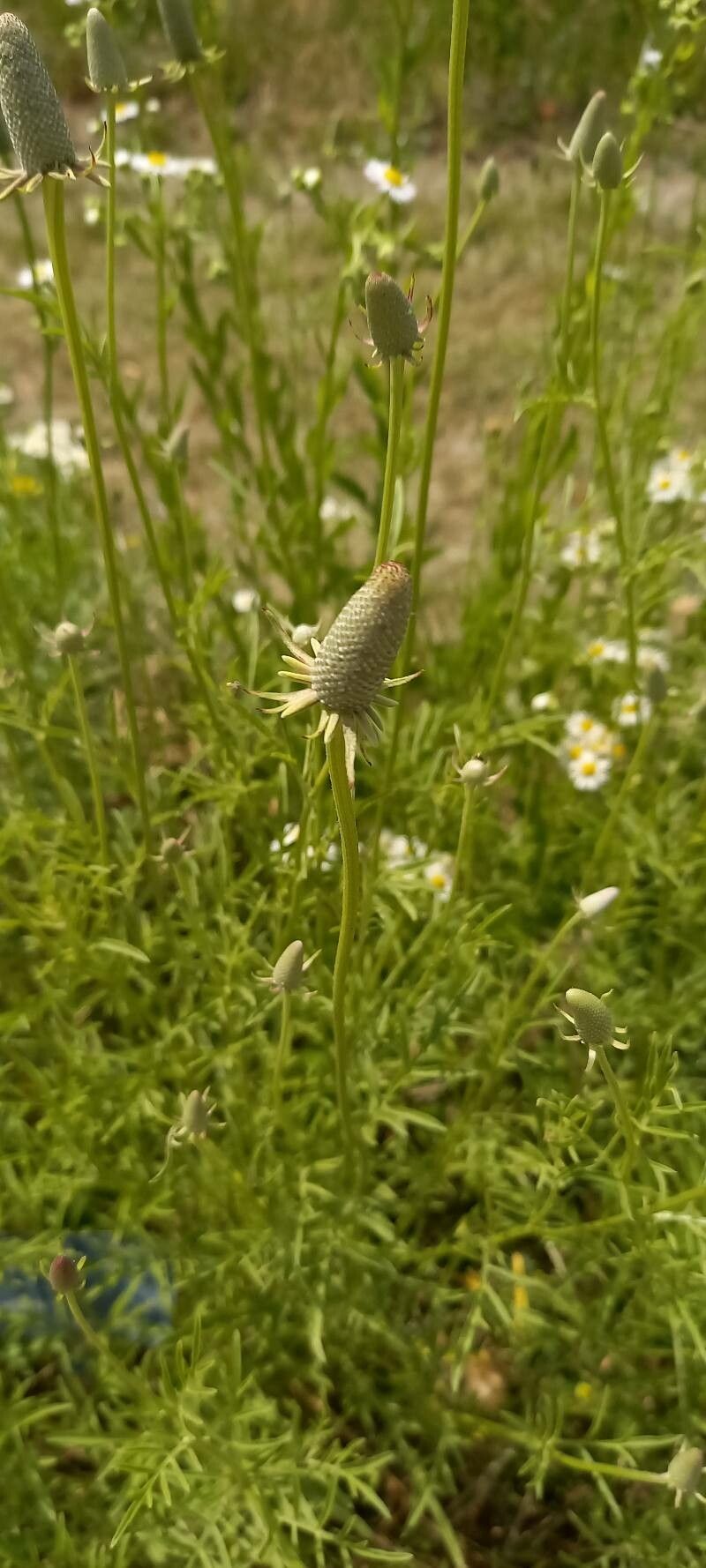
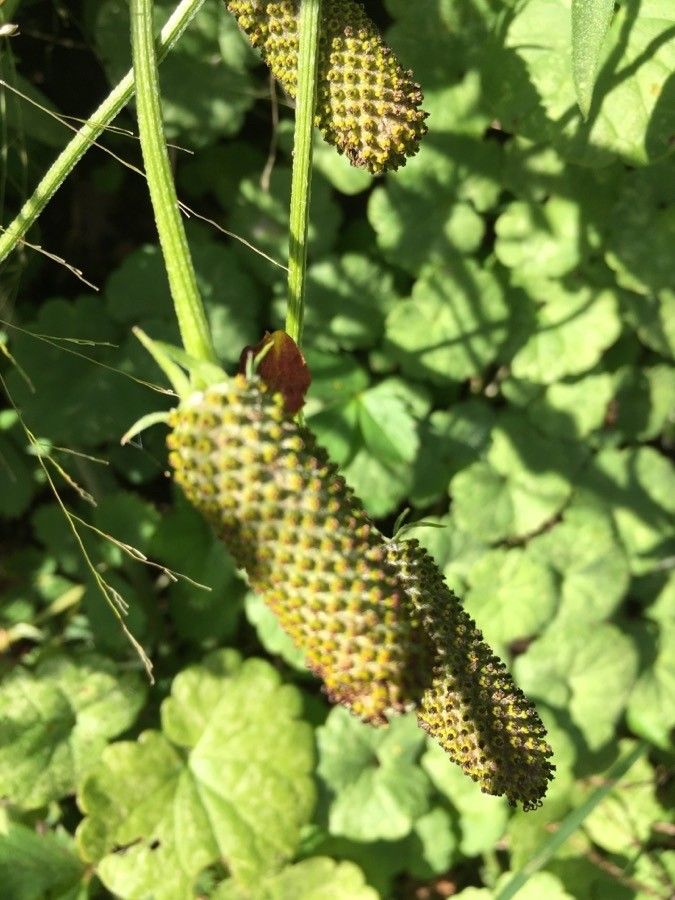
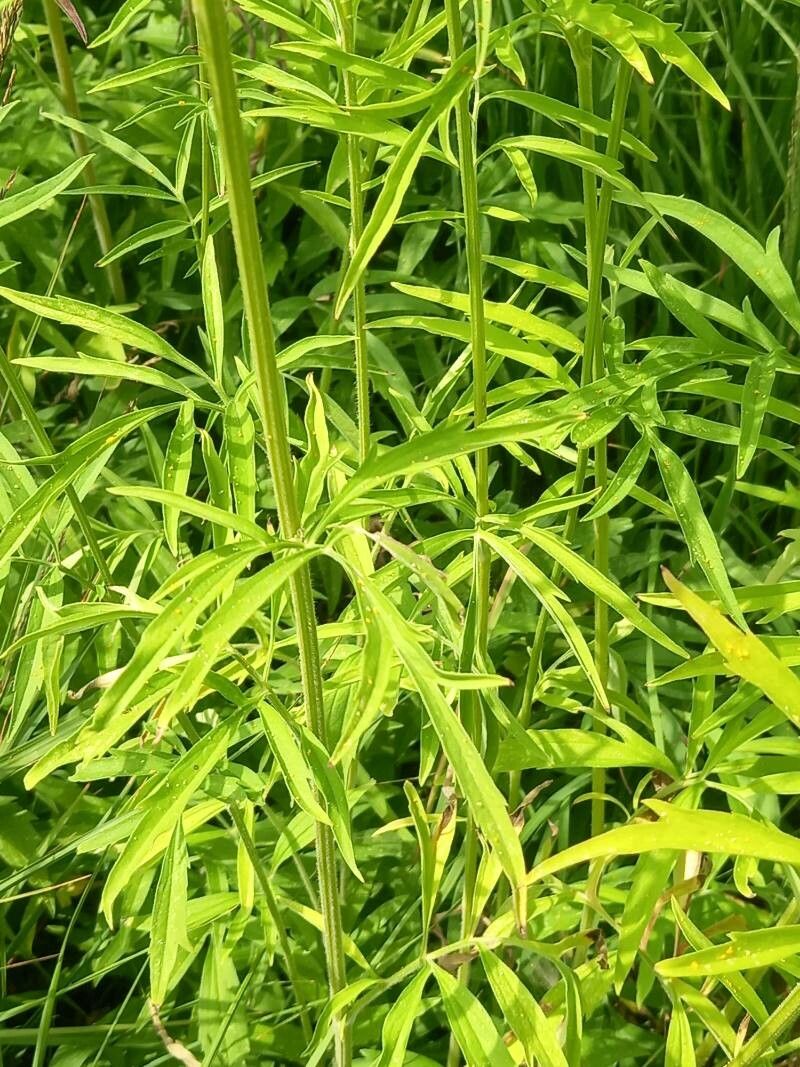
Ratibida columnifera, commonly known as the prairie coneflower or Mexican hat, is a perennial plant native to North America and a member of the Asteraceae family. It can grow up to 3 feet tall and features multiple stems with narrow leaves. The plant is best known for its distinctive, cone-shaped flowers that resemble a sombrero; these flowers have red or yellow petals encircling a dark brown center. Blooming from June to August, the flowers attract a variety of pollinators, including bees, butterflies, and hummingbirds.
Ratibida columnifera thrives in full sun and well-drained soil but can tolerate some shade and drought conditions once established. Due to its attractive appearance and low maintenance requirements, it is often used in prairie restoration projects and ornamental gardens.
Additionally, some Native American tribes have traditionally used Ratibida columnifera for medicinal purposes. They make tea from its leaves or roots to treat headaches and respiratory issues.
Prairie coneflower is fairly resistant to disease and typically does not suffer from many ailments. Still, it can be affected by pests and diseases present in its surroundings. Such infections are usually mild. For care, the plant requires moderate maintenance. Regular pruning is needed to keep a neat appearance and support healthy growth. Fertilizing can also help encourage flowering. The prairie coneflower is suitable for anyone with outdoor space, like a garden or patio, and does not demand extensive plant-care experience. It may need more attention if grown indoors.
How to keep Ratibida Columnifera.
Light
Prairie coneflower does best when exposed to sunlight for most of the day and can still grow in partial shade. It comes from environments with abundant sunlight. Excessive shade can impede its growth; complete lack of light may cause serious damage.
Water
Originating from the North American prairies, the prairie coneflower thrives in moderate moisture conditions. It prefers consistent watering but not in excess. Thanks to its deep taproot and drought tolerance, the prairie coneflower efficiently absorbs water, making it resilient during periods of unpredictable rainfall. This adaptability makes it an excellent choice for naturalized garden settings that receive ample sunlight and occasional rain.
Temperature
Prairie coneflower naturally grows in temperate regions, where temperatures typically range from 5 to 35 ℃ (41 to 95 ℉). It favors temperatures of 18 to 23 ℃ (64 to 73 ℉) and can tolerate occasional frost. In hot summer months it may need extra watering and some shade to cope with temperatures above 30 ℃ (86 ℉).
Fertilizer
One fertilizer application in spring is typically sufficient for Prairie coneflower, although additional feedings can boost growth. Apply fertilizer every month to six weeks. Fertilization improves leaf appearance and function, helping maintain even color and a healthy texture. It also promotes root growth and nutrient uptake, supporting the plant's long-term health.
Pruning
The Prairie coneflower, known for its unique drooping petals and sturdy stems, benefits greatly from pruning in early to late spring. Key techniques include removing spent blooms, trimming overgrown stems, and thinning out the plant to improve air circulation. These practices promote healthier growth and increase flowering.
Pot & Repot
When repotting Prairie coneflower, select a container 1-2 inches (2.5–5.1 cm) larger with ample drainage. Use a well-draining potting mix. Repot in spring or fall, ensuring the root ball sits slightly lower than the rim of the pot. Water thoroughly after repotting and place in a warm spot with indirect sunlight.
Botanical profile.
- Plant Type
- Herb
- Life Cycle
- Perennial
- Genus
- Ratibida
- Family
- Asteraceae
- Hardiness Zone
- 4-9
- Mature Height
- 30 cm to 91 cm
- Mature Spread
- 40 cm
- Leaf Color
- Green
- Leaf Type
- Deciduous
- Flower Color
- Yellow, Brown
- Flower Size
- 2.54 cm to 5.08 cm
- Bloom Time
- Early summer, Mid summer
- Planting Time
- Spring
- Harvest Time
- Mid summer, Late summer
- Native Area
- Mexico
Other names.
Reader questions.
How should I water my Prairie coneflower plants?
To ensure the health of the Prairie coneflower when watering, it is recommended to use filtered water at room temperature or slightly warmer. Tap water might contain harmful particles that could affect the plant negatively. The Prairie coneflower originates from a warm climate, so using cold water could shock its system. Additionally, overhead watering should be avoided as it can cause issues with the foliage. Instead, it is best to thoroughly soak the soil with the filtered room temperature water. This helps moisten the roots and aids in their spread through the soil for nutrient collection.
Why should I put fertilizer on my Prairie coneflower?
The leaves of the Prairie coneflower are essential for its structure. Fertilization is crucial for ensuring that these leaves look beautiful and perform their function effectively. Proper fertilization results in consistent leaf color and a healthy texture. Additionally, fertilization benefits the plant below the soil surface by promoting the growth of new roots and maintaining existing root structures. This not only keeps the plant healthy presently but also enhances its ability to absorb nutrients from the soil in the future.
What are the sunlight requirements for Prairie Coneflower?
Prairie Coneflower, botanically known as Ratibida columnifera, thrives in environments that are generously bathed in sunlight throughout the day, making it well-suited for areas receiving full sun for more than 6 hours or partial sun for about 3-6 hours daily. Observing how sunlight moves through your garden is crucial, allowing you to select locations that offer an ideal mix of light and shade, thus ensuring your plants remain healthy and happy.
What is the native growth environment of the Prairie Coneflower?
The Prairie Coneflower, with its botanic name Ratibida columnifera, thrives in temperate zones where temperatures range from 5 to 35°C (41 to 95°F). It prefers temperatures between 18 to 23°C (64 to 73°F) for optimal growth and can withstand occasional frost, showcasing its strong cold resistance. During the hot summer months, when temperatures soar above 30°C (86°F), the Prairie Coneflower may need extra care such as additional watering and some shade to cope with the heat.
What should I do if I give my Prairie coneflower too much water or too little water?
Overwatering and underwatering are both harmful to the health of your Prairie coneflower, but overwatering is a more common problem. When this plant receives too much water, its stems and leaves may wilt and turn yellow. Overwatering for a long time can also cause diseases like root rot, mold, and mildew, which can kill your plant. Underwatering is less common because the Prairie coneflower can tolerate drought well, but it can still happen. If your Prairie coneflower is underwatered, you may notice brittle, brown leaves. It's important to detect signs of overwatering early when caring for your Prairie coneflower because some diseases resulting from overwatering, like root rot, may not be fixable if you wait too long. If you see early signs of overwatering, reduce your watering immediately and check if the soil drains poorly. If it does, replace it with a loose, well-draining potting mix. On the other hand, if your Prairie coneflower shows signs of not getting enough water, simply water it more regularly until the signs disappear.
When should I fertilize my Prairie coneflower?
When growing your Prairie coneflower outdoors, you can expect new growth to sprout in early spring. This is your cue to start fertilizing for the year. Typically, one application of fertilizer in spring is sufficient for the Prairie coneflower to thrive. However, if you want to encourage maximum growth, you can fertilize multiple times during spring and early summer. In this case, you should feed the Prairie coneflower approximately once every month to a month and a half.
How does insufficient sunlight affect Prairie Coneflower?
When Prairie Coneflower receives inadequate lighting, it may exhibit several symptoms, including smaller new leaves, leggy or sparse growth, faster leaf drop, slowed or halted growth, or lighter-colored new leaves due to a lack of chlorophyll and essential nutrients. Additionally, conditions such as chlorosis, sunscald, leaf curling, wilting, and leaf scorching could occur, reflecting the plant's struggle in suboptimal light conditions.
How should the Prairie Coneflower be protected during winter?
The Prairie Coneflower demonstrates significant cold resistance, thus special frost protection measures are not usually necessary. However, in regions where winter temperatures may plummet below -30°C, it is essential to provide cold protection to prevent damage. This can be done by covering the plant with insulating materials like soil or straw. Additionally, it's recommended to water the plants abundantly before the first freeze in autumn to keep the soil moist, which helps to prevent drought and water scarcity during the winter and early spring months.
How much water should I give my Prairie coneflower?
If your Prairie coneflower is in a pot, the easiest way to determine if it needs water is by sticking your finger in the soil. When the top two to three inches of soil are dry, it's time to water it. If you are growing your Prairie coneflower in the ground, you can use the same method to test the soil. Once again, when the top few inches of soil have dried out, it's time to water. Typically, during spring and early fall, you'll need to water this plant about once a week using this method. However, when it gets extremely hot outside, you may need to increase the frequency to two or more times per week. It's worth noting that mature and well-established Prairie coneflowers are quite resilient and can withstand drought conditions.
When is the best time to not fertilize my Prairie coneflower?
During the late fall and winter, your Prairie coneflower will go into a dormant phase and stop growing. So, it's best not to fertilize it during this time. If you decide to fertilize multiple times in the spring and summer, you should reduce the amount of fertilizer as summer approaches because the growth rate of the Prairie coneflower slows down. In general, it's not a good idea to fertilize your Prairie coneflower when the weather is very hot or the soil is extremely dry. Fertilizing in these conditions can cause stress and premature death for your Prairie coneflower.
Are there any solutions for light deficiency in Prairie Coneflower?
To combat light deficiency in Prairie Coneflower, you can gradually move your plants to sunnier locations, ensuring they receive at least 6 hours of direct sunlight daily. For indoor plants, keeping them by south-facing windows or using artificial lighting such as desk, ceiling lamps, or professional plant grow lights for at least 8 hours daily can substantially improve their growth. Outdoor plants should be transitioned gently to avoid sunburn. Pruning or transplanting may be necessary to reduce obstructions and provide ample sunlight. Remember, while parts of the plant already affected may not recover, new growth post-adjustment should be healthy.
What are the symptoms and solutions for Prairie Coneflower in low temperatures?
Prairie Coneflower is cold-tolerant and prefers temperatures above 5°C. In winter, it should not be exposed to temperatures below -25°C. If temperatures fall below -30°C, the plant may not show immediate damage, but there could be a significant decrease in sprouting or even no sprouting at all during the spring. To address this issue, inspect the plant in spring and remove any parts that have failed to sprout, promoting healthier growth for the remaining plant.