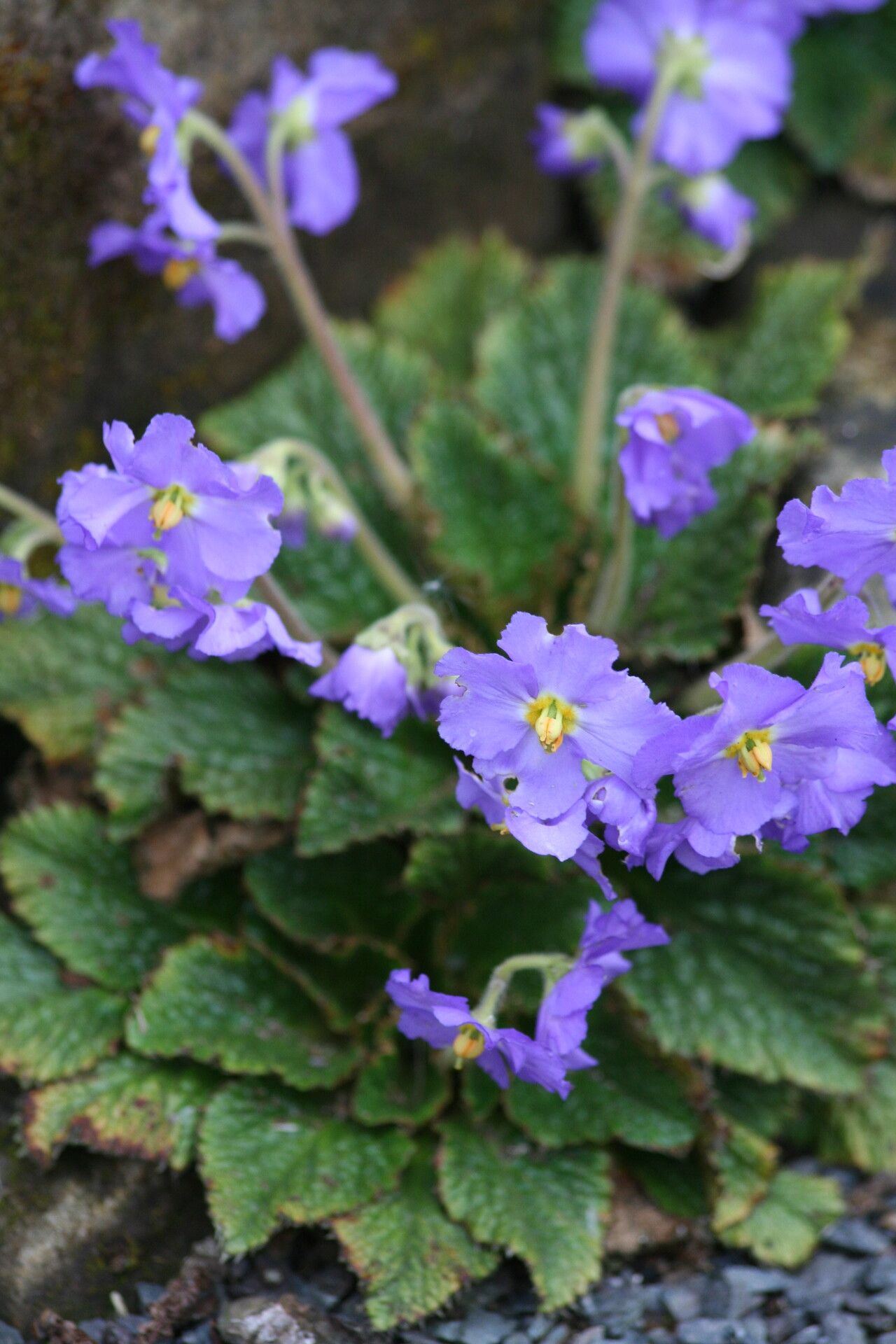
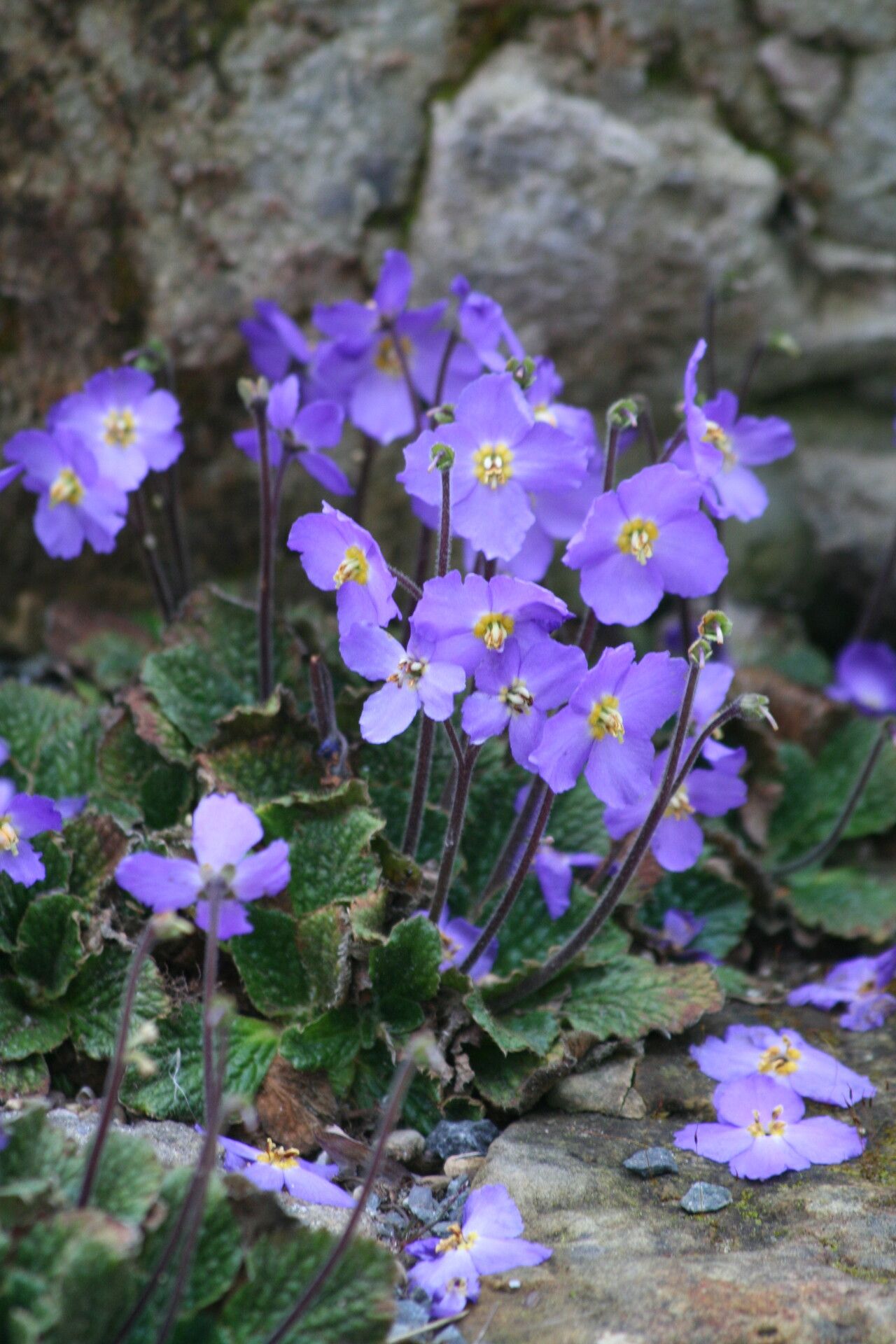
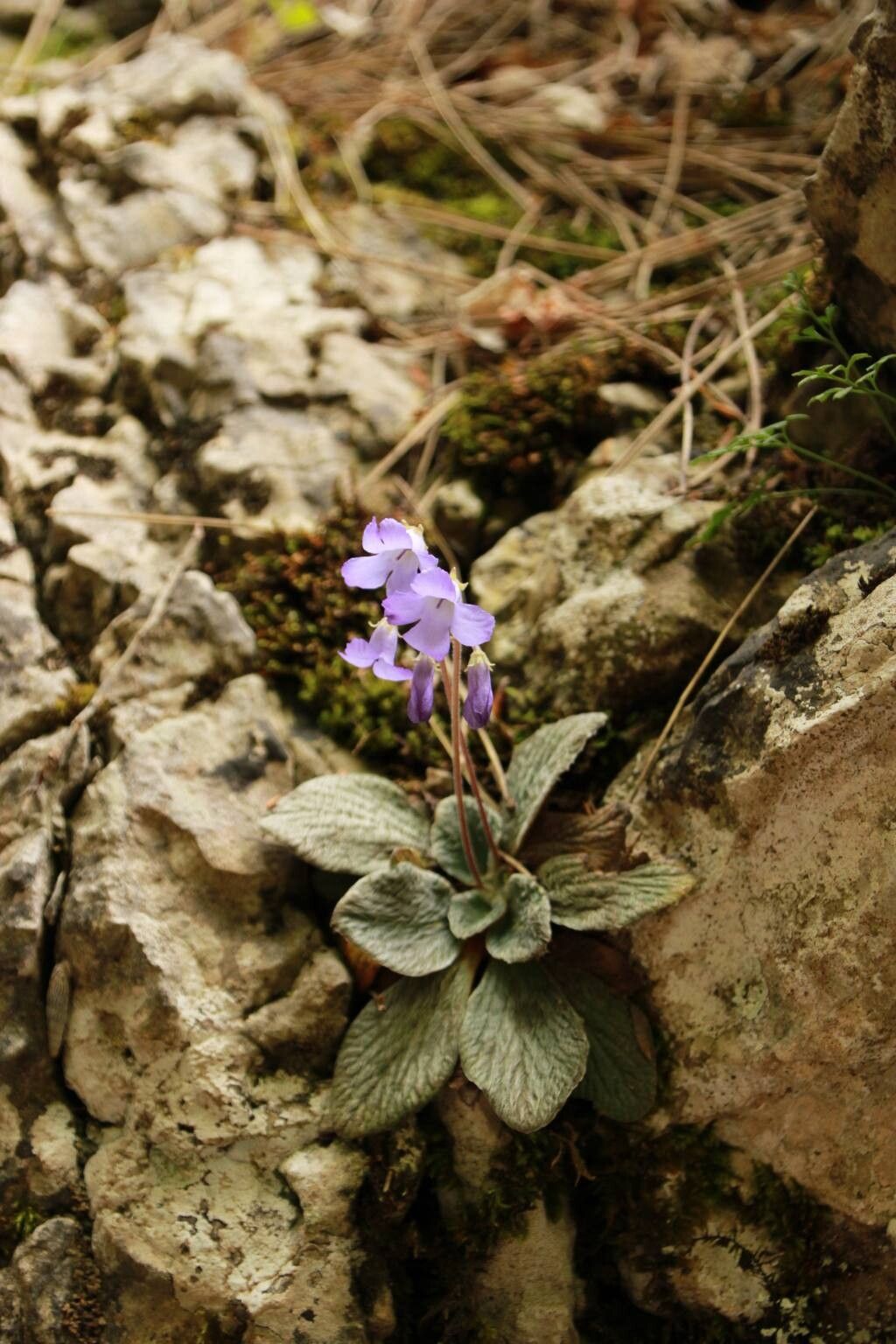
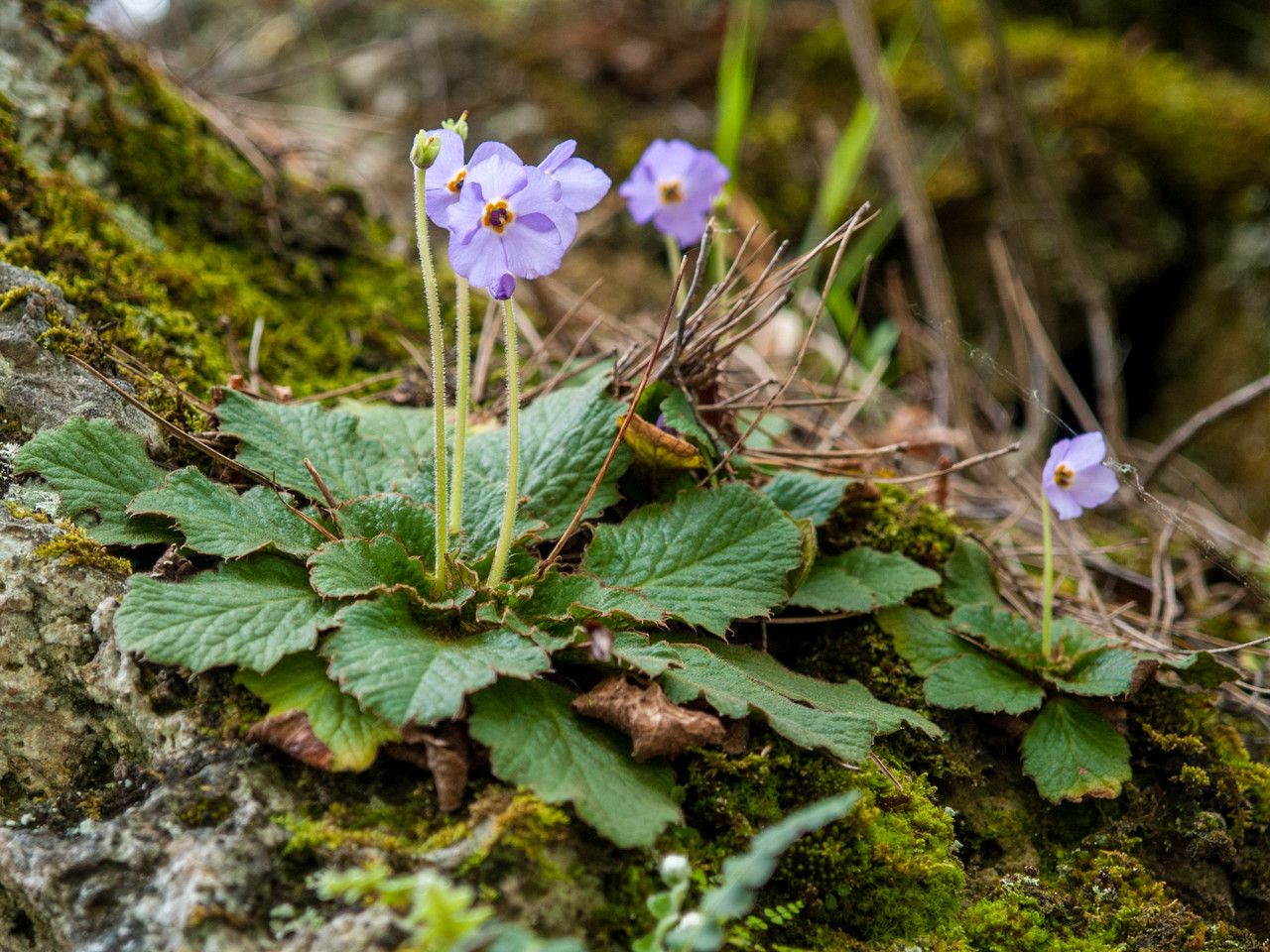
Ramonda nathaliae or Natalie's ramonda is a species of flowering plant in the family Gesneriaceae. It was discovered in 1884 near the city of Niš by botanists Sava Petrović and Josif Pančić, who named it after Queen Natalie of Serbia (1882–1889).
Ramonda nathaliae has strong resistance to diseases and is generally not susceptible to them. Nonetheless, it can be affected by pests and diseases present in its environment. Such infections are typically mild. Regarding maintenance, this plant needs a moderate level of care. It should be pruned regularly to preserve a neat appearance and support healthy growth. Applying fertilizer can also encourage flowering. Ramonda nathaliae is appropriate for anyone with outdoor areas like a garden or patio and does not demand extensive gardening experience. It may need more attention if cultivated indoors.
How to keep Ramonda Nathaliae.
Light
Ramonda nathaliae naturally occurs in places like forest understories or rocky habitats, where it is found in shaded conditions. It prefers partial sun but can tolerate full sun or full shade, showing it is versatile and hardy.
Water
Ramonda nathaliae flourishes in the rocky substrates of the Balkans and requires consistent weekly watering to keep the soil moist but well-drained. As an evergreen perennial, it retains its foliage throughout the year and needs careful watering during periods of active growth. This is especially important indoors, where humidity levels can vary.
Fertilizer
The primary time to fertilize Ramonda nathaliae is early spring, when the flowers are developing. Using the appropriate fertilizer promotes improved blooms and helps Ramonda nathaliae produce attractive flowers. Fertilizing in early spring ensures excellent flowers during the season and supplies energy for dormant growth phases.
Pruning
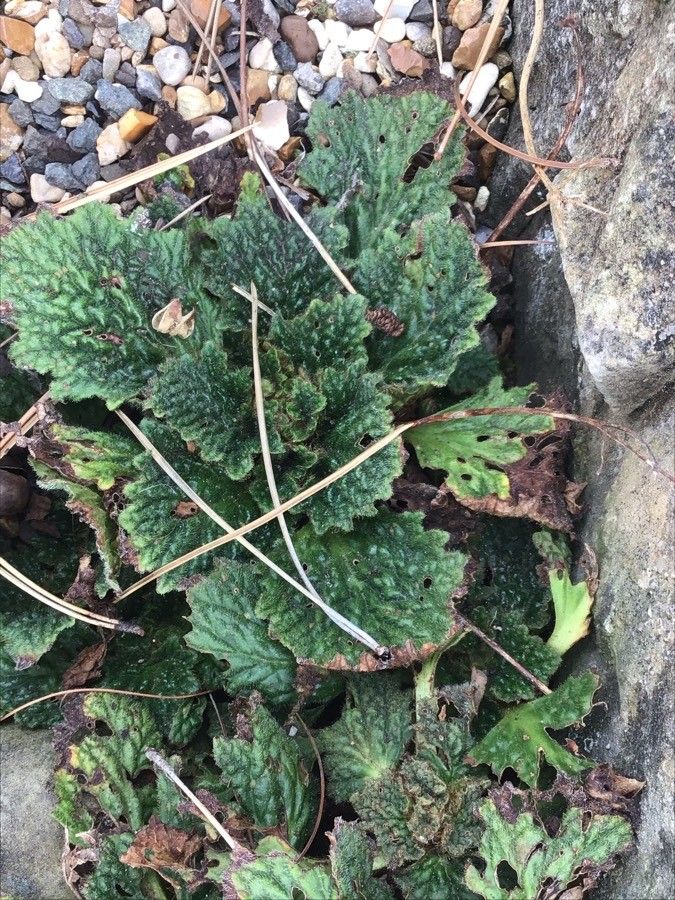
Ramonda nathaliae is a hardy plant with appealing rosettes. To promote growth and improve airflow, lightly prune it from early to late spring. Remove any dead leaves and spent flowers during this time. This practice enhances the plant's health, encourages new blooms, and reduces the risk of disease, supporting robust growth throughout its lifecycle.
Botanical profile.
- Plant Type
- Herb
- Life Cycle
- Perennial
- Genus
- Ramonda
- Family
- Gesneriaceae
- Hardiness Zone
- 4-8
- Mature Height
- 5 cm to 10 cm
- Mature Spread
- 10 cm to 15 cm
- Leaf Color
- Green
- Leaf Type
- Semi-evergreen
- Flower Color
- Purple, Blue
- Flower Size
- 2.03 cm to 3.05 cm
- Bloom Time
- Mid spring, Late spring
- Planting Time
- Spring
- Harvest Time
- Early summer, Mid summer
- Native Area
- Greece