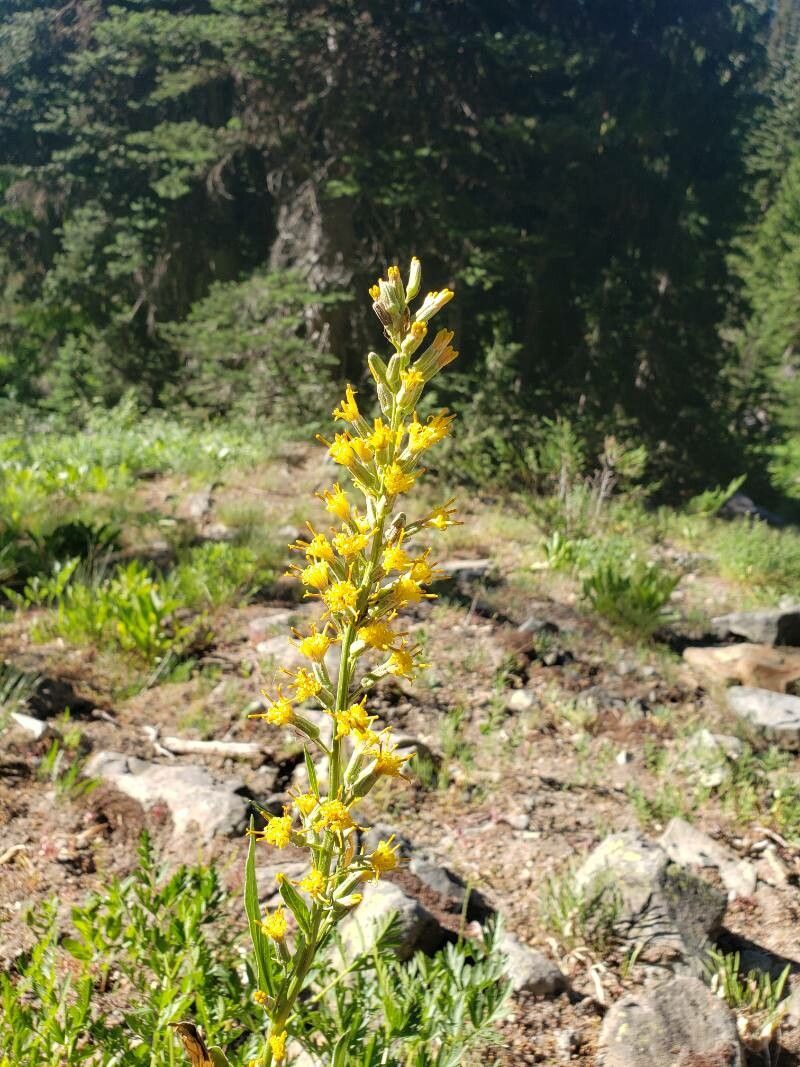
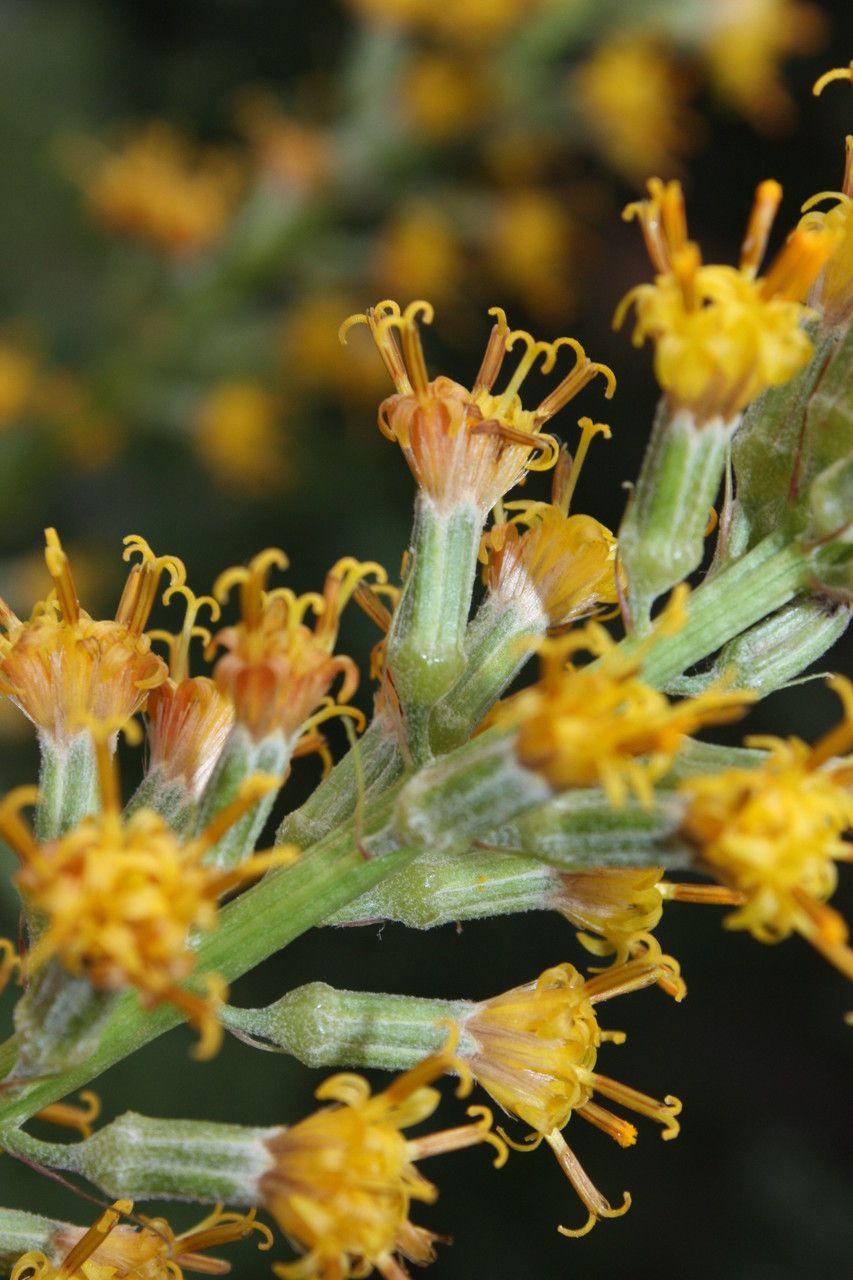
Rainiera is a monotypic genus of flowering plants in the daisy family, Asteraceae. The single species, Rainiera stricta (Greene) Greene, is endemic to the northwestern United States (Oregon and Washington). The genus is part of the tribe Senecioneae, and appears to be most closely related to Luina, another genus of northwestern North America, in which it was once placed. Rainiera stricta is of conservation concern, with a G2G3 ranking from NatureServe, and is considered to be globally imperiled. It is known by the common name false silverback.
False silverback is fairly resistant to disease and typically does not suffer from illnesses. Still, it can be vulnerable to pests and diseases present in its environment. Such infections are generally mild. Regarding care, this plant needs moderate maintenance. It should be pruned regularly to preserve a neat appearance and encourage healthy growth. Applying fertilizer can also aid in boosting blooms. False silverback is well suited for anyone who has outdoor space, like a garden or patio, and does not demand extensive horticultural experience. It may need extra attention if grown indoors.
How to keep Rainiera Stricta.
Light
False silverback is native to habitats like forest understories or rocky sites, where it grows in natural shade. It favors partial sun but can tolerate full sun or full shade, reflecting its adaptable, hardy nature.
Water
Originating from moist environments, the false silverback thrives with consistent hydration and prefers evenly moist soil. It demonstrates moderate tolerance to drought. To keep this plant healthy, it's recommended to water it weekly. Additionally, maintaining higher humidity levels can enhance its foliage and flowering potential, mimicking its preferred tropical conditions.
Temperature
False silverback can tolerate a broad range of temperatures, though its distribution may still be restricted by particular combinations of moisture and heat. It does best in warm summer conditions with sufficient rainfall or watering. Long periods of cloudy, rainy weather or extended high temperatures will raise the chance of False silverback dying. In winter, adequate protection from cold can increase the plant's survival rate.
Fertilizer
One fertilizer application in spring is generally enough for False silverback, though several feedings can maximize growth. Feed about once every month to a month and a half. Fertilizing improves leaf appearance and function, encouraging even color and a healthy texture. It also promotes root development and nutrient uptake for the plant’s long-term health.
Pruning
Pruning false silverback annually is essential to control its size, improve its shape, and promote healthy foliage. It is best to perform this task from early to late spring. Make cuts just above the leaf nodes to encourage new growth, and remove any dead branches to enhance air circulation. To minimize stress on the plant, try to limit pruning activities to the spring season.
Botanical profile.
- Plant Type
- Herb
- Life Cycle
- Perennial
- Genus
- Rainiera
- Family
- Asteraceae
- Hardiness Zone
- 5-8
- Mature Height
- 0.52 m to 1.07 m
- Mature Spread
- 20 cm to 49 cm
- Leaf Color
- Green
- Leaf Type
- Evergreen
- Flower Color
- Yellow
- Flower Size
- 2.03 cm to 3.05 cm
- Bloom Time
- Mid summer, Late summer
- Planting Time
- Spring, Summer, Autumn
- Harvest Time
- Early fall, Mid fall
Other names.