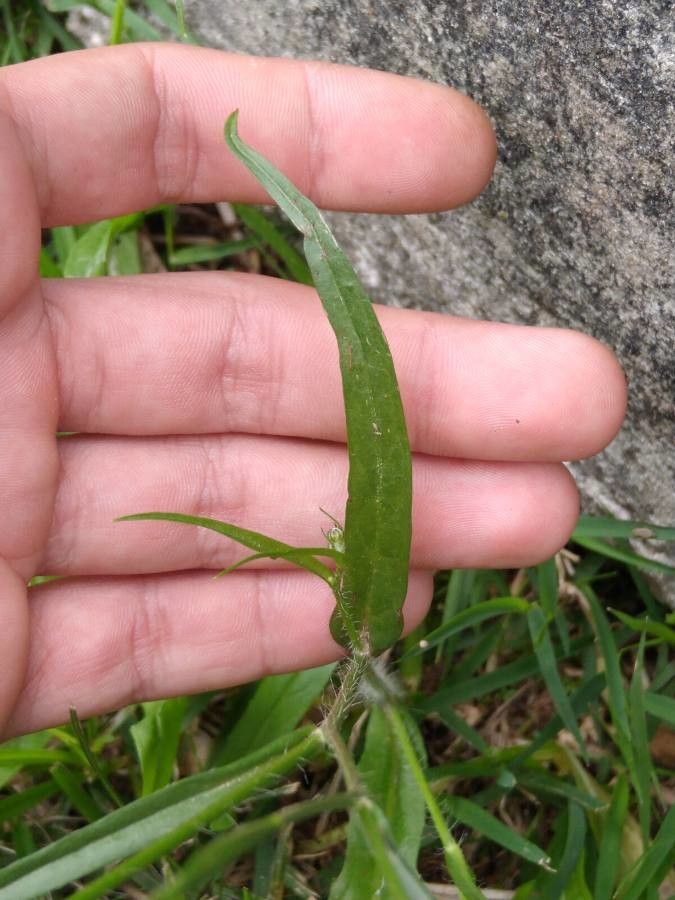
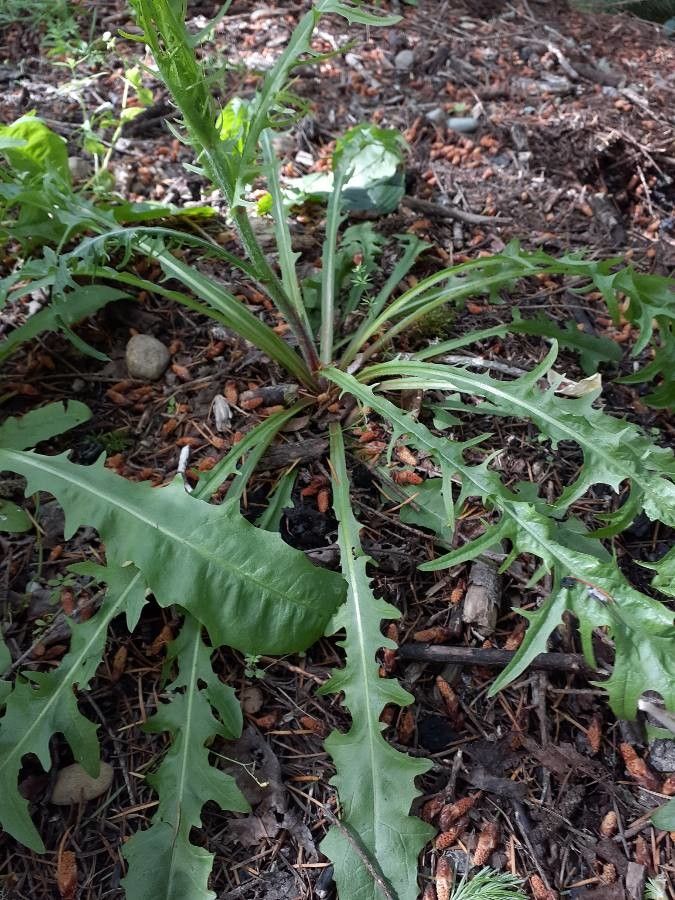
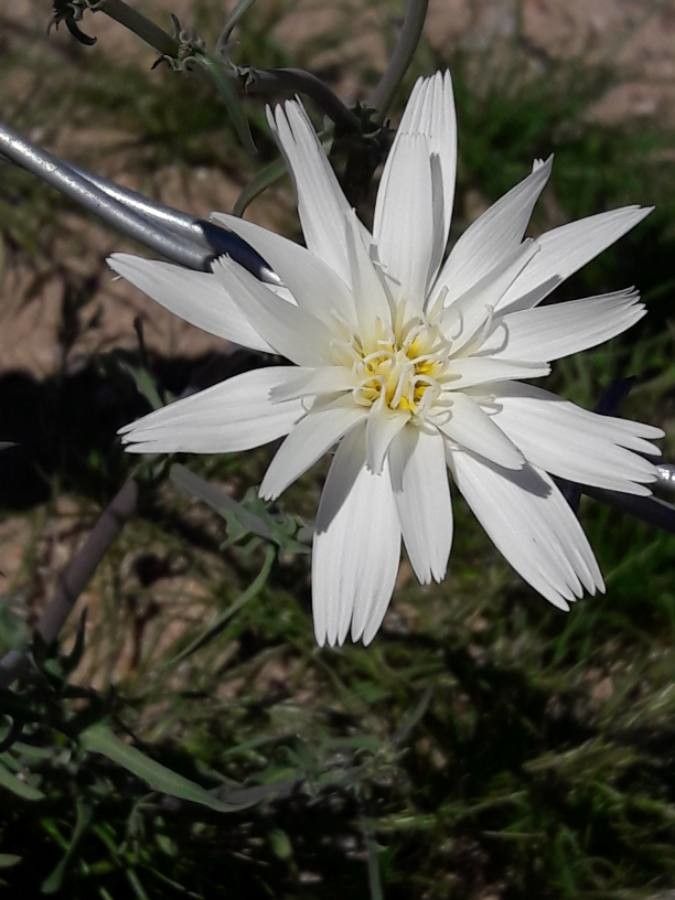
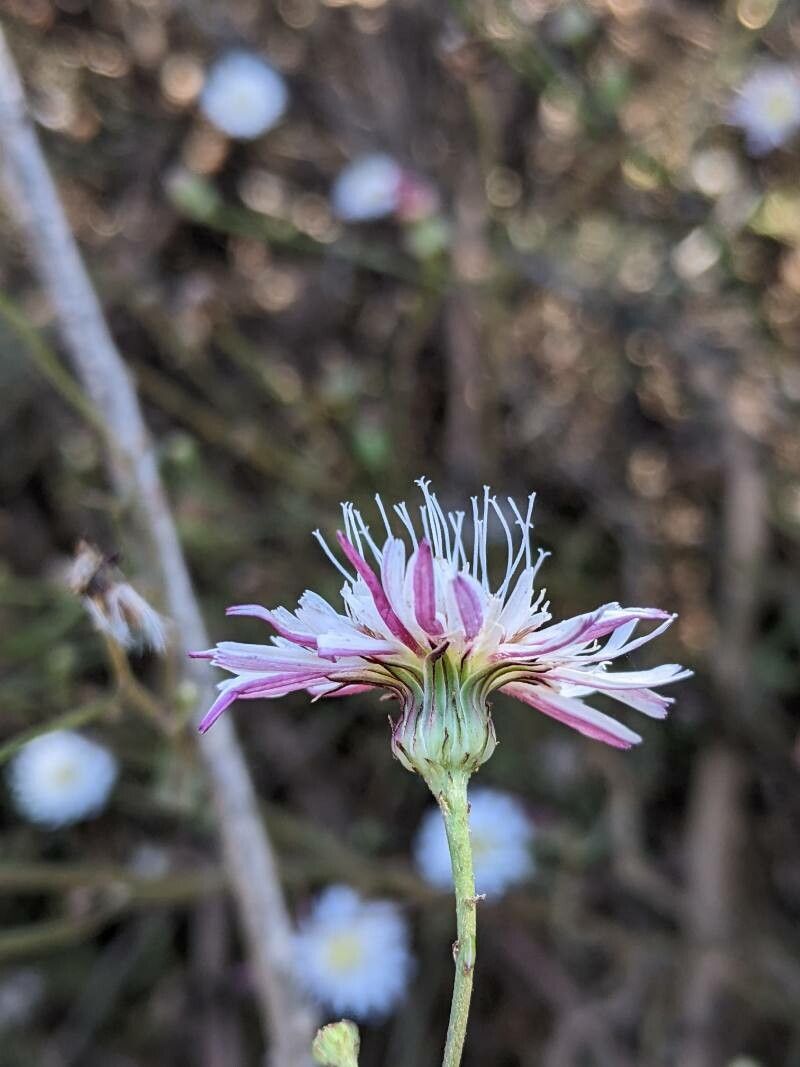
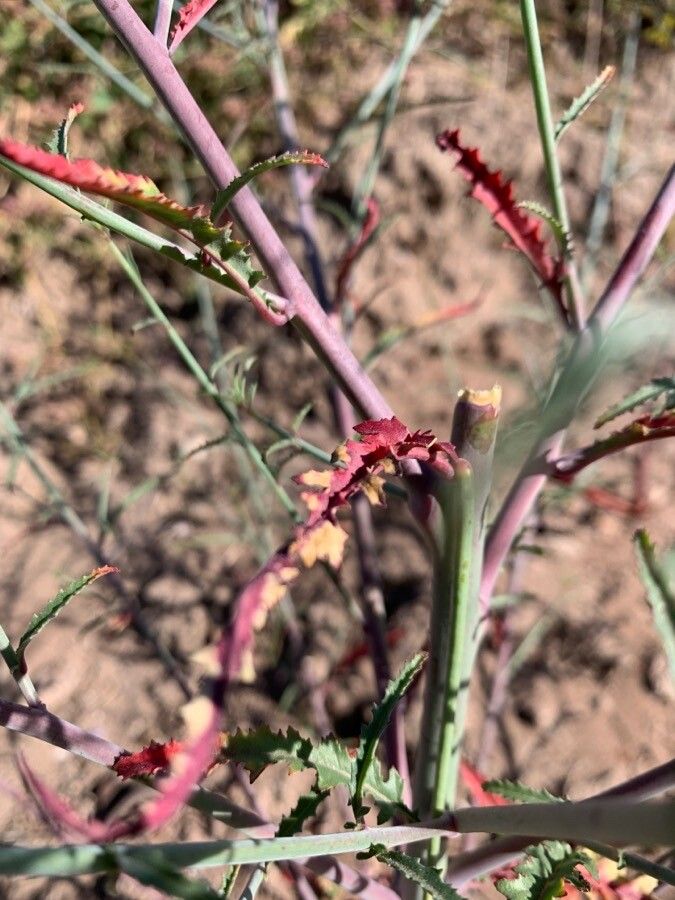
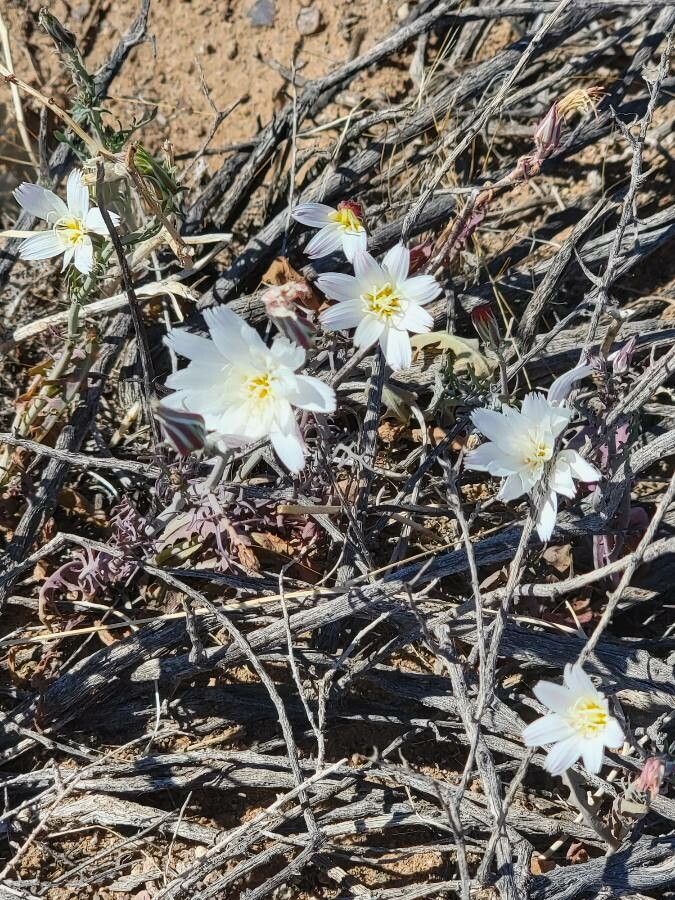
Rafinesquia californica is a species of flowering plant in the family Asteraceae known by the common names California chicory and California plumeseed. It looks like a weedy daisy, bearing heads of elegant white-petaled flowers. The ligules of the flowers are often striped with lavender or pink on the undersides, a feature most noticeable when the heads are closed. Each fruit has a pappus of stiff white or light brown hairs. It is among the first plants to sprout up in areas recently cleared by fire. Indeed, the seeds germinate more readily in the presence of burned wood. It is native to most of the southwestern United States as far north as Oregon, and to Baja California in Mexico.
California chicory shows strong resistance to disease and is generally not likely to get sick. Still, it can be affected by pests and diseases found in its surroundings. These problems are typically mild. As for care, this plant needs a moderate level of maintenance. It should be pruned regularly to keep a neat appearance and encourage healthy growth. Fertilizing can also aid flowering. California chicory is a good choice for anyone with outdoor space, such as a garden or patio, and does not demand extensive care experience. It may need increased attention if grown indoors.
How to keep Rafinesquia Californica.
Light
California chicory is native to bright, open habitats and does best in full sun. It can tolerate partial sun but favors direct sunlight for optimal growth. This plant, which occurs as an annual or a biennial, is known for its sun-loving nature.
Water
California chicory is a drought-tolerant plant that thrives in arid regions. It requires weekly watering, but it's important to avoid over-saturating the soil. Providing deep, infrequent watering helps promote healthy root growth. During dry spells, California chicory goes into dormancy, aligning its growth cycle with the seasonal rains found in its native habitat.
Temperature
California chicory can tolerate a wide range of temperatures, but its distribution may still be restricted by different combinations of moisture and heat. It performs best in warm summer climates with sufficient rainfall or irrigation. Extended periods of cloudy, rainy weather or prolonged high temperatures increase the likelihood of California chicory dying. In winter, adequate protection from cold improves the plant's chances of survival.
Fertilizer
When most of the California chicory blooms have reached full size, resume fertilizing. At the time of peak bloom production, apply fertilizer every three to four weeks, as the weather allows. Once California chicory begins putting out fewer new blooms, stop fertilizing; there's no need to fertilize when the plant can no longer produce more blooms.
Pruning
California chicory produces delicate white flowers and thrives in well-drained soils. For optimal growth, prune the plant from early to late spring to remove dead stems and crossing branches, which will improve airflow. It's important to use clean, sharp tools during pruning to prevent infections. This will enhance both the plant's health and its aesthetic appeal.
Botanical profile.
- Plant Type
- Herb
- Life Cycle
- Annual
- Genus
- Rafinesquia
- Family
- Asteraceae
- Hardiness Zone
- 8-10
- Mature Height
- 1.52 m
- Mature Spread
- 20 cm to 49 cm
- Leaf Color
- Light Green
- Leaf Type
- Deciduous
- Flower Color
- White, Yellow
- Flower Size
- 1.52 cm to 3.05 cm
- Bloom Time
- Spring
- Planting Time
- Spring, Autumn
- Harvest Time
- Mid spring, Late spring, Early summer
- Native Area
- Mexico
Other names.
Reader questions.
What are the sunlight requirements for California chicory?
California chicory thrives in conditions where it receives ample sunlight. It requires full sun, defined as more than 6 hours of direct sunlight daily, for optimal growth. However, it can also tolerate partial sun, which means it can grow in areas that receive about 3-6 hours of sunlight. It's essential to observe the movement of sunlight through your garden to choose the best spots for your plants, ensuring a healthy balance of light and shade.
How does artificial lighting support California chicory growth indoors?
When natural sunlight is insufficient, especially during winter or in less sunny spaces, artificial lighting becomes crucial for the growth of indoor plants like California chicory. Adequate artificial lighting promotes faster and healthier growth. LED lights are recommended because they can be customized to provide specific wavelengths needed by the plants. Full sun plants typically require 30-50W per square foot, while partial sun plants need 20-30W and full shade plants require 10-20W. The light source should be placed 12-36 inches above the plant, and most plants benefit from 8-12 hours of light per day to mimic natural daylight conditions.
What symptoms indicate insufficient light for indoor California chicory plants?
When California chicory is not receiving enough light indoors, several symptoms may manifest. These include smaller new leaves, leggy or sparse growth, faster leaf drop, slower or ceased new growth, and lighter-colored new leaves. Conditions such as chlorosis, where leaves lose their green color, sunscald with pale or necrotic patches on the plant, leaf curling as a defense against extreme sunlight, wilting due to loss of turgor pressure, and leaf scorching characterized by brown, crispy edges, could also indicate either excessive sunlight or insufficient light adaptations.
What are the solutions for California chicory suffering from insufficient sunlight?
For indoor California chicory suffering from insufficient light, gradually moving the plant to a sunnier spot, ensuring at least 6 hours of direct sunlight daily is advisable. Utilizing a south-facing window and keeping curtains open during the day maximizes sunlight exposure. Artificial lighting, like desk lamps or professional grow lights, should be considered, especially for large plants or those not easily moved, ensuring at least 8 hours of light daily. Outdoors, plants should be gradually adapted to sunnier locations to prevent sunburn, moving them weekly to increase light exposure gradually. To increase sunlight to plants on the ground, removing obstructions and possibly transplanting to a sunnier location with good drainage during the plant's dormant period can be beneficial. It’s important to note that parts of the plant that have been severely affected by insufficient sunlight might not recover, but new growth will be healthy with improved light conditions.