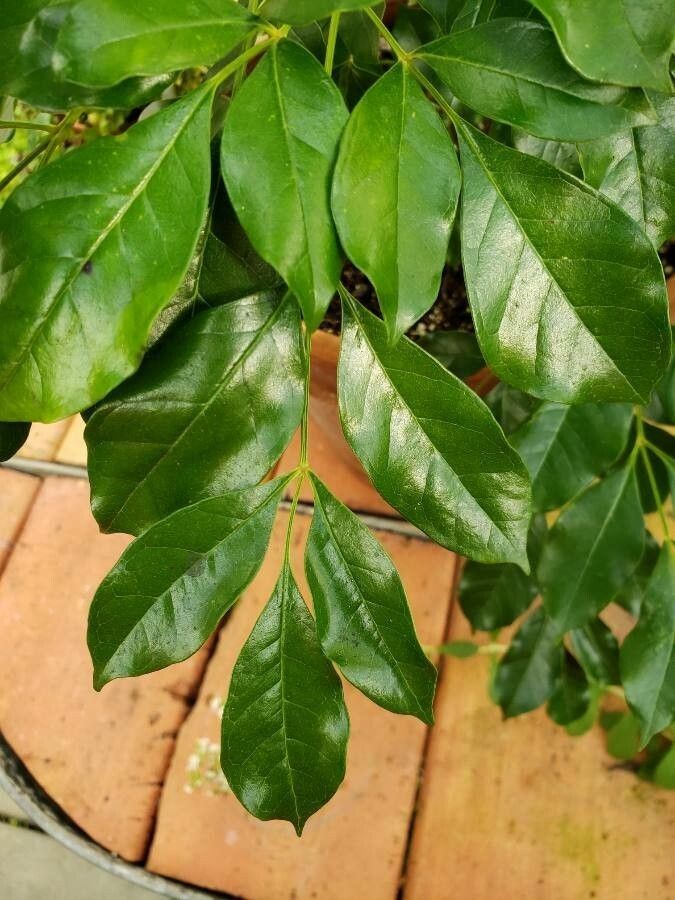
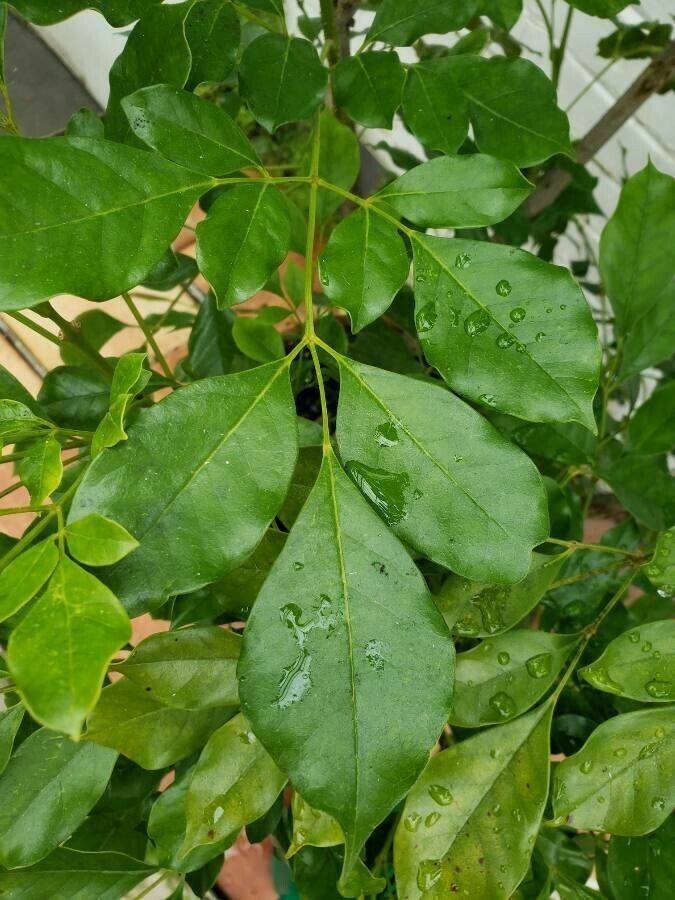
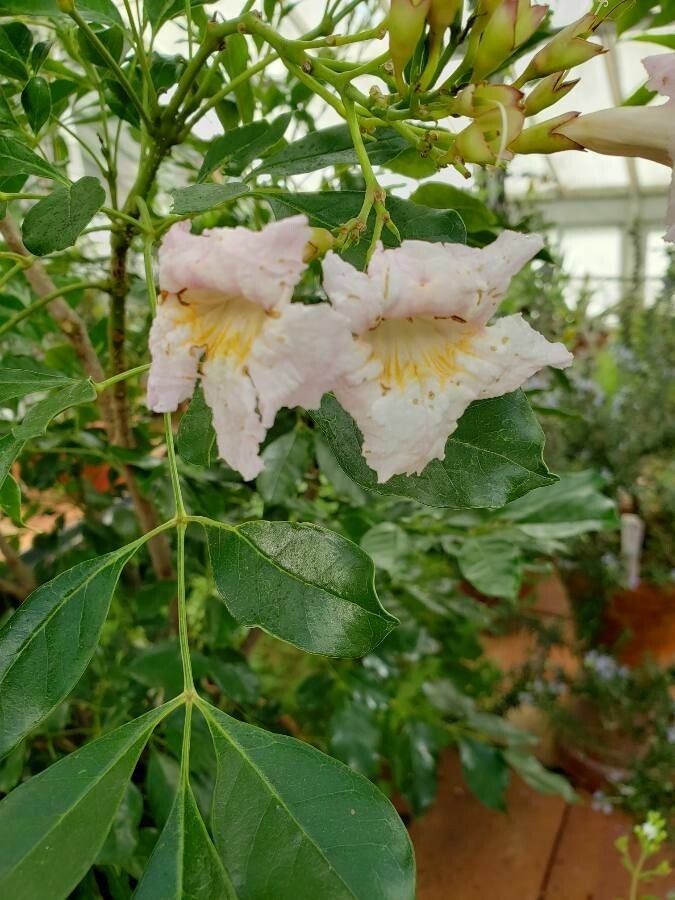
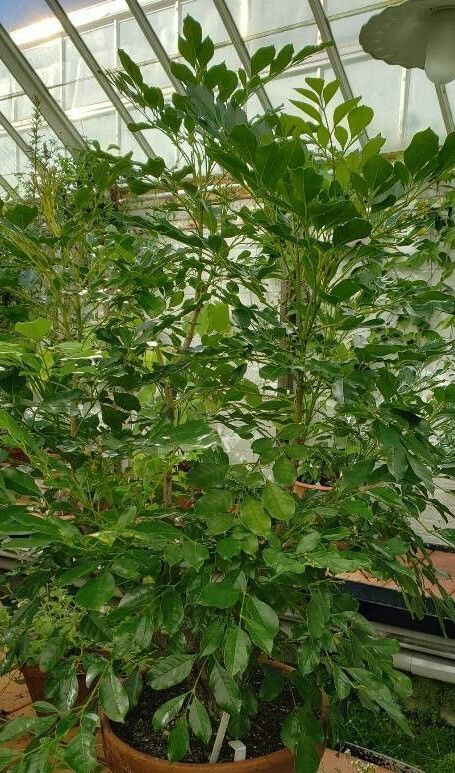
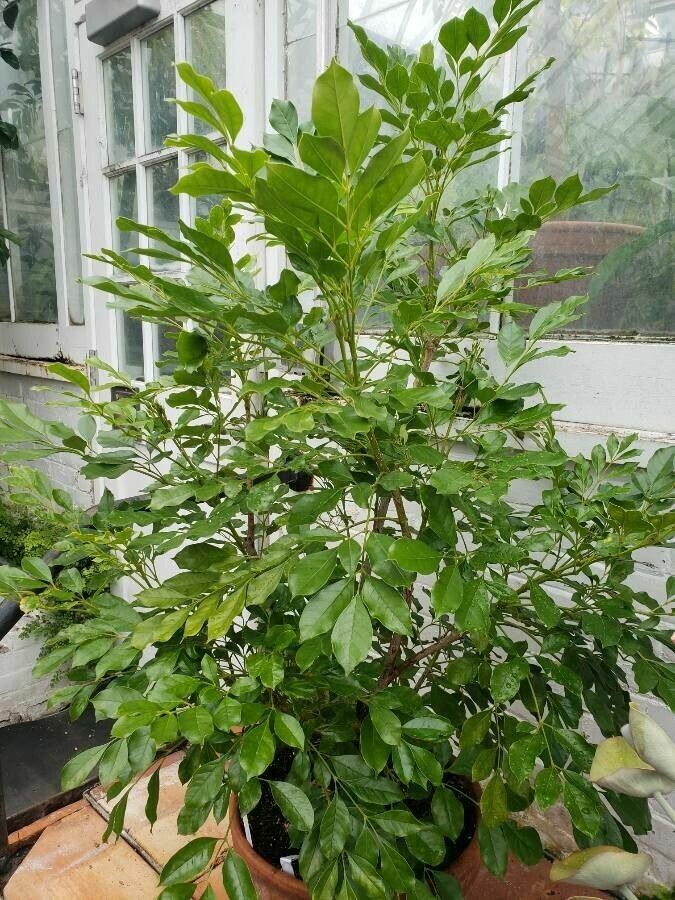
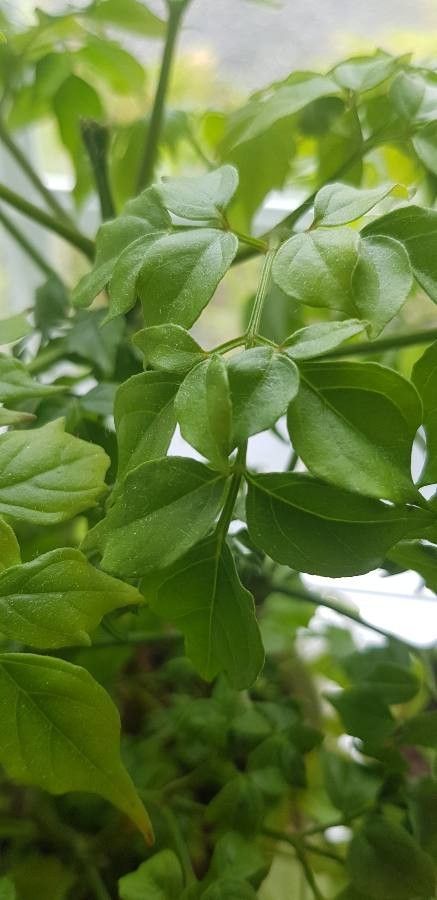
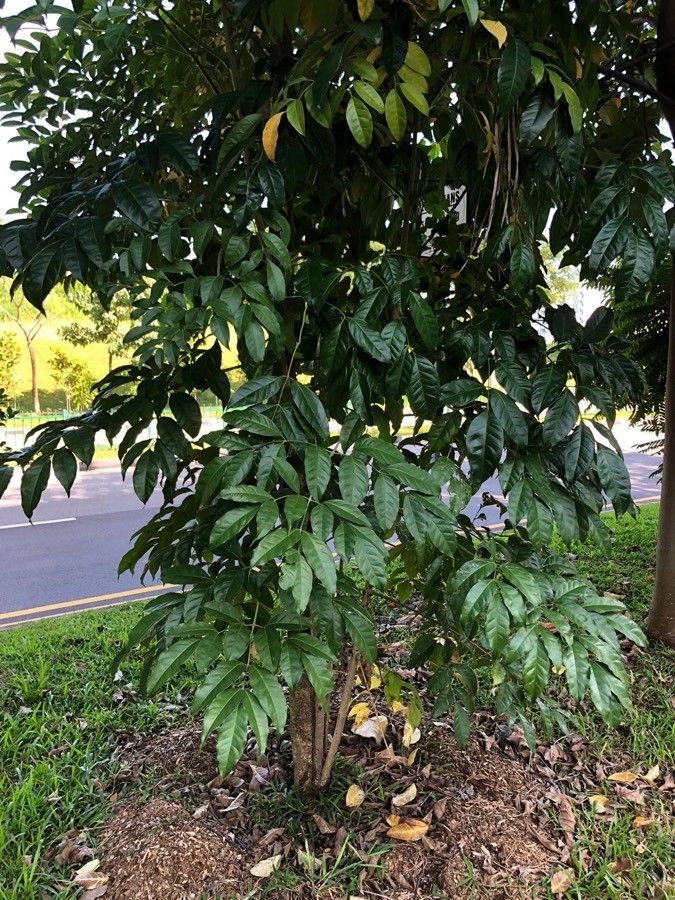
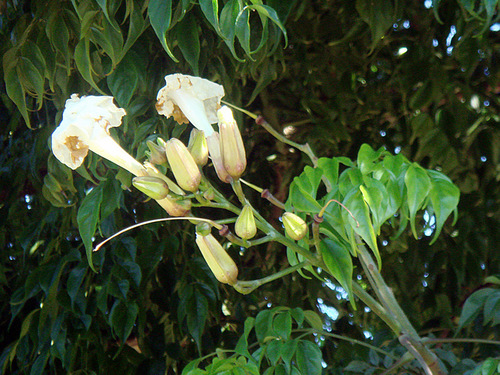
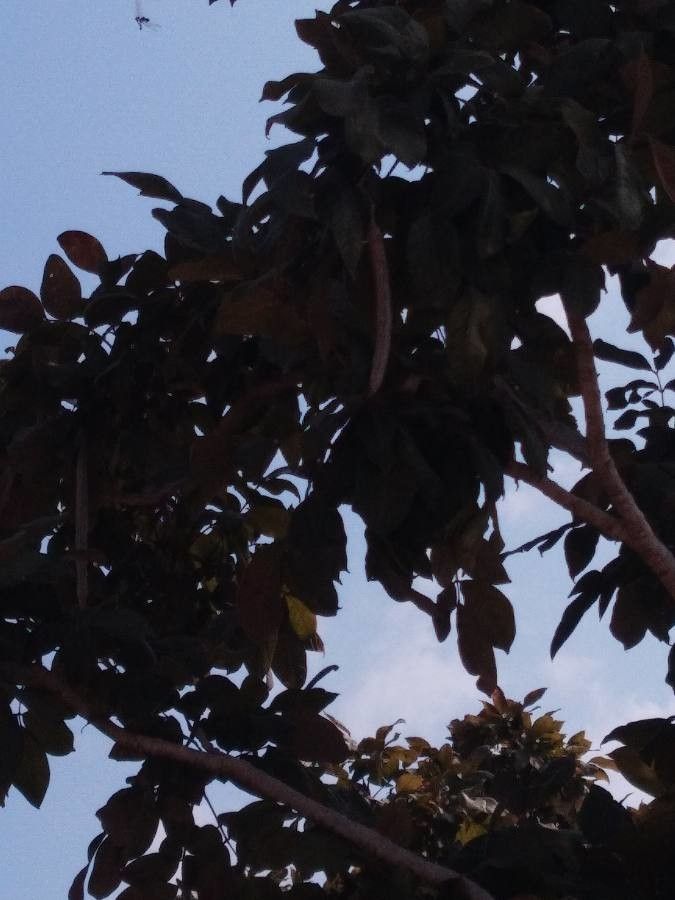
The Golden jasmine tree has strong resistance to disease and is generally not susceptible to illnesses. In terms of care, this plant is fairly low-maintenance. When planted outdoors it needs minimal watering, and larger specimens typically do not require pruning. Smaller plants, however, should be pruned after they have finished blooming. The Golden jasmine tree is suitable for anyone with outdoor space, such as a garden or deck, and does not require much prior plant-care experience.
How to keep Radermachera Hainanensis.
Light
The golden jasmine tree does best with plenty of light for most of the day, though it can tolerate periods of reduced light. In its native habitat it gets abundant light that encourages optimal growth. Excessive sunlight can damage the plant, while too little light makes it weak and lanky.
Water
The golden jasmine tree originates from humid regions, where it thrives in consistently moist conditions. It prefers regular weekly watering but should not be overwatered. Typically grown indoors, this evergreen plant requires careful watering during the growing season to maintain its vibrant foliage and encourage flowering.
Temperature
The golden jasmine tree originates from temperate regions and does well in temperatures between 41 and 100 °F (5 to 38 ℃). In colder months, giving it extra warmth can help maintain the plant’s health.
Fertilizer
Timing is important when fertilizing the Golden jasmine tree. Apply fertilizer in early spring and continue once a month until early summer. Fertilizer encourages attractive blooms and supplies energy during both dormant and active growth phases.
Pruning
The golden jasmine tree features glossy leaves and trumpet-shaped flowers. To maintain its health, prune the tree from early to late winter, removing any dead branches to improve air circulation. Regular pruning encourages bushiness and results in more blooms. However, be careful not to over-prune, as this can stress the plant. Additionally, always use sanitized tools to promote healthier growth.
Pot & Repot
Repot the golden jasmine tree every 2-3 years in the spring, using a slightly larger pot. After repotting, place the tree in a location with bright, indirect light, and keep the soil consistently moist. This will support the tree's recovery and growth, helping it stay healthy.
Botanical profile.
- Plant Type
- Tree
- Life Cycle
- Perennial
- Genus
- Radermachera
- Family
- Bignoniaceae
- Hardiness Zone
- 4-11
- Mature Height
- 6.1 m to 20.12 m
- Mature Spread
- 4.88 m to 10.06 m
- Leaf Color
- Dark Green, Forest Green
- Leaf Type
- Evergreen
- Flower Color
- White
- Flower Size
- 2.54 cm
- Bloom Time
- Late spring, Summer
- Planting Time
- Spring, Summer, Autumn, Winter
- Harvest Time
- Late summer, Fall
- Native Area
- Cambodia, Vietnam, Laos, Thailand, China
Reader questions.
What are the sunlight requirements for a Golden Jasmine Tree?
A Golden Jasmine Tree requires full sun, which means it thrives in areas that receive more than 6 hours of direct sunlight daily. However, it can also grow in partial sun conditions, receiving about 3-6 hours of sunlight. It's important to observe how sunlight moves through your garden to find spots that offer the right balance for your plant, keeping in mind that the ideal lighting conditions are essential for the plant's growth and happiness.
What is the native climate for the Golden Jasmine Tree?
The Golden Jasmine Tree, or Radermachera hainanensis, is native to temperate climates. It thrives in temperatures ranging from 41 to 100 °F (5 to 38 °C). Therefore, it prefers environments that fall within these temperature ranges for optimal growth and health.
How does the Golden Jasmine Tree respond to different light conditions?
The Golden Jasmine Tree is best suited for environments with plenty of sunlight, as it originates from habitats that provide abundant light. While the tree can tolerate periods of lower light, optimal growth is observed under ample light conditions. Overexposure and underexposure to sunlight can both be detrimental; excessive light can harm the plant, whereas insufficient light results in a weakened, lanky appearance. For indoor plants, artificial lighting can be a substitute or supplement to natural sunlight, especially in less sunlit spaces or during winter. LEDs are recommended, with varying wattages based on the plant's sunlight needs: 30-50W/sq ft for full sun plants, 20-30W/sq ft for partial sun, and 10-20W/sq ft for full shade plants. The proper distance (12-36 inches above the plant) and duration (8-12 hours per day) of artificial lighting mimic natural sunlight, supporting healthier growth.
How should the Golden Jasmine Tree be cared for in winter?
The Golden Jasmine Tree exhibits strong cold resistance, typically not requiring special frost protection measures. However, in regions where winter temperatures drop below -30°C, additional cold protection is advisable. This can include wrapping the trunk and branches with insulating materials such as non-woven fabric or cloth. Additionally, watering the plant abundantly before the first freeze of autumn is recommended to maintain soil moisture, thus preventing drought and ensuring the plant stays hydrated during the winter and early spring.
What are the symptoms of light deficiency or overexposure in a Golden Jasmine Tree?
The Golden Jasmine Tree displays several symptoms when faced with suboptimal lighting. Light deficiency can lead to smaller leaves, leggy or sparse growth, faster leaf drop, slower or halted new growth, and paler new leaves, indicating a struggle to thrive. Overexposure symptoms include chlorosis (leaf yellowing), sunscald, leaf curling, wilting, and leaf scorching, reflecting the stress caused by intense sunlight. These symptoms highlight the plant's need for an ideal balance of sunlight, as both insufficient and excessive light can significantly impact its health and growth.
What are the signs and solutions for low temperature effects on the Golden Jasmine Tree?
The Golden Jasmine Tree can tolerate cold well, ideally staying above -25°C during winter. Exposure to temperatures below -30°C may not show immediate damage in winter, but by spring, the branches could become brittle and dry, with a lack of new growth. The solution for dealing with the aftermath of low temperatures is to prune any dead branches that have not produced new leaves by spring, encouraging healthier growth.
How can I remedy light-related issues for my Golden Jasmine Tree?
To address light-related concerns for your Golden Jasmine Tree, consider the following strategies based on your setting: Indoors, aim to provide at least 6 hours of sunlight daily by gradually moving your plant to sunnier spots or using south-facing windows. Artificial light sources can also supplement natural light if the plant is large or hard to move. Outdoors, acclimate your plants to brighter areas gradually to avoid sunburn. It's also essential to manage obstructions that may block sunlight by pruning or relocating plants to ensure they receive ample light. For plants in the ground, consider removing obstacles or transplanting to sunnier locations during the plant's dormant period. Keep in mind that while damaged parts might not recover, new growth will be healthier with improved light conditions.
What should be done if the Golden Jasmine Tree experiences high temperatures?
During the summer, it's crucial to ensure the Golden Jasmine Tree is kept at temperatures below 38°C. Exceeding 43°C can cause the leaves to lighten in color, tips to become dry and withered, and an increased risk of sunburn to the plant. To mitigate high temperature stress, remove sunburned and dried parts of the plant, relocate it to a shaded area or use shade cloth to protect it from intense midday and afternoon sun. Additionally, regular watering in the morning and evening will help keep the soil adequately moist.