Quillaja saponaria, commonly known as the soapbark tree, is an evergreen species native to the western regions of South America. Belonging to the Quillajaceae family, this tree can grow up to 20 meters tall. Its bark is rich in saponins, natural detergents that serve various purposes, including soap-making and acting as foaming agents in food and beverages.
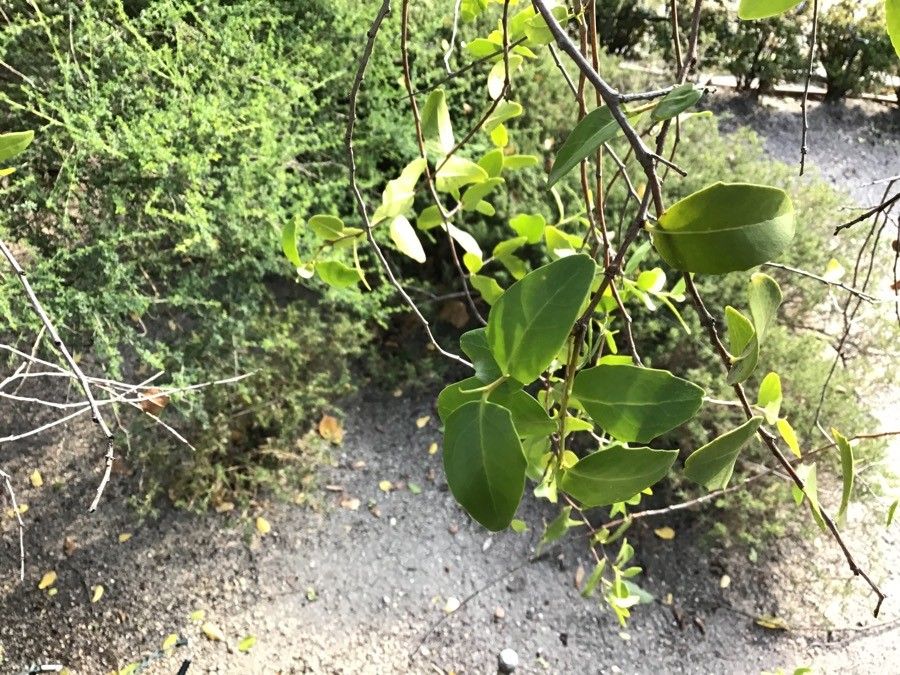
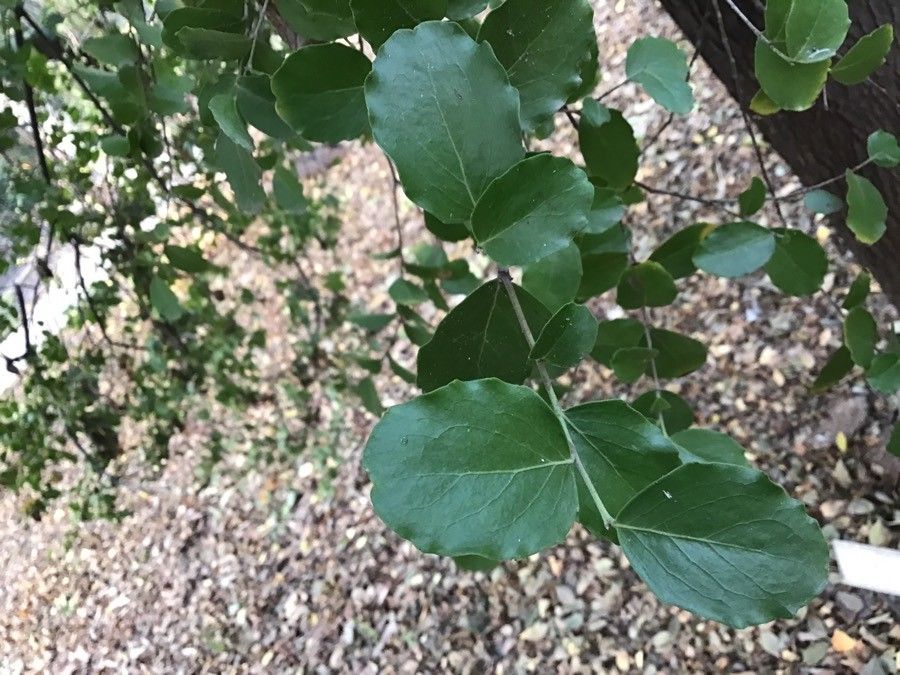
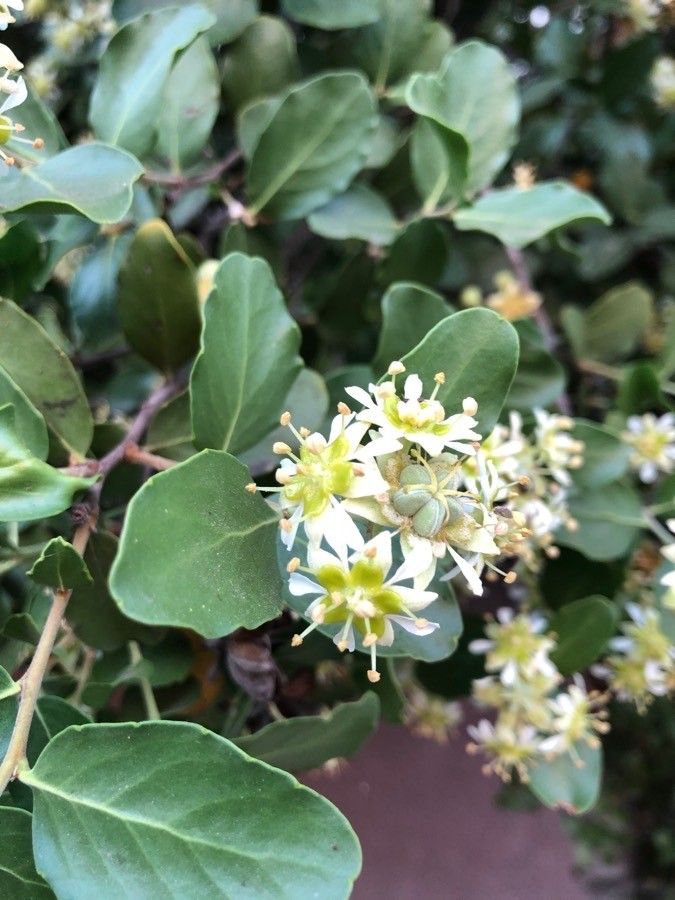
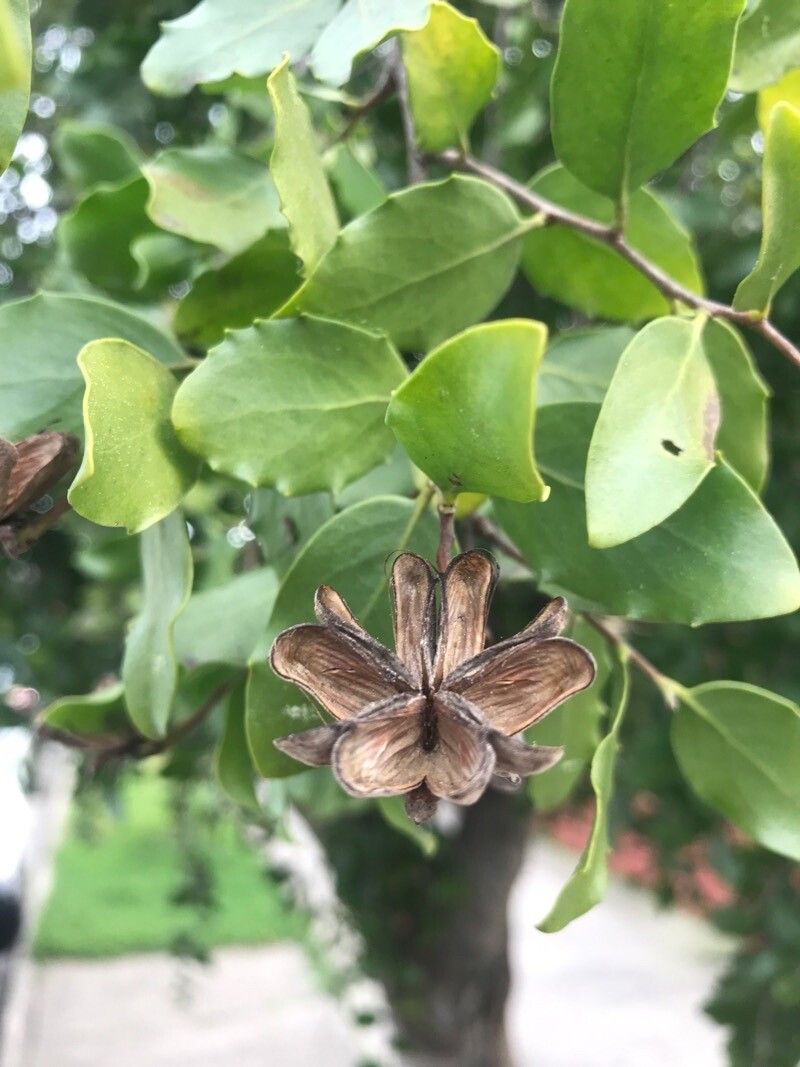
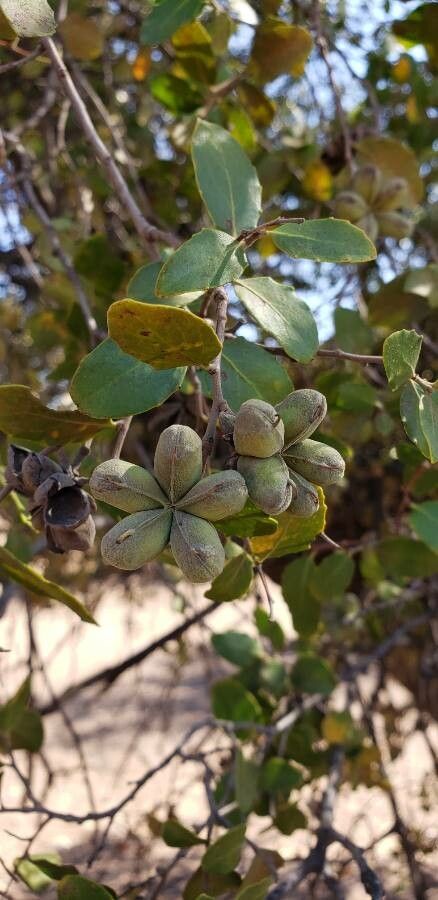
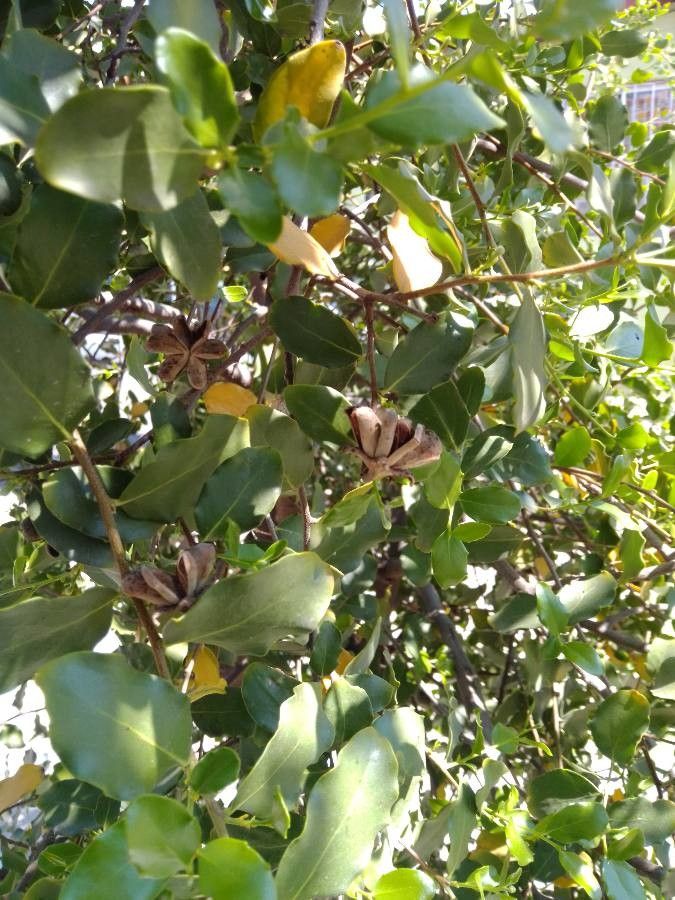
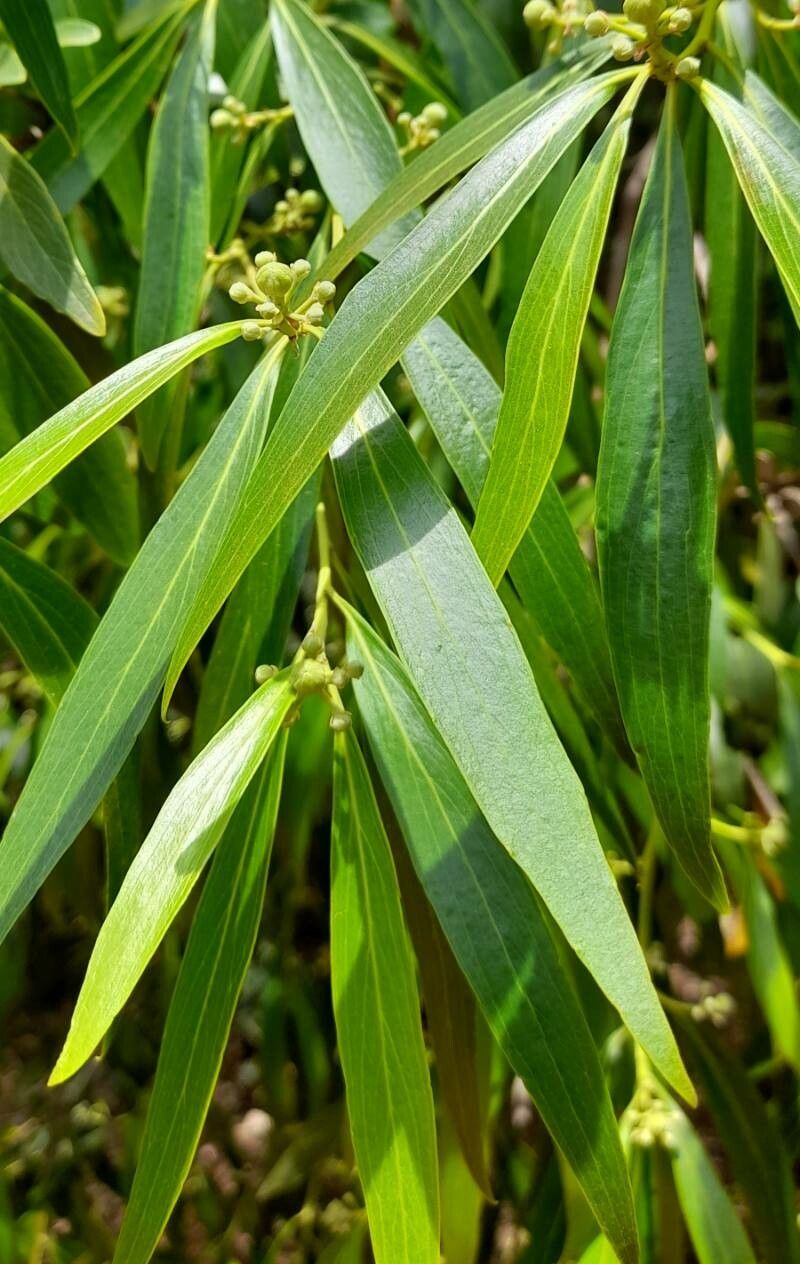
The leaves of the soapbark tree are leathery, dark green, and have a glossy surface. Its small flowers, which bloom in spring or summer, are white or pinkish with five petals. The tree produces small capsules that contain numerous seeds.
For centuries, indigenous people have utilized the soapbark tree for its medicinal properties. It has been used to treat respiratory issues such as coughs and bronchitis and applied externally to address skin conditions like eczema, psoriasis, and acne.
In addition to its medicinal uses, Quillaja saponaria is widely cultivated for commercial applications due to its high saponin content. It plays a crucial role in various industries, including food processing (as an emulsifier), cosmetics (as a foaming agent), agriculture (as an insecticide), and pharmaceuticals (for drug delivery systems).
Overall, the Quillaja saponaria plant holds significant economic importance due to its versatile applications across multiple industries. Conserving this valuable species through sustainable management practices is imperative.
Soap-bark is fairly disease-resistant and is usually not susceptible to disease. In terms of care, this plant is fairly low-maintenance. When grown outdoors it needs only minimal watering, and larger plants typically do not require pruning. Smaller plants, however, should be pruned after they finish blooming. Soap-bark is suitable for anyone with an outdoor area, such as a garden or deck, and does not demand extensive plant-care experience.
How to keep Quillaja Saponaria.
Light
Soap-bark comes from open habitats, like sunlit meadows and forest edges, where light is abundant. It prefers Full Sun but will also tolerate Partial Sun, making it adaptable to various sunlight conditions.
Water
Soap-bark, a plant native to the arid regions of Chile, is highly drought-tolerant and can thrive with minimal water. For cultivated specimens, watering once a week is sufficient. As an evergreen, it benefits from consistently moist soil, which makes it suitable for both outdoor landscapes and indoor settings.
Temperature
Soap-bark shows strong adaptability to different climates, whether very hot summers or cold winters. However, it does have an ideal temperature range for growth. If temperatures become too high, the plant is susceptible to heat and humidity stress, which can cause it to die. In areas where temperatures approach the lower limit of its cold tolerance, it is important to provide insulation to protect the plant.
Fertilizer
Fertilize your Soap-bark in early spring to encourage healthy growth. Regular feeding boosts its overall health, producing vigorous growth, increased tolerance of harsh conditions, and stronger resistance to diseases and pests. Follow a specific fertilization schedule for your Soap-bark to keep the foliage vibrant, richly colored, and lush in appearance.
Pruning
Prune soap-bark during the winter months while the plant is dormant. Start by removing any dead or diseased branches to improve air circulation. Regular pruning encourages healthier growth and more abundant blooms. Make sure to use clean, sharp tools to prevent infections and enhance the plant's structure and appearance.
Botanical profile.
- Plant Type
- Tree
- Life Cycle
- Perennial
- Genus
- Quillaja
- Family
- Quillajaceae
- Hardiness Zone
- 7-10
- Mature Height
- 14.94 m to 20.12 m
- Mature Spread
- 10.06 m to 14.94 m
- Leaf Color
- Dark Green
- Leaf Type
- Evergreen
- Flower Size
- 1.02 cm to 2.03 cm
- Bloom Time
- Mid spring, Late spring
- Planting Time
- Spring, Summer, Autumn
- Harvest Time
- Mid summer, Late summer, Early fall
- Native Area
- Chile, Peru
Other names.