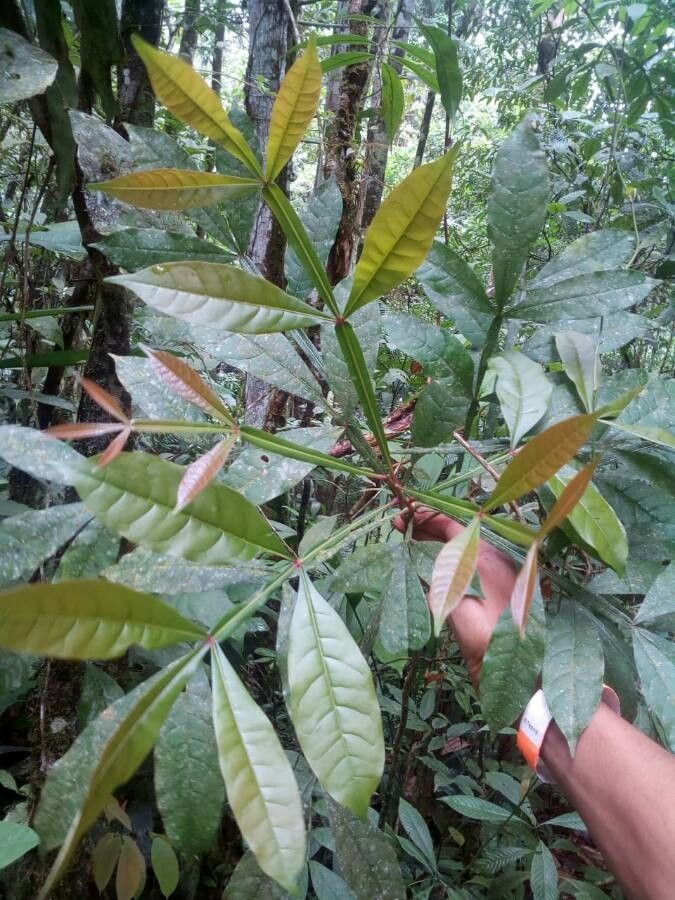
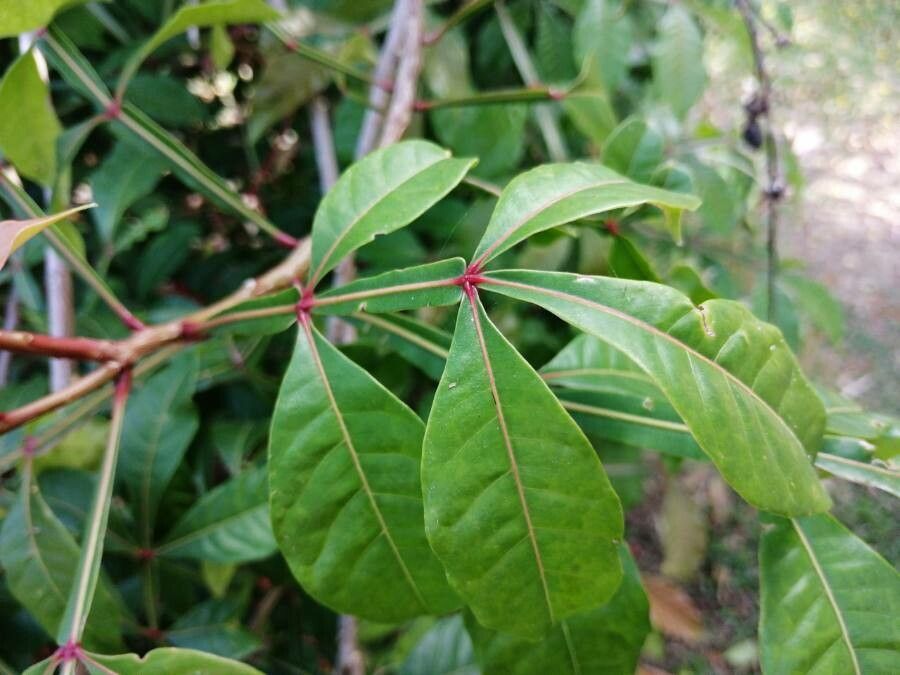
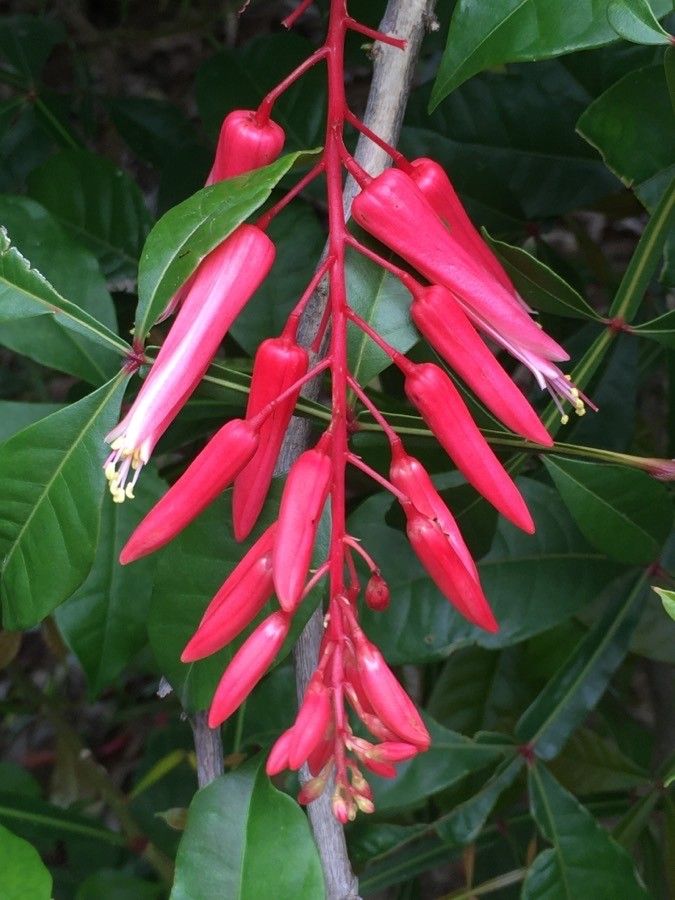
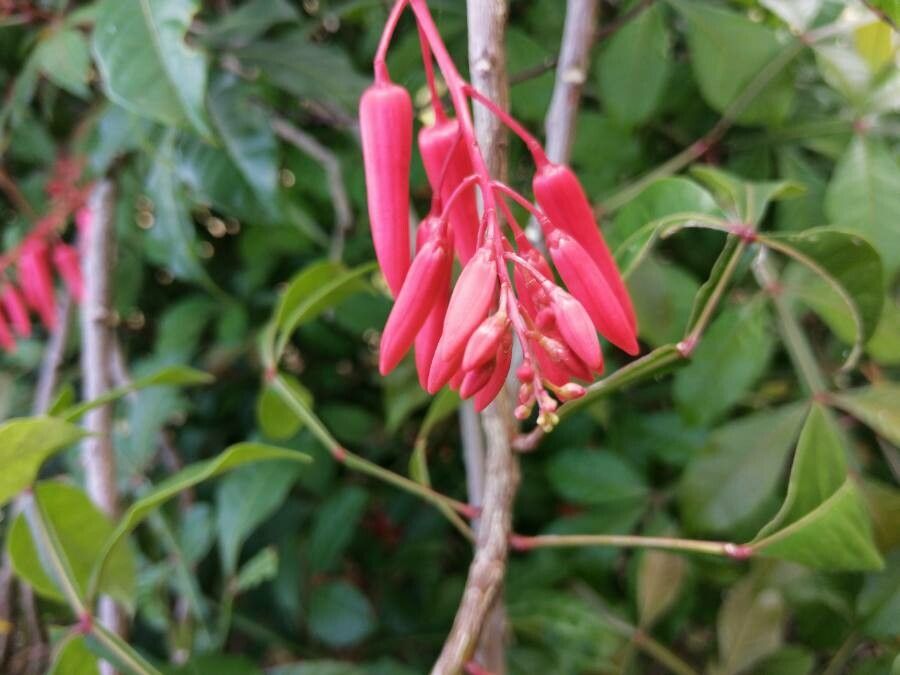
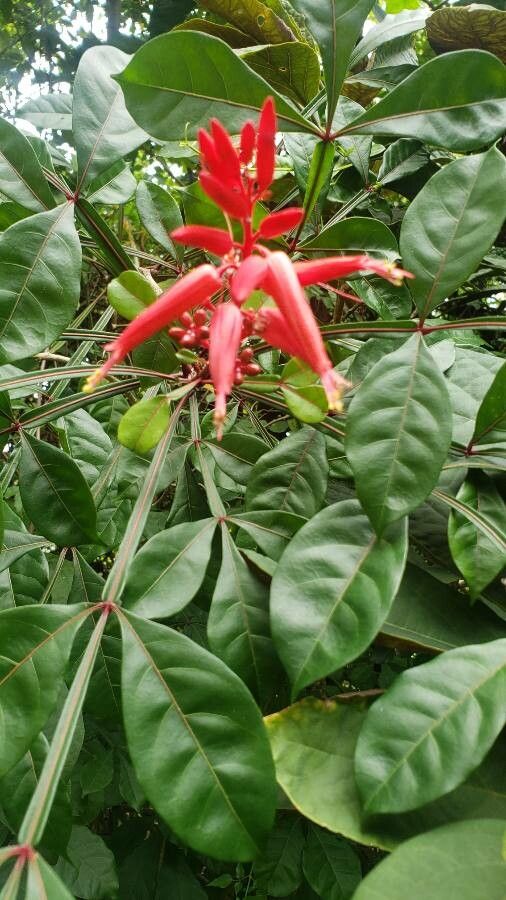
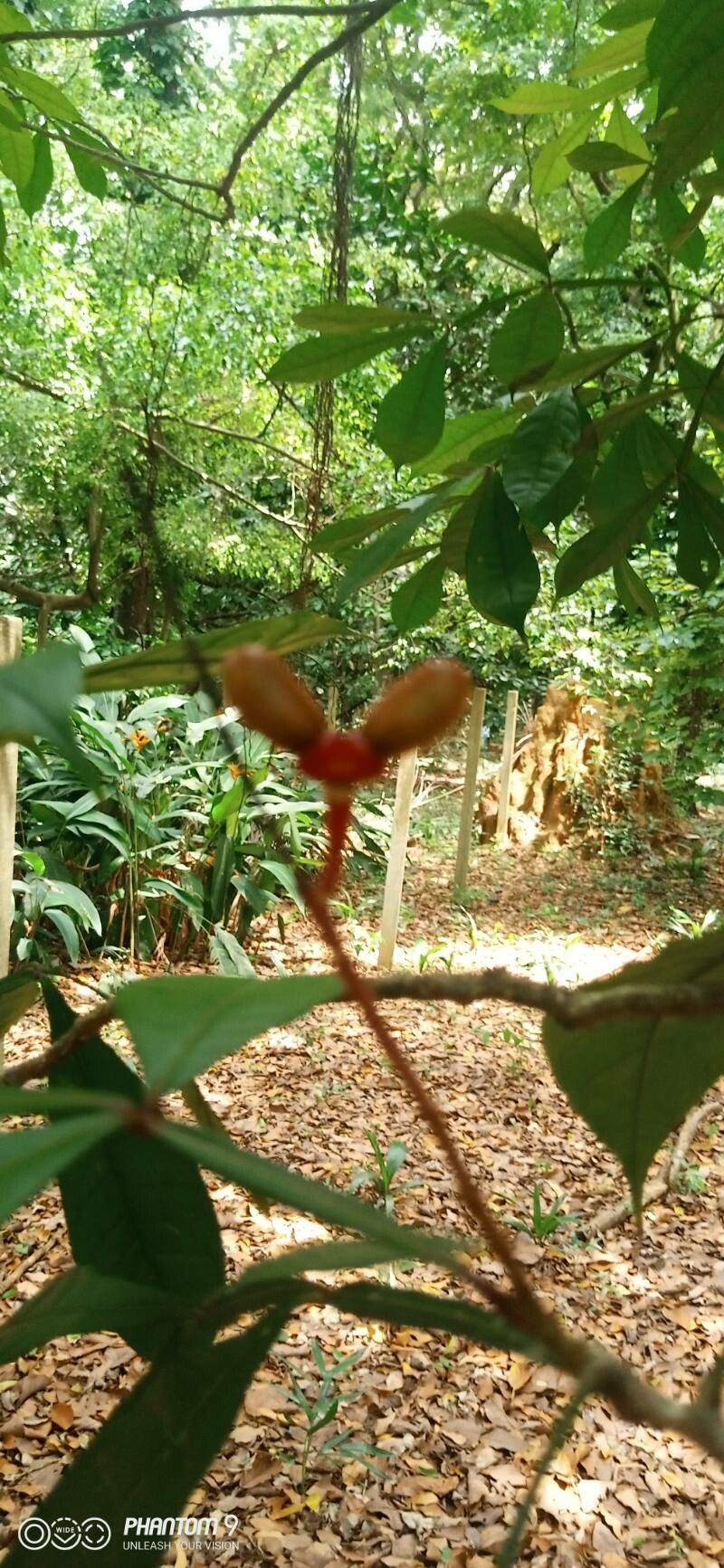
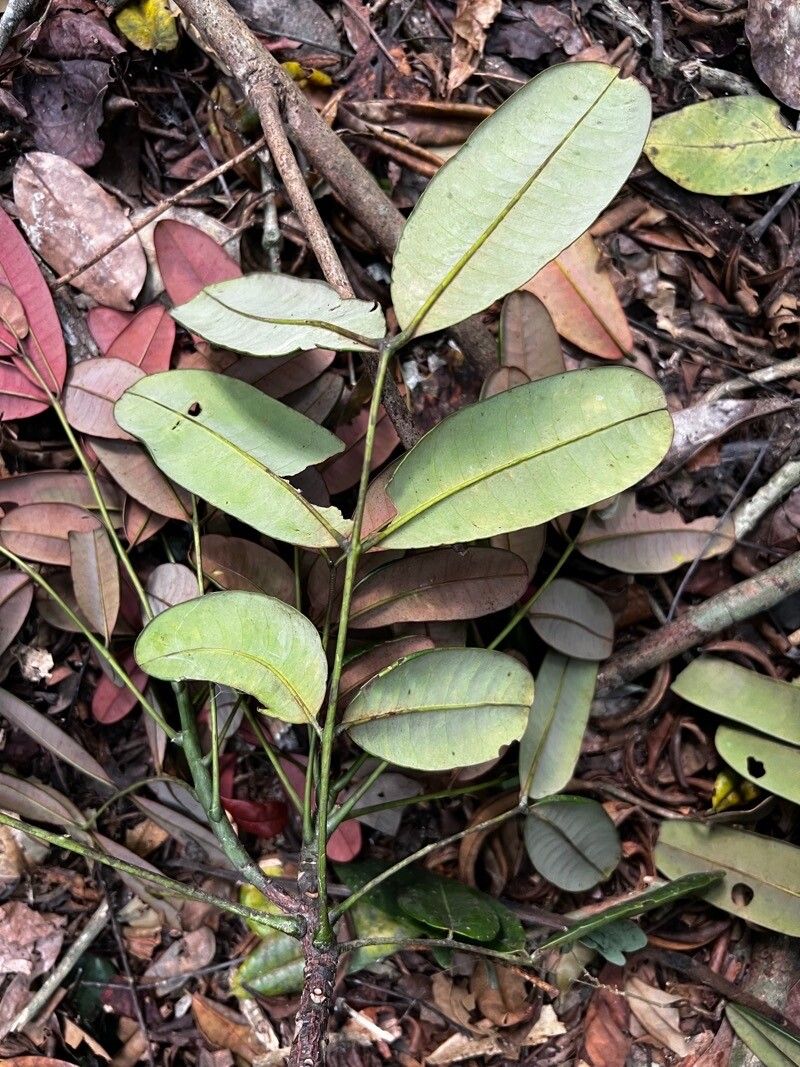
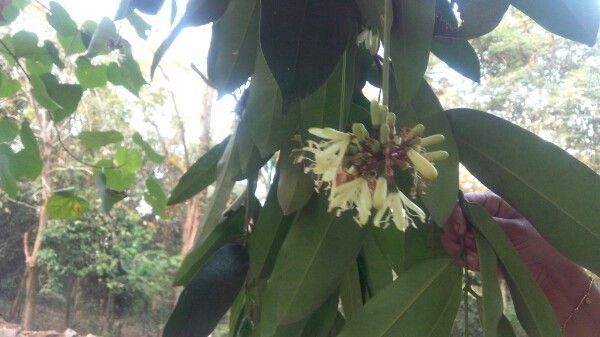
Quassia amara, commonly known as bitterwood, is a small tree or shrub indigenous to South America and the Caribbean. This plant belongs to the Simaroubaceae family and can grow up to 10 meters tall. It features a straight trunk with smooth bark and produces small greenish-yellow flowers that bloom in clusters.
The most distinctive feature of Quassia amara is its extremely bitter taste, derived from quassinoids present in its bark and wood. These compounds have been used for centuries as a natural remedy for various ailments such as fever, malaria, dysentery, and digestive problems.
Besides its medicinal properties, Quassia amara is also effective as an insecticide, known to repel pests such as lice, fleas, ticks, and mosquitoes. The plant is available in various forms, including teas or tinctures made from the bark or wood chips.
Despite its beneficial properties, Quassia amara should not be consumed without proper medical supervision due to potential side effects such as nausea and vomiting.
Amargo shows strong resistance to disease and is generally not prone to illness. Regarding care, this plant is fairly low-maintenance. When grown outdoors it needs only minimal watering, and larger specimens typically do not require pruning. Small plants, however, should be pruned after they finish blooming. Amargot is suitable for anyone with an outdoor area, such as a garden or deck, and does not need extensive care experience.
How to keep Quassia Amara.
Light
Amargo does best in full, uninterrupted sunlight, which supports its healthy growth and vitality. It can tolerate moderate amounts of shade, but its tropical origin means it favors good light conditions. Still, both overly intense light and insufficient illumination can harm its well-being.
Water
Amargo thrives in tropical regions, where it can tolerate both heavy rainfall and dry periods. It prefers moderate humidity and benefits from watering every two weeks. Although it is typically grown outdoors, amargo is adaptable to various climate zones due to its effective water storage strategies.
Temperature
Amargo originates from environments where temperatures range from 68 to 100 °F (20 to 38 ℃). It flourishes in these warmer climates and may have difficulty when temperatures fall significantly. Protective measures may be required to safeguard it during colder seasons.
Fertilizer
Early spring, when a Amargo emerges from dormancy, is the best time to fertilize it. This encourages overall growth and flower development. Fertilizing improves the foliage, stems, and branches, and promotes flowers that are large, vibrant, and long-lasting. It also helps move nutrients from the roots to the flowers and enhances the plant's health and resistance to disease.
Pruning
Amargo thrives when pruned in early spring. This process involves removing dead branches to enhance airflow and encourage new growth. To keep the plant healthy and stress-free, it's important to shape it carefully and avoid excessive cuts. Regular inspections for diseases or pests are also crucial for maintaining the plant's vitality.
Botanical profile.
- Plant Type
- Tree, Shrub
- Life Cycle
- Perennial
- Genus
- Quassia
- Family
- Simaroubaceae
- Hardiness Zone
- 10-12
- Mature Height
- 6.1 m
- Mature Spread
- 4.88 m
- Leaf Color
- Dark Green
- Leaf Type
- Deciduous
- Flower Color
- Red
- Flower Size
- 2.54 cm to 3.56 cm
- Bloom Time
- Late spring, Summer, Early fall, Mid fall
- Planting Time
- Spring, Autumn
- Harvest Time
- Late summer, Fall, Early winter, Mid winter
- Native Area
- Colombia, Belize, Honduras, Mexico, Venezuela, Brazil, Nicaragua, Costa Rica, Panama
Other names.
Reader questions.
How should I water my Amargo plant?
To ensure excellent root development, it's recommended to place a garden hose at the base of the plant. Avoid spraying the leaves directly, especially if the plant is outdoors and in direct sunlight, as the leaves may require more watering. You can use bubblers or soaker hoses to moisten the roots, ensuring each plant receives sufficient water. When adding or removing plants, consider using soaker hoses that cover the entire garden or bed to encourage deep root growth. After watering, drain any excess water and allow the soil to dry before watering again. Watering at ground level can help prevent diseases. On a sunny day, consider spraying the entire bush with water. Whether the plant is in a pot or in the ground, remember that Amargo prefers deep watering rather than light sprinkling.
Why should I put fertilizer on my Amargo?
Fertilization plays a crucial role in the overall health and well-being of an Amargo. It helps the plant develop lush foliage and strong stems and branches. Gardeners particularly value the flowers of an Amargo, and fortunately, fertilization enhances their size, vibrancy, and longevity. The reason behind this is that the right fertilizer aids in the efficient transfer of nutrients from the roots to the flowers through the stems. Additionally, proper fertilization maintains the plant's overall health, enabling it to effectively resist diseases.
What are the sunlight requirements for Amargo?
Amargo thrives best when exposed to full sunlight, which means it should receive above 6 hours of sunlight daily. It can also grow in partial sun, with about 3-6 hours of sunlight. However, it's essential to monitor the movement of sunlight through your garden to find spots that offer the right balance of light and shade, ensuring the plant's happiness.
What is the ideal temperature range for growing Amargo?
Amargo thrives in environments with temperatures ranging from 68°F to 100°F (20°C to 38°C). It loves warmer climates and may struggle when temperatures decrease significantly. It's advised to keep Amargo in temperatures above 20°C during the winter to promote growth. Temperatures approaching 5°C or lower are harmful to the plant.
What should I do if I give Amargo too much or too little water?
An Amargo plant can show signs of overwatering through yellowing, dropping, and wilting leaves, as well as having a dull and unhealthy appearance with mushy stems. Adjusting watering schedule is advisable once these signs appear. Conversely, wilting can also indicate under watering, with leaves becoming crispy and dry. When the soil is dry and watering alone is insufficient, a thorough watering is recommended. However, even after recovery, the plant may still exhibit dryness and yellow leaves due to root damage. To prevent overwatering, regularly check for moisture levels when keeping the Amargo indoors and watch out for black spots, which might signal root rot. In such cases, allowing the soil to dry in the pot for a few days can be helpful. If root rot is present, consider transferring the plant to a different pot, especially if discolored and slimy roots are observed. When planting the Amargo outdoors, ensure sufficient watering if the soil feels too dry.
When should I fertilize my Amargo plant?
To properly fertilize an Amargo plant, the best time is during early spring when it is coming out of its dormant phase and getting ready to bloom. This provides the plant with the energy it needs for growth and flower development. However, it's also beneficial to give it another feeding in the fall, although this one doesn't have to be as substantial. Some people also choose to fertilize the Amargo while planting, but it's not always necessary.
How does sunlight affect Amargo's growth?
Amargo's health and vitality are significantly enhanced under full sunlight, thanks to its tropical origins that favor bright conditions. While the plant can tolerate moderate shade, both extremes of very bright light and too little light can harm its well-being. Indoor plants may require artificial lighting, especially in less sunny locations or during winter, to promote optimal growth. LED lights are recommended for their ability to provide the specific wavelengths of light needed by plants, with different intensities required based on the plant's sunlight needs.
What should I do with my outdoor-grown Amargo in the autumn?
In the autumn, it's recommended to bring outdoor-grown Amargo indoors to protect it from the cold. Place it near a bright window to ensure it gets enough light, but keep it at a safe distance from heaters to avoid too much dry heat. This helps in maintaining an optimal growing temperature while avoiding cold damage.
How often do I need to water my Amargo plant?
The Amargo plant prefers deep and infrequent watering, especially when it is in a pot. Pots have limited water storage, so the soil dries out faster. In cold regions, water the plant every 3 to 5 days. Water it early in the morning when the soil is dry, whether it is indoors or outdoors. To know when to water, check the soil inside the pot. If the top 2-3 inches of soil are dry, it's time for a full watering. On hot days, check the moisture daily as the heat can dry out the soil quickly. For gardens, irrigation is necessary too. In hot climates, water once a week. Only water when the top 2-3 inches of soil are dry, indoors or outdoors. Consider rainfall and avoid overwatering to prevent root rot. If there is ample rainfall, additional watering may not be needed. Amargo plants usually grow in spring and fall. When outdoors, add 3 to 4 inches of mulch to conserve water. Sandy soil requires more frequent watering as it drains faster. Clay soil needs less frequent watering, allowing the plant to dry for 2-3 days without developing root rot. Mark the watering dates on a calendar and pay attention if the leaves start to droop, indicating watering may be needed.
When is it not a good idea to fertilize my Amargo plant?
During the winter, Amargo plants do not require fertilization as they enter a dormant phase and do not need to gather much energy from the soil for new growth. Fertilizing them during this time can increase the risk of negative effects from overfertilization. The key times to feed an Amargo plant are early spring and fall, so fertilizer is not needed for most of the spring and summer. Additionally, if the plant is subjected to extremely hot or dry conditions, it is advisable to refrain from fertilizing.
What are the symptoms of inappropriate lighting conditions for Amargo?
In poor lighting, Amargo may exhibit smaller new leaves, leggy growth, faster leaf drop, slower or stopped growth, lighter-colored new leaves, chlorosis (yellowing leaves), sunscald, leaf curling, wilting, and leaf scorching. These symptoms indicate either insufficient light or excessive exposure to sunlight, both of which can negatively affect the plant's health.
How does low temperature affect Amargo, and what are the solutions?
Low temperatures are not tolerated well by Amargo, as it prefers warmth, thriving best above 20°C. Exposure to temperatures below 1°C may cause the leaves to lighten in color, and after frost damage, they might turn brown or black with symptoms like wilting and drooping occurring. To protect Amargo from cold damage, trim off the frost-damaged parts and move the plant indoors to a warm environment immediately. Choose a spot near a south-facing window for ample sunlight while avoiding placement near heaters or air conditioning vents to prevent air dryness.