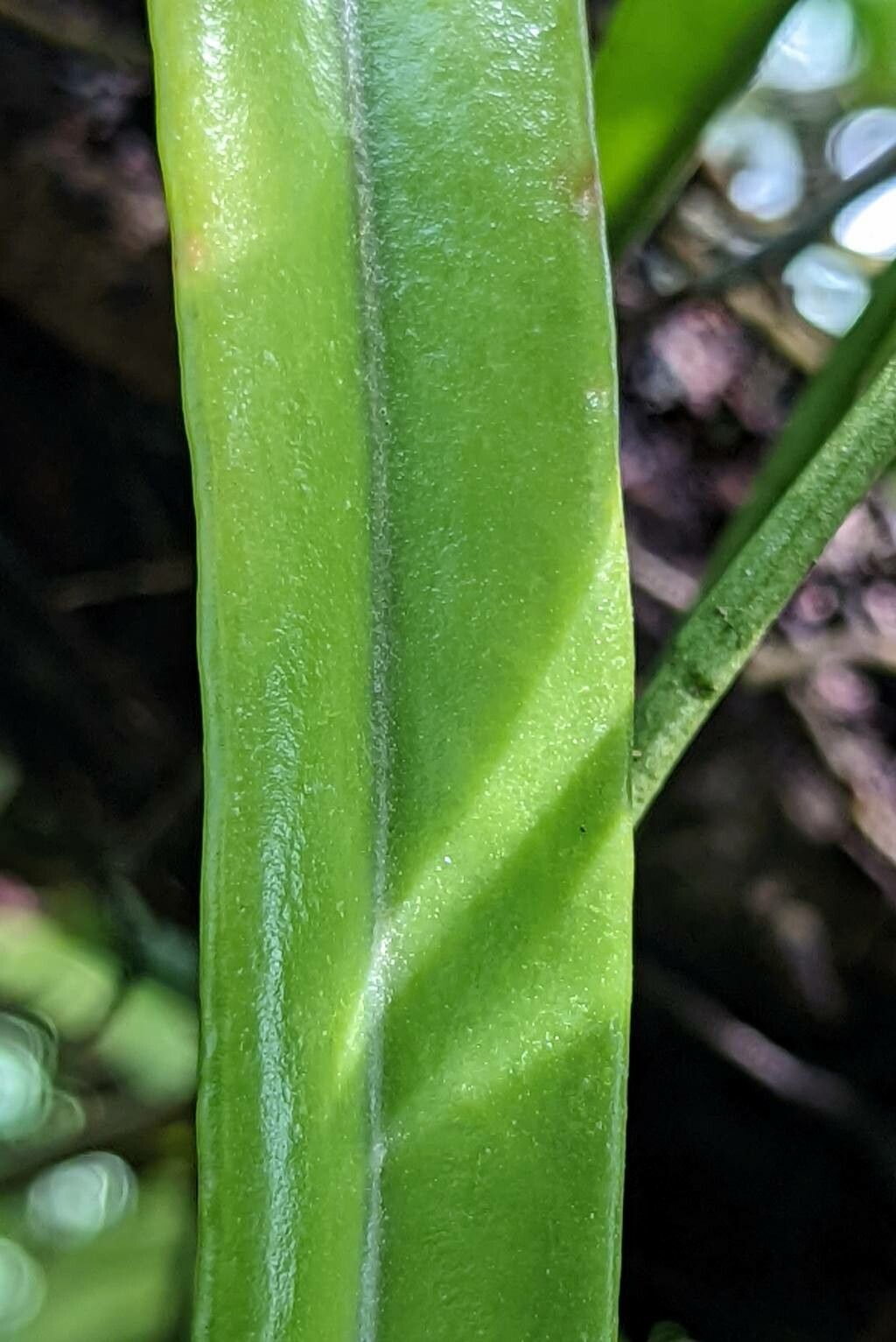
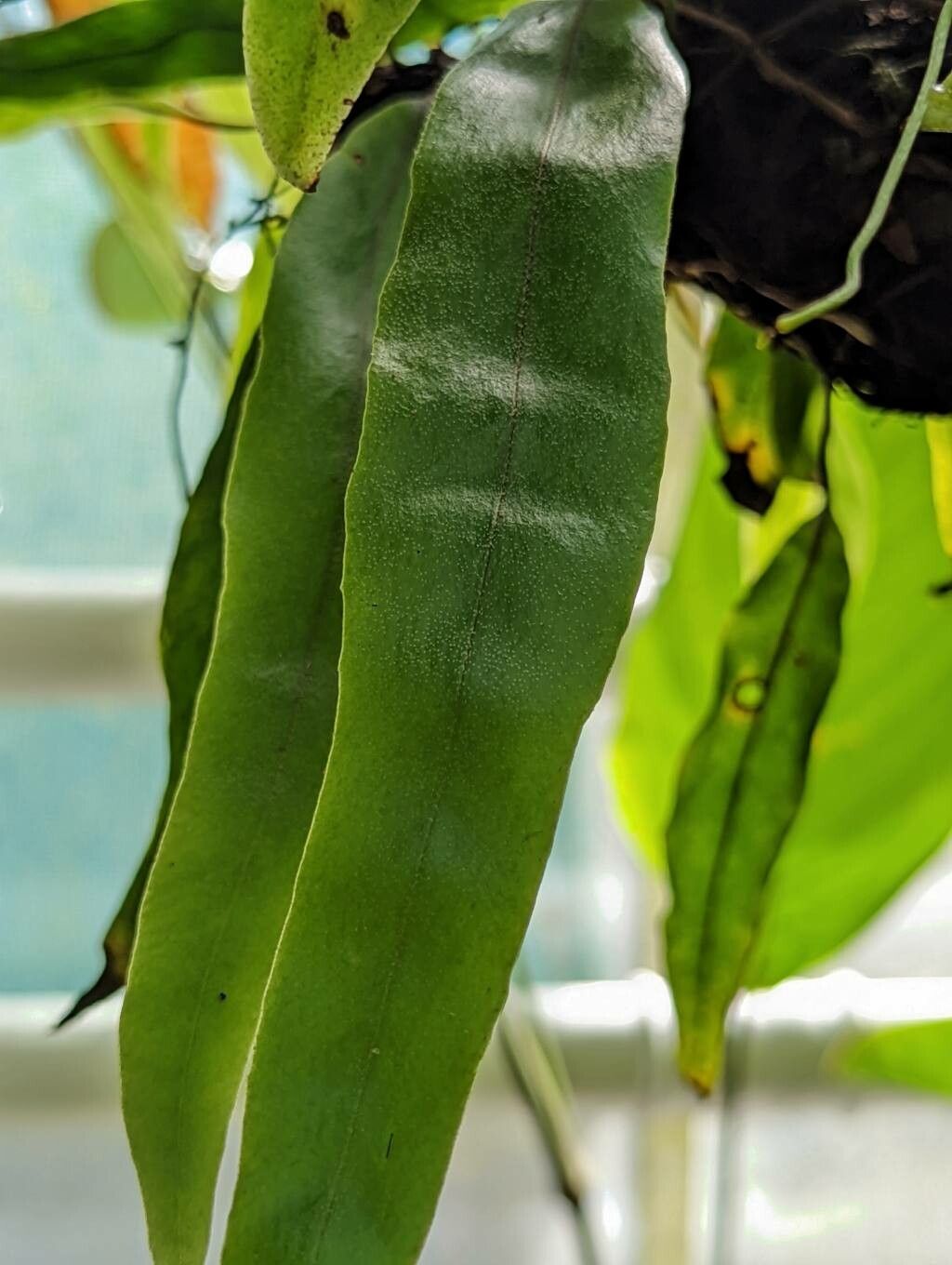
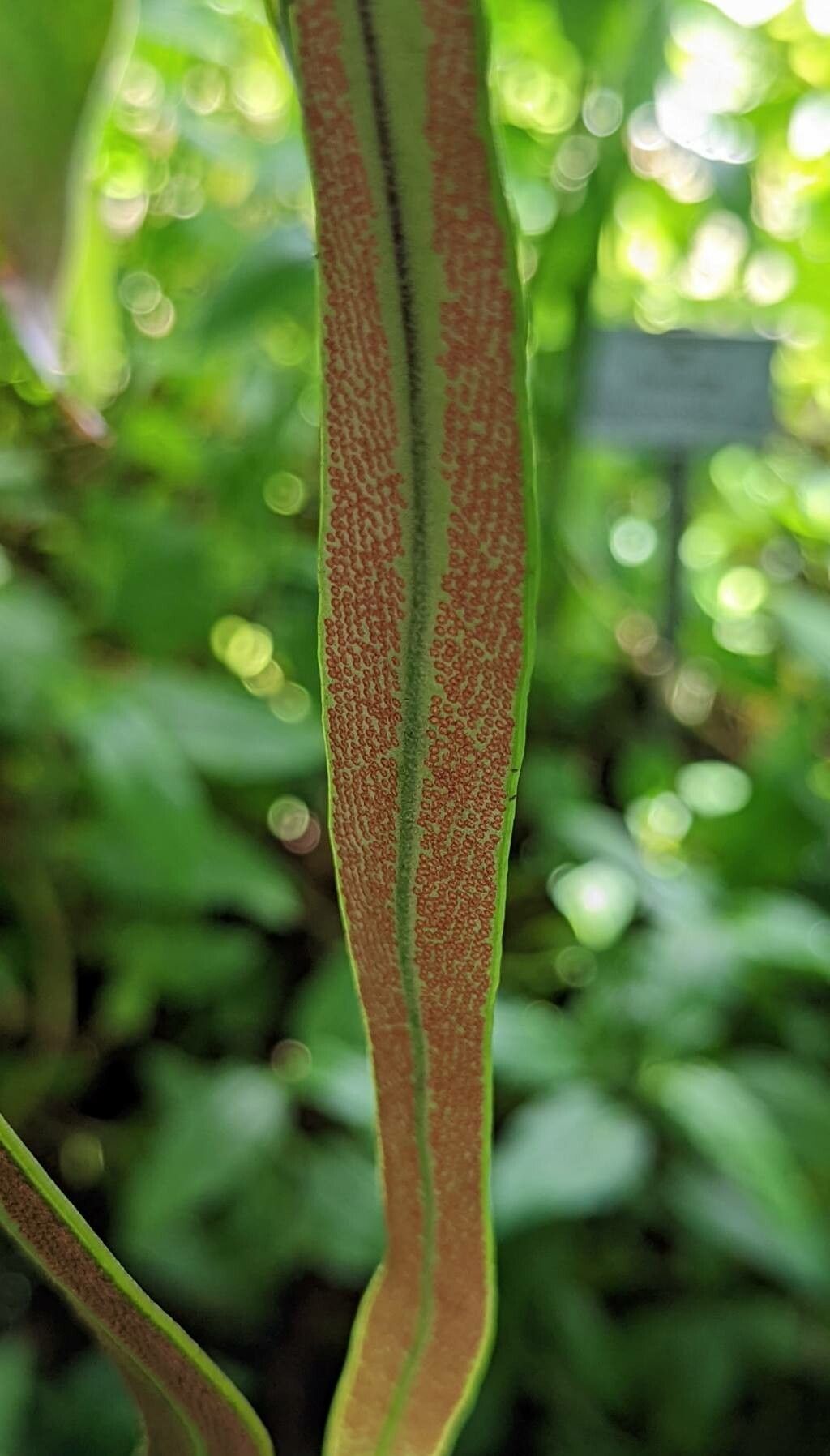
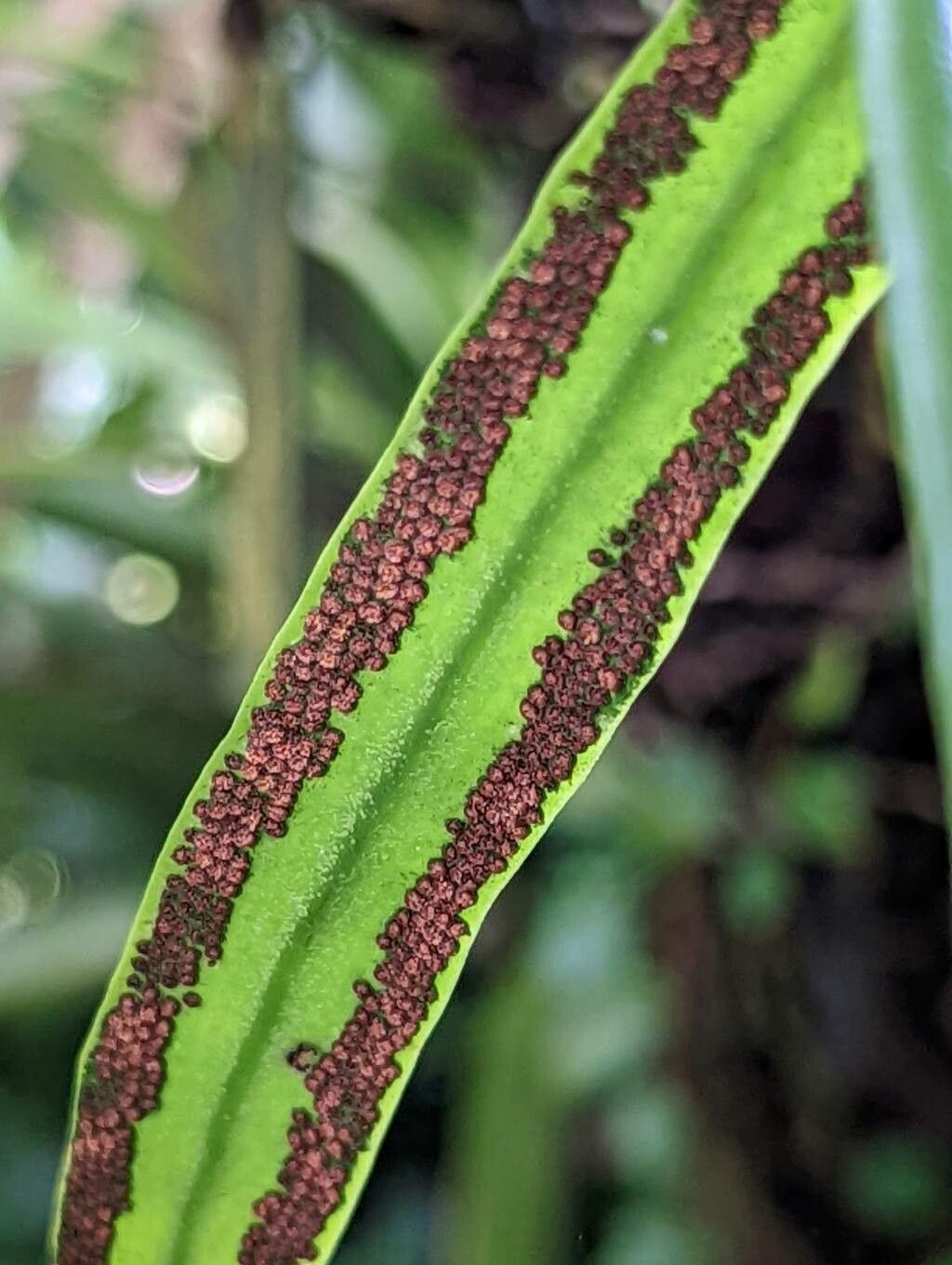
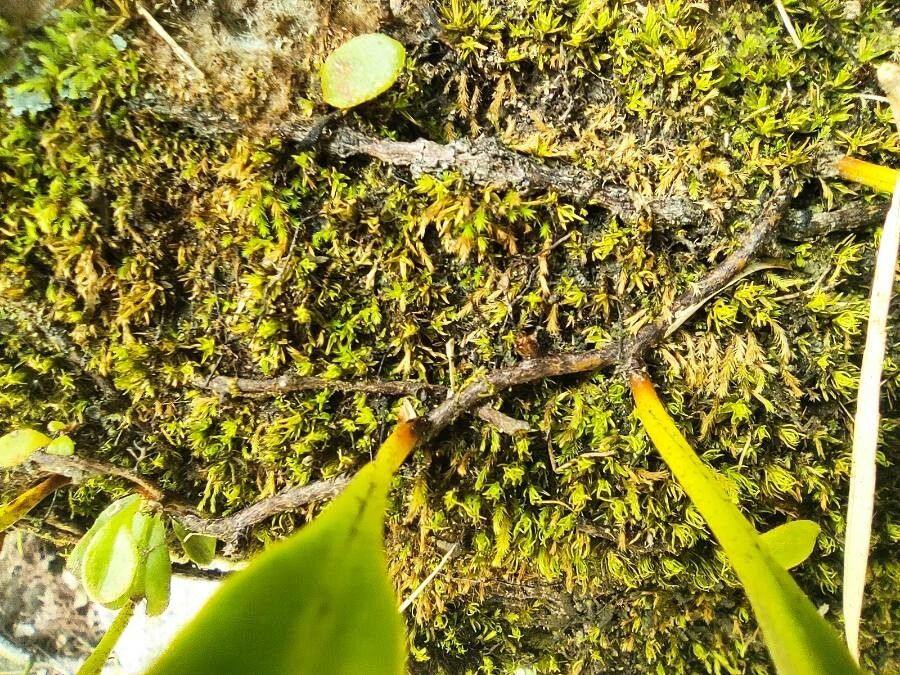
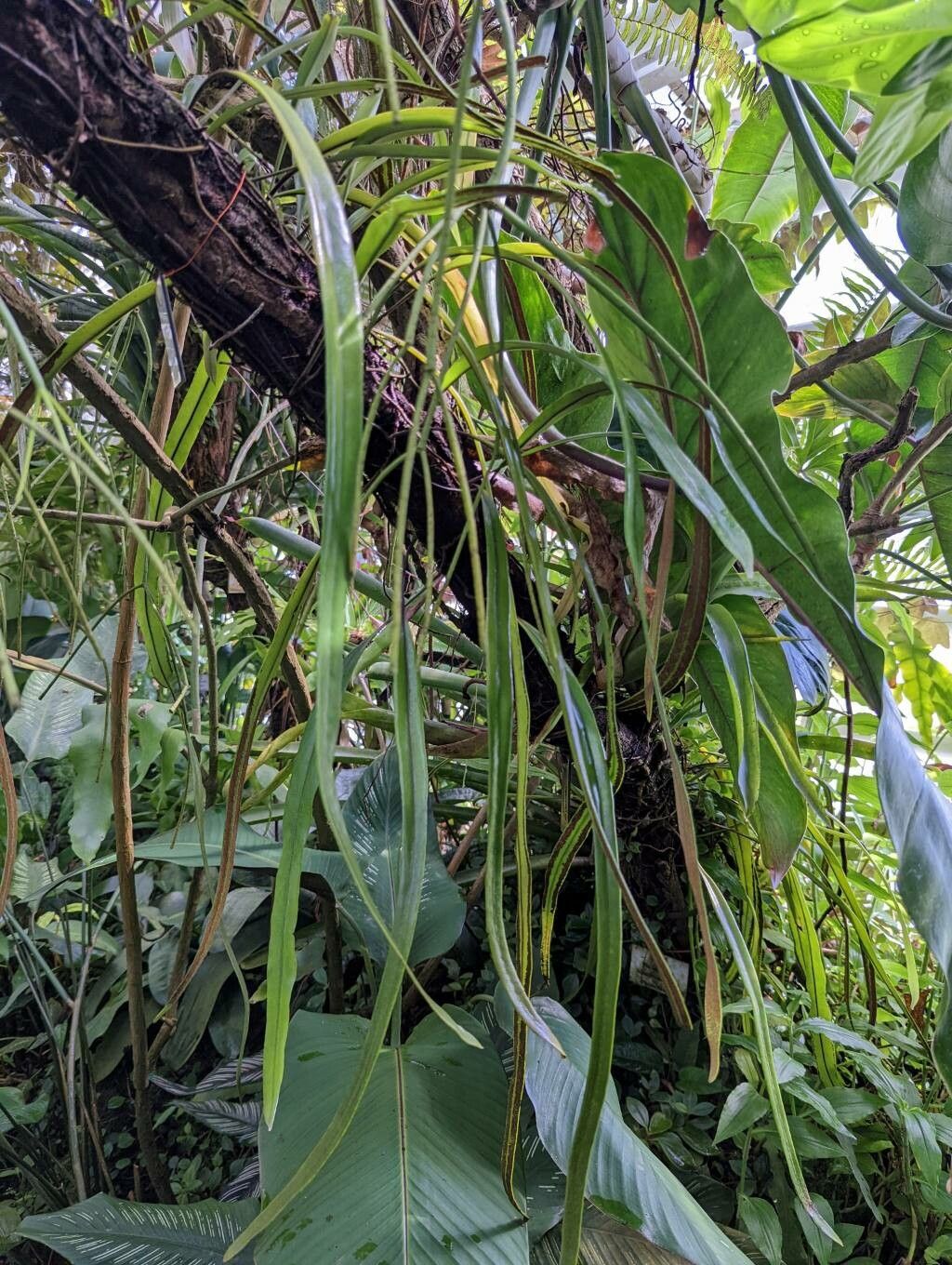
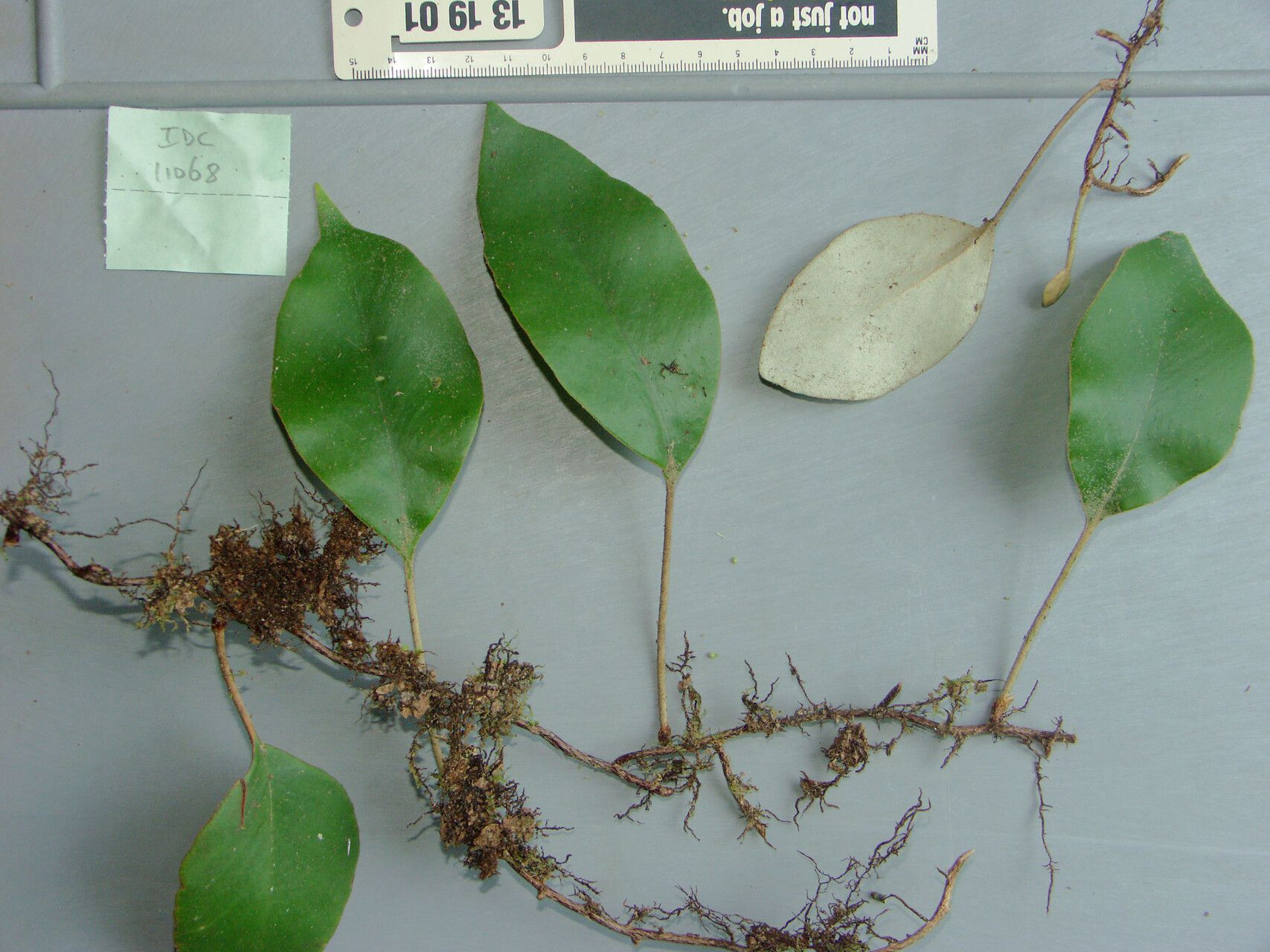
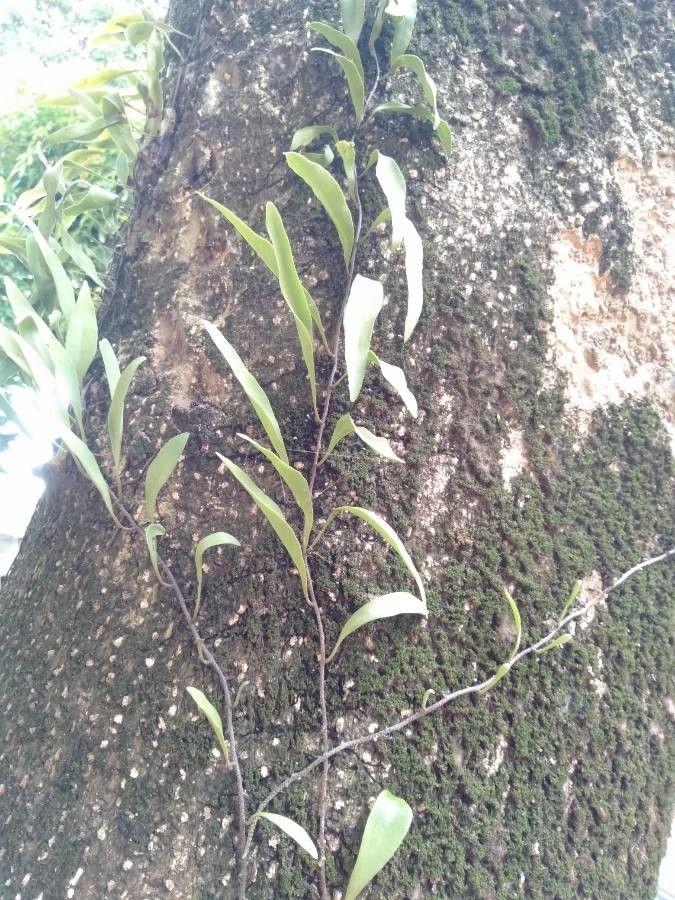
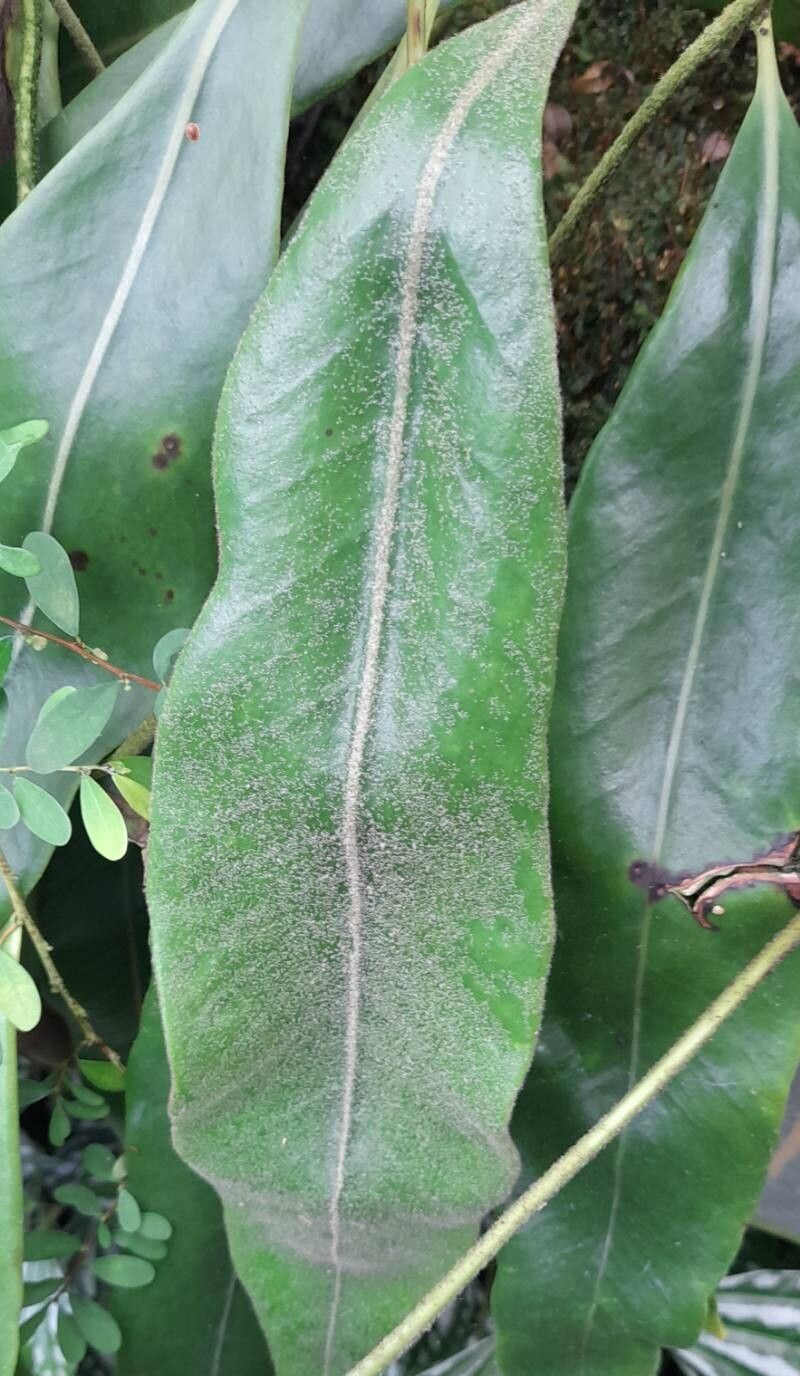
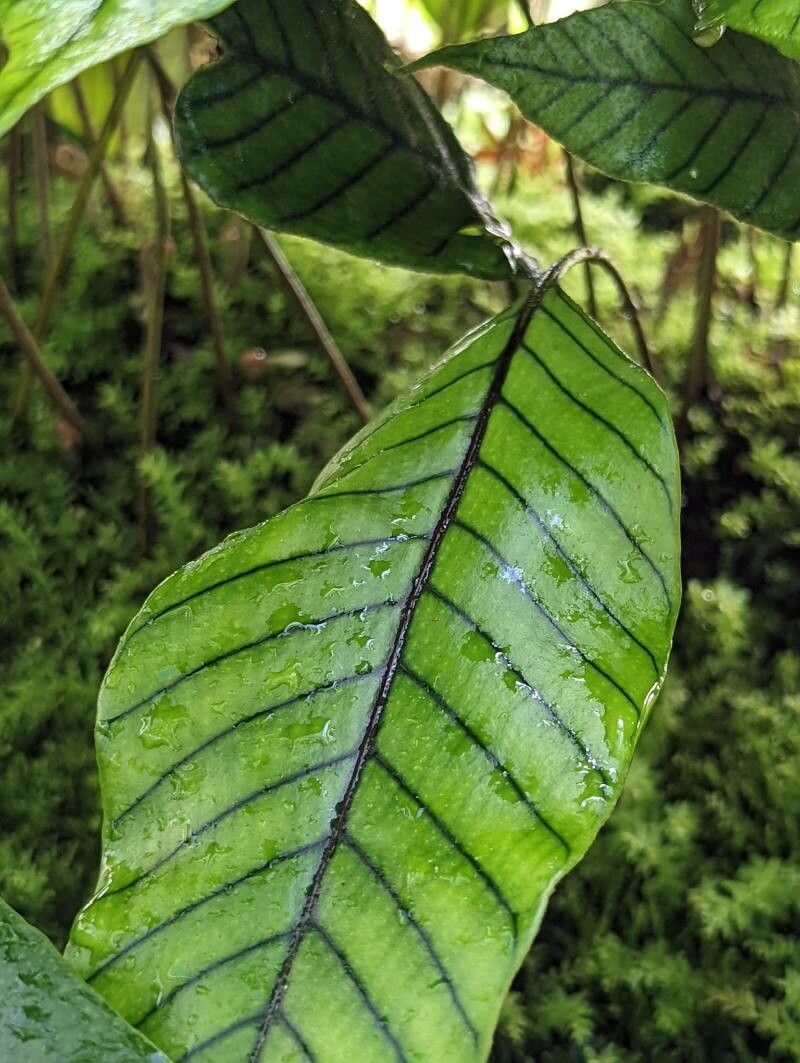
Lanceleaf tongue fern has strong resistance to disease and generally does not tend to become diseased. However, it can be susceptible to pests and diseases present in its surroundings. These infections are generally mild. In terms of care, this plant requires moderate maintenance. It should be pruned regularly to maintain a good appearance and support healthy growth. Fertilizing can also help encourage flowering. Lanceleaf tongue fern is suitable for someone with outdoor space, such as a garden or patio, and does not demand extensive care experience. It may need more attention when grown indoors.
How to keep Pyrrosia Lanceolata.
Light
Lanceleaf tongue fern naturally occurs in habitats like forest understories or rocky areas, where it grows in natural shade. It prefers partial sun but can adjust to full sun or full shade, showing its versatile, hardy character.
Water
The lanceleaf tongue fern thrives in humid conditions and needs consistent moisture to flourish. Water it weekly to keep its foliage lush, but it can tolerate brief periods of dryness. If you're growing it indoors, make sure to maintain sufficient humidity during the growing season to mimic its natural environment.
Temperature
The lanceleaf tongue fern comes from tropical areas, which are usually warm and humid. Because of that, it is adapted to high heat and humidity. It is sensitive to abrupt temperature shifts and prefers a consistent temperature, so indoor temperature swings should be avoided. It generally cannot tolerate cold and needs warmer conditions to grow. If the surrounding temperature becomes too low, the plant may stop growing or even die.
Fertilizer
The lanceleaf tongue fern needs the most fertilizer during its active growth period, which takes place mainly in spring, summer, and early fall. Fertilizing supplies essential nutrients the soil may lack, supporting healthy root and stem development and enhancing the attractive foliage that is a key characteristic of this plant.
Pruning
The Lanceleaf Tongue Fern flourishes with lush evergreen fronds and benefits greatly from regular pruning between early and late spring. To encourage healthy growth and improve air circulation, focus on removing any dead or damaged fronds. Be sure to use clean, sharp tools during pruning to prevent infections and enhance the plant's overall appearance.
Botanical profile.
- Plant Type
- Herb
- Life Cycle
- Perennial
- Genus
- Pyrrosia
- Family
- Polypodiaceae
- Hardiness Zone
- 10-12
- Mature Height
- 5 cm to 11 cm
- Mature Spread
- 5 cm to 40 cm
- Leaf Color
- Yellow, Green
- Leaf Type
- Semi-evergreen
- Planting Time
- Autumn, Winter
- Native Area
- Nepal, Sri Lanka, India, Malaysia, Philippines, Madagascar, Bangladesh, Laos, Fiji, Uganda, Tanzania, Zimbabwe, Central African Republic, China, Gabon, Indonesia, Cambodia, Cameroon, Vietnam, Mozambique, Myanmar, Japan, Bhutan, Singapore, Congo (DRC), Thailand, Congo
Other names.