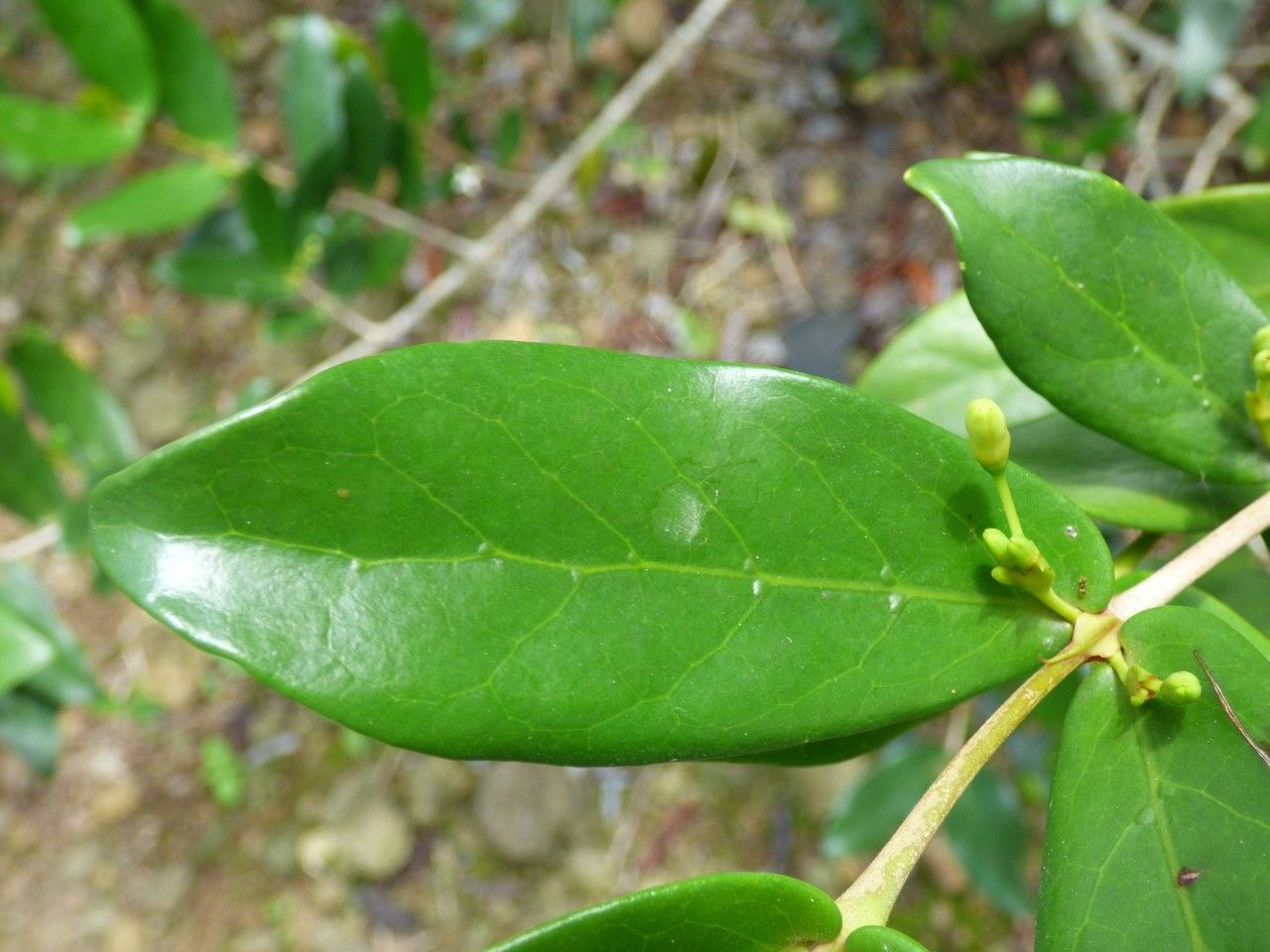
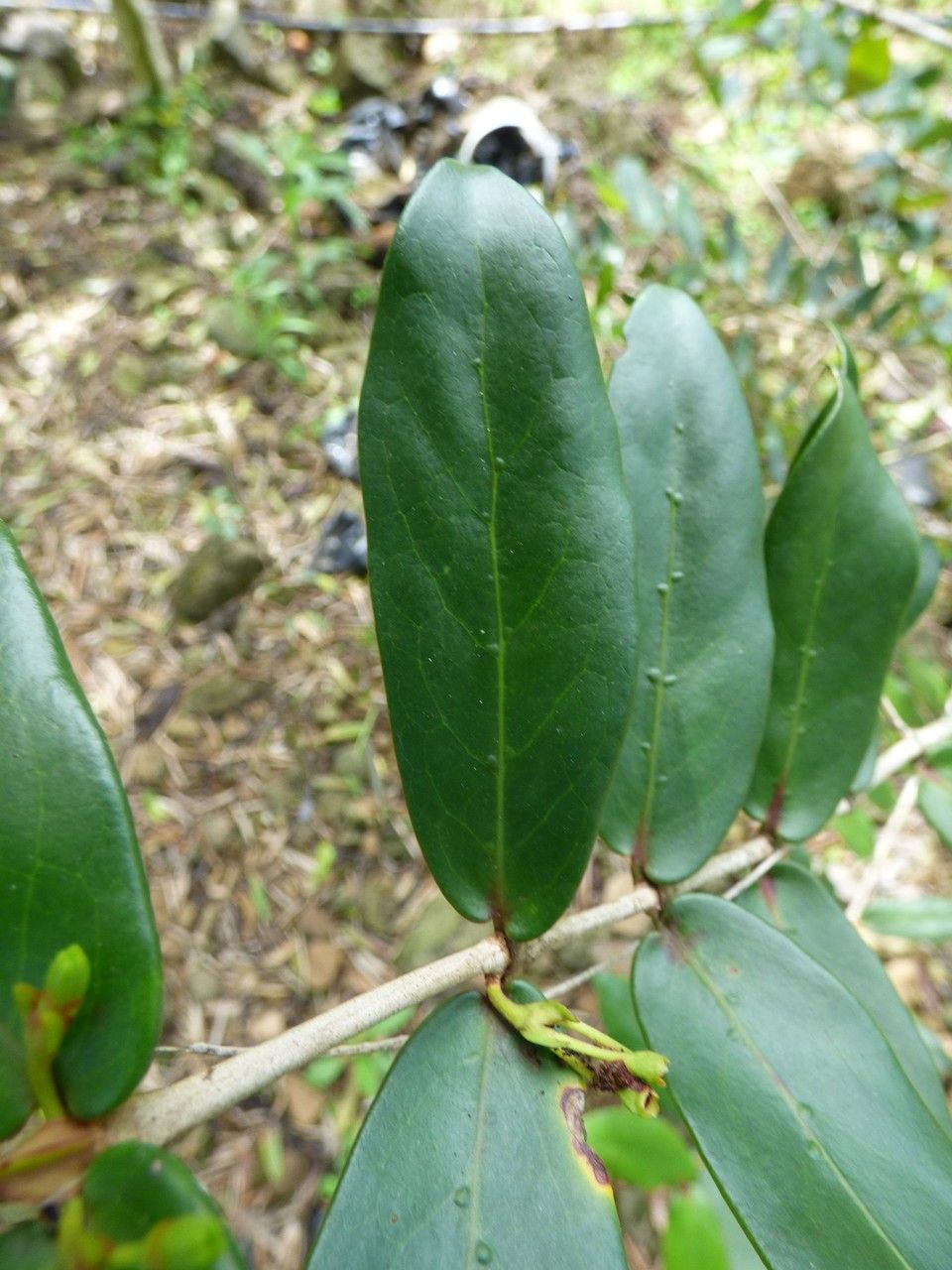
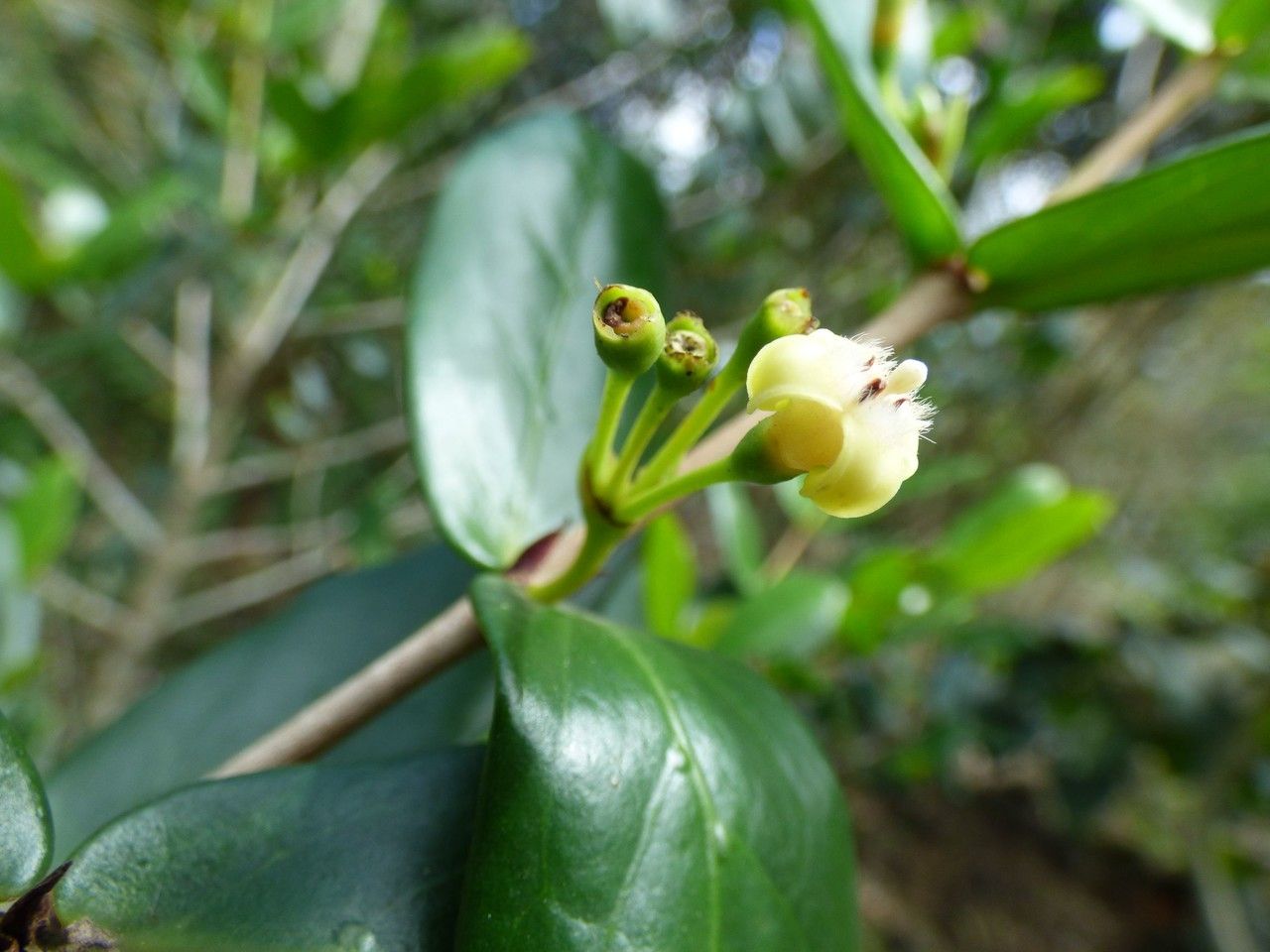
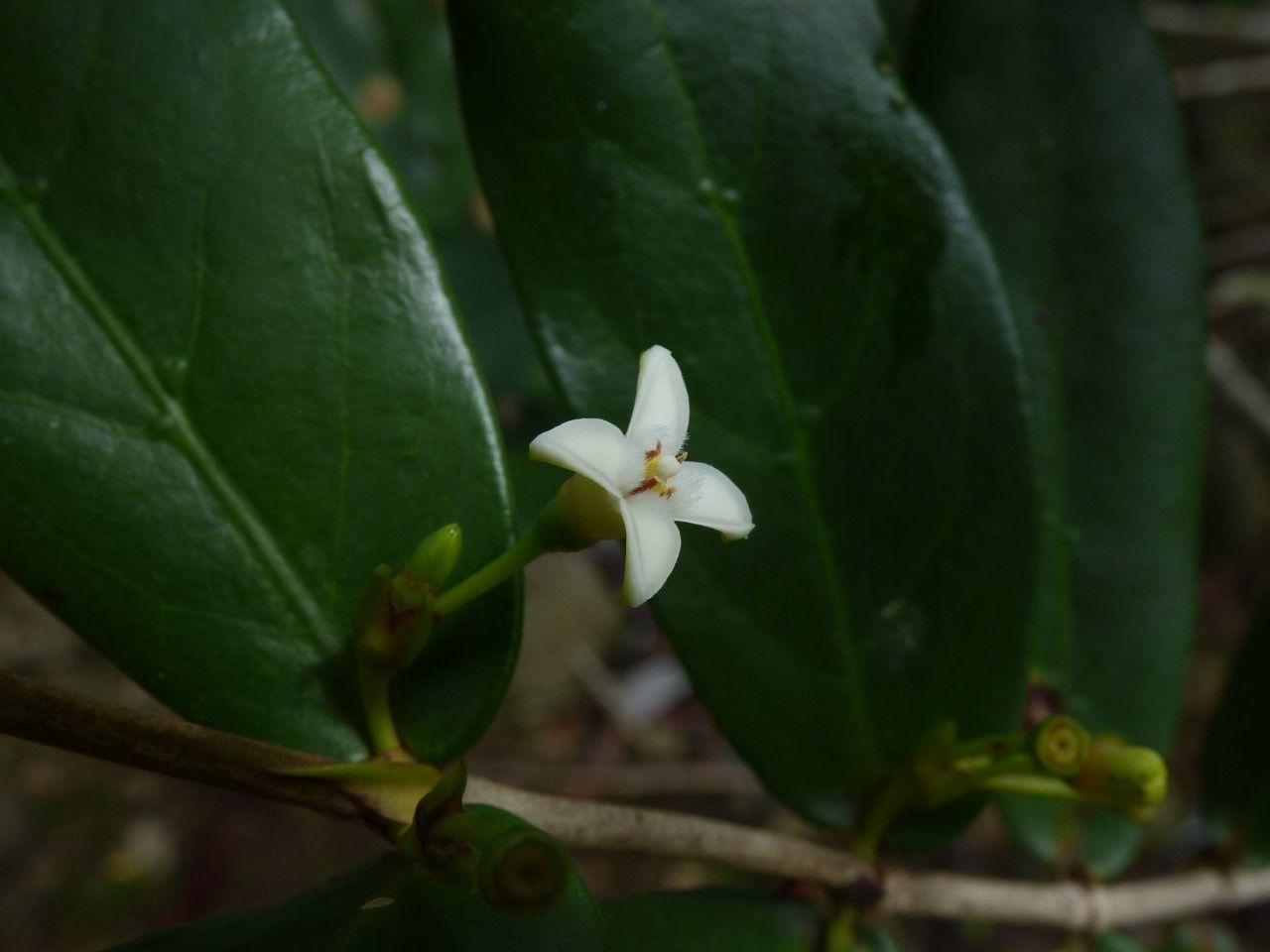
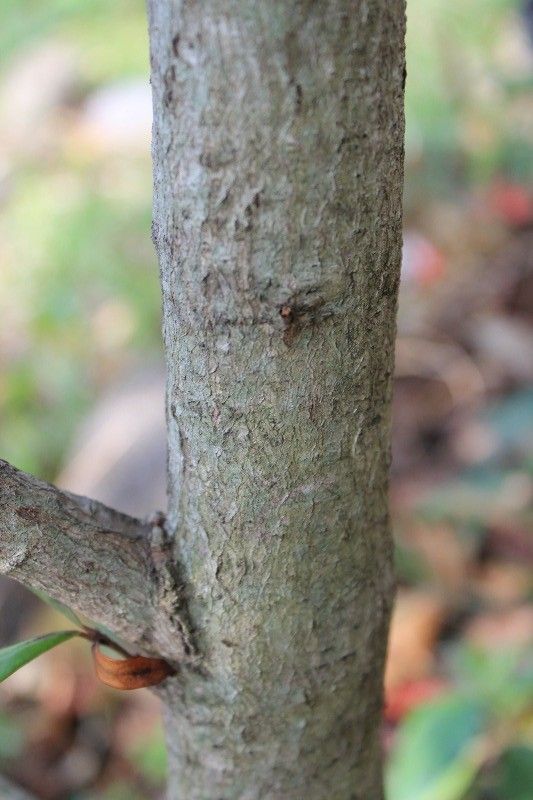
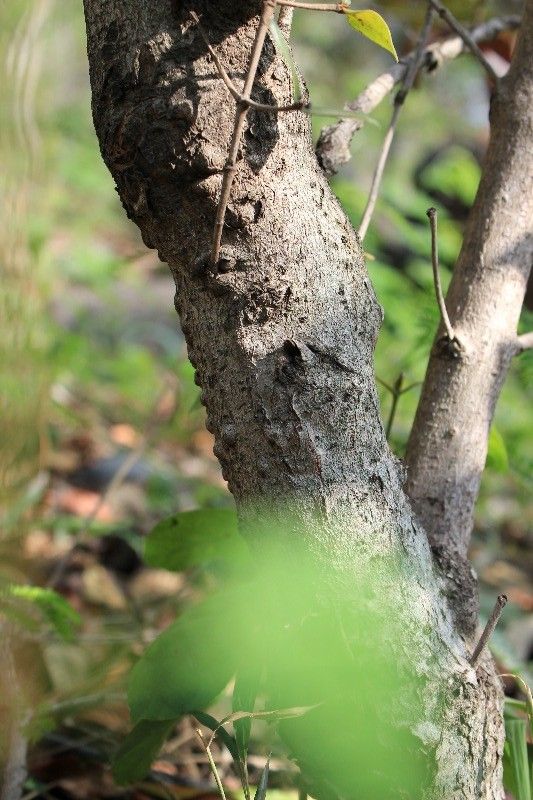
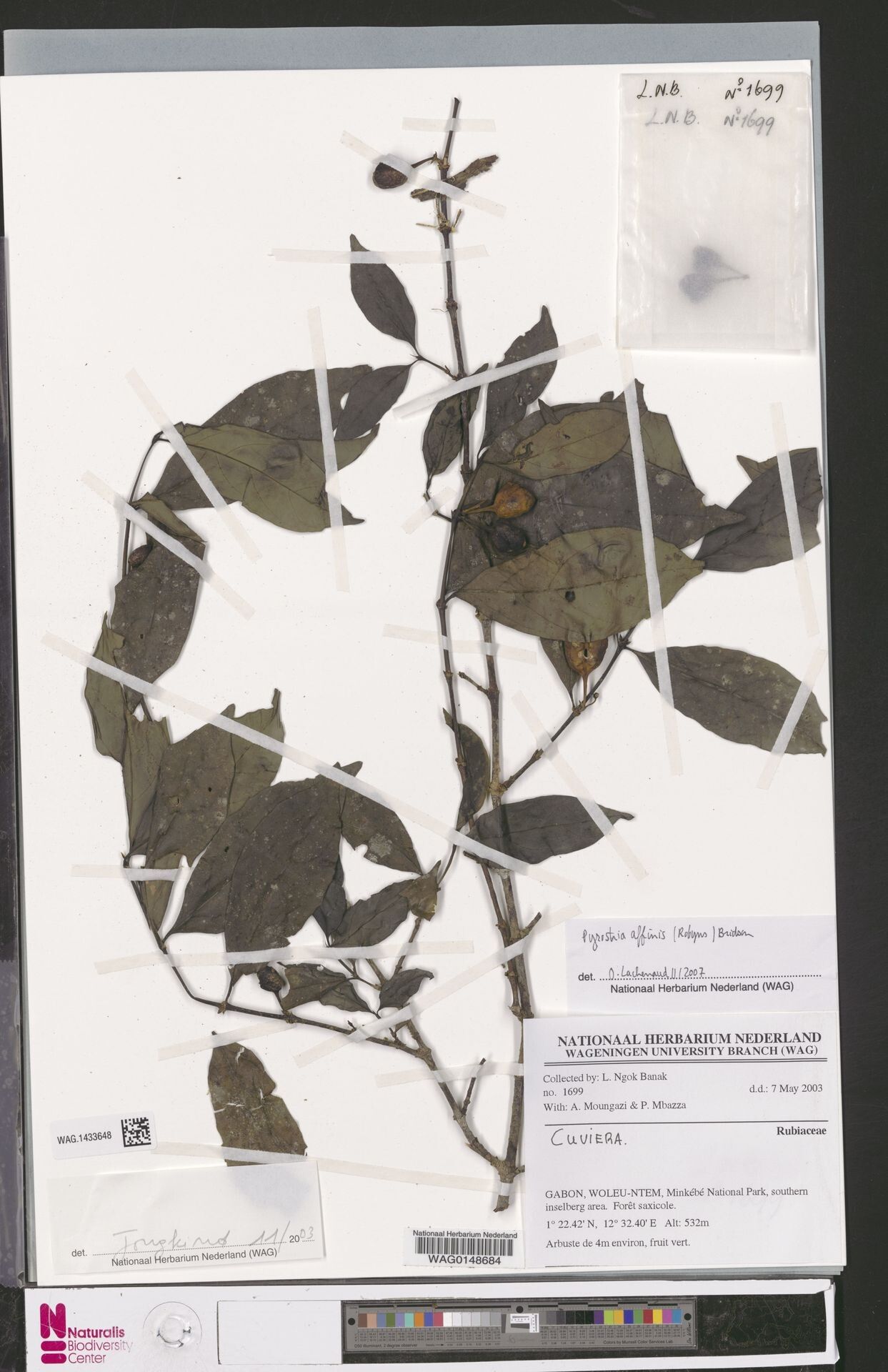
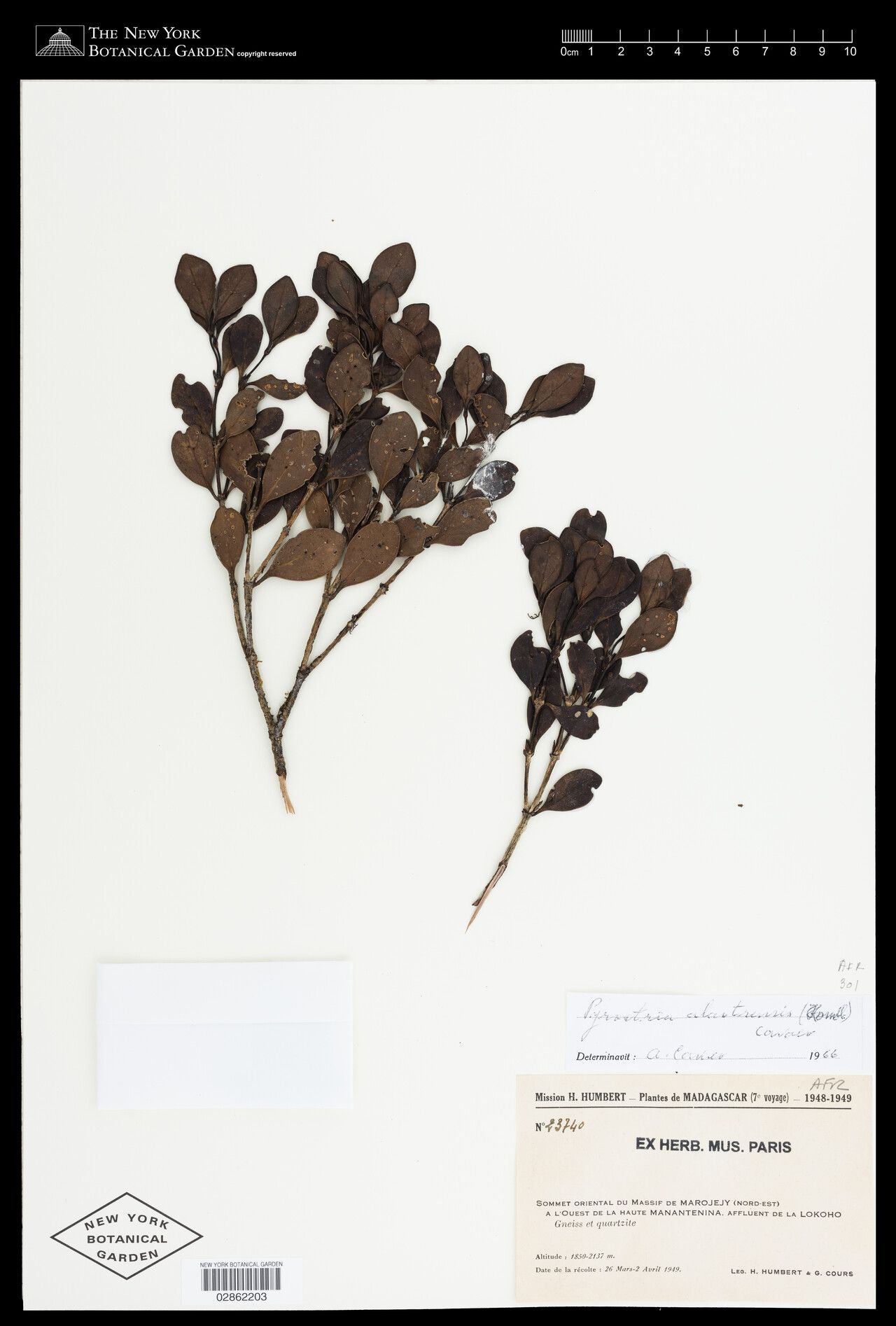
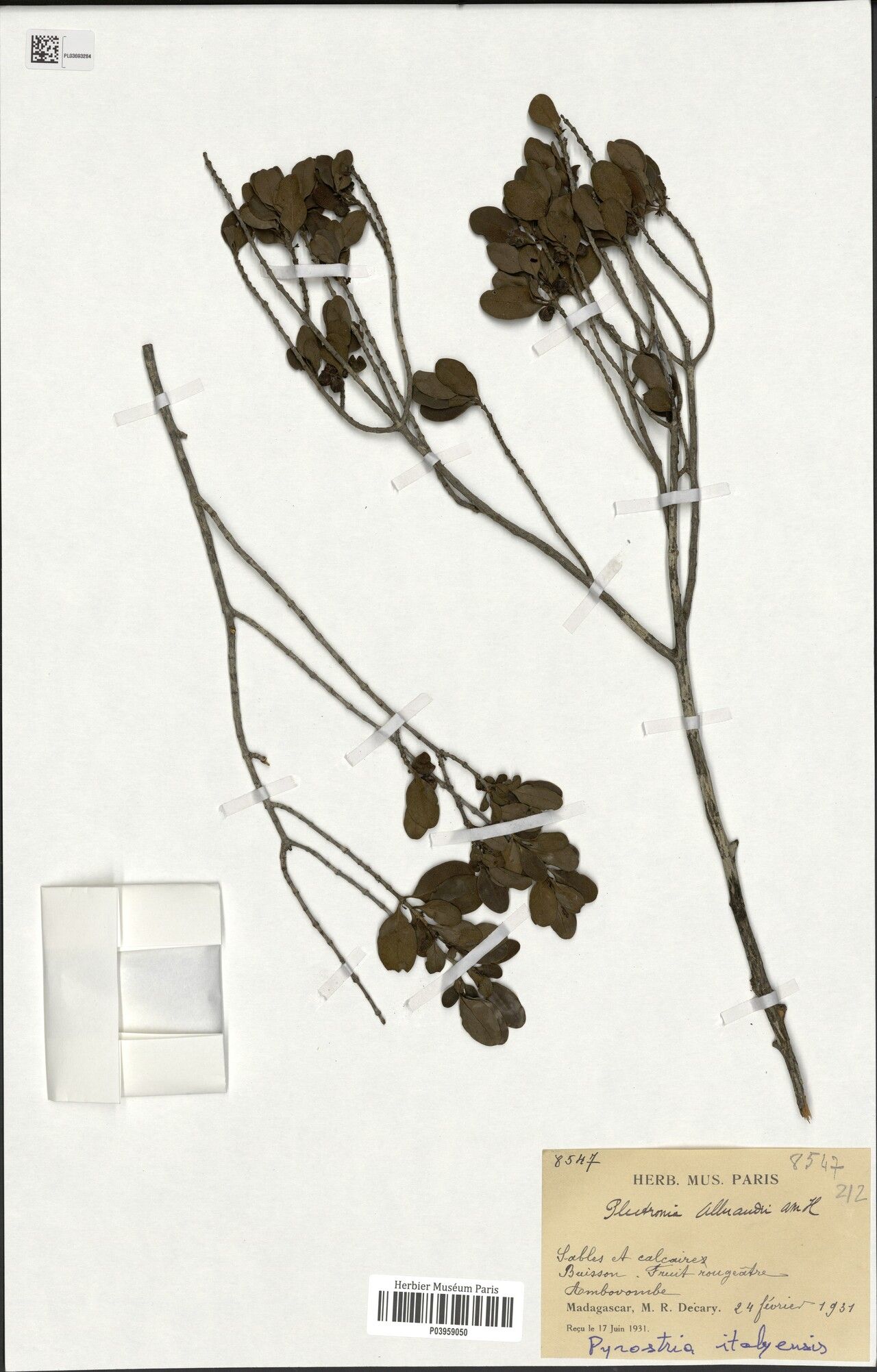
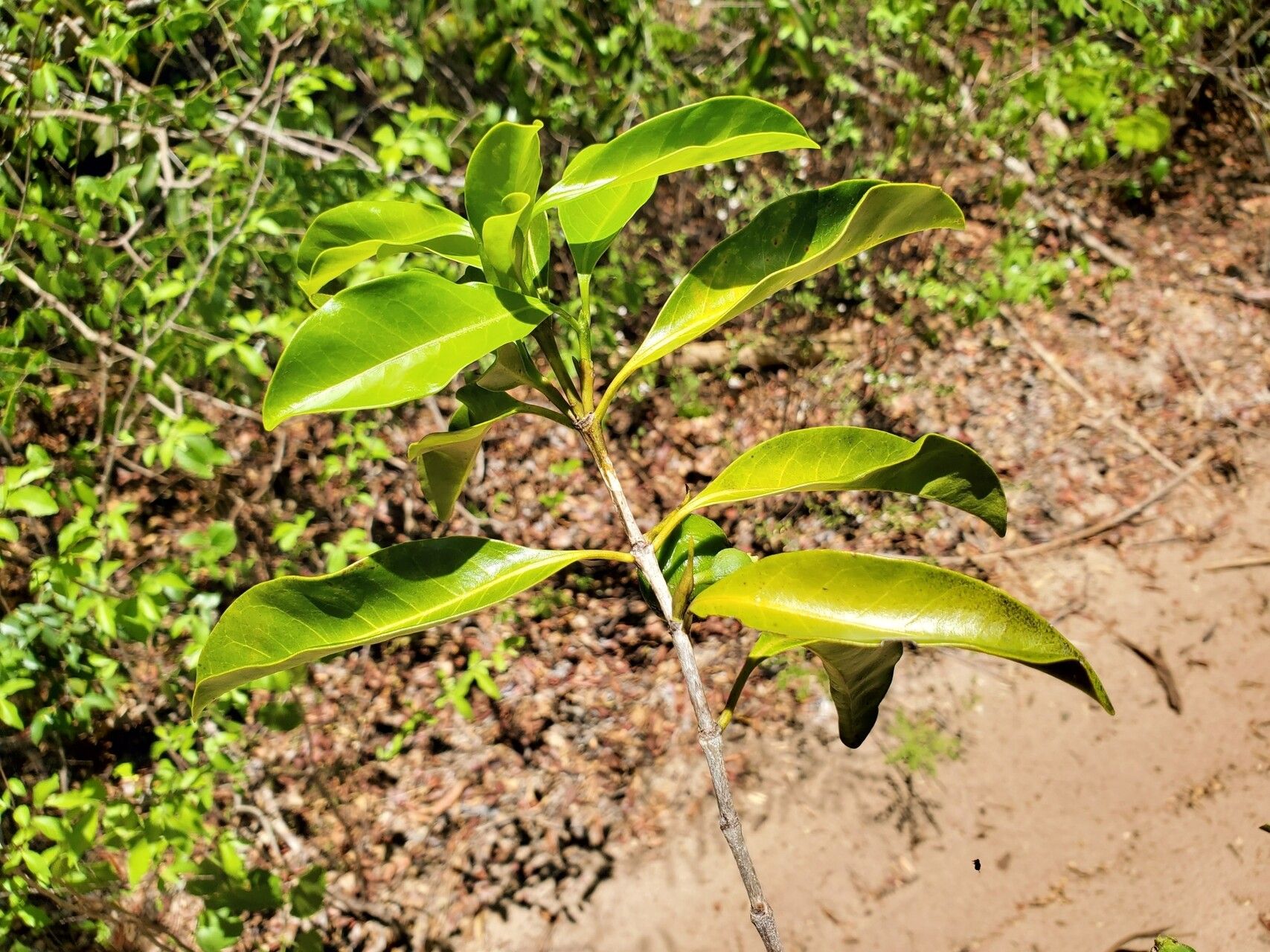
Pyrostria orbicularis has strong resistance to disease and is generally not susceptible to illnesses. Regarding care, this plant is fairly low-maintenance. When grown outdoors it needs only minimal watering, and larger specimens usually do not require pruning. Smaller plants, however, should be pruned after they have finished blooming. Pyrostria orbicularis is suitable for anyone with an outdoor area, such as a garden or deck, and does not demand extensive gardening experience.
How to keep Pyrostria Orbicularis.
Light
Pyrostria orbicularis is native to habitats like forest understories and rocky areas, where it grows in natural shade. It prefers partial sun but can tolerate either full sun or full shade, illustrating its adaptable, hardy nature.
Water
Pyrostria orbicularis is a drought-tolerant plant native to arid regions, making it well-suited for low-water environments. It should be watered every 2-3 weeks. The plant thrives best outdoors, where it can take advantage of natural rainfall and regulate its water intake on its own.
Temperature
Pyrostria orbicularis comes from tropical areas, where the weather is usually warm and humid. Therefore it is adapted to high heat and moisture. It is sensitive to sudden temperature changes and favors a steady temperature, so avoiding indoor temperature swings is important. It generally does not tolerate cold and needs warmer conditions to grow. If the ambient temperature falls too low, the plant may stop growing or even die.
Fertilizer
The best time to fertilize a Pyrostria orbicularis is in early spring when it breaks dormancy. This encourages overall growth and the development of flowers. Fertilization improves the foliage, stems, and branches, while encouraging large, vibrant, and long-lasting blooms. It helps move nutrients from the roots to the flowers and strengthens the plant’s health and its resistance to disease.
Pruning
Pyrostria orbicularis is known for its circular leaves and compact growth habit. To care for this plant, follow these essential pruning techniques: remove damaged branches, thin out dense areas to improve airflow, and maintain its shape. The best time to prune is from early to late winter, as this promotes health, prevents disease, and encourages growth. Always use clean, sharp tools for the best results.
Botanical profile.
- Plant Type
- Tree, Shrub
- Life Cycle
- Perennial
- Genus
- Pyrostria
- Family
- Rubiaceae
- Hardiness Zone
- 10-12
- Mature Height
- 2.13 m to 6.1 m
- Mature Spread
- 0.91 m to 2.13 m
- Leaf Color
- Dark Green
- Leaf Type
- Evergreen
- Flower Color
- White, Yellow
- Flower Size
- 0.51 cm to 0.76 cm
- Bloom Time
- Late spring, Early summer, Mid summer
- Planting Time
- Spring, Summer, Autumn
- Harvest Time
- Late summer, Early fall, Mid fall
Reader questions.
What are the sunlight requirements for Pyrostria orbicularis?
Pyrostria orbicularis prefers partial sun, thriving in about 3-6 hours of sunlight daily, but it can also tolerate full sun with over 6 hours of sunlight. It's important to observe the movement of sunlight through your garden to find the ideal spot that offers a good balance of light and shade, ensuring the plant's well-being. This plant is native to environments like forest understories or rocky areas where it experiences natural shade, making it a versatile perennial herbaceous plant suitable for various light conditions.
What symptoms indicate insufficient light for Pyrostria orbicularis?
When Pyrostria orbicularis does not receive enough light, several symptoms may arise, including smaller-sized new leaves, leggy or sparse growth, faster leaf drop, halted or no new growth, and the development of lighter-colored new leaves. Conditions like chlorosis, sunscald, leaf curling, wilting, and leaf scorching also indicate either excessive light exposure or insufficient light, affecting the plant's ability to photosynthesize and maintain overall health.
How can I provide artificial lighting for Pyrostria orbicularis?
Artificial lighting can be crucial for Pyrostria orbicularis' growth, especially when natural sunlight is insufficient. LED lights are a common choice for their ability to mimic natural light spectrums. Full sun plants require 30-50W/sq ft, partial sun plants need 20-30W/sq ft, and full shade plants benefit from 10-20W/sq ft of artificial light. Ensure the light source is placed 12-36 inches above the plant and mimic natural daylight hours, keeping lights on for 8-12 hours per day.
What solutions are recommended for light-related issues with Pyrostria orbicularis?
For light-related issues, adapting your Pyrostria orbicularis' environment is key. Indoors, gradually increase sunlight exposure or provide artificial light, ensuring adequate light for growth. Outdoors, move plants gradually to sunnier spots and avoid sudden changes that can lead to sunburn. Reducing obstructions like pruning trees or transplanting to sunnier locations also helps. Remember, parts of the plant affected by insufficient light may not recover, but new growth can be healthy with improved light conditions.