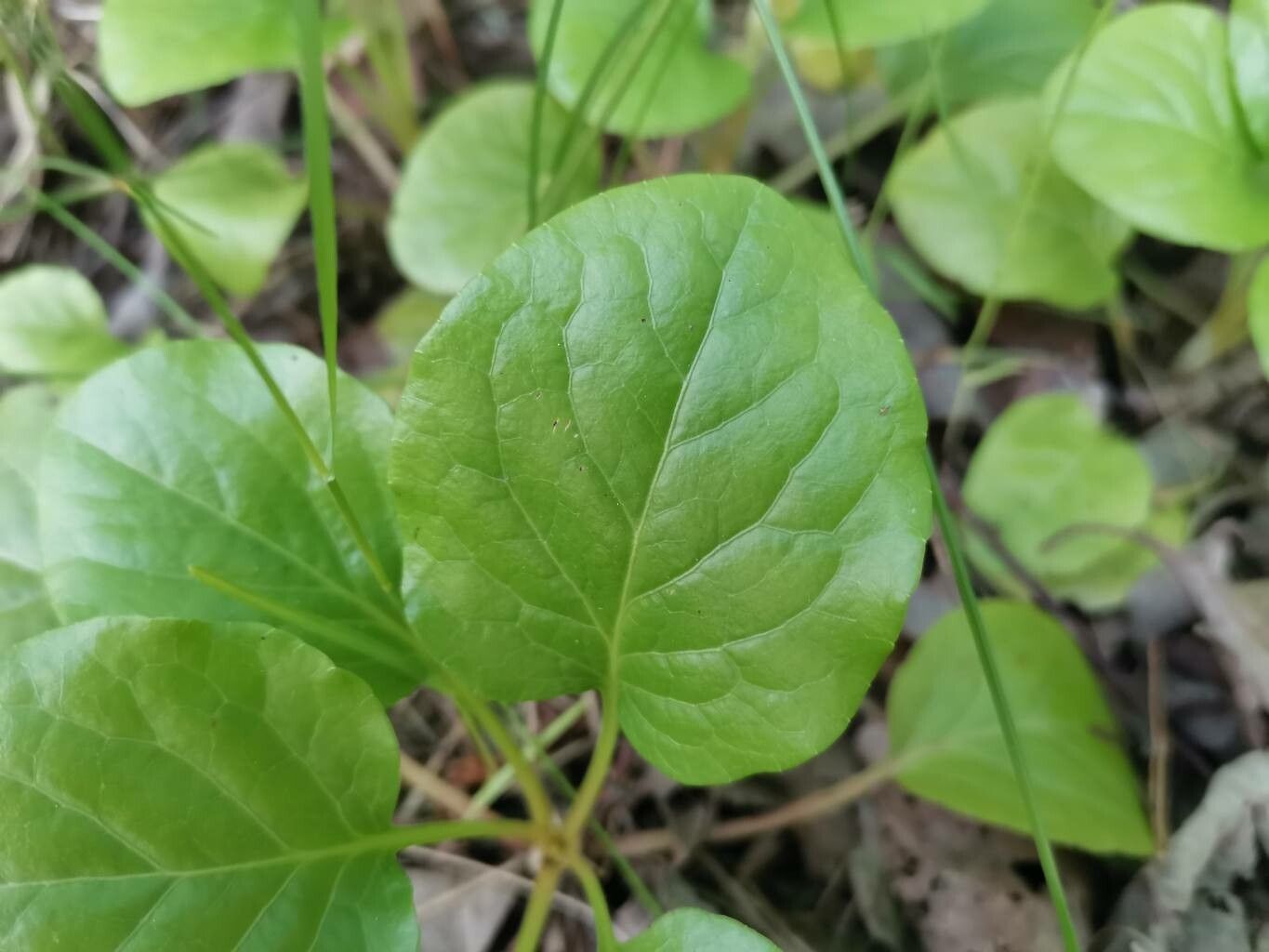
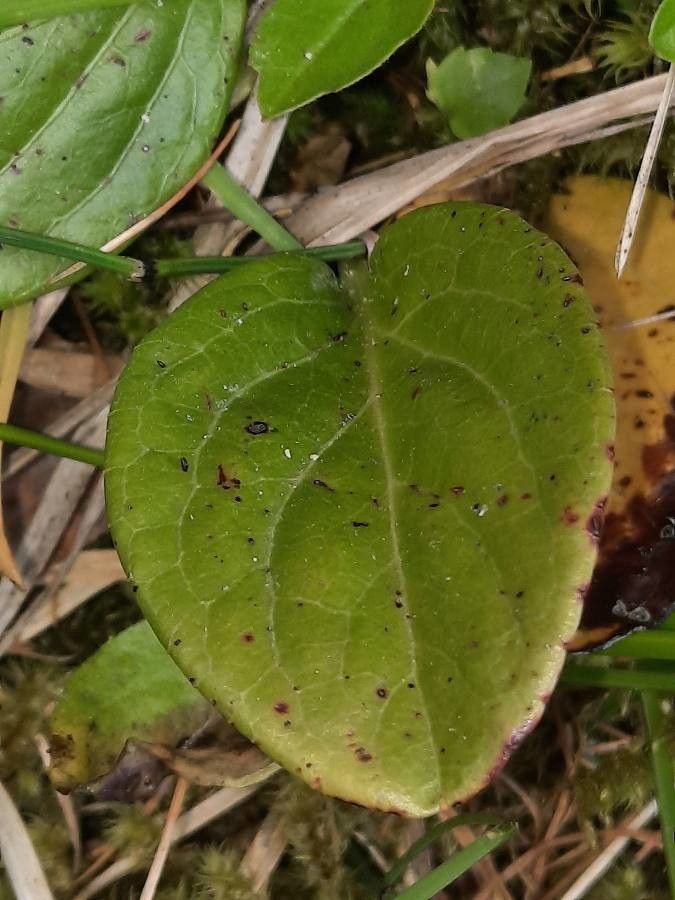
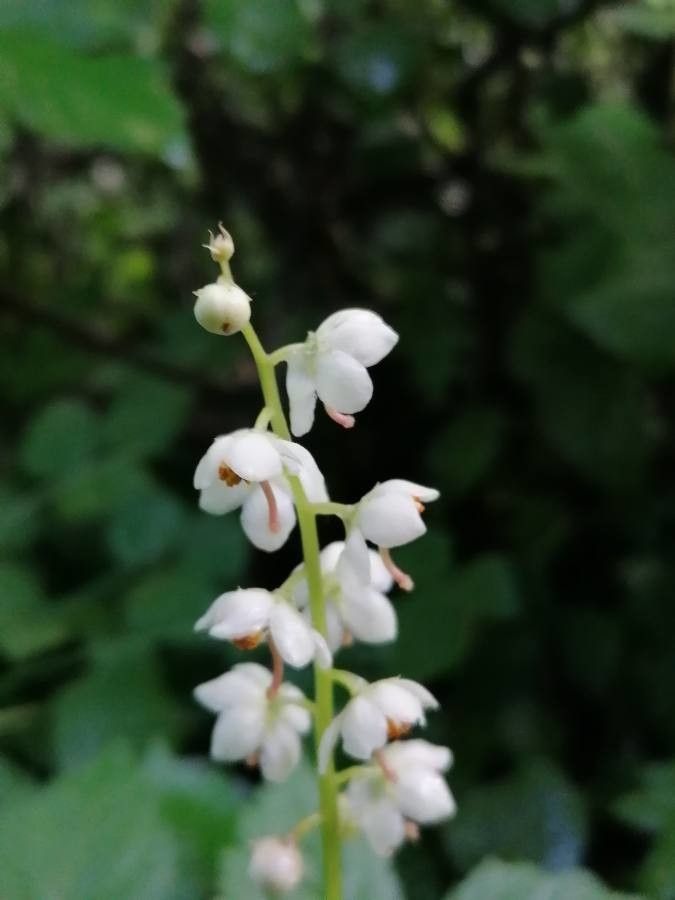
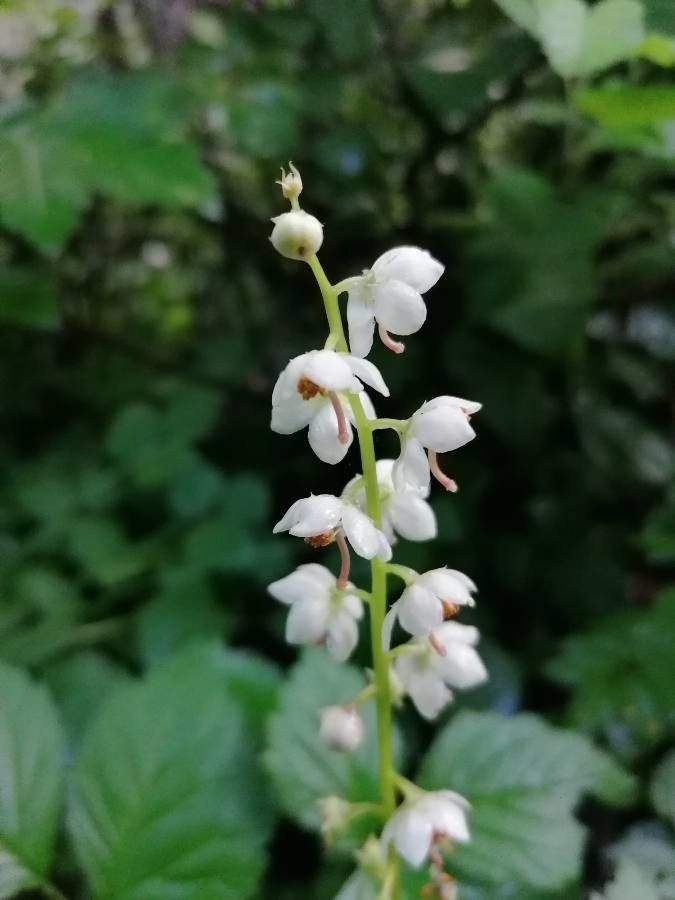
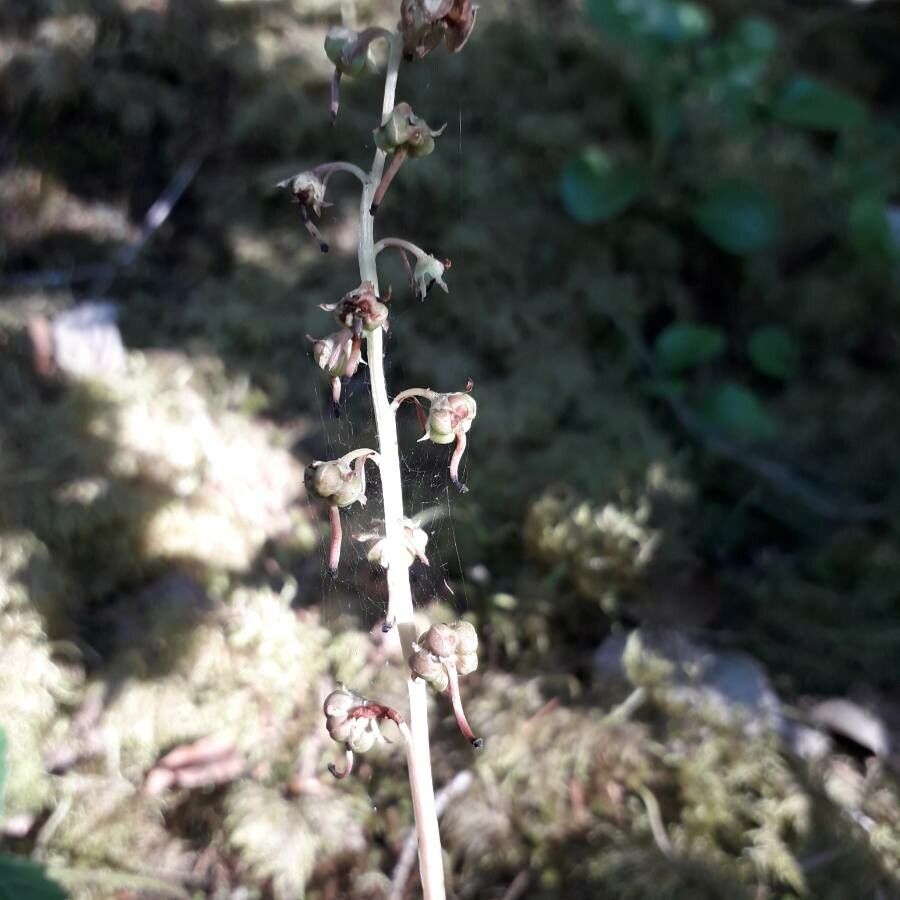
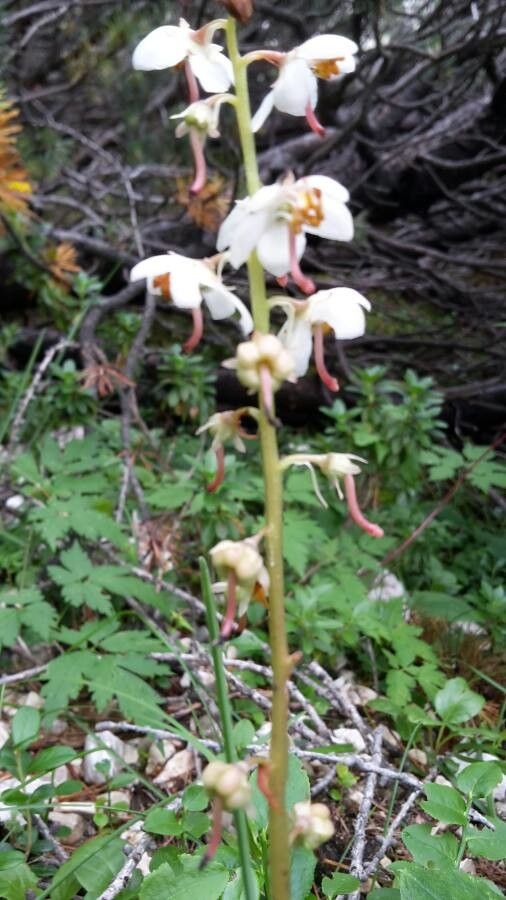
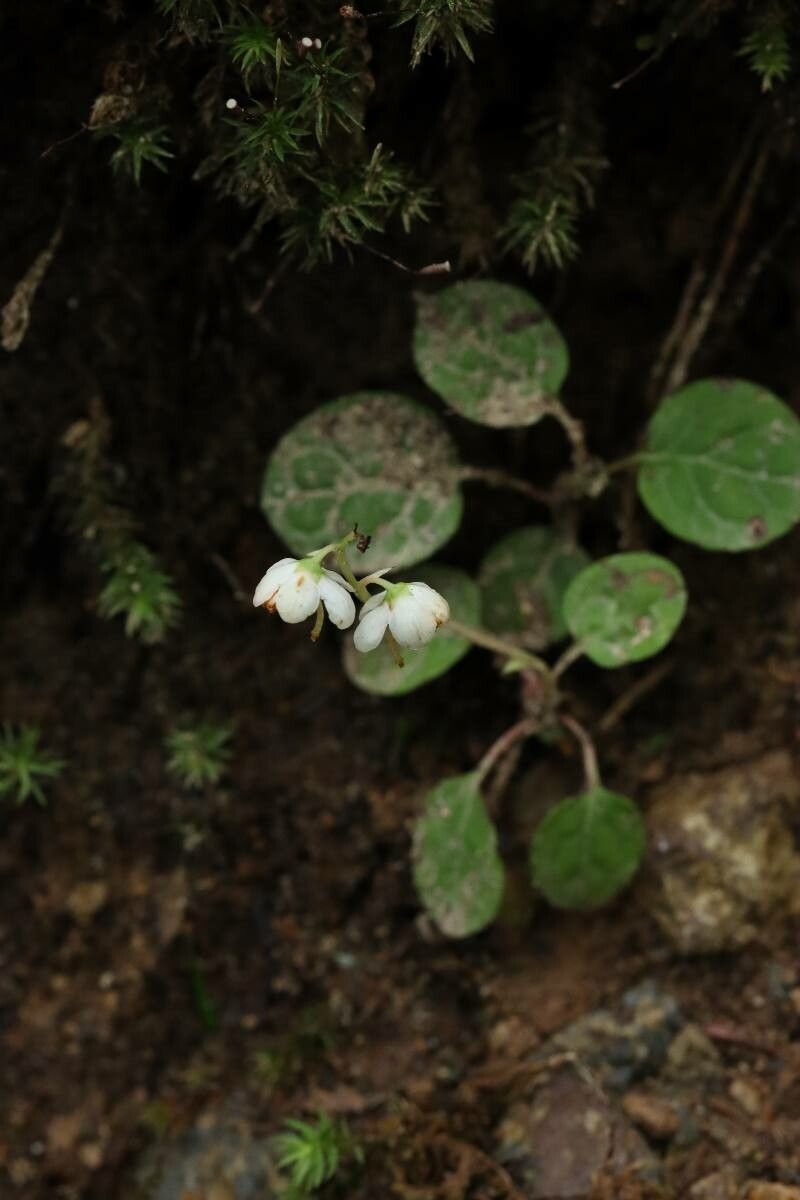
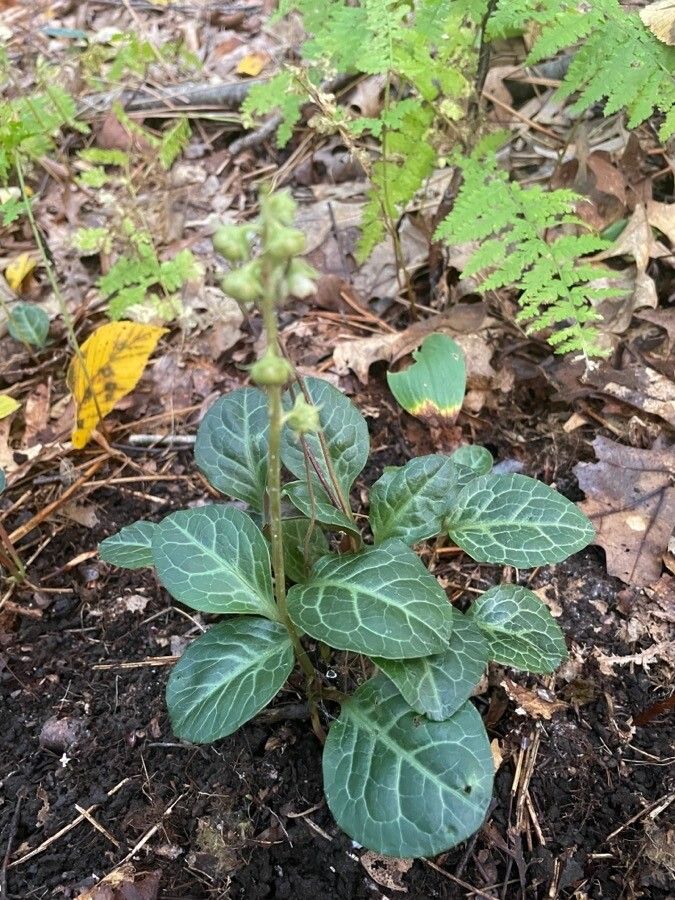
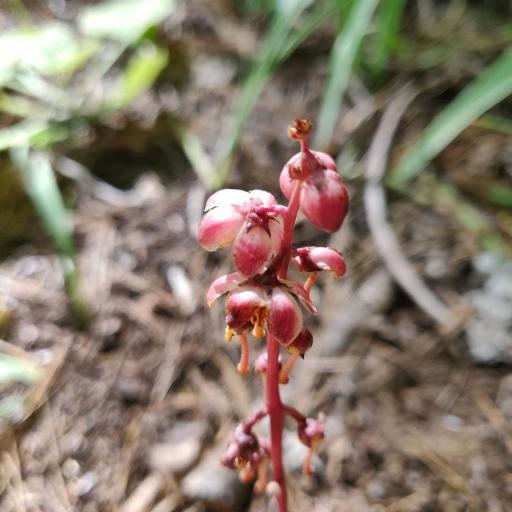
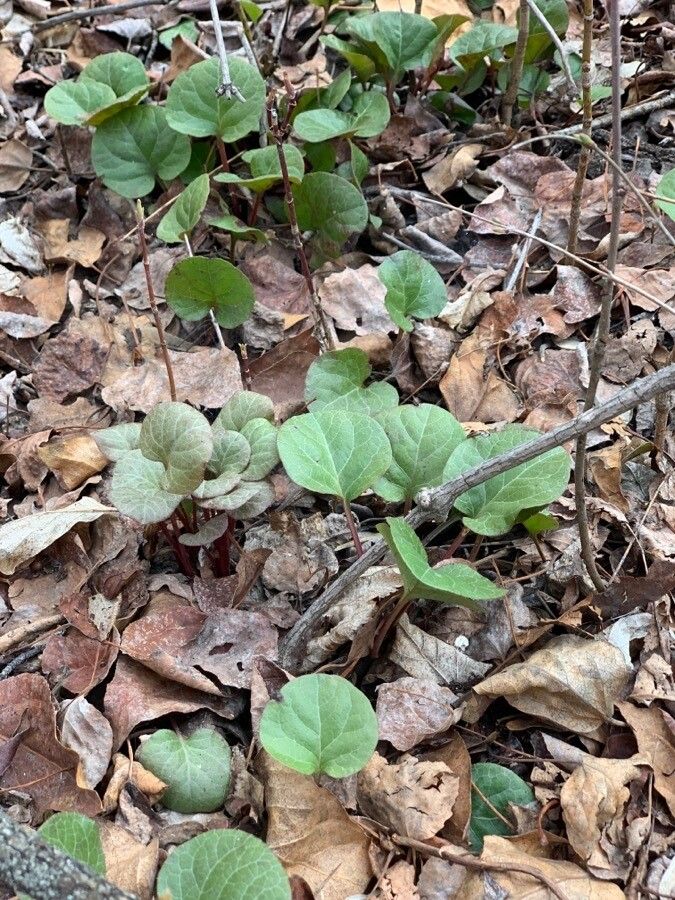
Pyrola rotundifolia, the round-leaved wintergreen, is a plant species of the genus Pyrola. It is found in Europe, Japan, Mongolia, Myanmar and Russia.
Large wintergreen has good disease resistance and is generally not susceptible to diseases. However, it can be affected by pests and diseases present in its surroundings. These infections are generally not severe. In terms of care, this plant requires moderate maintenance. It needs regular pruning to maintain a neat appearance and healthy growth. Fertilizing can also help encourage flowering. Large wintergreen is suitable for anyone with an outdoor area, such as a garden or patio, and does not demand extensive care experience. It may need more attention when grown indoors.
How to keep Pyrola Rotundifolia.
Light
Large wintergreen prefers moderate light, reflecting the shaded woodland environment it naturally occupies. Although it can tolerate an absence of sunlight, an adequate amount of light supports healthier growth. Excessive light can hamper its development, while too little may impede flowering.
Water
Originating from cool temperate forests, large wintergreen flourishes in moist, consistently damp soils and needs to be watered weekly. It is best suited for outdoor cultivation, where it can take advantage of natural rainfall and seasonal temperature changes that greatly influence its watering requirements.
Temperature
Large wintergreen naturally thrives in its native habitat with temperatures between 41 and 89.6 °F (5 and 32 °C). It prefers mild climates, and notable temperature adjustments are recommended during extreme seasons for its well-being.
Fertilizer
The best time to fertilize a Large wintergreen is in early spring, when it is coming out of dormancy and starting active growth. Fertilizing supplies essential nutrients needed for healthy development. Although Large wintergreen has relatively low fertilizer requirements, annual applications can improve its survival and encourage better, longer-lasting flowers.
Pruning
Large wintergreen is a perennial plant with round leaves and white flowers. To maintain its health and appearance, prune it in early to late spring. This helps remove dead leaves, encourage new growth, and improve air circulation. When pruning, use clean and sharp tools to prevent infection, and be cautious not to make heavy cuts, as large wintergreen grows slowly.
Botanical profile.
- Plant Type
- Herb, Shrub
- Life Cycle
- Perennial
- Genus
- Pyrola
- Family
- Ericaceae
- Hardiness Zone
- 4-8
- Mature Height
- 10 cm to 30 cm
- Mature Spread
- 30 cm
- Leaf Color
- Dark Green
- Leaf Type
- Evergreen
- Flower Color
- White, Pink
- Flower Size
- 0.76 cm to 1.52 cm
- Bloom Time
- Early summer, Mid summer
- Planting Time
- Autumn
- Harvest Time
- Late summer, Early fall, Mid fall
Other names.
Reader questions.
How should I water my big wintergreen plant?
To best care for the Large wintergreen plant, follow these guidelines: Use filtered water at room temperature for watering, as tap water may have harmful particles. Since the Large wintergreen originates from a warm environment, avoid using cold water, which can shock the plant. To prevent foliage complications, do not water from above; instead, thoroughly soak the soil with filtered room temperature water. This method benefits the roots by providing moisture and enabling the spread and nutrient collection process.
What are the sunlight requirements for Large Wintergreen (Pyrola rotundifolia)?
Large Wintergreen, or Pyrola rotundifolia, thrives best in conditions that mimic its native shaded woodlands, requiring about 3-6 hours of sunlight daily. While it can survive in lower light conditions, a moderate amount of light promotes healthier growth. Too much direct sunlight can be detrimental, while too little might prevent flowering. It's important to observe the movement of sunlight in your garden to find the perfect balance of light and shade that will make your plants happiest.
What are the essential requirements for large wintergreen's environment?
Large wintergreen, or Pyrola rotundifolia, thrives in its native environment with temperatures ranging from 41 to 89.6 °F (5 to 32 °C), preferring mild climates. The plant has a strong cold resistance, making special frost protection measures unnecessary in most winter conditions. However, in winters expected to drop below -30°C, protecting the plant by covering it with soil or straw is advised. Additionally, it's recommended to water the plant abundantly before the first autumn freeze, ensuring the soil is moist when it enters a frozen state. This preparation helps prevent drought and water scarcity for the plant during winter and early spring.
What should I do if I give too much or too little water to my Big wintergreen plant?
Both overwatering and underwatering can harm the health of your Large wintergreen, but overwatering is more common. When it receives too much water, the stems and leaves may wilt and turn yellow. Overwatering for a long time can also cause diseases like root rot, mold, and mildew, which can kill the plant. Underwatering is less common because the Large wintergreen can tolerate drought to some extent. But if it does happen, the leaves may become brittle and brown. It's crucial to spot signs of overwatering early. Some diseases caused by overwatering, like root rot, may not be fixable if you wait too long. If you notice early signs of overwatering, reduce watering immediately. Check the soil quality where the plant grows. If it drains poorly, replace it with a loose, well-draining potting mix. If you see signs of underwatering, simply water more regularly until the signs improve.
How important is artificial lighting for indoor Large Wintergreen plants?
Artificial lighting is crucial for indoor Large Wintergreen plants, especially when natural sunlight is insufficient, such as during winter or in less sunny spaces. LEDs are a popular choice for indoor plant lighting as they can be tailored to provide specific wavelengths of light needed by your plants. Full sun plants require 30-50W/sq ft, partial sun plants need 20-30W/sq ft, and full shade plants need 10-20W/sq ft of artificial light. The light source should be placed 12-36 inches above the plant to mimic natural sunlight, and most plants will require 8-12 hours of light per day.
How does low temperature affect large wintergreen, and what are the solutions?
Large wintergreen is notably cold-tolerant, with optimal thriving conditions above 5°C. In winters, keeping the plant's surrounding temperature above -25°C is advisable to avoid growth issues. Below -30°C, while there may not be immediate noticeable changes, the plant might show a decrease in sprouting or not sprout at all come spring. To address this, it is recommended to remove any parts of the plant that have failed to sprout in the spring.
How often do I need to water my Large wintergreen plant?
If you have a potted Large wintergreen plant, the most accurate way to determine if it needs water is by inserting your finger into the soil. If the top two to three inches of soil feel dry, it is time to water the plant. For those growing the Large wintergreen plant outdoors, a similar method can be used to test the soil. Once the first few inches of soil have become dry, it is a sign that watering is necessary. Typically, during spring and early fall, watering the plant once a week using this method is sufficient. However, during extremely hot weather, the frequency of watering may need to be increased to twice or more per week. It is worth noting that mature and well-established Large wintergreen plants have an impressive ability to tolerate drought.
What are the symptoms of insufficient or excessive light in Large Wintergreen plants?
Insufficient light in Large Wintergreen plants can lead to new leaves growing smaller, leggy or sparse growth, faster leaf drop, slower or no new growth, and occurrence of lighter-colored new leaves, indicating a lack of chlorophyll. Excessive sunlight can cause chlorosis (leaves turning yellow), sunscald (pale, bleached areas on the plant), leaf curling, wilting, and leaf scorching (brown, dry edges on leaves). These symptoms reflect the plant's struggle with inappropriate light levels.
What impact does high temperature have on large wintergreen, and how can it be mitigated?
During summer, it is important to keep the temperature around large wintergreen below 32°C. Temperatures exceeding 35°C can cause the leaves to lighten in color, become prone to curling, susceptible to sunburn, and in severe cases, lead to the wilting and drying up of the entire plant. To mitigate high temperature effects, trim away sunburned and dried-up parts. Moving the plant to a shade or using a shade cloth can protect it from the harsh midday and afternoon sun. Additionally, watering the plant in the morning and evening helps keep the soil moist and ensures the plant's well-being in high temperatures.
How much water does my Big wintergreen plant need?
When watering your Large wintergreen, don't hold back on the amount of water you give. Make sure the first two to three inches of soil are dry and then give it a good, deep watering. The goal is to soak the soil completely. Add enough water so that it flows out of the drainage holes in the bottom of the pot. If you don't see this excess water, you likely haven't watered enough. However, be cautious of letting water accumulate in the soil, as this can harm the plant. On the other hand, if water doesn't drain properly from the pot, it could be a sign of poorly draining soil, which is not good for the plant's health. If the plant is outdoors, about 1 inch of rain per week should be enough.
What solutions can help Large Wintergreen plants with light issues?
To optimize growth for plants facing light issues, indoors, gradually shift them to sunnier spots until they receive the right amount of sunlight, or use artificial lights such as desk or ceiling lamps, or invest in grow lights, ensuring they're on for at least 8 hours daily. Outdoors, move plants gradually to sunnier locations each week to prevent sunburn, and consider pruning obstructions like trees to increase sunlight. If plants are small, they might be transplanted to a sunnier location during their dormant period. Note that while parts of the plant that have been negatively affected might not recover, new growth should be healthy with improved light exposure.
How do I water my big wintergreen plant at different times of growth?
The water needs of the Large wintergreen can vary throughout different growth stages. In the first few years or after transplanting, it requires more water to support root development. Young plants focus on sprouting new roots, which benefit from extra moisture. As the plant matures, it requires less water. Additionally, during the bloom period, when flowers are developing, more water might be necessary.