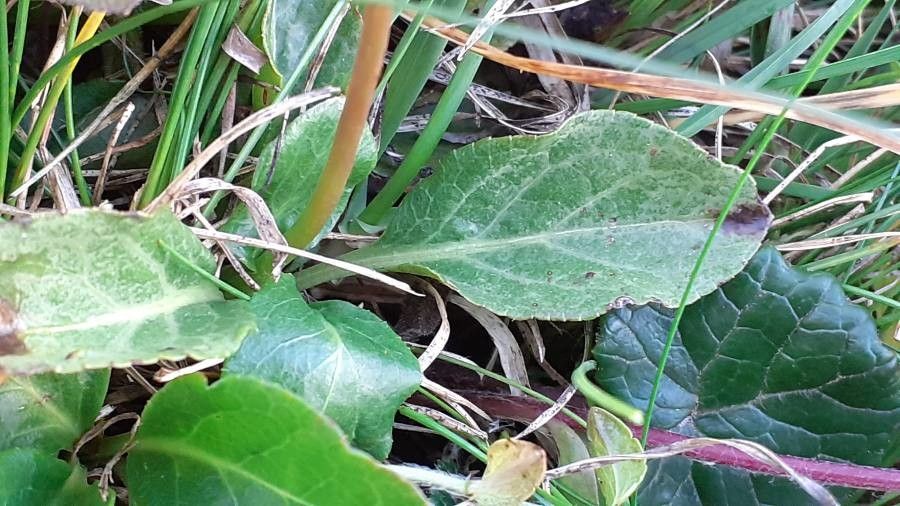
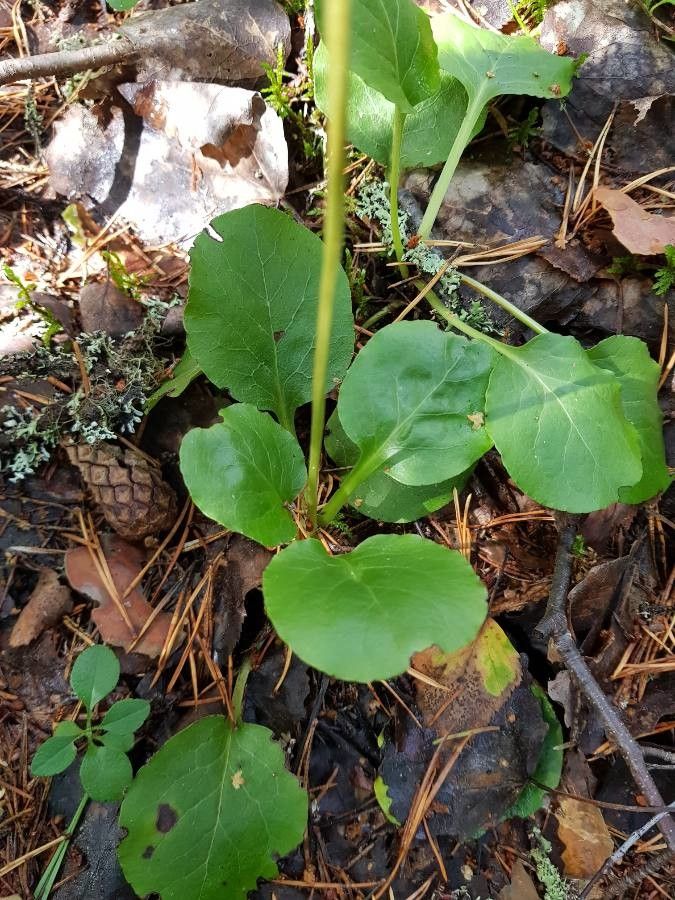
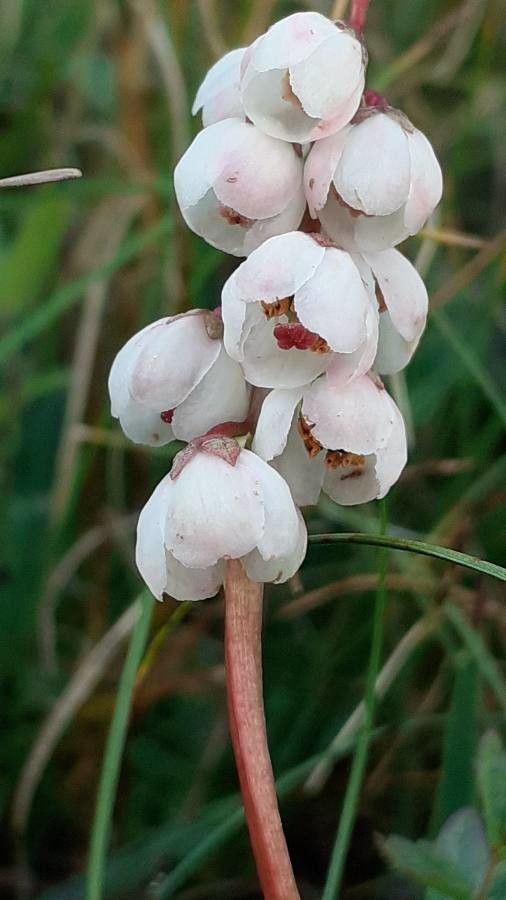
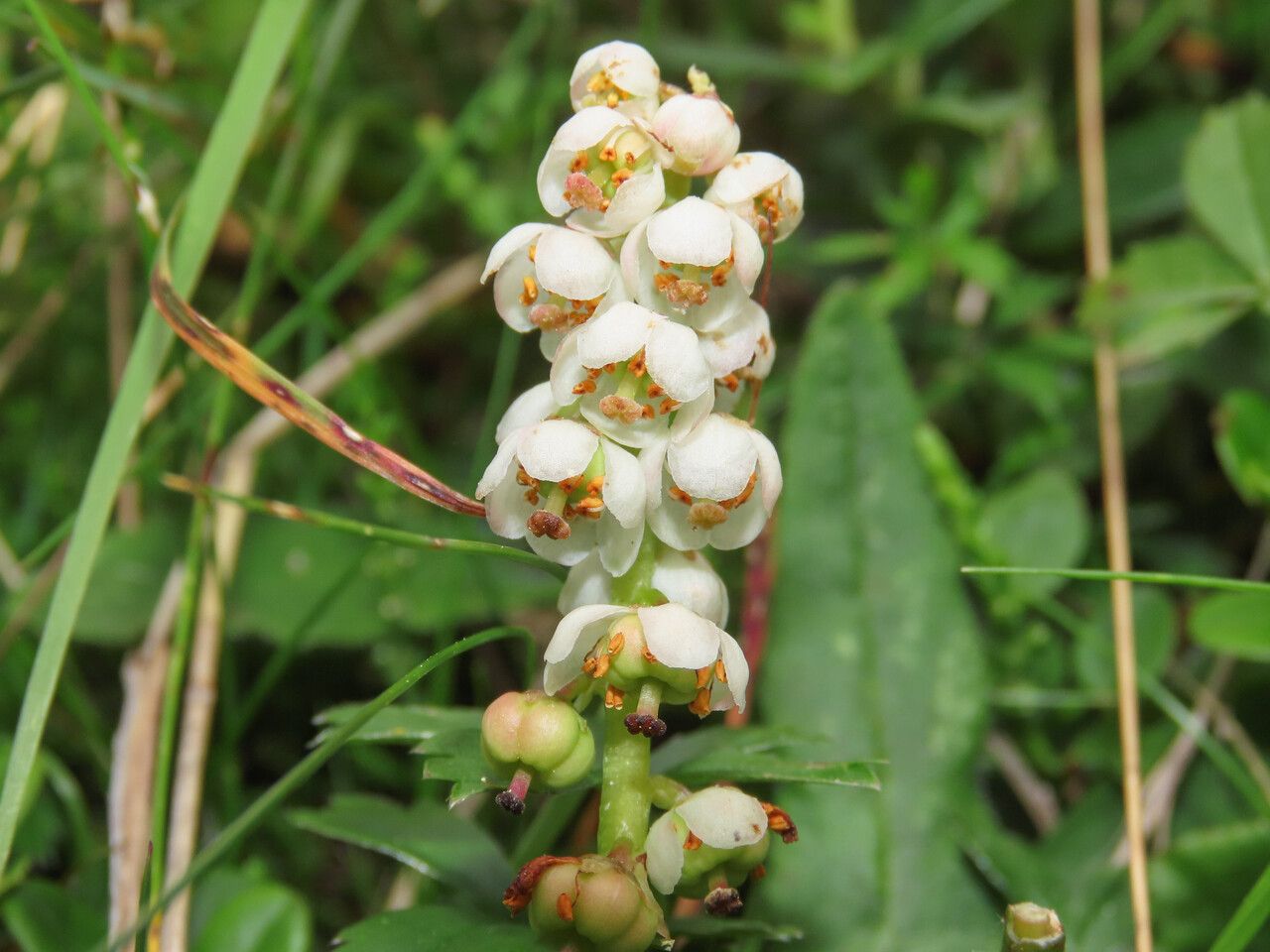
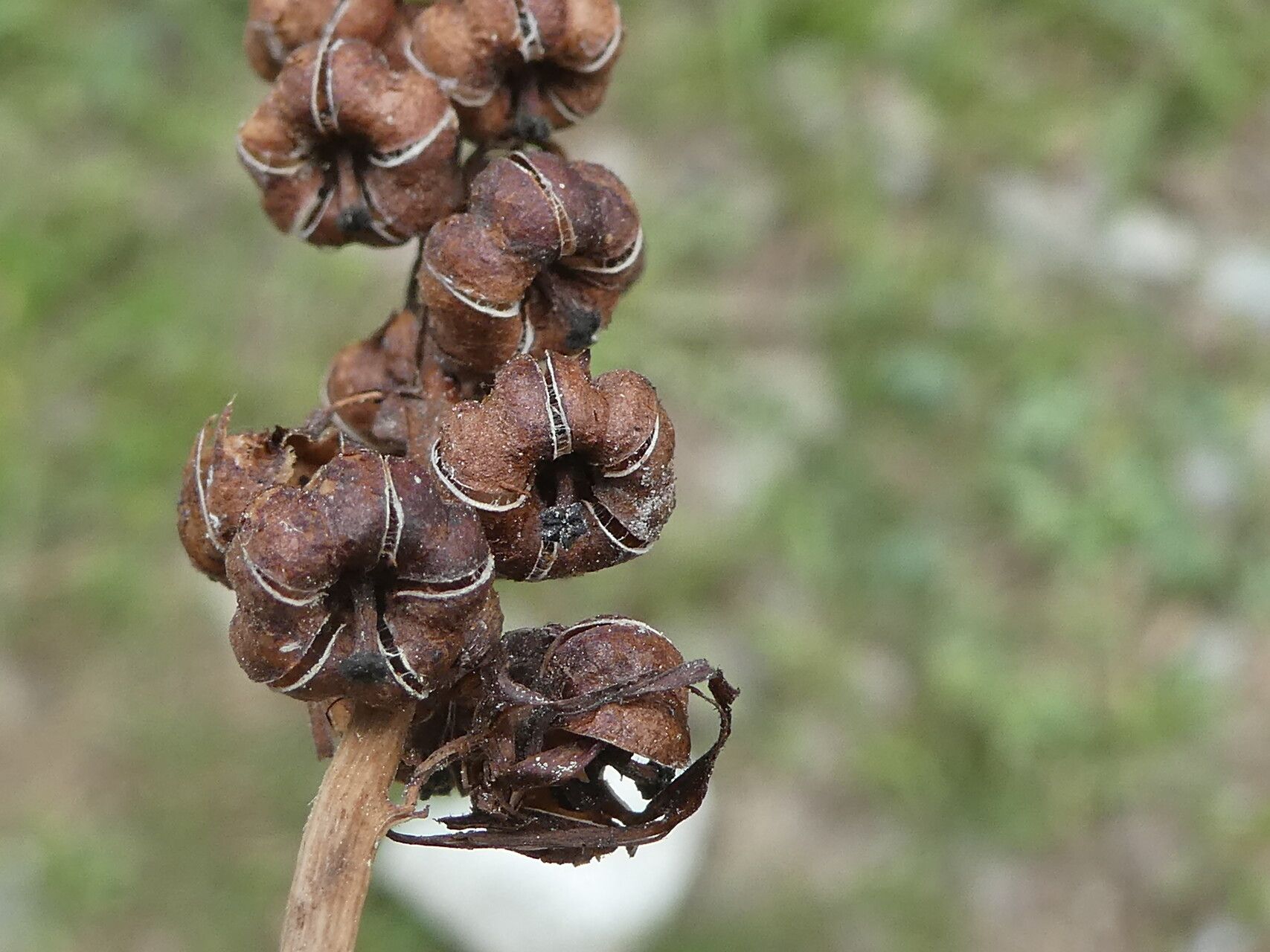
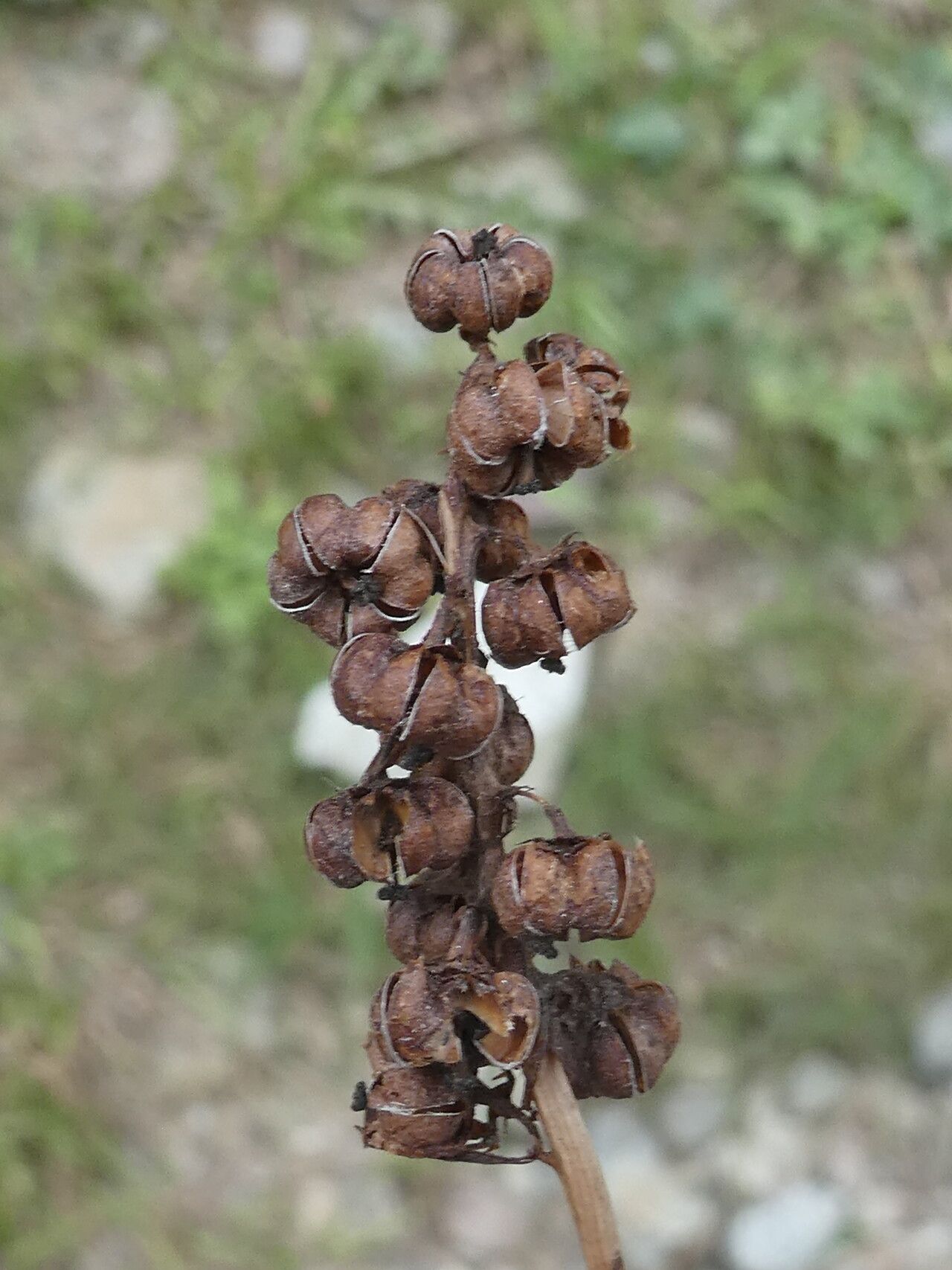
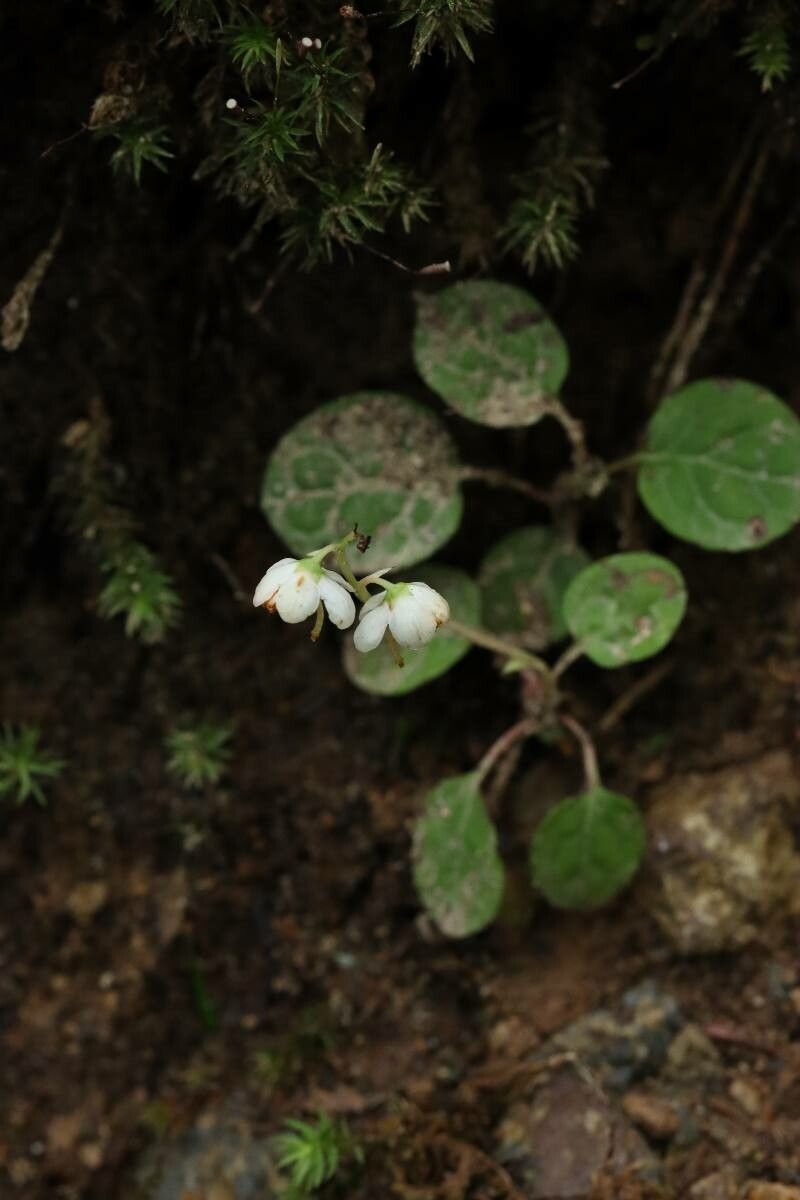
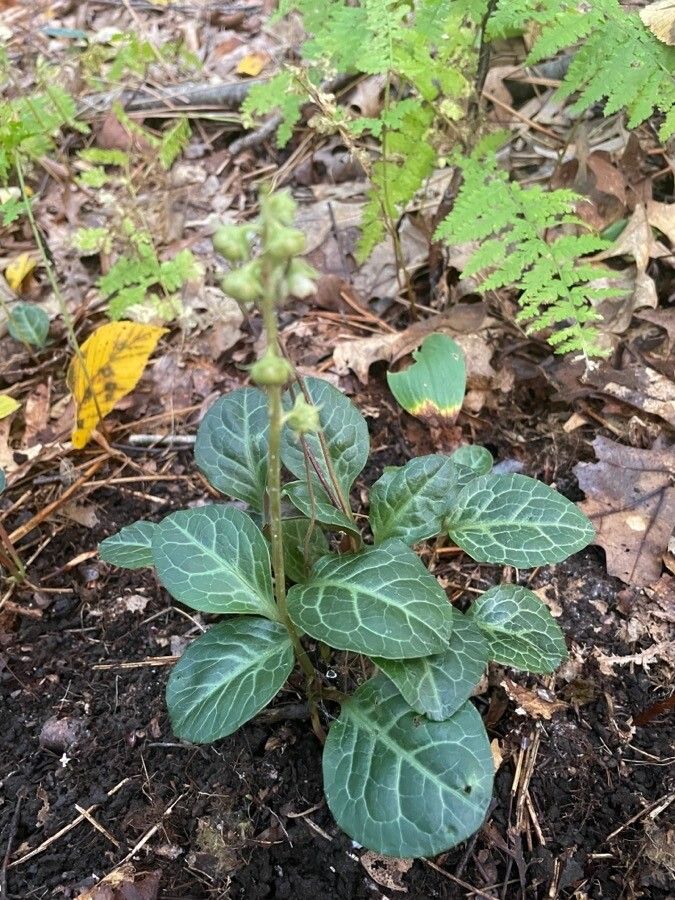
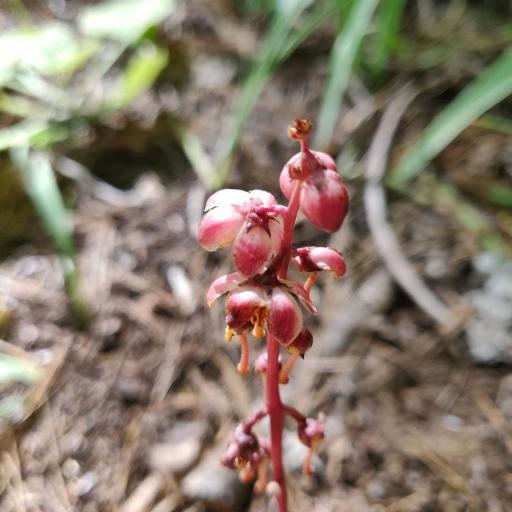
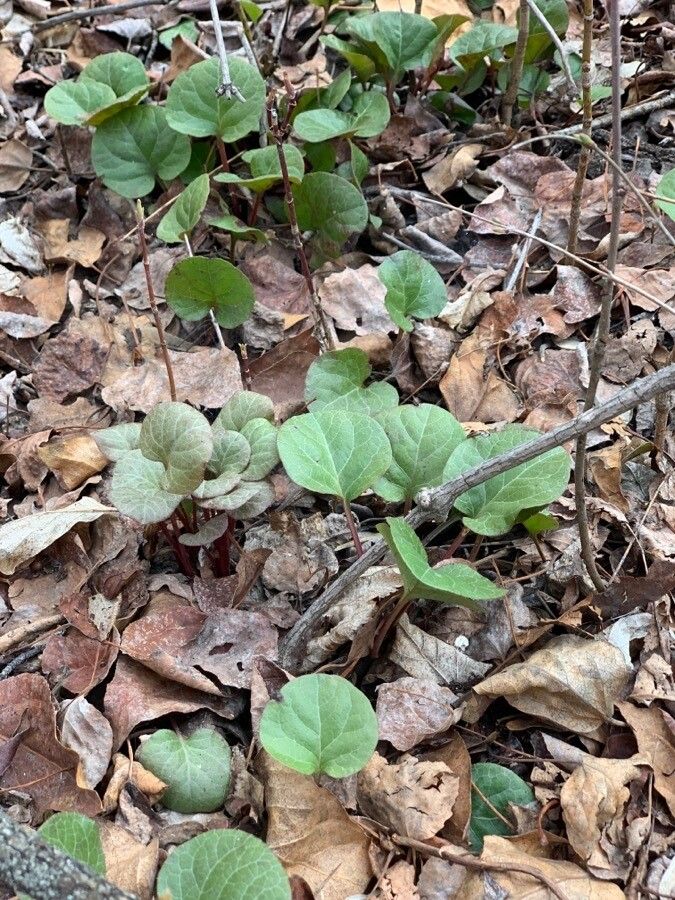
Pyrola minor, known by the common names snowline wintergreen, lesser wintergreen, and common wintergreen, is a plant species of the genus Pyrola. It has a Circumboreal distribution and can be found throughout the northern latitudes of Eurasia and North America.
Snowline wintergreen is resistant to disease and is typically not susceptible to illnesses. Regarding care, this plant is fairly low-maintenance. When grown outdoors it needs little watering, and larger plants usually do not require pruning. Smaller plants, however, should be pruned after they finish blooming. Snowline wintergreent is appropriate for anyone with an outdoor area, such as a garden or deck, and does not demand a lot of care experience.
How to keep Pyrola Minor.
Light
Snowline wintergreen grows well with moderate sun exposure and can also tolerate spots where sunlight is somewhat blocked. The plant does not need intense light to thrive. Prolonged periods in lower-light conditions can significantly harm its health.
Water
Snowline wintergreen prefers moderate moisture levels and thrives in damp but well-drained soil. Water the plant every 2-3 weeks, allowing the soil to dry slightly between waterings. Often grown indoors, snowline wintergreen flourishes in higher humidity, which helps maintain its evergreen foliage and resilience during dry winter conditions.
Temperature
Snowline wintergreen is indigenous to temperate regions and prefers a temperature range of 41 to 89.6 °F (5 to 32 °C). In colder seasons, it may require adjusting temperatures to imitate its native environment.
Fertilizer
The timing of fertilizing Snowline wintergreen is important. Apply fertilizer in early spring and continue monthly until early summer. Fertilizer supports the development of attractive blooms and supplies energy during both dormant and active growth periods.
Pruning
Snowline wintergreen is a low-growing evergreen plant that features delicate flowers ranging in color from white to pink. For optimal health and appearance, prune the plant between early and late winter. Focus on removing dead leaves and spent stems to encourage healthy growth. Regular maintenance will help keep the plant compact. Make sure to sanitize your tools before pruning to prevent infections.
Botanical profile.
- Plant Type
- Shrub
- Life Cycle
- Perennial
- Genus
- Pyrola
- Family
- Ericaceae
- Hardiness Zone
- 4-8
- Mature Height
- 5 cm to 20 cm
- Mature Spread
- 30 cm
- Leaf Color
- Dark Green
- Leaf Type
- Evergreen
- Flower Color
- White, Pink
- Flower Size
- 0.51 cm
- Bloom Time
- Early summer, Mid summer
- Planting Time
- Winter
- Harvest Time
- Late summer, Early fall
- Native Area
- Turkey, Sweden, Austria, Slovakia, Montenegro, Slovenia, Croatia, Belarus, Russia, Germany, Iceland, Estonia, Koppen, Romania, Latvia, Belgium, Netherlands, France, Czech Republic, Bulgaria, Armenia, Poland, Greece, Ukraine, Serbia, China, Lithuania, Norway, Kyrgyzstan, Italy, Spain, Switzerland, Denmark, Japan, Mongolia, Finland, Albania, Ireland, United Kingdom, Hungary, Azerbaijan
Other names.
Reader questions.
What is the most effective way to water my Snowline wintergreen plant?
Your Snowline wintergreen plant is not picky when it comes to watering. You can use any common watering tool such as watering cans, hoses, or cups. It’s important to water the plant directly into the soil, making sure that all areas receive equal moisture to nourish the entire root system. Using filtered water is recommended to avoid using tap water that may contain harmful particles. It is also best to use water that is at or slightly above room temperature since extremely cold or hot water can shock the Snowline wintergreen. However, this plant generally responds well to any type of water.
What type of sunlight does Snowline wintergreen require?
Snowline wintergreen thrives under moderate sun exposure and can manage well in slightly obstructed sunlight. It doesn't demand intense sunlight for growth, but excessively dim conditions can negatively impact the plant's health. It's recommended to provide around 3-6 hours of sunlight for partial sun needs, and for areas with full shade, less than 3 hours of sunlight is sufficient. It's essential to observe how sunlight moves through your garden to find spots that offer an ideal mix of light and shade, ensuring the well-being of your plants.
What is the native climate for Snowline wintergreen?
Snowline wintergreen, or Pyrola minor, is native to temperate climates and prefers a temperature range of 41 to 89.6 °F (5 to 32 °C). It has strong cold resistance, making it well-suited for areas with temperate conditions. During the colder seasons, it might need adjustments to its environment to mimic its native habitat more closely.
What do I need to do if I give my Snowline wintergreen plant too much or too little water?
Outdoor plants, especially newly planted ones or seedlings, are prone to not getting enough water. It's important to keep watering them consistently for a few months while they are small or newly planted. After the roots are established, outdoor plants like Snowline wintergreen can mostly rely on rain for water. When Snowline wintergreen is planted in pots, overwatering is more likely to happen. If you accidentally overwater your Snowline wintergreen, take immediate action to fix it. First, stop watering the plant right away to minimize the effects of overwatering. Then, remove the plant from its pot to check its roots. If none of the roots show signs of root rot, you can return the plant to its container. But if you find root rot, trim away the affected roots and consider using a fungicide to prevent further damage. Finally, repot your Snowline wintergreen in well-draining soil. On the other hand, if you underwater your Snowline wintergreen, it's an easy fix. The leaves will droop, dry out, and fall off, but they will quickly recover after sufficient watering. Adjust your watering frequency as soon as you notice underwatering occurring.
How do I use artificial lighting for my indoor Snowline wintergreen?
For indoor Snowline wintergreen, adequate lighting is crucial, especially when natural sunlight is lacking. Artificial lights can significantly promote healthier and quicker growth. LED lights are recommended due to their ability to be customized to the plant's specific light wavelength needs. For full sun plants, 30-50W per square foot is needed, for partial sun plants, 20-30W per square foot, and for full shade plants, 10-20W per square foot. The light source should be placed 12-36 inches above the plant and kept on for 8-12 hours per day to mimic natural daylight conditions.
How should Snowline wintergreen be protected during extreme cold?
Although Snowline wintergreen does not usually require special frost protection due to its strong cold resistance, it is important to provide cold protection if winter temperatures are expected to drop below -30°C. Protective measures can include wrapping the trunk and branches with non-woven fabric or cloth. Additionally, before the first freeze in autumn, watering the plant abundantly to ensure the soil is moist and enters a frozen state helps prevent drought and water scarcity during winter and early spring.
How often do I need to water my Snowline wintergreen plant?
Most outdoor plants can grow fine with rainfall, but if your area lacks rainfall, you should water them every 2 weeks in spring and fall. In the summer, you'll need to water more often, but in winter, when growth is slower, water sparingly or not at all. If your Snowline wintergreen is young or newly planted, water it more frequently to help it establish and become more drought tolerant. For potted plants, there are two main ways to determine how often to water your Snowline wintergreen. One way is to set a watering schedule, such as once a week or every other week. However, this may not always work as it doesn't consider the specific conditions of your Snowline wintergreen's environment. The frequency of watering can also change based on the season. In summer, when the plant needs more water, a predetermined schedule may not be enough. Another option is to check the soil moisture and wait until the top 2 to 4 inches have completely dried out before watering again.
What symptoms indicate my Snowline wintergreen is not receiving enough light?
Symptoms of insufficient light in Snowline wintergreen include smaller new leaves compared to older ones, leggy or sparse growth, accelerated leaf drop, stunted or halted growth, and lighter-colored new leaves. Chlorosis, sunscald, leaf curling, wilting, and leaf scorching are also potential symptoms that can arise from either excessive or insufficient sunlight. Monitoring these signs is crucial for adjusting care promptly to maintain the plant's health.
What are the symptoms and solutions for Snowline wintergreen in low temperatures?
In low temperatures, Snowline wintergreen thrives best above 5°C and should be kept above -25°C during winter. When temperatures fall below -30°C, the branches may become brittle and dry by springtime, failing to produce new shoots. The solution is to prune away any dead branches in the spring that have not produced new leaves.
How much water does my Snowline wintergreen plant require?
To water your Snowline wintergreen effectively, you don't always need to use a lot of water. Instead, if only a few inches of soil have dried since the last watering, give it about five to ten ounces of water. You can also judge the water volume based on how dry the soil is. If more than half of the soil is dry, give it extra water until you see drainage from the pot's holes. If your Snowline wintergreen gets plenty of rain outdoors, it may not need extra watering. When it's young or establishing, it needs 1-2 inches of rain per week. As it grows, it can rely on rainwater, and only water it fully when there's no rainfall for 2-3 weeks during hot weather to prevent stress.
What solutions can I apply if my Snowline wintergreen is not getting enough sunlight?
To address insufficient sunlight, you can gradually acclimate your plant to sunnier spots, moving it weekly until reaching 3-6 hours of sunlight daily. For large indoor plants or those that are hard to move, consider using a desk or ceiling lamp for at least 8 hours a day, or invest in professional grow lights. For outdoor plants, ensure gradual relocation to sunnier areas. It's vital to remove obstructions like overhanging branches and consider transplanting smaller plants during their dormant phase to sunnier locations with good drainage. Note that parts of the plant previously affected by low light may not recover, but new growth should be healthy following these adjustments.
What are the symptoms and solutions for Snowline wintergreen in high temperatures?
During high temperatures, especially in summer, it's recommended to keep Snowline wintergreen below 32°C. Temperatures exceeding 35°C may cause the leaves to lighten in color, tips to become dry and withered, and increase susceptibility to sunburn. To mitigate these issues, trim the sunburned and dried-up parts, move the plant to a shaded location or use a shade cloth to protect it from the midday and afternoon sun. Additionally, watering the plant in the morning and evening will help keep the soil moist and prevent overheating.