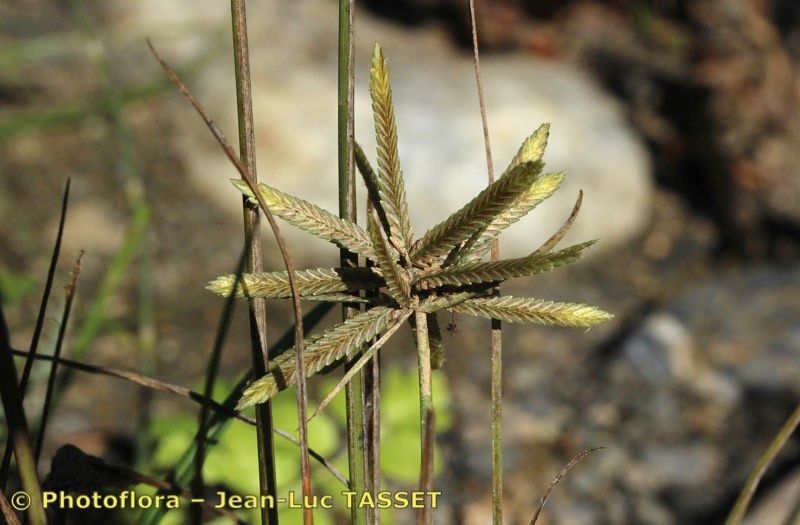
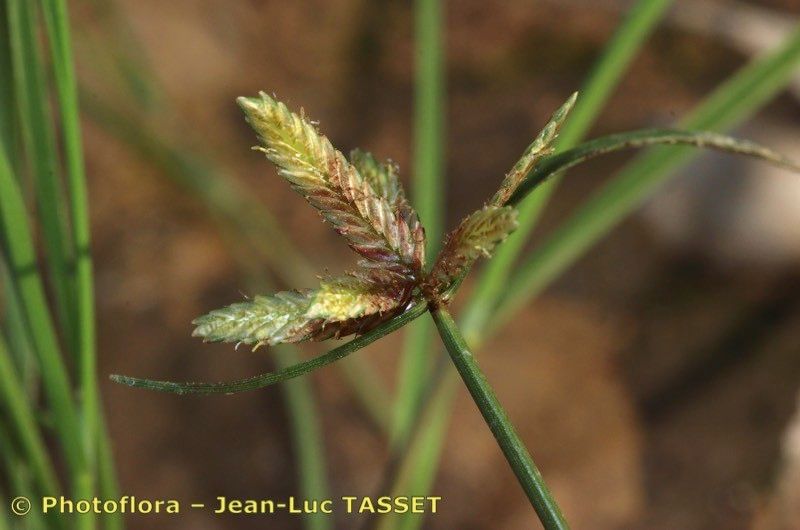
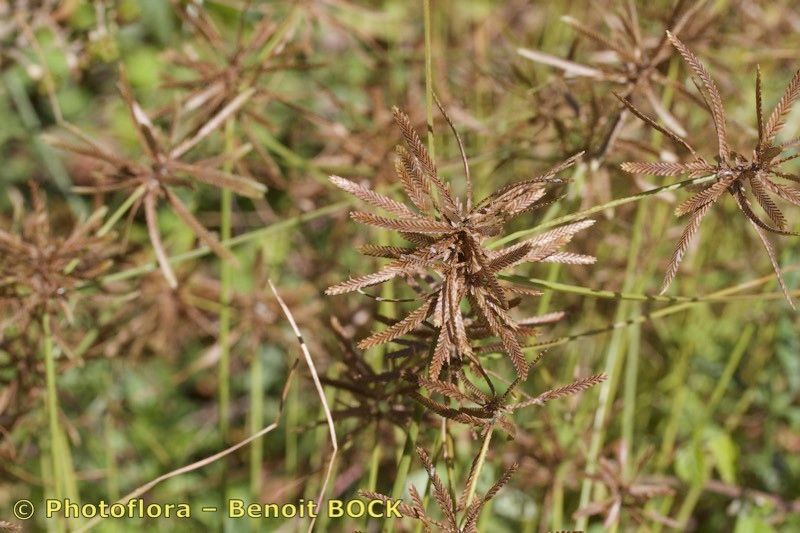
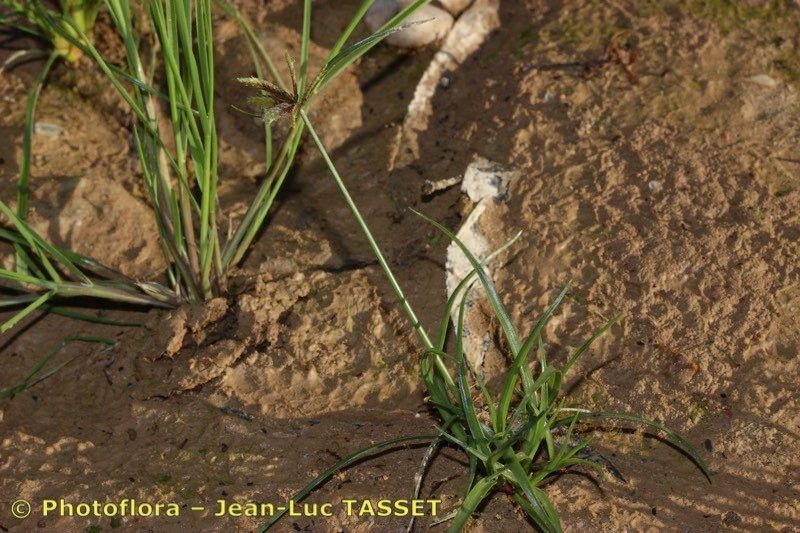
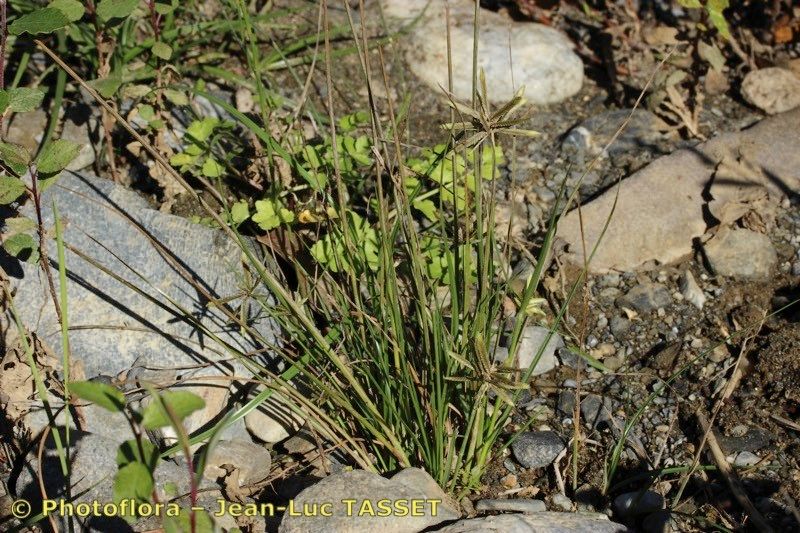
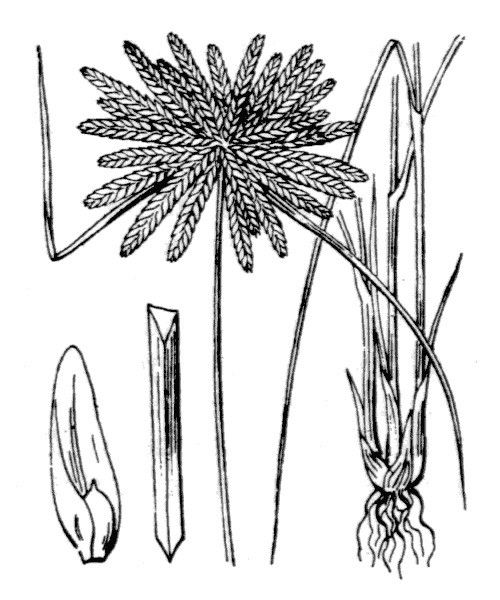
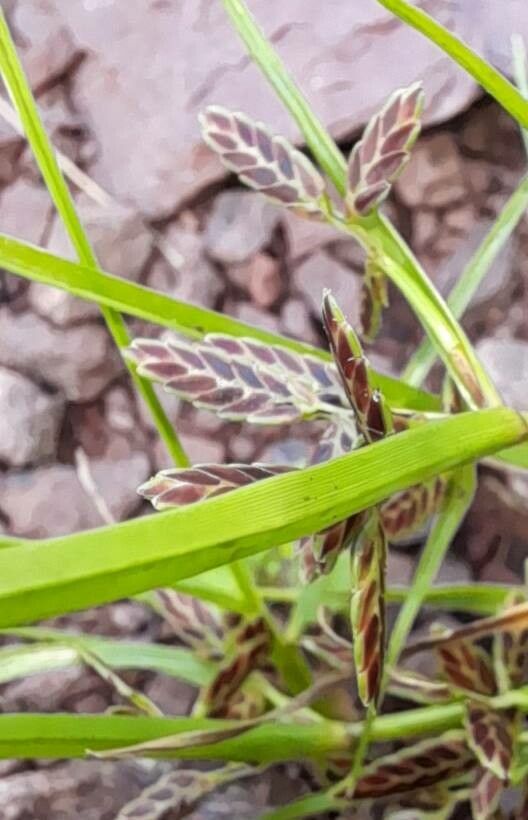
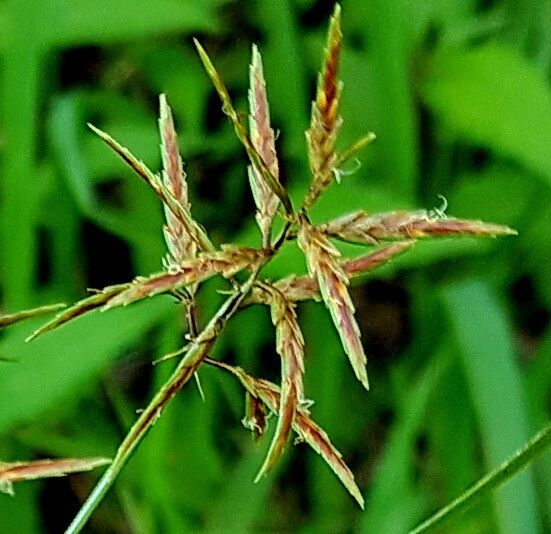
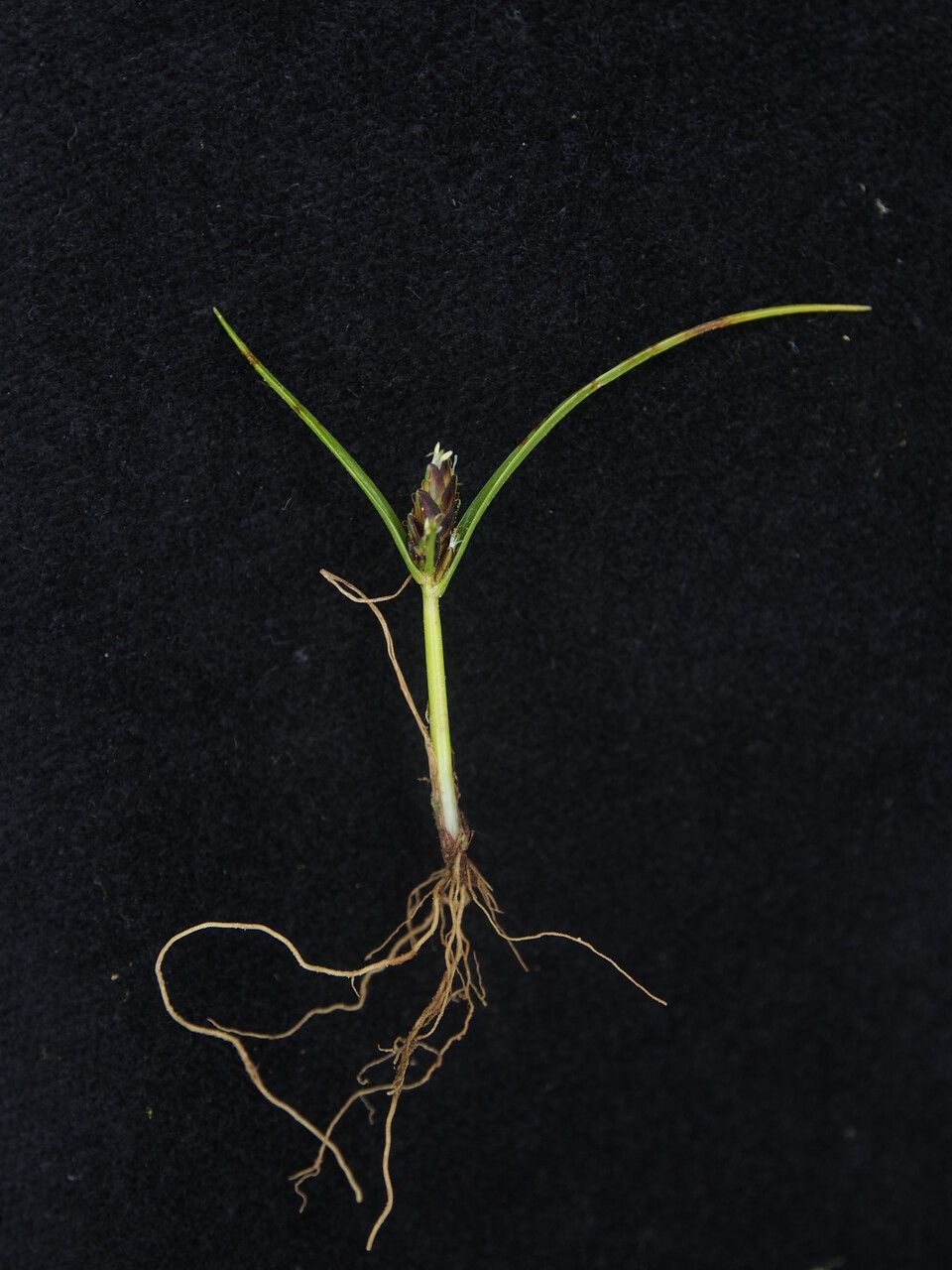
Yellow flatsedge is resistant to disease and, in general, is not likely to suffer from illnesses. As for care, this species is fairly low-maintenance. Planted outdoors, it needs only light watering, and larger plants typically do not require pruning. Smaller plants, however, should be pruned after they have finished blooming. Yellow flatsedget is appropriate for anyone with outdoor space — for example a garden or a deck — and does not demand extensive experience in plant care.
How to keep Pycreus Flavidus.
Light
Yellow flatsedge comes from bright, open habitats where it thrives in full sun. It can tolerate partial sun but favors direct sunlight for optimal growth. This plant, which can be annual or biennial, is known for its sun-loving nature.
Temperature
Yellow flatsedge comes from tropical areas, where conditions are generally warm and humid. Therefore it is adapted to high heat and moisture. It is sensitive to abrupt temperature changes and favors a steady thermal environment, so avoiding indoor temperature swings is important. It generally cannot withstand cold and needs warmer conditions to grow. If temperatures fall too low, the plant may stop growing or even perish.
Botanical profile.
- Plant Type
- Grass
- Life Cycle
- Annual, Perennial
- Genus
- Pycreus
- Family
- Cyperaceae
- Hardiness Zone
- 8-11
- Mature Height
- 6 cm to 49 cm
- Mature Spread
- 20 cm to 40 cm
- Leaf Color
- Light Green, Yellow Green
- Leaf Type
- Evergreen
- Flower Color
- Yellow, Purple, Brown
- Flower Size
- 5.08 cm
- Bloom Time
- Summer, Early fall, Mid fall
- Planting Time
- Spring, Summer, Autumn
- Harvest Time
- Late summer, Fall, Early winter
- Native Area
- Sri Lanka, Egypt, India, Madagascar, Pakistan, Morocco, Uzbekistan, Russia, Iraq, Indonesia, Cambodia, South Korea, France, Nepal, Tajikistan, South Africa, Philippines, Bulgaria, Armenia, Turkmenistan, Greece, China, Afghanistan, Syria, Kyrgyzstan, Kazakhstan, Italy, Spain, Vietnam, Myanmar, Japan, Bhutan, Eswatini, Iran, Azerbaijan, Algeria, Thailand
Other names.