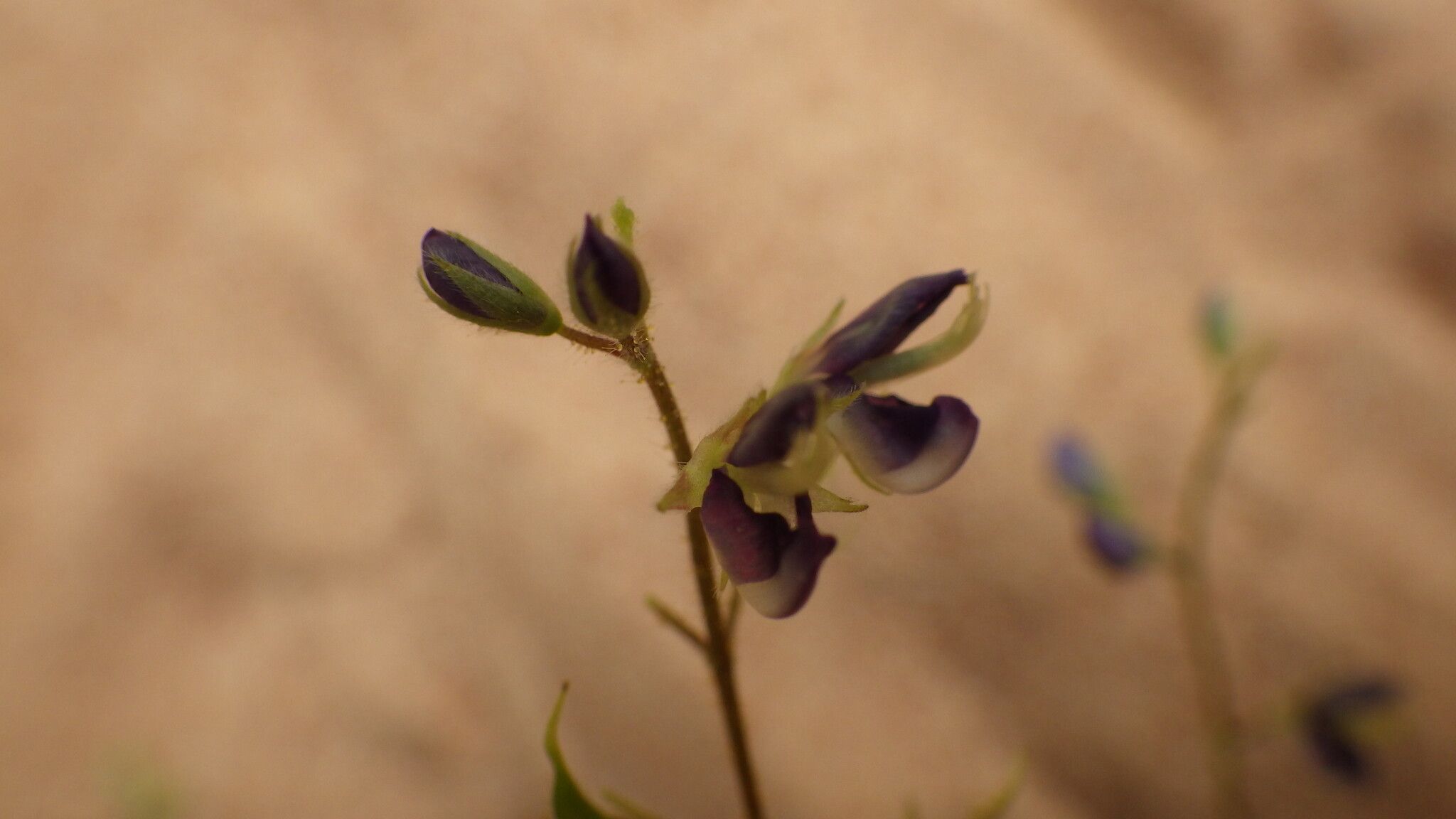
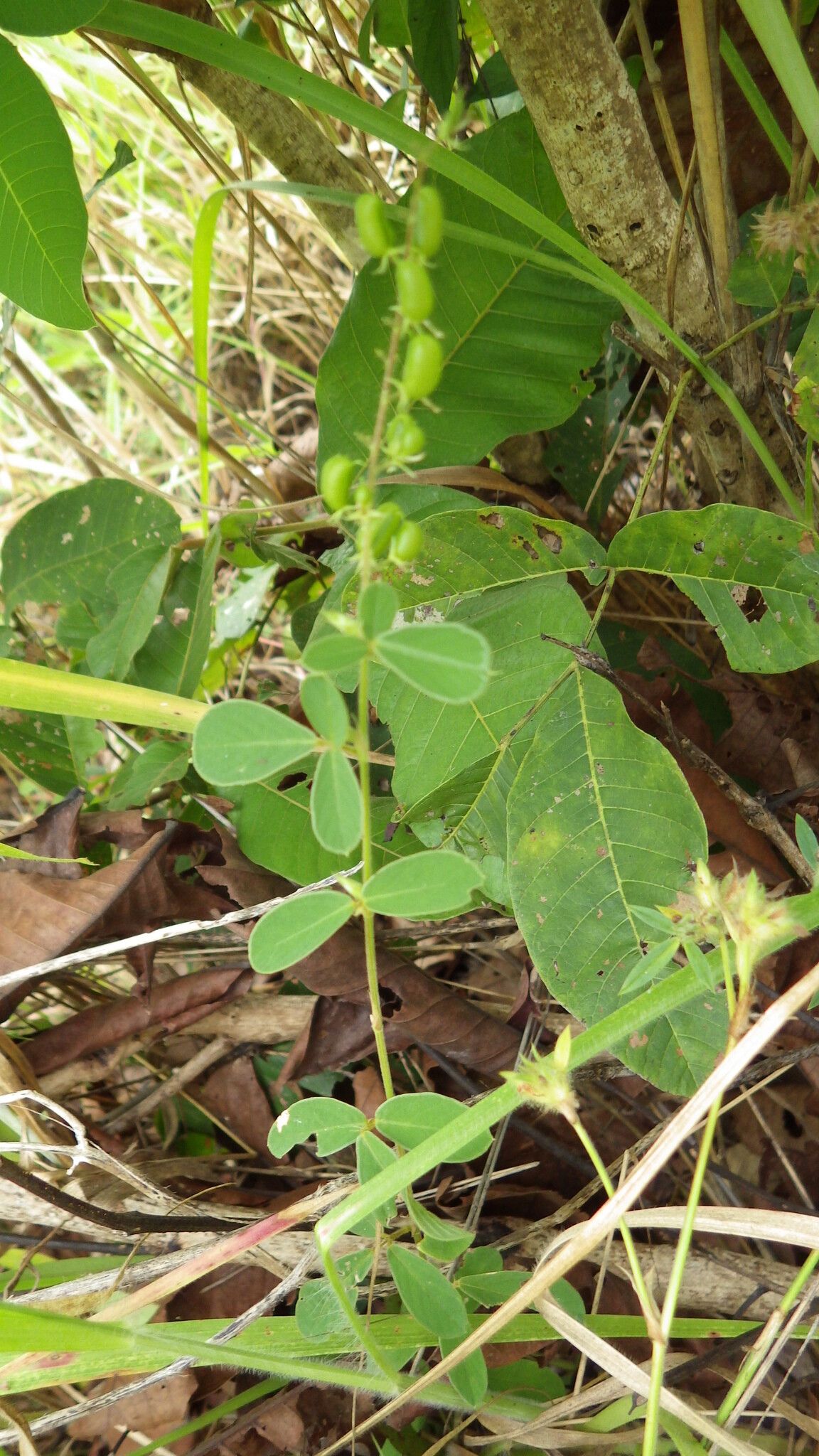
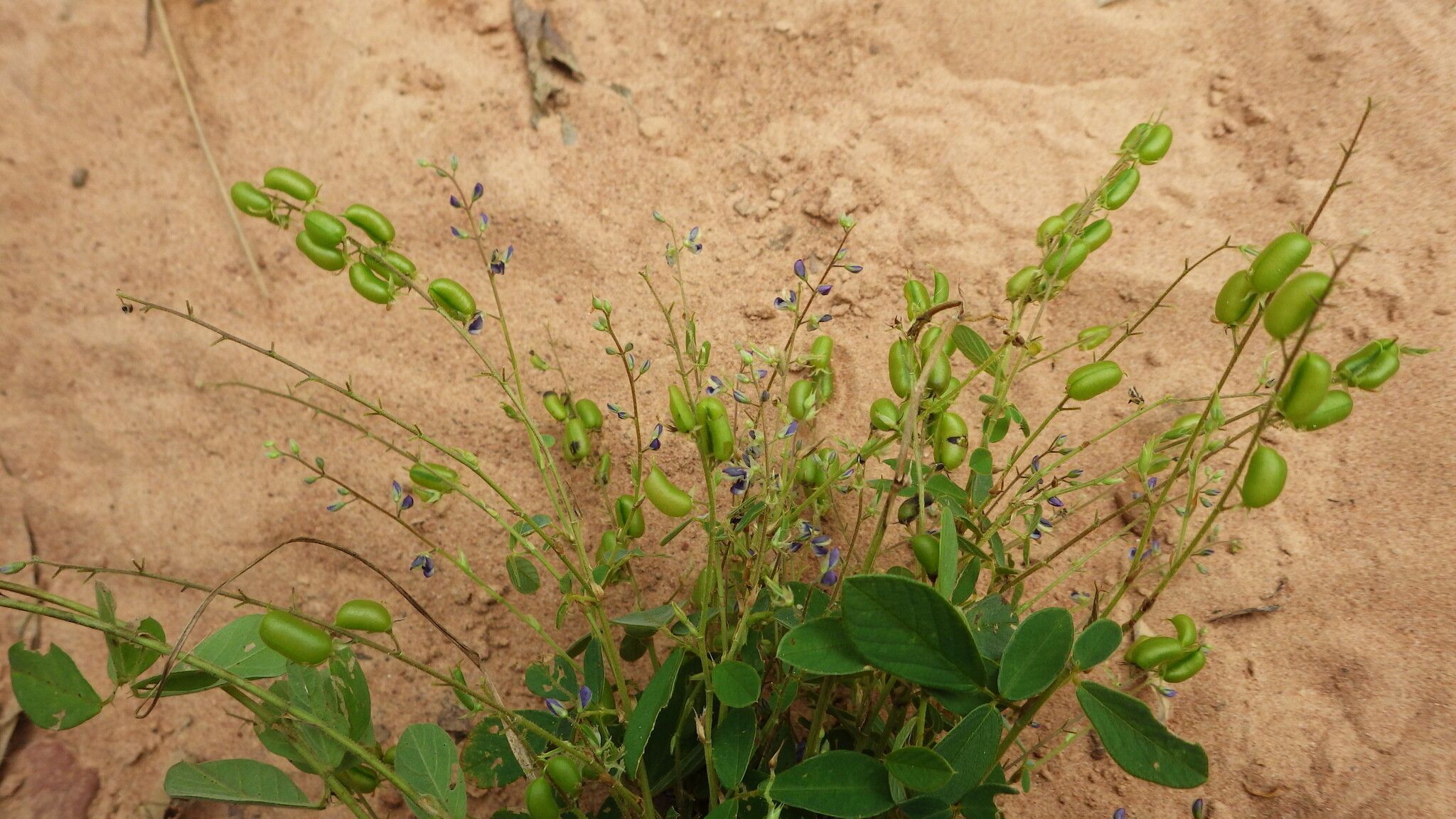
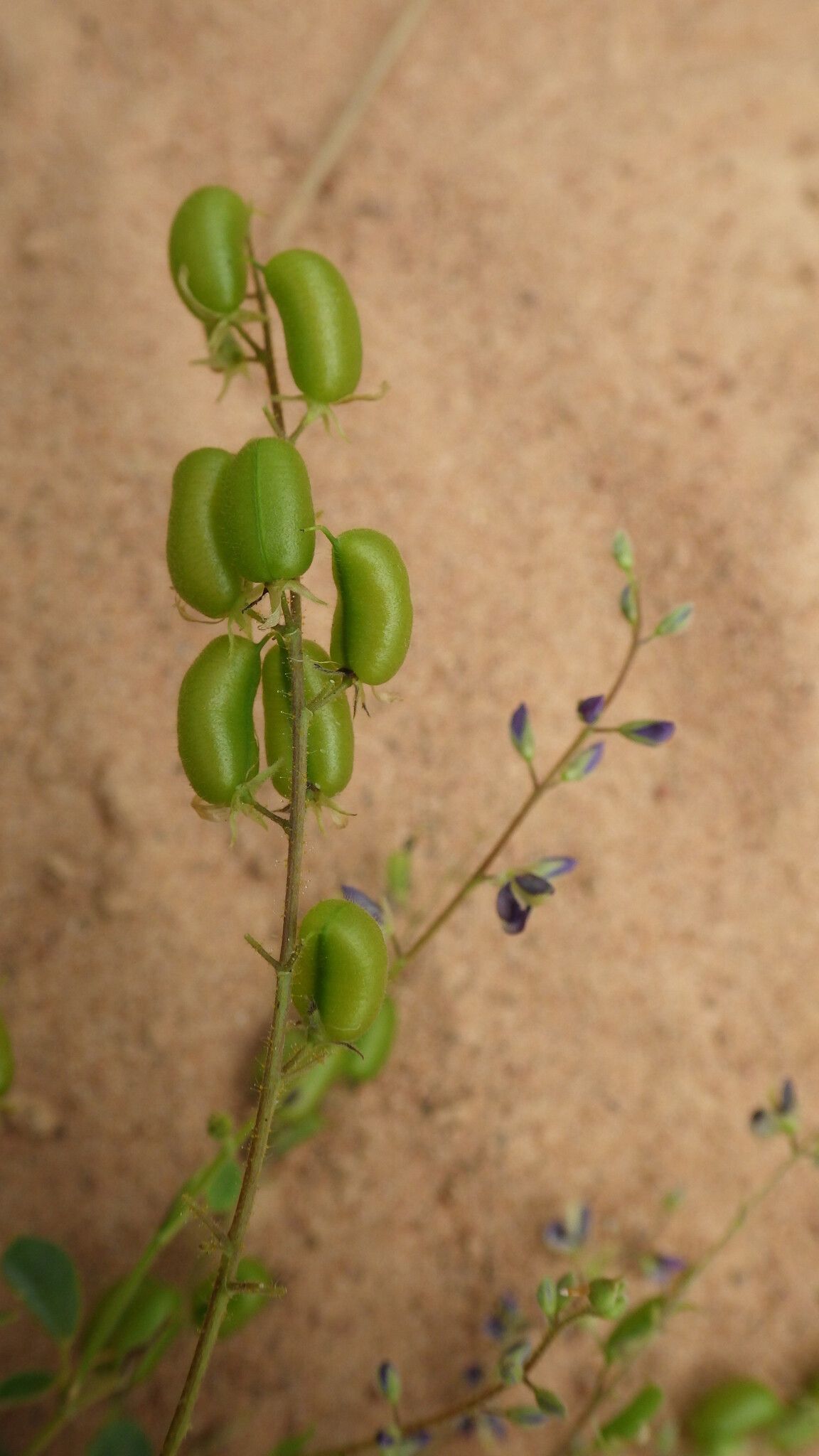
Pycnospora lutescens is a species of flowering plant in the legume family, Fabaceae. It is a subshrub or perennial native to east-central tropical Africa, tropical and subtropical Asia, eastern Malesia, and northern Australia. It is the sole species in genus Pycnospora. It belongs to the subfamily Faboideae.
Tiny sweetvetch shows good resistance to disease and is generally not prone to illness. Nevertheless, it can be vulnerable to pests and diseases present in its environment. Such infections are typically mild. For care, the plant is of medium maintenance. It should be pruned regularly to preserve a neat appearance and support healthy growth. Applying fertilizer can also encourage more flowering. Tiny sweetvetch is appropriate for anyone with outdoor space, such as a garden or patio, and does not demand extensive care experience. It may need more attention if grown indoors.
How to keep Pycnospora Lutescens.
Light
Tiny sweetvetch is a perennial herbaceous plant that adores the sun and originates from open environments, frequently flourishing in meadows and grasslands. While it has a particular liking for direct sunlight, it can also endure situations where sunlight is only partially available.
Temperature
Small sweetvetch originates from the tropics, where the weather is usually hot and moist. Consequently, it is well-suited to high heat and humidity. It doesn't enjoy abrupt shifts in temperature and prefers a consistent thermal environment, so fluctuations in indoor temperature should be avoided. It generally won't withstand lower temperatures and necessitates higher temperatures for development. If the surrounding temperature falls excessively, the plant could stop growing or even perish.
Fertilizer
Small sweetvetch will need the most quantity of fertilizer during its main growth period predominantly in spring, summer, and the beginning of autumn. Fertilization is important to furnish crucial nutrients that the soil might be missing. These, in turn, stimulate healthy development of roots and stems; they also influence an appealing leafage, one of the vital attributes of this specific plant.
Botanical profile.
- Plant Type
- Herb, Shrub
- Life Cycle
- Perennial
- Hardiness Zone
- 10-12
- Mature Height
- 30 cm to 61 cm
- Mature Spread
- 20 cm to 40 cm
- Leaf Color
- Green, Olive Drab
- Leaf Type
- Evergreen
- Flower Color
- Yellow
- Flower Size
- 0.51 cm to 0.76 cm
- Bloom Time
- Summer, Early fall, Mid fall
- Planting Time
- Spring, Summer, Autumn
- Harvest Time
- Late summer, Fall, Early winter
- Native Area
- Sri Lanka, India, Philippines, Rwanda, Pakistan, Bangladesh, Laos, Kenya, Uganda, Tanzania, China, Indonesia, Cambodia, Vietnam, Myanmar, Japan, Bhutan, Congo (DRC), Thailand
Other names.