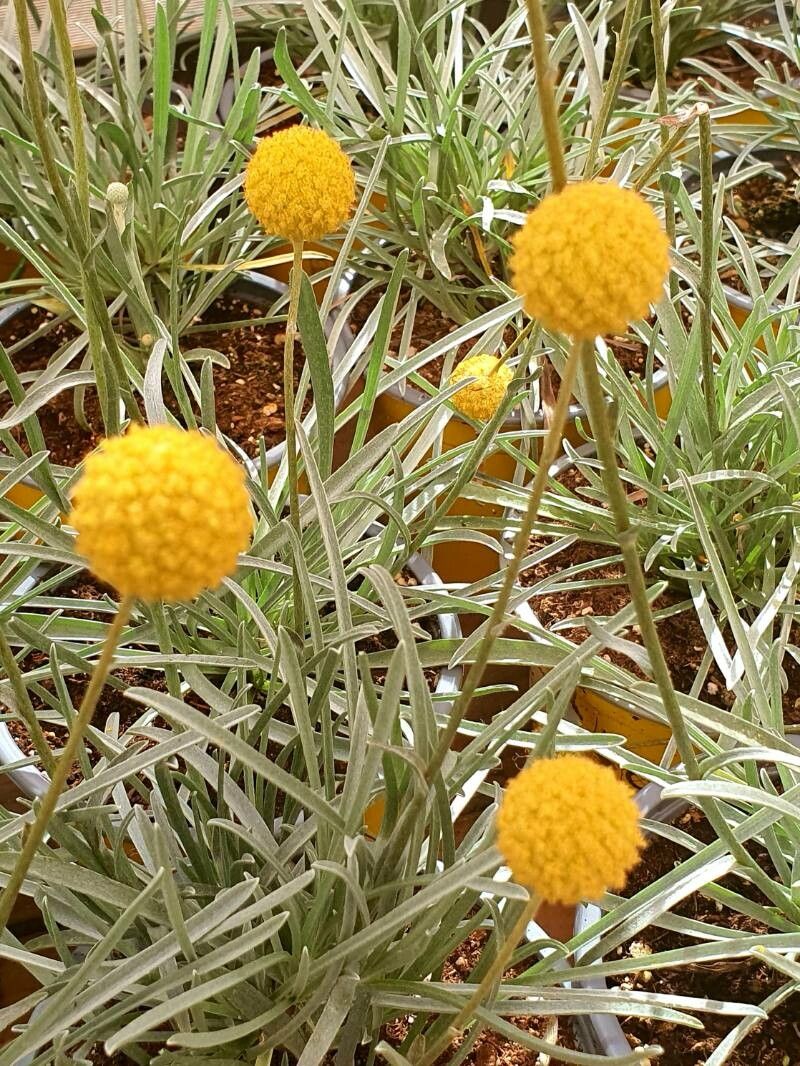
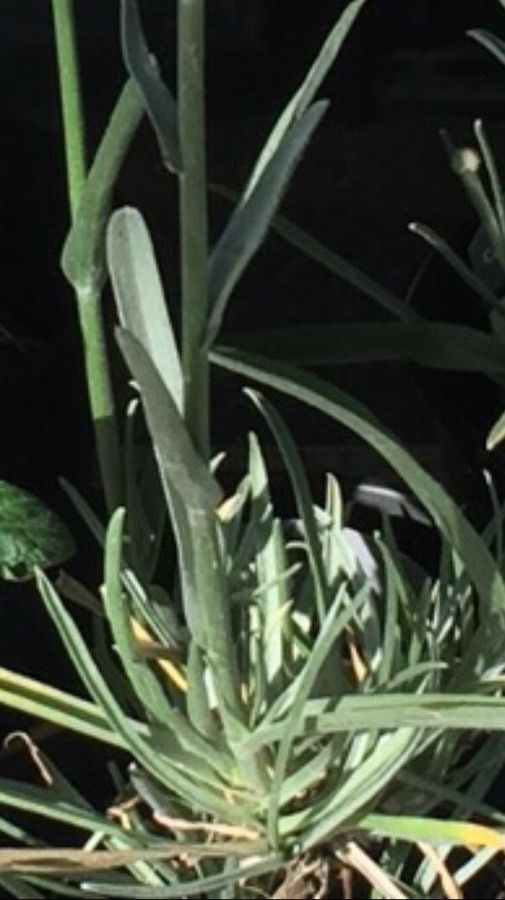
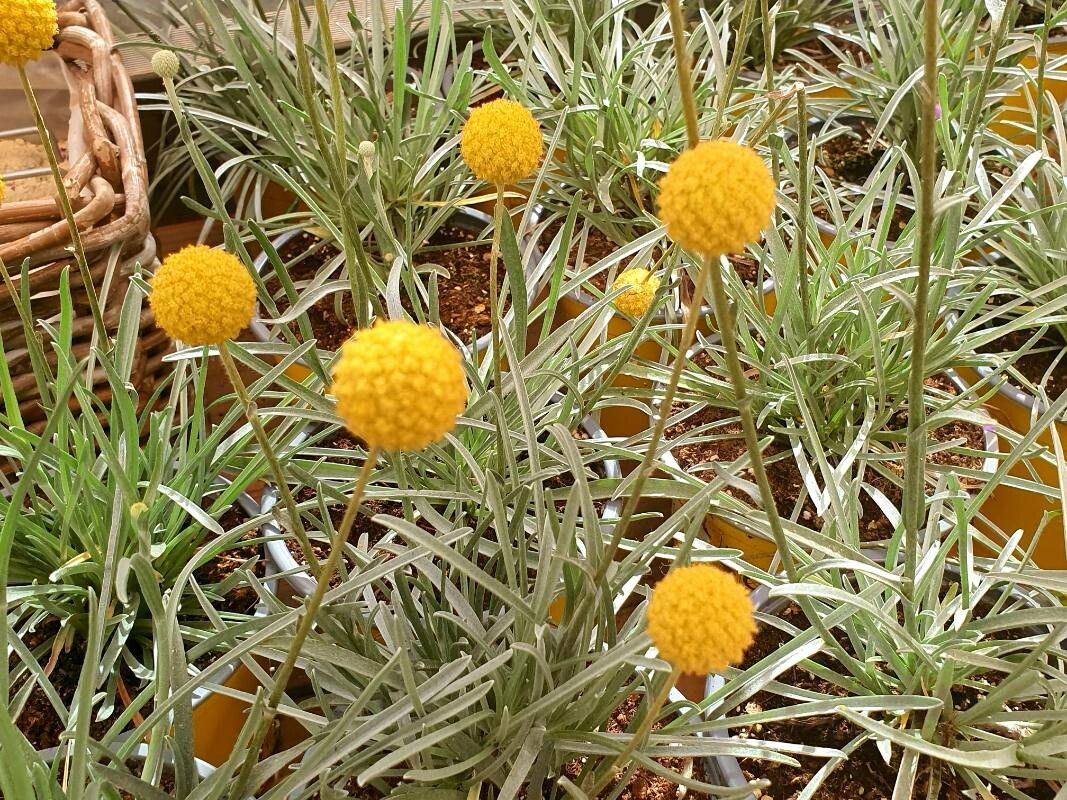
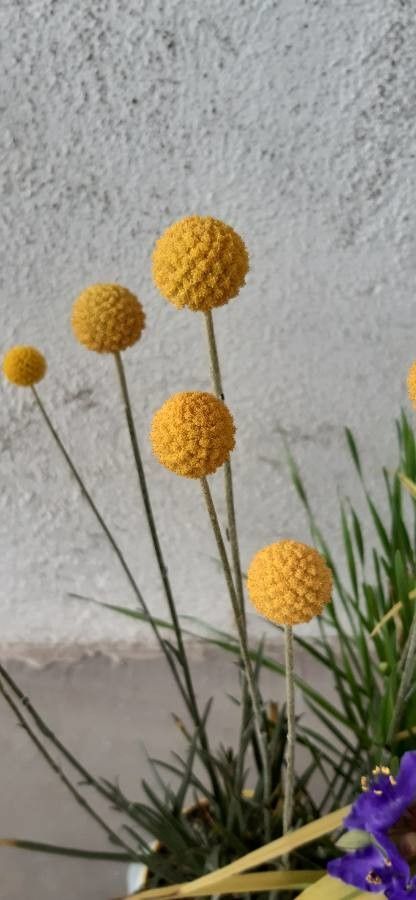
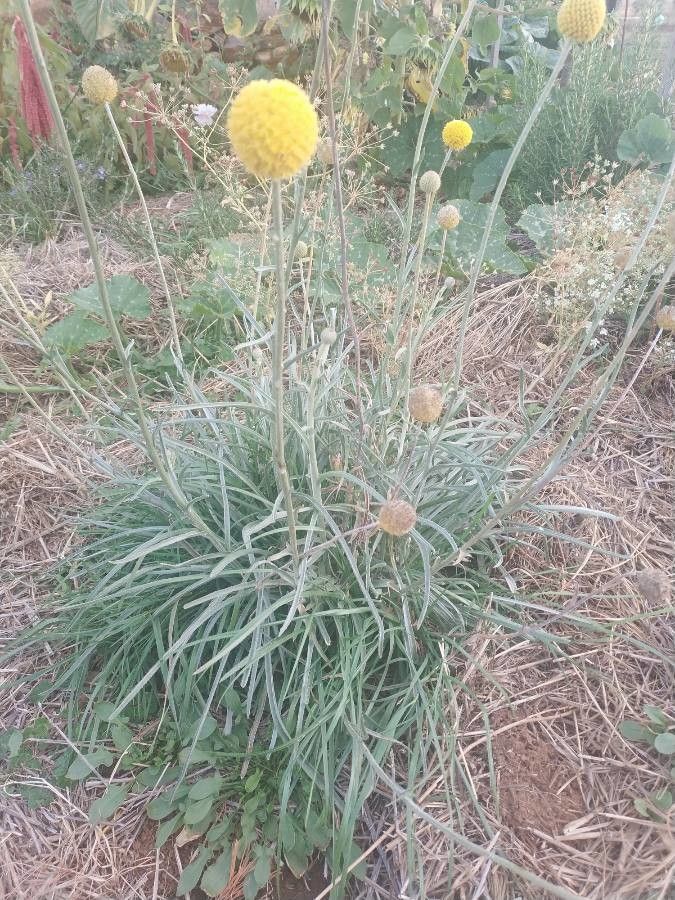
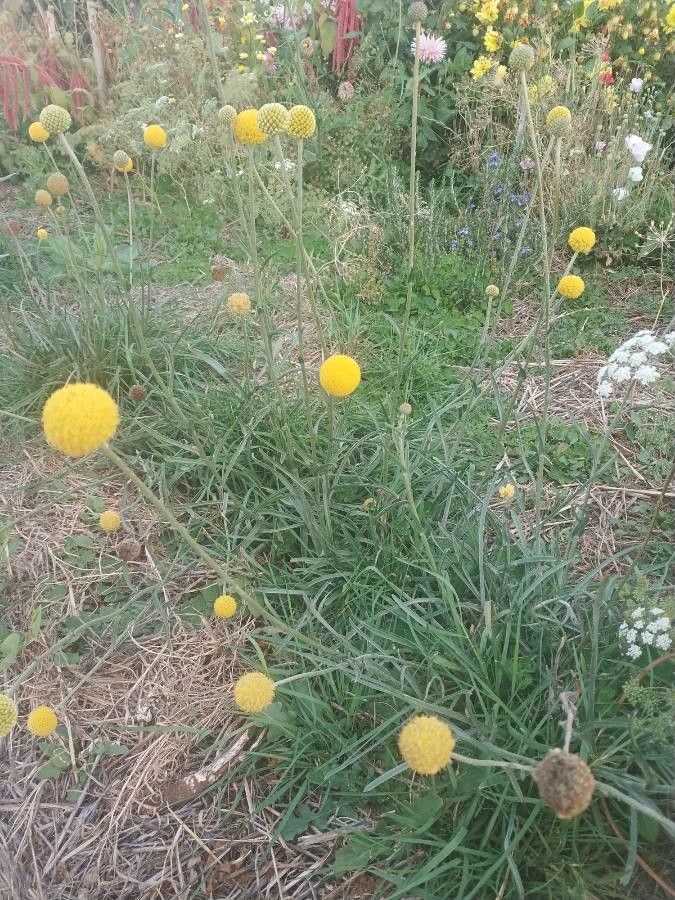
Pycnosorus globosus, commonly known as Globe Chamomile, is a perennial herbaceous plant belonging to the Asteraceae family. Native to South America, it can be found in Argentina, Bolivia, Chile, and Peru. The plant typically grows up to 30 cm in height, featuring a rounded shape adorned with small yellow flowers that bloom from spring through summer. Its leaves are small, feathery, and gray-green in color.
Globe Chamomile is renowned for its medicinal properties. It contains essential oils with anti-inflammatory effects, which can help relieve pain from arthritis or other inflammatory conditions. Additionally, its antiseptic properties make it useful for treating wounds and skin infections.
The plant thrives in well-drained soil with full sun or partial shade. While it can tolerate drought conditions, regular watering during the growing season is necessary for optimal growth.
Globe Chamomile is often used as an ornamental plant due to its attractive appearance. It also has culinary applications, such as adding flavor to teas and salads.
In summary, Pycnosorus globosus is a fascinating perennial herb with medicinal benefits, making it a valuable addition to any garden or herbal medicine cabinet.
Bachelors buttons are fairly resistant to disease and, overall, are not highly prone to illnesses. They can, however, be affected by pests and diseases present in their environment, though such problems are generally mild. For care, this plant has moderate maintenance needs. It should be pruned regularly to preserve an attractive appearance and encourage healthy growth. Feeding the plant with fertilizer can also encourage more flowering. Bachelors buttons are a good choice for anyone with outdoor space, like a garden or patio, and do not demand extensive experience in plant care. When grown indoors, they may need additional attention.
How to keep Pycnosorus Globosus.
Light
Bachelors buttons is a sun-loving, perennial herbaceous plant native to open habitats, commonly thriving in meadows and grasslands. It prefers full sun but can also tolerate partial sun conditions.
Water
Bachelors buttons, native to arid regions of Australia, thrive with minimal water and are highly drought-tolerant. For optimal care, water them twice a week to mimic their native conditions. Ensure the soil is well-drained during the growing season to prevent root rot while accommodating their preference for drier conditions.
Temperature
Bachelors buttons are native to temperate zones and do best in temperatures of 59 to 100 °F (15 to 38 ℃). Care should be taken to shield the plant from extreme seasonal temperatures. You may need to make adjustments to keep it within its preferred temperature range.
Fertilizer
The best time to fertilize Bachelors buttons is in early spring, as they come out of dormancy and begin active growth. Fertilization supplies essential nutrients needed for healthy growth. Although Bachelors buttons have relatively low fertilizer requirements, applying fertilizer annually can improve their survival and encourage better, longer-lasting flowers.
Pruning
Bachelor's buttons are known for their attractive, round yellow flowers. To encourage growth and flowering, prune the plant from early to late spring. Be sure to remove any dead or diseased stems and trim away old flowers to encourage new blooms. Proper pruning improves air circulation, enhances foliage health, and extends the flowering period throughout the season.
Botanical profile.
- Plant Type
- Herb
- Life Cycle
- Perennial
- Genus
- Pycnosorus
- Family
- Asteraceae
- Hardiness Zone
- 3-8
- Mature Height
- 61 cm
- Mature Spread
- 30 cm
- Leaf Color
- Gray, Green
- Leaf Type
- Evergreen
- Flower Color
- Yellow, Gold
- Flower Size
- 1.02 cm to 2.03 cm
- Bloom Time
- Mid spring, Late spring, Early summer
- Planting Time
- Spring, Summer, Autumn
- Harvest Time
- Mid summer
Other names.