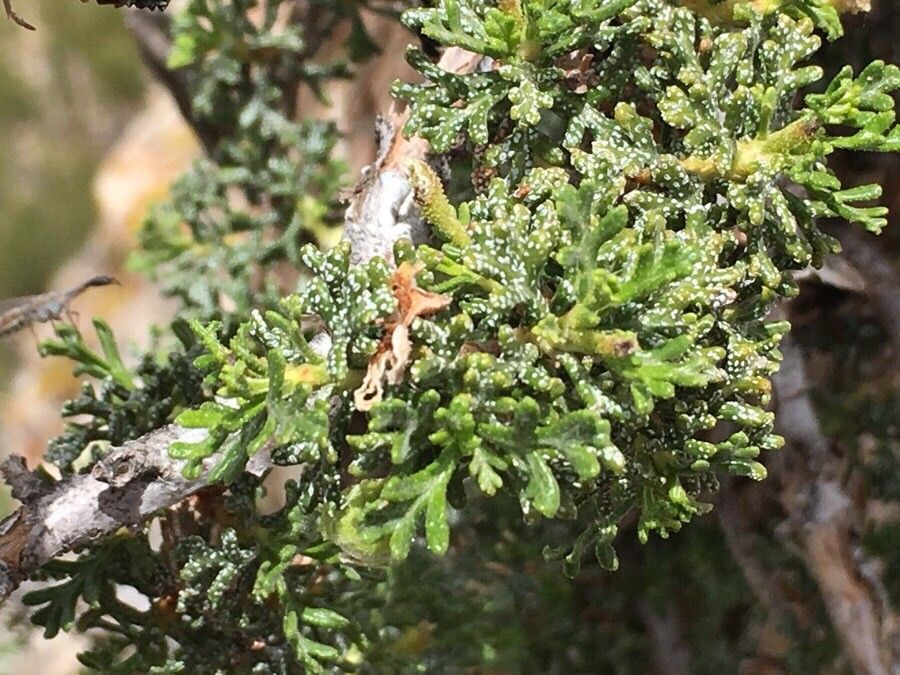
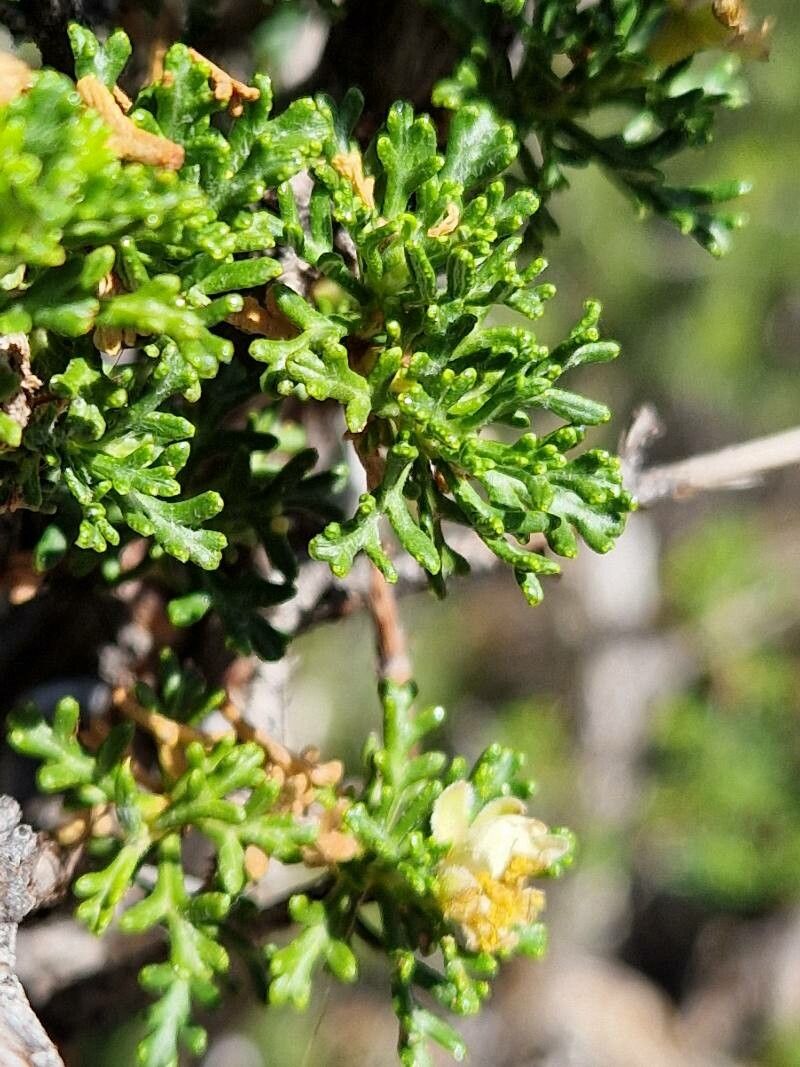
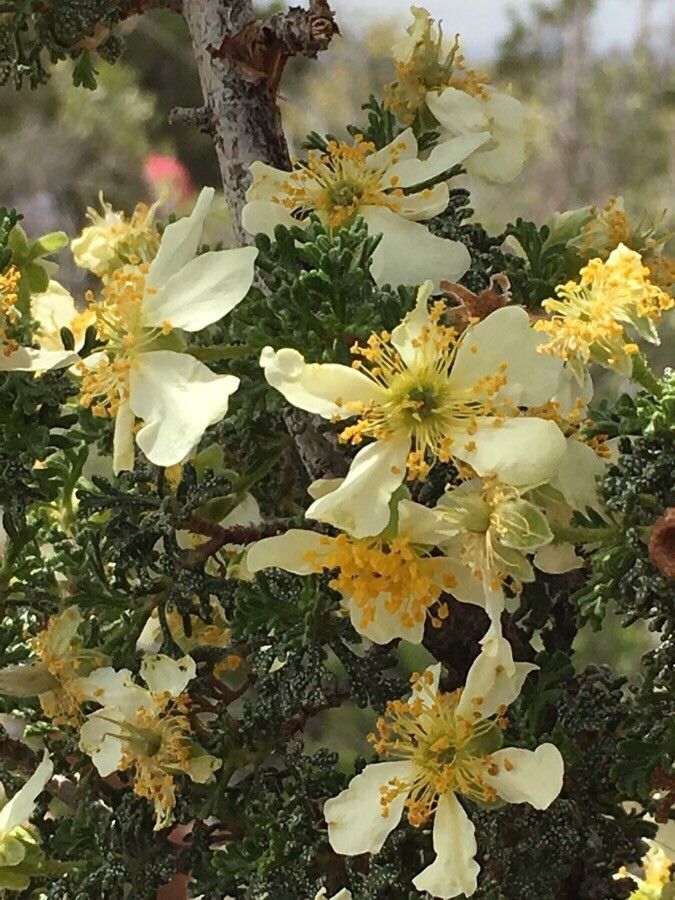
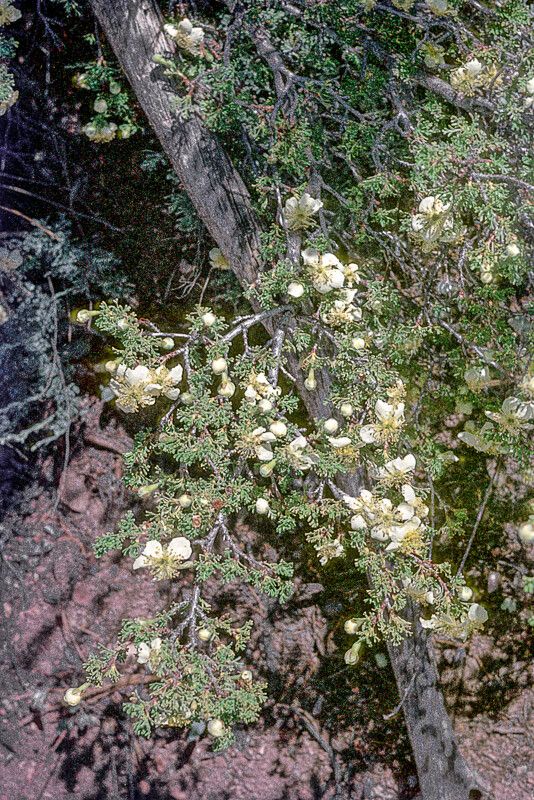
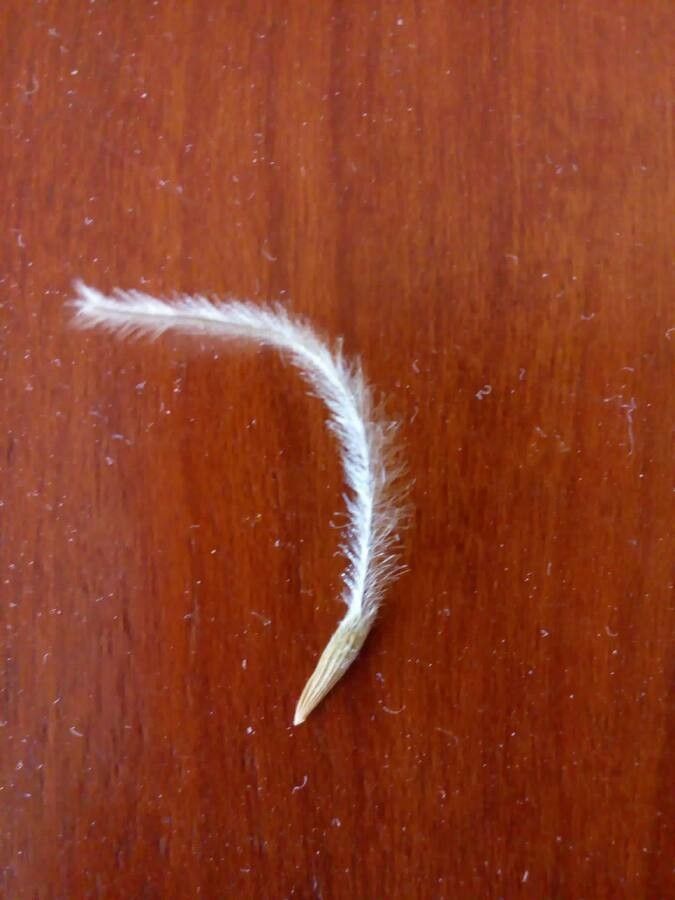
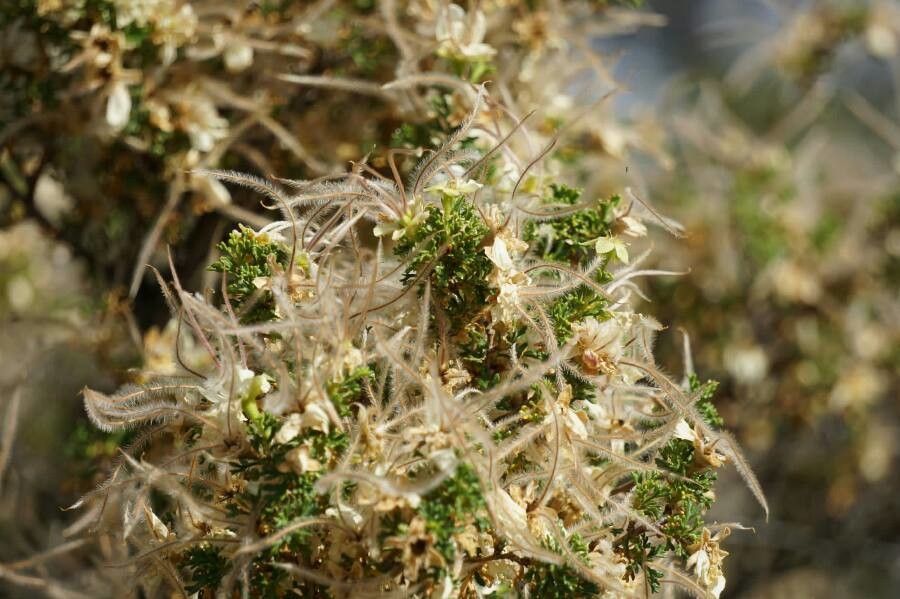
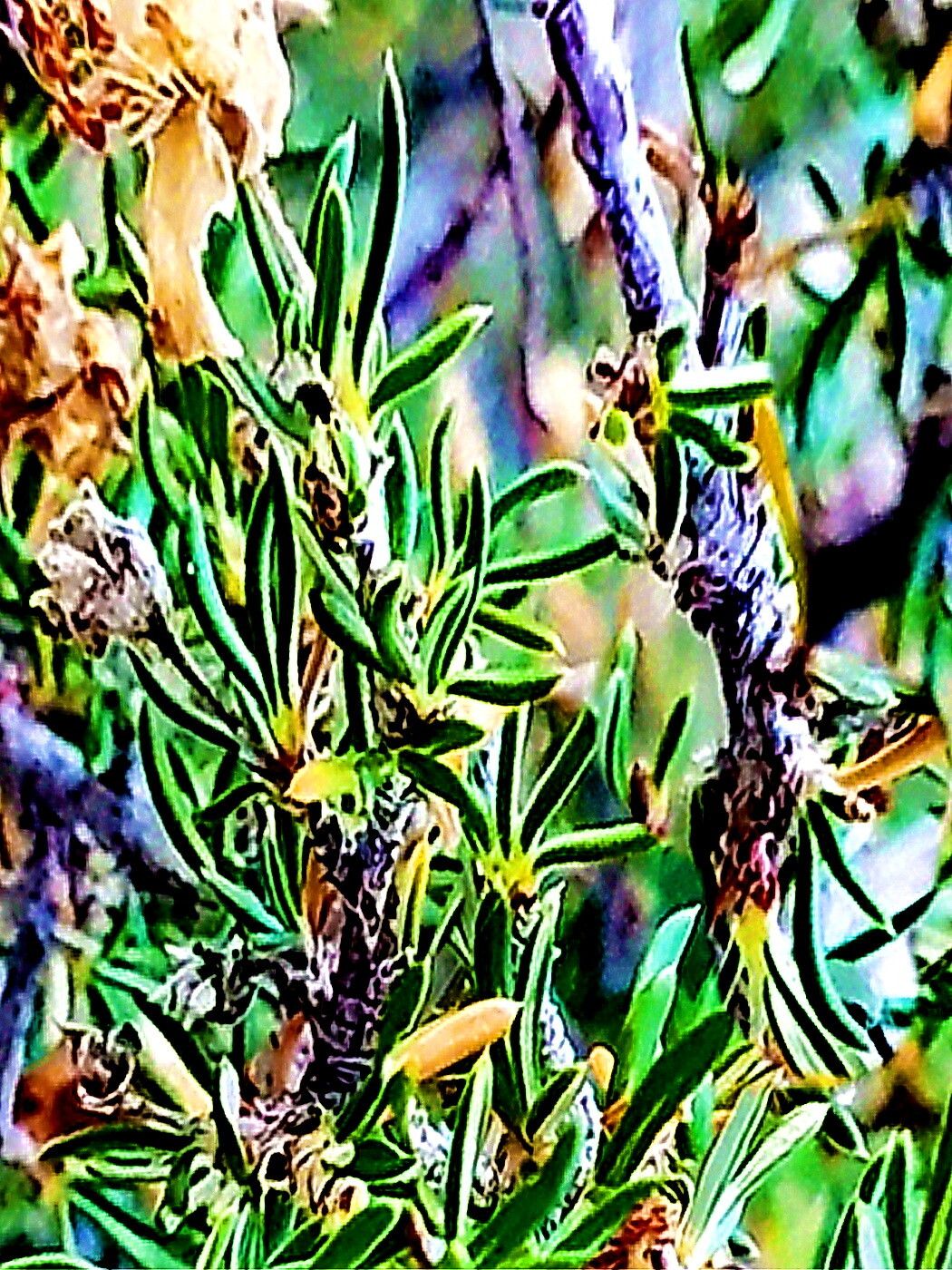
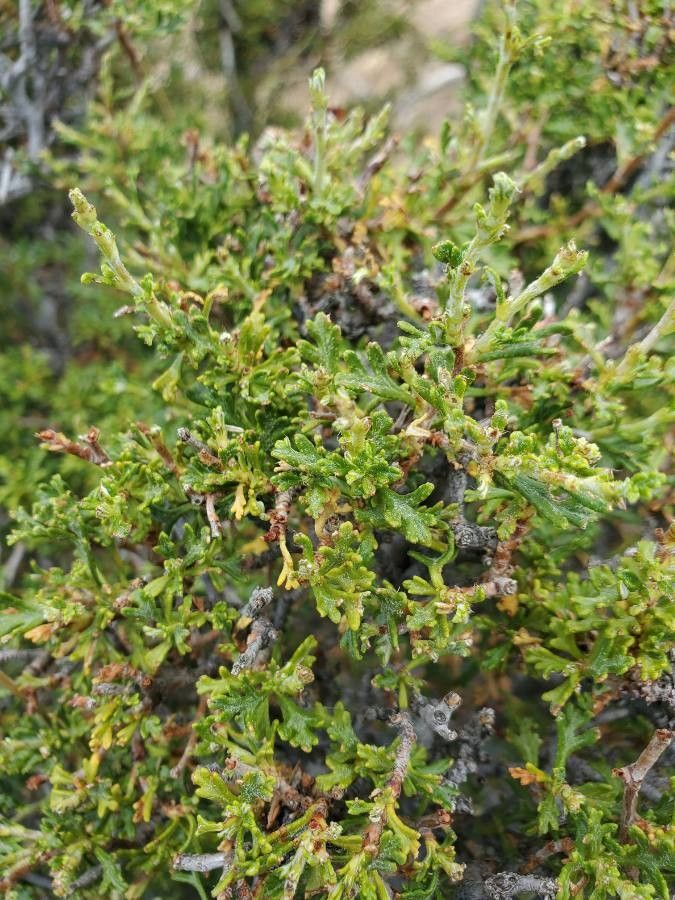
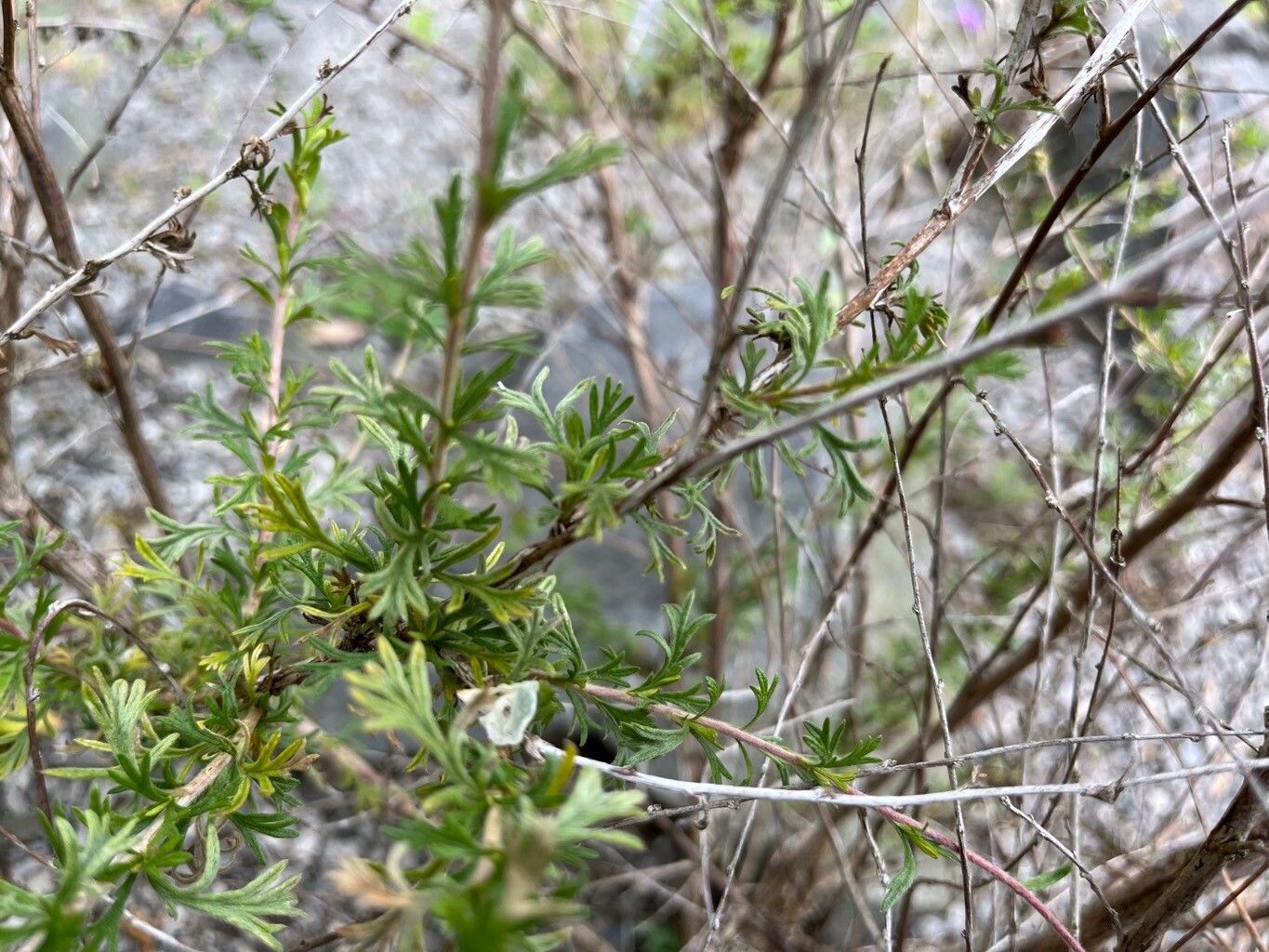
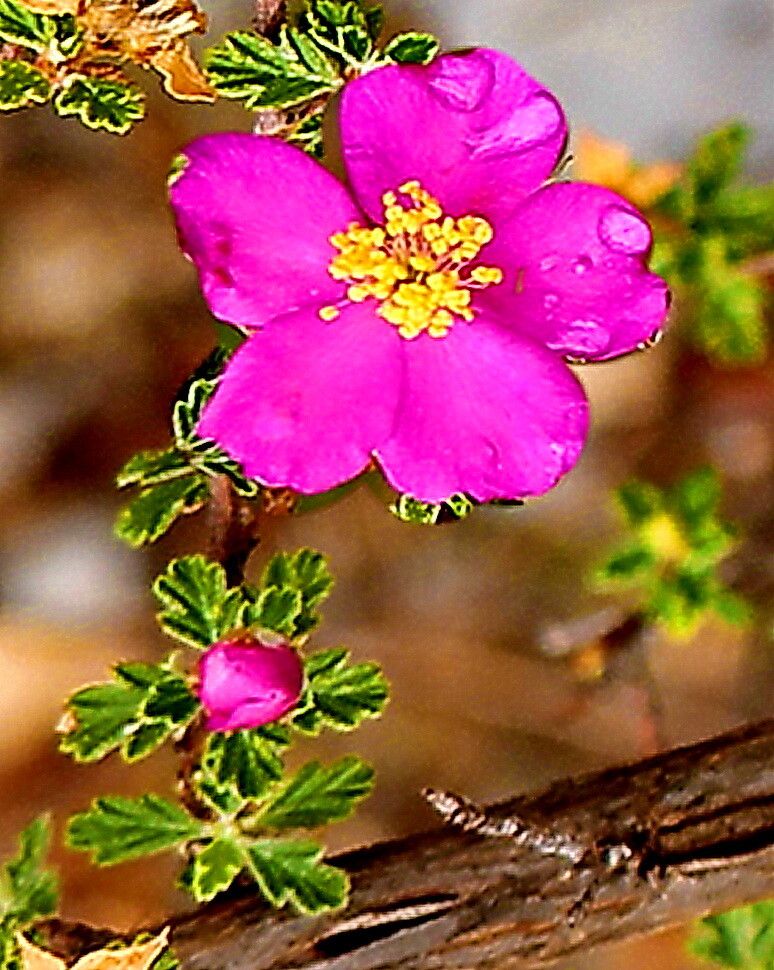
Purshia stansburyana is a species of flowering plant in the rose family known by the common name Stansbury's cliffrose. It is native to the southwestern United States and northern Mexico, where it grows in woodlands, desert, and plateau habitat. It often grows anchored on cliffs and prefers rocky, granular soils, especially limestone.
Stansbury cliffrose is resistant to disease and usually not susceptible to illnesses. Regarding care, this plant is fairly low-maintenance. Planted outdoors it needs only minimal watering, and larger plants typically do not require pruning. Smaller plants, however, should be pruned after they have finished blooming. Stansbury cliffroset is suitable for anyone who has an outdoor area, such as a garden or a deck, and it does not call for extensive care experience.
How to keep Purshia Stansburiana.
Light
Stansbury cliffrose comes from open habitats, like sunny meadows and forest margins, which offer plentiful light. It does best in Full Sun but can tolerate Partial Sun, adjusting well to different light conditions.
Water
Stansbury cliffrose is extremely drought-tolerant, thriving in arid regions with minimal watering—only once every three weeks. Its deep root system allows it to remain resilient during dry spells, making it perfect for xeriscaping and capable of adapting to variations in natural precipitation.
Temperature
Stansbury cliffrose has strong tolerance for heat, able to endure higher temperatures and wide temperature swings. In hot weather, be attentive to watering and provide adequate shade to avoid sunburn. On the other hand, it is relatively sensitive to cold; while it can tolerate some chill, very low temperatures may cause frost damage.
Fertilizer
Proper timing is essential when fertilizing Stansbury cliffrose. Apply fertilizer in early spring and continue monthly until early summer. Fertilizer supports production of attractive blooms and supplies energy during both dormant and active growth periods.
Pruning
The Stansbury cliffrose features fragrant, needle-like foliage and produces white to yellow flowers. For best results, prune in early spring to remove dead branches, improve air flow, and encourage blooming. Making proper cuts just above the nodes will promote vigorous growth, enhance the plant's overall appearance, and help reduce pest problems.
Botanical profile.
- Plant Type
- Tree, Shrub
- Life Cycle
- Perennial
- Genus
- Purshia
- Family
- Rosaceae
- Hardiness Zone
- 5-9
- Mature Height
- 3.66 m to 10.97 m
- Mature Spread
- 0.91 m to 2.13 m
- Leaf Color
- Green, Blue
- Leaf Type
- Semi-evergreen
- Flower Color
- Yellow
- Flower Size
- 1.02 cm to 2.03 cm
- Bloom Time
- Mid spring, Late spring
- Planting Time
- Spring, Summer, Autumn
- Harvest Time
- Mid summer, Late summer
- Native Area
- Mexico
Other names.
Reader questions.
What are the sunlight requirements for Stansbury cliffrose?
Stansbury cliffrose thrives in full sun, needing above 6 hours of sunlight per day. It originates from open environments, adapting well to both full and partial sun conditions. To ensure your plants are happy, observe how sunlight moves through your garden, choosing spots that offer a perfect balance of light and shade. In situations where natural sunlight is insufficient, artificial lighting such as LED lights, can be used, mimicking the natural light conditions the plant would receive outdoors.
What symptoms indicate Stansbury cliffrose is not getting enough light?
Symptoms of light deficiency in Stansbury cliffrose include smaller new leaves, leggy or sparse growth, faster leaf drop, slower or no new growth, lighter-colored new leaves, and symptoms of excessive sunlight exposure like chlorosis, sunscald, leaf curling, wilting, and leaf scorching. These indicate the plant is either not getting enough light or is receiving too much direct light, affecting its growth and health.
How can I address light-related issues in Stansbury cliffrose?
To address light-related issues in Stansbury cliffrose, gradually move plants to a spot where they receive at least 6 hours of direct sunlight daily. If indoors, use south-facing windows or consider artificial lighting for ample light exposure. Outdoors, move your plants gradually to sunnier locations to avoid sunburn. Reducing obstructions that block sunlight and transplanting smaller plants to brighter areas can also help. Note that parts of the plant affected by insufficient light may not recover, but new growth should be healthy once proper light exposure is achieved.