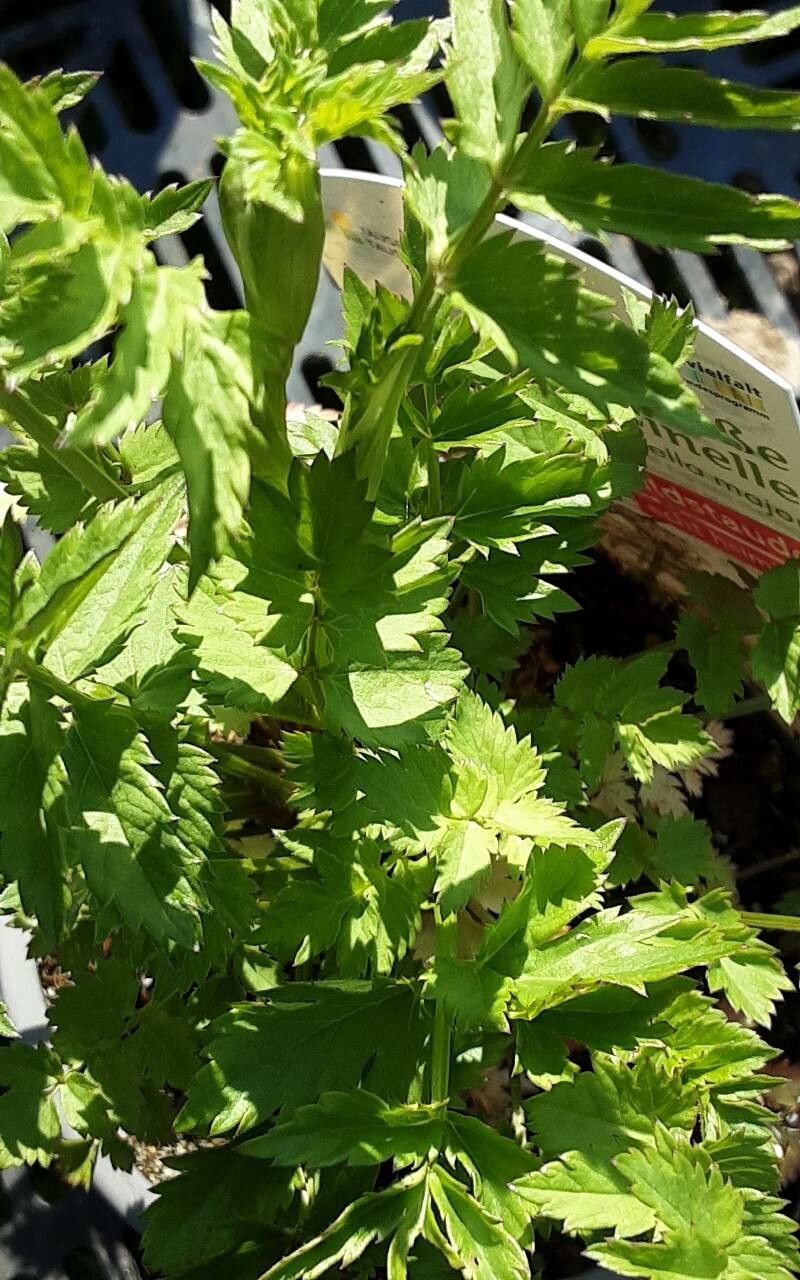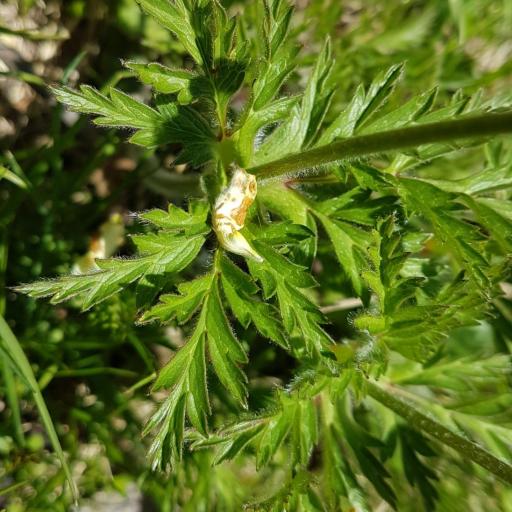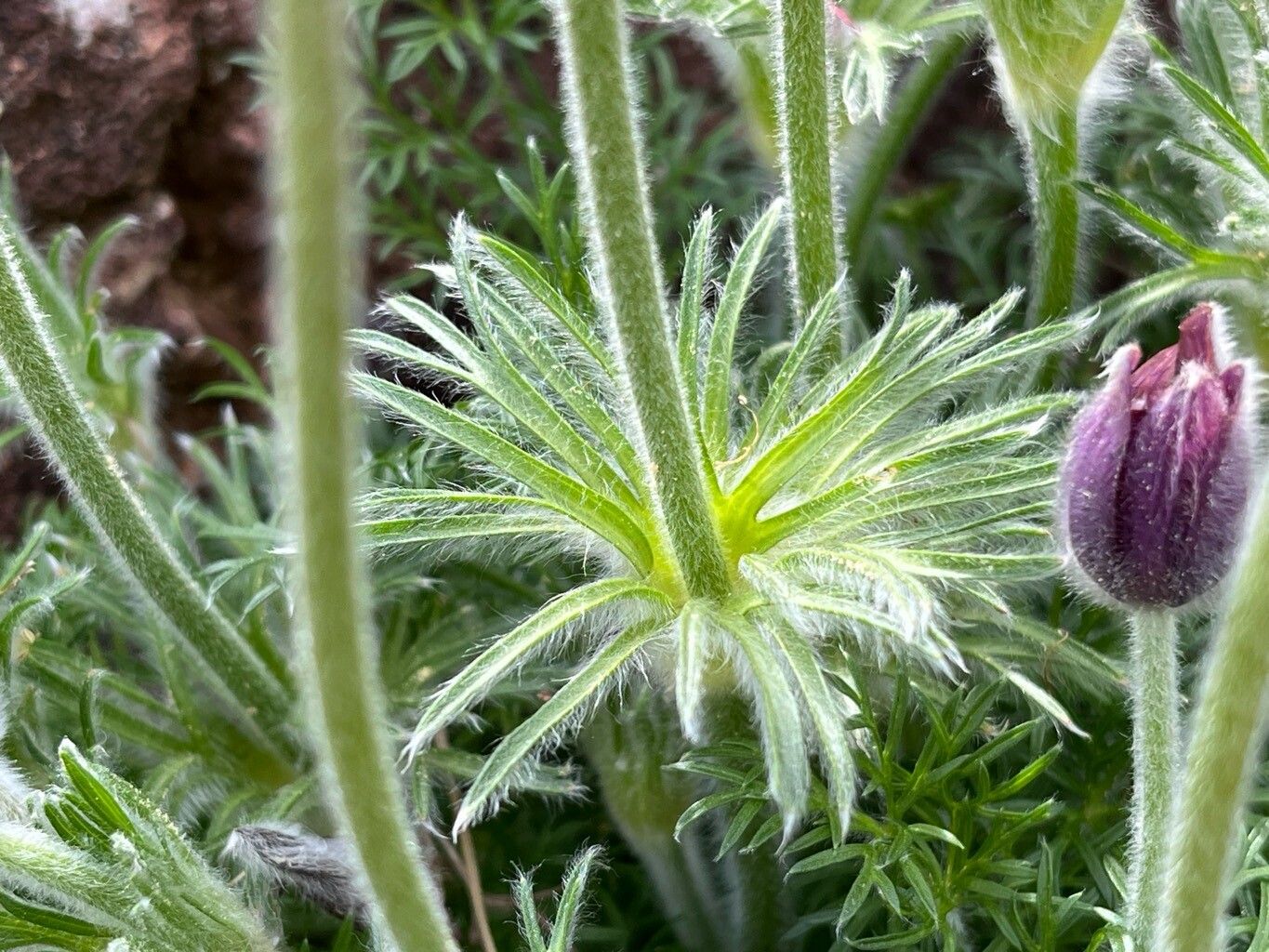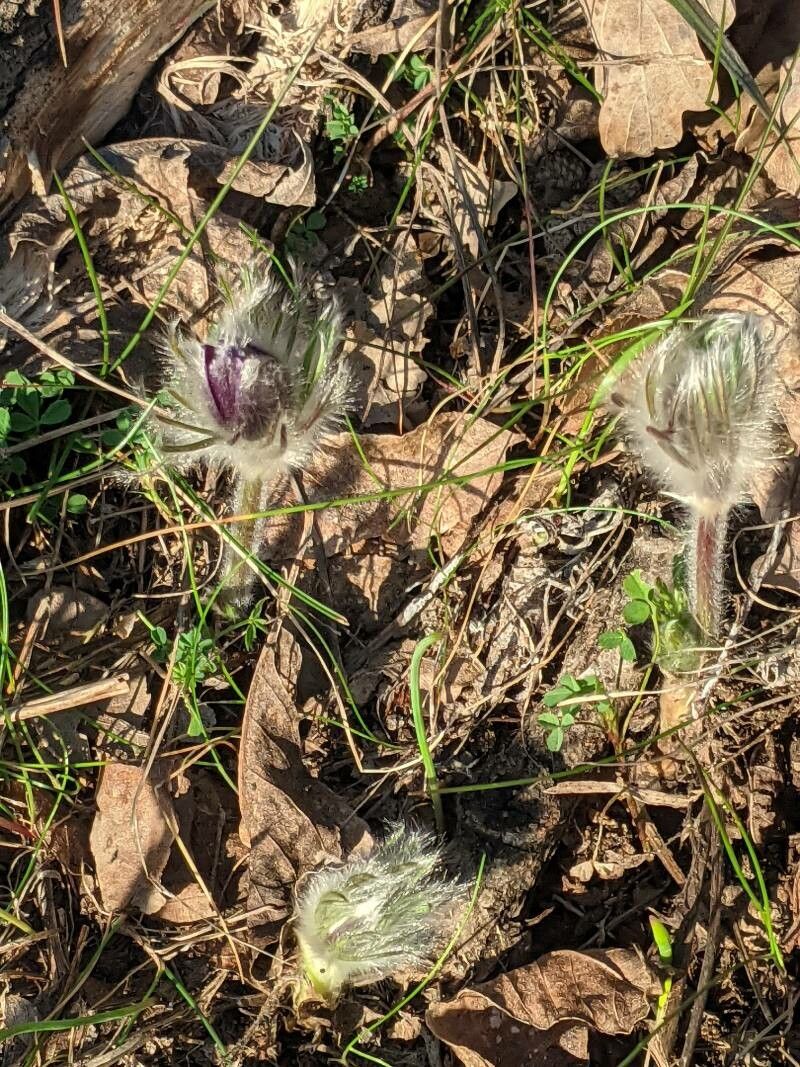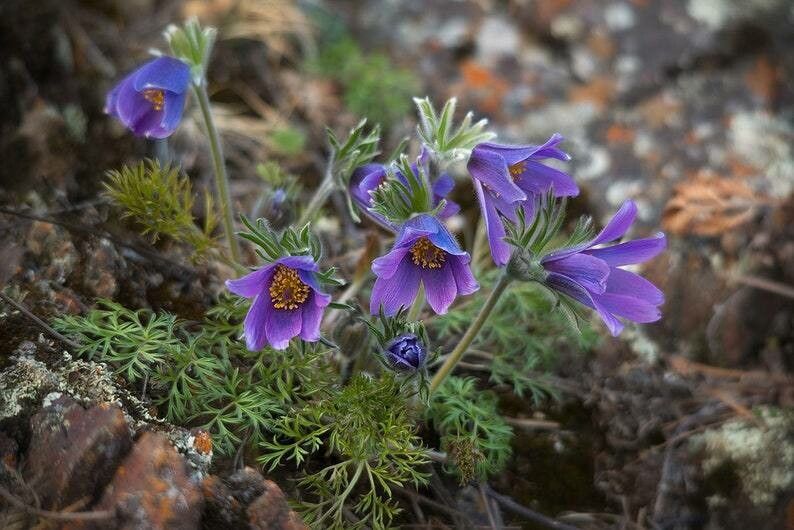
The Siberian pasque flower is relatively disease-resistant and generally not prone to illness. However, it can be vulnerable to pests or diseases present in its environment. These problems are usually minor. For care, this plant requires moderate maintenance. It should be pruned regularly to maintain a neat appearance and promote healthy growth. Fertilizing can also aid in encouraging blooms. The Siberian pasque flower is suitable for anyone with outdoor space, such as a garden or patio, and does not demand extensive gardening experience. It may need more attention when grown indoors.
How to keep Pulsatilla Turczaninovii.
Light
The Siberian pasque flower thrives in places where it receives ample daylight daily, mimicking its natural habitat, a sunlight-abundant steppe environment. Nonetheless, both excessive exposure (that may result in wilting) and insufficient light (which contributes to substandard growth) are not favorable for this plant.
Water
The Siberian pasque flower, native to Siberia, is a drought-tolerant plant that thrives with weekly watering. As an herbaceous perennial, it goes through cycles of growth and dormancy, needing less water during its dormant periods. This flower is ideal for outdoor gardens because it adapts well to varying moisture levels, making it a valuable addition to temperate gardens.
Temperature
The Siberian pasque flower originates from climates with a moderate temperature fluctuation between 32 to 95 °F (0 to 35 ℃). This plant flourishes within these temperature conditions and may need temperature modifications during various seasons if these standards are not achieved.
Fertilizer
The optimal time to fertilize a Siberian pasque flower is in early spring, as it comes out of dormancy and begins active growth. Fertilizing supplies essential nutrients for healthy development. While the Siberian pasque flower has relatively low fertilizer requirements, giving it fertilizer once a year can improve its survival and encourage better, longer-lasting blooms.
Pruning
The Siberian pasque flower brightens early spring with its beautiful blooms. To maintain its shape and encourage growth, light pruning is recommended. During early to late spring, remove any dead stems and spent flowers. However, avoid heavy pruning to protect its delicate stems. This will enhance the plant's overall vigor and longevity, ensuring a stunning display.
Botanical profile.
- Plant Type
- Herb
- Life Cycle
- Perennial
- Genus
- Pulsatilla
- Family
- Ranunculaceae
- Hardiness Zone
- 3-9
- Mature Height
- 15 cm to 25 cm
- Mature Spread
- 25 cm
- Leaf Color
- Green, Dark Green
- Leaf Type
- Deciduous
- Flower Color
- Lavender
- Flower Size
- 15.24 cm
- Bloom Time
- Early spring, Mid spring
- Planting Time
- Autumn, Winter
- Harvest Time
- Late spring, Early summer
- Native Area
- Russia, Kazakhstan, Mongolia, China