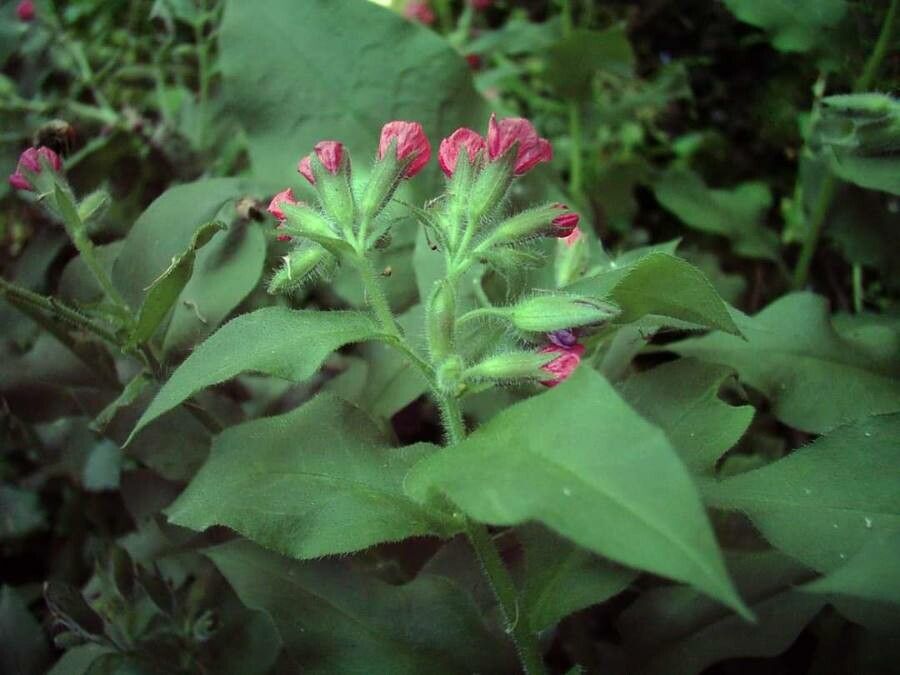
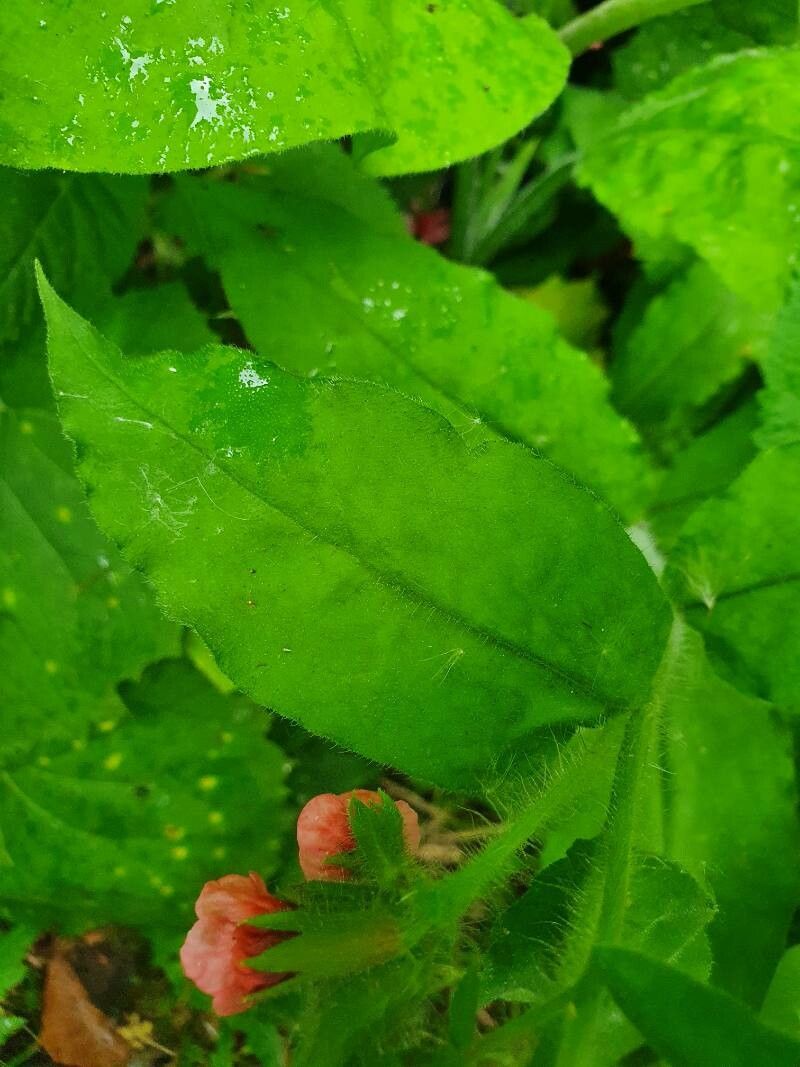
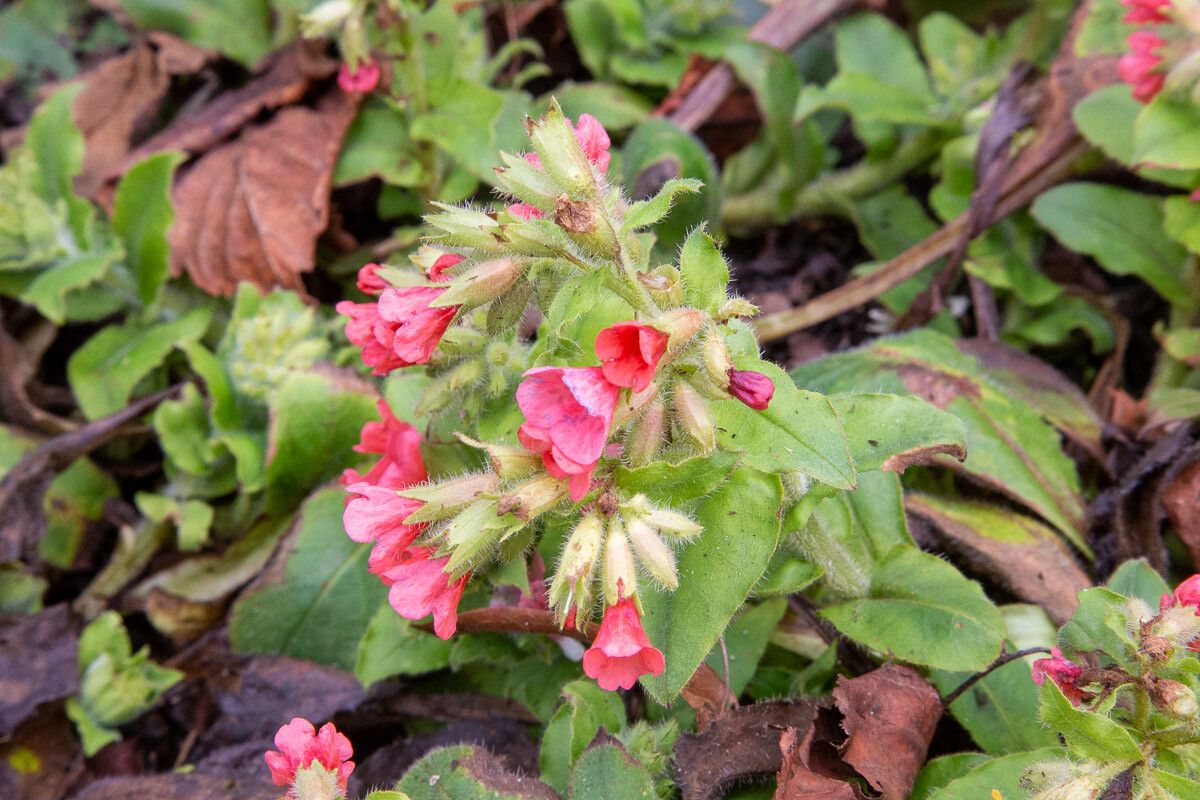
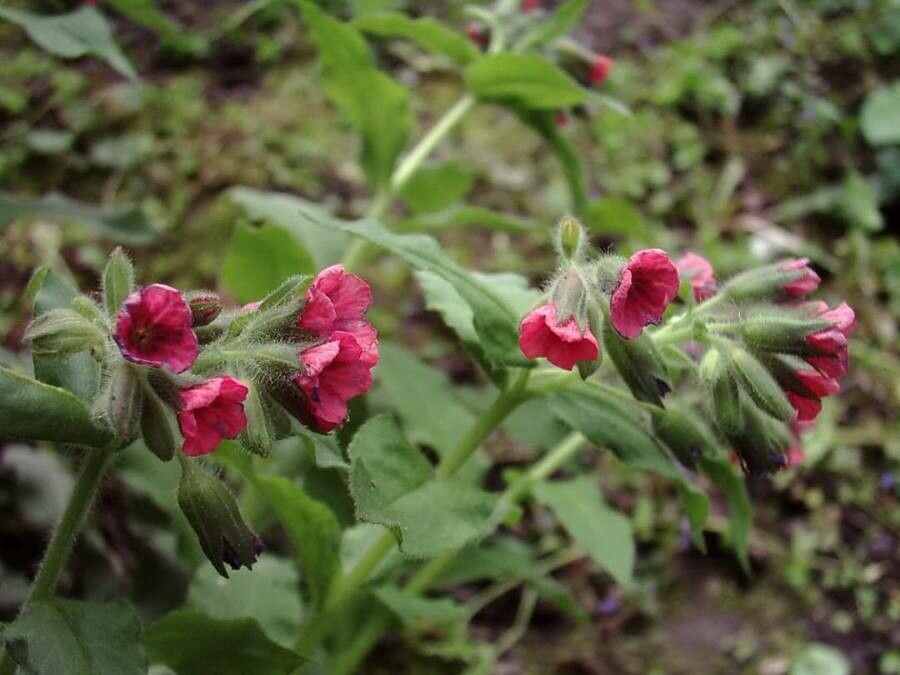
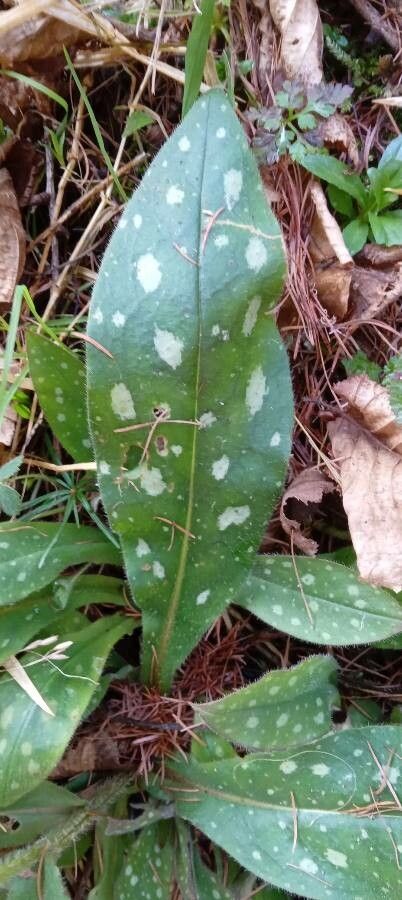
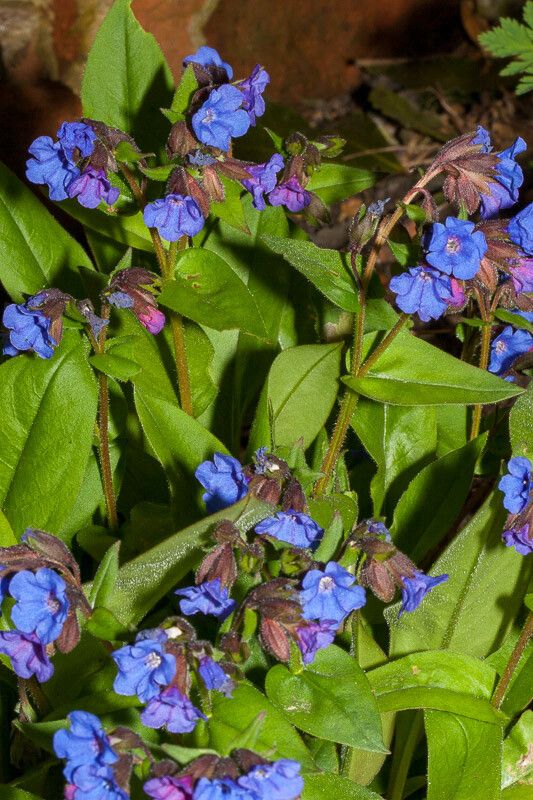
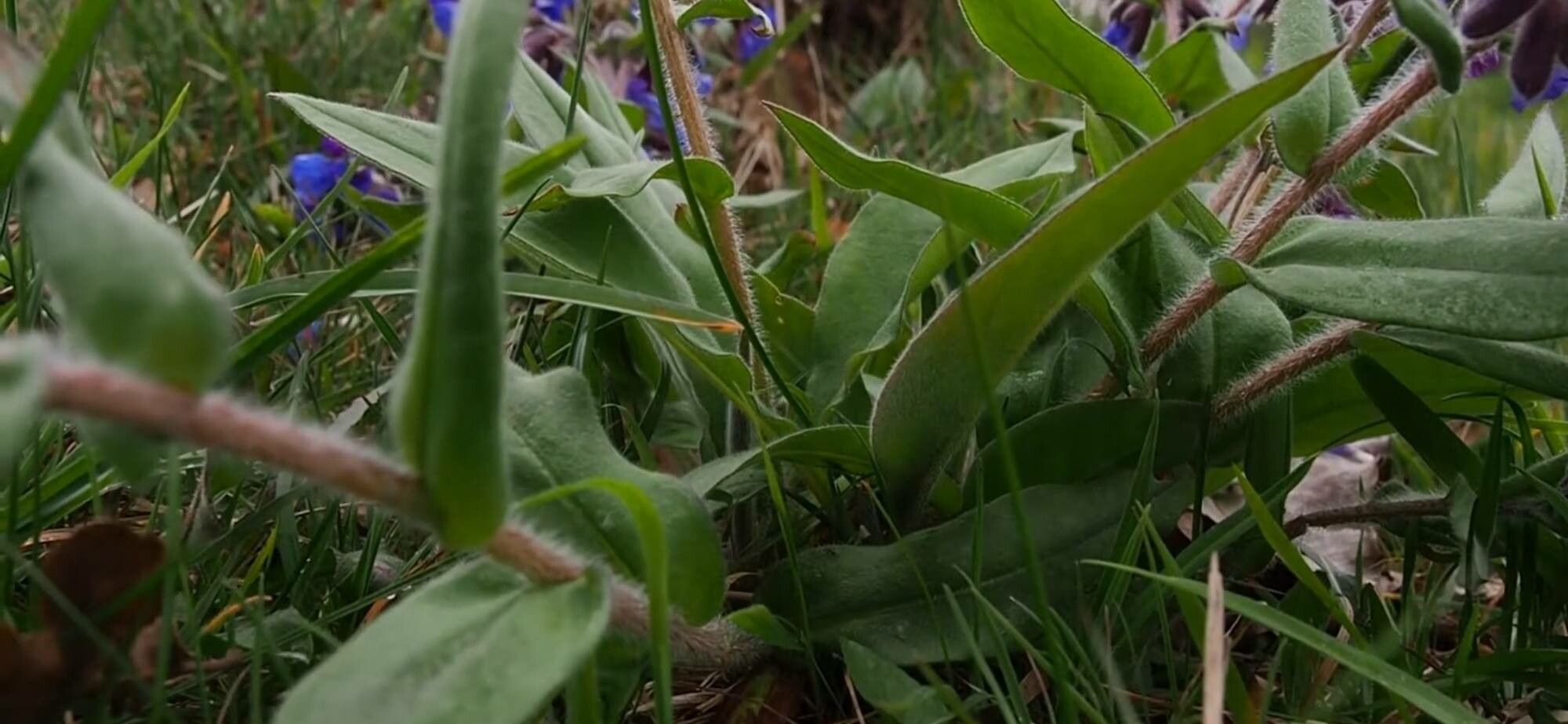
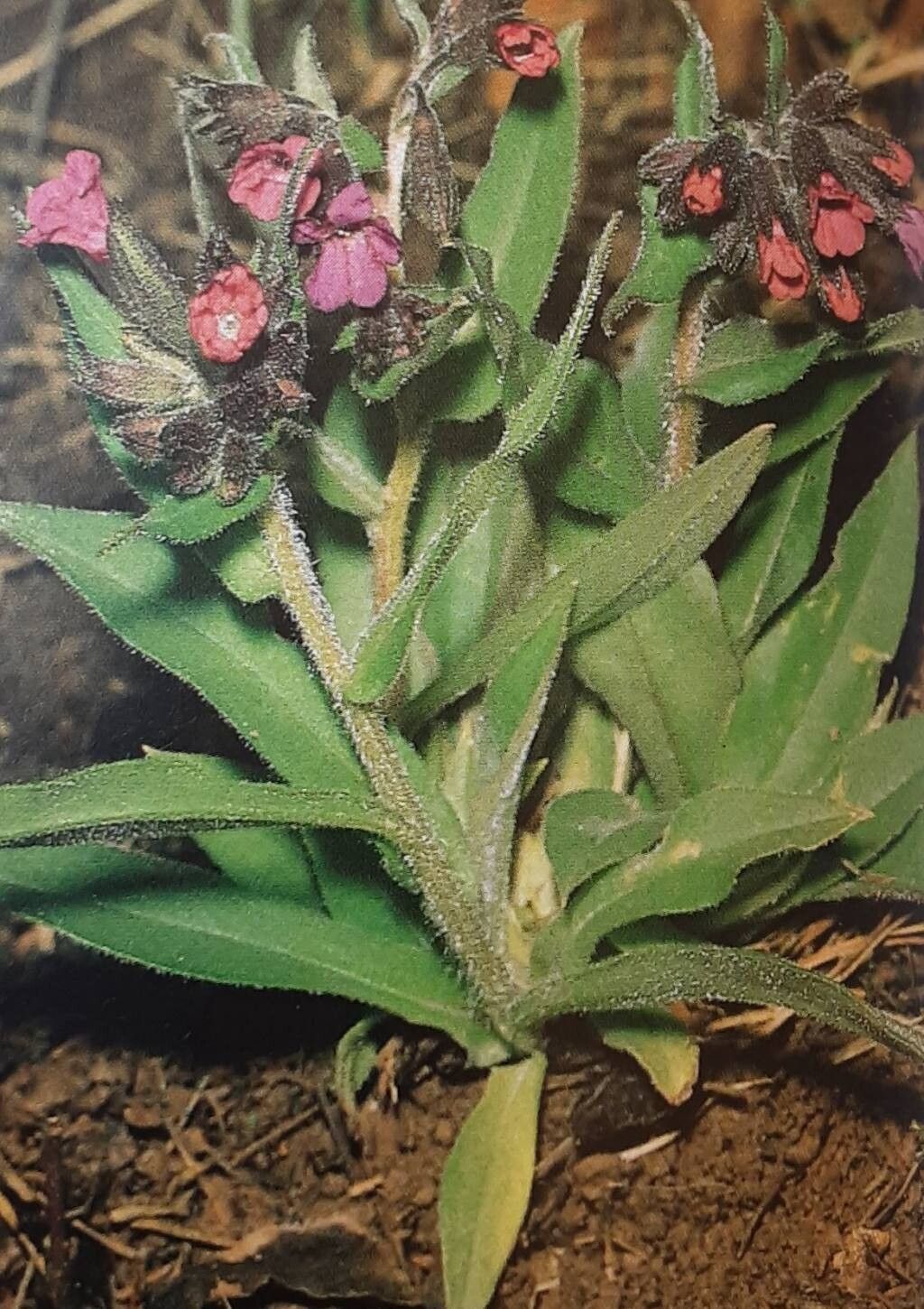
Pulmonaria rubra, the red lungwort, is a species of flowering plant in the family Boraginaceae. It is native to the Carpathian and Balkan Mountains, and it has been introduced to central Europe and Great Britain. A clump-forming perennial reaching 40 cm (16 in), it flowers from late winter to spring. Readily available from commercial suppliers, the Royal Horticultural Society considers it a good plant to attract pollinators. According to the Missouri Botanical Garden it is resistant to deer herbivory and to black walnut toxicity, is hardy in USDA zones 4 through 8, and is recommended for shady situations.
Red lungwort is fairly disease-resistant and is usually not prone to illnesses. However, it can be affected by pests and diseases present in the surrounding area. These problems are typically not serious. For care, this plant needs a moderate amount of attention. It should be pruned regularly to preserve a good appearance and support healthy growth. Fertilizing can also aid in encouraging flowering. Red lungwort is suitable for anyone who has outdoor space, such as a garden or patio, and does not demand extensive experience in plant care. It may need more attention if grown indoors.
How to keep Pulmonaria Rubra.
Light
Red lungwort is native to habitats like forest understories or rocky areas, where it typically receives natural shade. It prefers partial sun but can tolerate full sun or full shade, showing its versatile and hardy character.
Water
Red lungwort thrives in the moist conditions typical of humid regions. To ensure optimal growth, it needs to be watered weekly, as it is not tolerant of either drought or excessive humidity. When cultivating red lungwort outdoors, consider the local climate zones and adjust the watering schedule during rainy seasons.
Temperature
Red lungwort can tolerate a wide range of temperatures, though its distribution may still be limited by different combinations of moisture and heat. It does best in warm summers with sufficient rainfall or irrigation. Extended periods of cloudy, rainy weather and prolonged high temperatures can raise the risk of Red lungwort dying. In winter, shielding the plant from cold can improve its chances of survival.
Fertilizer
The best time to fertilize a Red lungwort is in early spring, as it wakes from dormancy and starts active growth. Fertilization supplies essential nutrients for healthy development. While Red lungwort has fairly low fertilizer requirements, applying fertilizer annually can boost its survival and encourage stronger, longer-lasting blooms.
Pruning
Red lungwort is known for its early spring flowers and distinctive speckled leaves. To promote good air circulation and ensure adequate light reaches the plant, it's best to prune in early spring. Trim away any dead or damaged parts, and remove spent flowers to encourage continuous blooming. This will help maintain a healthy and vigorous shape for the plant.
Botanical profile.
- Plant Type
- Herb
- Life Cycle
- Perennial
- Genus
- Pulmonaria
- Family
- Boraginaceae
- Hardiness Zone
- 4-9
- Mature Height
- 40 cm
- Mature Spread
- 91 cm
- Leaf Color
- White, Green
- Leaf Type
- Deciduous
- Flower Color
- Red
- Flower Size
- 1.02 cm to 1.52 cm
- Bloom Time
- Late winter, Early spring, Mid spring
- Planting Time
- Spring, Summer, Autumn
- Harvest Time
- Late spring, Early summer
- Native Area
- Russia, Romania, Bulgaria, Albania, Greece, Ukraine, Serbia
Other names.
Reader questions.
What are the sunlight requirements for Red lungwort (Pulmonaria rubra)?
Red lungwort (Pulmonaria rubra) thrives in locations that receive more than 6 hours of sunlight daily. It is important to observe the movement of sunlight through your garden carefully, selecting spots that offer an optimal mix of light and shade. This careful placement ensures the plants remain happy and healthy.