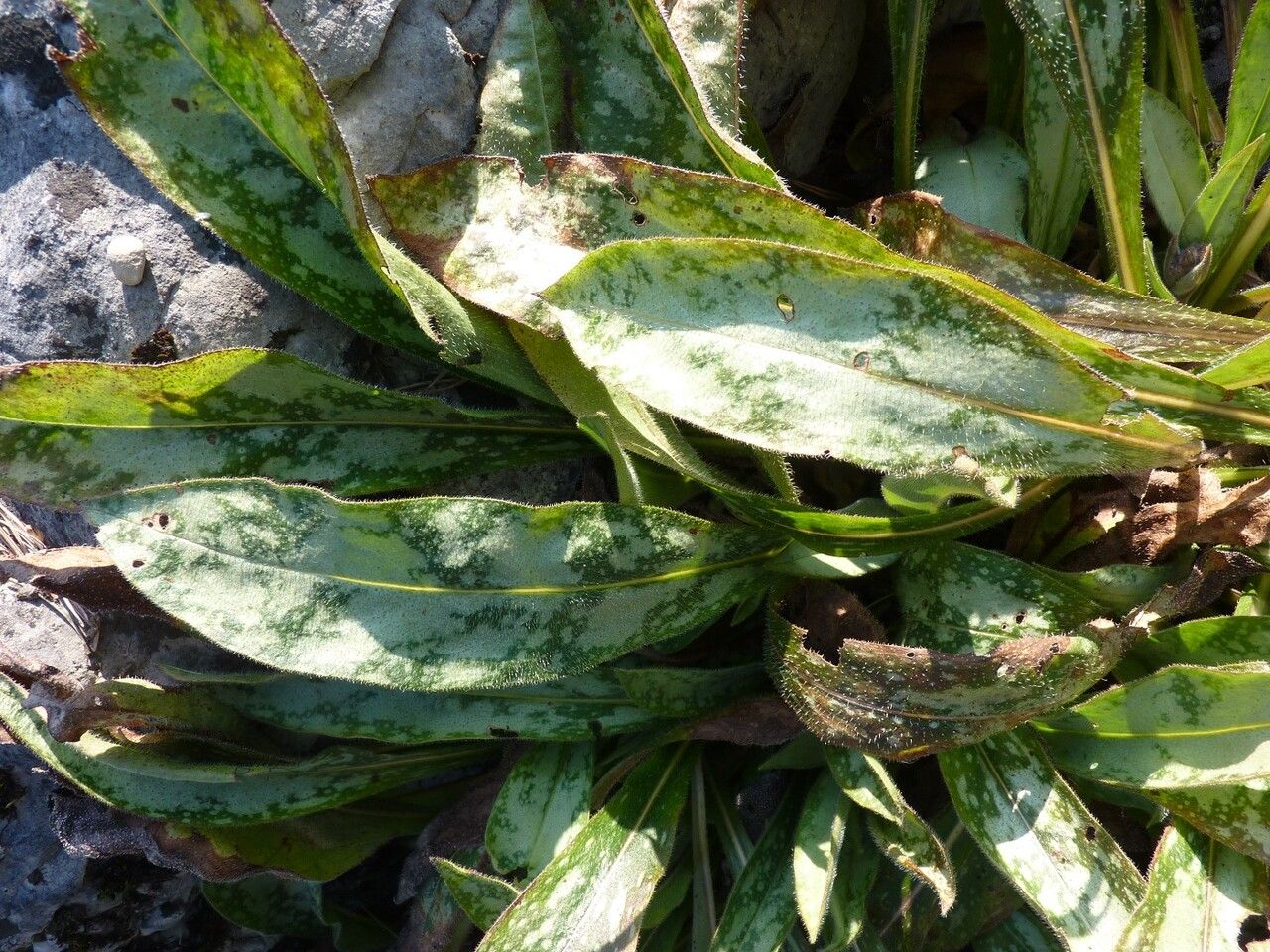
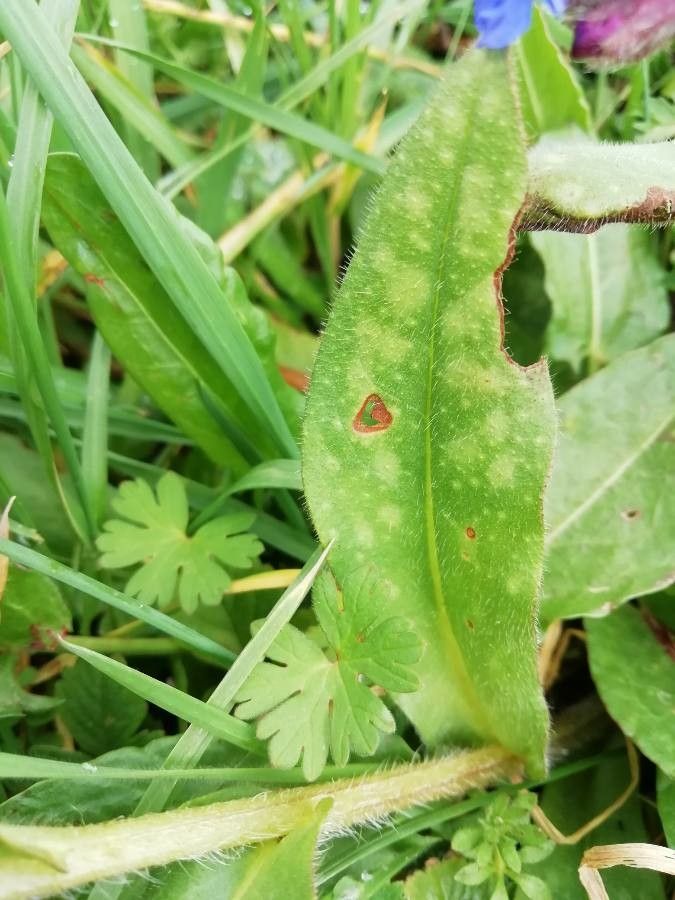
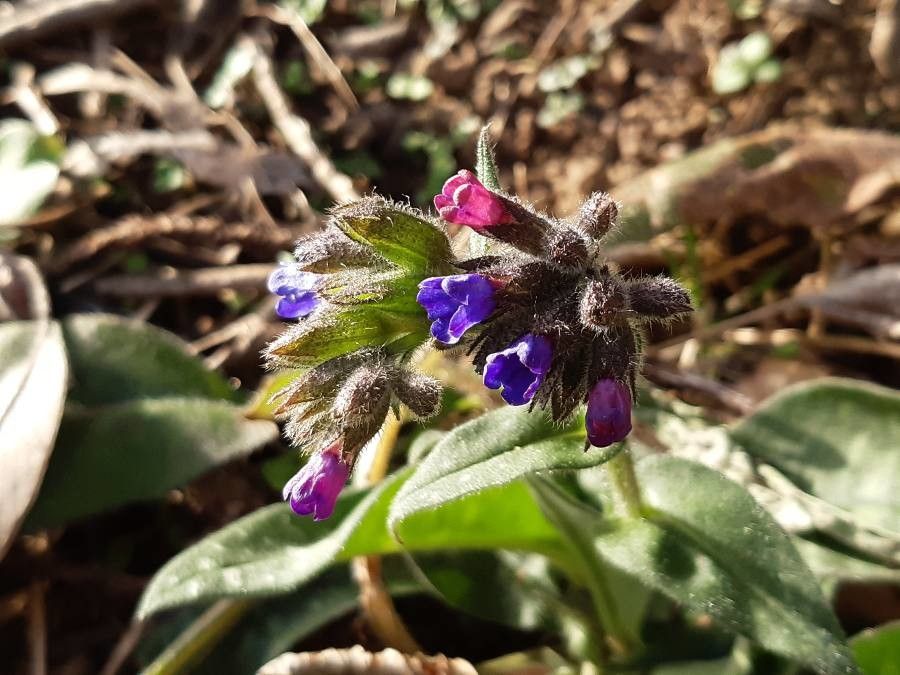
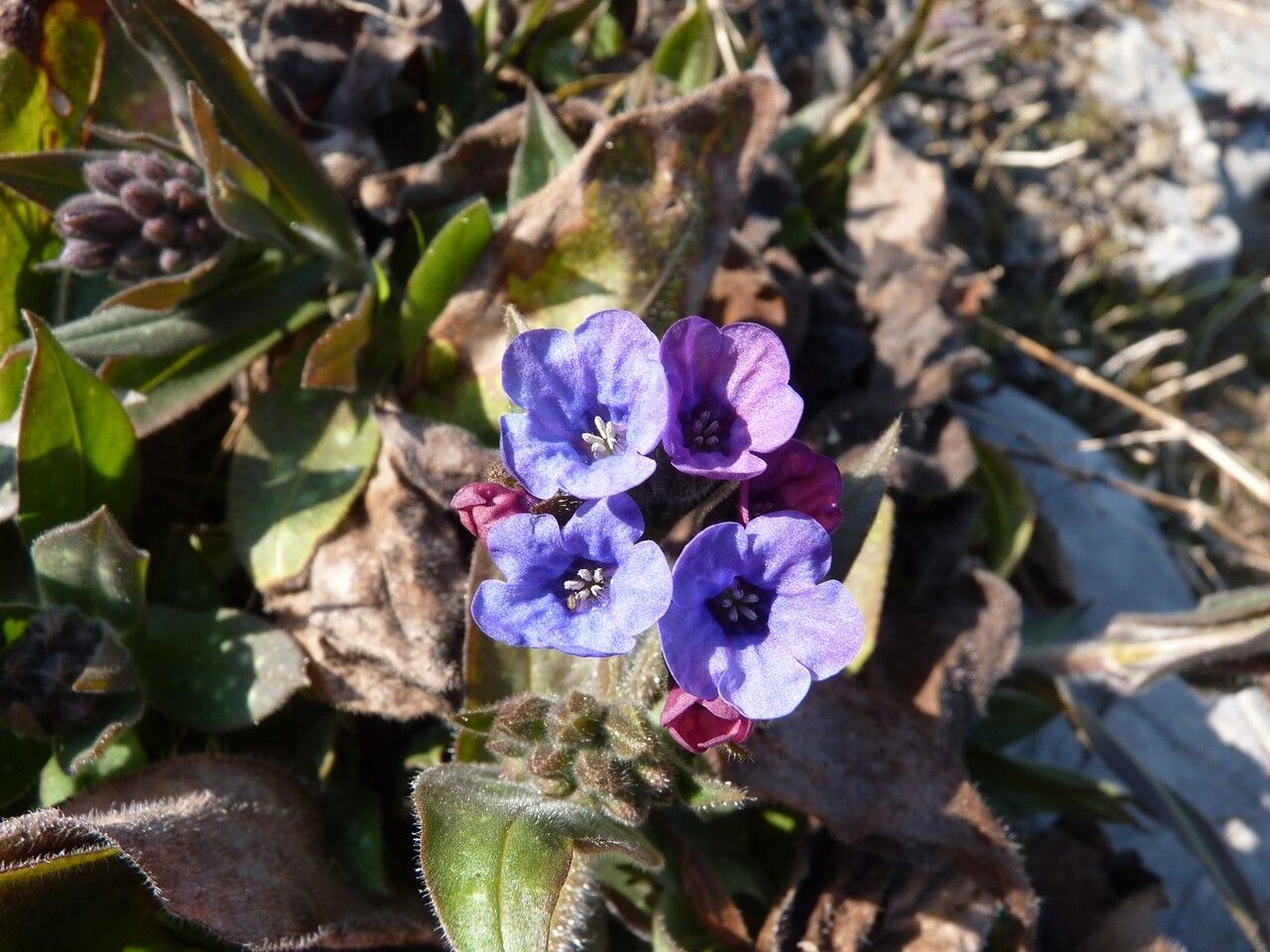
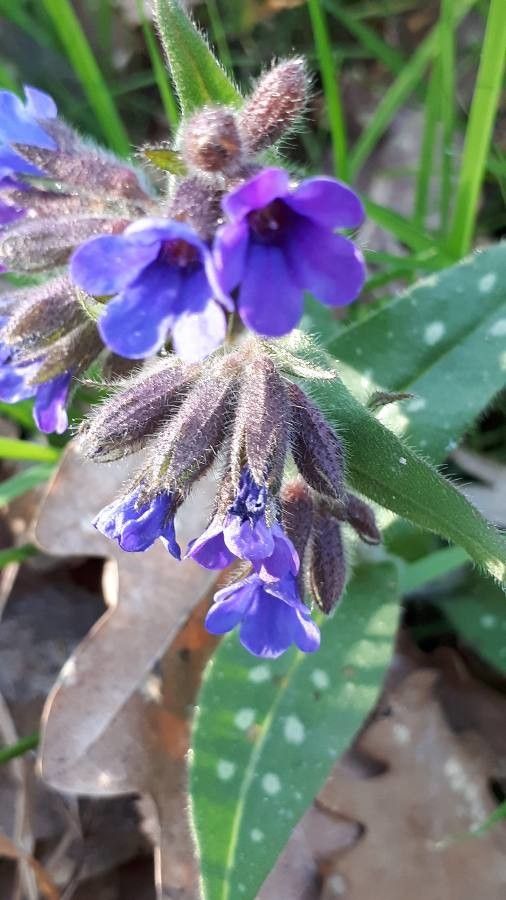
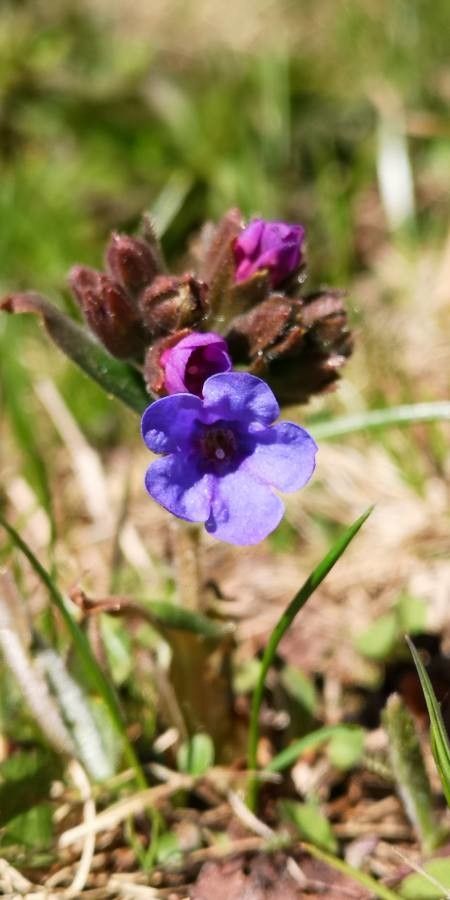
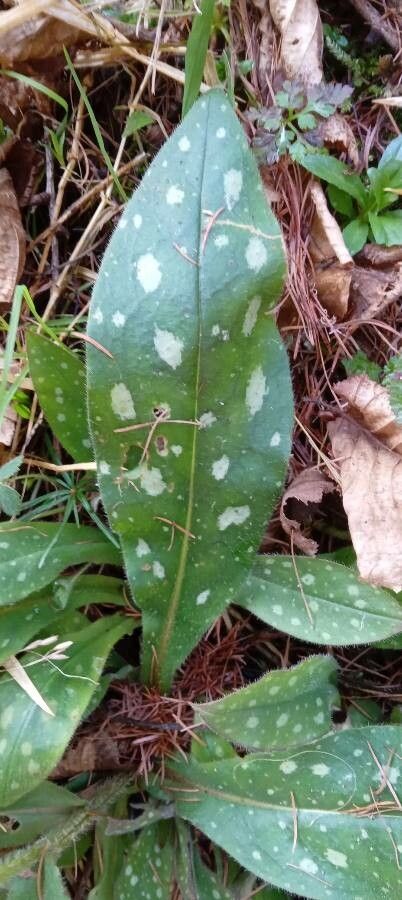
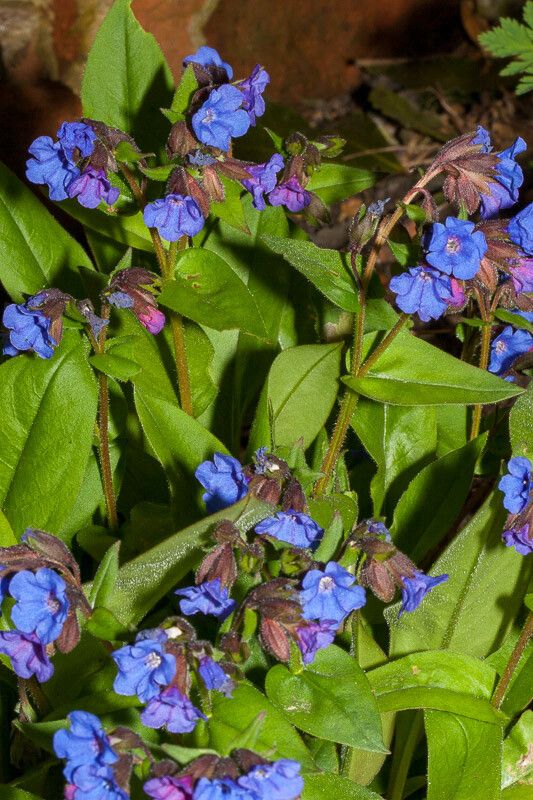
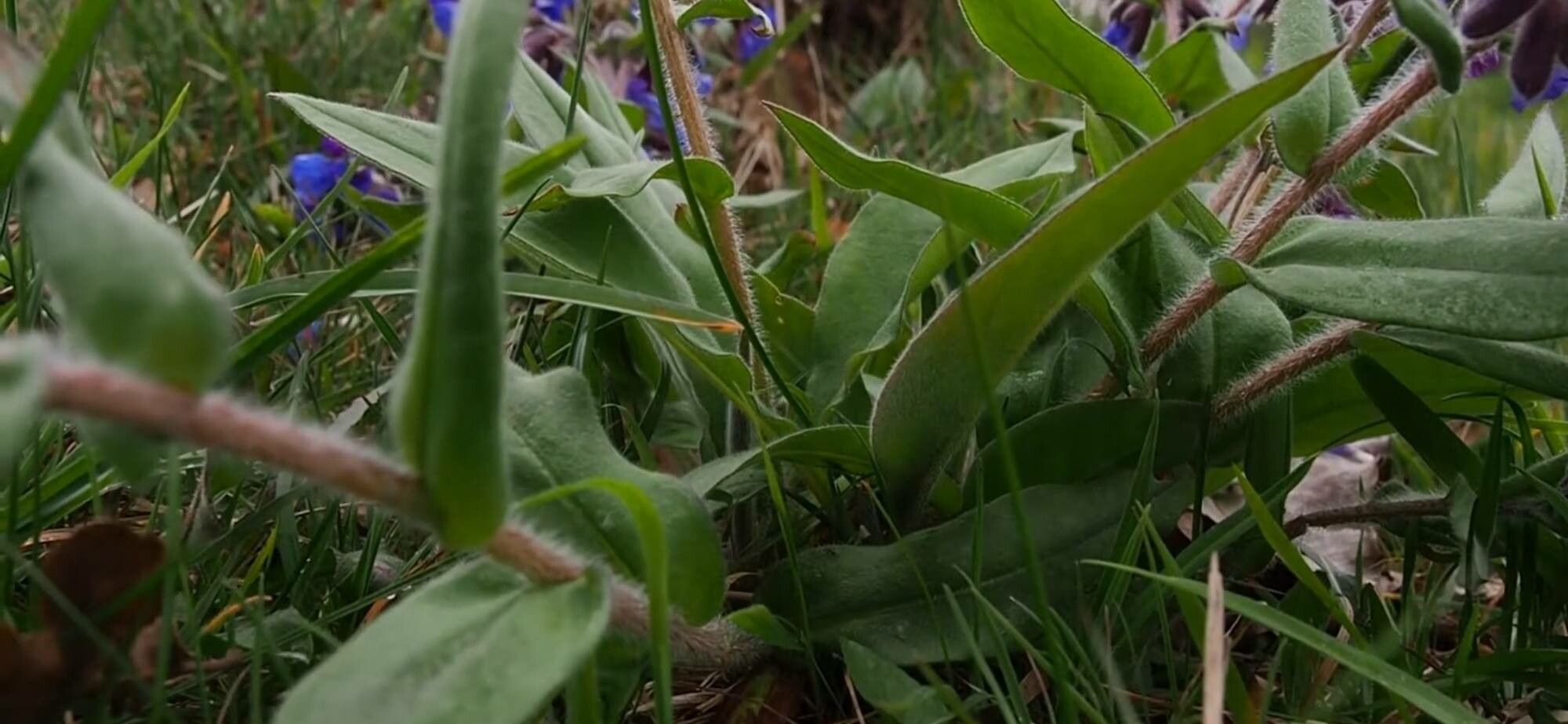
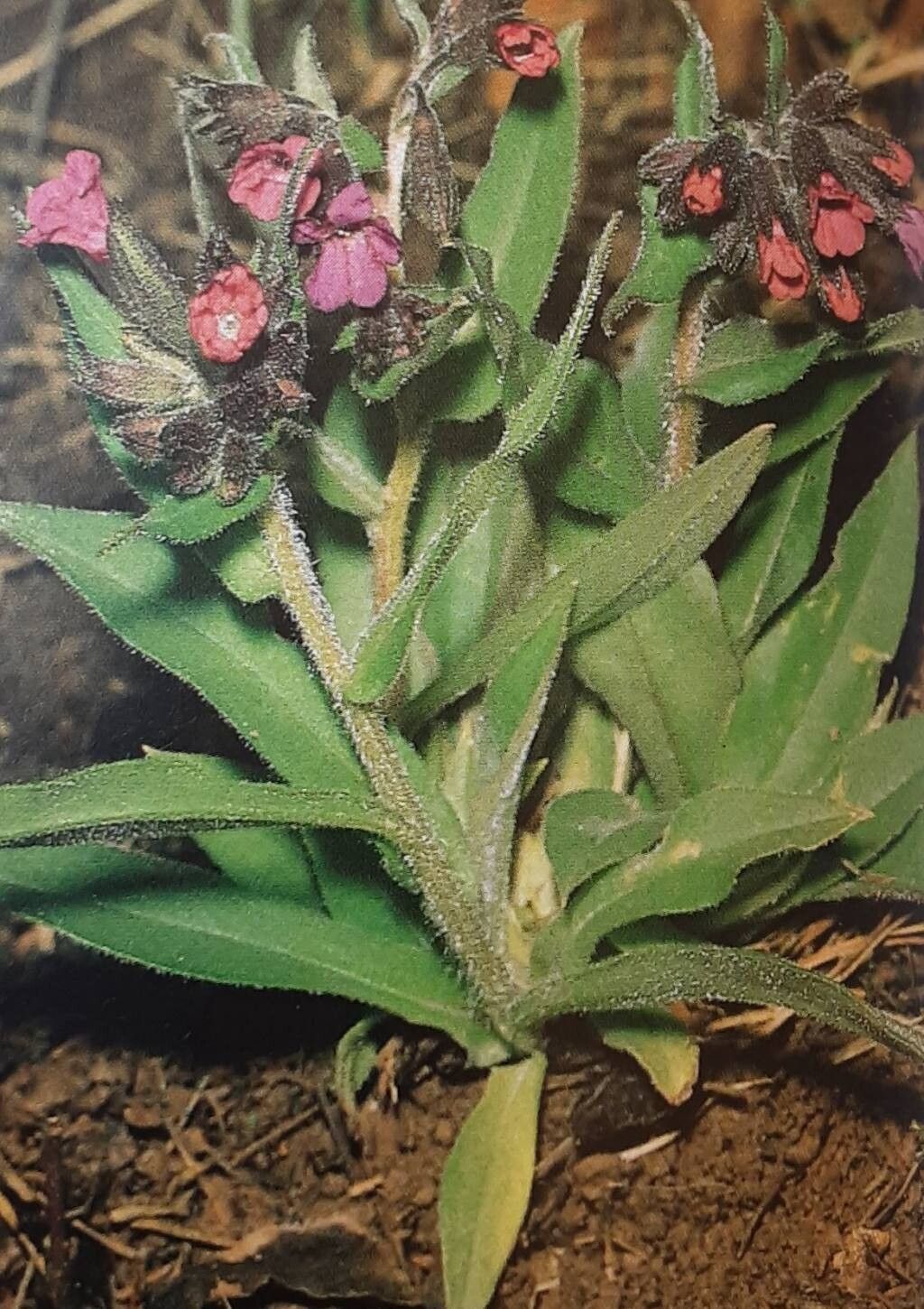
Pulmonaria longifolia, commonly known as lungwort, is a herbaceous perennial plant in the Boraginaceae family. Native to Europe and western Asia, it has been widely cultivated as an ornamental plant in gardens. The plant typically grows to a height of 30-40 cm and features basal leaves that are long, narrow, and pointed with a rough texture. These green leaves are adorned with distinctive white spots or blotches.
The flowers of Pulmonaria longifolia bloom in early spring, before the leaves fully emerge. They are funnel-shaped with five petals, varying in color from pinkish-purple to blue-violet, and they attract bees and other pollinators.
Pulmonaria longifolia prefers moist soil conditions but can tolerate some drought once established. It thrives in partial shade or full shade but can also withstand some sun exposure.
The plant has been used for medicinal purposes for centuries due to its high content of mucilage compounds, which have anti-inflammatory properties useful for treating respiratory ailments such as bronchitis and asthma.
Overall, Pulmonaria longifolia is an attractive ornamental perennial that provides early spring color while also offering medicinal benefits, making it a valuable addition to any garden or herbal medicine cabinet.
Narrow-leaved lungwort is fairly disease-resistant and generally does not commonly suffer from illnesses. Still, it can be affected by pests and diseases present in its environment. These outbreaks are typically mild. Regarding care, this plant needs moderate upkeep. It should be pruned regularly to preserve a pleasing appearance and healthy growth. Applying fertilizer can also encourage flowering. Narrow-leaved lungwort is appropriate for anyone who has an outdoor area, like a garden or patio, and it does not demand extensive gardening experience. It may need more attention if grown indoors.
How to keep Pulmonaria Longifolia.
Light
The narrow-leaved lungwort performs best with some sun but also tolerates conditions with limited light. This requirement for balanced light stays the same through its various growth stages. Its natural capacity to do well in low-light situations comes from its original understory habitat. Too little light can make the foliage less vibrant, while too much light may damage the leaves.
Water
Narrow-leaved lungwort thrives in moist and humid environments similar to its natural woodland habitat. Because it is sensitive to drought, it's important to water it weekly to maintain its lush foliage. As an herbaceous perennial often grown indoors, narrow-leaved lungwort benefits from increased humidity, especially during its active growing season.
Temperature
Narrow-leaved lungwort is native to habitats with moderate temperatures, ideally between 41 to 89.6 °F (5 to 32 ℃). This plant may require seasonal adjustments to its environment to maintain that temperature range for optimal growth and health.
Fertilizer
Early spring, when a Narrow-leaved lungwort is coming out of dormancy and starting active growth, is the ideal time to fertilize it. Fertilizing supplies essential nutrients needed for healthy growth. Although Narrow-leaved lungwort has relatively low fertilizer requirements, applying fertilizer annually can improve its survival and encourage better, longer-lasting flowers.
Pruning
Narrow-leaved lungwort is characterized by its whorled narrow leaves and early spring flowers. To encourage new growth, prune the plant after it finishes flowering by removing spent stems and any damaged leaves. Make sure to clean your tools to prevent the spread of disease. Following these practices will result in healthier foliage and more abundant blooms, leading to a vibrant plant.
Botanical profile.
- Plant Type
- Herb
- Life Cycle
- Perennial
- Genus
- Pulmonaria
- Family
- Boraginaceae
- Hardiness Zone
- 5-8
- Mature Height
- 30 cm to 46 cm
- Mature Spread
- 40 cm
- Leaf Color
- Green, Silver, Gray
- Leaf Type
- Semi-evergreen
- Flower Color
- Pink, Purple, Blue
- Flower Size
- 1.02 cm to 2.03 cm
- Bloom Time
- Early spring, Mid spring
- Planting Time
- Spring, Autumn
- Harvest Time
- Late spring, Early summer
- Native Area
- Spain, Portugal, United Kingdom, France
Other names.
Reader questions.
How should I water my Narrow-leaved lungwort plant to keep it healthy?
To properly water the Narrow-leaved lungwort, it is important to use filtered water at room temperature. Tap water may contain harmful particles that can negatively impact the plant's health. Because the Narrow-leaved lungwort is accustomed to warm environments, it is best to avoid using cold water as it can be a shock to its system. It is also recommended to refrain from overhead watering, as it can cause issues with the foliage. Instead, the filtered room temperature water should be applied directly to the soil until it is completely soaked. This method is beneficial as it ensures that the roots are moisturized and able to efficiently absorb the necessary nutrients from the soil.
Why is it important to add fertilizer to my Narrow-leaved lungwort?
To make sure the leaves of the Narrow-leaved lungwort look good and function properly, fertilization is highly impactful. Proper fertilization helps the plant hold leaves with consistent color and healthy texture. It also benefits the plant below the soil surface by promoting new root growth and maintaining existing roots. This not only keeps the plant healthy in the present but also enhances its ability to absorb soil nutrients in the future.
What are the sunlight requirements for Narrow-leaved lungwort?
Narrow-leaved lungwort requires about 3-6 hours of sunlight daily (partial sun) but can also thrive in conditions where it receives less than 3 hours of sunlight (full shade). It's essential to observe how sunlight moves through your garden to pick spots that ensure the perfect balance of light and shade, fostering plant happiness.
What is the optimal temperature range for Narrow-leaved lungwort, and how does it tolerate cold?
Narrow-leaved lungwort, with its botanical name Pulmonaria longifolia, thrives in moderate temperatures, ideally situated between 41 to 89.6 °F (5 to 32 °C). This plant demonstrates a strong resistance to cold, generally not requiring special frost protection measures during winter. However, should winter temperatures plummet below -25°C, it becomes important to protect the plant from the cold, using materials such as soil or straw for coverage. To further aid in its winter survival, it is recommended to water the plant abundantly before the first freeze of autumn, ensuring the soil is moist as it freezes. This strategy helps in preventing drought and water scarcity for the plant during the colder months and into early spring.
What should I do if I give my Narrow-leaved lungwort too much or too little water?
Overwatering is a more common issue than underwatering for the health of your Narrow-leaved lungwort. When this plant gets too much water, its stems and leaves can wilt, turn yellow, and be susceptible to diseases like root rot, mold, and mildew. However, the Narrow-leaved lungwort has decent tolerance to drought, making underwatering less common. When underwatering does occur, the leaves may become brittle and brown. It's important to identify signs of overwatering early on because some diseases like root rot may not be fixable if left too long. If you notice signs of overwatering, reduce watering immediately and check the soil drainage. If the soil drains poorly, replace it with a loose, well-draining potting mix. Conversely, if signs of underwatering are present, simply water more regularly until the signs improve.
When should I fertilize my Narrow-leaved lungwort for the best results?
If you grow your Narrow-leaved lungwort outdoors each year, it will send new growth shooting out in early spring. This signals that it's time to start fertilizing for the year. Usually, one application of fertilizer in the spring is enough for a Narrow-leaved lungwort to thrive. However, if you want to maximize its growth, you can feed it several times throughout the spring and early summer. In this case, you can fertilize your Narrow-leaved lungwort once every month to a month and a half.
What are the essentials for growing Narrow-leaved lungwort?
The Narrow-leaved lungwort thrives with some sun exposure but can adapt to limited sunshine as well, reflecting its natural undergrowth habitat. This balance is crucial at different growth stages, with too little light leading to less vibrant foliage and too much potentially harming its leaves. When natural sunlight is not enough, especially in winter or darker spaces, artificial lighting can be a vital solution. LED lights are recommended, with full sun plants needing 30-50W/sq ft, partial sun 20-30W/sq ft, and full shade 10-20W/sq ft of artificial light. The light source should be placed 12-36 inches above the plant, mimicking natural sunlight for 8-12 hours per day.
How should you care for Narrow-leaved lungwort when temperatures fall below its cold tolerance or rise above its heat tolerance?
For Narrow-leaved lungwort, maintaining the right temperature is crucial for its health. During winter, it fares well down to temperatures slightly above -20°C but should be kept above this mark. If the temperature falls below -25°C, you might not notice immediate damage, but the plant may exhibit decreased sprouting or fail to sprout at all come spring. In such cases, it's advisable to remove any parts of the plant that have failed to sprout. Conversely, during the summer months, it is best to keep the plant in conditions below 32°C. Exposing the plant to temperatures above 35°C can lead to symptoms like leaves becoming lighter, prone to curling, getting sunburned, and in severe cases, wilting and drying up completely. To mitigate these issues, trim away any sunburned or dried-up parts. Move the plant to a shaded location or use a shade cloth to protect it from the midday and afternoon sun. Ensuring the soil remains moist by watering the plant in the morning and evening can also help combat the effects of high temperatures.
How often should I give water to my Narrow-leaved lungwort?
To determine if your Narrow-leaved lungwort needs water, you can use a simple method whether you have it in a pot or in the ground. For plants in pots, stick your finger into the soil and if the top two to three inches are dry, it's time to water. The same goes for plants in the ground, check the top few inches of soil for dryness. In the spring and early fall, watering once a week using this method should suffice, but during hot weather, you may need to water twice or more per week. Keep in mind that mature and well-established Narrow-leaved lungwort can tolerate drought.
When is it not a good idea to put fertilizer on my Narrow-leaved lungwort plant?
During the late fall and winter, your Narrow-leaved lungwort goes into a dormant phase and stops growing. Hence, it is not recommended to fertilize it during this period. If you choose to fertilize in the spring and summer, it is advisable to decrease the amount of fertilization as summer approaches because the growth rate of your Narrow-leaved lungwort slows down too. In general, it is not a good idea to fertilize your Narrow-leaved lungwort in extremely hot weather or when the soil is very dry, as this can cause stress and premature death of the plant.
What are the symptoms of incorrect light exposure in Narrow-leaved lungwort?
Incorrect light exposure can cause several symptoms in Narrow-leaved lungwort. Insufficient light may lead to smaller new leaves, leggy or sparse growth, faster leaf drop, slower or no growth, and lighter-colored or pale new leaves. Excessive sunlight can cause chlorosis (leaves turning yellow), sunscald (damaged leaves or stems from intense sunlight), leaf curling, wilting, and leaf scorching. These symptoms indicate the need for adjusting the plant's light exposure to create a healthier environment.
How much water does my plant called Narrow-leaved lungwort require?
To water your Narrow-leaved lungwort effectively, you should not hold back on the amount of water you provide. Wait until the top two to three inches of soil are dry, then give the plant a good, thorough watering. Make sure you completely soak the soil, adding enough water that it drains out from the bottom of the pot. If you don't see any excess water draining out, it means you haven't watered enough. However, be cautious not to let the water accumulate inside the soil, as this can harm the plant. Also, if water is not draining properly from the pot, it could indicate that the soil is not draining well, which is bad for the plant's health. If the plant is outdoors, around 1 inch of rainfall per week should be sufficient.