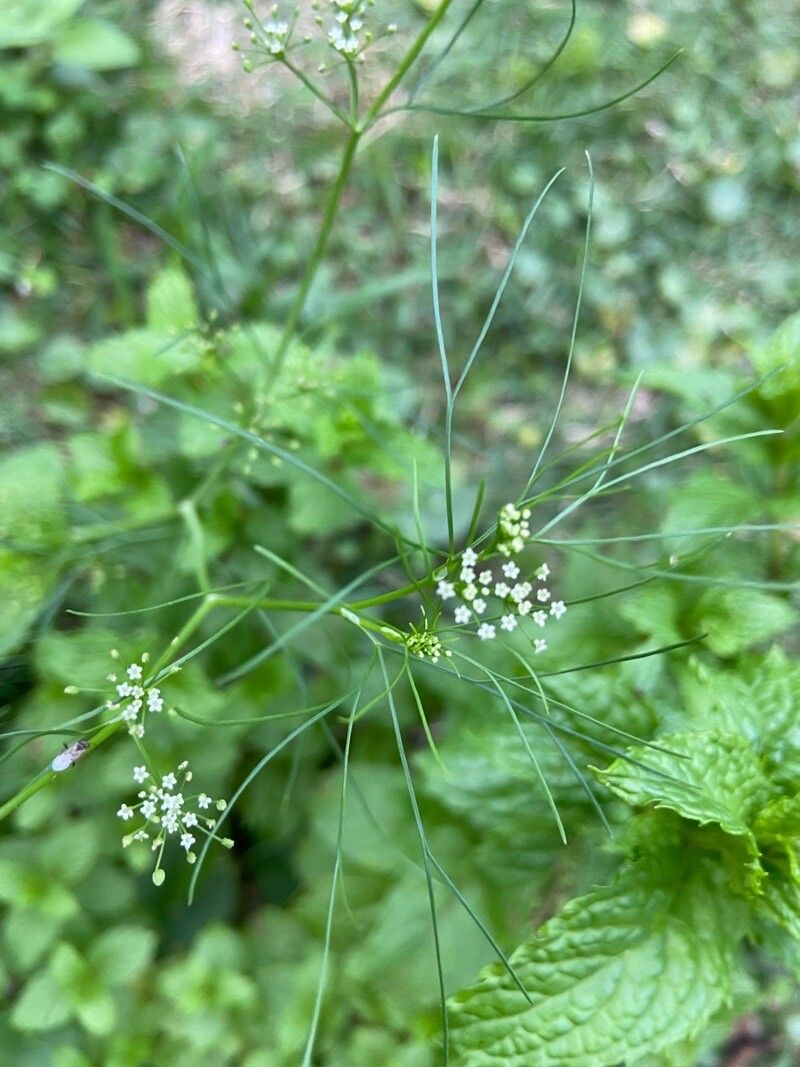
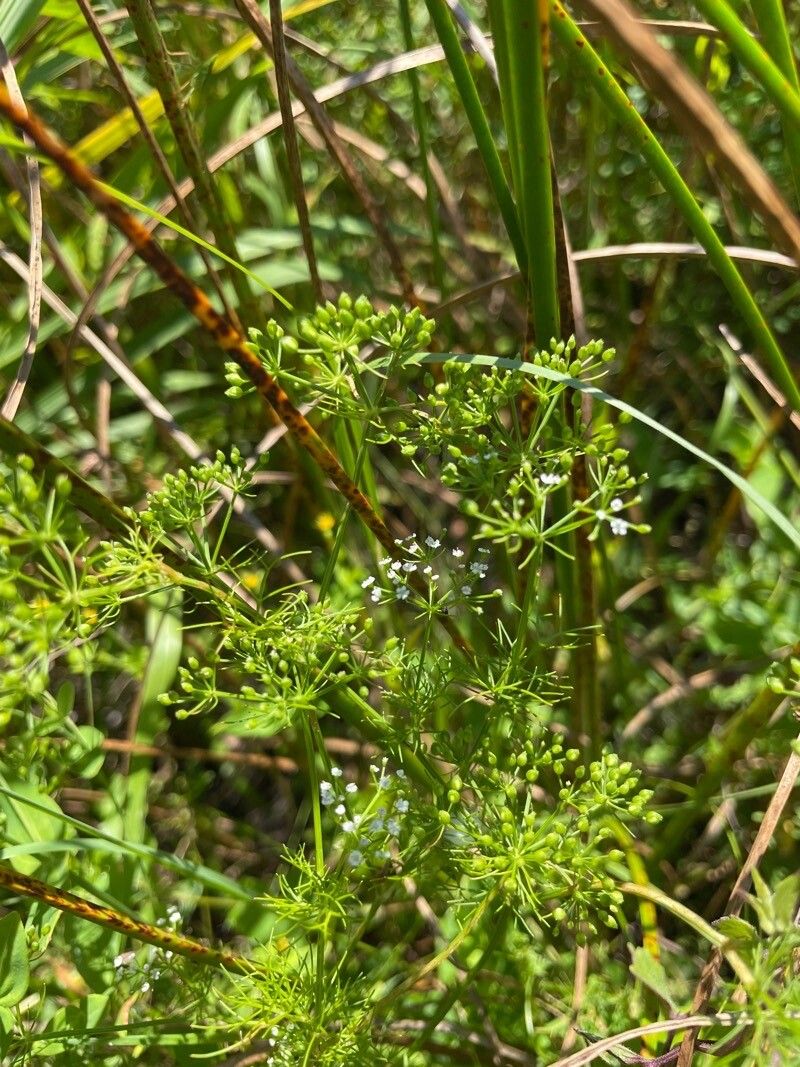
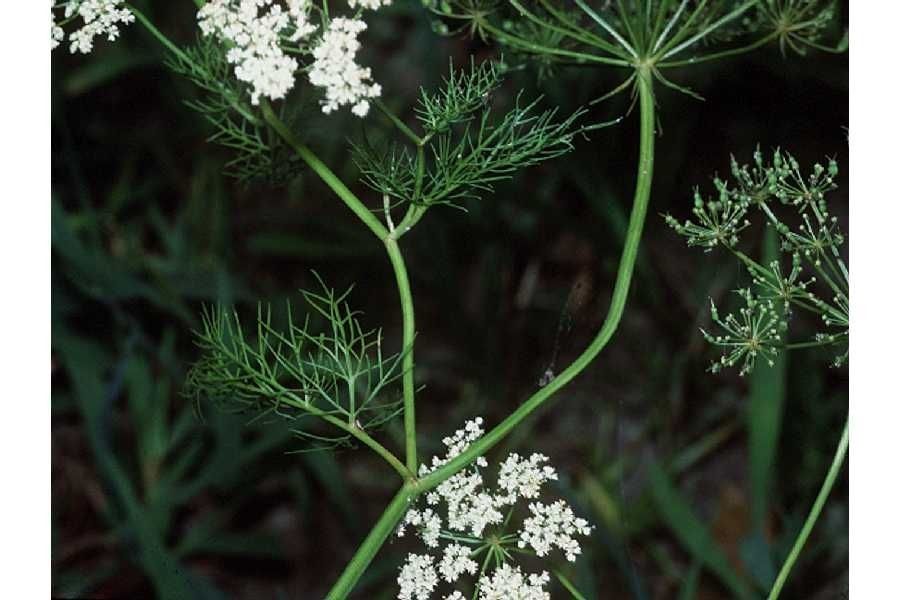
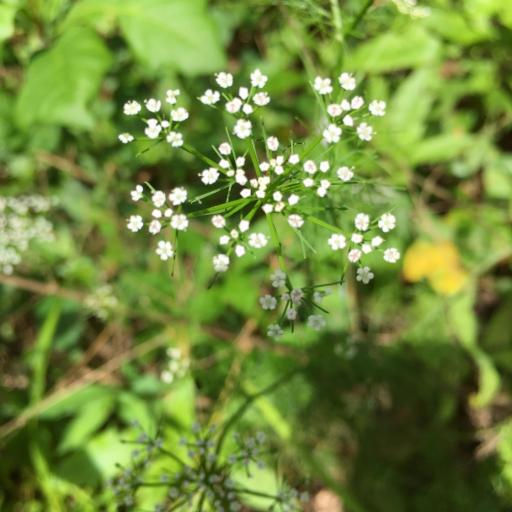
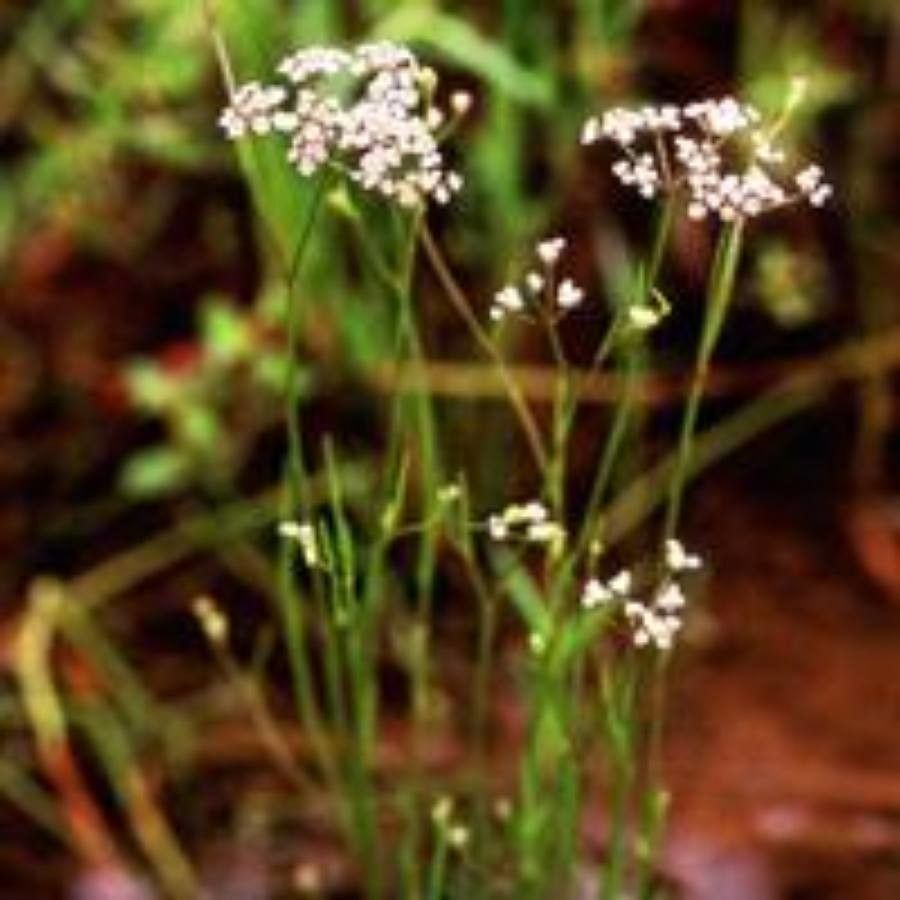
Ptilimnium nuttallii, commonly called laceflower, is a species of plant in the family Apiaceae that is native to south-central United States.It is an annual that produces white flowers in the spring.
Laceflower is fairly disease-resistant and typically not affected by many illnesses. However, it can be vulnerable to pests and diseases present in its surroundings. Such infections are generally mild. As for care, the plant requires moderate maintenance. Regular pruning is needed to maintain a neat appearance and support healthy growth. Applying fertilizer can also encourage flowering. Laceflower is suitable for anyone with an outdoor space, such as a garden or patio, and does not demand extensive care experience. It may need more attention when grown indoors.
How to keep Ptilimnium Nuttallii.
Light
Laceflower comes from bright, open habitats and does best in full sun. It can tolerate partial sun but favors direct sunlight for optimal growth. This plant, which may be annual or biennial, is noted for its sun-loving nature.
Temperature
Laceflower can adapt to a wide range of temperatures, but its distribution may still be restricted by various combinations of water and heat. It does best in warm summer climates with adequate rainfall or watering. Extended periods of cloudy, rainy weather or prolonged high temperatures can increase the chance of Laceflower dying. In winter, proper protection from cold can improve the plant’s survival rate.
Fertilizer
Laceflower requires regular feeding to encourage flowering but does not tolerate heavy fertilization. It should be given small amounts of fertilizer often throughout its life cycle, especially during the main period of active growth and while it is flowering. Continue feeding your Laceflower until it stops blooming.
Pruning
Laceflower is a plant known for its delicate white blooms and finely divided leaves. To keep it healthy, it's best to prune in early spring, removing any damaged stems to encourage new growth. Be careful to avoid heavy pruning. Regularly deadheading spent flowers will promote blooming. Pruning also helps to enhance the plant's structure and improve air circulation, ensuring that your laceflower stays vibrant and flourishing.
Botanical profile.
- Plant Type
- Herb
- Life Cycle
- Biennial
- Genus
- Ptilimnium
- Family
- Apiaceae
- Hardiness Zone
- 5-9
- Mature Height
- 30 cm to 91 cm
- Mature Spread
- 20 cm to 30 cm
- Leaf Color
- Green
- Leaf Type
- Deciduous
- Flower Color
- White
- Flower Size
- 0.20 cm to 0.25 cm
- Bloom Time
- Early summer, Mid summer
- Planting Time
- Spring
- Harvest Time
- Late summer, Early fall
Other names.