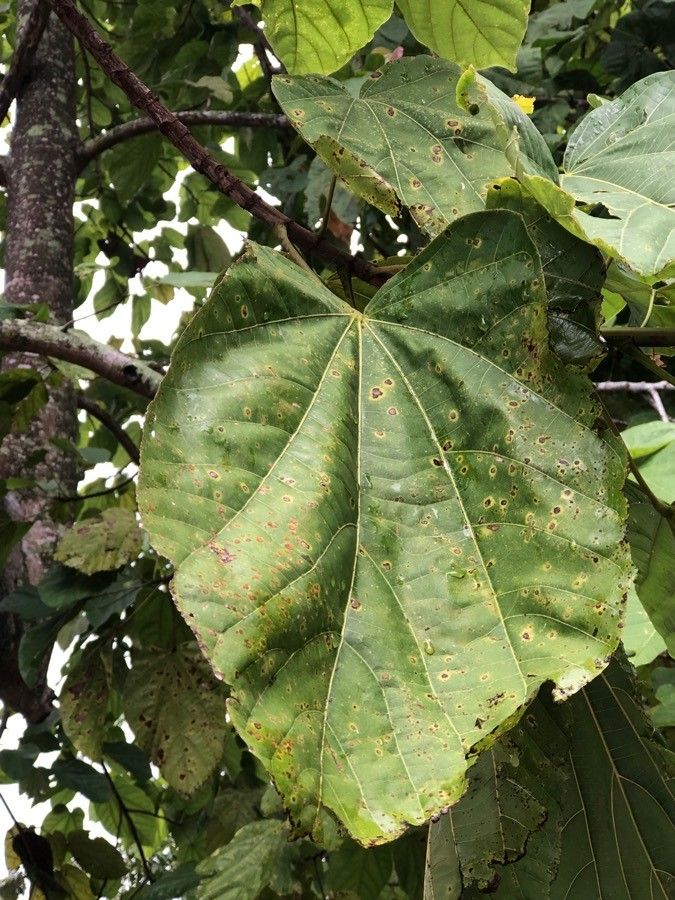
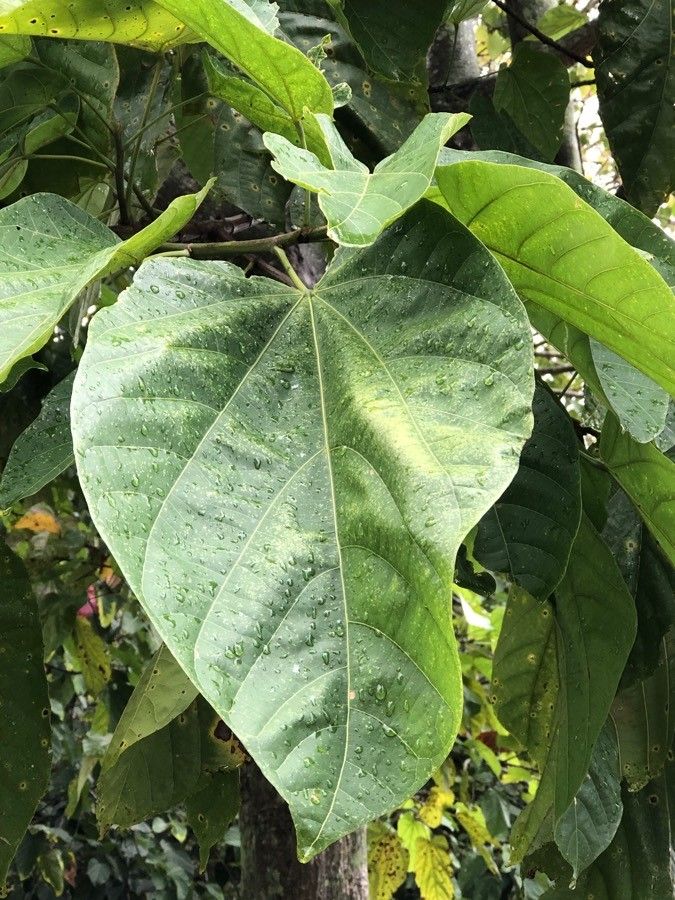
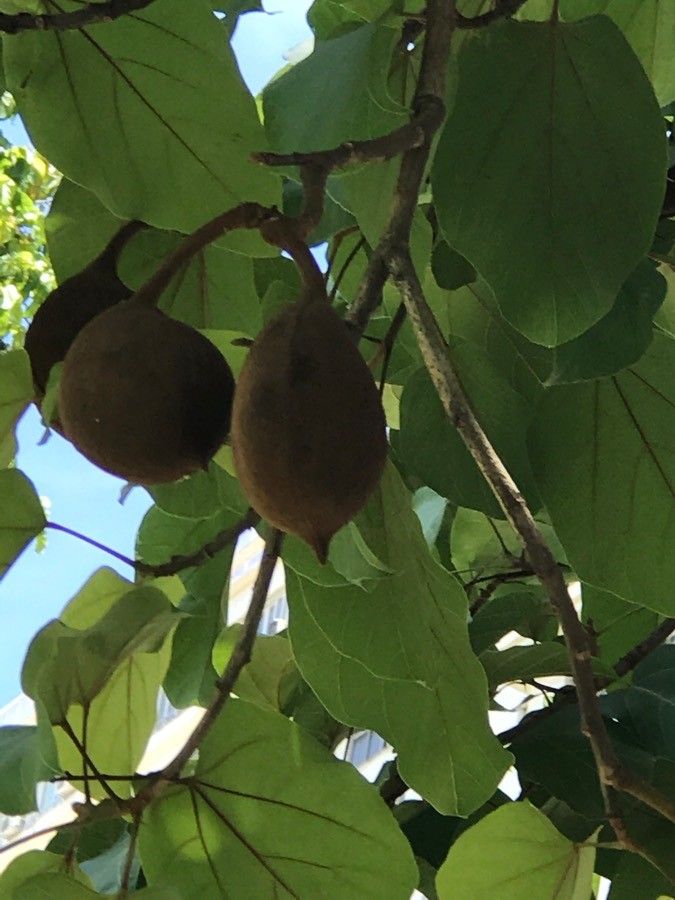
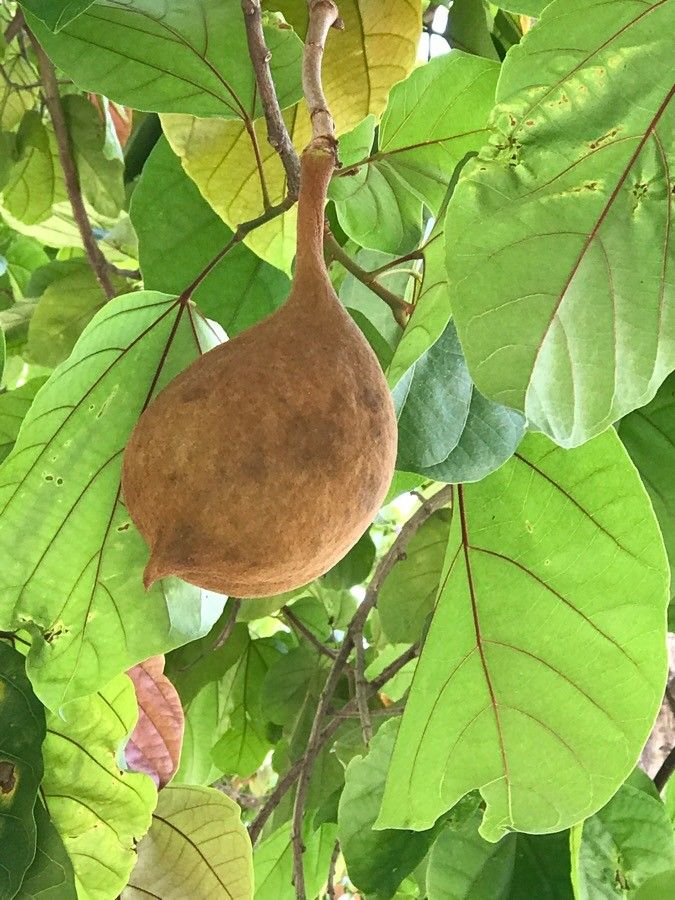
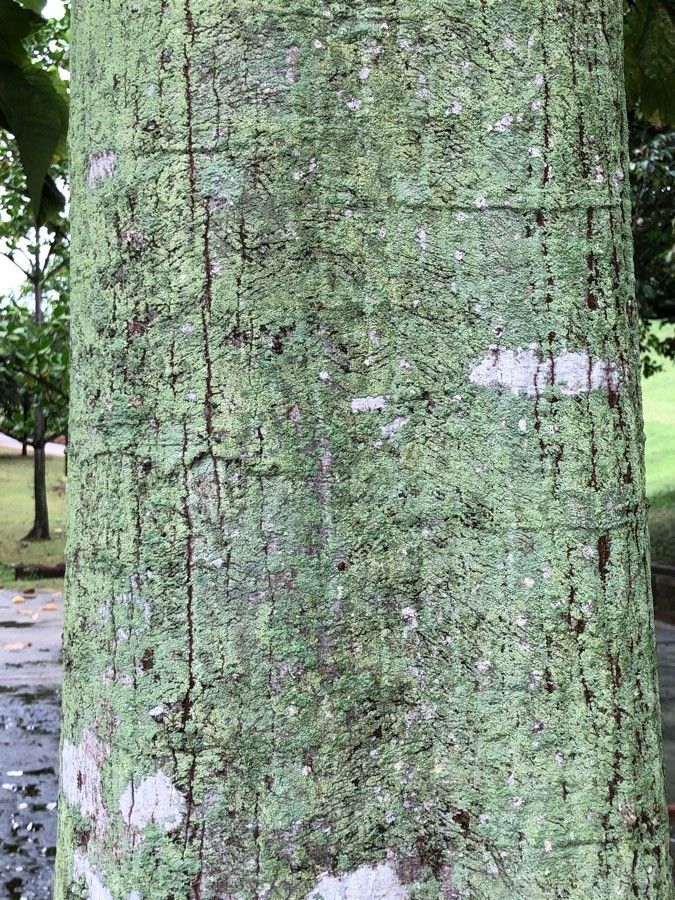
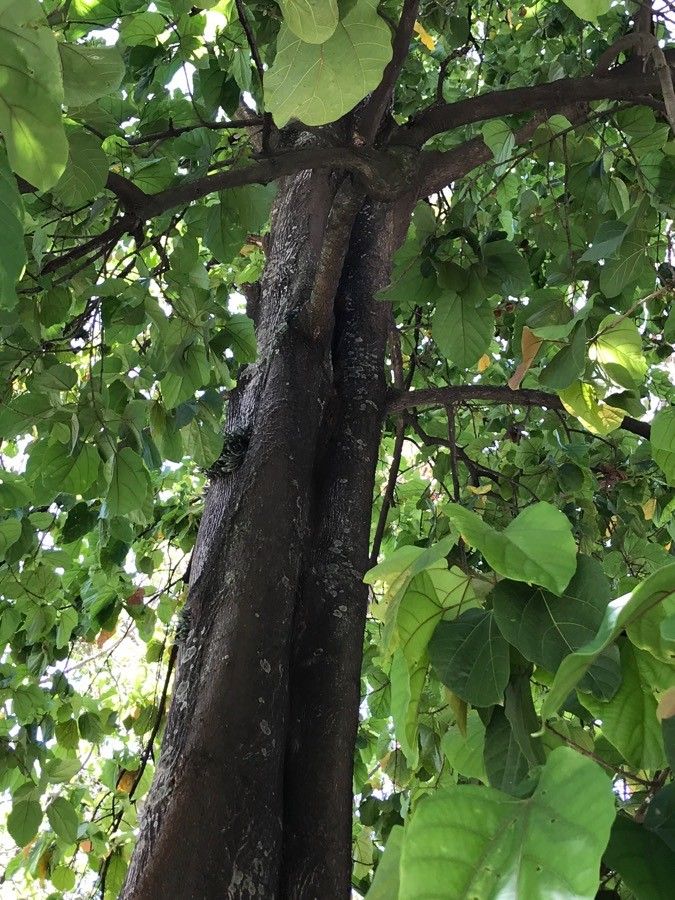
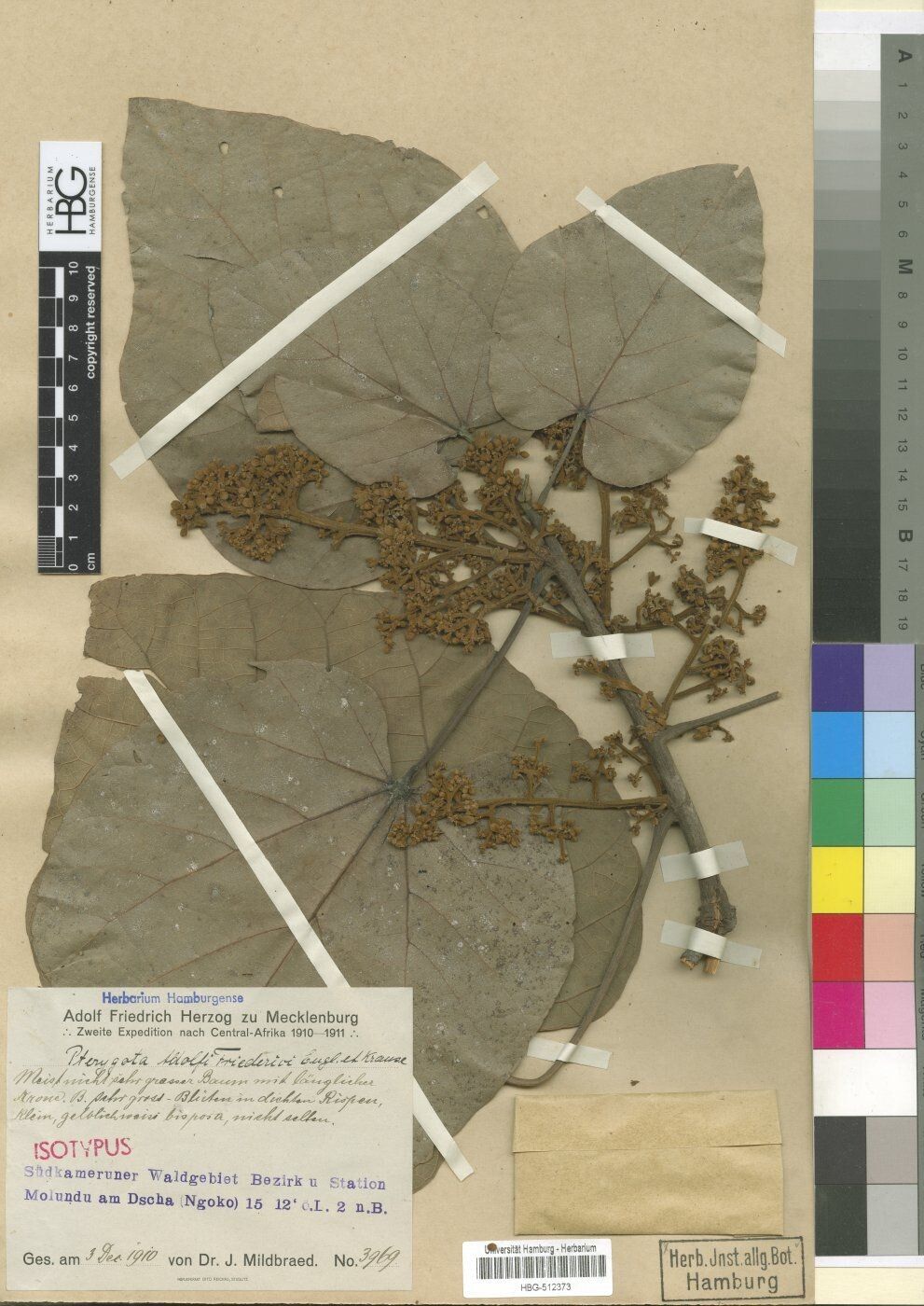
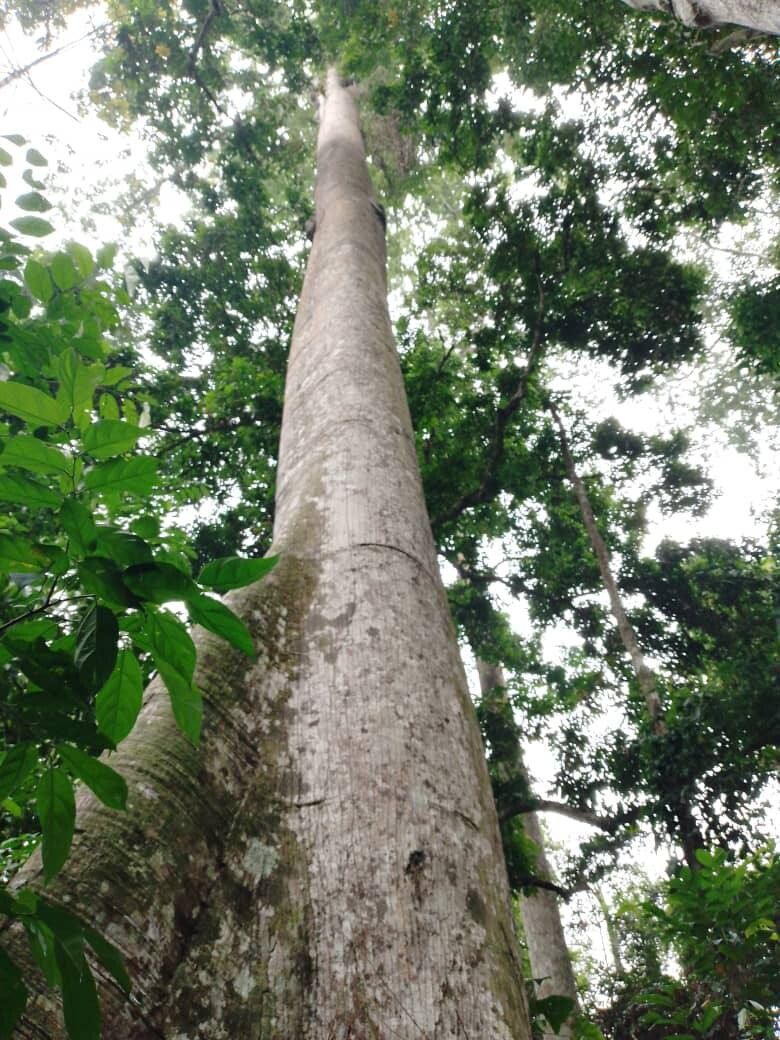
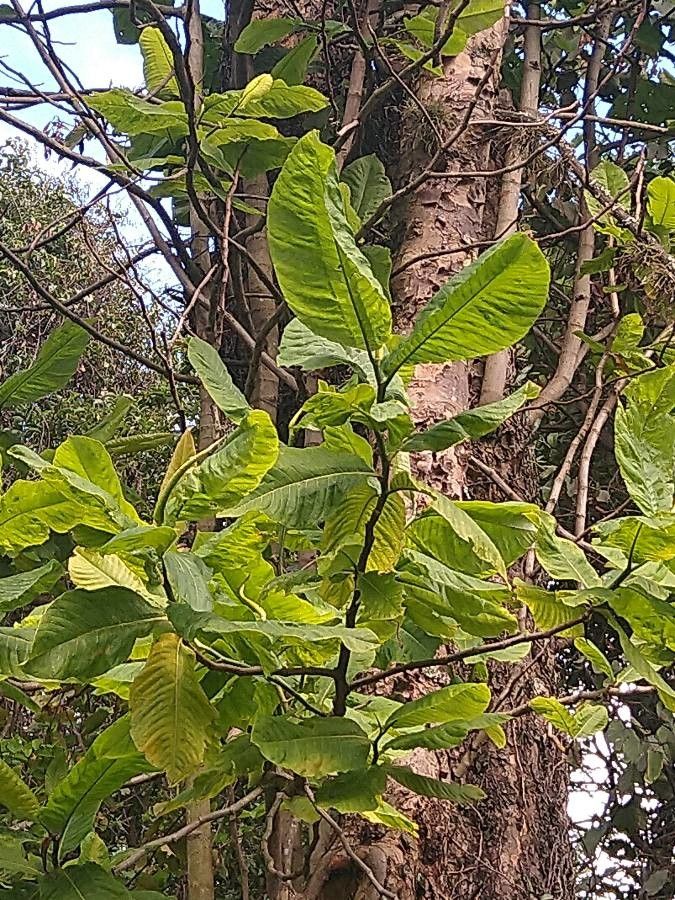
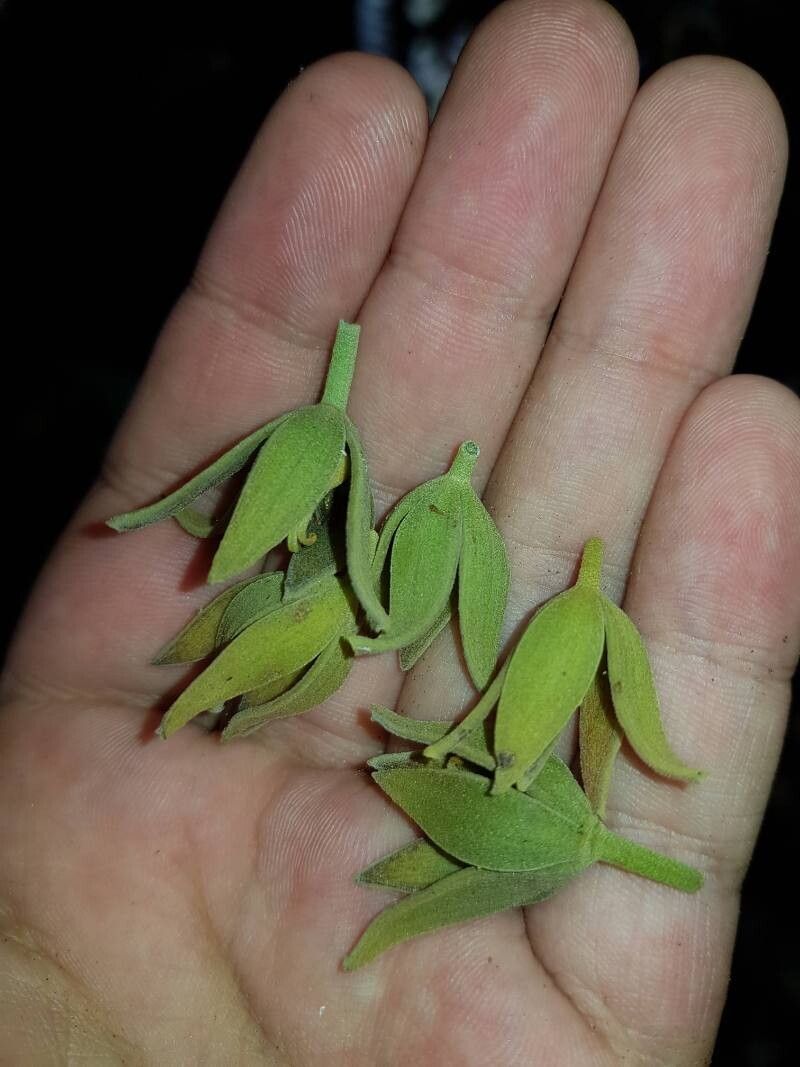
Pterygota alata is a species of large deciduous tree with winged seeds and large, simple leaves belonging to the family Malvaceae. It is commonly found in tropical and subtropical regions of South and Southeast Asia, particularly in India, Bangladesh, Myanmar, and Thailand.
Buddha's coconut is resistant to diseases and is usually not easily affected by them. Regarding care, this plant is fairly low-maintenance. When grown outdoors it needs little watering, and larger plants typically do not require pruning. Smaller plants, however, should be pruned after they finish blooming. Buddha's coconut is appropriate for anyone with an outdoor area, such as a garden or deck, and does not demand extensive care experience.
How to keep Pterygota Alata.
Light
Buddha's coconut does best in a setting where it receives abundant sunlight all day, imitating its native habitat. Too much sun will not damage the plant; however, too little light can cause poor growth and development. Sunlight is important at every stage of its growth.
Water
Native to tropical regions, Buddha's coconut is an efficient moisture absorber and exhibits drought tolerance, though it thrives best in consistent humidity. To maintain the right level of soil moisture without causing over-saturation, water the plant every 2-3 weeks. Often cultivated indoors, Buddha's coconut grows well in well-draining soil that supports healthy development.
Temperature
Buddha's coconut is found naturally in areas where temperatures range from 68 to 95 °F (20 to 35 ℃). The plant thrives in moderate climates but can adapt to seasonal temperature fluctuations when necessary.
Fertilizer
Fertilize your Buddha's coconut in early spring to encourage healthy growth. Regular fertilizing boosts its overall health, leading to vigorous growth, greater tolerance of harsh conditions, and better resistance to pests and diseases. Keep to a consistent fertilization schedule for your Buddha's coconut to maintain vibrant, deeply colored foliage and a lush appearance.
Pruning
To encourage healthy growth and improve its shape, prune Buddha's coconut tree from early to late winter. Remove any dead or crowded branches to enhance air circulation and light penetration. Regular pruning helps to strengthen the tree's structure, enhances its appearance, reduces stress, and supports natural healing.
Botanical profile.
- Plant Type
- Tree
- Life Cycle
- Perennial
- Genus
- Pterygota
- Family
- Malvaceae
- Hardiness Zone
- 9-10
- Mature Height
- 29.87 m
- Mature Spread
- 7.92 m
- Leaf Color
- Dark Green
- Leaf Type
- Evergreen
- Flower Color
- White, Yellow
- Flower Size
- 1.02 cm to 1.52 cm
- Bloom Time
- Late spring, Early summer
- Planting Time
- Spring, Summer
- Harvest Time
- Late summer, Early fall, Mid fall
- Native Area
- India, Malaysia, Cambodia, Vietnam, Myanmar, Bhutan, Bangladesh, Laos, Thailand, China
Other names.
Reader questions.
What are the sunlight requirements for Buddha's coconut?
Buddha's coconut requires full sun, meaning it needs above 6 hours of sunlight daily to thrive. It's essential to watch how sunlight moves through your garden, selecting spots that offer a balance of light and shade, ensuring your plants' growth and happiness. In its natural habitat, Buddha's coconut can absorb ample sunlight throughout the day, and excessive sunlight will not harm the plant. However, inadequate sunlight may lead to poor growth and development.
What is the ideal temperature range for growing Buddha's coconut?
Buddha's coconut thrives in environments where the temperature ranges between 68 to 95 °F (20 to 35 °C). It is a plant well-suited to moderate climates and has the ability to adjust to seasonal temperature fluctuations within this range. While it possesses some cold tolerance, it generally does not require special measures for cold protection as long as the temperature remains above 0°C.
How can artificial lighting benefit indoor Buddha's coconut plants?
Indoor plants, including Buddha's coconut, require adequate lighting for optimal growth, especially when natural sunlight is insufficient. Artificial lighting, such as LED lights which can provide specific wavelengths needed by plants, is a vital solution. Full sun plants need 30-50W/sq ft, partial sun plants need 20-30W/sq ft, and full shade plants need 10-20W/sq ft of artificial light. Place the light source 12-36 inches above the plant and mimic the length of natural daylight hours, which most plants need for about 8-12 hours of light per day.
How to protect Buddha's coconut from cold temperatures?
If the temperature is expected to drop below 0°C, it is important to take temporary measures to protect Buddha's coconut from the cold. Wrapping the plant with plastic film, fabric, or other suitable materials can provide the necessary insulation against cold temperatures. Once the temperature rises again, the protective coverings should be removed to prevent any possible damage due to overheating or restricted airflow.
What are the signs of light deficiency in Buddha's coconut?
Signs of light deficiency in Buddha's coconut include small leaves, leggy or sparse growth, faster leaf drop, slower or no new growth, lighter-colored new leaves, and symptoms of chlorosis, sunscald, leaf curling, wilting, and leaf scorching. These signs indicate that the plant is not receiving adequate sunlight, leading to various growth and health issues. It's crucial to address these symptoms early by adjusting the plant's exposure to light.
What are the symptoms of cold damage in Buddha's coconut, and how can it be managed?
Cold damage in Buddha's coconut manifests when temperatures fall below ideal. At temperatures below -5°C, the leaves may droop, and in severe cases, they can wilt and fall off. To manage cold damage, it's advised to trim off the frost-damaged parts of the plant. Before another cold period, the plant should be wrapped with non-woven fabric or cloth and provided with a wind barrier to protect it from cold winds.
How can I address Buddha's coconut light deficiency?
To address light deficiency in Buddha's coconut, gradually move the plants to sunnier locations, providing at least 6 hours of direct sunlight daily. For indoor plants, consider using a south-facing window or artificial lights such as desk or ceiling lamps for at least 8 hours daily. Gradual relocation helps avoid sunburn. If outdoor or indoor placement isn't possible, enhance light exposure by reducing obstructions like pruning or using plant grow lights. Note that parts of the plant previously affected may not recover, but new growth will be healthy with proper light adjustment.
How does high temperature affect Buddha's coconut, and what are the remedies?
When temperatures climb above 35°C, Buddha's coconut may experience stress. Symptoms of high temperature stress include lighter leaf color, dry and withered leaf tips, curling leaves, and increased susceptibility to sunburn. To remedy this, trim away the sunburned and dried-up parts of the plant. Move the plant to a shaded location or use a shade cloth to protect it from the midday and afternoon sun. Watering the plant in the morning and evening can also help keep the soil moist and support the plant during hot conditions.
What is the botanical name of Buddha's coconut?
The botanical name of Buddha's coconut is Pterygota alata.