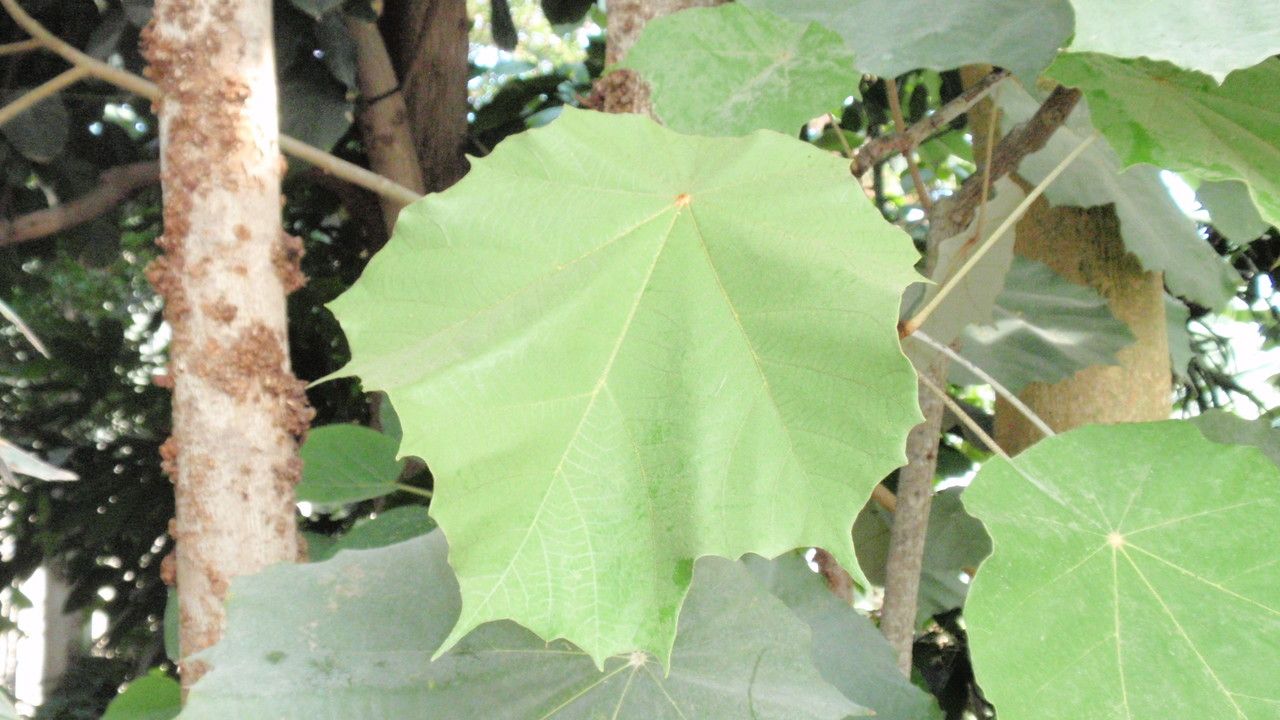
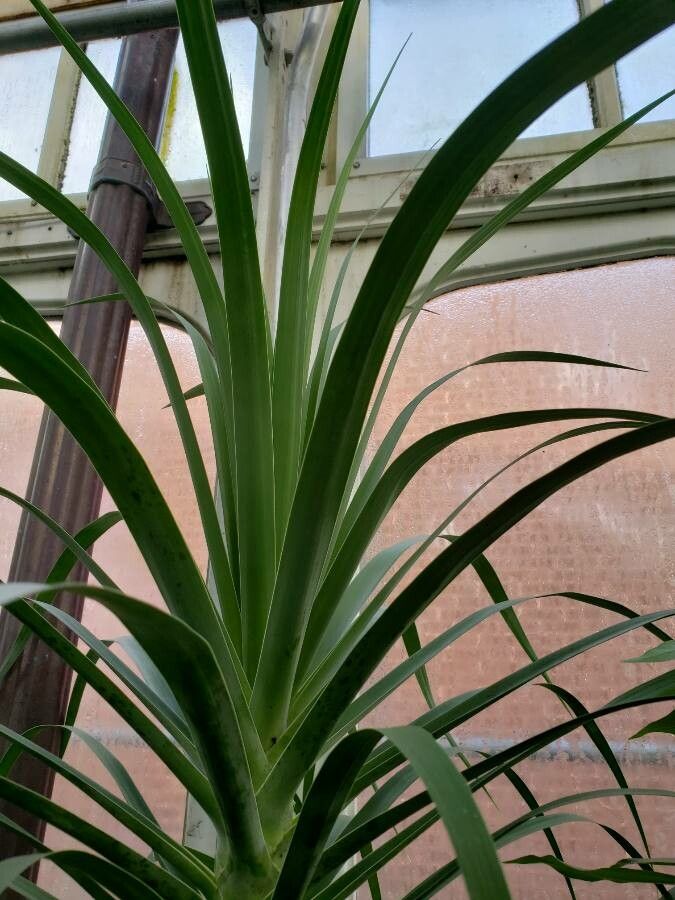
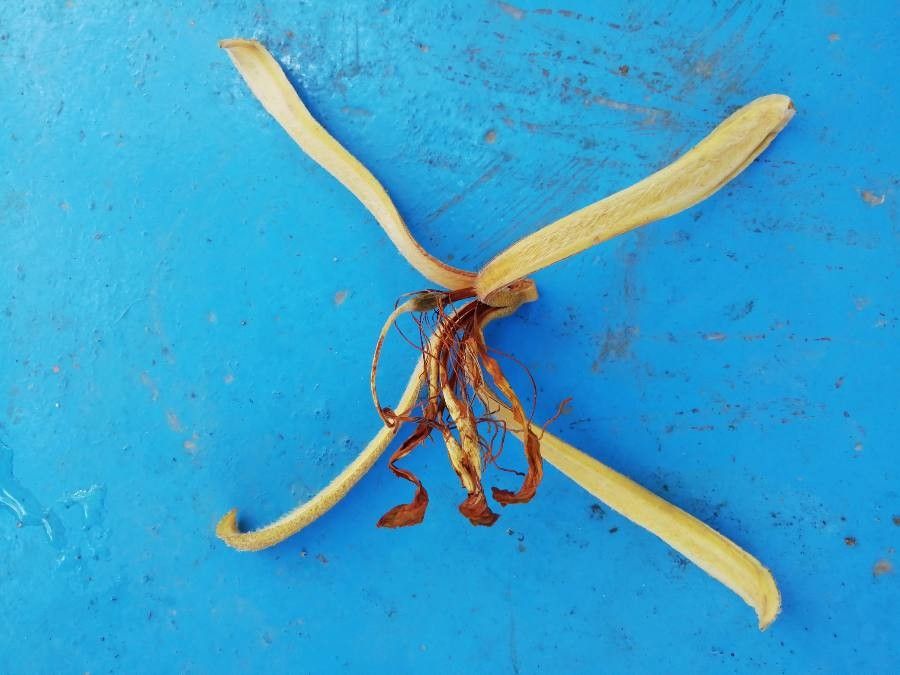
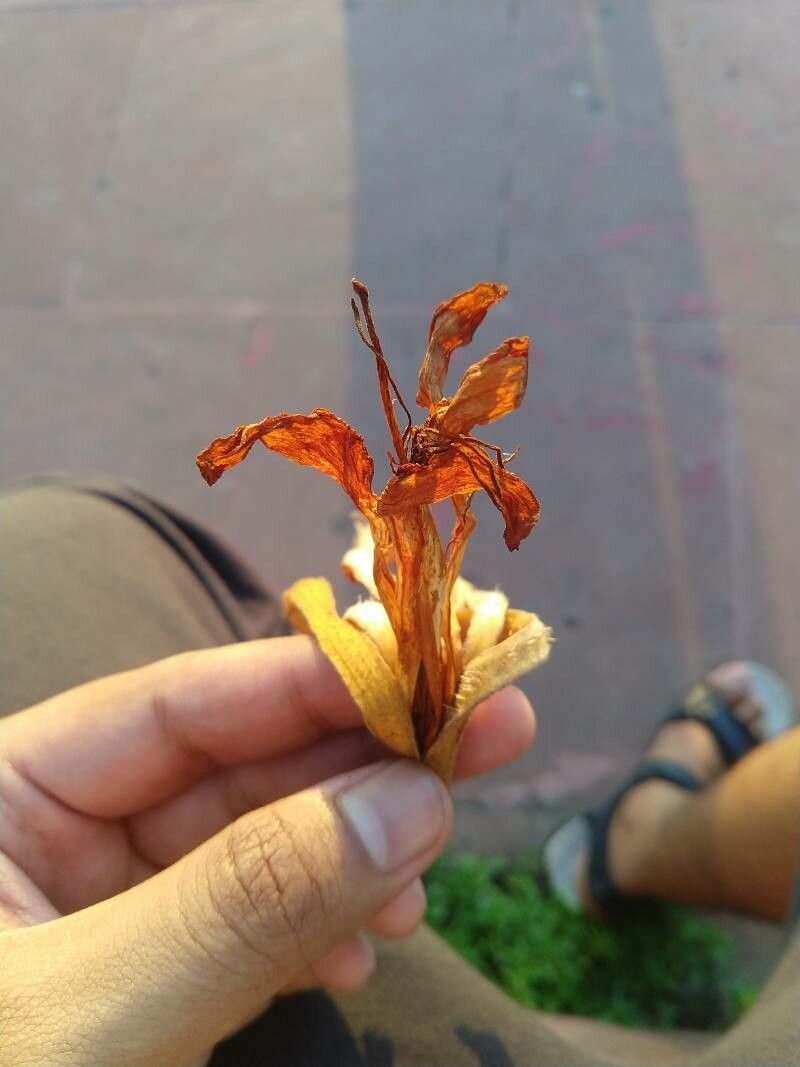
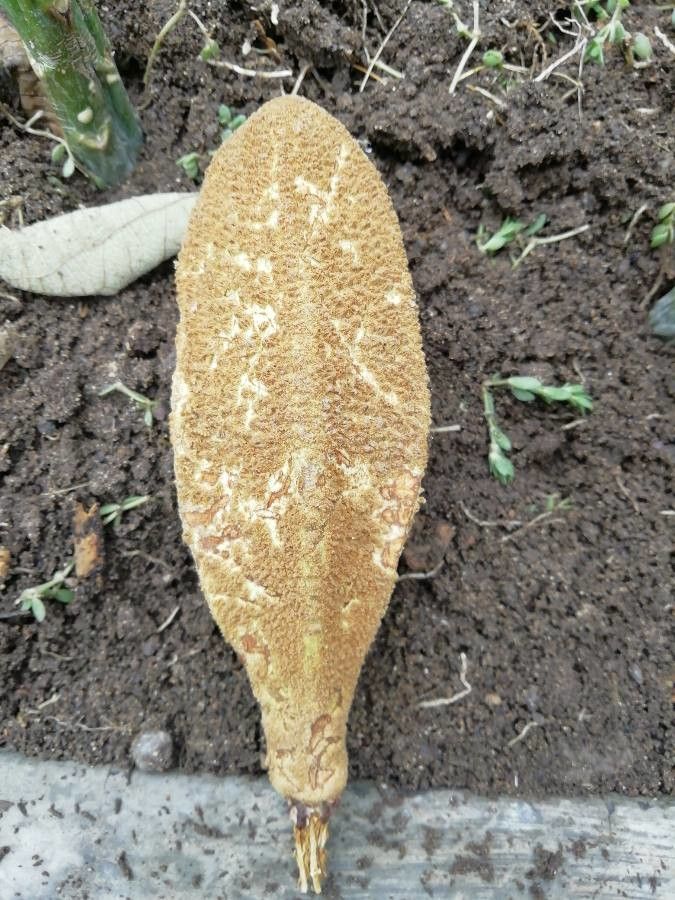
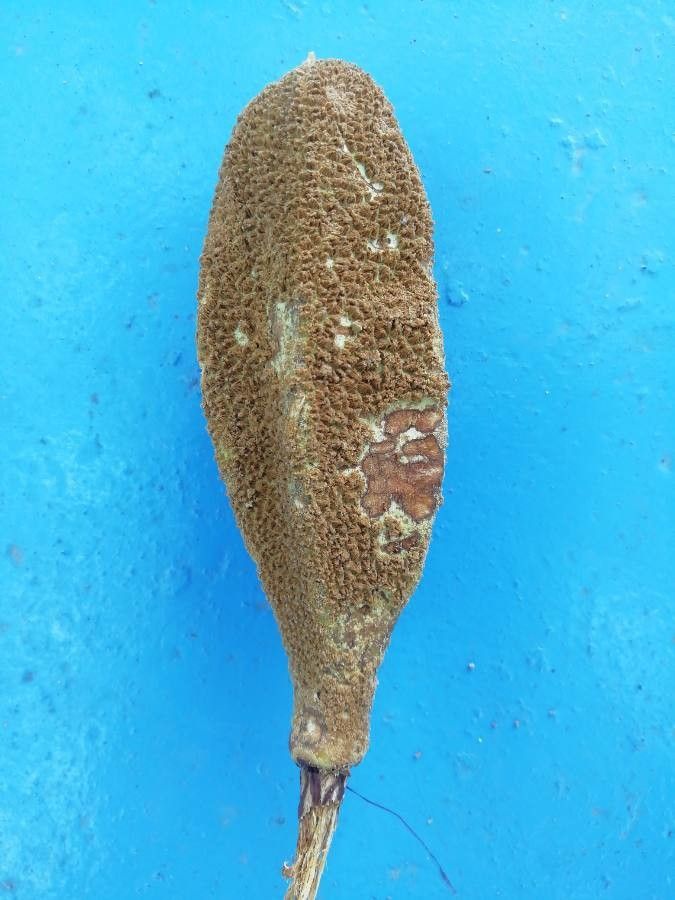
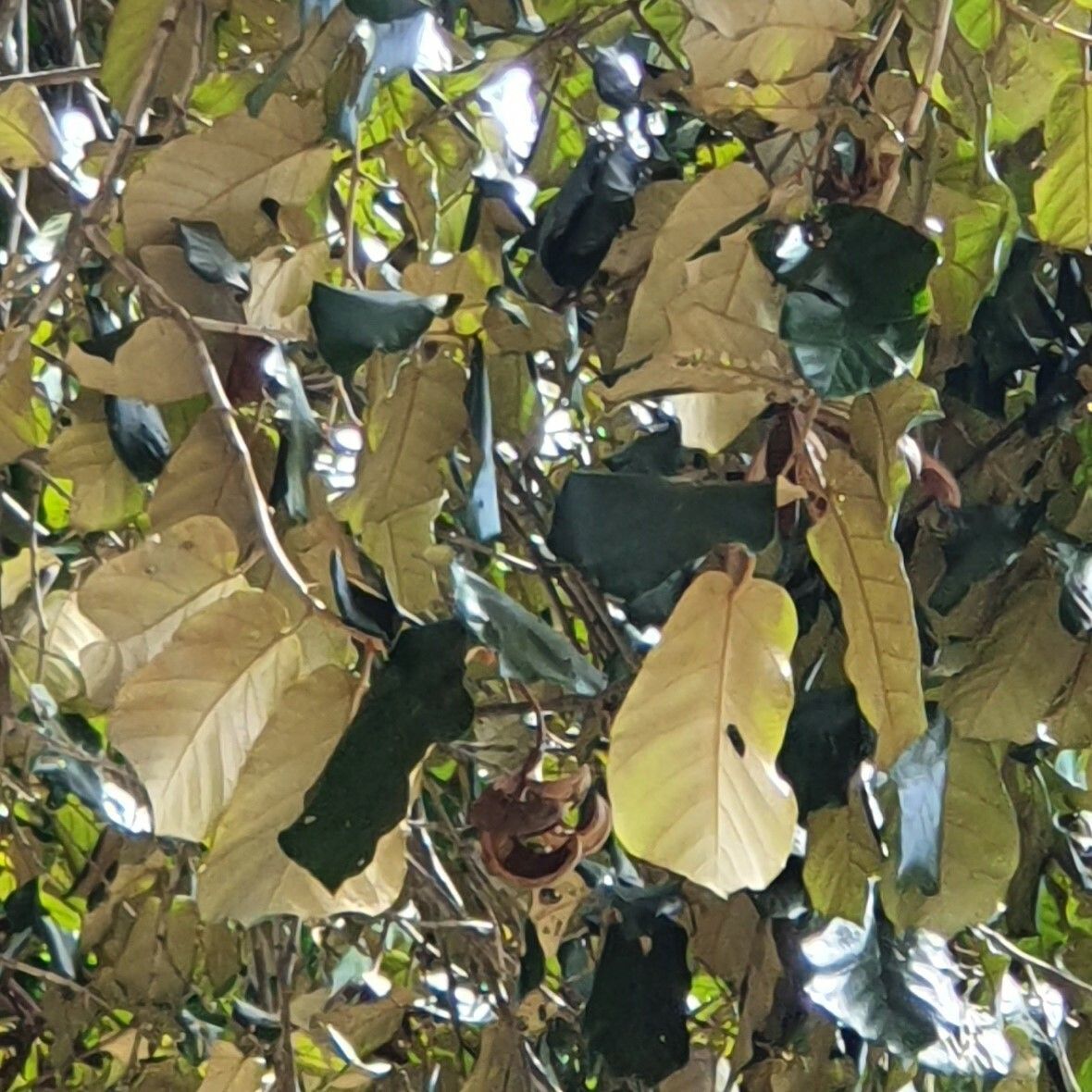
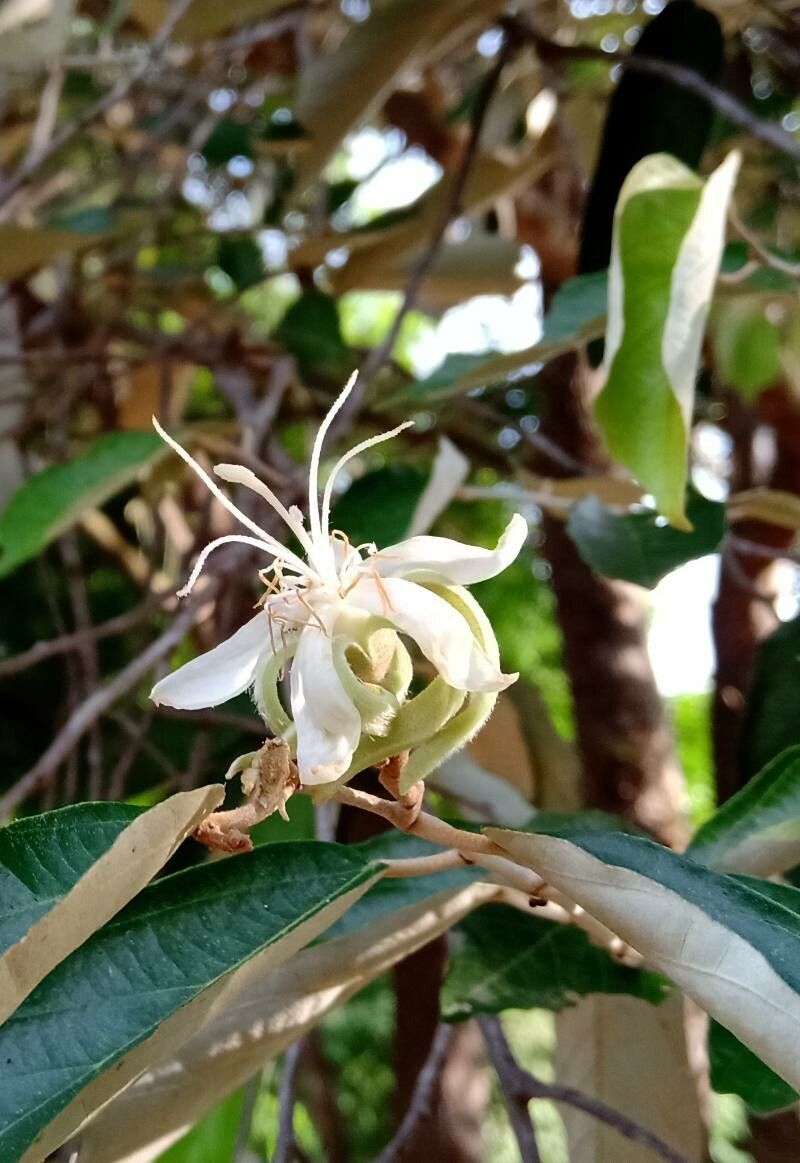
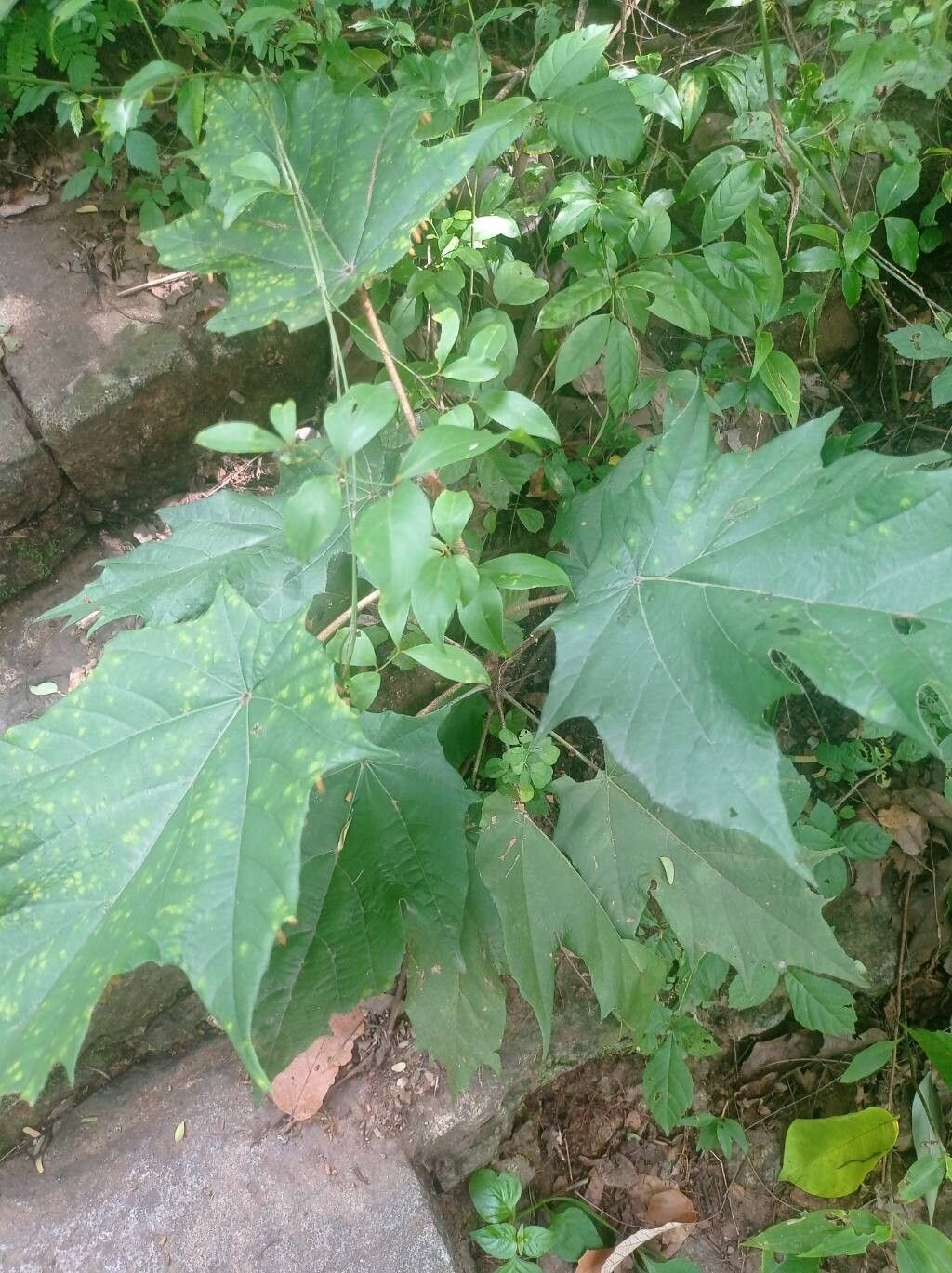
Pterospermum acerifolium, the bayur tree or karnikara tree, is a flowering plant indigenous to Southeast Asia, from India to Burma. It is most likely to grow naturally along forested stream banks. The best growing conditions are a seasonally moist then dry climate with access to full sunlight. Pterospermum acerifolium is an angiosperm that is traditionally included in the family Sterculiaceae; however, it is grouped in the expanded family Malvaceae as well. The classification Pterospermum is based on two Greek words, Pteron and Sperma, meaning “winged seed” and the species name acerifolium indicates leaves shaped like a maple's. There is an array of common names for Pterospermum acerifolium, depending on the region where it is grown. It is commonly referred to as Kanak Champa, Muchakunda or Karnikar Tree within its native range. In the Philippines, it is known as Bayog. Other common names include Bayur Tree, Maple-Leafed Bayur Tree, and Dinner Plate Tree. It is a relatively a large tree, growing up to thirty meters tall. Mostly planted as an ornamental or shade tree, the leaves, flowers, and wood of a Bayur Tree can serve a variety of functions.
Pterospermum heterophyllum is fairly disease-resistant and is generally unlikely to develop diseases. Regarding care, this plant is relatively low-maintenance. When grown outdoors it needs minimal watering, and larger specimens usually do not require pruning. Smaller plants, however, should be pruned after they finish blooming. Pterospermum heterophyllum is suitable for anyone with outdoor space, such as a garden or a deck, and does not require extensive care experience.
How to keep Pterospermum Acerifolium.
Light
Pterospermum heterophyllum is native to habitats like forest understories or rocky areas, where it is naturally shaded. It prefers partial sun but can tolerate full sun or full shade, demonstrating its versatility and hardiness.
Water
The dinner plate tree thrives in high humidity but can also withstand periods of drought. It grows best when watered evenly every 2 to 3 weeks. As an evergreen, this tree keeps its leaves all year round, which helps it conserve water effectively.
Temperature
Pterospermum heterophyllum comes from tropical areas where the climate is generally warm and humid. Consequently it is well suited to high temperatures and humidity. It does not tolerate sudden temperature shifts and prefers a stable thermal environment, so indoor temperature fluctuations should be avoided. It usually cannot endure cold conditions and requires higher temperatures to grow; if the surrounding temperature falls too low, the plant may stop growing or even die.
Fertilizer
Fertilizing is essential for the care of Pterospermum heterophyllum. Regular applications during the growing season supply the energy needed for its showy foliage and encourage overall development. Skipping fertilization can cause poor leaf health, reduced ornamental value, and stunted or weakened growth that is more susceptible to breaking.
Pruning
For optimal growth and ornamental value, strategically prune the dinner plate tree during its dormant phase, ideally from early to late winter. Focus on removing dead branches and maintaining an open structure to improve airflow. Be sure to use clean, sharp tools to enhance the tree's vitality.
Botanical profile.
- Plant Type
- Tree
- Life Cycle
- Perennial
- Genus
- Pterospermum
- Family
- Malvaceae
- Hardiness Zone
- 10-12
- Mature Height
- 20.12 m
- Mature Spread
- 4.88 m to 7.92 m
- Leaf Color
- Dark Green, Olive Drab
- Leaf Type
- Evergreen
- Flower Color
- White
- Flower Size
- 5.08 cm to 6.35 cm
- Bloom Time
- Late spring, Early summer
- Planting Time
- Spring, Summer, Autumn
- Harvest Time
- Late summer, Early fall, Mid fall
- Native Area
- Cambodia, Vietnam, China
Other names.
Reader questions.
How should I water my Dinner plate tree?
Watering your Dinner plate tree is a flexible task that doesn't require any specific tools. You can use common watering equipment such as watering cans, hoses, or even cups to keep the soil moist. It's important to water the plant by directly applying the water to the soil. Make sure to evenly moisten all areas of the soil to provide sufficient hydration to the entire root system. Using filtered water is recommended as tap water may contain harmful particles. Additionally, using water that is at or slightly above room temperature is ideal as extremely cold or hot water may shock the Dinner plate tree. However, this plant typically responds well to any kind of water you provide.
What are the sunlight requirements for the Dinner Plate Tree?
The Dinner Plate Tree (Pterospermum acerifolium) requires full sunlight to thrive, which means it should receive more than 6 hours of sunlight daily. However, it can also grow under partial sun conditions, receiving about 3-6 hours of sunlight. It's important to observe how sunlight moves through your garden to choose spots that offer the right balance of light and shade, ensuring the plant's wellbeing. Ample sun exposure during its growing stages promotes healthy growth, although the tree demonstrates a certain level of tolerance to varying sunlight conditions.
What is the Dinner plate tree?
The Dinner plate tree is known scientifically as Pterospermum acerifolium. It is a species recognized for its significant features and contributions to its natural habitat, though specific details such as its essentials and symptoms when lacking care were not provided in the information.
What should I do if I give my Dinner plate tree too much or too little water?
Outdoor plants, especially newly planted ones or seedlings, are susceptible to lack of watering. It is important to consistently water them for a few months while they are small or newly planted. Once the roots are established, Dinner plate trees can rely on rainfall most of the time. When Dinner plate trees are planted in pots, overwatering is more likely. If you accidentally overwater your tree, you should take immediate action to rectify the situation. First, stop watering the plant to minimize the impact of overwatering. Next, remove the Dinner plate tree from its pot and inspect the roots. If there is no sign of root rot, you can return the plant to its container. However, if there are signs of root rot, trim away affected roots and consider applying a fungicide to prevent further damage. Finally, repot the tree in well-draining soil. In the case of underwatering, simply water the Dinner plate tree more frequently. Underwatering is usually easily remedied. If you notice drooping, drying out, and falling leaves, water the plant adequately. The leaves will soon return to their fullness. Adjust your watering frequency as soon as you recognize the signs of underwatering.
How does artificial lighting support indoor growth of the Dinner Plate Tree?
Indoor plants, including the Dinner Plate Tree, require adequate lighting for optimal growth. When natural sunlight is insufficient, especially during winter or in less sunny spaces, artificial lights can be an essential solution. LED lights are recommended due to their ability to provide specific wavelengths needed by plants. Full sun plants need about 30-50W/sq ft of artificial light, partial sun plants require 20-30W/sq ft, and full shade plants need 10-20W/sq ft. Artificial light should be placed 12-36 inches above the plant for 8-12 hours per day to mimic natural daylight hours, promoting faster and healthier growth.
How much should I water my Dinner plate tree?
Most outdoor plants can grow naturally with rainfall, but if you have limited rainfall in your area, you should water them adequately every 2 weeks in the spring and fall. In the summer, you will need to water them more frequently. During the slower growth period of winter, you can water them less often or not at all. However, if your Dinner plate tree is young or newly planted, it will require more frequent watering to help it establish and grow into a drought-tolerant plant. For potted plants, there are two main methods to determine how often to water your Dinner plate tree. The first is to follow a predetermined watering schedule of once a week or every other week. However, this may not always be accurate as it doesn't consider the specific growing conditions of your plant. Another approach is to gauge the soil moisture. Wait until the top two to four inches of soil have completely dried out before watering again, usually about ⅓ to ½ depth of the pots. This method is particularly important during the summer when the plant's water needs are highest.
What are the symptoms of light deficiency in the Dinner Plate Tree?
When the Dinner Plate Tree does not receive sufficient sunlight, it may display various symptoms indicating stress or light deficiency, including smaller new leaves, leggy or sparse growth, faster leaf drop, slower or no new growth, lighter-colored new leaves, chlorosis, sunscald, leaf curling, wilting, and leaf scorching. These symptoms typically arise from inadequate exposure to sunlight, affecting the plant's ability to photosynthesize and maintain healthy growth.
How much water does my Dinner plate tree require?
To water your Dinner plate tree effectively, you don't always need to give it a lot of water. If only a few inches of soil have dried since your last watering, giving it about five to ten ounces of water each time will support healthy growth. You can also gauge how much water to give based on the moisture in the soil. Take note of how many inches of soil have dried out between waterings. To ensure your Dinner plate tree gets enough moisture, water it enough to moisten all the dried soil layers since the last watering. If more than half of the soil is dry, consider giving it more water than usual. In those cases, keep watering until you see excess water draining from the pot's drainage holes. If your Dinner plate tree is planted in an area with sufficient outdoor rain, it may not need additional watering. When the tree is young or establishing, it should get 1-2 inches of rain per week. As it grows and becomes established, it can rely on rainwater alone. Only if the weather is hot and there has been no rainfall for 2-3 weeks, give your Dinner plate tree a thorough watering to prevent stress.
How can one manage insufficient sunlight for the Dinner Plate Tree indoors and outdoors?
To manage insufficient sunlight for the Dinner Plate Tree, gradual adjustments are key. Indoors, gradually move plants to a sunnier location weekly until they receive at least 6 hours of direct sunlight daily, using a south-facing window for maximum exposure. For large or immovable plants, consider using artificial light for at least 8 hours daily. Outdoors, similarly move plants to sunnier spots gradually to prevent sunburn. If obstructions block sunlight, like trees, consider pruning to improve light filtration. For smaller plants, transplanting during the dormant period to a sunnier location with good drainage may be beneficial. Despite efforts, parts of the plant affected by prior insufficient sunlight may not recover, but new growth should be healthier with improved light conditions.
How can I know if I'm giving enough water to my Dinner plate tree?
The Dinner plate tree is often overwatered, which can be easily recognized by a few signs. When a Dinner plate tree is overwatered, its leaves turn yellow and some may fall off. Additionally, overwatering can cause the plant to shrink in size and promote root rot. On the contrary, an underwatered Dinner plate tree will also show signs of wilting and its leaves may become brown and brittle. Whether you notice signs of overwatering or underwatering, it's important to take action and restore the health of your Dinner plate tree.
How should I water my Dinner plate tree as it grows?
When the Dinner plate tree is young, especially as a seedling, it requires more water compared to when it is fully grown. It is crucial to keep the soil consistently moist during the early stages of the plant's life to foster root development. The same applies if you have transplanted a Dinner plate tree to a new location. Additionally, providing proper care can lead to the growth of attractive flowers and fruits on the Dinner plate tree. If your tree is in a flowering or fruiting phase, it may need slightly more water than usual to support these structures.
How can I make sure my Dinner plate tree gets enough water throughout the year?
The watering needs of your Dinner plate tree will be influenced by the changing seasons. In the summer, especially in sunny areas, you'll have to water it more often due to the faster drying of the soil caused by strong sunlight. On the other hand, during winter, when the plant is not actively growing, it will require much less water. You can water it once every 2 to 3 weeks or even skip watering altogether. If you are growing the plant indoors, be cautious of appliances like air conditioners as they can cause the plant to dry out faster, necessitating more frequent watering.