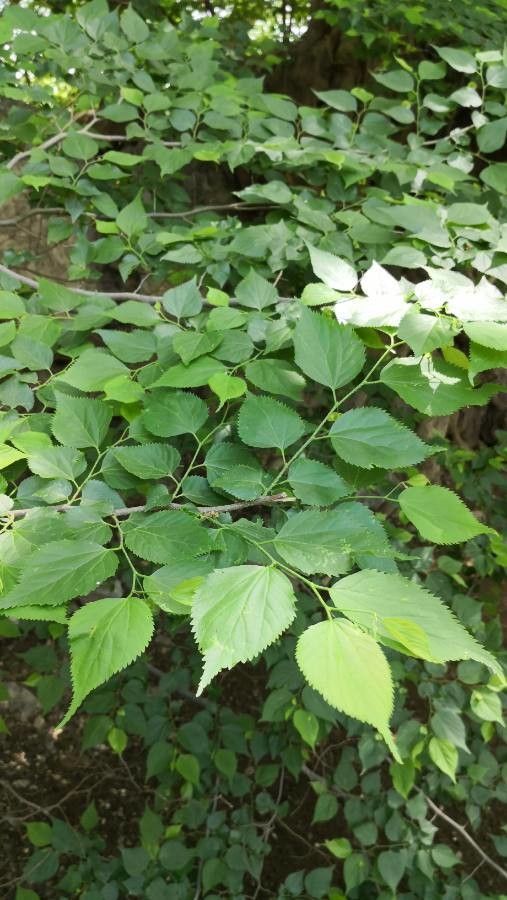
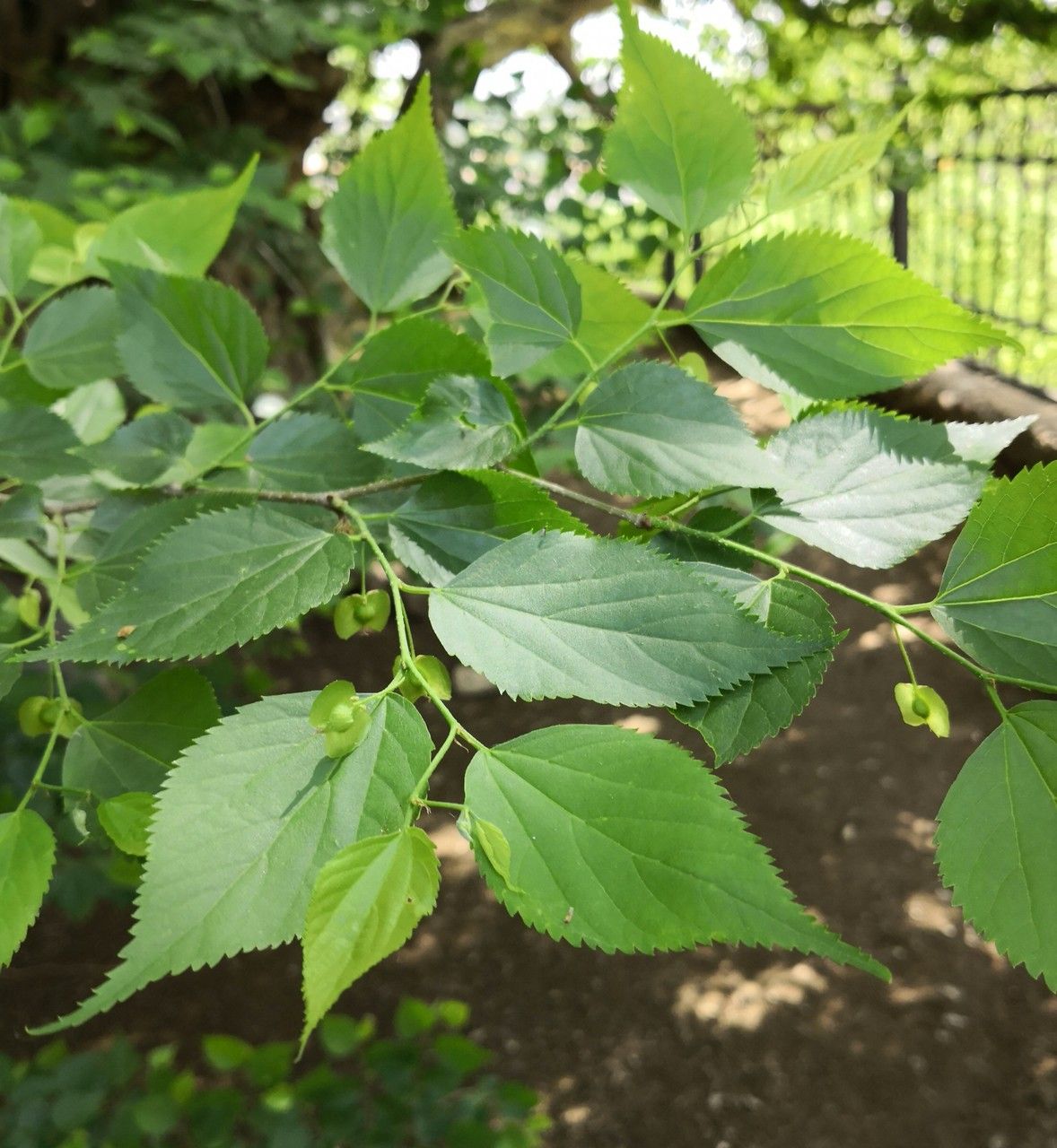
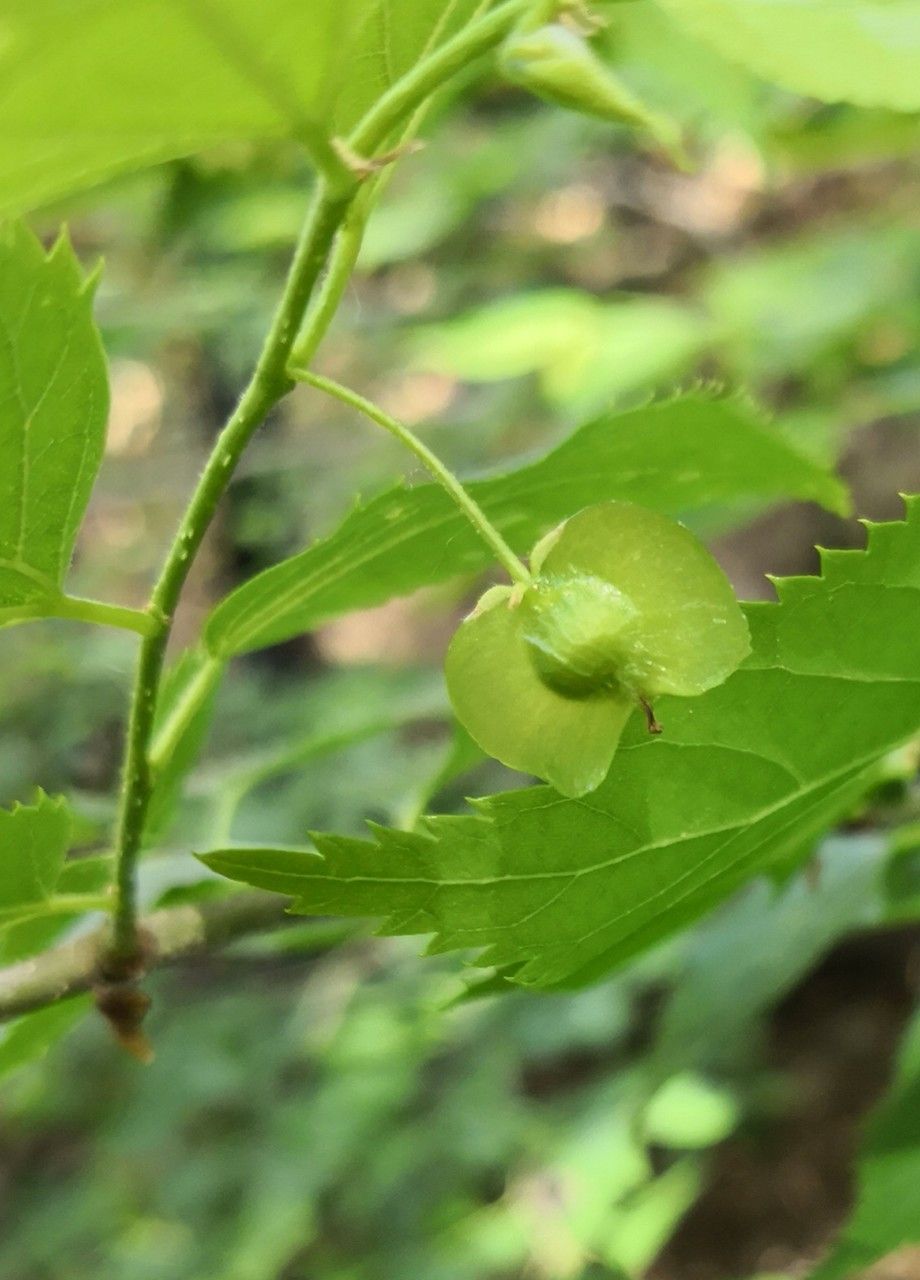
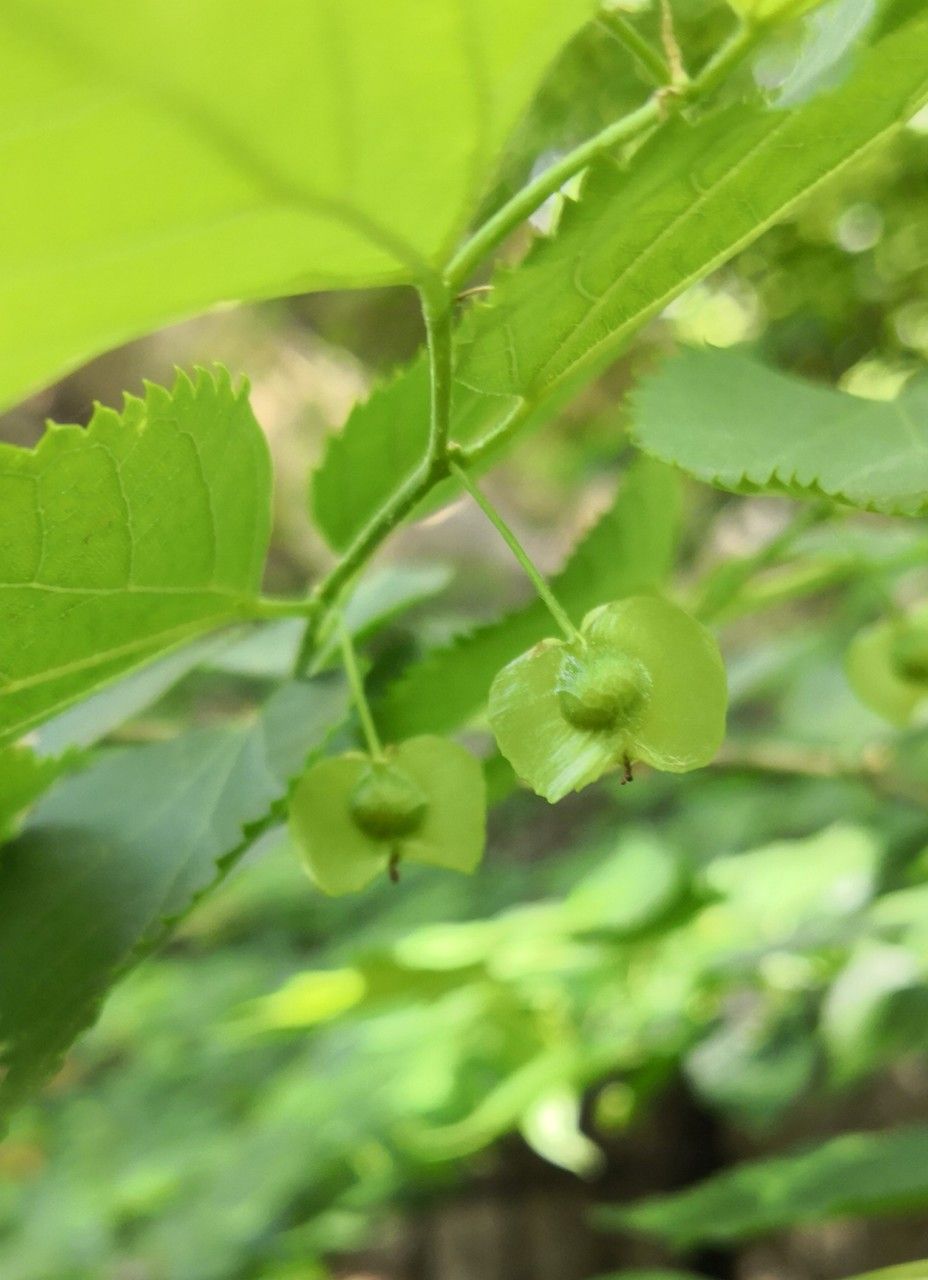
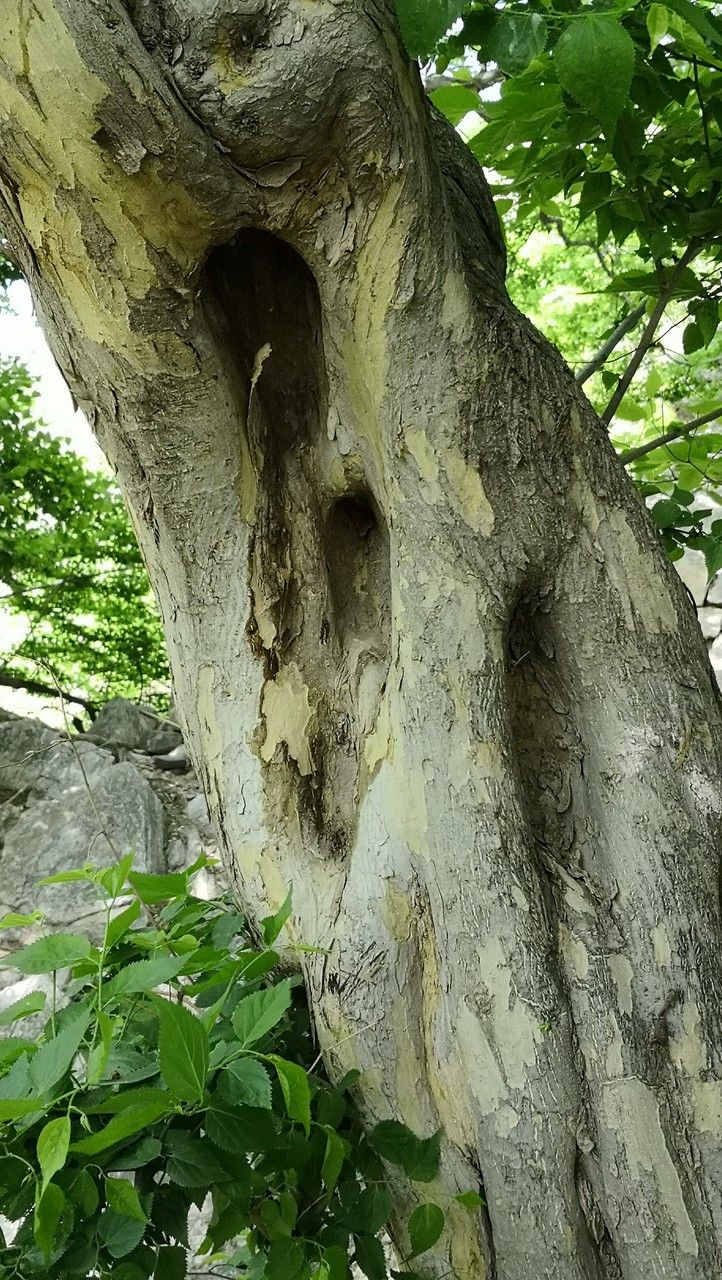
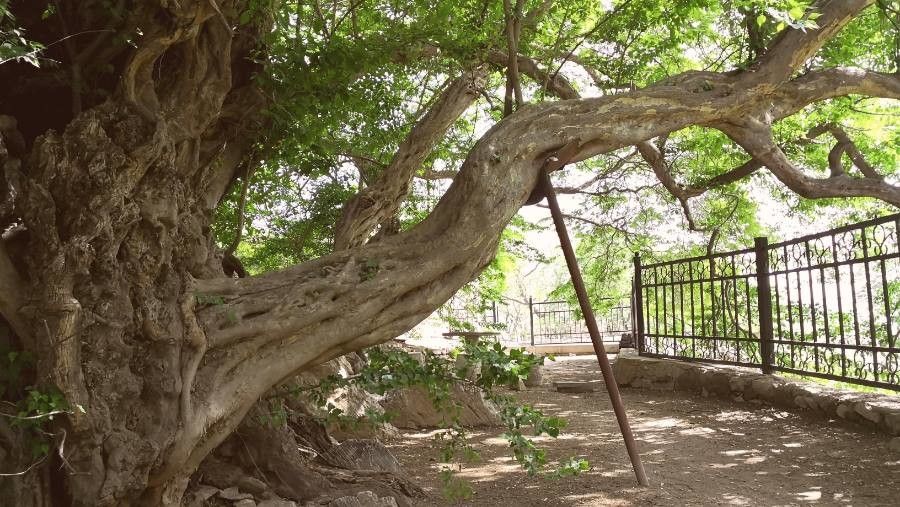
Pteroceltis tatarinowii a species of tree endemic to China and the only extant member of the genus Pteroceltis. Common names include blue sandalwood, wingceltis or qing tan (Chinese: 青檀; pinyin: Qīngtán). Trees grow to 20 m (66 ft) tall and are used for timber, the bark fiber to make Xuan paper, and oil is extracted from its seeds.
How to keep Pteroceltis Tatarinowii.
Light
Blue sandalwood does best when it receives sunlight throughout the day. This level of light, similar to the conditions of its native habitat, is necessary for healthy development. Note that either too little or too much light compared with what it expects might hinder its growth and overall health.
Water
Blue sandalwood thrives with moderate watering—approximately once every three weeks—allowing the soil to dry out slightly between waterings. It can tolerate short periods of drought and benefits from mulching to retain moisture, especially during its active growth season. This watering routine mirrors its adaptability to its native climate conditions.
Temperature
Blue sandalwood is native to habitats where temperatures typically range from 50 to 95°F (10 to 35℃). It does well in these moderate temperatures. When conditions vary significantly, appropriate seasonal adjustments may be necessary to ensure it prospers.
Fertilizer
Fertilize your Blue sandalwood in early spring to encourage healthy growth. Regular feeding improves overall health, producing vigorous growth, greater tolerance of adverse conditions, and enhanced resistance to pests and diseases. Keep a consistent fertilization schedule for your Blue sandalwood to maintain vibrant, deeply colored foliage and a lush appearance.
Pruning
Regular pruning of blue sandalwood in early spring is essential for promoting healthy growth, enhancing its appearance, and preventing structural problems. To achieve this, focus on thinning out crowded areas to improve air circulation and sunlight exposure. Be sure to use sharp, sanitized tools to make clean cuts, which will help maintain the plant's vigor.
Botanical profile.
- Plant Type
- Tree
- Life Cycle
- Perennial
- Genus
- Pteroceltis
- Family
- Cannabaceae
- Hardiness Zone
- 6-9
- Mature Height
- 20.12 m
- Mature Spread
- 9.14 m to 11.89 m
- Leaf Color
- Green
- Leaf Type
- Deciduous
- Flower Color
- Green, Yellow
- Flower Size
- 0.25 cm to 0.51 cm
- Bloom Time
- Early spring, Mid spring
- Planting Time
- Spring, Summer, Autumn
- Harvest Time
- Early summer, Mid summer
- Native Area
- China
Reader questions.
What are the sunlight requirements for Blue Sandalwood?
Blue Sandalwood (Pteroceltis tatarinowii) requires above 6 hours of sunlight daily to thrive. It's crucial to observe how sunlight moves through your garden to identify spots that offer a perfect balance of light and shade, ensuring the plants' well-being. Mimicking its natural environment, abundant sun exposure is essential for the healthy growth of Blue Sandalwood. Bear in mind, both insufficient or excessive light can negatively impact its growth and health.
What is the indigenous environment of Blue sandalwood?
Blue sandalwood is indigenous to environments where the temperatures typically range between 50 to 95°F (10 to 35°C), thriving in these moderate conditions. It's important for its prosperity to make appropriate seasonal adjustments due to significant temperature variations.
How can artificial lighting supplement sunlight for Blue Sandalwood?
In scenarios where natural sunlight is insufficient, especially during winter or in areas receiving less sunlight, artificial lighting can be a vital alternative to promote healthier and faster growth of Blue Sandalwood. Opt for the right type of light such as LED, which can be tailored to provide specific wavelengths needed by your plants. Full sun plants require 30-50W/sq ft, partial sun plants need 20-30W/sq ft, while full shade plants need 10-20W/sq ft of artificial light. The light source should be placed 12-36 inches above the plant to mimic natural sunlight conditions, and it's recommended that plants receive 8-12 hours of artificial light per day.
Does Blue sandalwood need special frost protection during winter?
Although Blue sandalwood has strong cold resistance and usually doesn't require special frost protection measures, it's important to provide protection if winter temperatures are expected to drop below -25°C. This can be done by wrapping the trunk and branches with non-woven fabric or cloth. Moreover, watering the plant abundantly before the first freeze in autumn helps keep the soil moist and prevents drought and water scarcity during winter and early spring.
What are common symptoms of light deficiency in Blue Sandalwood?
Light deficiency in Blue Sandalwood can lead to several symptoms including smaller new leaves, leggy or sparse growth, faster leaf dropping, halted growth, and pale-colored new leaves. Additionally, too much sunlight may cause chlorosis (yellowing of leaves), sunscald (damaged leaves or stems from intense sunlight), leaf curling (to minimize sunlight exposure), wilting (due to increased water loss), and leaf scorching (brown, dry edges on leaves), indicating the plant's struggle with its light environment.
How does low temperature affect Blue sandalwood, and what solutions are recommended?
Blue sandalwood is cold-tolerant and thrives best when temperatures are above 10°C. It should be kept above -15°C during winter. When temperatures fall below -25°C, the branches may not show immediate damage during winter but may become brittle and dry during spring, failing to produce new shoots. The recommended solution for these symptoms is to prune away any dead branches that failed to produce new leaves in spring.
What are the solutions for light-related issues in Blue Sandalwood?
To address light-related problems in Blue Sandalwood, gradually adjust the plant to receive more sunlight or supplement with artificial light. For indoor plants, move them to a sunnier spot or use a desk or ceiling lamp for at least 8 hours daily. Outdoor plants should be moved to sunnier locations progressively to prevent sunburn. Pruning obstructions or transplanting in ground for better sunlight access can also be beneficial. Note, damaged parts might not recover, but new growth will be healthy with improved light exposure.
How does high temperature affect Blue sandalwood, and what solutions are recommended?
During summer, it's crucial to keep Blue sandalwood's temperature below 35°C. Temperatures exceeding 38°C can cause the plant's leaves to lighten in color, tips to become dry and withered, and make the plant more susceptible to sunburn. To address this, trim away the sunburned and dried-up parts, move the plant to a location providing shade during midday and afternoon sun, or use a shade cloth. Ensure the soil remains moist by watering the plant in the morning and evening.