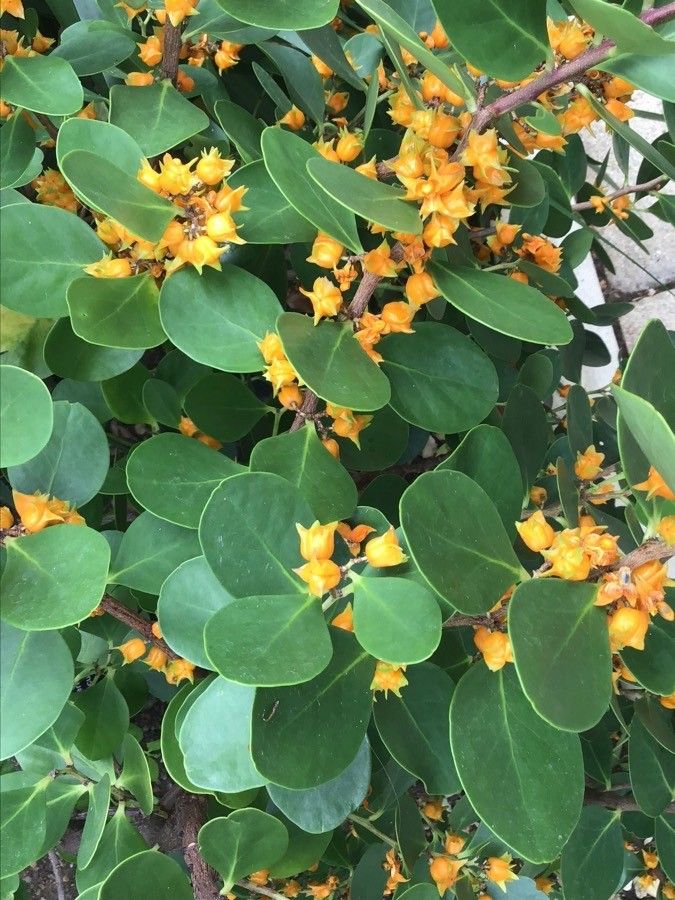
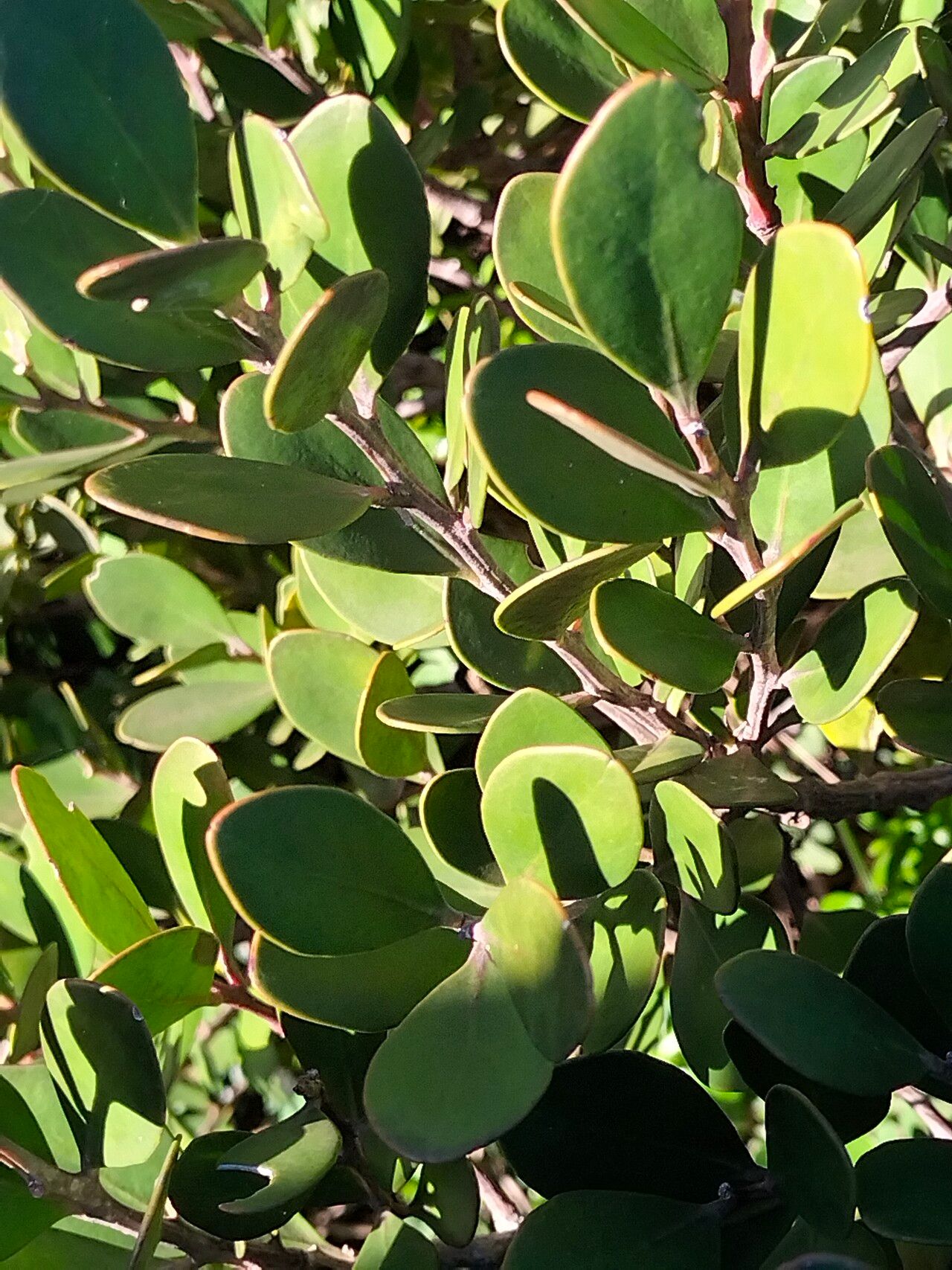
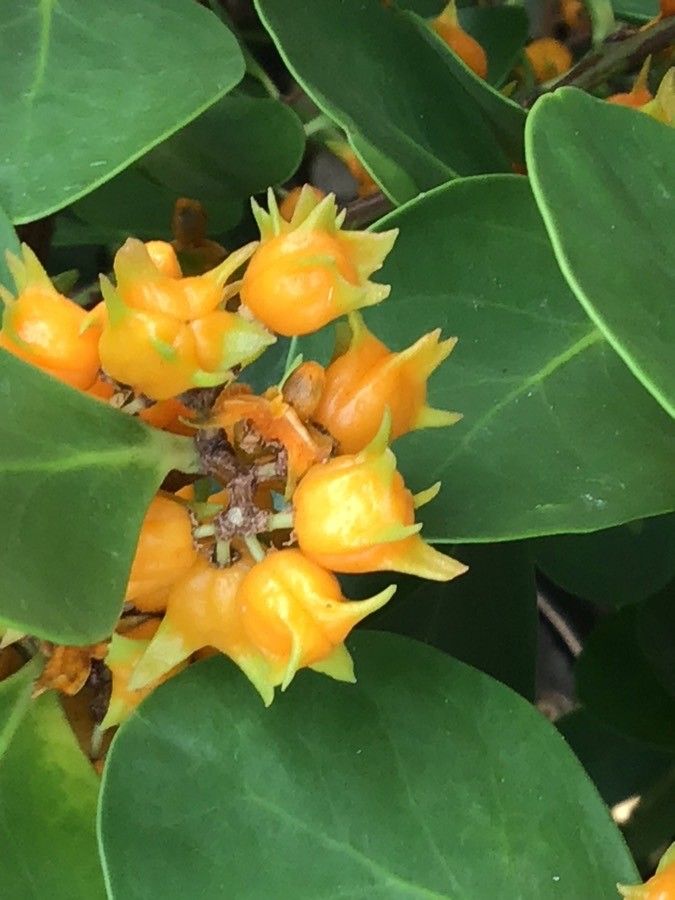
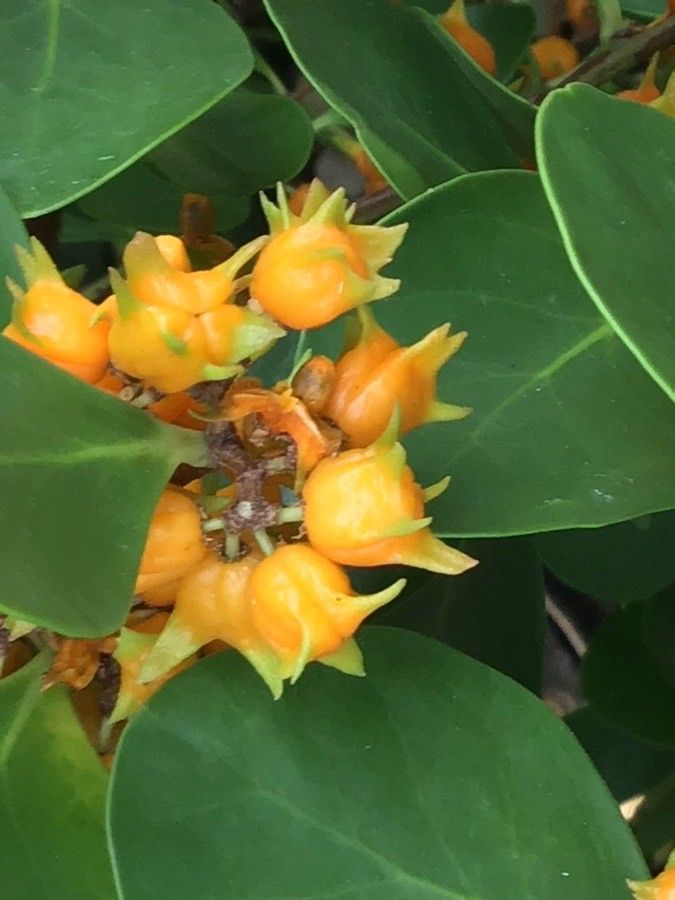
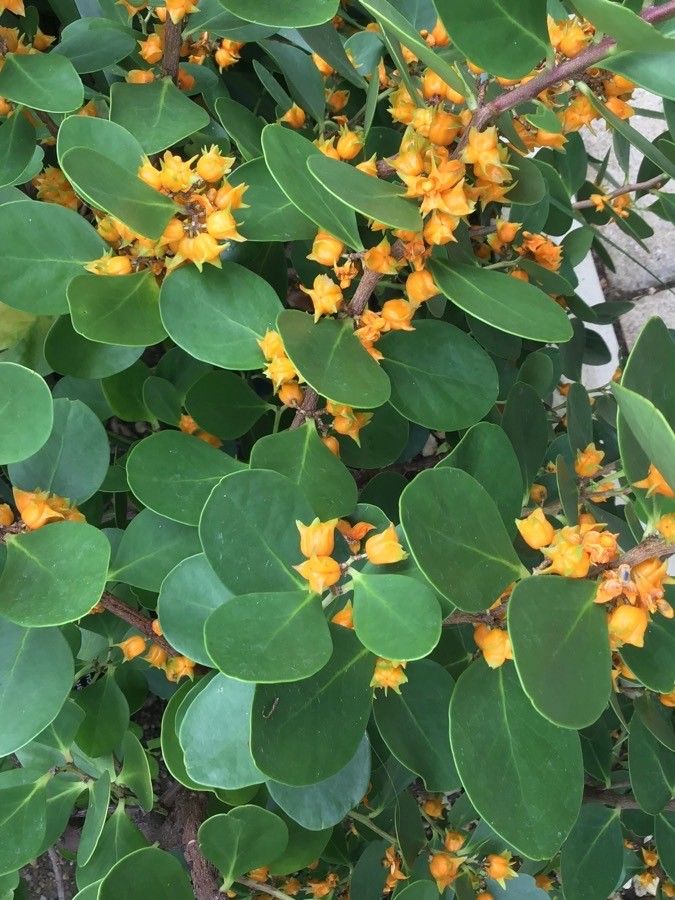
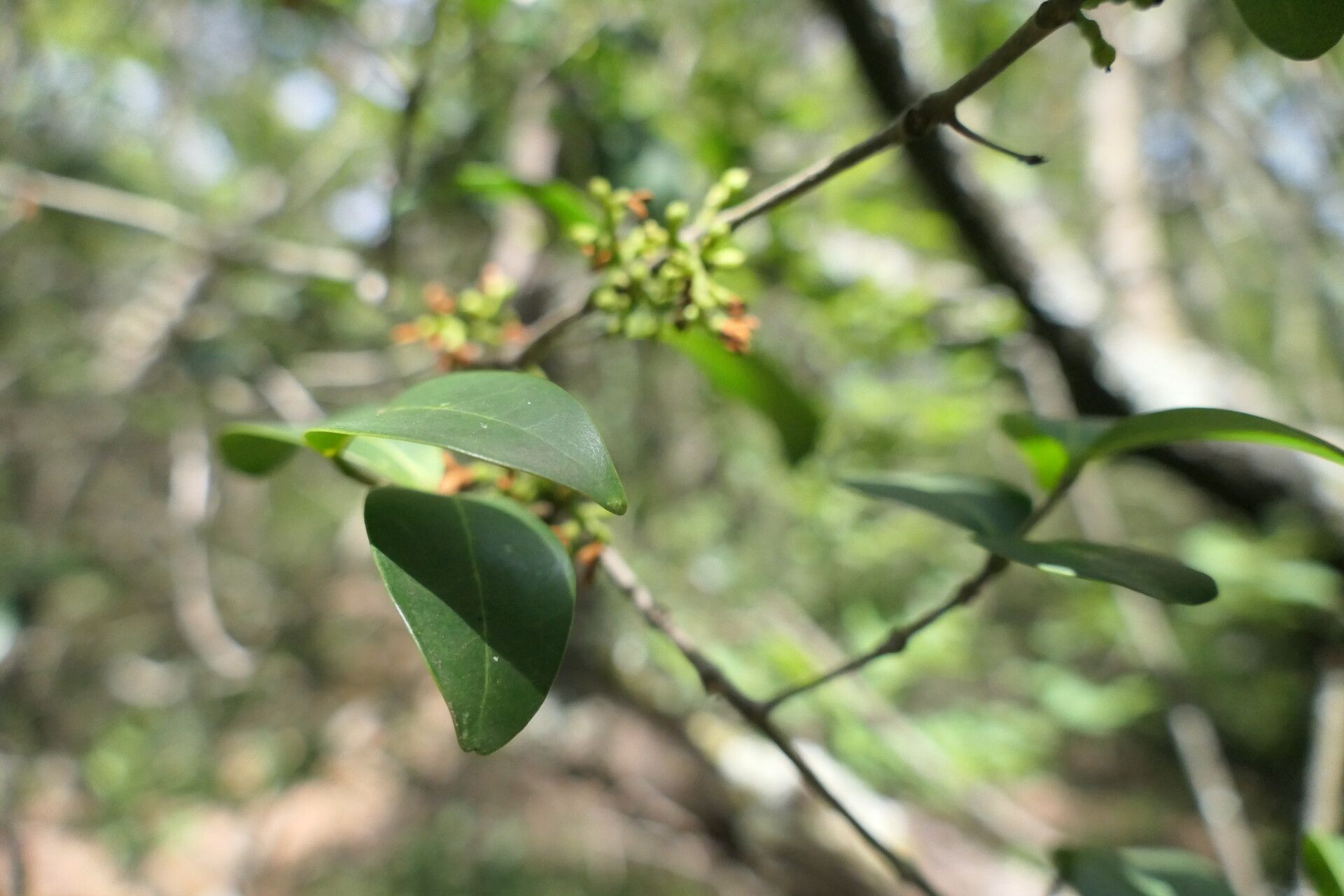
Pterocelastrus tricuspidatus, commonly called candlewood, cherrywood or kershout, is a medium-sized evergreen tree, indigenous to South Africa.
Candlewood has strong disease resistance and is usually not susceptible to diseases. In terms of care, this plant is fairly low-maintenance. When planted outdoors, it needs little watering and larger plants typically do not require pruning. Smaller plants, however, should be pruned after they have bloomed. Candlewoodt is suitable for anyone with an outdoor area, such as a garden or deck, and does not demand much gardening experience.
How to keep Pterocelastrus Tricuspidatus.
Light
Candlewood is native to open habitats, such as sunny meadows and forest edges, which provide abundant light. It does best in Full Sun but can also tolerate Partial Sun, adapting well to a range of light conditions.
Temperature
Candlewood shows good adaptability to temperature, able to withstand higher heat and fairly large temperature fluctuations. In hot conditions, you should pay attention to watering and provide suitable shade to avoid sunburn. However, Candlewood has relatively poor tolerance for low temperatures; although it can endure some cold, excessively low temperatures may cause frost damage.
Fertilizer
Timing matters when fertilizing Candlewood. Apply fertilizer in early spring and continue monthly until early summer. Fertilizer encourages attractive blooms and supplies energy during both dormant and active growth phases.
Pruning
To ensure optimal health and growth, Candlewood benefits from pruning from early to late winter. This involves removing dead branches and thinning out dense growth to improve air circulation. It's also important to trim any excessive length to encourage healthy growth and blooming. Regular pruning helps prevent legginess and maintains a compact form. Always use clean, sharp tools to reduce the risk of disease.
Botanical profile.
- Plant Type
- Tree
- Life Cycle
- Perennial
- Genus
- Pterocelastrus
- Family
- Celastraceae
- Hardiness Zone
- 9-11
- Mature Height
- 10.06 m
- Mature Spread
- 2.13 m to 3.96 m
- Leaf Color
- Dark Green
- Leaf Type
- Evergreen
- Flower Color
- White
- Flower Size
- 1.02 cm to 2.03 cm
- Bloom Time
- Mid fall, Late fall
- Planting Time
- Spring, Summer, Autumn
- Harvest Time
- Late winter, Early spring, Mid spring
- Native Area
- South Africa
Other names.
Reader questions.
What are the sunlight requirements for Candlewood?
Candlewood, also known by its botanical name Pterocelastrus tricuspidatus, thrives in environments that offer full sun, necessitating more than 6 hours of sunlight daily. However, it can also adapt to partial sun conditions, which provide about 3 to 6 hours of sunlight. It's crucial for the growth and happiness of your Candlewood plants to observe the way sunlight moves through your garden and to select locations that ensure an optimal balance of light and shade.
How does Candlewood adapt to different lighting conditions?
Candlewood originates from open environments like sunny meadows and forest edges, which means it naturally thrives in areas with abundant light. While it prefers full sun, Candlewood can also tolerate partial sun, showing its capacity to adapt to a range of sunlight conditions. For indoor plants, especially in situations where natural sunlight is limited, the use of artificial light such as LED lights can be a beneficial supplement, ensuring optimal growth by mimicking natural sunlight conditions.
What are some signs that Candlewood is not getting enough light?
Candlewood, when not receiving sufficient light, may demonstrate several symptoms such as smaller new leaves, leggy or sparse growth, faster leaf drop, slower or halted growth, and lighter-colored new leaves. Additional signs include chlorosis, where leaves turn yellow losing their green hue, sunscald leading to damaged leaves or stems, leaf curling as a defense mechanism against intense sunlight, wilting due to excessive water loss, and leaf scorching characterized by brown, dry edges or patches on leaves.
How can I address Candlewood's light deficiencies indoors and outdoors?
To combat light deficiencies in Candlewood, gradual adjustment to brighter conditions is key. For indoor plants, gradually move them to sunnier locations, aiming for at least 6 hours of sunlight daily. Consider using south-facing windows and keeping curtains open. Artificial lighting, like grow lights or desk lamps, should be on for at least 8 hours daily if the plant is large or difficult to move. Outdoors, gradually acclimate plants to sunnier spots to prevent sunburn. Reducing obstructions, like pruning nearby trees, and transplanting to sunnier locations with good drainage, can significantly improve light exposure. Remember, while parts of the plant affected by low light may not recover, new growth will be healthy with improved lighting.