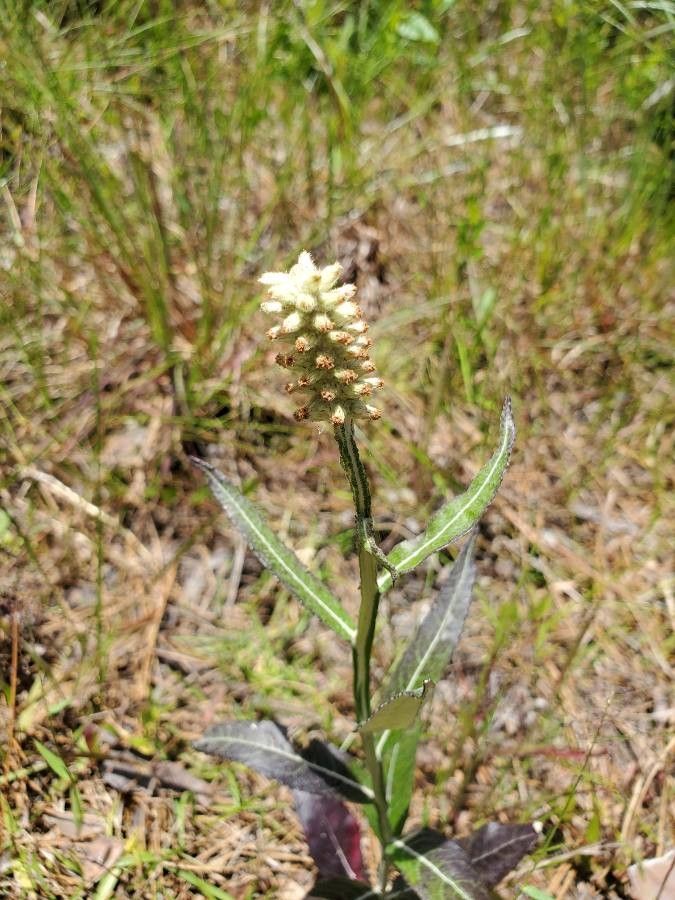
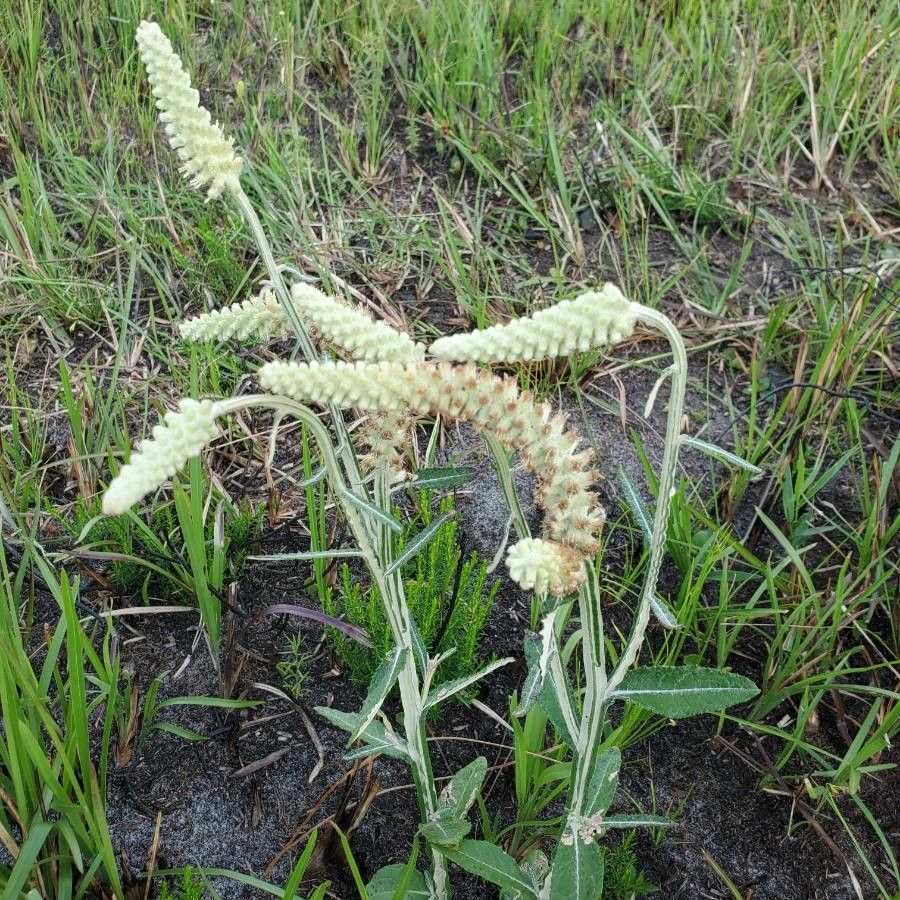
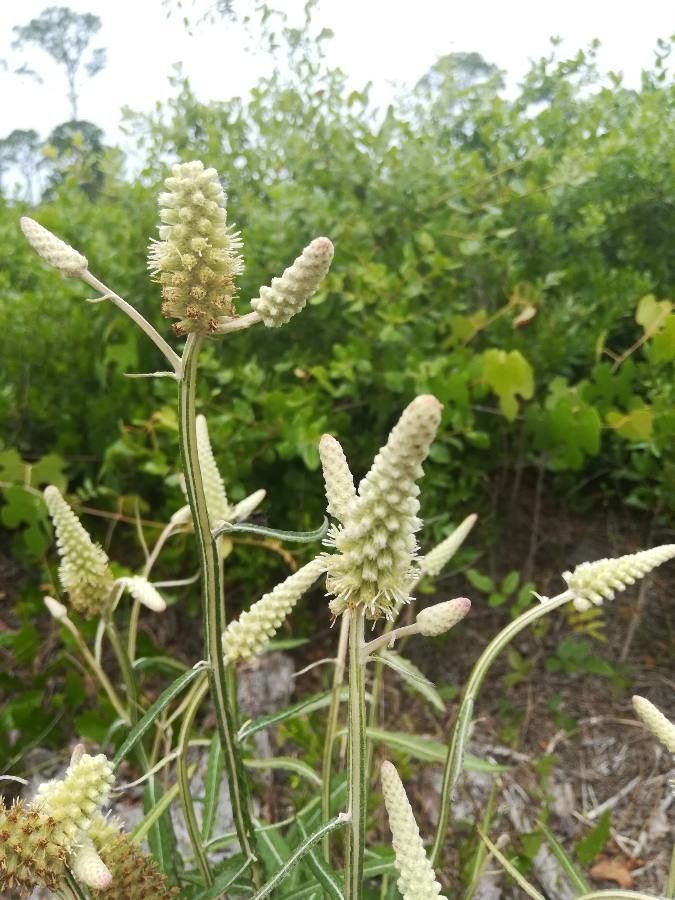
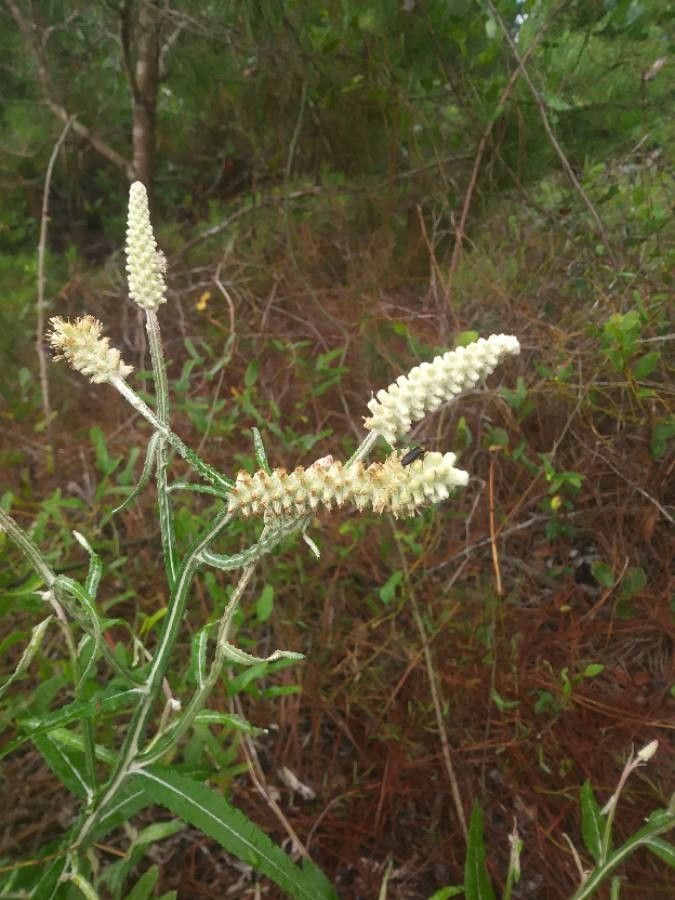
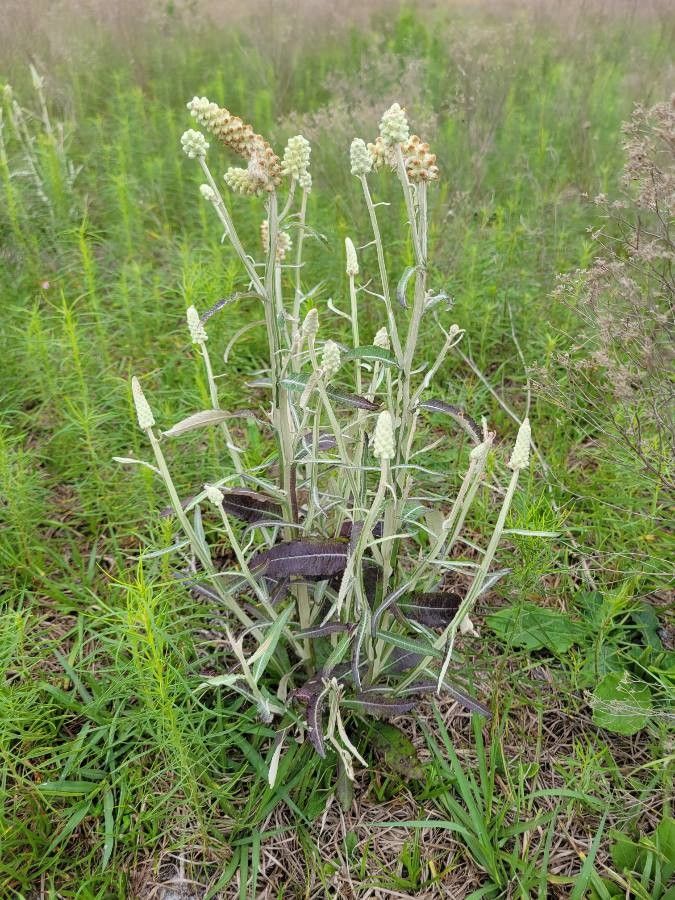
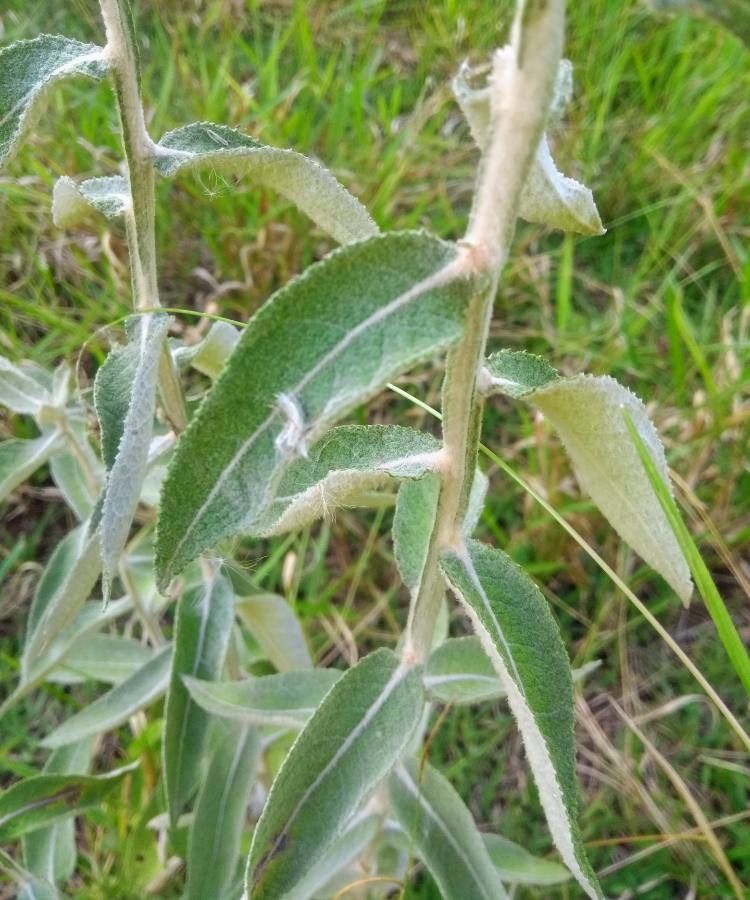
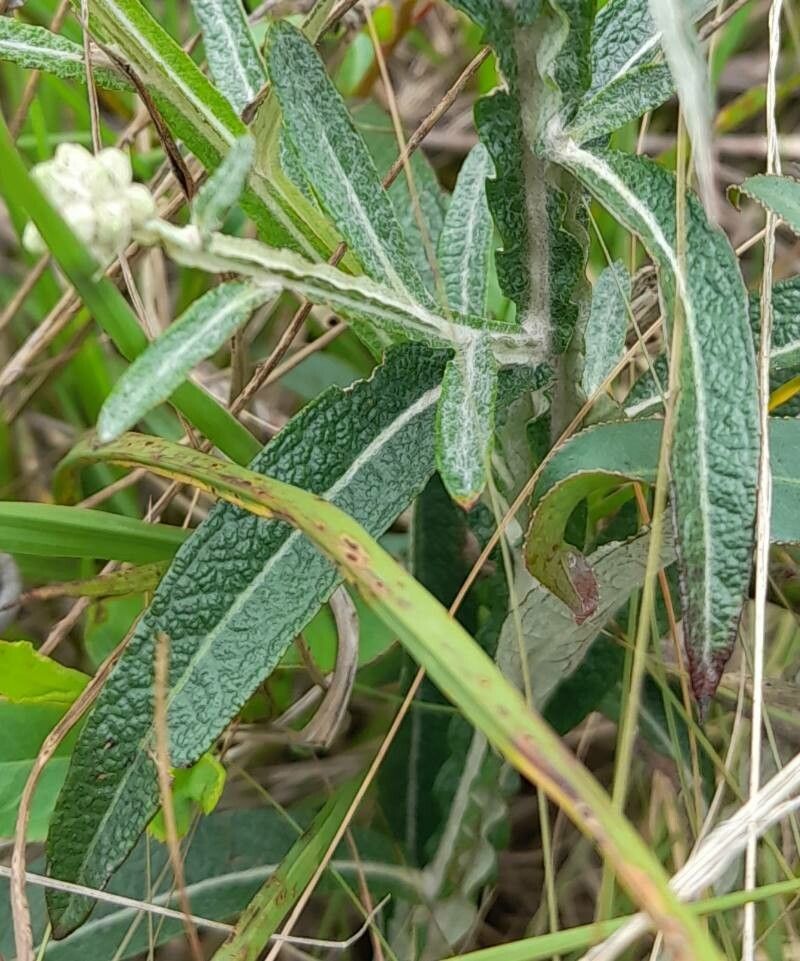
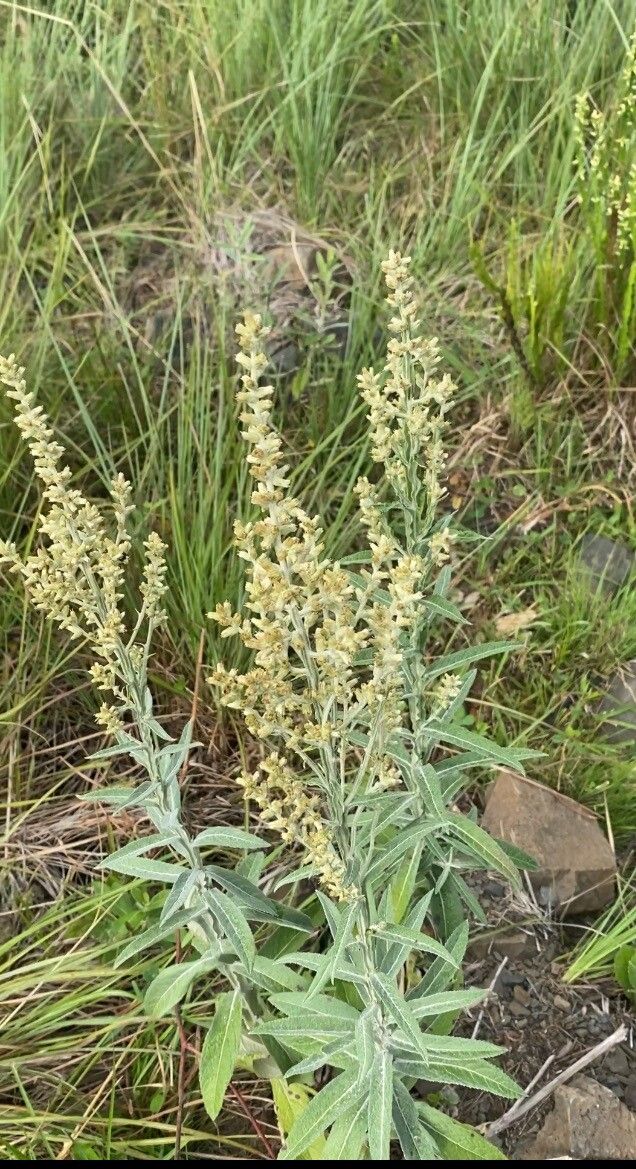
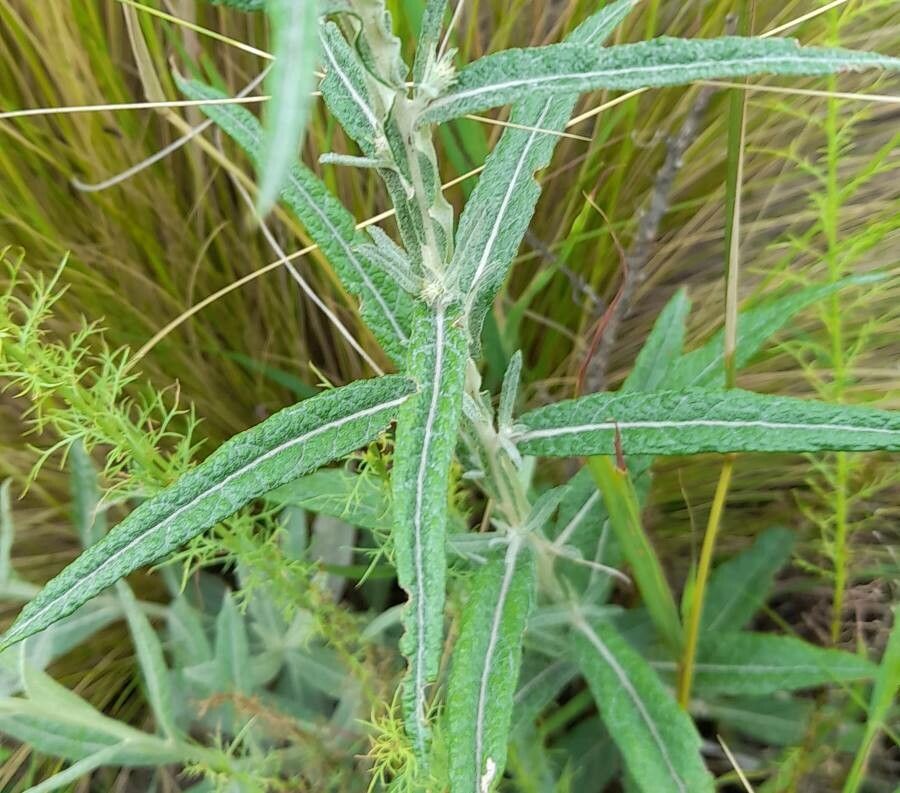
Pterocaulon pycnostachyum, commonly known as the "thick-spiked wingstem," is a species of flowering plant in the Asteraceae family. This plant is native to South America, particularly in Brazil and Argentina. Typically, it grows up to 1.5 meters tall and features a woody stem with numerous branches. The leaves are small, narrow, and alternate along the stem.
The flowers of Pterocaulon pycnostachyum are small and yellowish-white, arranged in dense clusters at the ends of branches. The fruit is an achene with a feathery pappus that aids in wind dispersal.
Traditionally, indigenous communities have used this plant for medicinal purposes to treat various ailments such as fever, coughs, and colds. It also has potential use as an insecticide due to its insecticidal properties.
Pterocaulon pycnostachyum thrives under full sun exposure and well-drained soil conditions but can also tolerate partial shade. This makes it suitable for landscaping or ornamental planting, especially when grown alongside other flowering plants or shrubs that complement its yellowish-white flowers.
Overall, Pterocaulon pycnostachyum is an interesting species offering both medicinal benefits and aesthetic value. It is worth considering for your garden or landscape design project.
Dense-spike blackroot exhibits strong disease resistance and is generally not susceptible to illnesses. However, it can be vulnerable to pests and diseases present in its surroundings. These outbreaks are typically mild. In terms of upkeep, this plant requires moderate maintenance. It should be pruned regularly to maintain an attractive appearance and support healthy growth. Fertilizing can also help encourage flowering. Dense-spike blackroot is suitable for anyone with outdoor space, such as a garden or patio, and does not demand extensive care experience. It may need more attention when grown indoors.
How to keep Pterocaulon Pycnostachyum.
Light
Dense-spike blackroot prefers abundant light, ideally receiving it continuously during the day. In its native habitat it thrives with steady sunlight, though it can tolerate lower-light conditions. However, too much or too little light can disrupt its growth.
Water
Dense-spike blackroot originates from moderately moist environments, but it is drought-tolerant and prefers low humidity. To maintain its health, it requires weekly watering. This plant thrives outdoors, where natural rainfall can support its active growth cycles.
Temperature
Dense-spike blackroot is a robust plant native to regions where temperatures range from 59 to 100.4 °F (15 to 38 ℃). It prospers in temperate environments, and when grown domestically its temperature needs should be replicated, with adjustments made for seasonal changes.
Fertilizer
One application of fertilizer in spring is generally enough for Dense-spike blackroot, although repeated feedings can maximize growth. Feed once every month to a month and a half. Fertilization improves the leaves' appearance and function, helping maintain uniform color and a healthy texture. It also promotes root development and enhances nutrient uptake for long-term plant health.
Pruning
Prune dense-spike blackroot from early to late spring to remove dead branches and improve growth and shape. Proper pruning encourages bushier foliage and more flowers. However, be careful not to over-prune, as this can stress the plant. Always use clean, sharp tools to minimize the risk of disease and maintain the health and appearance of dense-spike blackroot.
Botanical profile.
- Plant Type
- Herb, Shrub
- Life Cycle
- Perennial
- Genus
- Pterocaulon
- Family
- Asteraceae
- Hardiness Zone
- 8-11
- Mature Height
- 76 cm
- Mature Spread
- 20 cm to 40 cm
- Leaf Color
- Green, Blue
- Leaf Type
- Semi-evergreen
- Flower Color
- White
- Flower Size
- 10.16 cm
- Bloom Time
- Summer
- Planting Time
- Spring, Summer, Autumn
- Harvest Time
- Late summer, Early fall, Mid fall
Other names.
Reader questions.
What are the sunlight requirements for Dense-spike blackroot?
Dense-spike blackroot, scientifically known as Pterocaulon pycnostachyum, thrives best in conditions of full sun, meaning it requires more than 6 hours of sunlight daily to flourish. However, it also tolerates partial sun, with about 3-6 hours of sunlight. It's essential to observe your garden's sunlight patterns to find spots that offer the right balance of light and shade, ensuring your Dense-spike blackroot grows healthy and happy.
What is the native temperature range for Dense-spike blackroot?
Dense-spike blackroot, or Pterocaulon pycnostachyum, is a hearty plant native to regions where temperatures vary between 59 to 100.4 °F (15 to 38 °C). It thrives in temperate environments, indicating that those looking to grow it domestically should strive to replicate its natural temperature preferences, making necessary adjustments with the change of seasons. The plant possesses some cold tolerance, not requiring additional protective measures when temperatures are above -5°C. However, if temperatures are anticipated to drop below this threshold, temporary cold protection measures, such as covering the plant with plastic, fabric, or other suitable materials, should be implemented until warmer temperatures resume.
How important is sunlight for the growth of Dense-spike blackroot?
Sunlight plays a crucial role in the growth and health of Dense-spike blackroot. This plant relishes a plentiful supply of light, ideally benefiting from continuous exposure throughout the day. In its natural habitat, it is accustomed to consistent sunlight but can adapt to less direct light. Both overexposure and underexposure to sunlight can significantly affect its growth, so it's vital to monitor and adjust the light conditions as needed to mimic its preferred environment.
How does Dense-spike blackroot react to low temperatures?
Dense-spike blackroot exhibits a moderate tolerance to low temperatures, thriving optimally when conditions remain above 15°C. Throughout the winter season, it is crucial to maintain temperatures above -5°C to prevent damage. Exposure to temperatures below -10°C can result in leaves beginning to droop; while they may recover in mild cases, severe cold can cause leaves to wilt and ultimately detach from the plant. To safeguard against frost damage, affected parts should be trimmed away, and prior to the onset of low temperatures again, it is advisable to wrap the plant with non-woven fabric or cloth and erect a wind barrier for additional protection.
What artificial lighting requirements do indoor Dense-spike blackroot plants have?
For Dense-spike blackroot plants grown indoors, adequate lighting is essential, especially when natural sunlight is insufficient. Artificial lighting can be a vital solution, promoting faster and healthier growth. LED lights are recommended because they can be customized to provide specific light wavelengths needed by the plants. Full sun plants need 30-50W/sq ft of artificial light, partial sun plants require 20-30W/sq ft, and full shade plants need 10-20W/sq ft. The light source should be placed 12-36 inches above the plant for 8-12 hours per day to mimic natural daylight hours effectively.
What should be done if Dense-spike blackroot experiences high temperatures?
During the warmer months, it is important to ensure that Dense-spike blackroot is not exposed to temperatures exceeding 38°C. Should temperatures surpass 43°C, the plant may display several stress indicators, such as a lightening of leaf color, drying and withering of leaf tips, curling of the leaves, and increased susceptibility to sunburn. To alleviate these symptoms, it is recommended to trim away the sunburned and dried parts of the plant. Furthermore, relocating the plant to a shaded area or employing a shade cloth can protect it from the harsh midday and afternoon sun. Adequate hydration should be maintained by watering the plant during the cooler morning and evening hours.
What are the common symptoms of inadequate lighting in Dense-spike blackroot?
Inadequate lighting can lead to several noticeable symptoms in Dense-spike blackroot, including smaller new leaves, leggy or sparse growth, faster leaf drop, a halt in new growth, lighter-colored new leaves, chlorosis, sunscald, leaf curling, wilting, and leaf scorching. These symptoms indicate that the plant is not receiving the optimal light conditions it requires for healthy growth, either too much or too little sunlight.
How can I address problems caused by inadequate lighting for my Dense-spike blackroot?
To address lighting issues for your Dense-spike blackroot, consider gradually moving indoor plants to a sunnier location by increasing their exposure to direct sunlight each week until they receive at least 6 hours daily. Use artificial light sources, such as a desk or ceiling lamp for at least 8 hours daily, or invest in professional plant grow lights. For outdoor plants, also move them gradually to sunnier spots to avoid sunburn. Minimize obstructions like trees by pruning, and for smaller plants, consider transplanting during their dormant period to a location with ample sunlight and good drainage. Remember, parts of the plant affected by insufficient light may not recover, but new growth should be healthy.