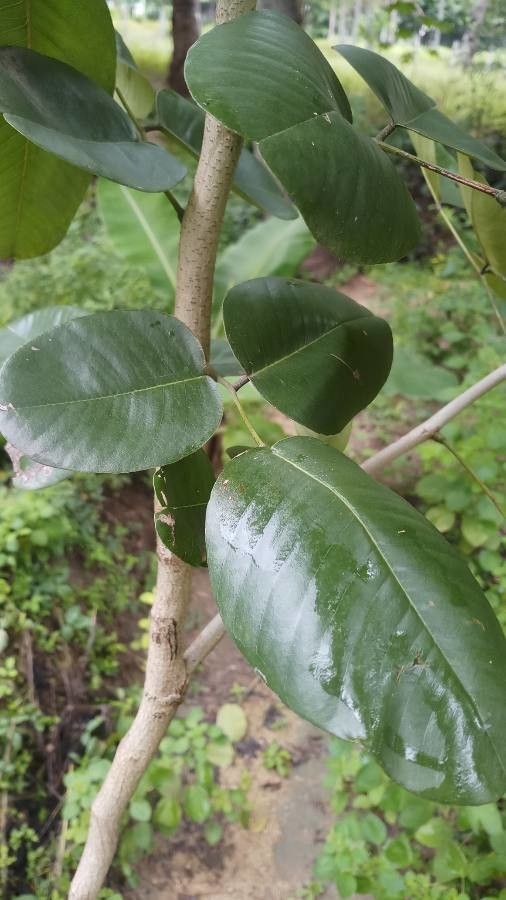
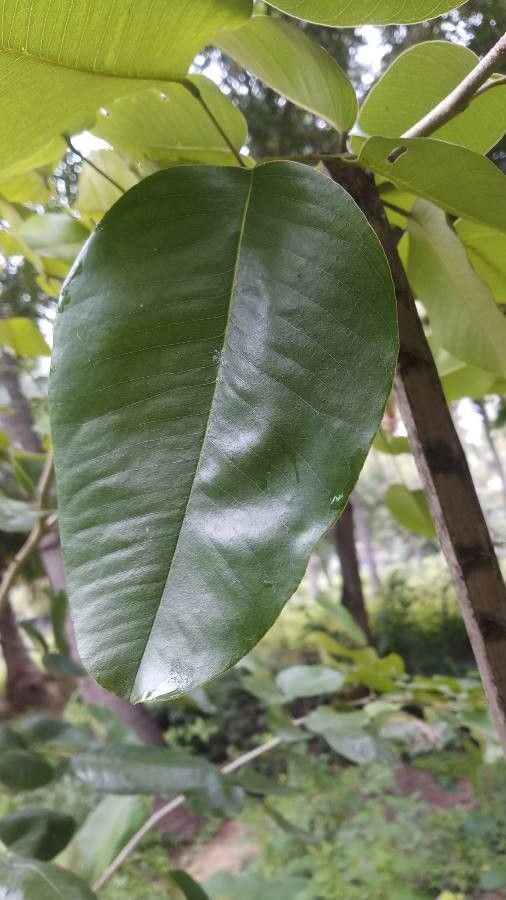
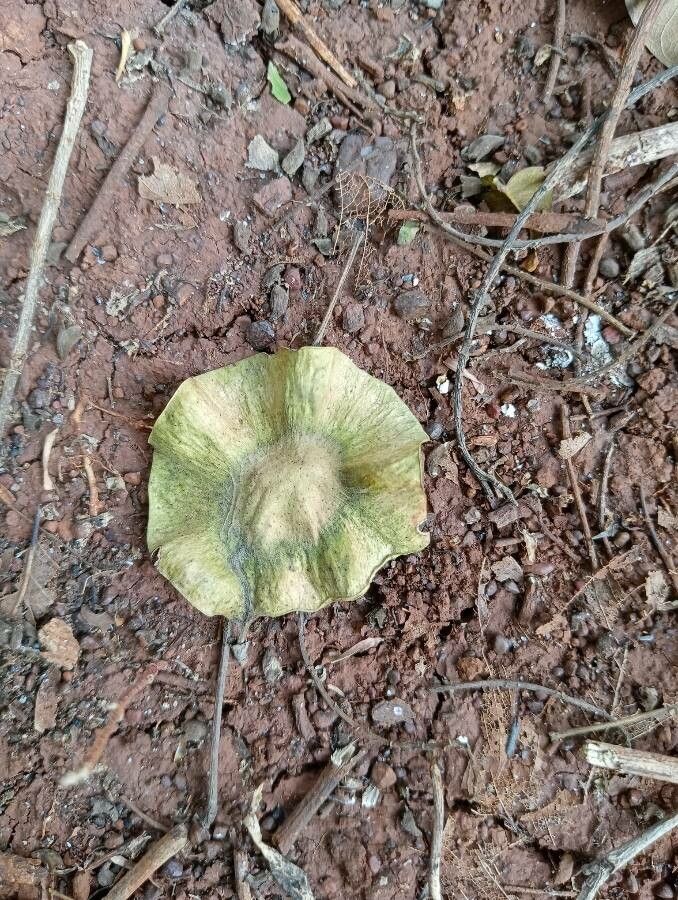
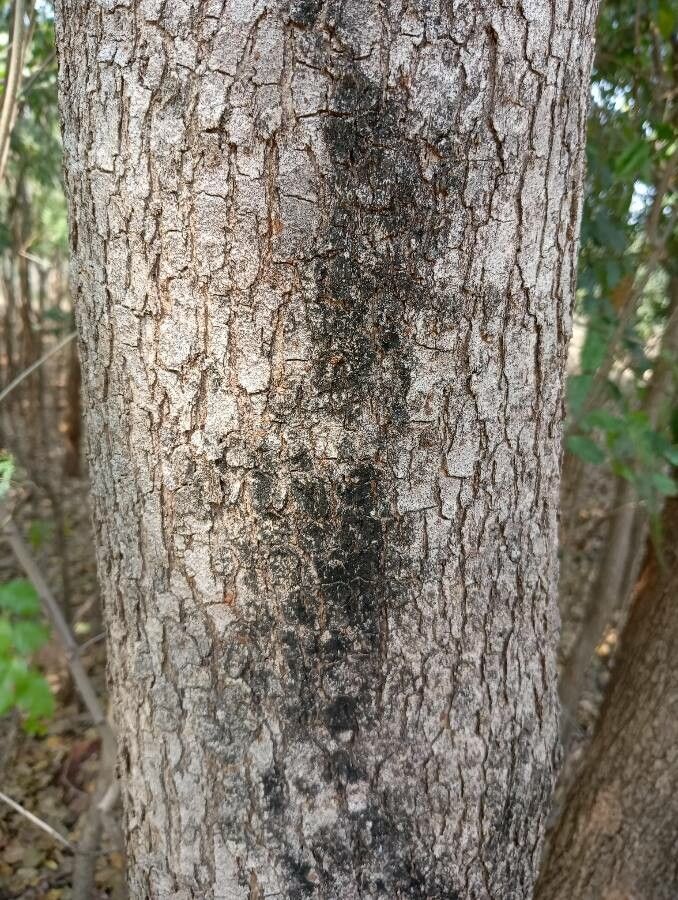
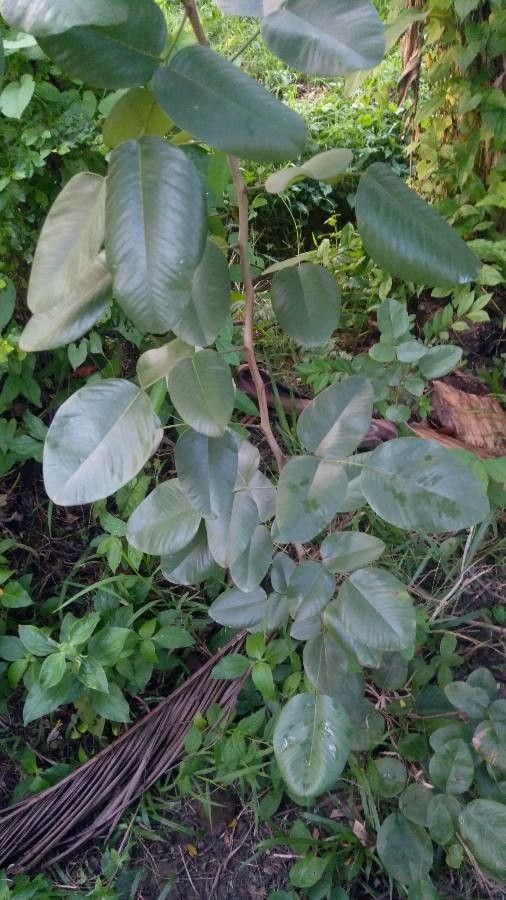
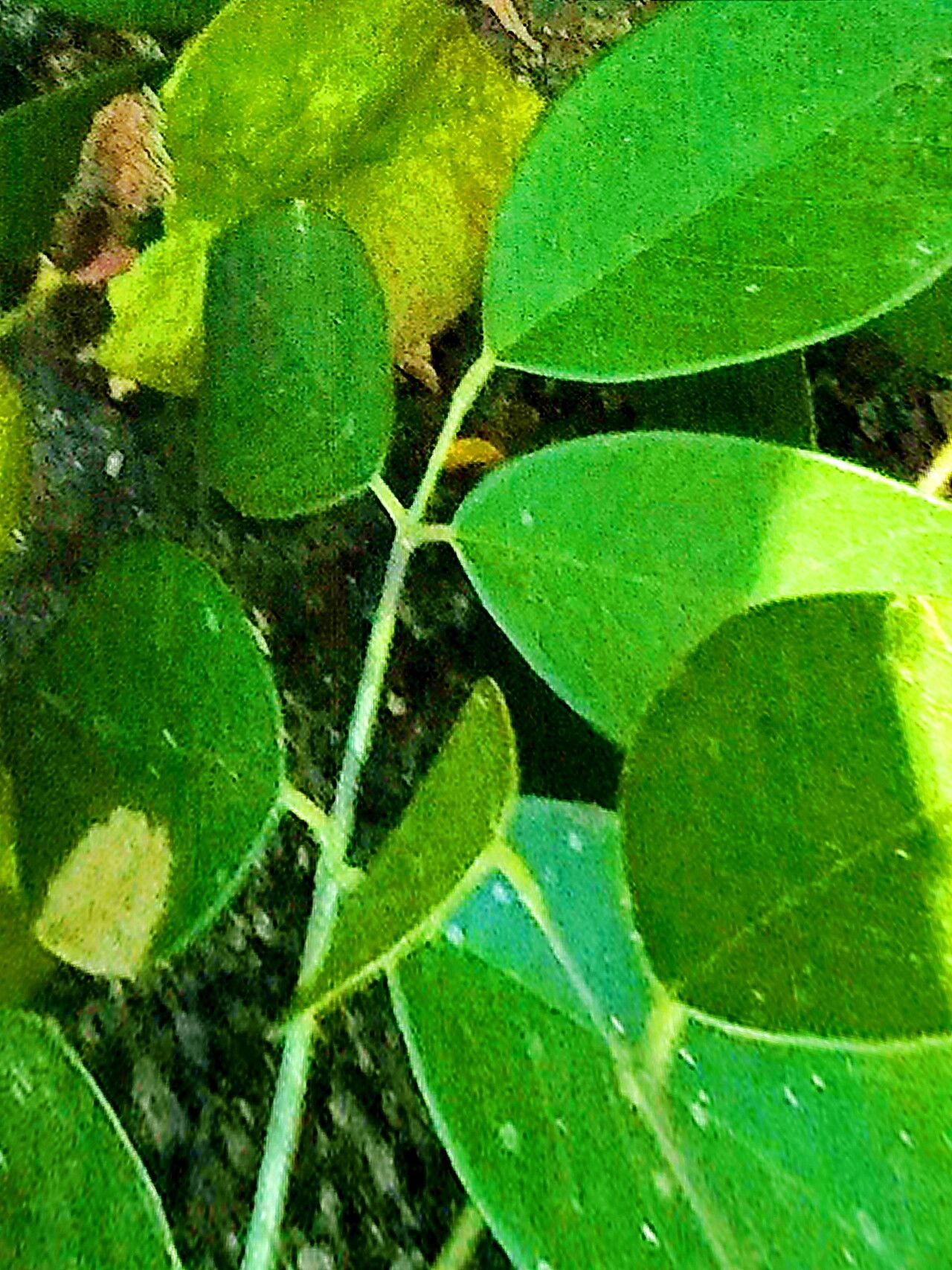
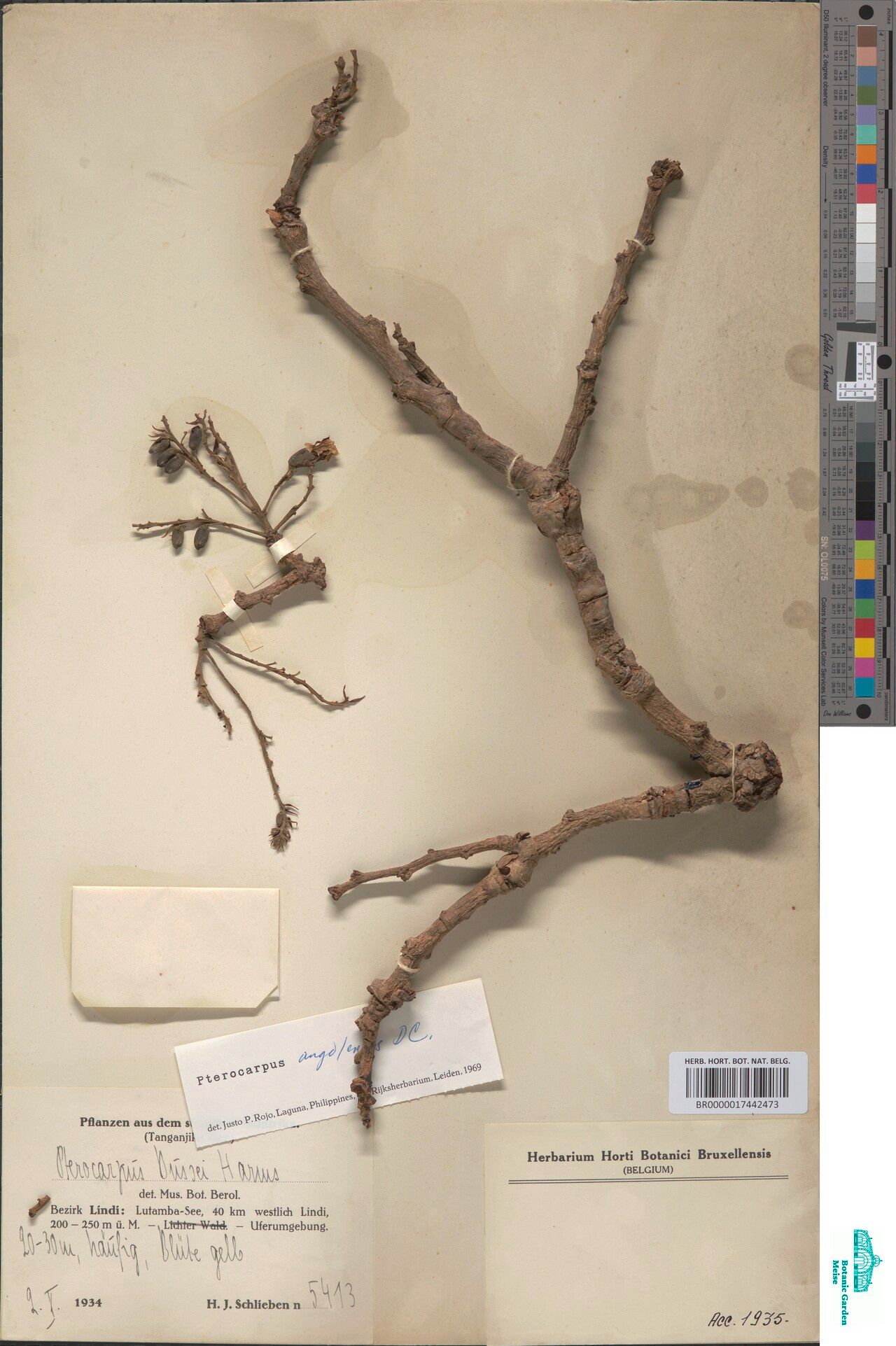
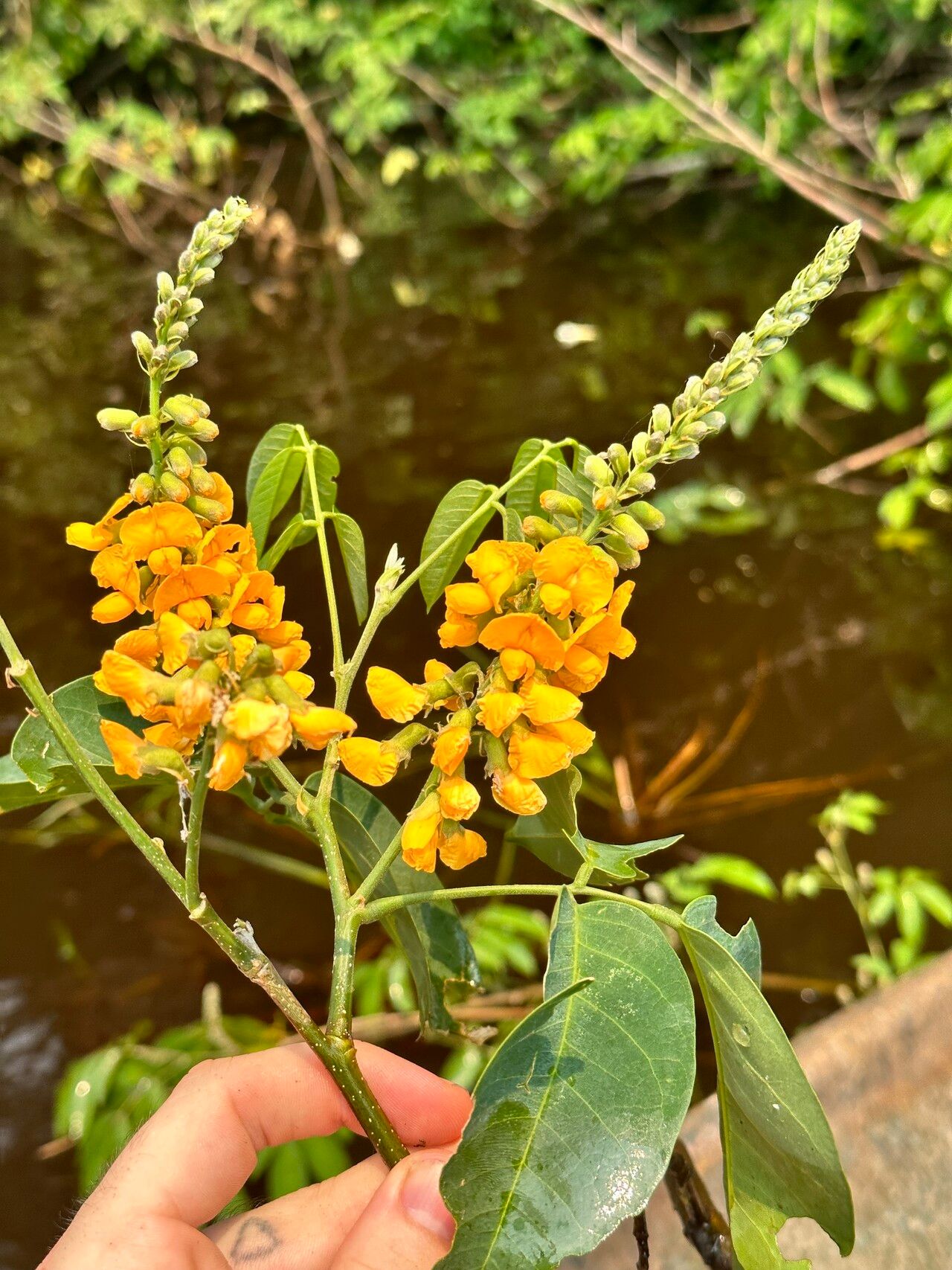
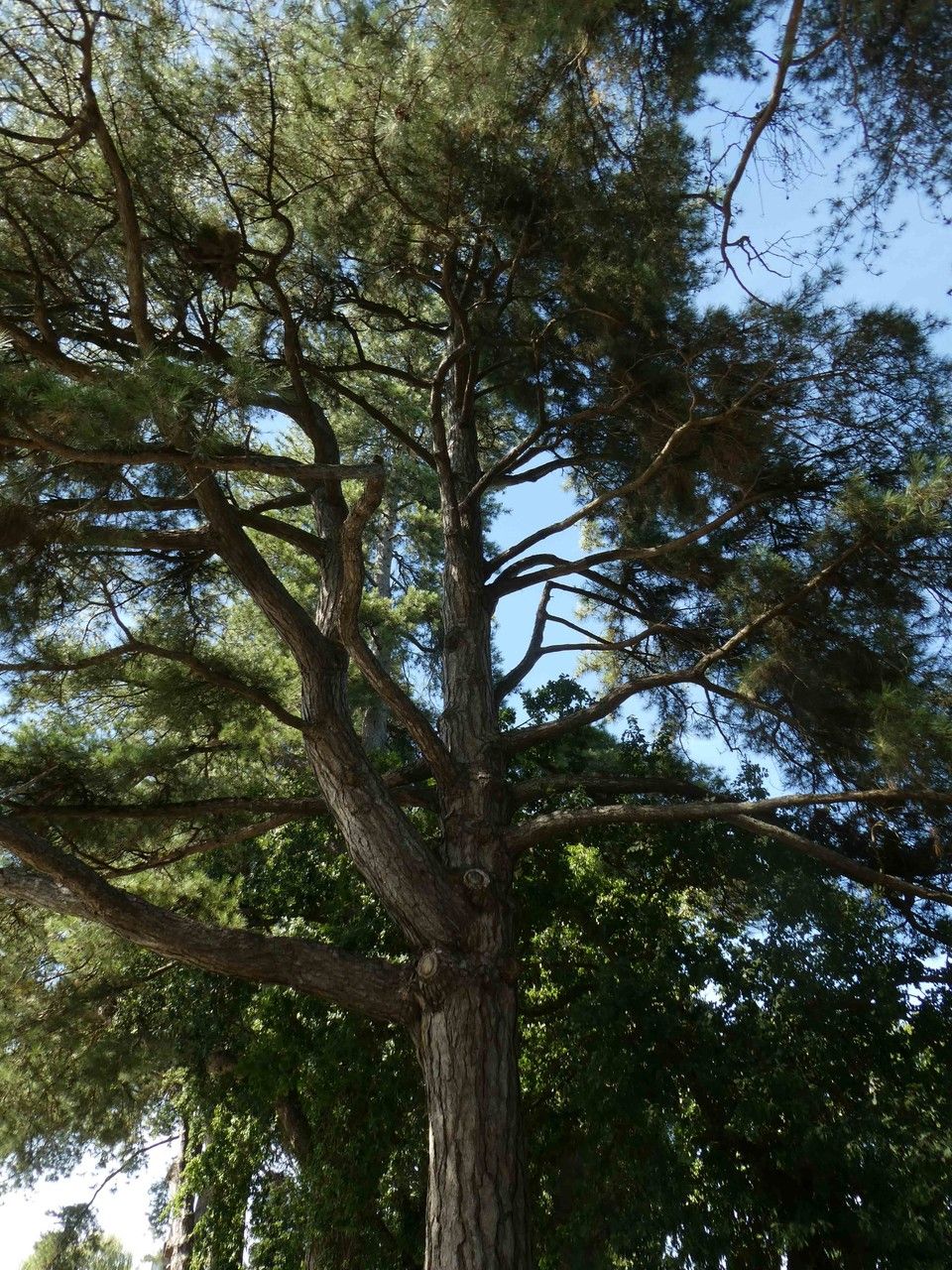
Pterocarpus santalinus, with the common names red sanders, red saunders, Yerra Chandanam, Chenchandanam, red sandalwood, Rakta Chandana, and saunderswood, is a species of Pterocarpus endemic to the southern Eastern Ghats mountain range of South India. This tree is valued for the rich red colour of its wood. The wood is traditionally considered not aromatic. However, in recent years there has been a marked uptick in the use of red sandalwood as a component of incense, especially in the west. The tree is not to be confused with the aromatic Santalum sandalwood trees that grow natively in Southern India.
Red sandalwood is fairly resistant to disease and usually does not get sick. In terms of care, this plant is relatively low-maintenance. When grown outdoors it needs little watering, and larger specimens typically do not require pruning. Smaller plants, however, should be pruned after they have bloomed. Red sandalwood is suitable for anyone with outdoor space, such as a garden or a deck, and does not demand a lot of care experience.
How to keep Pterocarpus Santalinus.
Light
Red sandalwood flourishes with abundant sunlight. Its health and growth rely heavily on substantial solar exposure. It evolved in natural habitats where sunlight is plentiful. Irregular or insufficient light can lead to stunted growth, while excessive exposure may cause leaves to wilt.
Temperature
Red sandalwood comes from tropical areas where the climate is generally warm and humid. Therefore it is well suited to high heat and moisture. It does not tolerate abrupt temperature shifts and favors a consistent temperature, so avoiding indoor temperature swings is important. It typically cannot withstand cold conditions and needs warmer temperatures to grow. If the ambient temperature falls too low, growth may stop or the plant may die.
Fertilizer
Fertilization is essential for Red sandalwood care. Regular feeding during the growing season maintains the energy needed for its showy leaves and supports overall growth. Neglecting to fertilize can lead to unhealthy leaves, reduced ornamental value, and stunted or weak growth that is prone to breaking.
Pruning
To promote the health and growth of red sandalwood, it's best to prune the tree in early spring. This involves a few key techniques: removing any dead wood, thinning the canopy to improve air circulation, and shaping the branches to encourage new growth. Regular pruning not only enhances the tree's vigor and appearance but also helps prevent pest infestations, leading to better recovery and blooming.
Botanical profile.
- Plant Type
- Tree, Shrub
- Life Cycle
- Perennial
- Genus
- Pterocarpus
- Family
- Fabaceae
- Hardiness Zone
- 9-11
- Mature Height
- 7.92 m
- Mature Spread
- 1.52 m
- Leaf Color
- Green
- Leaf Type
- Deciduous
- Flower Color
- Yellow
- Flower Size
- 1.02 cm to 1.52 cm
- Bloom Time
- Mid spring, Late spring
- Planting Time
- Spring, Summer
- Harvest Time
- Mid summer, Late summer, Early fall
- Native Area
- India
Other names.
Reader questions.
What are the sunlight requirements for Red Sandalwood?
Red Sandalwood (Pterocarpus santalinus) flourishes best in locations that receive more than 6 hours of sunlight daily, signifying its need for full sun. It's important to observe the movement of sunlight through your garden carefully, ensuring that plants find an optimal balance of light and shade. This helps in securing the plants' well-being and growth. The plant's health is greatly influenced by exposure to sunlight, evolving in environments abundant in solar exposure. Insufficient or irregular sunlight may result in stunted growth, and excessive exposure could lead to leaf wilt.
How can artificial lighting benefit indoor Red Sandalwood plants?
For indoor Red Sandalwood plants, when natural sunlight is insufficient, especially during winter or in less sunny areas, artificial lighting serves as a crucial alternative. It promotes faster and healthier growth. Choose LED lights for their ability to be tailored to meet specific plant needs, providing the wavelengths necessary for optimal growth. The amount of artificial light needed varies depending on the plant's natural light requirements: 30-50W/sq ft for full sun plants, 20-30W/sq ft for partial sun plants, and 10-20W/sq ft for full shade plants. Place the artificial light source 12-36 inches above the plants to mimic natural sunlight and ensure it's on for the duration that matches the plant species' natural daylight hours, generally between 8-12 hours daily.
What are the signs of insufficient light in Red Sandalwood and how can it affect the plant?
Red Sandalwood may show several signs when receiving insufficient light, including the development of smaller new leaves, leggy or sparse growth, faster leaf drop, and halted new growth, indicating the plant is in survival mode. Additionally, new leaves may appear lighter or exhibit chlorosis, turning yellow due to a lack of chlorophyll and essential nutrients. Excessive sunlight exposure can cause symptoms like sunscald, leaf curling, wilting, and leaf scorching, indicating detrimental effects on the plant's ability to photosynthesize and maintain overall health.
How can one address insufficient sunlight for Red Sandalwood plants?
To combat insufficient sunlight for Red Sandalwood plants, gradually increase their exposure to direct sunlight, aiming for at least 6 hours daily. This can be achieved by moving plants closer to a south-facing window or using artificial light sources such as desk or ceiling lamps, or professional grow lights for at least 8 hours a day. For outdoor plants, ensure they're moved to sunnier spots gradually to prevent sunburn. Reducing obstructions like pruning nearby trees can also help increase sunlight exposure. If necessary, small plants can be transplanted to more sunlit locations with ample sunlight and good drainage during their dormant period, usually late winter or early spring.