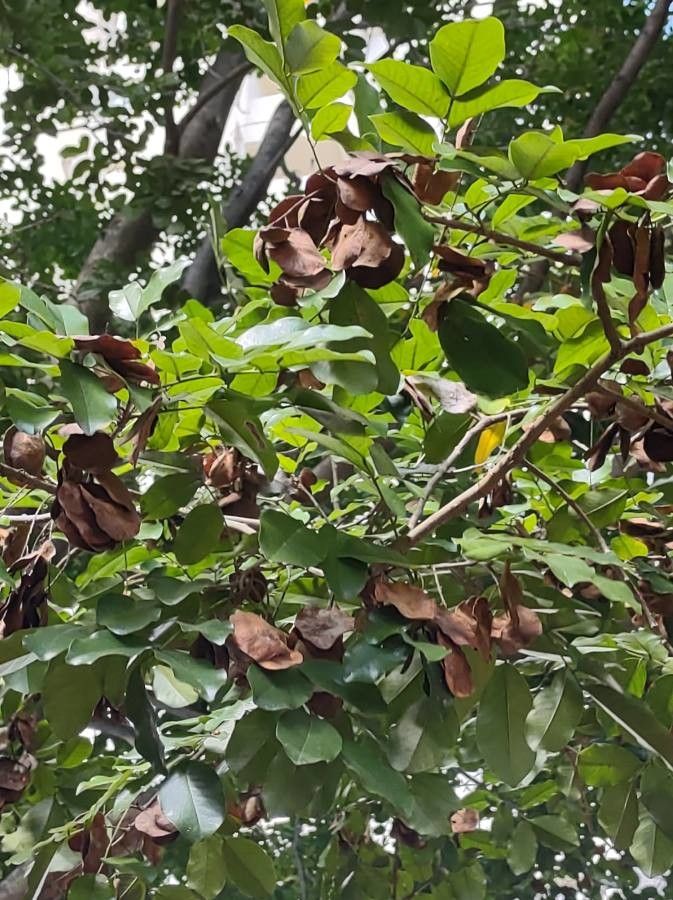
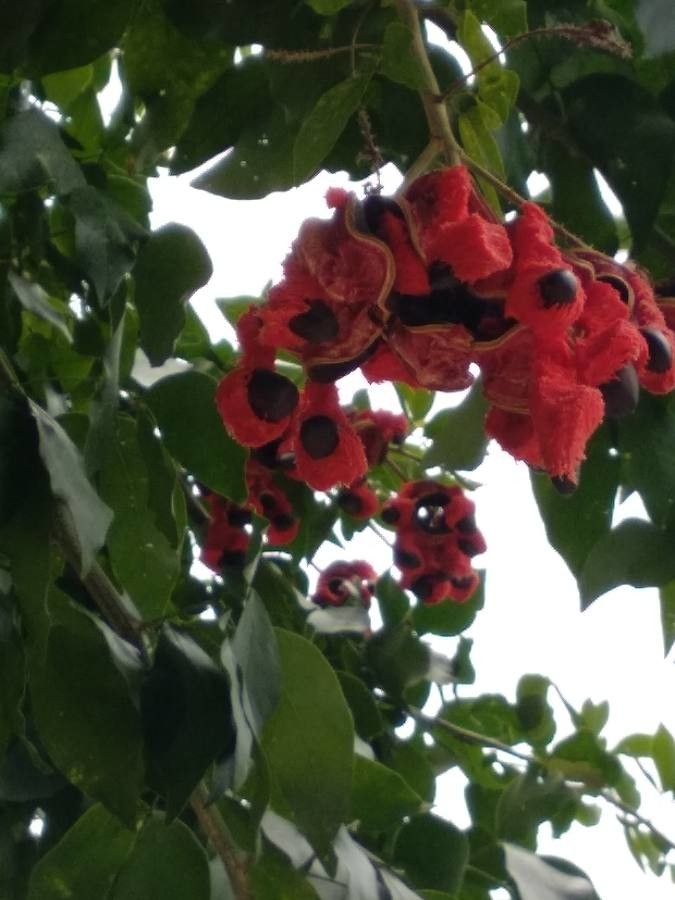
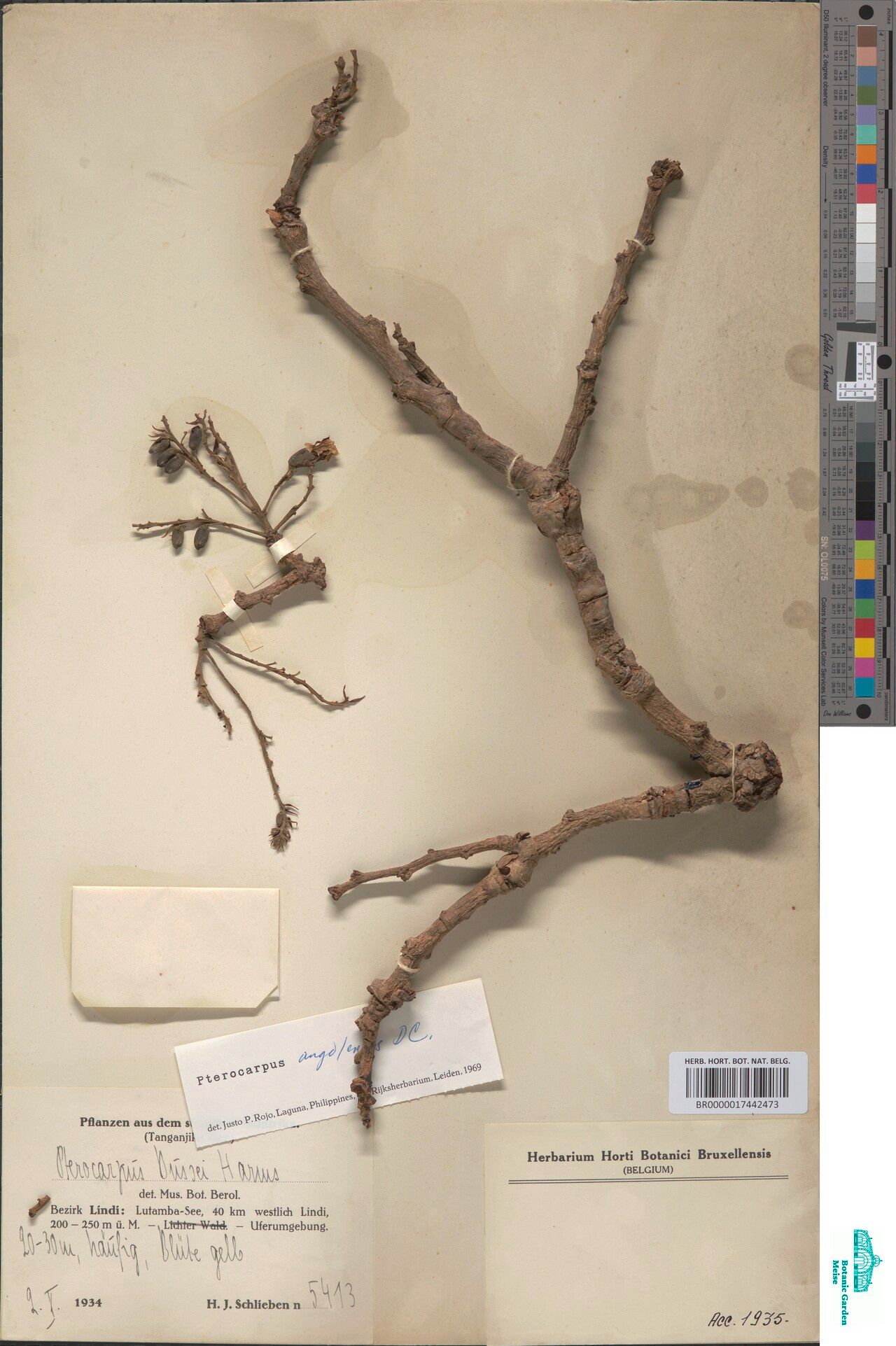
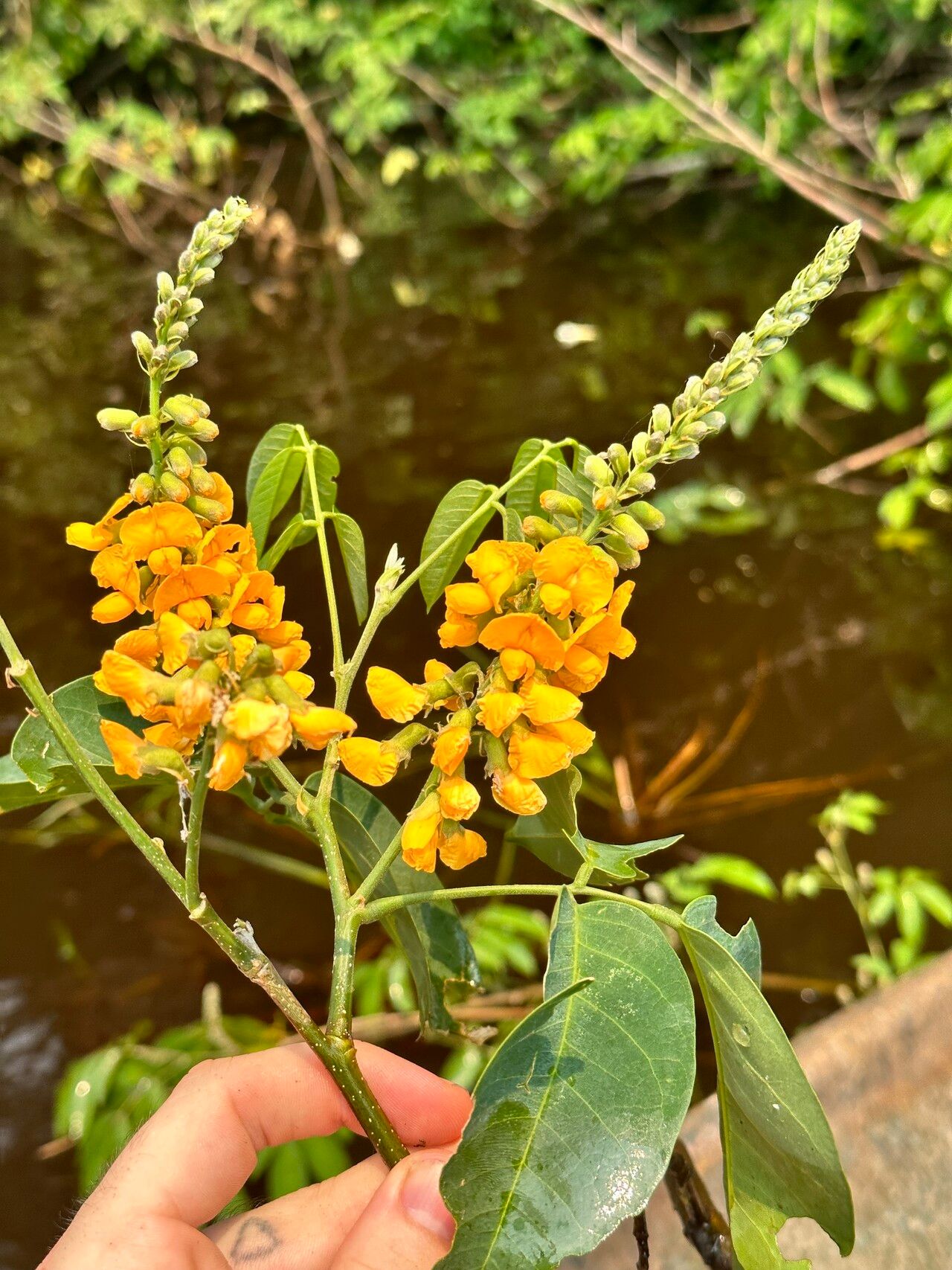
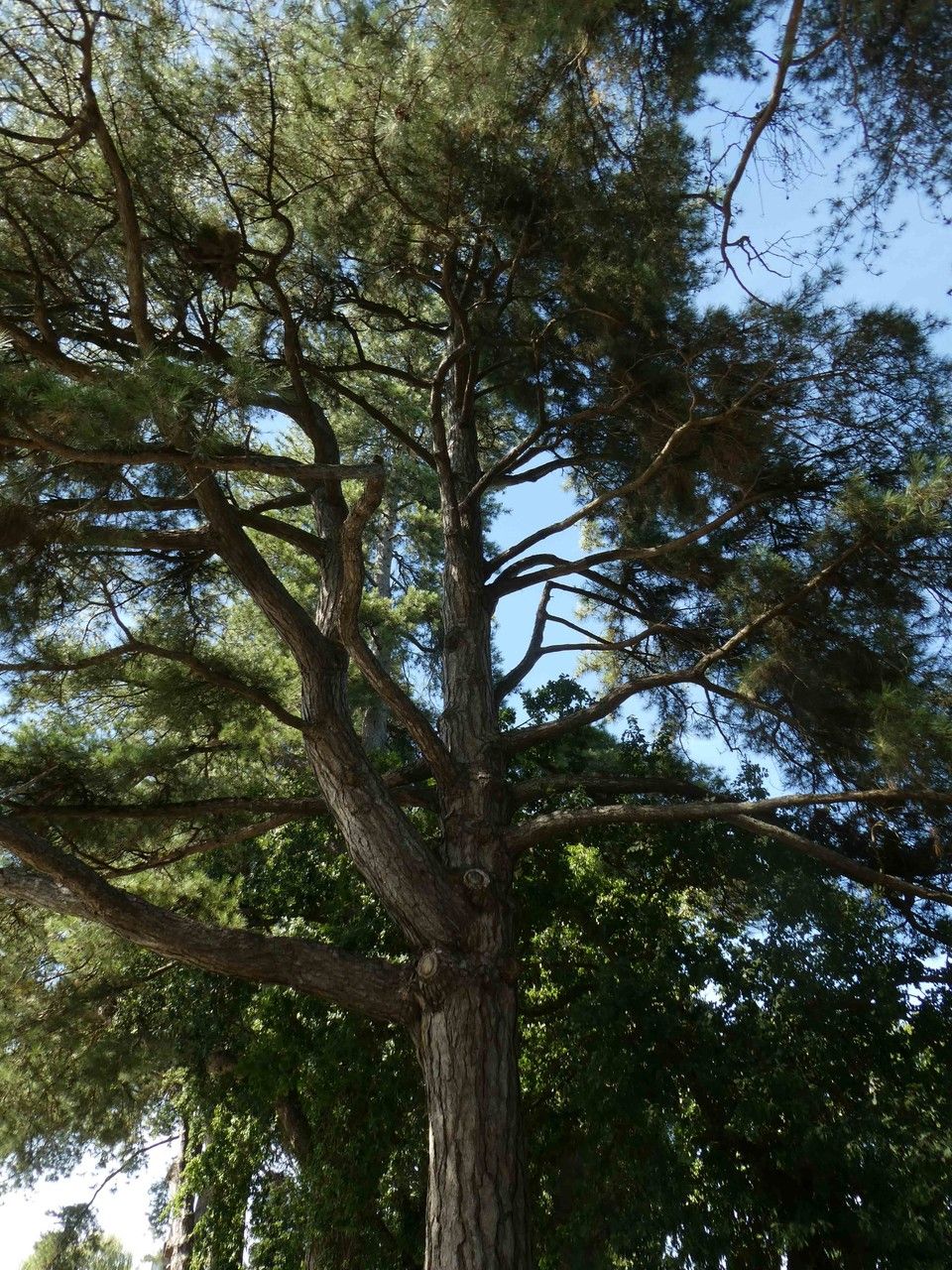
Pterocarpus rotundifolius, commonly known as the round-leaved bloodwood or African padauk, is a species of flowering plant in the Fabaceae family. Native to tropical Africa, it thrives in diverse habitats such as savannas, woodlands, and forests. This tree can reach heights of up to 30 meters and is notable for its distinctive reddish-brown bark, which peels off in flakes.
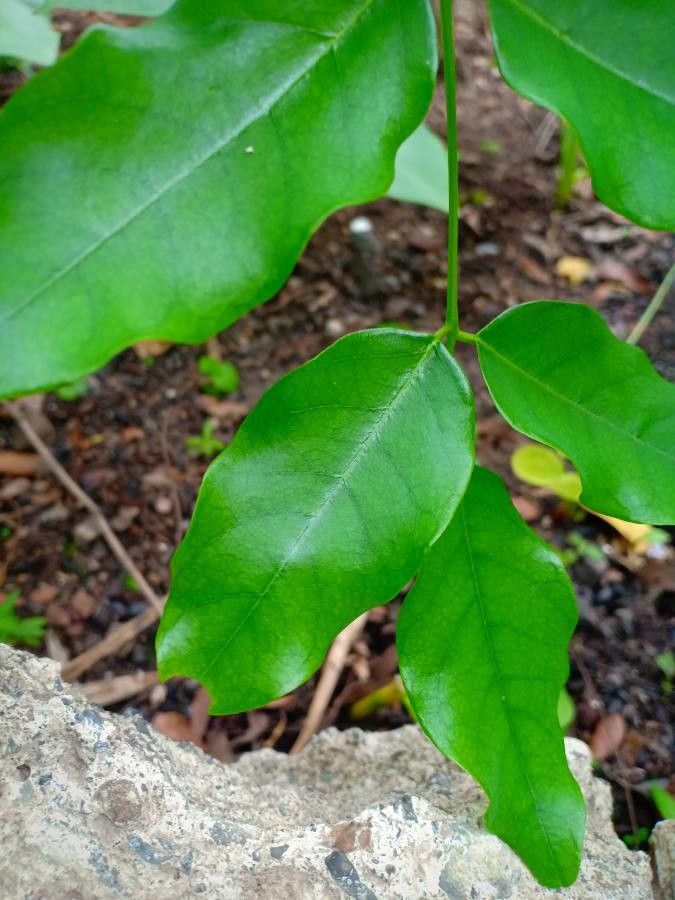
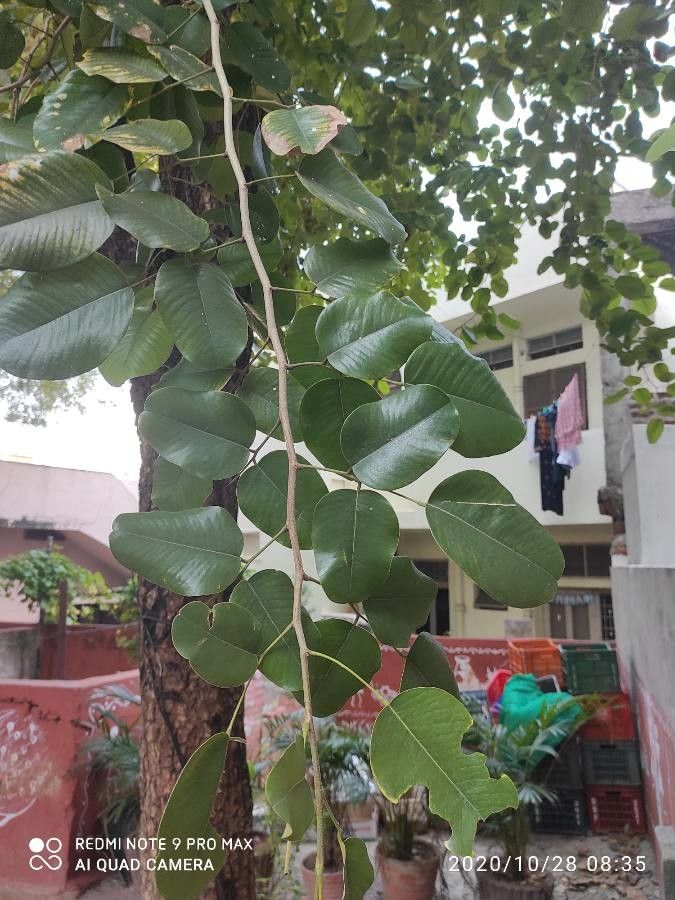
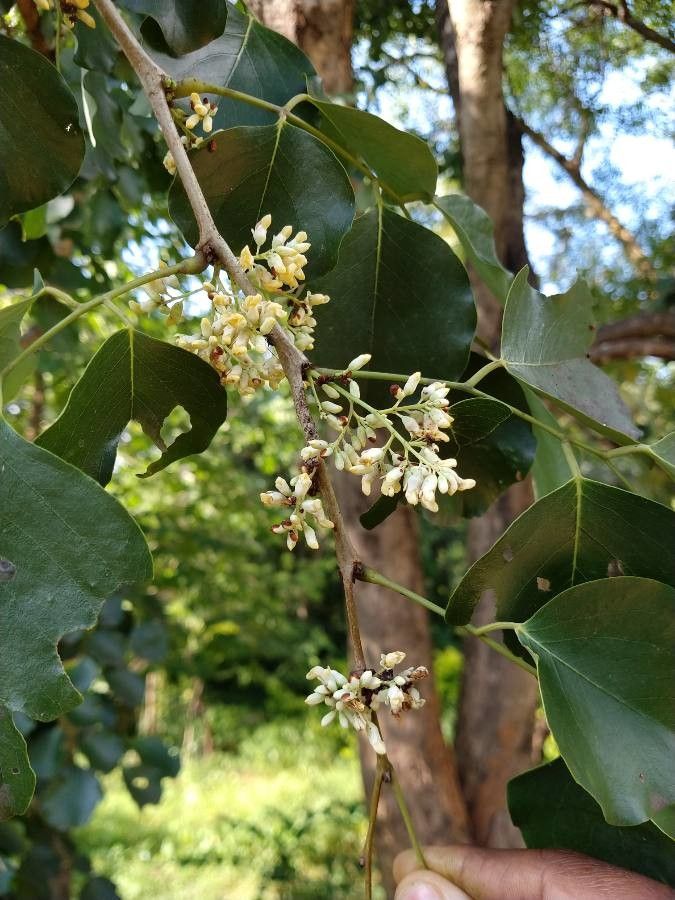
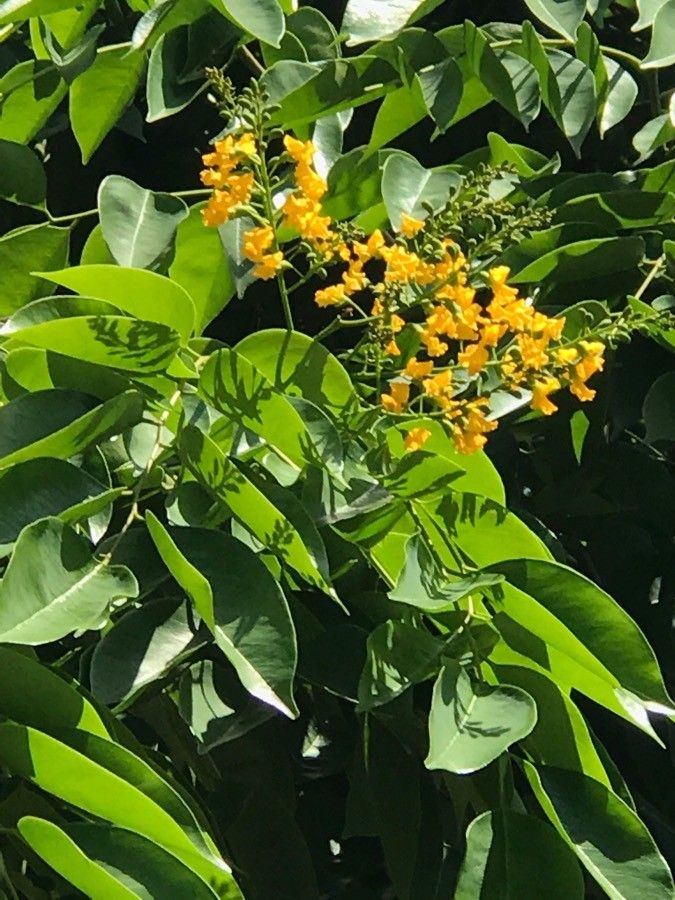
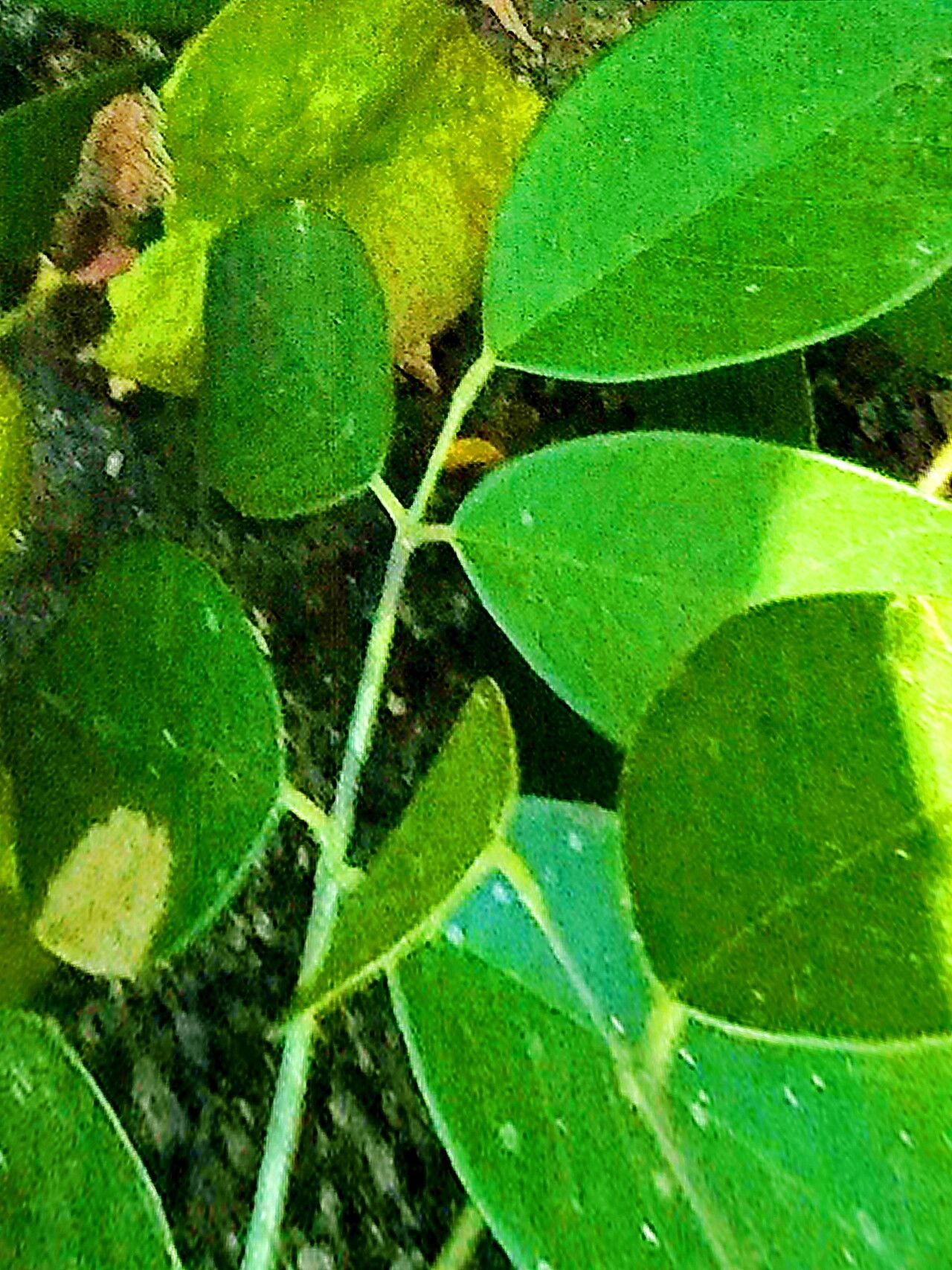
The leaves of Pterocarpus rotundifolius are round or oval-shaped with pointed tips and are alternately arranged on the branches. During the rainy season, the tree produces small yellow flowers that grow in clusters at the ends of the branches.
The wood of Pterocarpus rotundifolius is highly prized for its durability, strength, and attractive reddish-brown color. It has been used for centuries by local communities to make furniture, carvings, and musical instruments.
In traditional African medicine, various parts of Pterocarpus rotundifolius have been used to treat ailments such as fever, diarrhea, and skin infections, thanks to its antibacterial properties.
Although Pterocarpus rotundifolius is widely distributed across tropical Africa and currently faces no major threats according to the IUCN Red List criteria assessment (2019), deforestation remains a potential threat due to the increasing demand for its timber.
Round-leaved teak is fairly disease-resistant and is usually not vulnerable to illnesses. In terms of care, this plant is fairly low-maintenance. When planted outdoors it needs only minimal watering, and larger specimens generally do not require pruning. Smaller plants, however, should be trimmed after they have finished blooming. Round-leaved teak is suitable for anyone with outdoor space, such as a garden or deck, and does not demand extensive care experience.
How to keep Pterocarpus Rotundifolius.
Light
Round leaved teak is native to open settings, such as sunny meadows and forest margins, which supply abundant light. It prefers Full Sun but can also tolerate Partial Sun, adjusting well to a range of sunlight conditions.
Temperature
Round-leaved teak comes from tropical areas, where the weather is usually warm and humid. Consequently, it is adapted to high heat and moisture. It does not tolerate abrupt temperature changes and prefers a consistent temperature, so avoiding indoor temperature fluctuations is important. It generally cannot endure cold and needs higher temperatures to grow. If the ambient temperature falls too low, the plant may stop growing or even die.
Fertilizer
Fertilization is essential for the care of Round leaved teak. Regular feeding during the growing season helps maintain the energy needed for its showy leaves and supports overall growth. Failing to fertilize can lead to unhealthy foliage, reduced ornamental value, and stunted or weak growth that is prone to breakage.
Botanical profile.
- Plant Type
- Tree
- Life Cycle
- Perennial
- Genus
- Pterocarpus
- Family
- Fabaceae
- Hardiness Zone
- 9-11
- Mature Height
- 7.92 m to 14.94 m
- Mature Spread
- 6.1 m to 10.06 m
- Leaf Color
- Dark Green, Forest Green
- Leaf Type
- Deciduous
- Flower Color
- Yellow
- Flower Size
- 1.02 cm to 1.52 cm
- Bloom Time
- Mid spring, Late spring
- Planting Time
- Summer, Autumn, Winter
- Harvest Time
- Summer
Other names.