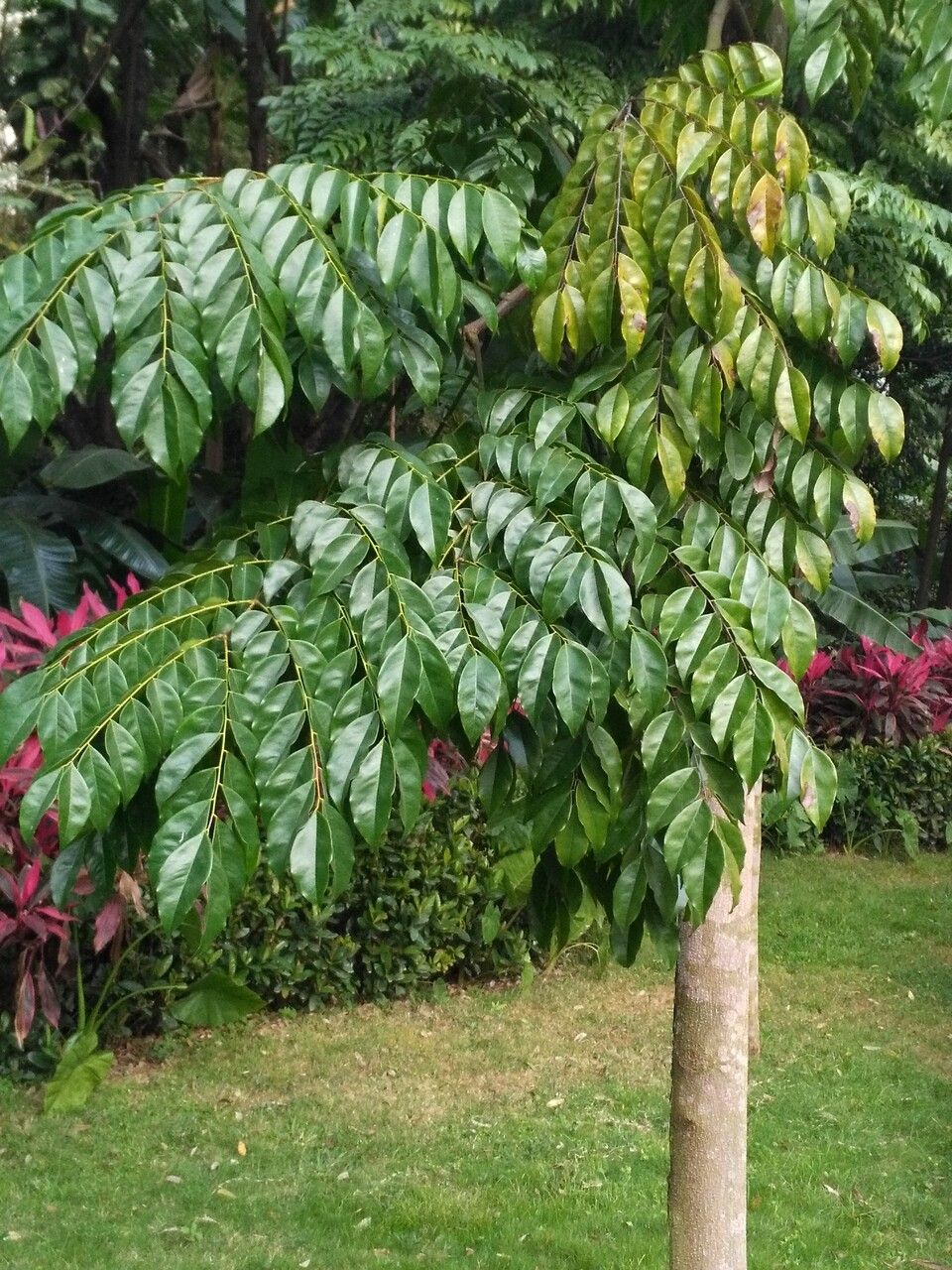
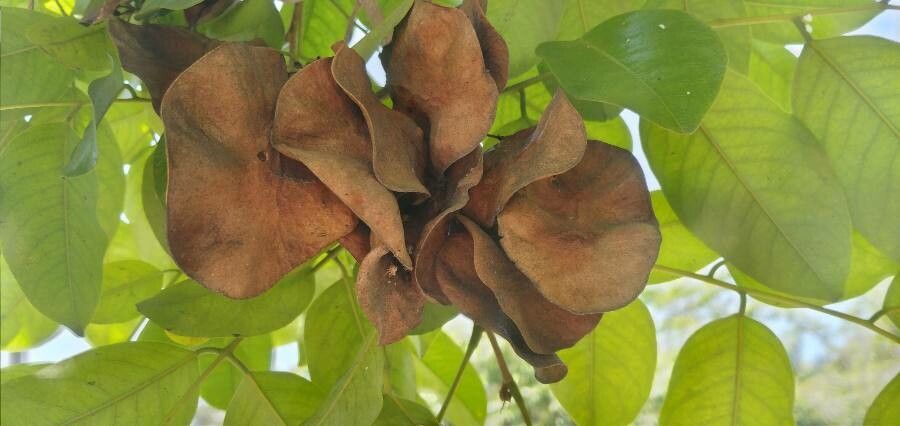
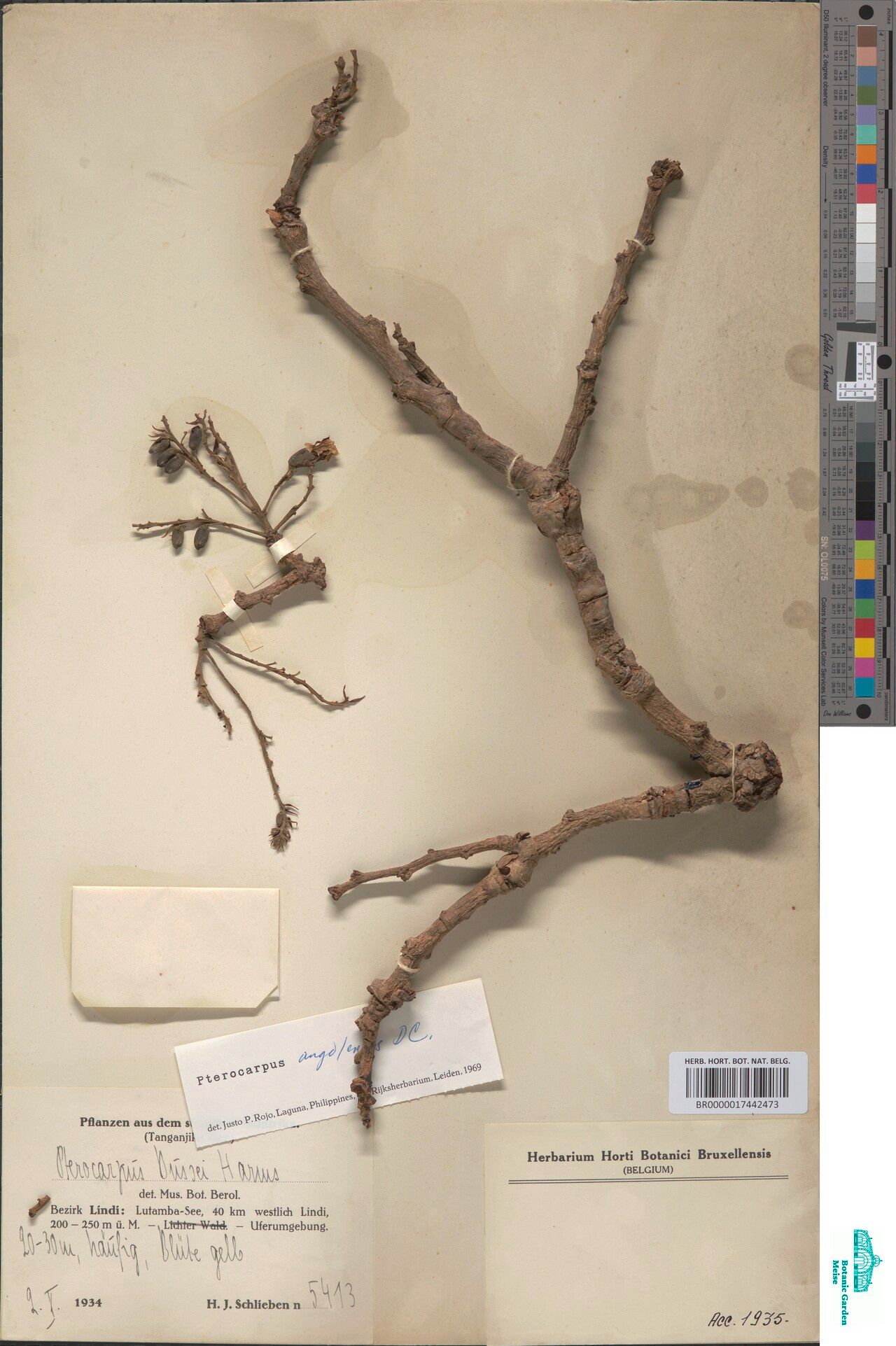
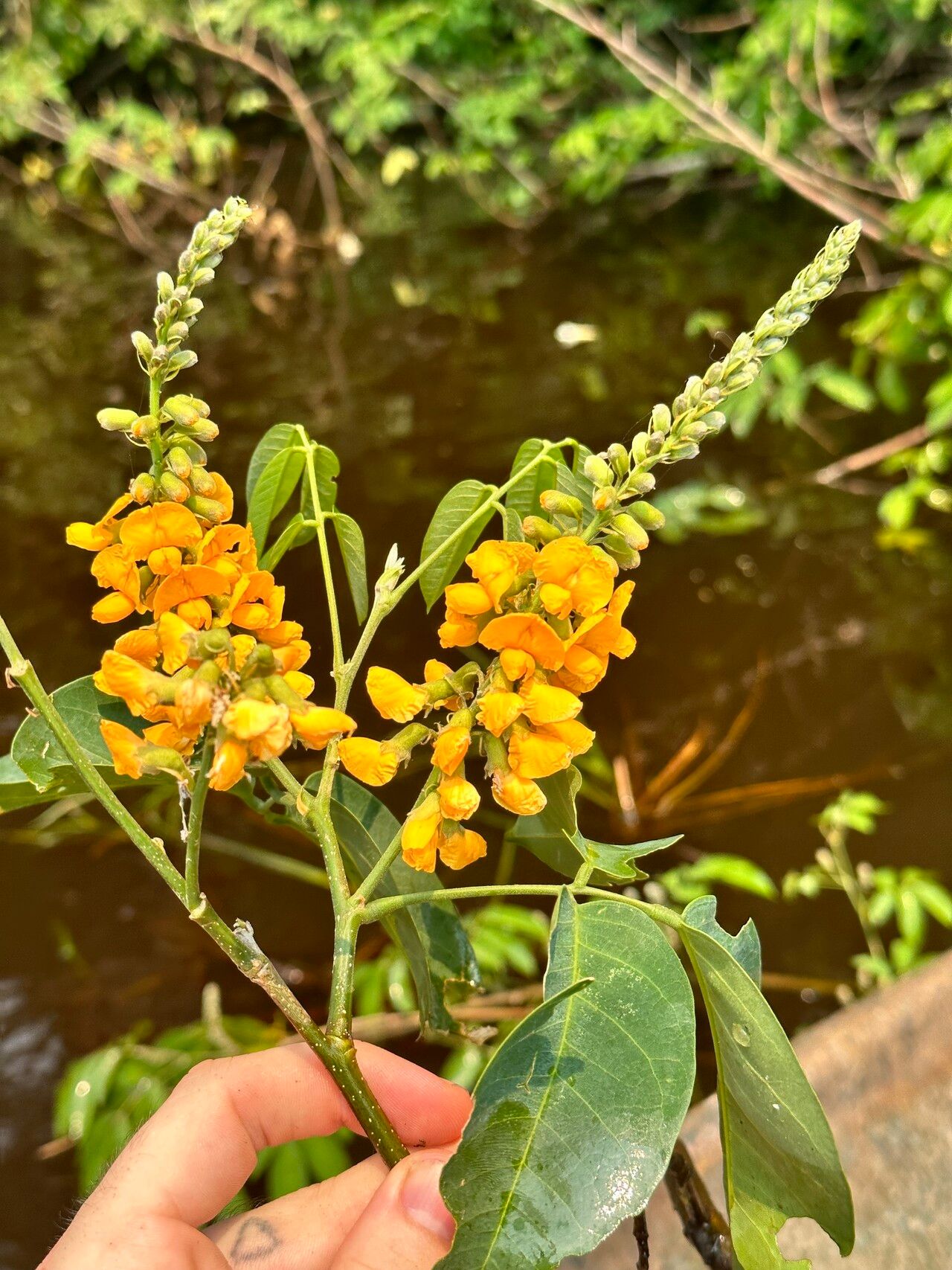
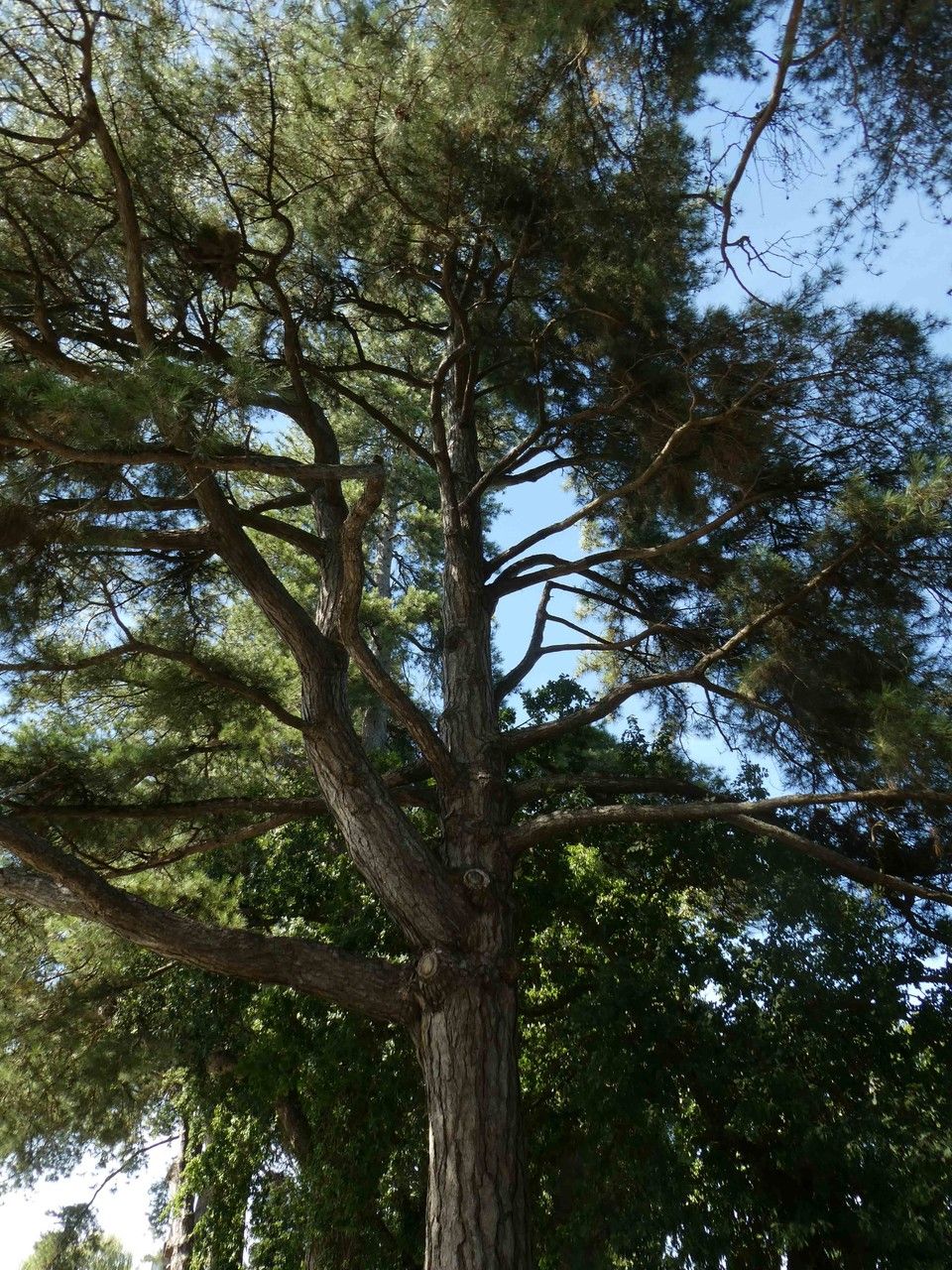
Pterocarpus indicus, commonly known as the Amboyna wood or Narra tree, is a large deciduous tree that belongs to the Fabaceae family. Native to Southeast Asia, this tree is found in countries such as Indonesia, Malaysia, and the Philippines. It can grow up to 30 meters tall, with a trunk diameter reaching up to 2 meters.
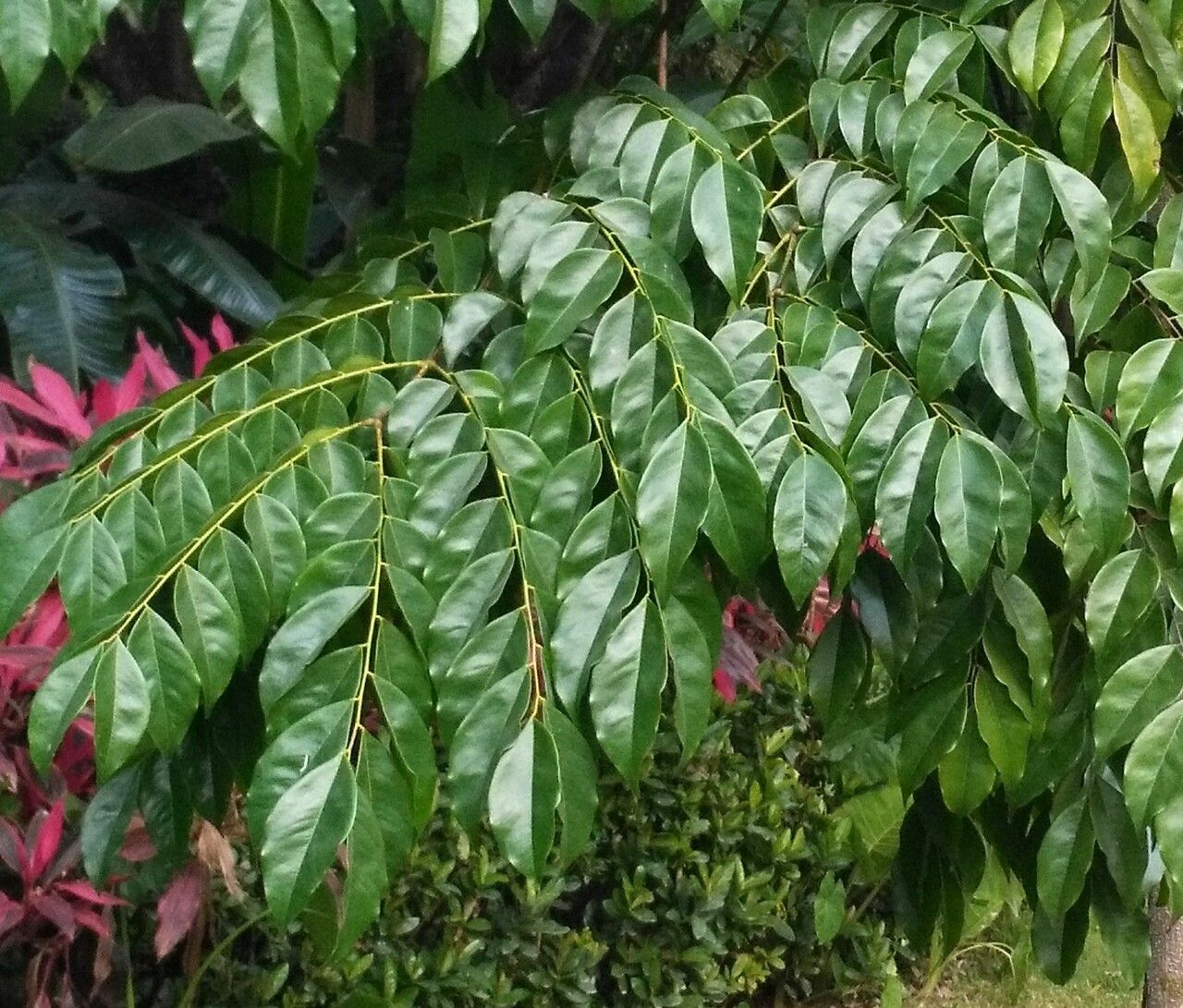
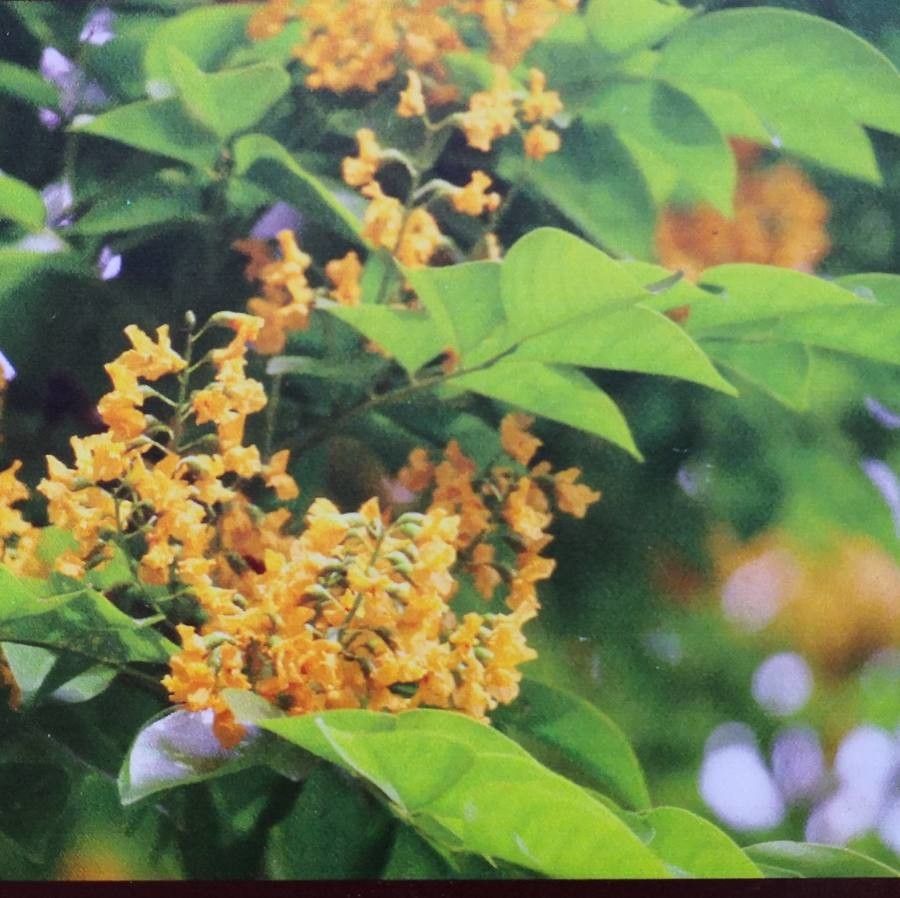
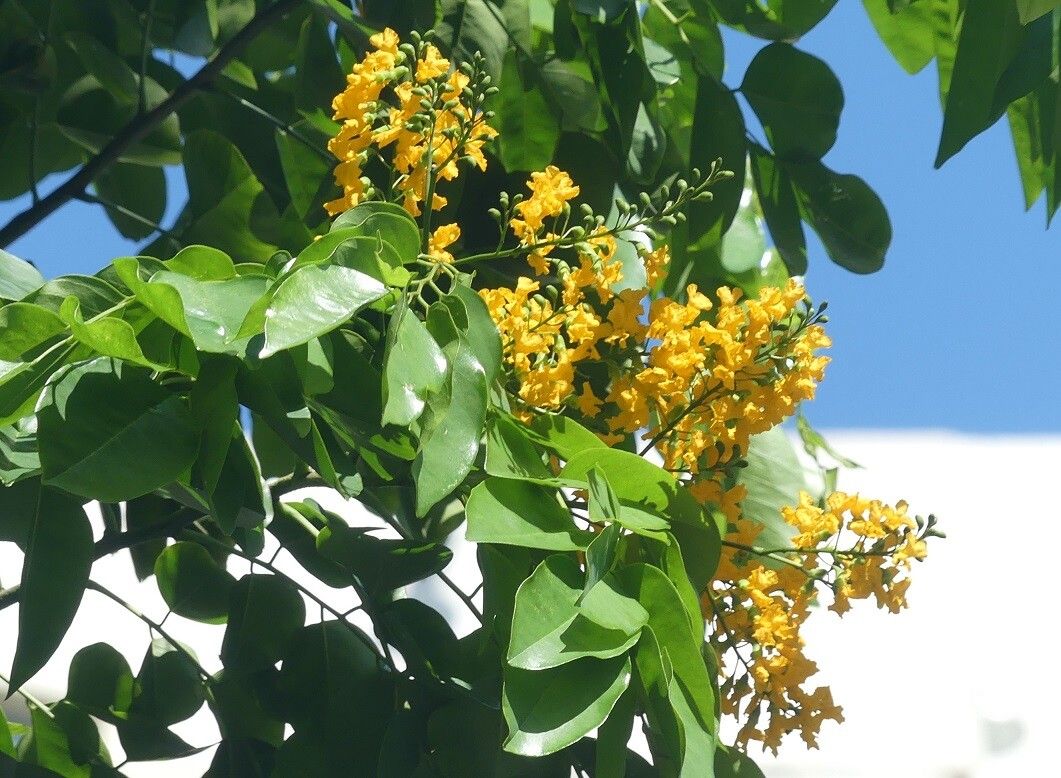
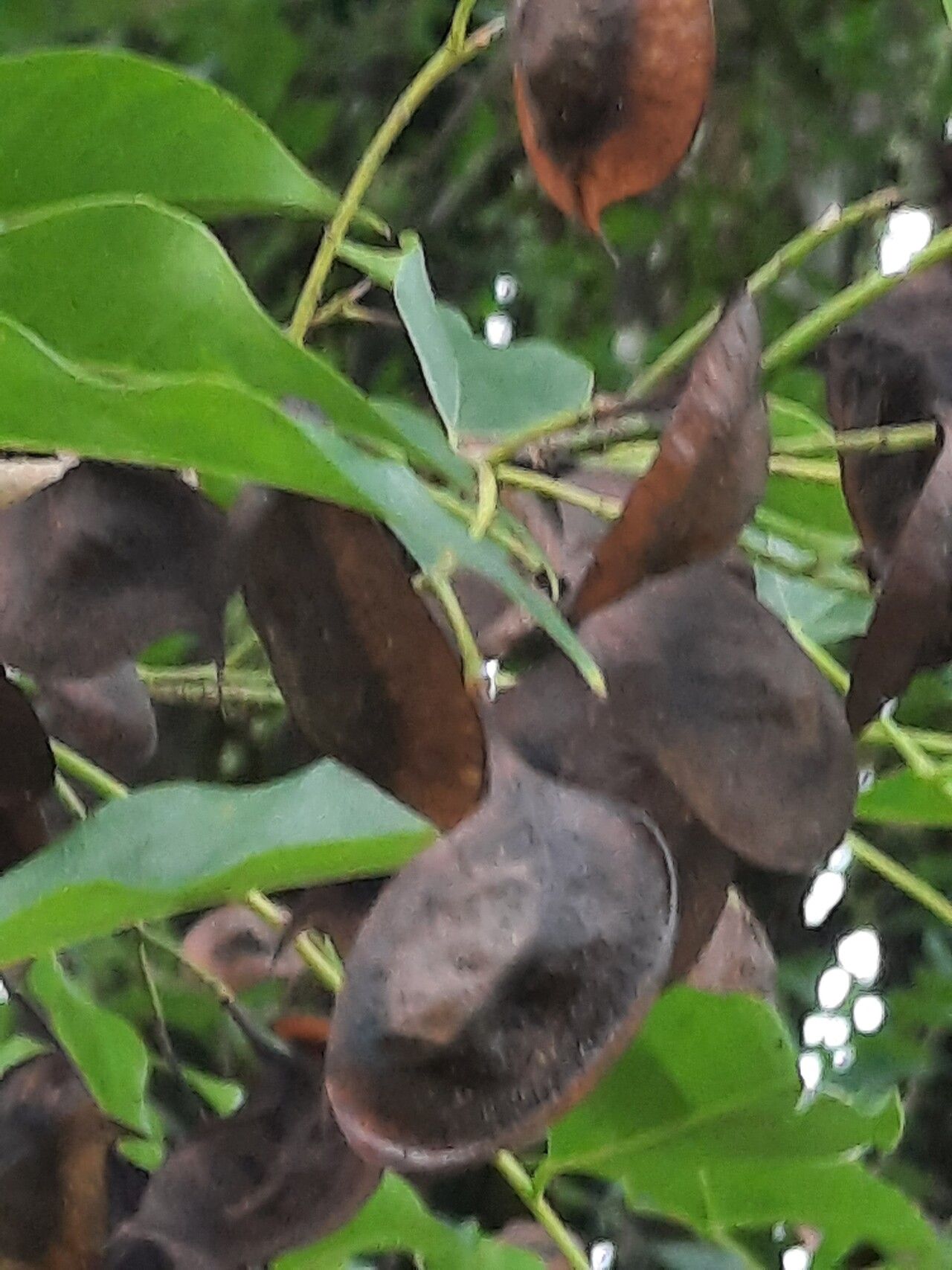
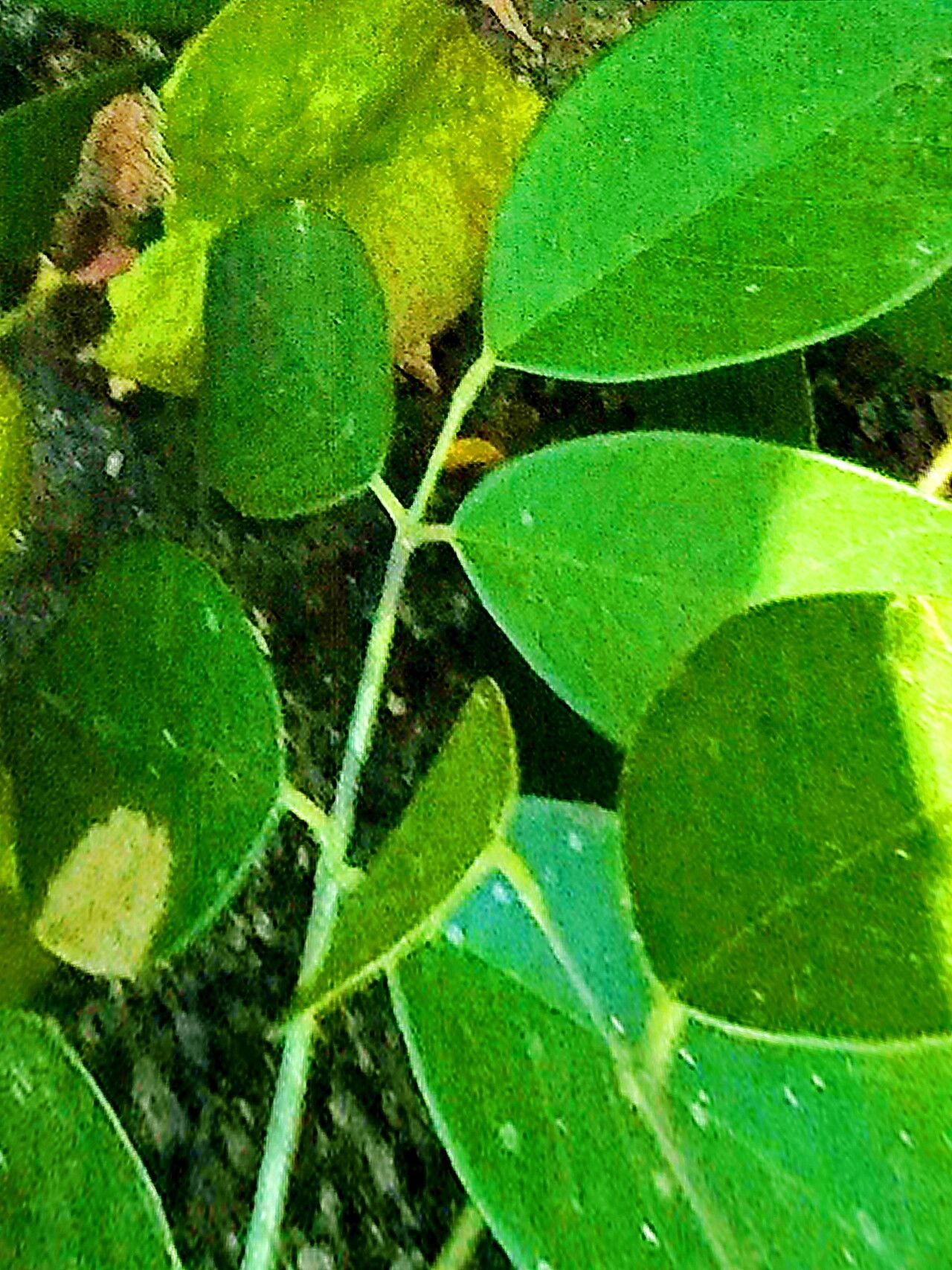
The leaves of Pterocarpus indicus are pinnate, consisting of 5 to 9 oblong leaflets. The flowers are small, yellowish-green, and grow in clusters at the ends of branches. The fruit is a flat pod that contains one or two seeds.
The wood of Pterocarpus indicus is highly valued for its durability, strength, and beautiful reddish-brown color. It has been used for centuries in furniture making, construction materials such as beams and posts, and musical instruments like guitars and violins due to its excellent acoustic properties.
Pterocarpus indicus also has medicinal properties; it has been traditionally used by indigenous people to treat various ailments like fever and diarrhea, owing to its anti-inflammatory properties.
However, today the species faces threats from deforestation, primarily due to logging activities. As a result, it has been listed as a vulnerable species on the IUCN Red List since 1998. While governments across Southeast Asia have implemented conservation efforts, more needs to be done to ensure this species continues to be part of our ecosystem.
Burmese rosewood shows strong disease resistance and is usually not susceptible to illnesses. Regarding care, this plant is fairly low-maintenance. When grown outdoors it needs little watering, and larger plants typically do not require pruning. Smaller plants, however, should be pruned after they flower. Burmese rosewood is suitable for anyone with an outdoor area, such as a garden or deck, and does not demand much experience in plant care.
How to keep Pterocarpus Indicus.
Light
Burmese rosewood does best with abundant light. Areas where it naturally grows receive strong sun exposure. Its health and development are closely tied to the amount of sunlight available. It tolerates moderate sun, but both too much and too little light can reduce its vigor.
Water
Burmese rosewood flourishes in the humid climate of Southeast Asia. It typically needs watering about once every two weeks to maintain balance. Although this tree has a moderate tolerance for drought, it is evergreen and requires consistent soil moisture to support its continuous growth throughout the year.
Temperature
Burmese rosewood is native to environments with temperatures ranging from 68 to 100 °F (20 to 38 ℃). This is its ideal temperature range for thriving. Large swings outside this range can be harmful to its health.
Fertilizer
The best time to fertilize a Burmese rosewood is in early spring, as it breaks dormancy. This supports overall growth and the development of flowers. Fertilization improves the leaves, stems, and branches, while encouraging large, vibrant, and long-lasting blooms. It helps move nutrients from the roots to the flowers and enhances the plant's health and resistance to disease.
Pruning
To ensure Burmese rosewood thrives, prune it from early to late winter. Focus on removing dead or diseased branches and thin out overcrowded areas to improve light and airflow. This practice shapes the plant and encourages healthy growth while minimizing stress during its dormant phase, effectively preparing it for spring growth.
Botanical profile.
- Plant Type
- Tree
- Life Cycle
- Perennial
- Genus
- Pterocarpus
- Family
- Fabaceae
- Hardiness Zone
- 10-12
- Mature Height
- 29.87 m
- Mature Spread
- 3.96 m
- Leaf Color
- Dark Green, Forest Green
- Leaf Type
- Evergreen
- Flower Color
- Yellow, Orange
- Flower Size
- 6.35 cm to 12.70 cm
- Bloom Time
- Late spring, Early summer, Mid summer
- Planting Time
- Winter, Spring
- Harvest Time
- Mid summer
- Native Area
- Sri Lanka, India, Malaysia, Vanuatu, Philippines, Timor-Leste, Laos, Fiji, Brunei, China, Solomon Islands, Indonesia, Cambodia, Vietnam, Myanmar, Japan, Papua New Guinea, Thailand
Other names.
Reader questions.
How should I water my Burmese rosewood plant?
Your Burmese rosewood plant is not fussy about how you water it. You can use common watering tools like cans, hoses, or even cups. Just make sure to water it by directly applying the water to the soil. It's important to moisten all areas of the soil equally to ensure all parts of the root system get the water they need. Using filtered water is recommended, as tap water may have harmful particles. It's also best to use water that is at or slightly above room temperature, as extremely cold or hot water can shock the plant. Nevertheless, the Burmese rosewood generally responds well to any type of water.
Why should I put plant food on my Burmese rosewood?
Fertilization is crucial for the overall health and well-being of a Burmese rosewood. It helps in providing the necessary energy and nutrients for the plant to develop a healthy foliage with sturdy stems and branches. However, the flowers of a Burmese rosewood are particularly valuable to gardeners. Fortunately, fertilization also plays a role in producing large, vibrant, and long-lasting flowers. This is because the right type of fertilizer enables the plant to effectively transfer fuel from its roots, through its stems, and to its flowers. Proper fertilization also improves the plant's overall health, making it more resistant to diseases.
What are the sun exposure requirements for Burmese rosewood?
Burmese rosewood, also known as Pterocarpus indicus, thrives best in full sun conditions, which means it requires more than 6 hours of sunlight daily. However, it can also tolerate partial sun conditions, requiring about 3-6 hours of sunlight. It's essential to observe the movement of sunlight through your garden to find the ideal balance of light and shade to ensure the health and happiness of your plants.
What is the optimal temperature range for Burmese rosewood?
Burmese rosewood, also known as Pterocarpus indicus, thrives best in temperatures ranging between 68 to 100°F (20 to 38°C). This temperature range is crucial for its health and growth. It is vital to avoid significant fluctuations beyond this range as they could harm the plant. Moreover, Burmese rosewood is a heat-loving plant, and exposure to cold temperatures can be detrimental. To protect it during colder months, it is advisable to bring outdoor-grown Burmese rosewood indoors, positioning it near a bright window while ensuring it is not too close to heaters. Keeping the temperature above 20°C during winter benefits the plant, and any temperatures nearing 5°C should be avoided.
What should I do if I give my Burmese rosewood plant too much or too little water?
Outdoor plants, especially newly planted ones or seedlings, are susceptible to lack of watering. It's important to water them adequately for the first few months, especially when the tree is small or recently planted. Once the roots are established, Burmese rosewood can mostly rely on rain. However, when Burmese rosewood is planted in pots, overwatering becomes more likely. If you accidentally overwater your Burmese rosewood, take immediate action to fix the situation. Stop watering the plant to minimize the impact of overwatering. Then, remove the Burmese rosewood from its pot to inspect the roots. If there's no root rot, you can return the plant to its container. But if root rot is present, trim affected roots and apply a fungicide to prevent further damage. Finally, repot the Burmese rosewood in well-draining soil. In the case of underwatering, simply water the plant more frequently. Underwatering is easily fixed, as the leaves will droop, dry out, and fall off. Once adequately watered, the leaves will regain their fullness. Adjust your watering frequency when underwatering occurs.
When should I put fertilizer on my Burmese rosewood?
The best time to fertilize a Burmese rosewood is in early spring when it is coming out of dormancy and getting ready to bloom. This will provide the plant with the energy it needs for growth and flower development. However, it is also beneficial to fertilize the plant once more in the fall, although a smaller amount is sufficient. Some gardeners choose to fertilize the Burmese rosewood when planting, but this is not always necessary.
What essentials should I know about Burmese rosewood's lighting needs?
Burmese rosewood prospers in environments with significant sunlight exposure, typical of its native regions. It's crucial for the plant's health and growth to receive ample sunlight; though it can withstand medium levels of sun exposure, deviations from this can adversely affect its vigor. For indoor plants, inadequate natural light can be compensated with artificial lighting, which is critical for optimal growth. Indoor plants benefit from artificial lights such as LED, which can be customized to provide specific wavelengths. The amount of artificial light required varies: full sun plants need 30-50W/sq ft, partial sun plants 20-30W/sq ft, and full shade plants 10-20W/sq ft. Proper distance (12-36 inches above the plant) and duration (8-12 hours per day) of artificial light mimicking natural sunlight are key for the plant’s health.
How do you care for Burmese rosewood in low temperatures?
Burmese rosewood requires warm temperatures to thrive and does not tolerate low temperatures well. Ideally, the temperature should remain above 20°C. During winter, it's important to ensure the temperature stays above 5°C. Exposing the plant to temperatures below 1°C may result in a lightening of leaf color, which, post-frost damage, could turn brown or black. Symptoms also include wilting and drooping. To care for the plant in cold weather, trim off the frost-damaged parts and move the plant to a warmer indoor space for cold protection. It's best placed near a south-facing window for ample sunlight. Additionally, avoid placing the plant near heaters or air conditioning vents to prevent air dryness.
How often do I need to water my Burmese rosewood plant?
Most outdoor plants can grow naturally with rainfall, but if your area doesn't get much rain, you'll need to water them every 2 weeks in spring and fall, and more often in summer. In winter, when plants grow slower and need less water, you can water them less or not at all. If your Burmese rosewood is young or newly planted, it needs more frequent watering to help establish itself and become more drought tolerant. If you have potted plants, there are two main ways to determine how often to water your Burmese rosewood. One way is to have a set schedule, such as watering once a week or every other week. However, this may not work well if the conditions for your plant are unique. Another option is to check the soil moisture. Wait until the top 2 to 4 inches of soil have dried out completely before watering again. This is usually about ⅓ to ½ depth of the pots.
When is it not a good idea to give fertilizer to my Burmese rosewood plant?
During the winter, Burmese rosewood is in a dormant phase, so fertilization is not necessary. Overfertilization can be harmful, so it's best to avoid it during this time. The main feeding times for a Burmese rosewood are early spring and fall. Therefore, during most of spring and summer, fertilizer is not needed. If the plant is dealing with extremely hot or dry conditions, it is also advisable to hold off on fertilizing.
What are the symptoms of insufficient or excessive light exposure in Burmese rosewood?
Inadequate light exposure for Burmese rosewood can lead to smaller new leaves, leggy or sparse growth, faster leaf drop, slow or no new growth, and lighter-colored or chlorotic leaves. Excessive sunlight, on the other hand, can result in symptoms such as sunscald, leaf curling, wilting, leaf scorching, and even the breakdown of chlorophyll which affects the plant's photosynthesis process. These symptoms help identify whether the plant needs adjustments in its lighting conditions.
What should I do if my Burmese rosewood experiences high temperatures?
During summer, it's crucial to ensure that the temperature surrounding your Burmese rosewood does not exceed 38°C. High temperatures beyond 43°C may cause the leaves to lighten in color and increase susceptibility to sunburn. To mitigate the effects of excessive heat, trim away the sunburned and dried parts of the plant. Move your Burmese rosewood to a location where it can enjoy shade during the hot midday and afternoon sun to avoid further sunburn. Watering the plant in the morning and evening can also help keep the soil adequately moist, providing relief from high temperatures.