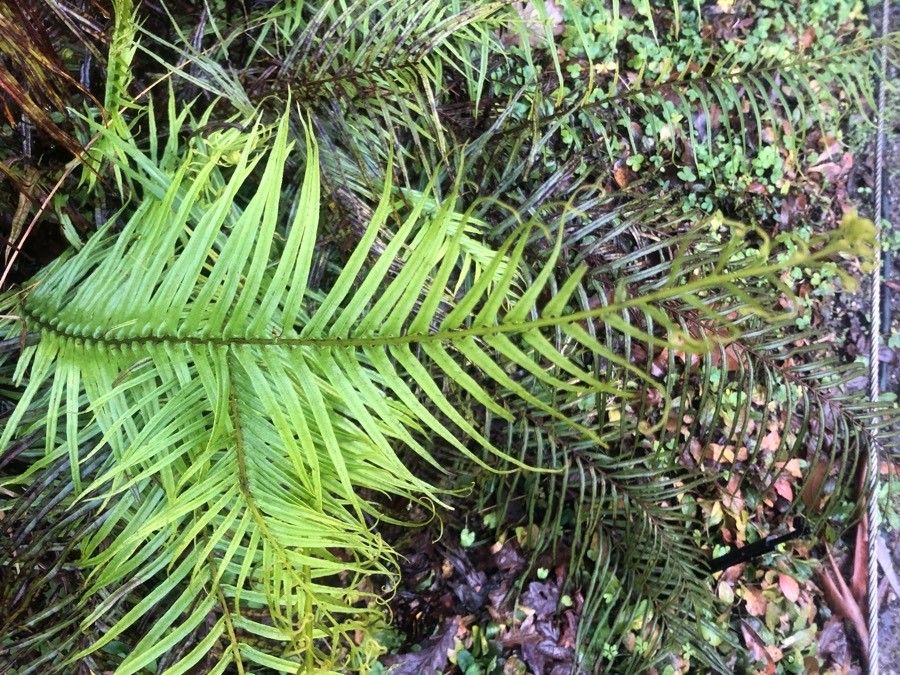
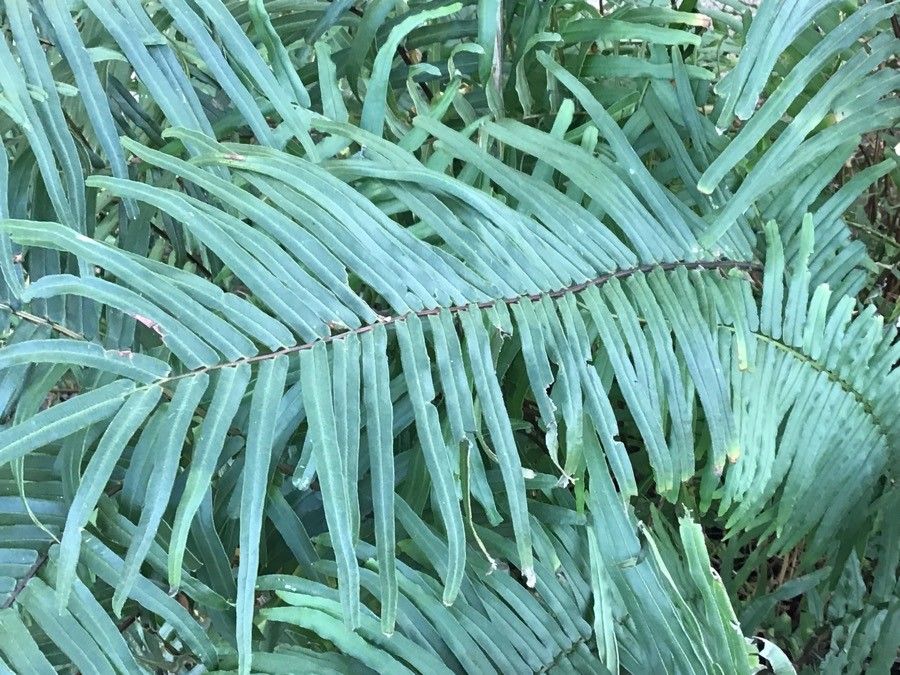
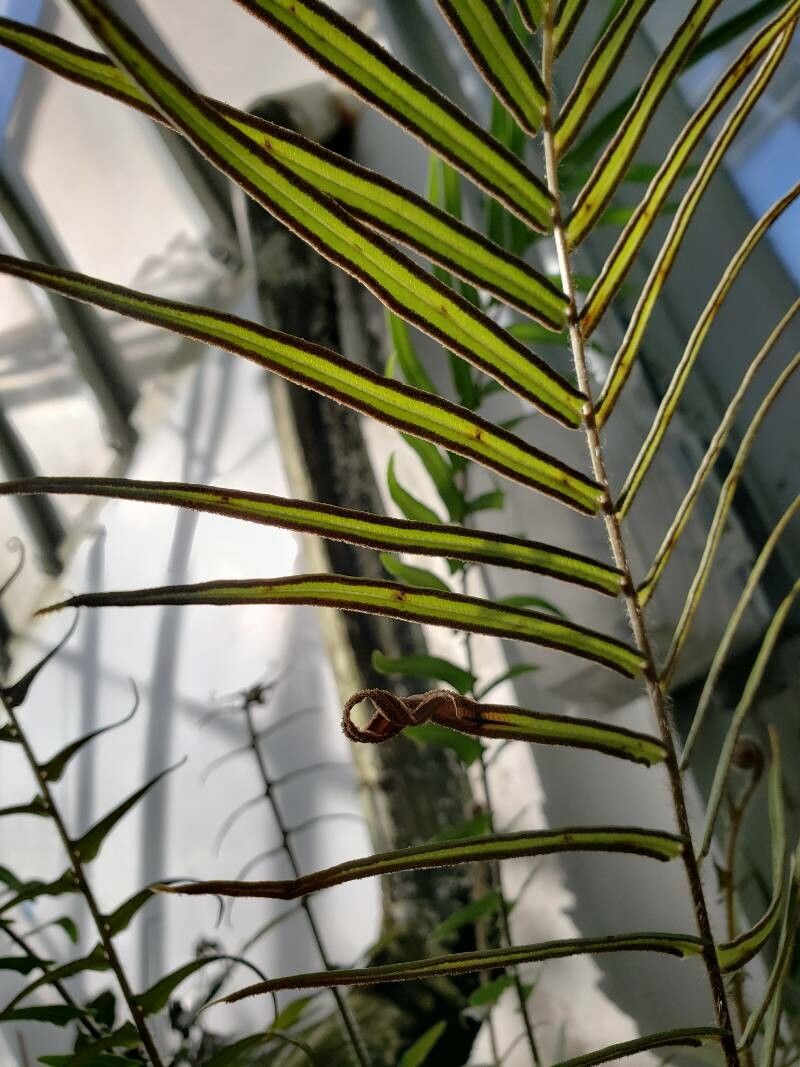
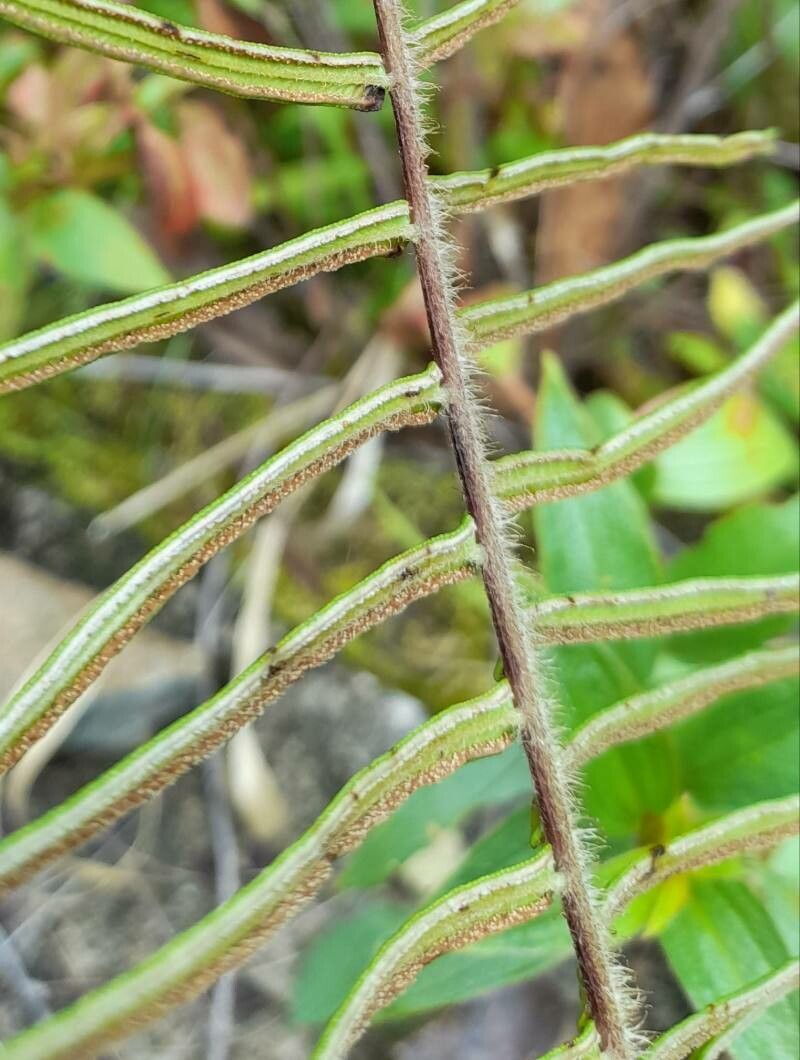
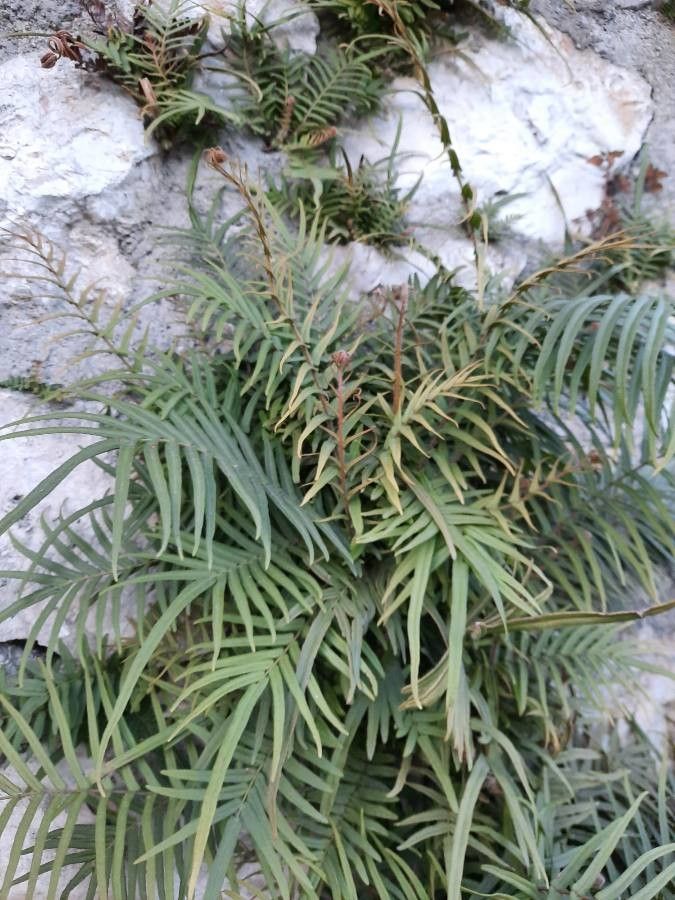
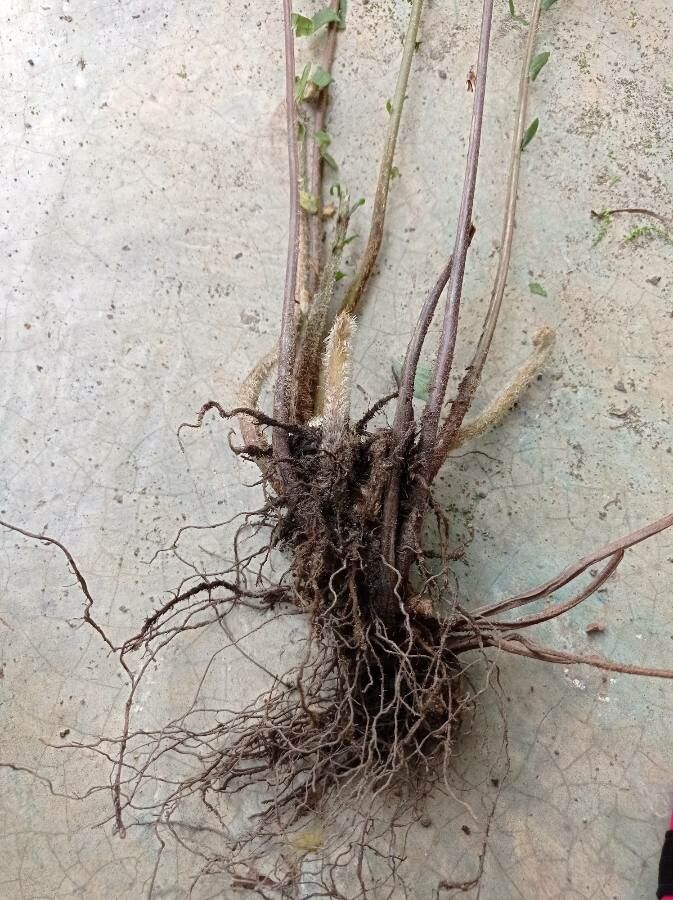
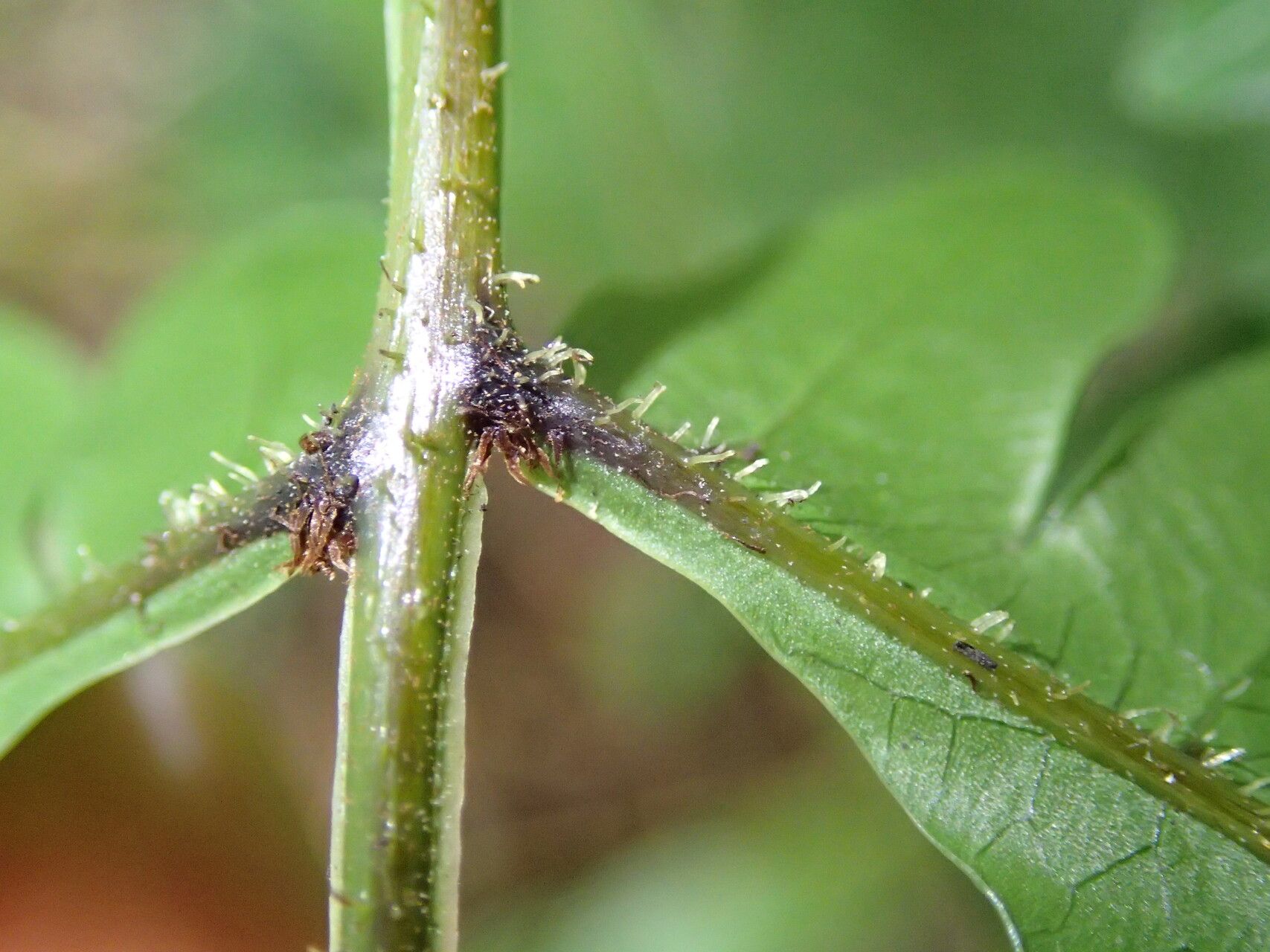
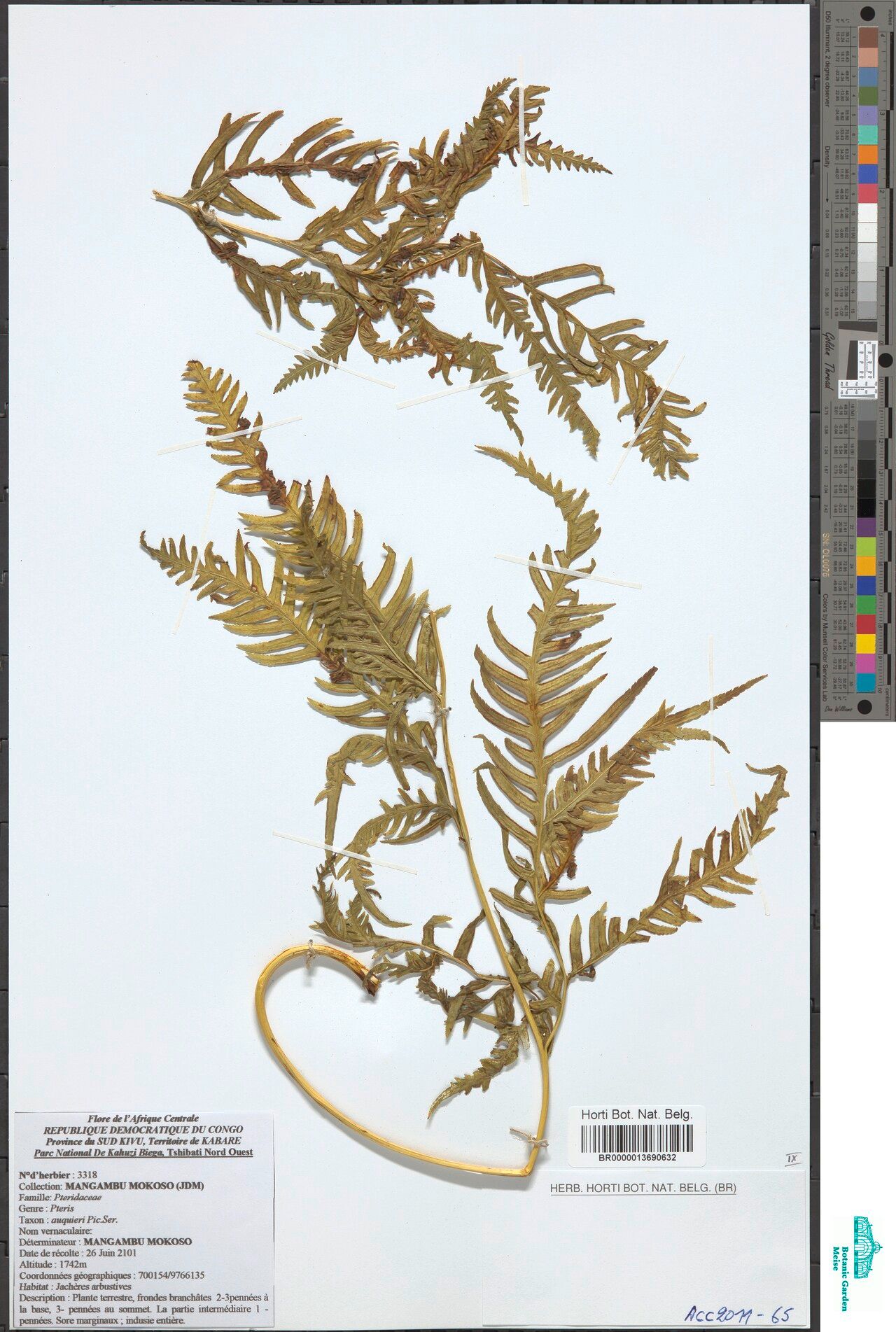
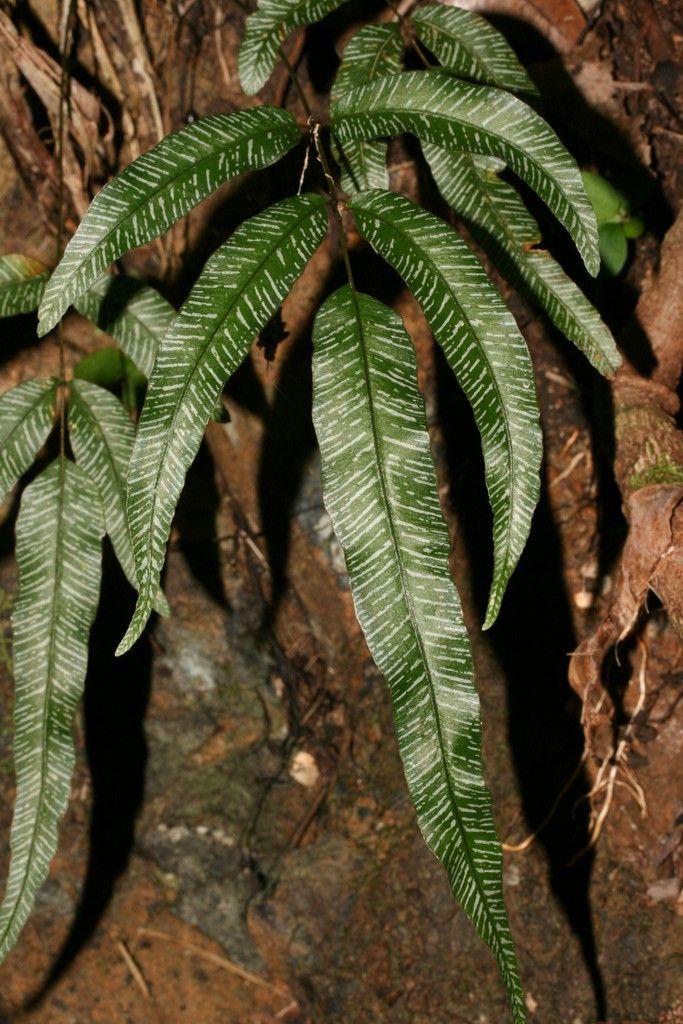
Pteris vittata, commonly referred to as the Chinese brake fern or ladder fern, is a species belonging to the Pteridaceae family. Native to China and Southeast Asia, the plant has since been introduced and naturalized in various parts of the world.
This fern features distinctive long fronds that grow upward, resembling a ladder. The fronds are dark green and can reach lengths of up to one meter. Additionally, the plant produces spores on the underside of its fronds, which serve as a means of reproduction.
Pteris vittata is notable for its ability to absorb heavy metals from contaminated soil through phytoremediation, making it a valuable asset in environmental restoration projects. It has been particularly effective in areas with high levels of arsenic contamination.
Beyond its environmental benefits, Pteris vittata also possesses medicinal properties and has traditionally been used as an herbal remedy for ailments such as fever and inflammation.
Overall, Pteris vittata is a remarkable plant with unique characteristics, offering both environmental and medicinal value.
The Chinese ladder brake fern is fairly disease-resistant and generally not prone to illnesses. However, it can be affected by pests and diseases present in its surroundings. Such infections are typically not severe. For care, this plant needs a moderate level of maintenance. Regular pruning is required to keep a neat appearance and support healthy growth. Fertilizing can also help encourage flowering. The Chinese ladder brake fern is suitable for anyone with outdoor space, like a garden or patio, and does not demand extensive care experience. It may need more attention when kept indoors.
How to keep Pteris Vittata.
Light
The Chinese ladder brake fern grows best when not subjected to intense, constant light, although it can tolerate that. Coming from places where it receives diffused or filtered light, too much sun can damage it, while too little light can hinder its growth.
Water
Originally from tropical regions, the Chinese ladder brake fern thrives in consistently moist environments and needs to be watered weekly. As an indoor ornamental plant, it benefits from the humidity found in homes and regular misting, which promotes lush growth during its active season.
Humidity
This plant will thrive in moderate humidity, which is probably the level in your home. However, misting it a few times a week can be very beneficial. Make sure the room has good ventilation.
Temperature
The Chinese ladder brake fern is a fern species native to temperate regions, preferring temperatures of 59 to 100.4 °F (15 to 38 ℃). Seasonal adjustments to temperature should be taken into account, as this can help ensure its survival and ability to thrive across varied climates.
Fertilizer
Typically, one application of fertilizer in spring is enough for the Chinese ladder brake fern, though repeated feedings can maximize its growth. Apply fertilizer every month to every month and a half. Fertilization improves the leaves' appearance and function, encouraging uniform color and a healthy texture. It also encourages root development and better nutrient uptake, supporting long-term plant health.
Pruning
The Chinese ladder brake fern is known for its elegant fronds and its ability to purify the air. To keep the plant healthy, it is best to prune any dead or damaged sections from early to late spring. This promotes new growth, keeps the plant looking attractive, and helps manage its size. Regularly checking for signs of disease is also essential to ensure the fern's vitality and longevity.
Botanical profile.
- Plant Type
- Herb
- Life Cycle
- Perennial
- Genus
- Pteris
- Family
- Pteridaceae
- Hardiness Zone
- 8-11
- Mature Height
- 61 cm to 91 cm
- Mature Spread
- 0.91 m to 1.22 m
- Leaf Color
- Green
- Leaf Type
- Evergreen
- Planting Time
- Summer, Autumn
- Native Area
- Sri Lanka, Libya, Somalia, Lesotho, Turkey, Egypt, Djibouti, Angola, Namibia, Madagascar, Rwanda, Pakistan, Eritrea, Morocco, Yemen, Kenya, Uganda, Tanzania, Zimbabwe, Fiji, Jordan, Indonesia, Cameroon, Burundi, Mozambique, Oman, Ghana, Ethiopia, Botswana, France, Nepal, Saudi Arabia, Malawi, Congo, Tunisia, South Africa, Zambia, Sudan, Philippines, Laos, Cyprus, Greece, Bangladesh, Armenia, Lebanon, China, Syria, Italy, Spain, Vietnam, Myanmar, Japan, Israel, Papua New Guinea, Eswatini, Singapore, Iran, Algeria, Azerbaijan, Congo (DRC), Thailand
Other names.
Reader questions.
How should I water my Chinese ladder brake fern?
To properly water the Chinese ladder brake fern, use filtered water at room temperature. Tap water may contain harmful particles. The fern prefers warmer water since it originates from a warm environment, and cold water can be a shock. Avoid overhead watering to prevent leaf problems. Instead, thoroughly saturate the soil with filtered room temperature water. This helps moisten the roots and facilitate nutrient absorption.
Why should I give fertilizer to my Chinese ladder brake fern?
The Chinese ladder brake fern relies heavily on its leaves for its overall structure. Fertilization is a crucial factor in keeping these leaves looking their best and functioning properly. By properly fertilizing your fern, you can ensure that its leaves maintain a consistent color and a healthy texture. Additionally, fertilization also has effects below the surface of the soil. It helps the fern generate new roots and maintain the existing ones in its root system. This ensures not only current plant health but also improves the fern's ability to absorb soil nutrients in the long run.
What are the sunlight requirements for a Chinese ladder brake fern?
Chinese ladder brake fern requires partial to full sunlight exposure to thrive. Partial sun exposure is about 3-6 hours of sunlight, while full sun exposure is defined as receiving more than 6 hours of sunlight daily. It's crucial to monitor the sunlight's movement through your garden to select spots that offer a suitable mix of light and shade. This ensures the plant's well-being, catering to its need for well-balanced lighting conditions.
What is the Chinese Ladder Brake Fern?
The Chinese Ladder Brake Fern, scientifically known as Pteris vittata, is a type of fern native to temperate regions. It thrives in temperatures ranging from 59 to 100.4°F (15 to 38°C), making it adaptable to various climates. Seasonal adjustments to temperature are important for its survival, as it has some cold tolerance. When temperatures are above -5°C, the fern generally does not require additional protection. However, if temperatures are expected to drop below -5°C, temporary measures such as wrapping the fern in plastic film, fabric, or other materials should be considered. Once warmer temperatures return, these protective measures should be removed promptly.
What should I do if I give my Chinese ladder brake fern too much or too little water?
Overwatering is a common issue for Chinese ladder brake ferns and can cause wilting and yellowing of the stems and leaves. It can also lead to diseases like root rot, mold, and mildew, which can be fatal for the plant. On the other hand, underwatering is less common due to the plant's drought tolerance, but it can still happen and result in brittle and brown leaves. To take care of your Chinese ladder brake fern, it is important to recognize the signs of overwatering early. Some diseases caused by overwatering, like root rot, may be irreversible if not addressed promptly. If you notice these signs, reduce your watering schedule immediately and check the drainage of the soil. If the soil drains poorly, replace it with a loose, well-draining potting mix. In contrast, if your Chinese ladder brake fern shows signs of underwatering, simply increase your watering frequency until the signs subside.
When is the right time to give my Chinese ladder brake fern plant food?
To ensure optimal growth of your Chinese ladder brake fern, observe its new shoots appearing in early spring, which indicates the appropriate time to start fertilization for the year. While a single application of fertilizer in the spring is usually sufficient for the fern's well-being, you have the option to enhance its growth by applying fertilizer multiple times during the spring and early summer. If you decide to take this approach, feeding your Chinese ladder brake fern every month to a month and a half will suffice.
How does the Chinese ladder brake fern respond to indoor and artificial lighting conditions?
The Chinese ladder brake fern is adaptable to indoor lighting conditions and flourishes best under diffused or filtered light, typical of its natural habitat. For indoor plants or those in less sunny spaces, especially during winter, artificial lighting becomes essential for optimal growth. LED lights are recommended due to their capacity to be customized to particular light wavelengths beneficial for plants. For artificial light requirements, full sun plants need 30-50W/sq ft, partial sun plants require 20-30W/sq ft, and full shade plants should have 10-20W/sq ft. The light source should ideally be placed 12-36 inches above the plant, simulating natural sunlight conditions for 8-12 hours a day.
How does the Chinese Ladder Brake Fern react to low temperatures?
The Chinese Ladder Brake Fern has a moderate tolerance to low temperatures and performs best when the ambient temperature is above 15°C. During winter, it is crucial to keep the temperature above -5°C to prevent damage. If temperatures fall below -10°C, the fern's leaves may droop, and while they can recover in mild cases, severe cold may cause the leaves to wilt and eventually fall off. To protect the fern from frost damage, trimming off the frost-damaged parts is advisable. Additionally, wrapping the plant with non-woven fabric or cloth and constructing a wind barrier can help shield it from cold winds.
How often do I need to water my Chinese ladder brake fern?
If your Chinese ladder brake fern is in a pot, the most precise way to determine if it needs water is by checking the soil. Plunge your finger into the soil, and if you find that the top two to three inches are dry, it's time to water it. For Chinese ladder brake ferns grown outdoors in the ground, you can use a similar method to test the soil. Once the top few inches of soil have dried out, it's time to add water. Typically, during the spring and early fall, you should water this plant about once a week using this method. However, in extremely hot weather, you may need to increase watering to about twice or more per week. That being said, mature and well-established Chinese ladder brake ferns have a commendable ability to withstand drought.
When is it not a good idea to fertilize my Chinese ladder brake fern?
During the late fall and winter, your Chinese ladder brake fern will go into a dormant phase, during which it will not grow new leaves. It is important to avoid fertilizing your fern during this time. In the spring and summer, if you decide to fertilize, gradually reduce the rate of fertilization as summer approaches because the fern's growth rate will also slow down. It is never advisable to fertilize your fern during extremely hot weather or when the soil is excessively dry. Fertilizing in these conditions can stress the fern and cause it to die prematurely.
What are some common symptoms of inadequate light exposure in Chinese ladder brake ferns?
The Chinese ladder brake fern shows several symptoms when exposed to insufficient light, including the growth of smaller new leaves, leggy or sparse growth, early leaf drop, halted growth, and paler new leaves. Excessive sunlight can cause chlorosis (loss of green color), sunscald (damaged plant tissue due to intense sun), leaf curling (to minimize sun exposure), wilting (from excessive water loss), and leaf scorching (brown or crispy patches on leaves). These symptoms highlight the plant's struggle with unsuitable lighting conditions.
What should be done if the Chinese Ladder Brake Fern experiences high temperatures?
During the summer, it is important to ensure that the temperature around the Chinese Ladder Brake Fern does not exceed 38°C. Temperatures above 43°C can cause the fern's leaves to lighten in color, dry out at the tips, curl, and become more susceptible to sunburn. In response to high temperatures, sunburned and dried-up parts of the plant should be trimmed away. Relocating the plant to a shaded area or using a shade cloth can protect it from the harsh midday and afternoon sun. Keeping the soil moist through watering in the morning and evening will also help the fern cope with the heat.