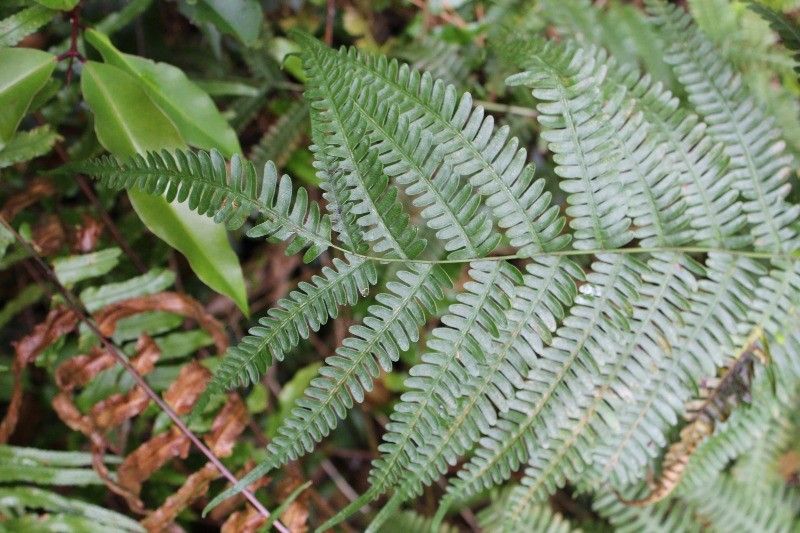
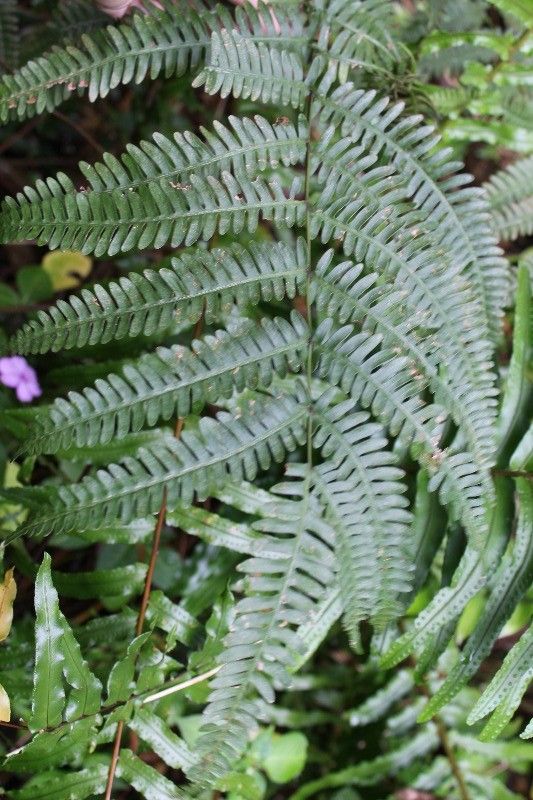
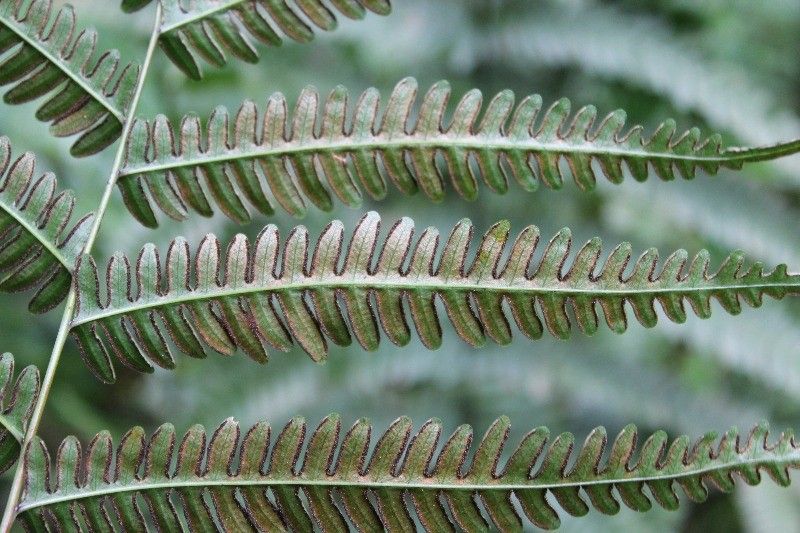
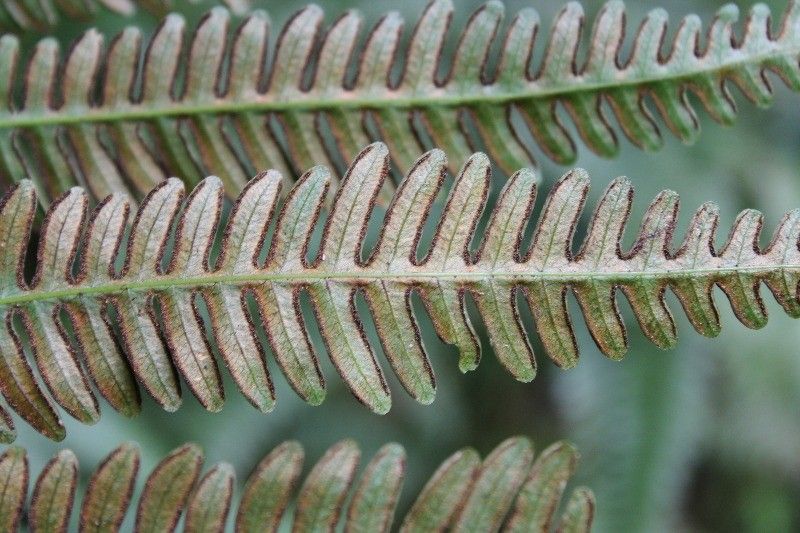
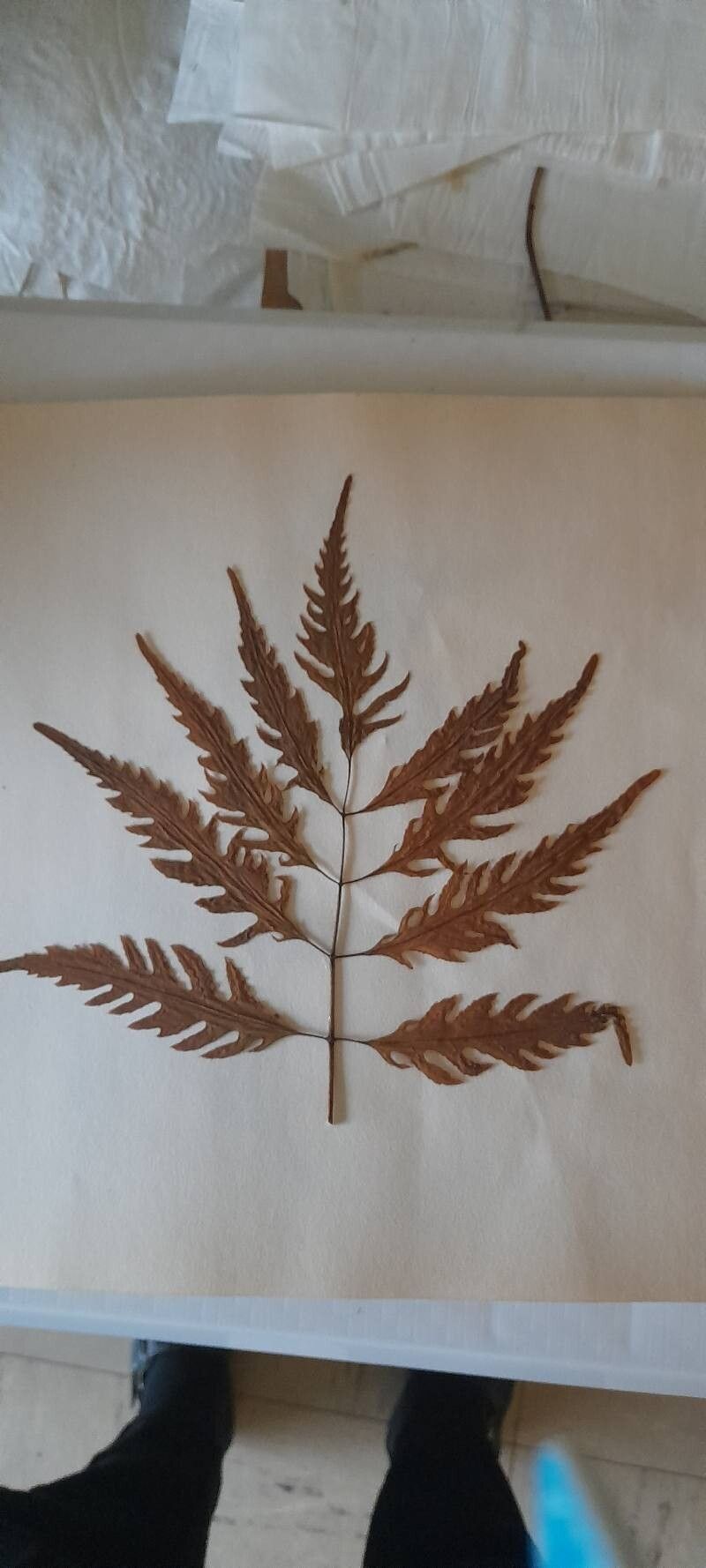
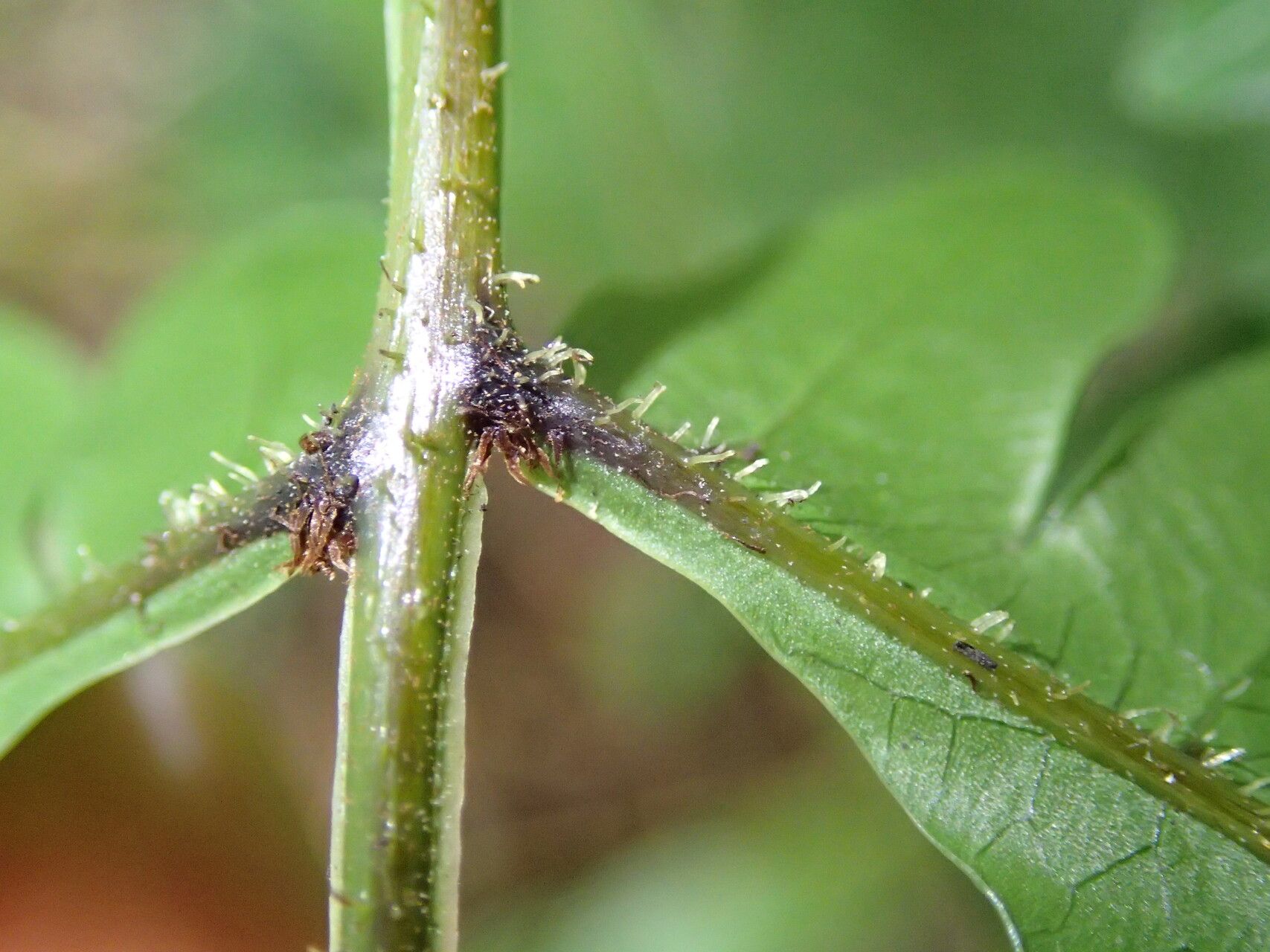
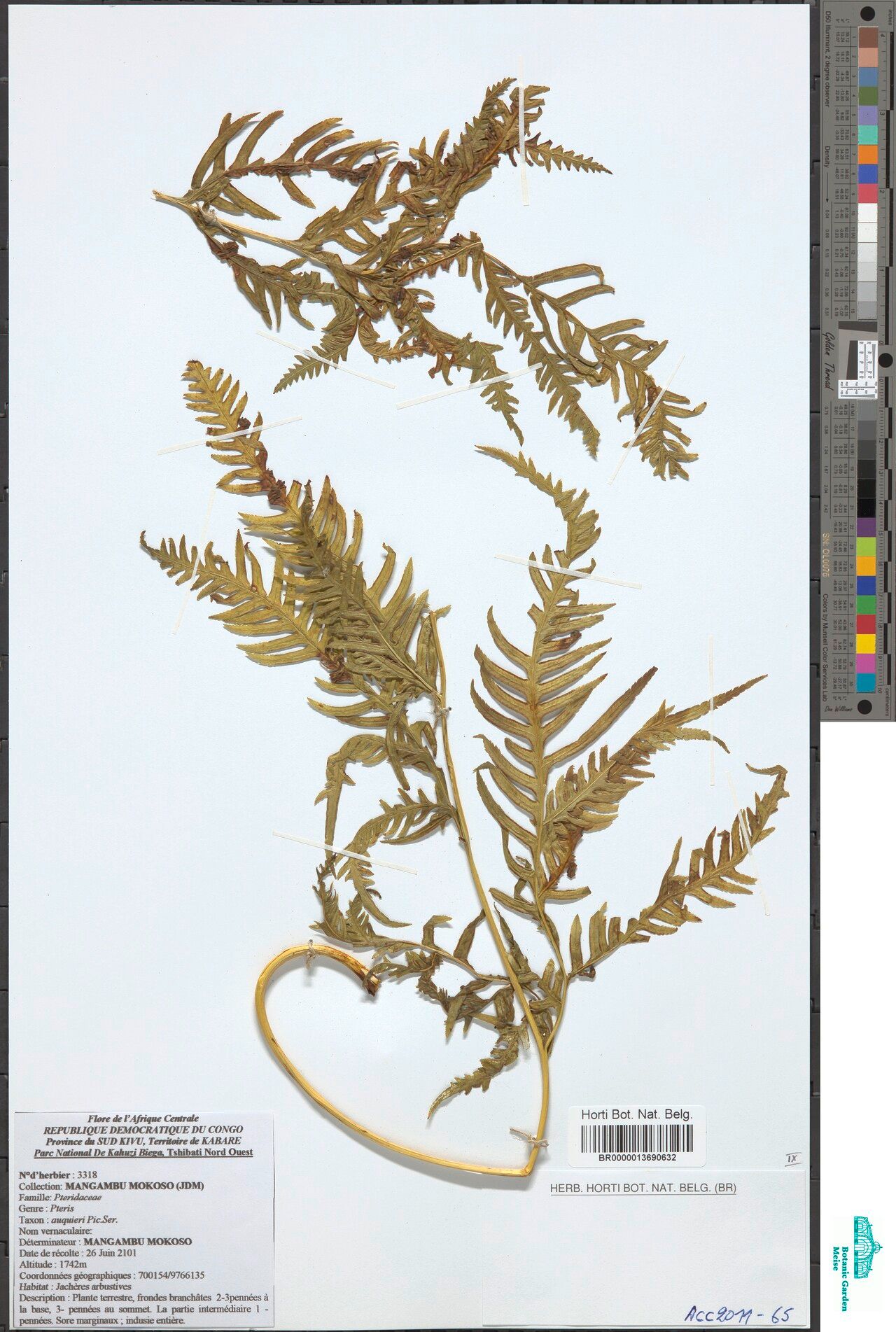
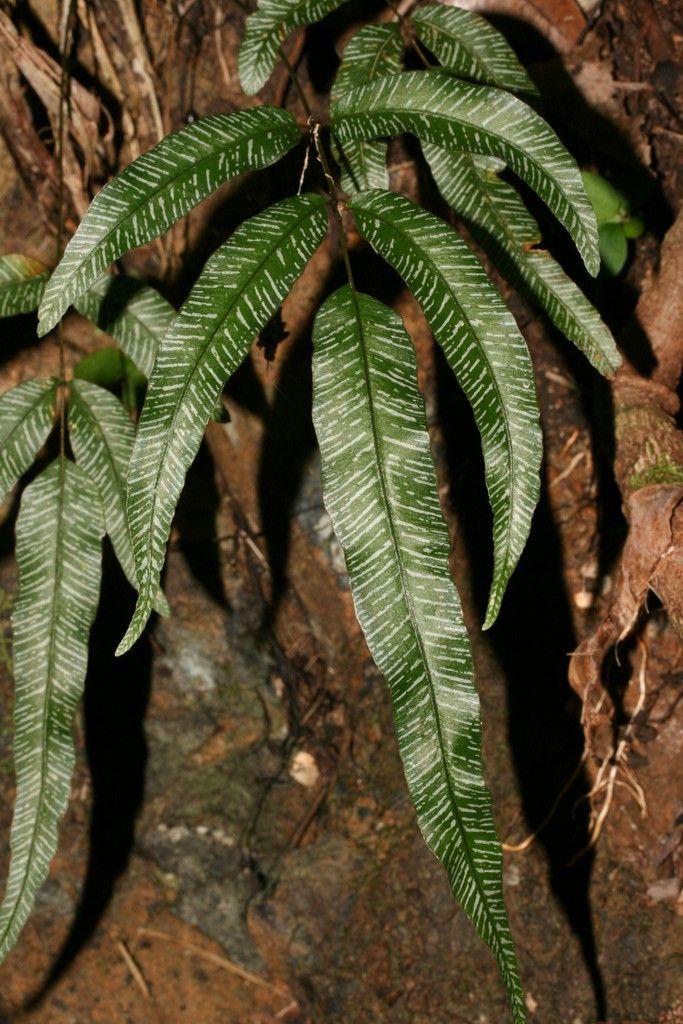
Giant brake generally has good disease resistance and relatively few insect pests. The care level for Giant brake is considered difficult, as it needs a moist environment and frequent watering. However, if it is overwatered and the environment lacks proper ventilation, the roots are likely to rot. Giant brake is suitable for people with some growing experience, since most people can keep it alive for a certain amount of time. Nevertheless, it may struggle to thrive and its leaves can dry out and become less healthy over time.
How to keep Pteris Linearis.
Light
Giant brake comes from habitats such as forest understories or rocky sites that provide natural shade. It prefers Full Shade but can tolerate Partial Sun.
Water
The linear brake plant thrives in moist and humid conditions, needing to be watered twice a week for optimal health. As an evergreen, it keeps its foliage year-round and requires consistent moisture to support its growth cycle, reflecting its tropical rainforest origins.
Temperature
Giant brake comes from tropical areas, where the climate is generally warm and humid. Consequently, it is suited to high heat and moisture. It is sensitive to sudden shifts in temperature and prefers a consistent thermal environment, so avoiding temperature fluctuations indoors is important. It typically cannot tolerate cold and needs warmer conditions to grow. If the surrounding temperature falls too low, the plant may stop growing or even die.
Pruning
The linear brake is a plant known for its delicate, feathery fronds and thrives in humid environments. To keep it healthy, it's best to prune in early spring. During pruning, remove any dead fronds and thin out crowded areas to improve airflow. Regular pruning helps maintain the plant's vitality and encourages new growth. Make sure to use clean, sharp tools to minimize any potential damage.
Botanical profile.
- Plant Type
- Fern
- Life Cycle
- Perennial
- Genus
- Pteris
- Family
- Pteridaceae
- Hardiness Zone
- 9-11
- Mature Height
- 61 cm to 91 cm
- Mature Spread
- 61 cm to 91 cm
- Leaf Color
- Light Green, Forest Green
- Leaf Type
- Evergreen
- Planting Time
- Spring, Autumn
- Native Area
- Sri Lanka, India, Malaysia, Angola, Vanuatu, Madagascar, Nigeria, Kenya, Uganda, Tanzania, Fiji, Sierra Leone, Indonesia, Equatorial Guinea, Cameroon, Liberia, Ghana, Congo, Central African Republic, Philippines, Laos, Guinea, New Zealand, China, Vietnam, Togo, Papua New Guinea, Côte d'Ivoire, Singapore, Congo (DRC), Thailand, Gabon
Reader questions.
What are the sunlight requirements for plants?
Plants have varying sunlight requirements to thrive. Partial sun plants need about 3-6 hours of sunlight daily. It's important to watch how sunlight moves through your garden and choose spots that provide the perfect balance of light and shade for your plants. This ensures their happiness by meeting their specific light needs.
What are the essentials for growing Linear brake?
Linear brake, scientifically known as Pteris linearis, originates from environments like forest understories or rocky areas, providing natural shade. It prefers full shade but can tolerate partial sun. When natural sunlight is insufficient, especially in winter or less sunny spaces, artificial lighting is crucial for optimal growth. LEDs are recommended, with needed wattages varying by plant type: 30-50W/sq ft for full sun, 20-30W/sq ft for partial sun, and 10-20W/sq ft for full shade plants. The light should be placed 12-36 inches above the plant for 8-12 hours a day.
What are common symptoms of inadequate light for Linear brake?
If Linear brake doesn't receive adequate light, it may exhibit symptoms such as smaller new leaves, leggy or sparse growth, faster leaf drop, slowed or stopped new growth, lighter-colored new leaves due to lack of chlorophyll, chlorosis (leaves turning yellow), sunscald, leaf curling, wilting, and leaf scorching. These signs indicate the plant is struggling with its current light conditions.
What solutions can address inadequate light for plants?
To address inadequate light conditions, indoor plants can be gradually moved to sunnier spots or supplemented with artificial light, ensuring they receive 3-6 hours of sunlight or equivalent lighting daily. For outdoor plants, similar gradual adjustments towards more sunlight can prevent sunburn. Minimizing obstructions like trees by pruning can increase sunlight exposure. If necessary, smaller plants can be transplanted during their dormant period to more favorable locations. It's important to note that while increasing light can promote healthy new growth, parts of the plant already damaged by insufficient light may not recover.