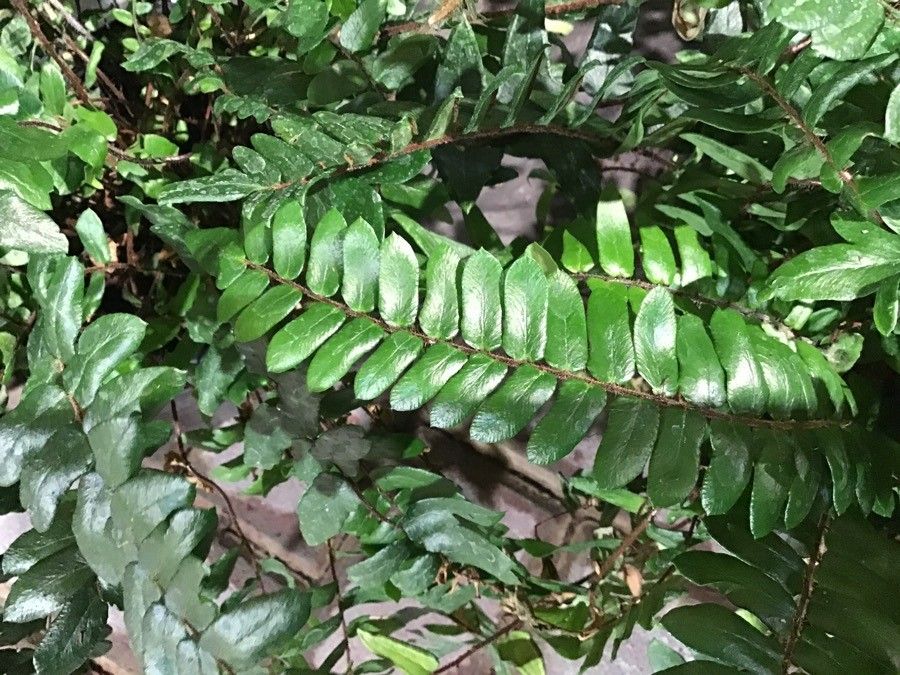
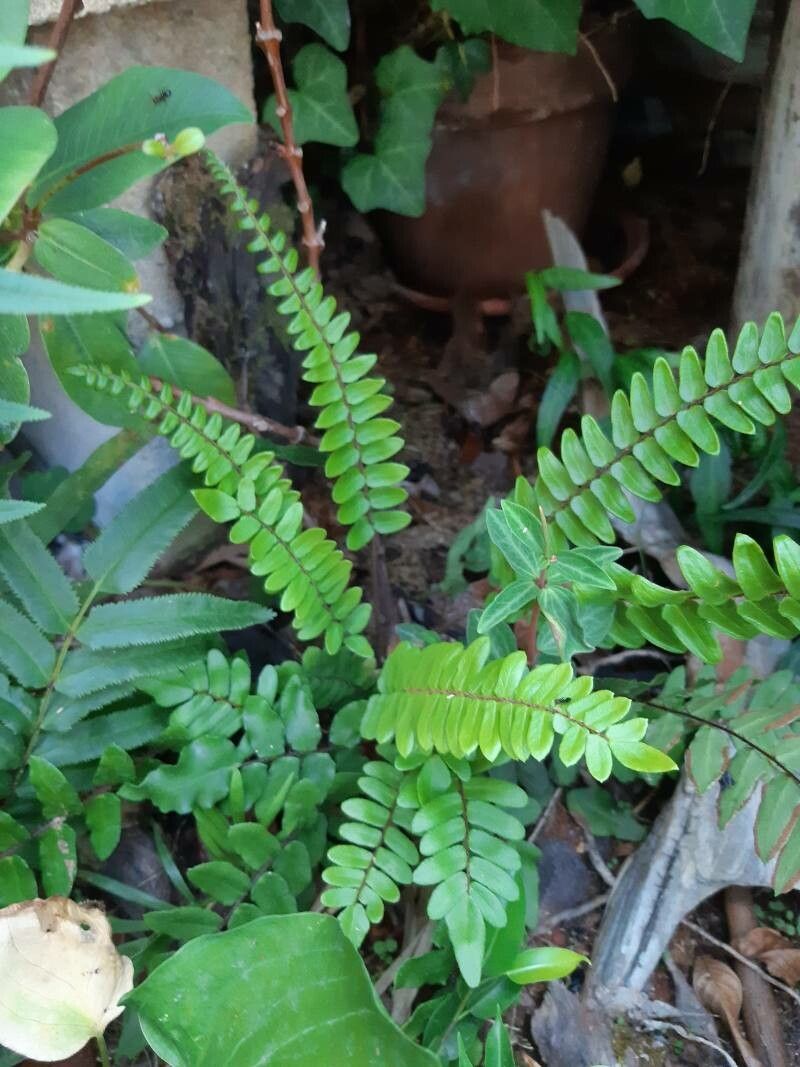
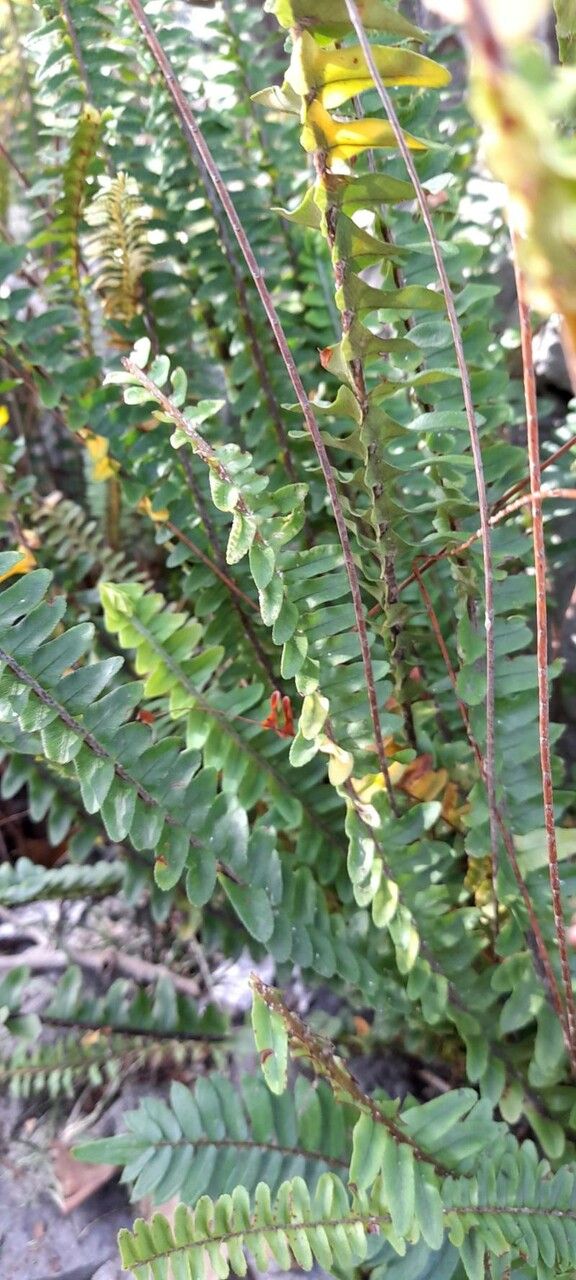
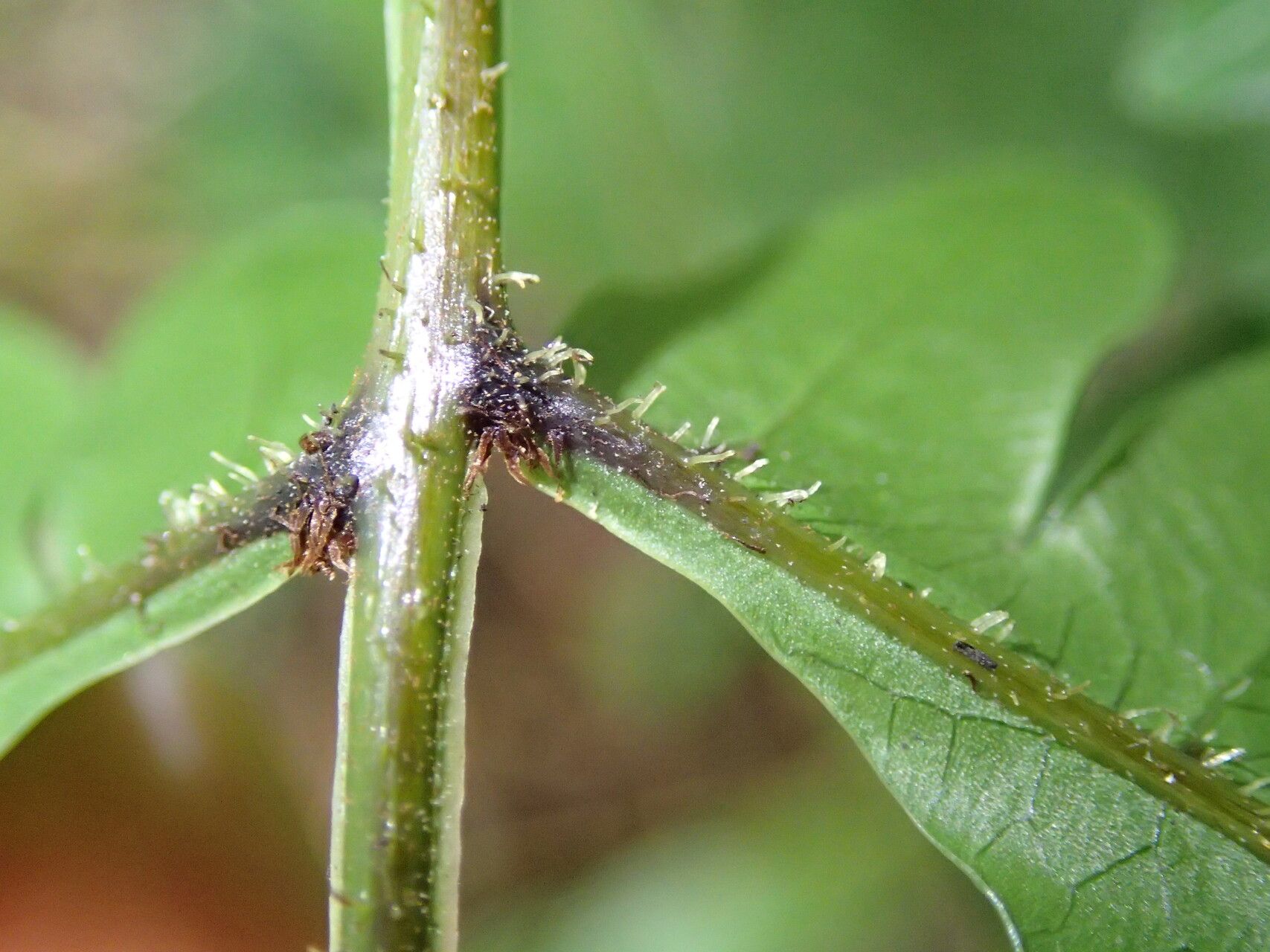
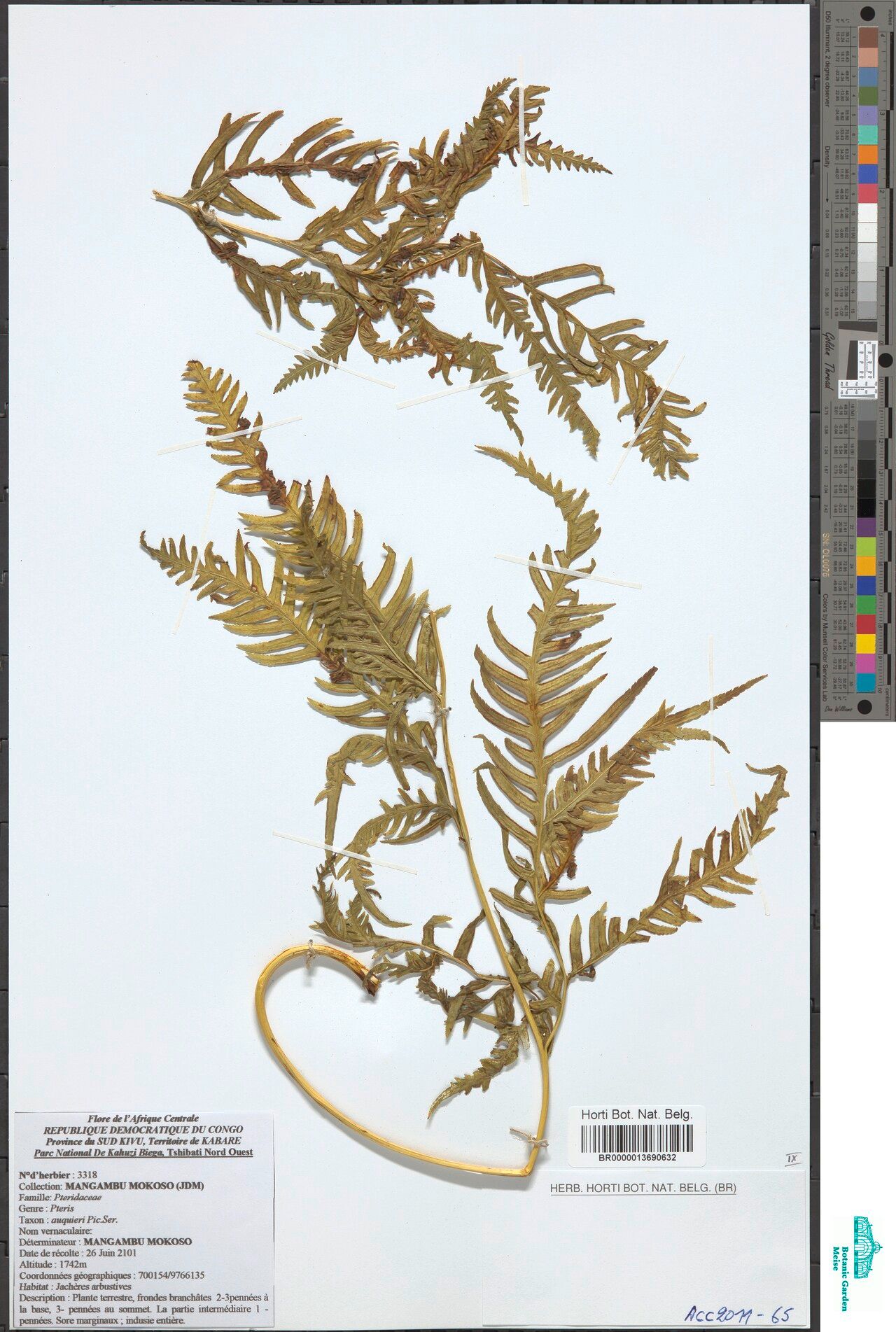
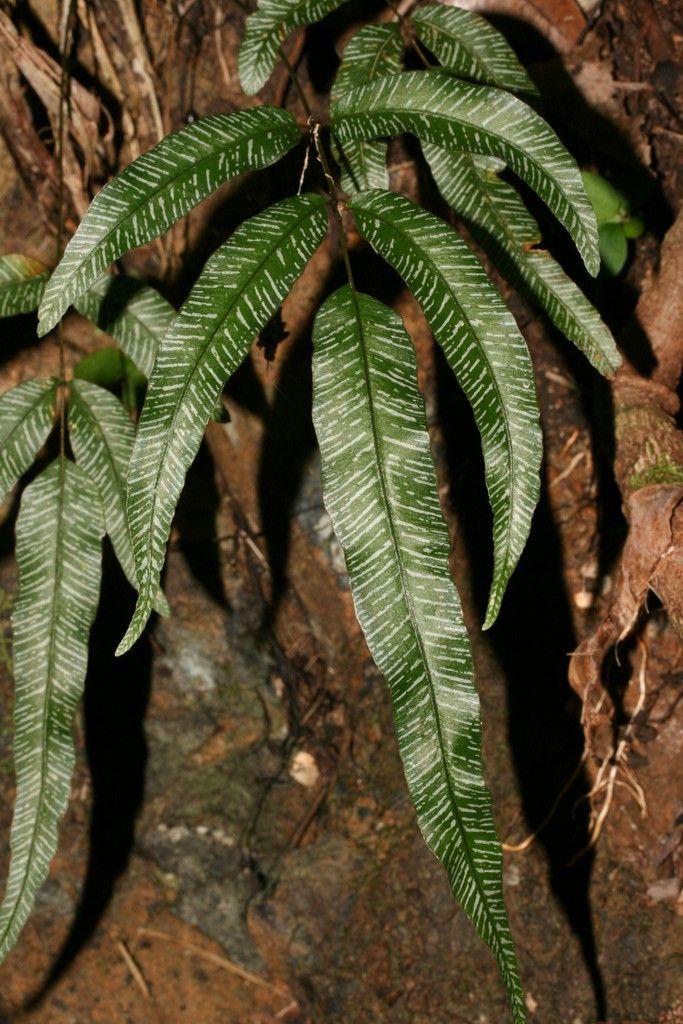
Sickle fern is generally resistant to disease and has relatively few insect pests. Its care is regarded as difficult because it needs a moist environment and frequent watering. However, the roots can rot if the plant is overwatered or the surroundings lack good ventilation. Sickle fern is suitable for people with some growing experience, since most owners can keep it alive for a time. Even so, it may struggle to thrive and its leaves can dry out and decline in health over time.
How to keep Pteris Falcata.
Light
The Sickle fern is native to areas such as forest understories and rocky regions that provide natural shade. It thrives best in Full Shade sunlight conditions, however, it can also withstand Partial Sun.
Temperature
Sickle fern flourishes in dense forest areas. The plant is extremely responsive to variations in temperature and moisture levels, becoming uneasy under extreme heat, arid conditions, and strong sunlight. During the warm summer months, it necessitates adequate shading and a moisture-rich ecosystem. Although Sickle fern usually doesn't need extra care during the colder winter months, a lingering winter drought can still result in its demise.
Botanical profile.