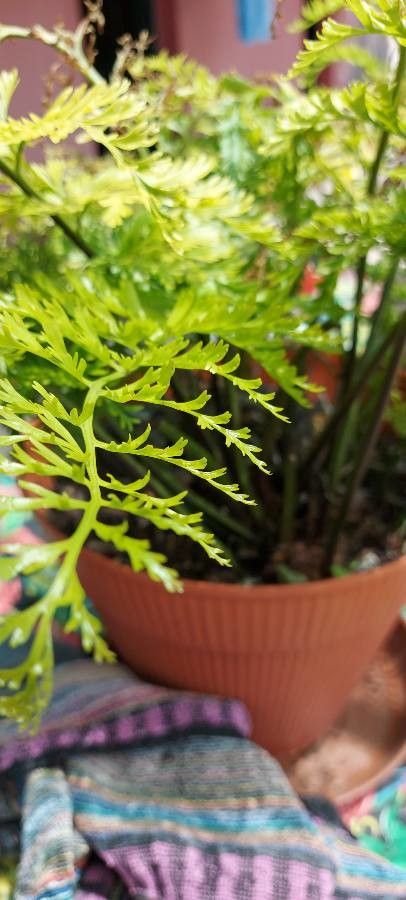
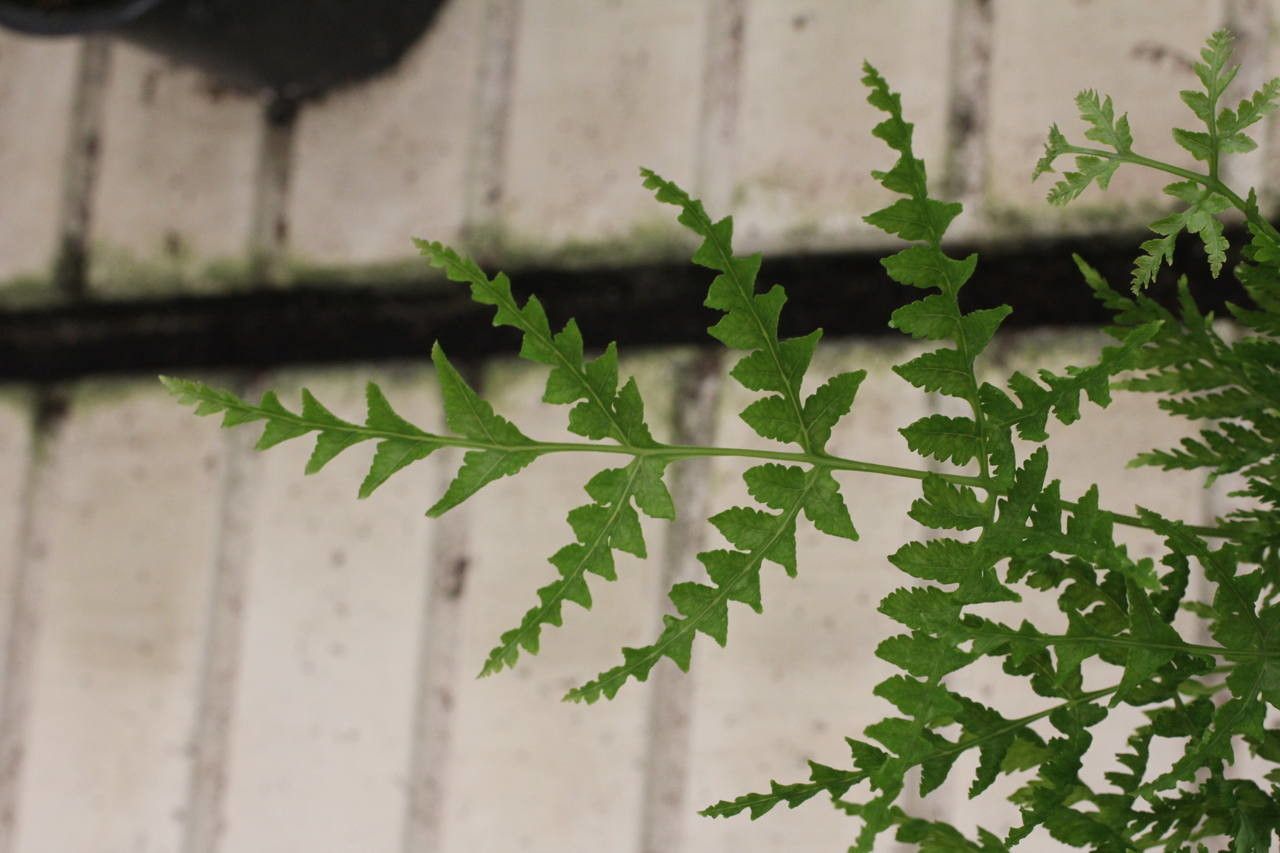
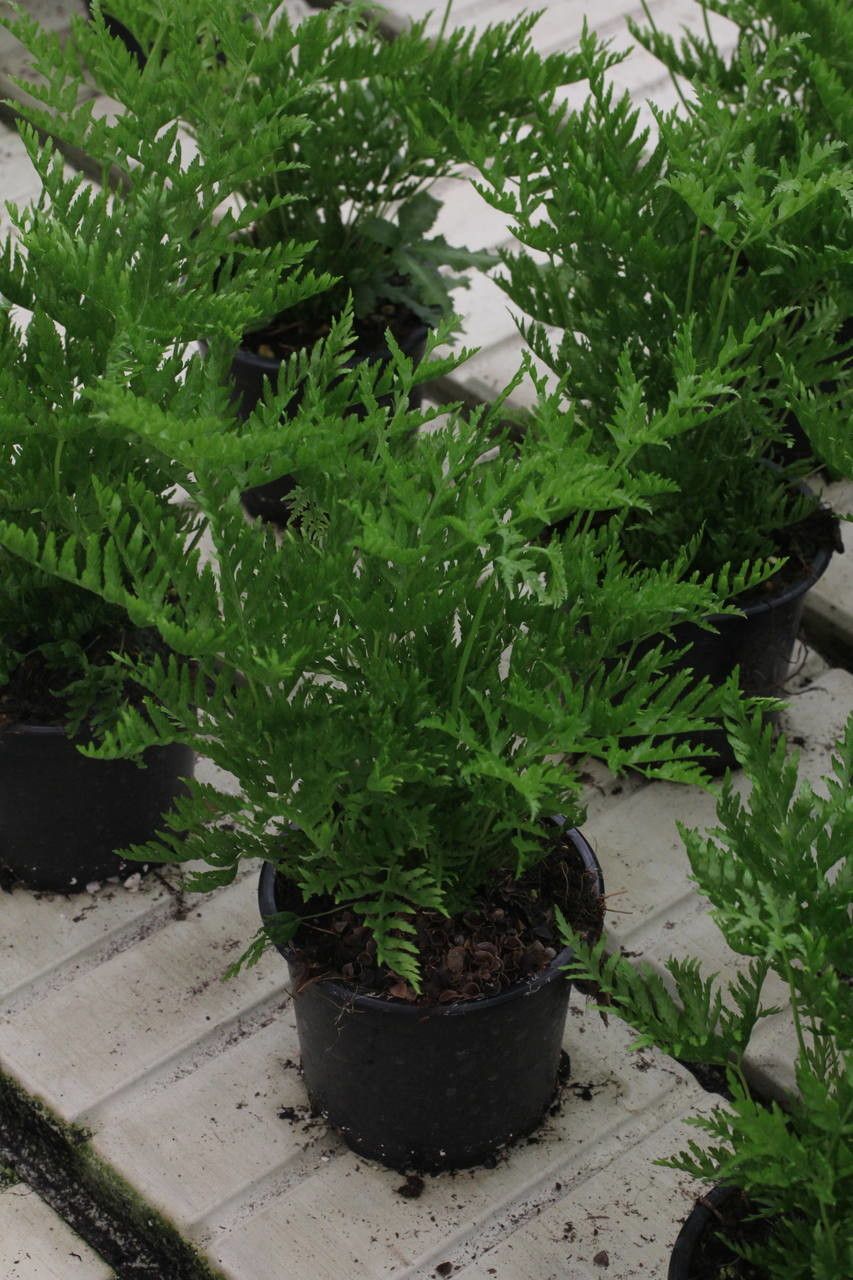
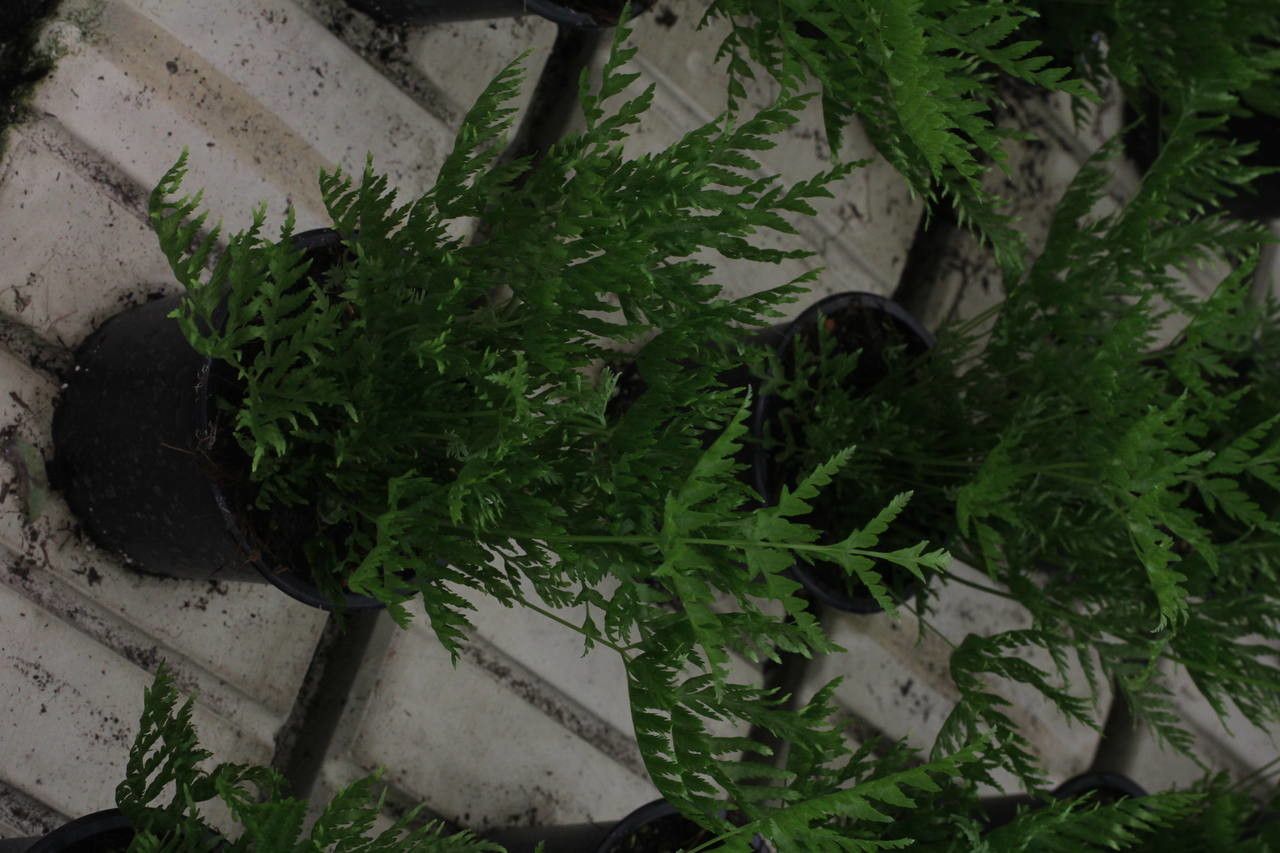
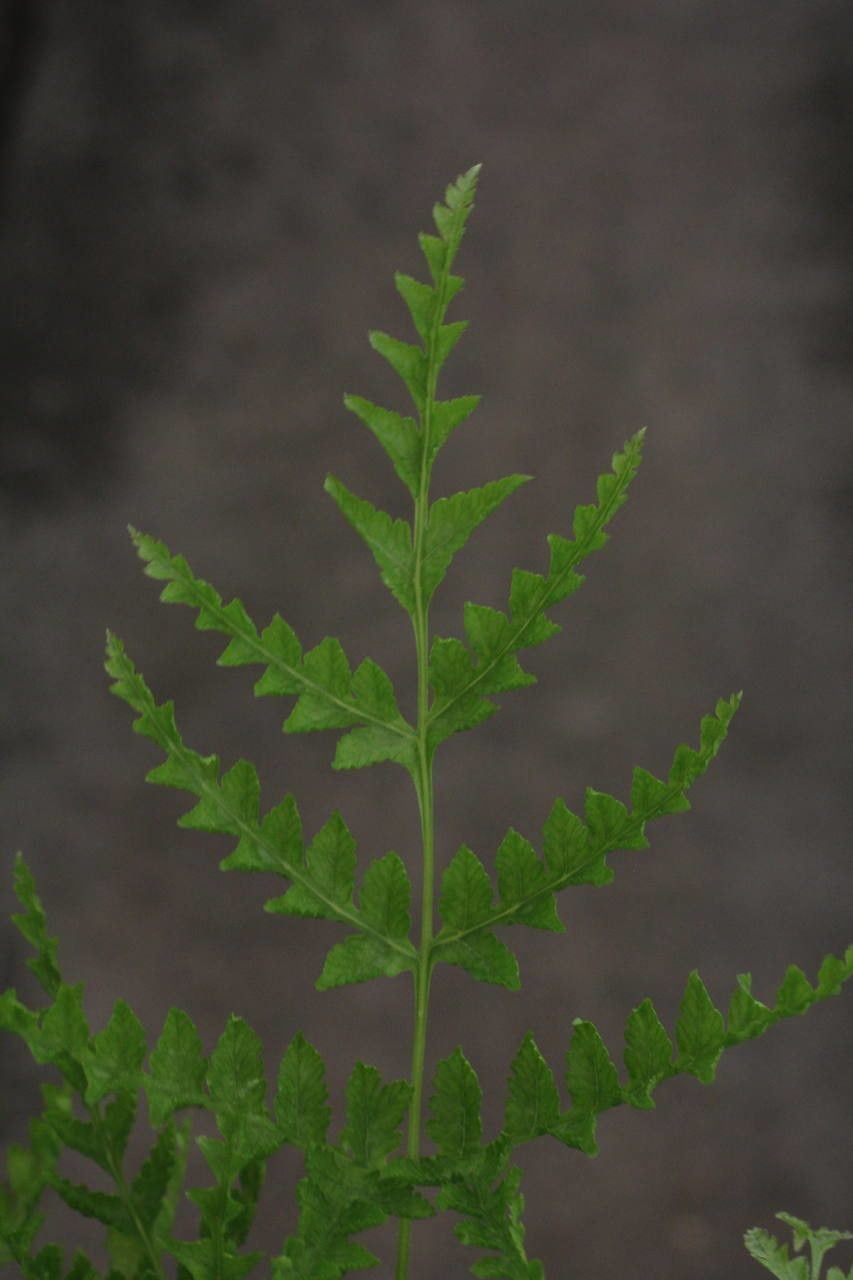
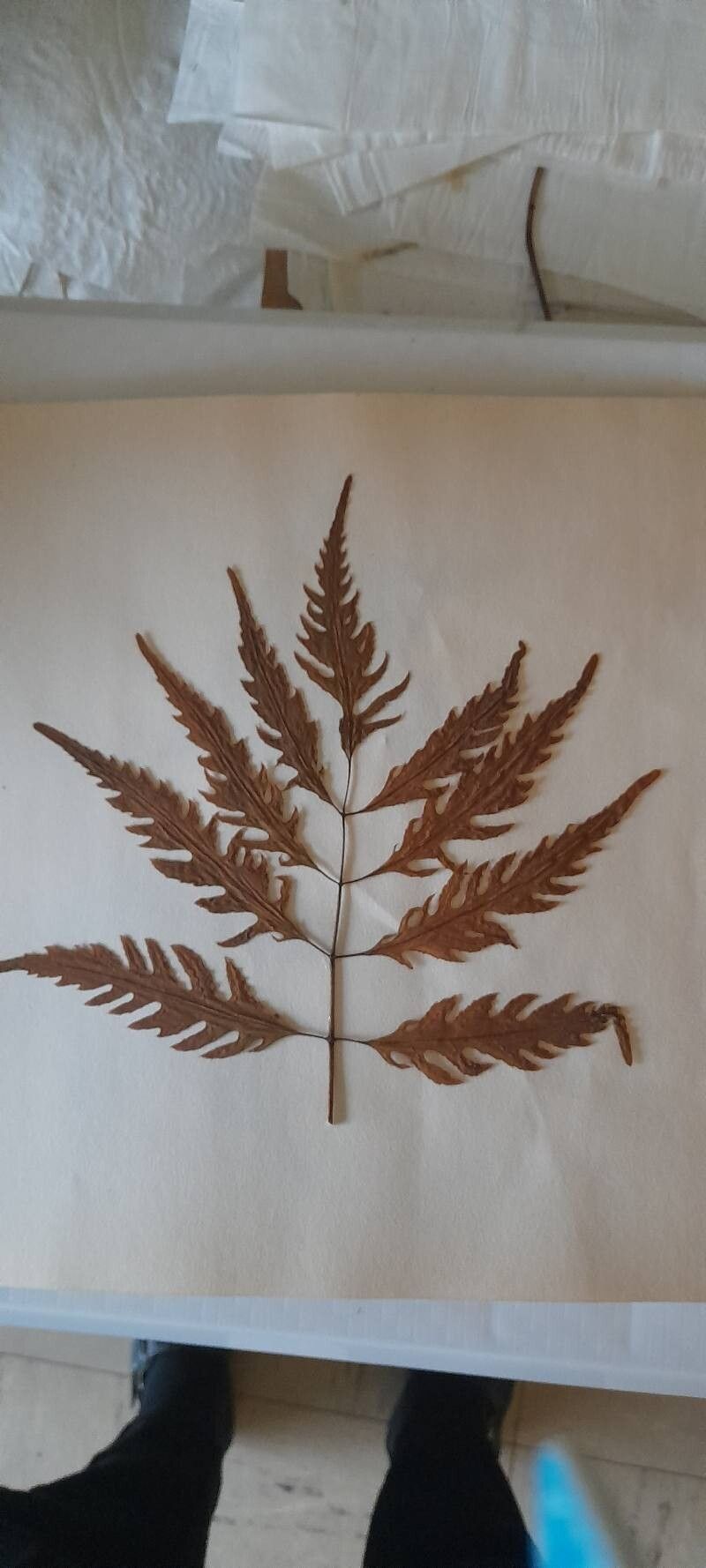
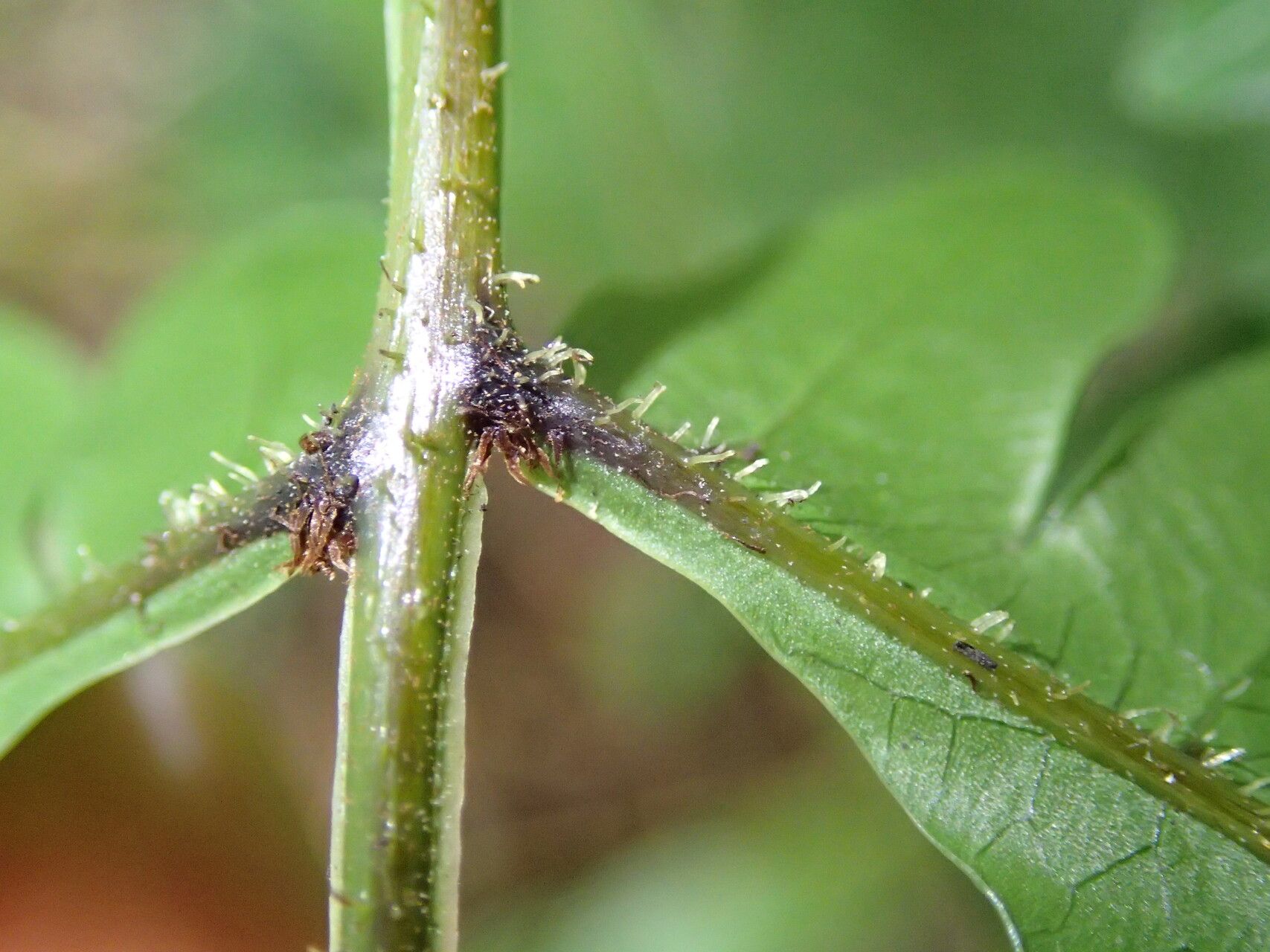
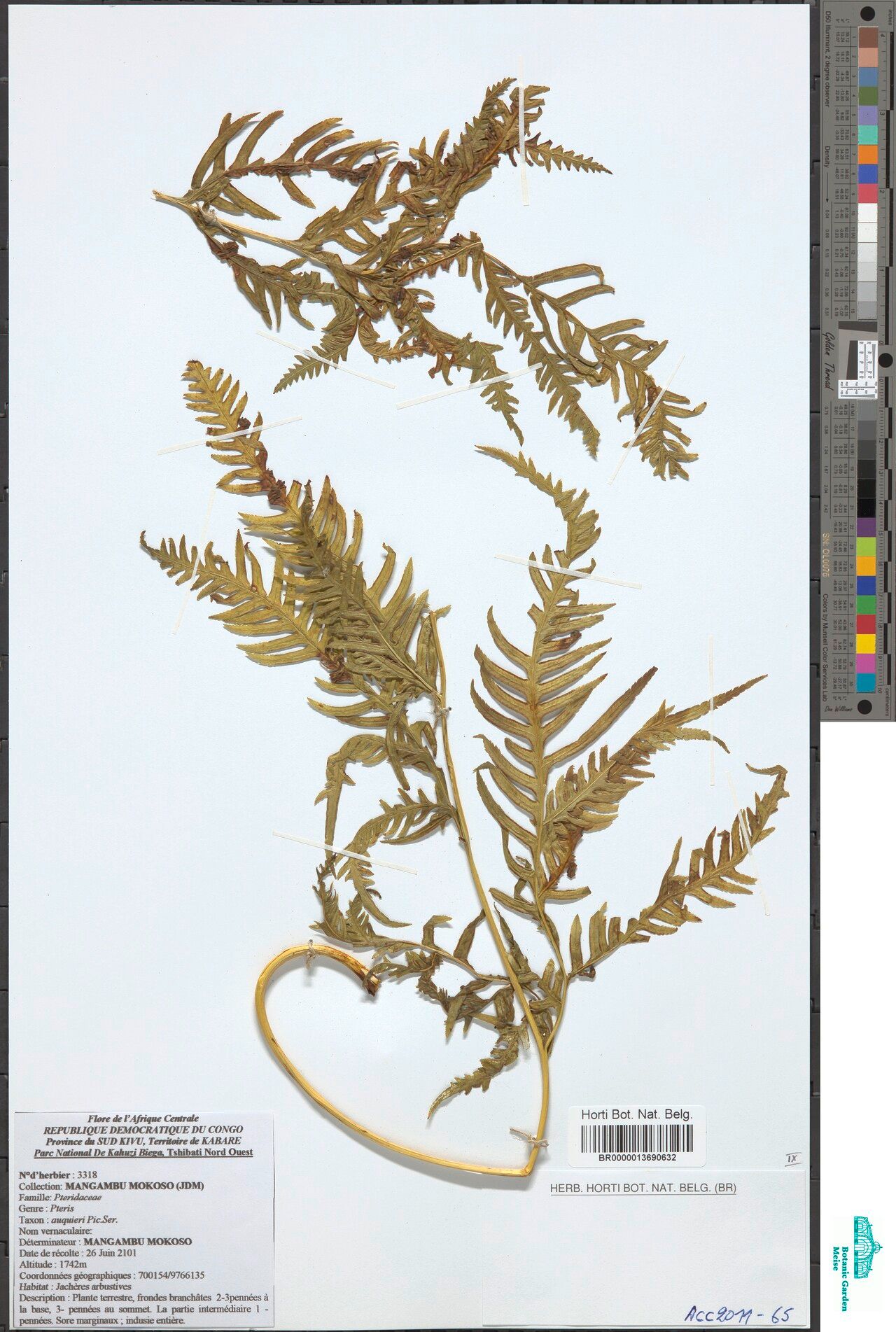
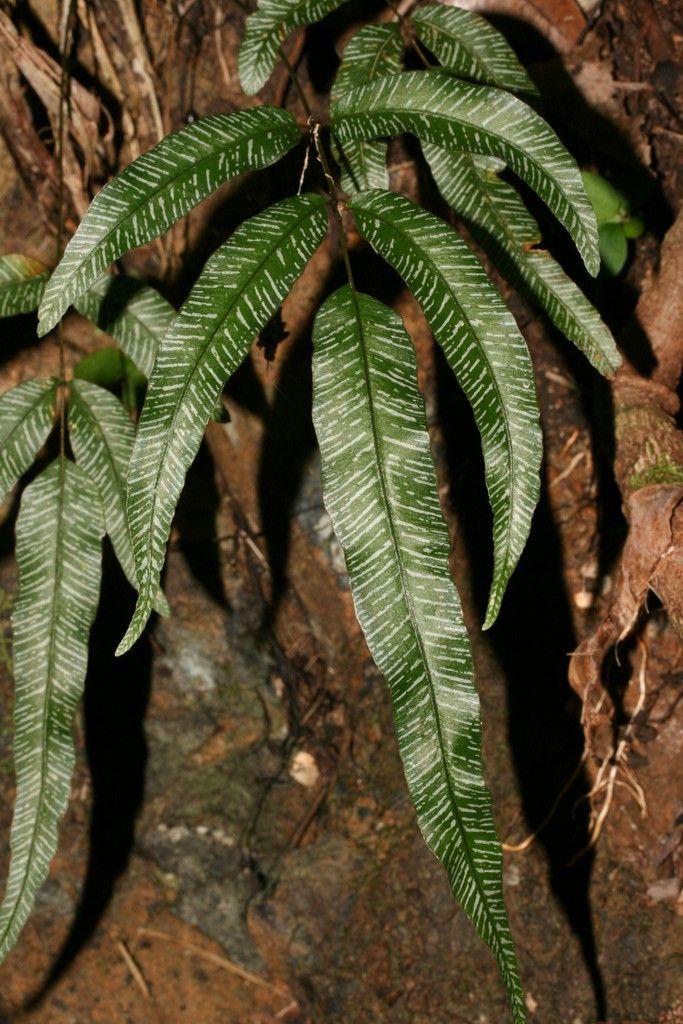
Pteris dentata, commonly known as the toothed brake fern, is a species of fern belonging to the Pteridaceae family. Native to tropical and subtropical regions of Asia and Africa, this fern stands out with its unique fronds, which can grow up to 60 cm in length and are divided into numerous leaflets with toothed edges. The fronds are a light green color and have a delicate texture.
Pteris dentata is easy to grow and thrives in moist, well-drained soil with partial shade or filtered sunlight. It can be cultivated both indoors and outdoors, making it suitable for gardens or pots.
The plant possesses several medicinal properties, including anti-inflammatory, antioxidant, and antimicrobial effects, which make it useful for treating various ailments such as fever, coughs, and colds.
In addition to its medicinal properties, Pteris dentata also has considerable ornamental value due to its distinctive appearance. This makes it an excellent choice for adding greenery indoors or outdoors. Overall, this fern species is an ideal addition for any garden enthusiast looking for a low-maintenance plant that offers both ornamental value and medicinal benefits.
Toothed brake is well resistant to disease and typically does not suffer from illnesses. Still, it can be vulnerable to pests and diseases present in its surroundings. Such infections are usually not serious. In terms of care, this plant needs moderate maintenance. It should be pruned regularly to keep a good appearance and support healthy growth. Fertilizing can also help encourage flowering. Toothed brake is suitable for anyone with outdoor space, such as a garden or patio, and does not require extensive care experience. It may need more attention when grown indoors.
How to keep Pteris Dentata.
Light
Toothed brake is native to habitats like forest understories and rocky areas, where it grows in natural shade. It prefers partial sun but can tolerate full sun or full shade, showing its versatile and hardy nature.
Temperature
Toothed brake can adapt to a wide range of temperature conditions, but its distribution may still be restricted by different combinations of moisture and heat. It grows best in warm summer climates with sufficient rainfall or watering. Extended periods of cloudy, rainy weather, as well as prolonged high temperatures, can raise the chance of Toothed brake dying. In winter, adequate protection from cold can improve the plant's survival rate.
Botanical profile.
- Plant Type
- Herb
- Life Cycle
- Perennial
- Genus
- Pteris
- Family
- Pteridaceae
- Hardiness Zone
- 9-12
- Mature Height
- 1 cm to 24 cm
- Mature Spread
- 30 cm to 46 cm
- Leaf Color
- Green
- Leaf Type
- Evergreen
- Planting Time
- Spring, Summer, Autumn
- Native Area
- Saudi Arabia, Malawi, Lesotho, Angola, South Africa, Zambia, Madagascar, Rwanda, Sudan, Morocco, Yemen, Kenya, Uganda, Tanzania, Zimbabwe, Lebanon, Cameroon, Burundi, Mozambique, Ghana, Eswatini, Ethiopia, Iran, Congo (DRC)
Other names.