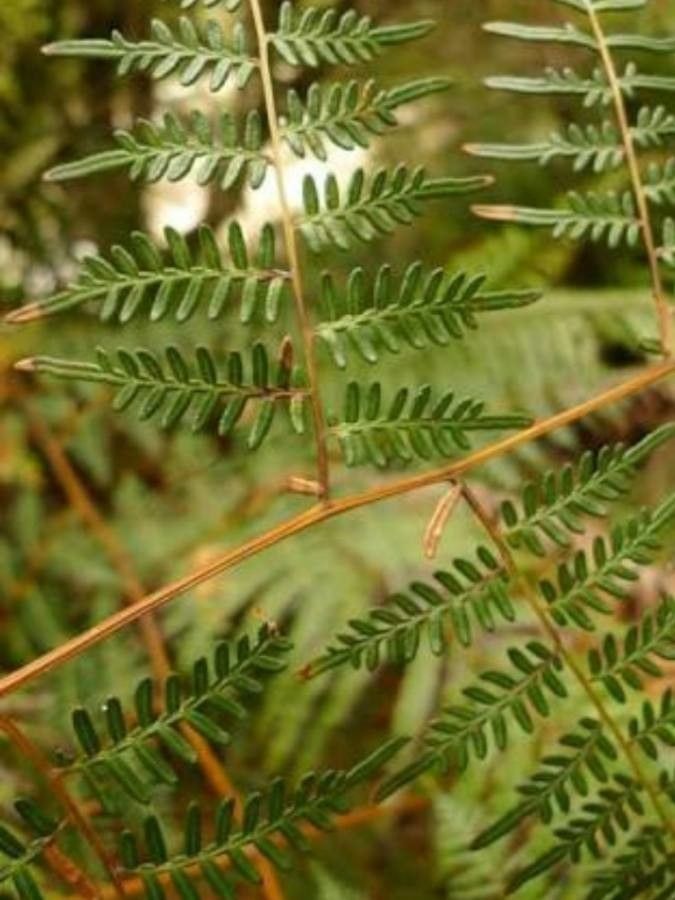
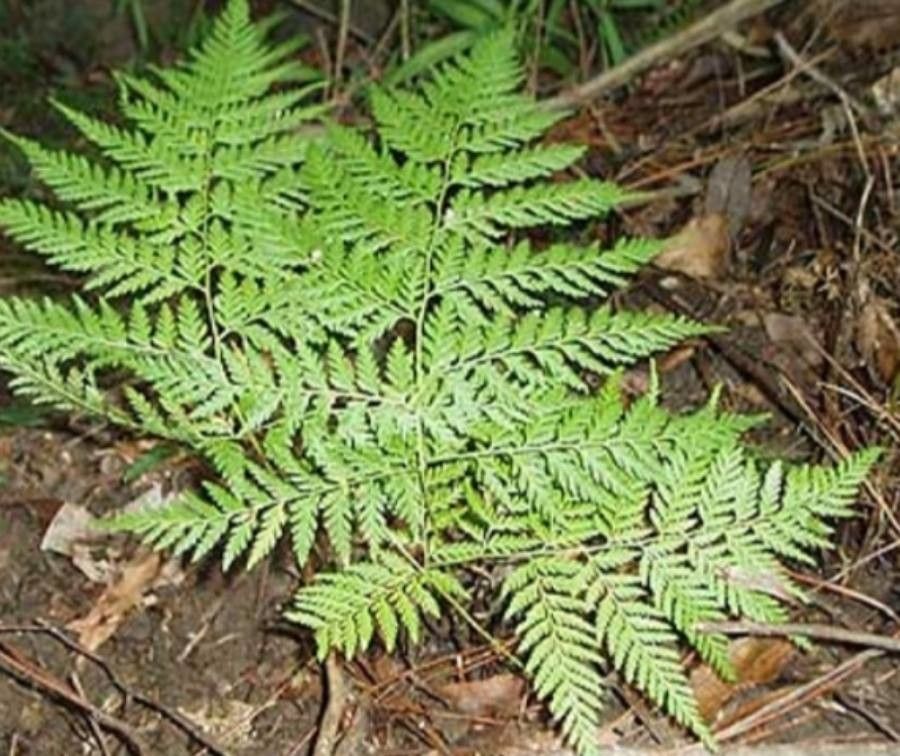
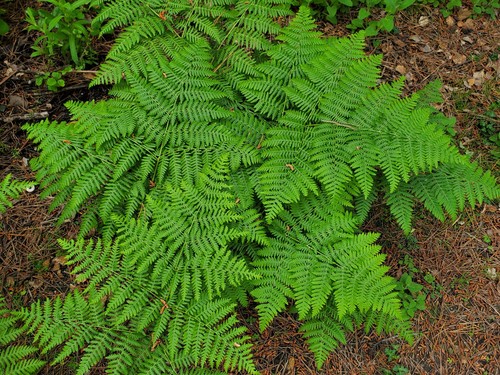
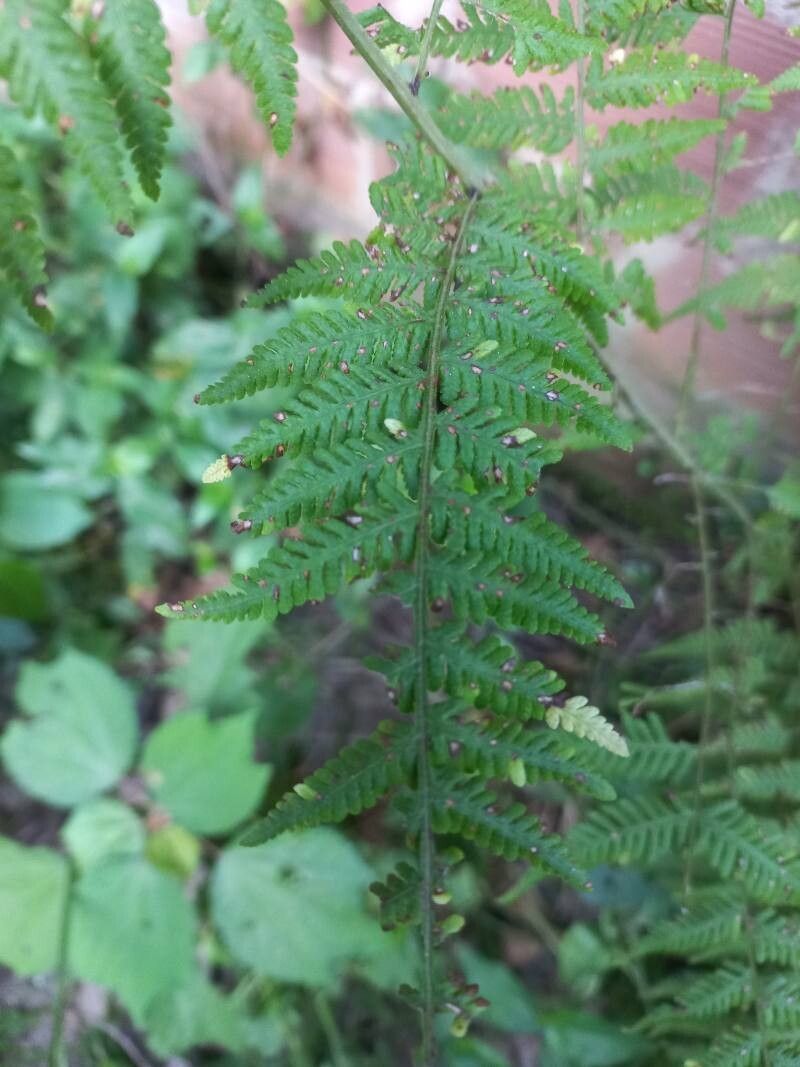
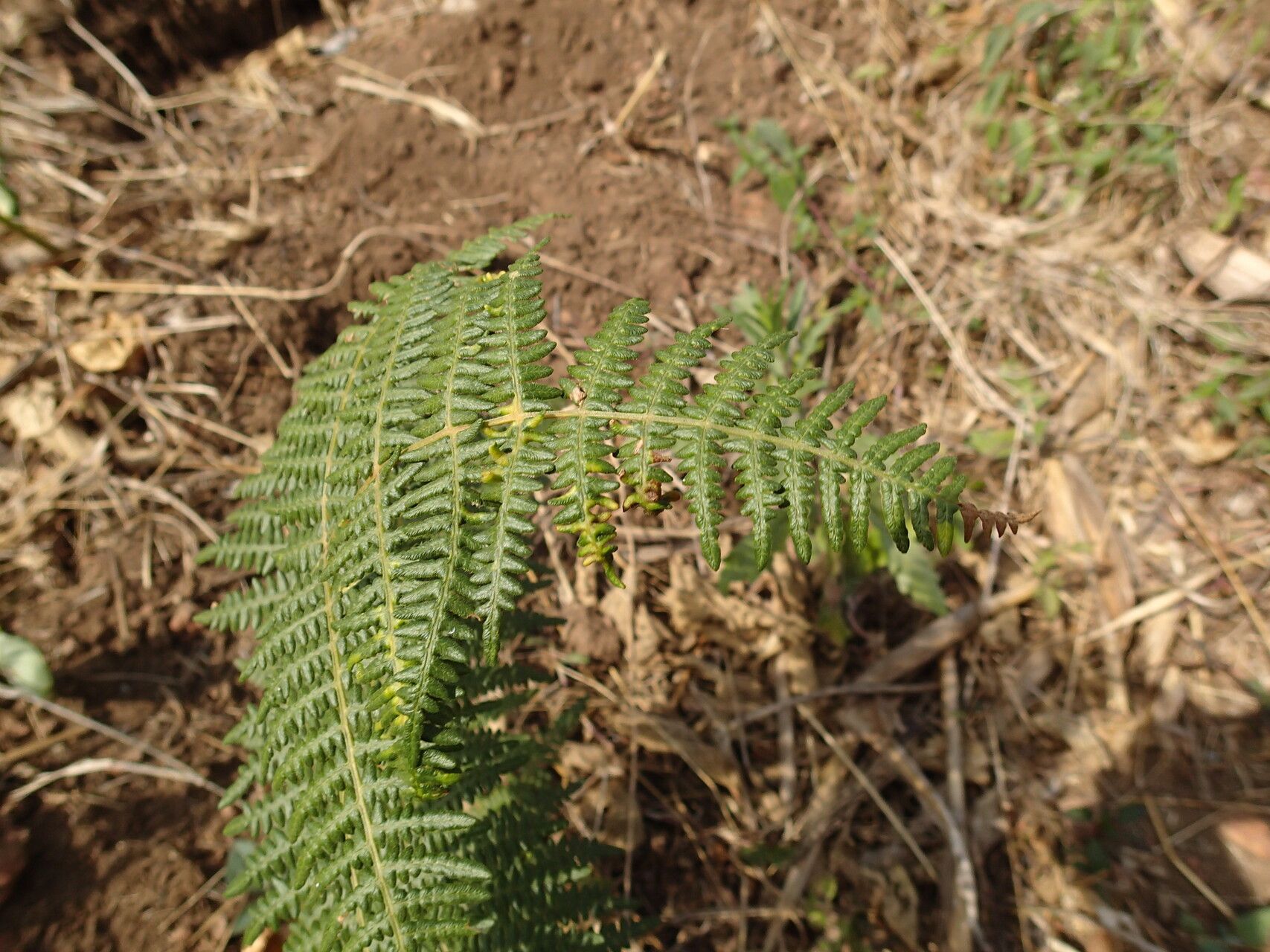
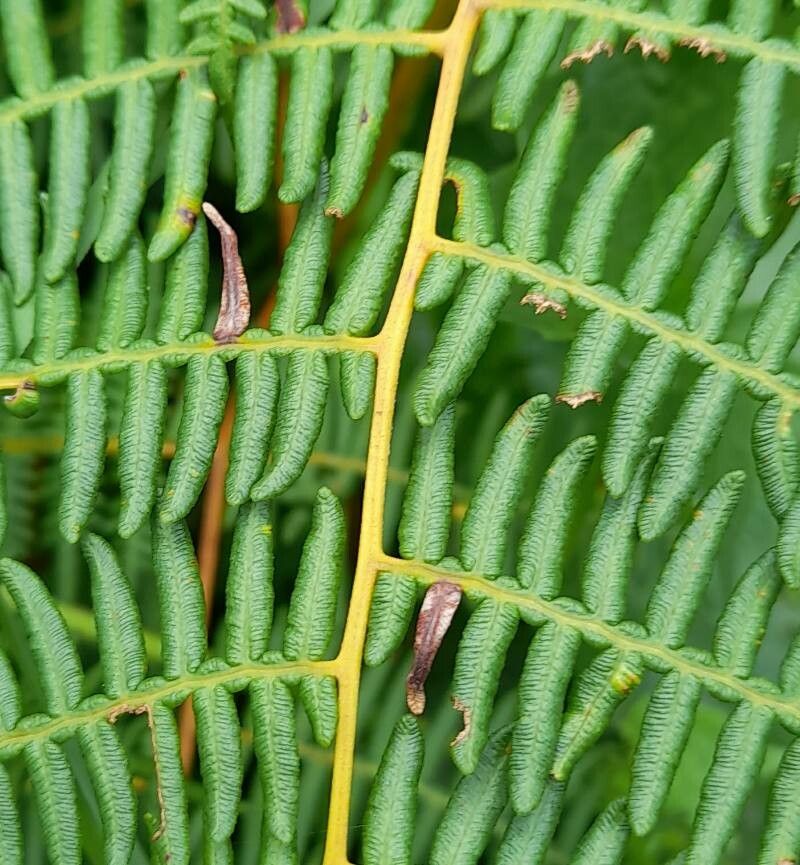
Pteridium esculentum, commonly known as bracken fern, Austral bracken or simply bracken, is a species of the bracken genus native to a number of countries in the Southern Hemisphere. Esculentum means edible. First described as Pteris esculenta by German botanist Georg Forster in 1786, it gained its current binomial name in 1908. The Eora people of the Sydney region knew it as gurgi.
The common fern is fairly disease-resistant and generally not prone to illnesses. However, it can be vulnerable to pests and diseases present in its surroundings, and such infections are usually mild. For care, this plant requires moderate maintenance. It should be pruned regularly to preserve a neat appearance and encourage healthy growth. Fertilizing can also help promote flowering. The common fern is suitable for anyone with outdoor space, such as a garden or patio, and does not demand extensive experience in plant care. It may need more attention when kept indoors.
How to keep Pteridium Esculentum.
Light
The common fern grows best with abundant light, reflecting its native habitat that receives plenty of sunshine. It can tolerate moderate light, though that may affect its vigorous growth. Both insufficient and excessive light can stress the plant and impede its overall development.
Temperature
Common fern originates from temperate regions and prefers temperatures between 68 and 100.4 °F (20 to 38 ℃). To replicate its natural growing conditions, keep the common fern within that temperature range year-round.
Fertilizer
The common fern needs the most fertilizer during its active growth period, which is mainly in spring, summer, and early fall. Fertilization supplies essential nutrients the soil might be missing, encouraging healthy root and stem growth and the attractive foliage that distinguishes this plant.
Pruning
Common ferns are characterized by their lush, feathery fronds. To maintain their health and appearance, it's best to prune them from early to late spring. This allows you to remove any dead or damaged fronds, which in turn promotes better air circulation and encourages new growth. Always use clean tools to ensure effective pruning. This practice helps prevent overcrowding and disease, while also enhancing the fern's vigor and visual appeal.
Botanical profile.
- Plant Type
- Herb
- Life Cycle
- Perennial
- Genus
- Pteridium
- Family
- Dennstaedtiaceae
- Hardiness Zone
- 10-12
- Mature Height
- 91 cm
- Mature Spread
- 0.91 m to 1.52 m
- Leaf Color
- Green
- Leaf Type
- Evergreen
- Planting Time
- Spring, Summer, Autumn
Other names.
Reader questions.
What are the sunlight requirements for Common Ferns?
Common ferns require specific light conditions to thrive optimally. For full sun exposure, they need above 6 hours of sunlight daily, and for partial sun, about 3-6 hours of sunlight is necessary. It's important to observe how sunlight moves through your garden and select locations that provide the ideal balance of light and shade, ensuring the plants' well-being.
What is the ideal temperature range for growing Common fern indoors?
Common fern thrives in temperatures ranging from 68 to 100.4 °F (20 to 38 °C). To ensure its health and growth, it is crucial to maintain this temperature range throughout the year. Common fern loves heat, and exposure to cold temperatures can be harmful. During cold months, it is advisable to bring outdoor-grown common ferns indoors, placing them near bright windows but away from direct heat sources like heaters, to maintain a temperature above 20°C and prevent cold damage.
How does light exposure affect Common Ferns?
Light exposure significantly impacts the growth and health of Common ferns. They flourish best under plentiful sunlight, mirroring their natural habitat, which is rich in sunshine. Although they can withstand moderate light exposure, variations could affect their vigorous growth. Both insufficient and excessive light can stress the plant, leading to suboptimal development. To support growth when natural light is lacking, especially during winter or in darker rooms, artificial lighting becomes essential. LED lights are preferred for their ability to provide specific wavelengths needed by the plants. Full sun plants require 30-50W/sq ft, partial sun plants require 20-30W/sq ft, and full shade plants need 10-20W/sq ft of artificial light. The light should be placed 12-36 inches above the plant for 8-12 hours per day to mimic natural sunlight conditions.
How does low temperature affect Common fern, and what should I do if my plant is damaged by frost?
Common fern is sensitive to low temperatures and best thrives when the temperature stays above 20°C. It is crucial to keep it above 5°C during winter to avoid damage. Exposure to temperatures below 1°C can cause the leaves to lighten in color, and frost damage can lead to browning or blackening of the leaves, along with wilting and drooping. If your common fern suffers from frost damage, you should trim off the damaged parts and move the plant to a warmer indoor location promptly. Ensure it is placed near a south-facing window for sufficient sunlight but keep it away from heaters or air conditioning vents to avoid air dryness.
What are the symptoms of inadequate light in Common Ferns?
When Common ferns are cultivated indoors, especially during winter, they might be placed in areas with insufficient lighting, manifesting several symptoms. These include smaller new leaves, leggy or sparse growth, faster leaf drop, and halted or no new growth. Additionally, leaves might develop lighter colors or irregular patterns due to a lack of chlorophyll, indicating poor light conditions. Excessive sunlight can lead to chlorosis, where leaves turn yellow, sunscald causing damage to leaves or stems, leaf curling as a defense against too much light, wilting from excessive water loss, and leaf scorching characterized by brown, dry patches on leaves.
How do high temperatures affect Common fern, and how can I protect my plant from sunburn?
Common fern should be kept in temperatures below 38°C during summer to prevent heat stress. When temperatures exceed 43°C, the plant's leaves may lighten, indicating a higher risk of sunburn. To protect your common fern from sunburn, trim away sunburned and dried parts of the plant. Relocate it to a spot where it can be shielded from the intense midday and afternoon sun. Additionally, keep the soil moist by watering the plant in the morning and evening.
How can you improve lighting conditions for Common Ferns?
Improving lighting conditions for Common ferns involves several strategies. Indoors, it's advisable to gradually move the plant to a brighter location until it receives at least 6 hours of sunlight daily, or use artificial light if the plant is large. Outdoor plants should also be gradually moved to sunnier spots to prevent sunburn. Reducing sunlight obstructions is crucial; for example, pruning trees that overshadow your plants helps. For small plants, consider transplanting during their dormant period to brighter locations. Remember, while parts of the plant that suffered from insufficient light might not recover, new growth will be healthy with improved light exposure.