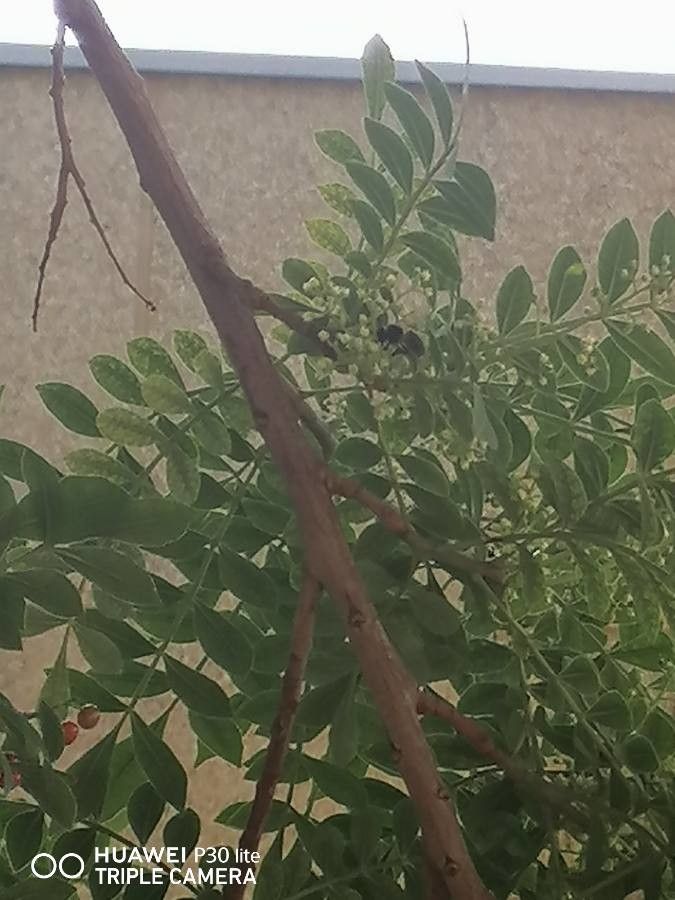
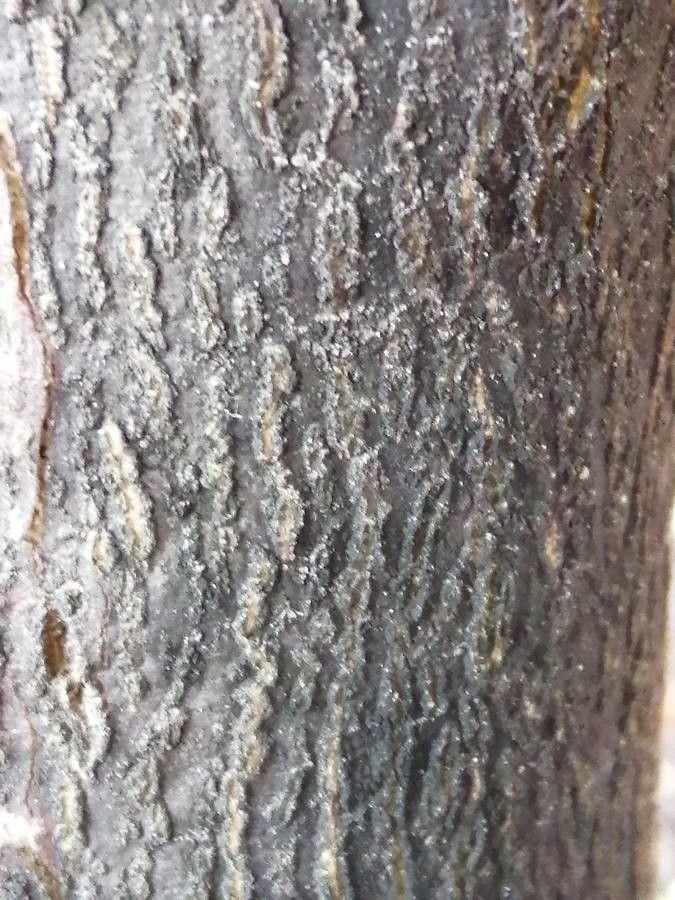
Ptaeroxylon obliquum, commonly known as Sneezewood, is a tree species native to southern Africa. This slow-growing evergreen can reach heights of up to 20 meters. Its bark is dark brown and deeply fissured, while the leaves are glossy and dark green.
The wood of Ptaeroxylon obliquum has been highly valued for centuries due to its durability and resistance to decay. It has been used for various purposes, including building construction, furniture making, tool handles, and even musical instruments.
The tree produces small white flowers that are followed by small fruit capsules containing winged seeds. Birds consume these fruit capsules and help disperse the seeds.
Ptaeroxylon obliquum is also known for its medicinal properties. Indigenous people have traditionally used the bark to treat various ailments, such as fever, coughs, and colds.
Despite being a slow-growing species with limited distribution in its natural habitat due to overexploitation for timber, Ptaeroxylon obliquum remains culturally significant for local communities in southern Africa today.
Sneezewood has strong resistance to disease and is usually not susceptible to illnesses. Regarding care, this plant is fairly low maintenance. When grown outdoors it needs only minimal watering, and larger specimens typically do not require pruning. Smaller plants should be pruned after they finish blooming. Sneezewoodt is appropriate for anyone with an outdoor area, such as a garden or deck, and does not demand much care experience.
How to keep Ptaeroxylon Obliquum.
Light
The sneezewood prospers with abundant sunlight, growing well in locations where the sun's rays are unobstructed. Hailing from habitats with plentiful sun, it performs best under those conditions. Heavy shading can impede its growth, while excessive sun does not significantly harm the plant.
Water
Sneezewood, native to semi-arid regions, is highly drought-tolerant and thrives with minimal moisture. It should ideally be watered once every 2 to 3 weeks to avoid overhydration. Often cultivated outdoors, sneezewood is an excellent choice for xeriscaping and dry-climate gardening because of its resilience to prolonged droughts.
Temperature
Sneezewood is naturally adapted to temperate climates with temperatures ranging from 68 to 100 °F (20 to 38 ℃). It grows best within this range. Seasonal adjustments may be required if temperatures move outside of it.
Fertilizer
Fertilizing is essential for caring for Sneezewood. Regular feeding through the growing season preserves the energy required for its showy foliage and supports overall growth. Failing to fertilize can lead to unhealthy leaves, reduced ornamental value, and stunted or weak growth that is likely to break.
Pruning
To keep Sneezewood healthy and well-shaped, it is important to prune it from early to late winter. This involves removing dead or damaged branches, which helps promote healthy growth and maintain the plant's structure. Regular pruning also improves air circulation and prevents disease, ensuring the plant remains vigorous. Pruning consistently is crucial for optimal growth.
Botanical profile.
- Plant Type
- Tree, Shrub
- Life Cycle
- Perennial
- Genus
- Ptaeroxylon
- Family
- Rutaceae
- Hardiness Zone
- 10-12
- Mature Height
- 20.12 m
- Mature Spread
- 14.94 m
- Leaf Color
- Dark Green
- Leaf Type
- Evergreen
- Flower Color
- White
- Flower Size
- 5.08 cm
- Bloom Time
- Mid spring, Late spring
- Planting Time
- Spring, Summer
- Harvest Time
- Summer
- Native Area
- Angola, Mozambique, Tanzania, South Africa, Namibia, Eswatini, Botswana, Zimbabwe
Other names.
Reader questions.
What are the sunlight requirements for Sneezewood?
Sneezewood requires full sun, which means it thrives in conditions where it receives more than 6 hours of sunlight daily. It's essential to observe how sunlight moves through your garden to ensure that your Sneezewood plants get the perfect balance of light and shade, ensuring their health and happiness. In environments where natural sunlight is insufficient, especially during winter or in less sunny locations, artificial lighting can be a valuable alternative. It promotes faster, healthier growth by providing adequate lighting. With indoor plants, choosing the right type of artificial light, such as LED lights, is crucial because they can be customized to provide specific wavelengths needed by the plants. The amount of light, its distance from the plant, and the duration of lighting play significant roles in mimicking natural sunlight conditions.
What is the ideal temperature range for Sneezewood?
Sneezewood is ideally suited to temperate climates, with a temperature range of 68 to 100 °F (20 to 38 °C) for optimal growth. The plant thrives in these temperatures, but it is particularly heat-loving, meaning it does not tolerate cold well. During colder months, especially in autumn, it is advisable to bring Sneezewood indoors, ensuring it’s placed near a bright window but away from direct heat sources. Keeping the temperature above 20°C during the winter is crucial, as temperatures nearing 5°C can severely harm the plant.
What are the symptoms of insufficient sunlight for Sneezewood?
When Sneezewood does not receive enough sunlight, especially indoors during winter, it displays several symptoms of light deficiency. These include smaller new leaves, leggy or sparse growth, faster leaf drop, and slower or no new growth, indicating the plant's struggle in low-light conditions. Additionally, lighter-colored new leaves, chlorosis, and conditions like sunscald, leaf curling, wilting, and leaf scorching may occur due to excessive sunlight or improper exposure. These symptoms highlight the importance of providing Sneezewood with adequate sunlight to maintain its health and vitality.
How should you care for Sneezewood in low temperatures?
Sneezewood prefers warmer conditions and struggles in low temperatures. It's essential to keep it above 20°C, especially during winter, ensuring temperatures do not drop below 5°C. Exposure to temperatures below 1°C may result in leaves lightening in color, and those that have suffered from frost damage are likely to turn brown or black and exhibit wilting or drooping. To mitigate these effects, trim the frost-damaged parts and move the plant to a warmer indoor location. Placing it near a south-facing window can provide sufficient light without the risk of harm from heaters or air conditioning vents, which could dry out the air excessively.
How can I improve sunlight exposure for my Sneezewood?
To optimize sunlight exposure for Sneezewood, gradually move the plants to sunnier locations, ensuring they receive at least 6 hours of direct sunlight daily. If moving the plant isn't feasible, consider using artificial light sources such as desk, ceiling lamps, or professional plant grow lights for at least 8 hours a day. For outdoor plants, it's crucial to avoid sudden changes in light intensity to prevent sunburn. Reducing obstructions, such as by pruning trees or transplanting smaller plants to more sunlight-accessible areas, can significantly improve light availability. Note that parts of the plant that suffered from insufficient light may not recover, but new growth will be healthy with improved light conditions.
What steps should be taken if Sneezewood is exposed to high temperatures?
During the summer, it is crucial to ensure that Sneezewood's environment does not exceed 38°C, as temperatures above 43°C can lead to lighter leaf colors and increased susceptibility to sunburn. In such cases, prune the sunburned and dried portions of the plant and relocate it to an area with protection from the intense midday and afternoon sun. Additionally, maintaining soil moisture by watering in the early morning and evening can help the plant cope with high temperatures.
What is the botanic name of Sneezewood?
The botanical name for Sneezewood is Ptaeroxylon obliquum. Recognizing the plant by this name can be helpful when searching for more detailed care instructions specific to its needs.