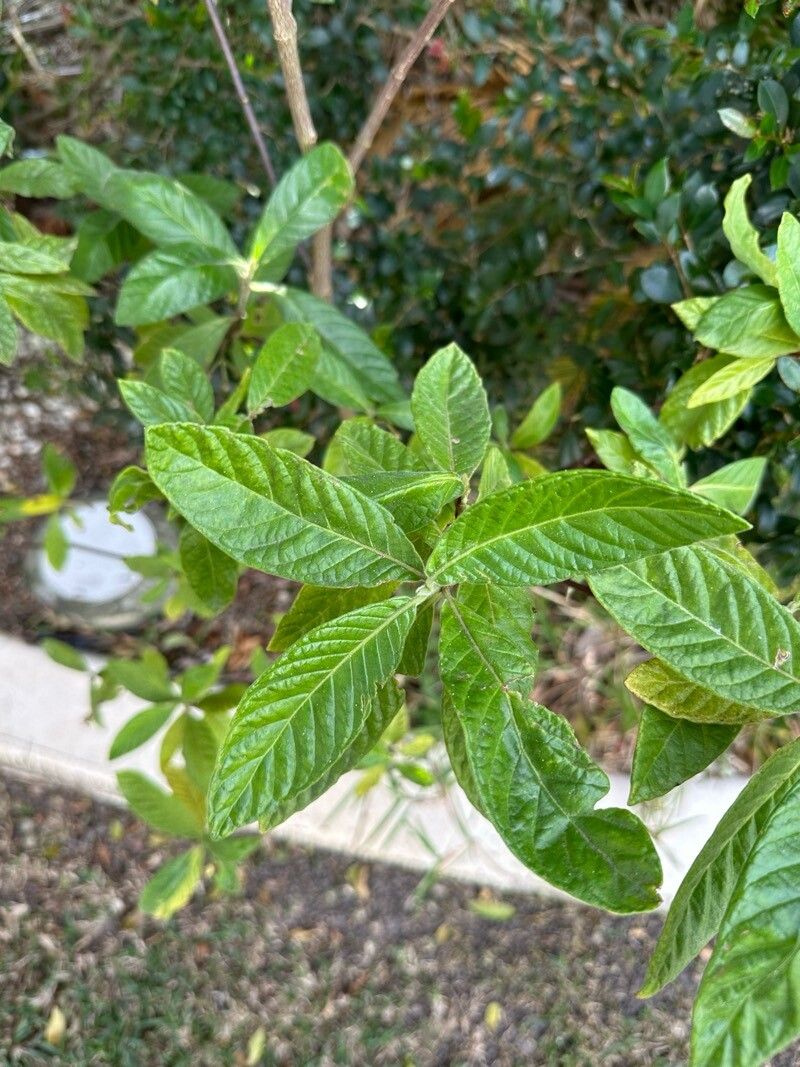
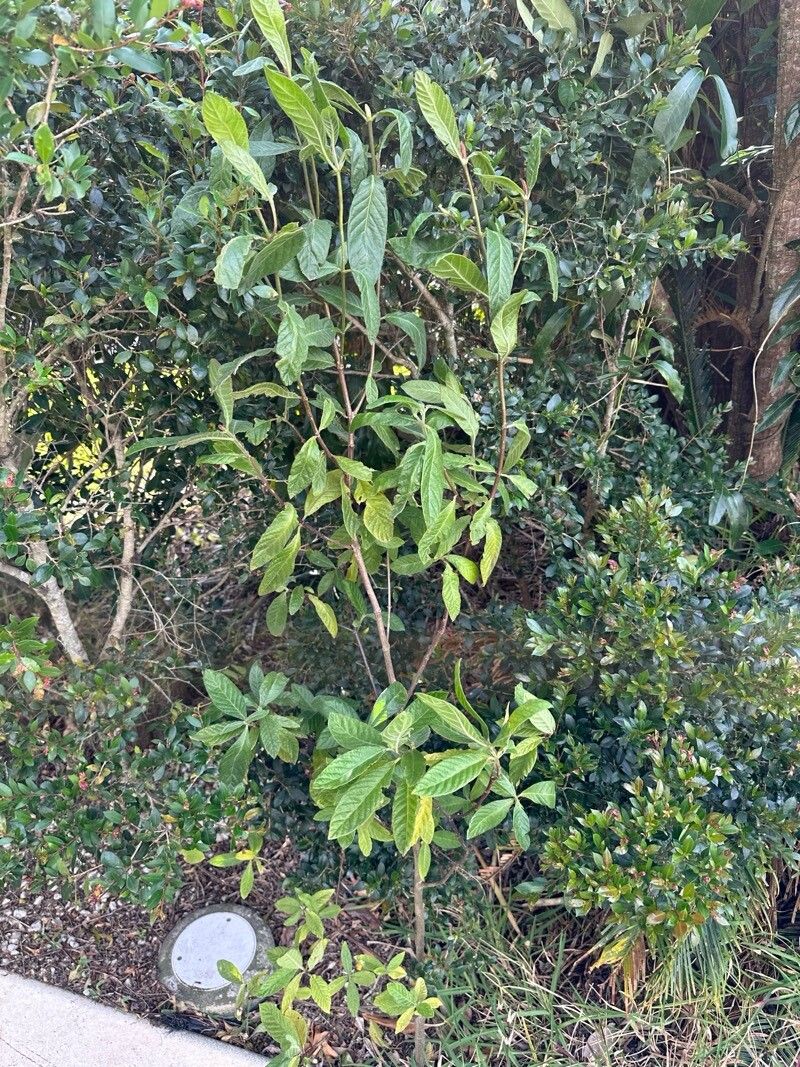
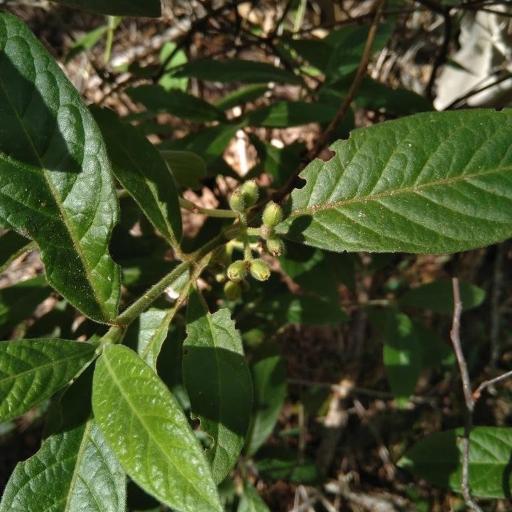
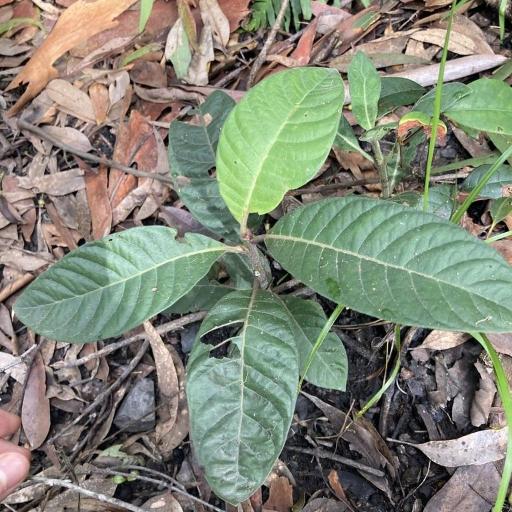
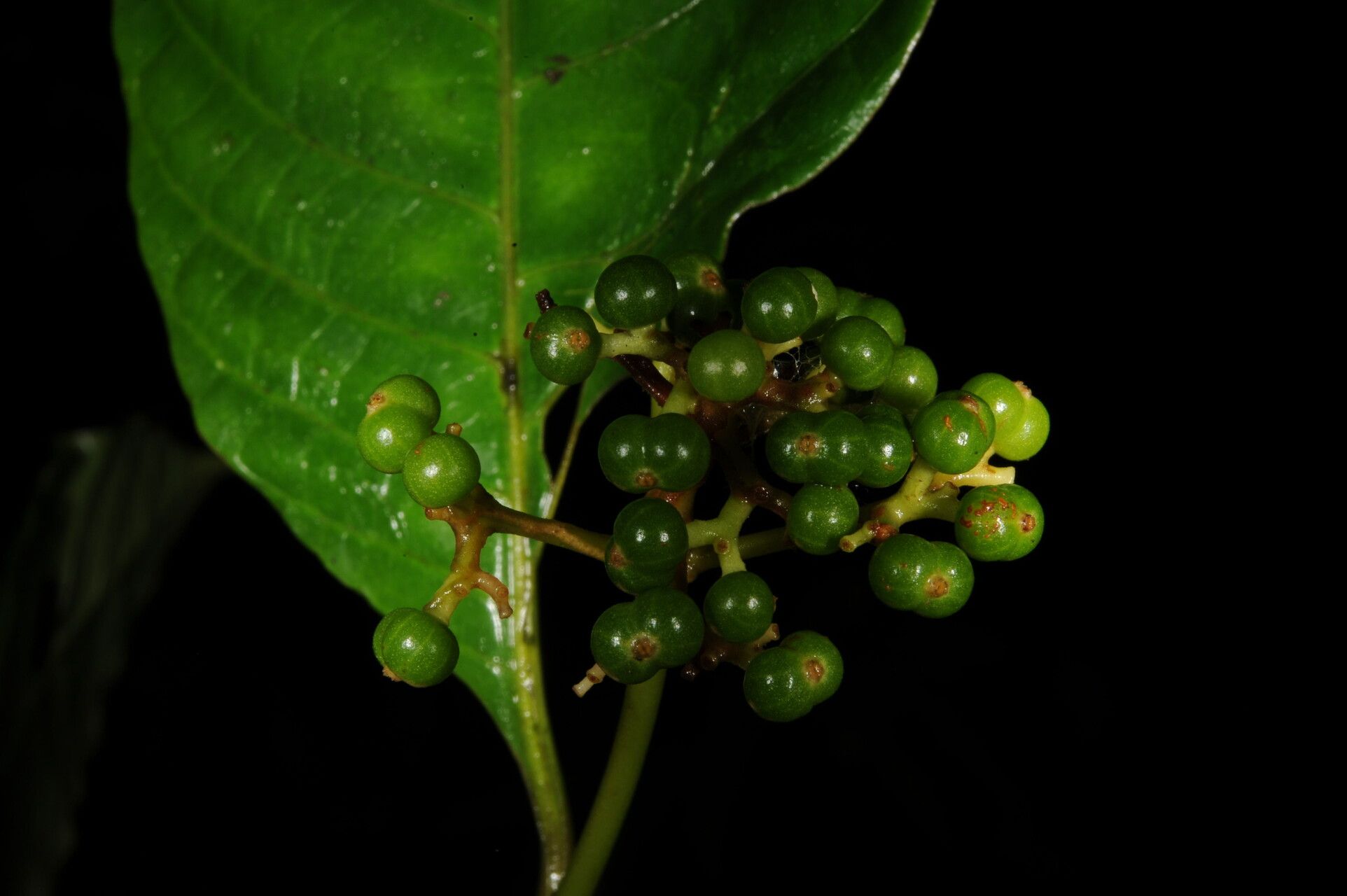
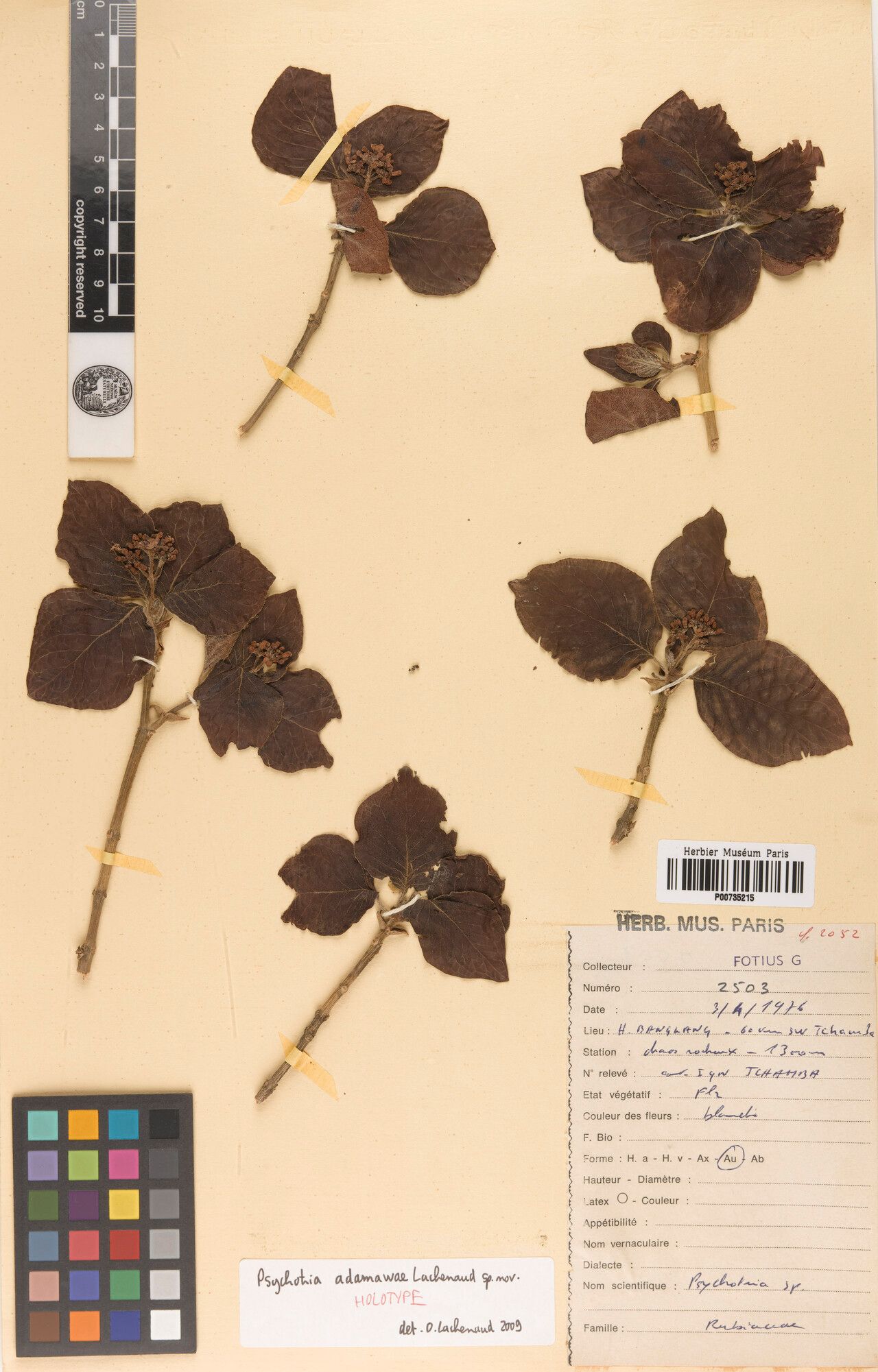
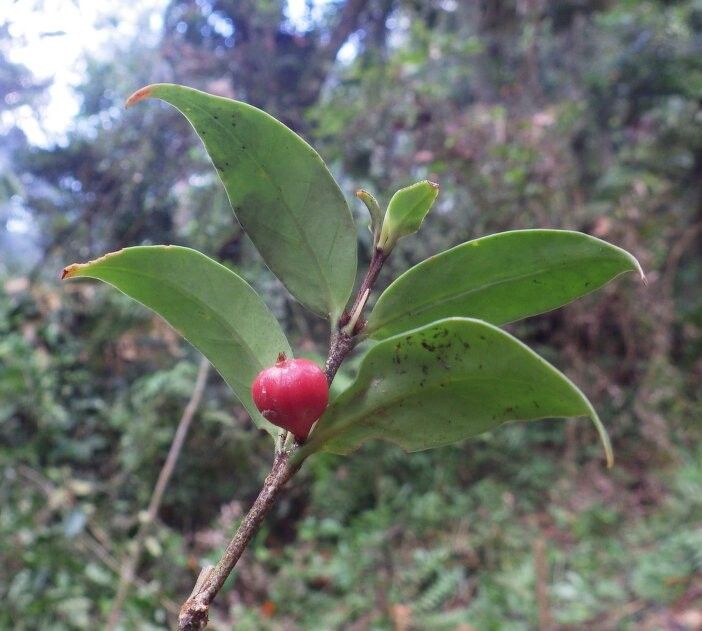
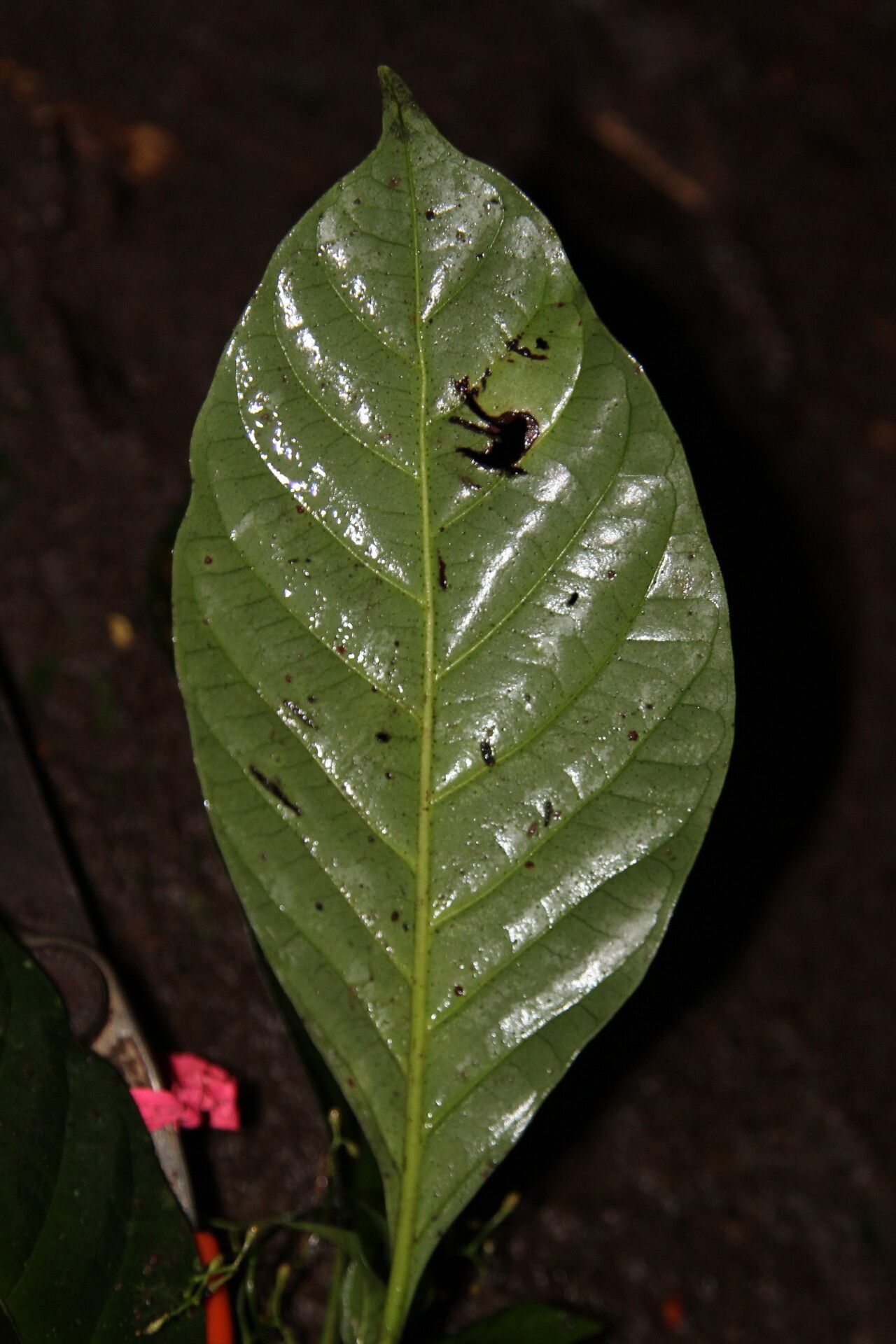
Psychotria loniceroides, the hairy psychotria, is a plant native to the forest areas of eastern Australia. The habitat is the ecotone on the edge of rainforest and eucalyptus forests. It is also found in the understorey of various types of rainforests. The natural range of distribution is from the Bega in south eastern New South Wales to Bamaga, in far north eastern Queensland. The scientific name refers to the healing qualities of some members of the genus Psychotria. Psyche meaning life. And loniceroides suggests the leaves are similar to the honey-suckle plant, Lonicera.
Hairy psychotria is fairly disease-resistant and typically doesn't tend to get sick. Regarding care, this plant is relatively low-maintenance. When grown outdoors it needs only light watering, and larger specimens usually don't require pruning. Smaller ones, however, should be pruned after they finish blooming. Hairy psychotria is well suited to anyone with outdoor space, such as a garden or deck, and doesn't call for extensive gardening experience.
How to keep Psychotria Loniceroides.
Light
Hairy psychotria is native to habitats like forest understories and rocky areas, where it occurs under natural shade. It prefers partial sun but can tolerate full sun or full shade, reflecting its adaptable and hardy nature.
Temperature
Hairy psychotria shows good temperature adaptability, tolerating higher heat and broader temperature swings. In hot weather, attention should be paid to watering and providing proper shade to prevent sunburn. On the other hand, Hairy psychotria has relatively low cold tolerance; it can endure a certain amount of chill, but overly cold conditions may cause frost damage.
Fertilizer
Apply fertilizer to your Hairy psychotria in early spring to encourage healthy growth. Consistent fertilization boosts overall health, producing vigorous growth, greater tolerance to harsh conditions, and increased resistance to diseases and pests. Adhere to a set fertilization schedule for your Hairy psychotria to maintain vibrant, deeply colored foliage and a lush appearance.
Pruning
To ensure your hairy psychotria plant thrives, it's important to prune it in early spring. This helps remove dead or overcrowded branches, allowing for better light and air circulation. When pruning, cut back to healthy buds while maintaining the plant's natural shape. Make sure your tools are clean to prevent disease. For detailed pruning techniques, consult reputable horticultural sources.
Botanical profile.
- Plant Type
- Shrub
- Life Cycle
- Perennial
- Genus
- Psychotria
- Family
- Rubiaceae
- Hardiness Zone
- 10-12
- Mature Height
- 2.13 m to 3.96 m
- Mature Spread
- 1.52 m to 3.05 m
- Leaf Color
- Dark Green, Forest Green
- Leaf Type
- Evergreen
- Flower Color
- White
- Flower Size
- 0.51 cm to 0.76 cm
- Bloom Time
- Late spring, Summer
- Planting Time
- Autumn, Winter
- Harvest Time
- Late summer, Fall