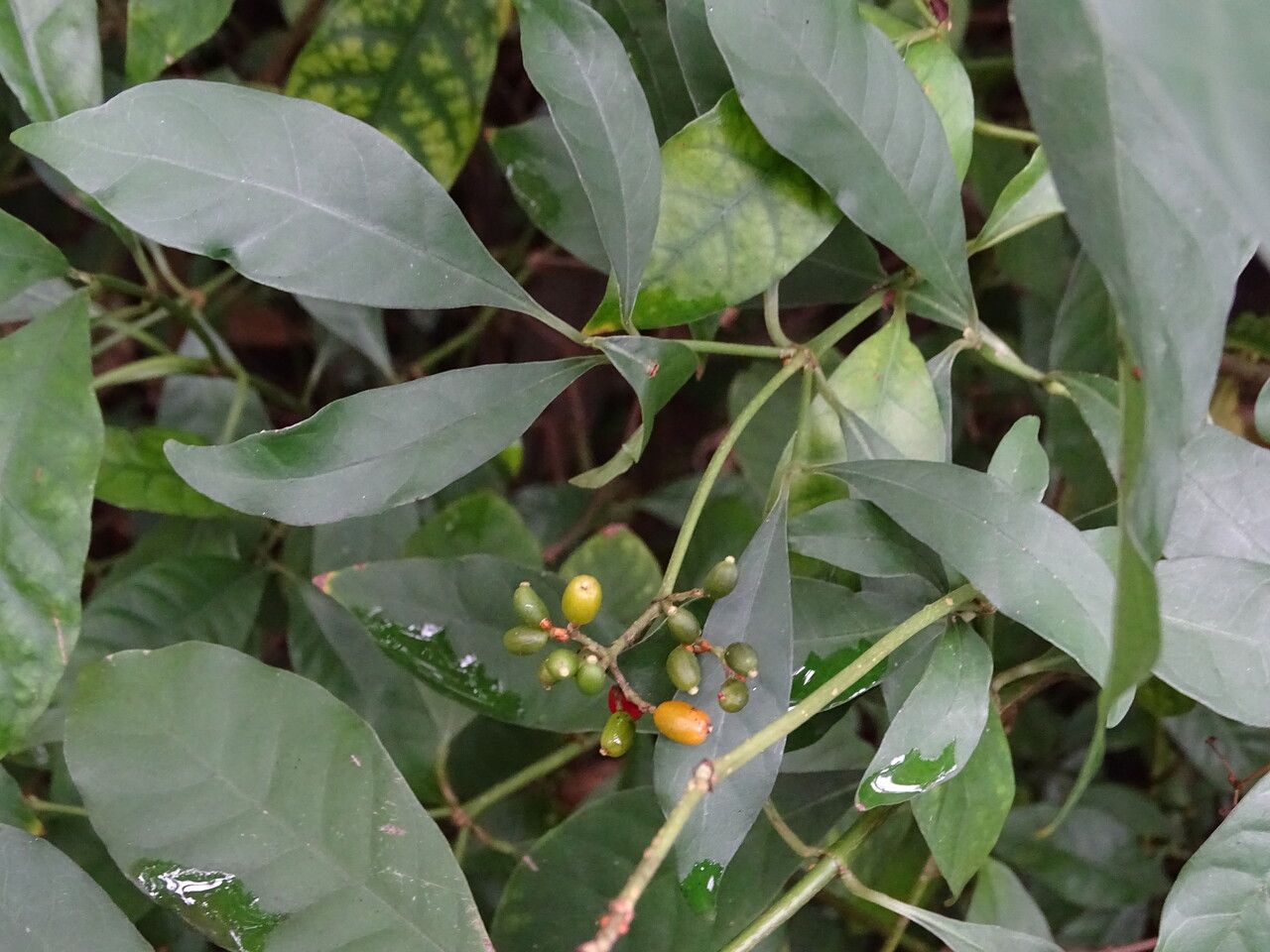
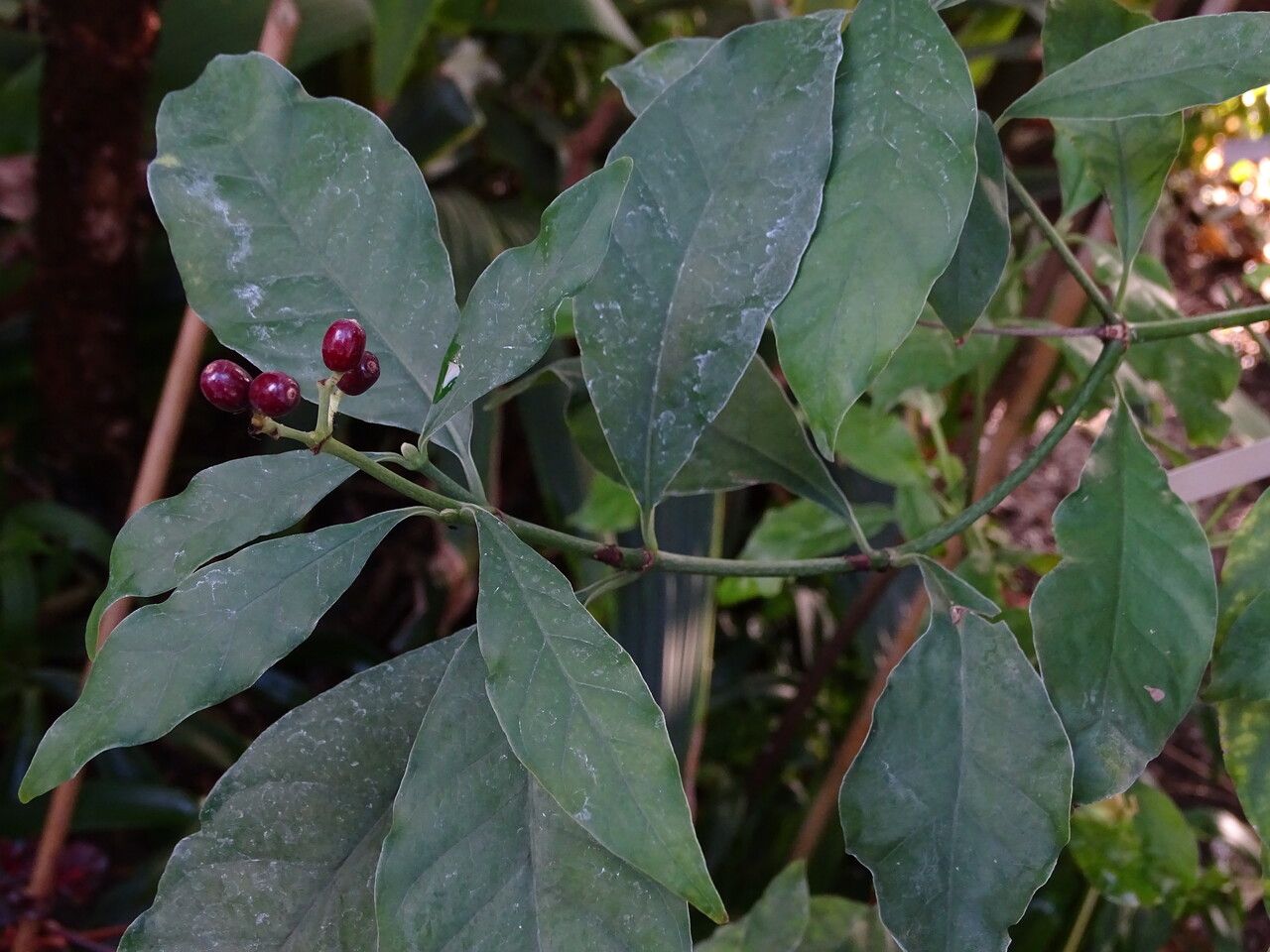
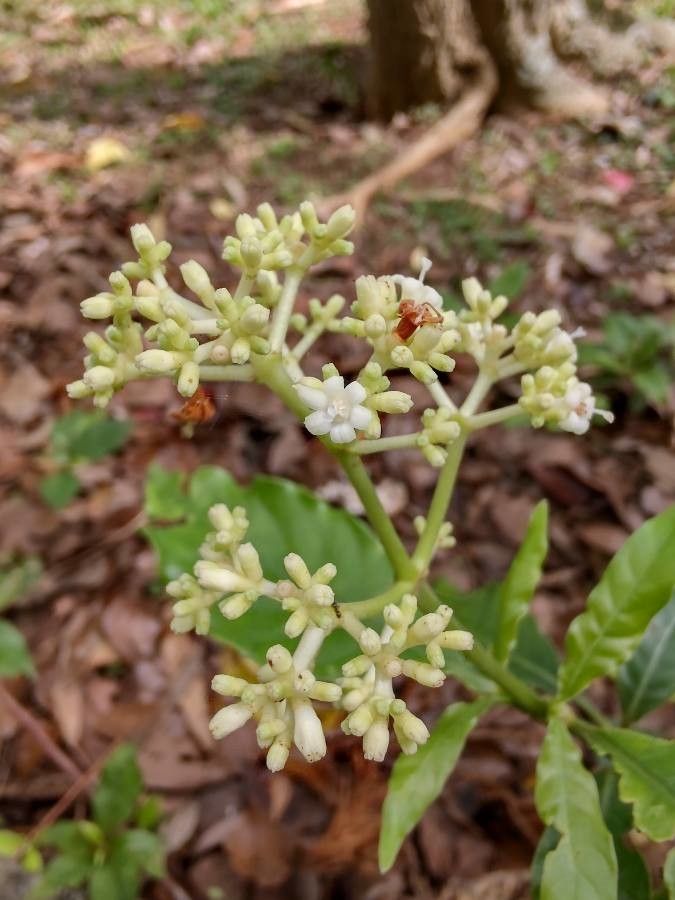
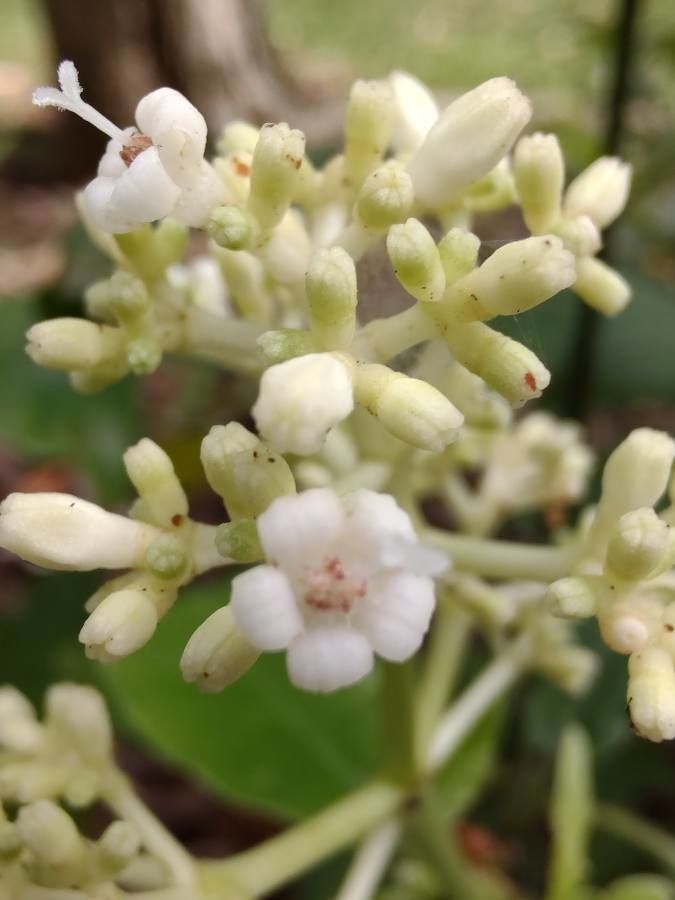
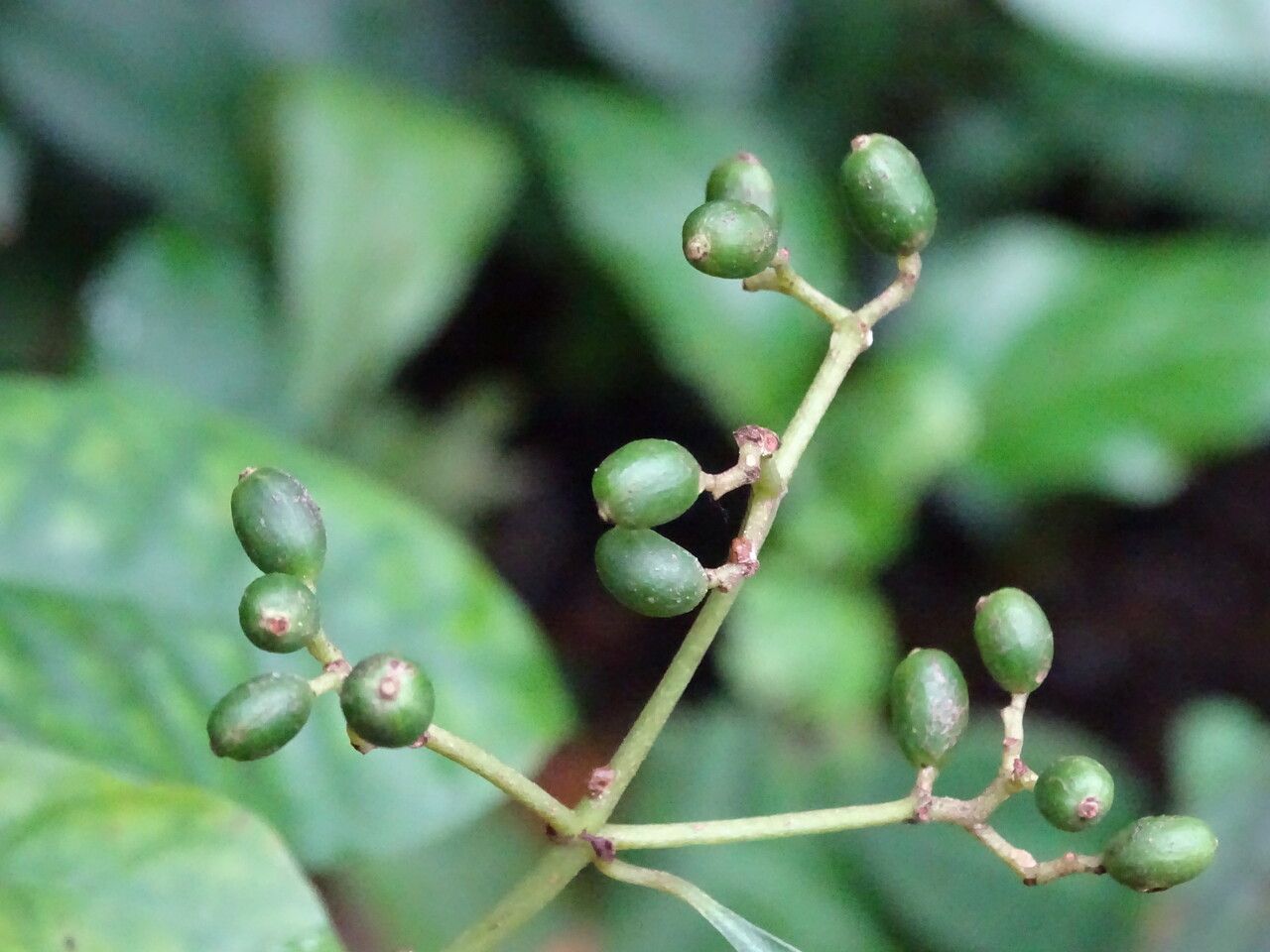
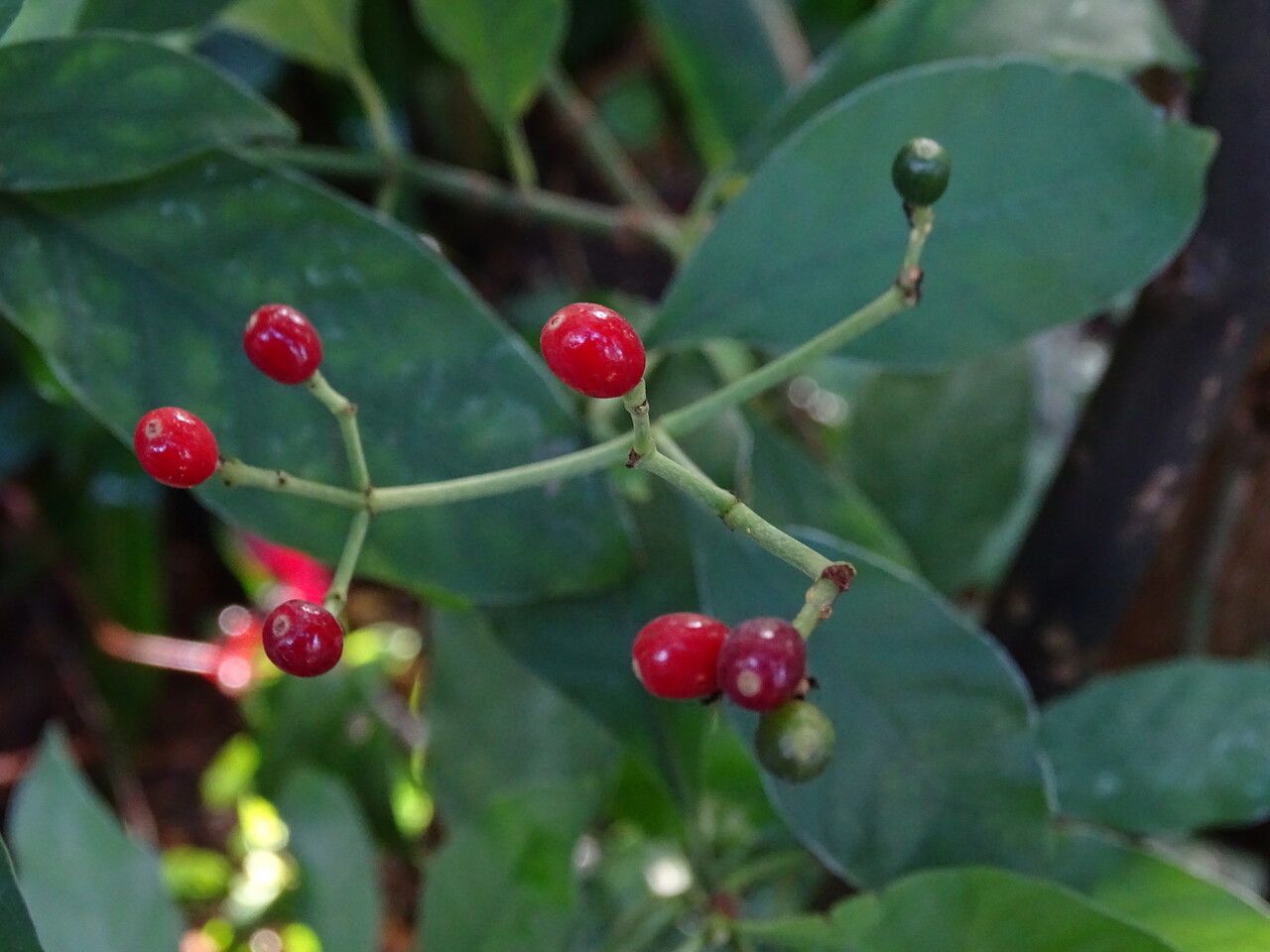
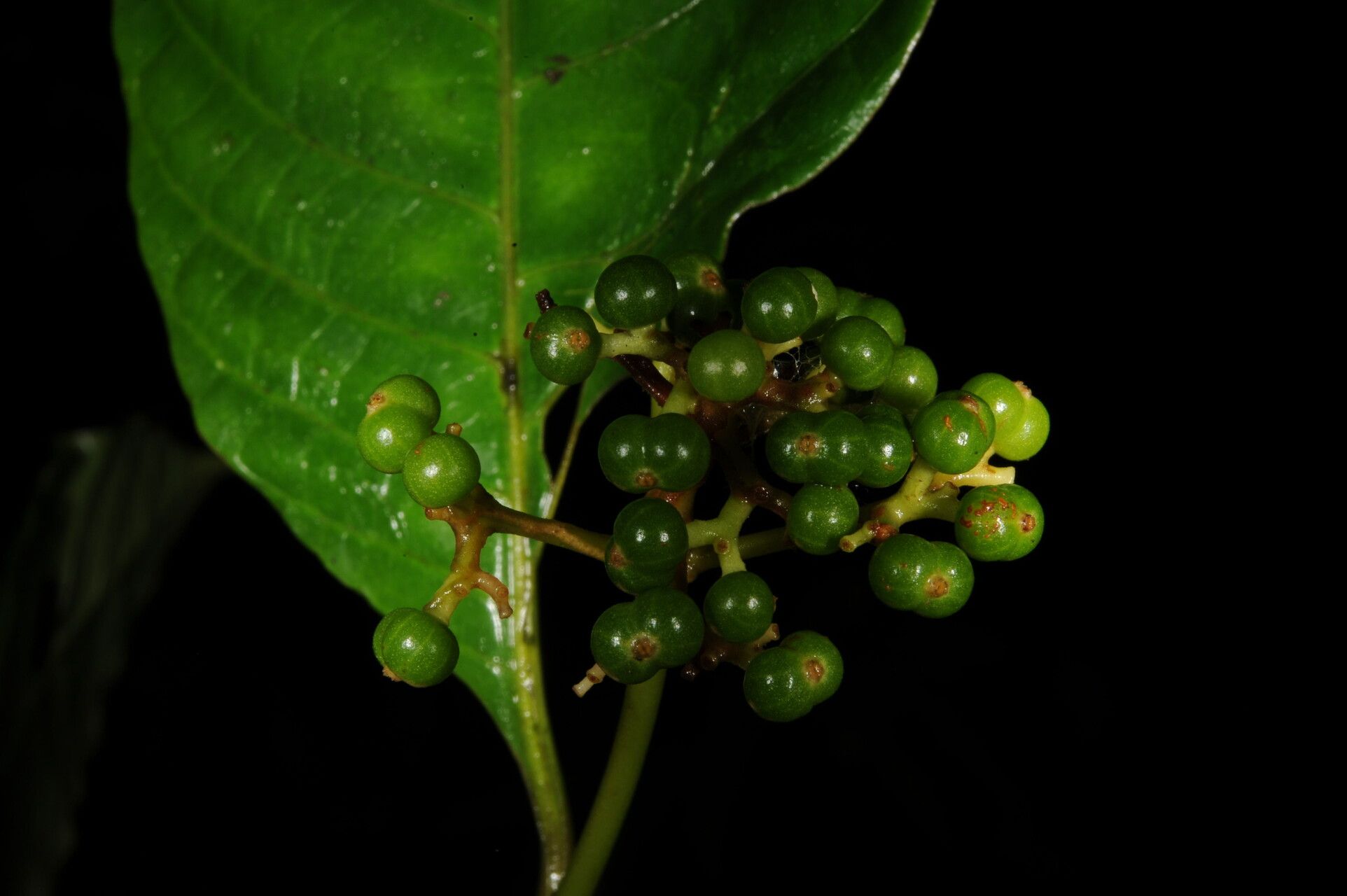
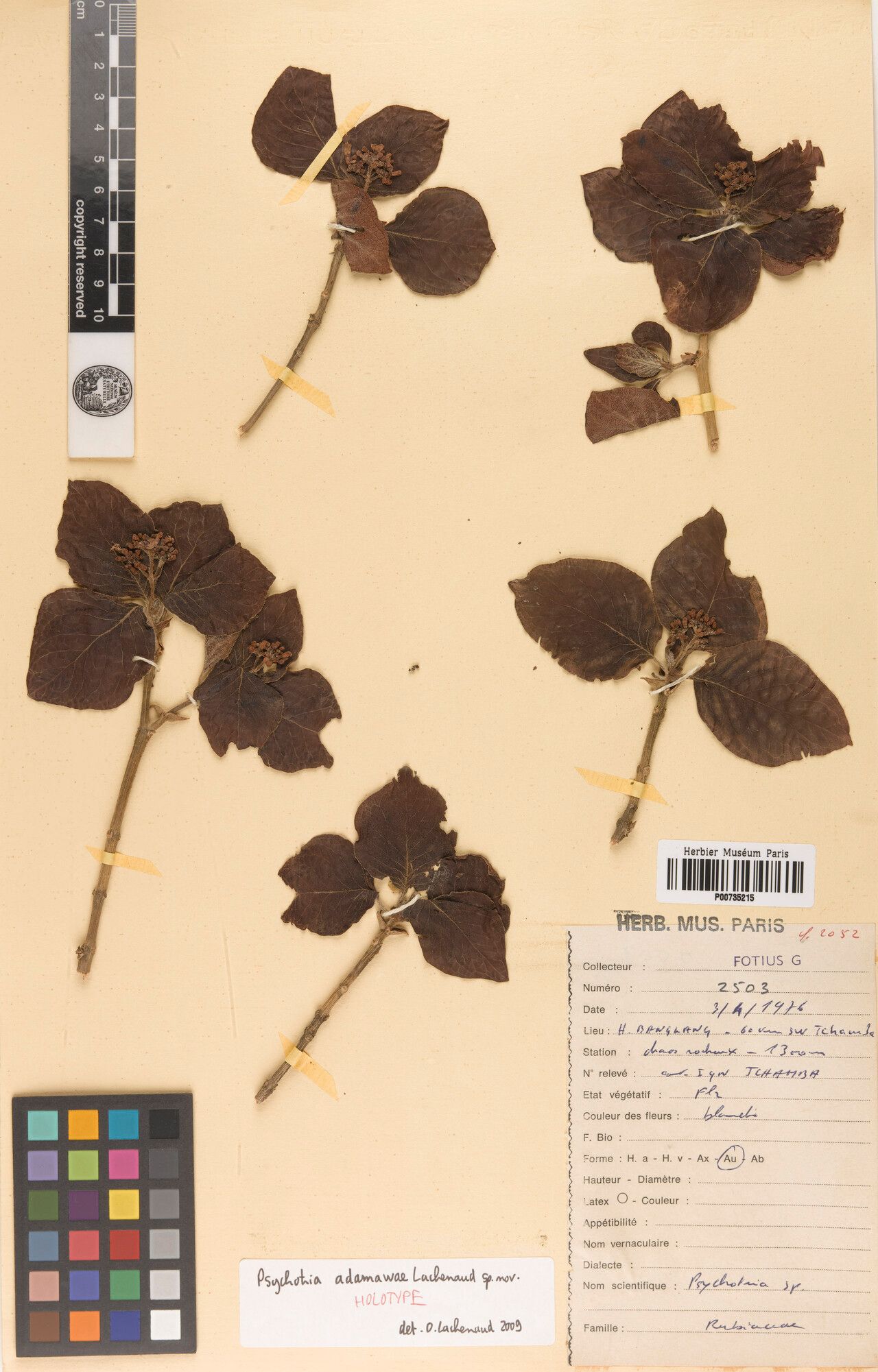
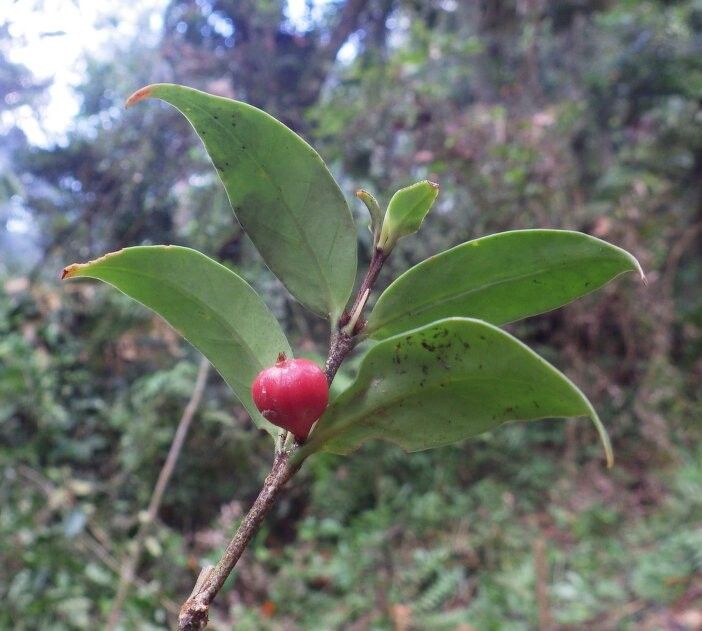
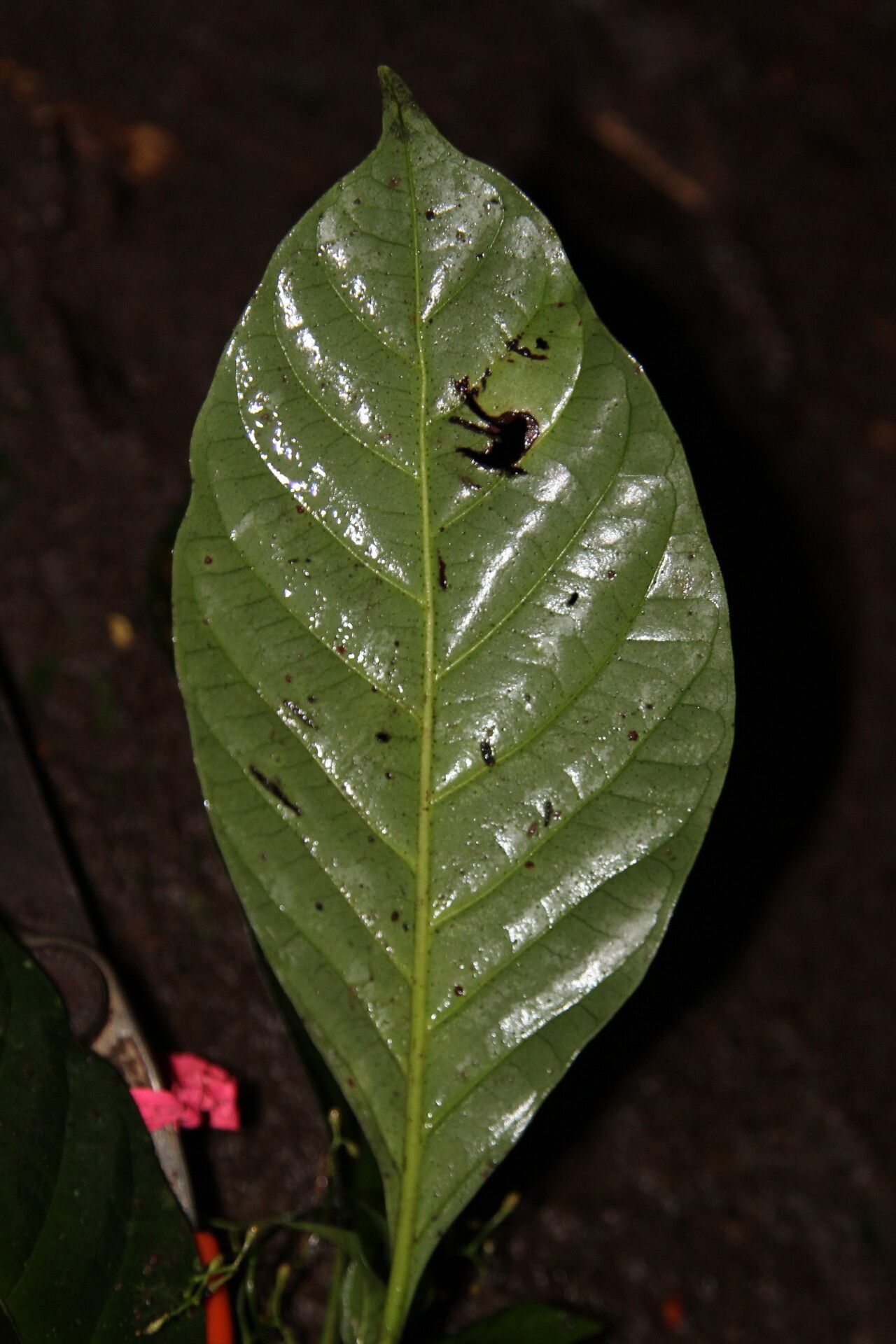
Psychotria carthagenensis, also known as amyruca, is a South American rainforest understory shrub from the coffee family, Rubiaceae. It grows from the tropics of South America to Mexico.Unlike other Psychotria species, it has been found to be devoid of alkaloids.
Amyruca shows strong disease resistance and is generally not susceptible to illnesses. Regarding care, this plant is fairly low-maintenance. When grown outdoors it needs minimal watering, and larger specimens typically do not require pruning. Smaller plants, however, should be pruned after they have bloomed. Amyrucat is suitable for anyone with an outdoor area, such as a garden or deck, and does not demand much gardening experience.
How to keep Psychotria Carthagenensis.
Light
Amyruca originates from habitats like forest understories or rocky areas, where it grows in natural shade. It prefers partial sun but can adjust to full sun or full shade, showing that it is versatile and hardy.
Water
Amyruca thrives in high humidity and benefits from regular rainfall, as it is tolerant to moisture. Water the amyruca every 2-3 weeks, allowing the soil to dry out slightly between waterings. As an evergreen plant, it requires consistent watering throughout the year, making it an ideal choice for controlled indoor environments.
Temperature
Amyruca comes from tropical areas, where the climate is generally warm and humid. Consequently, it is well suited to high heat and humidity. It does not tolerate sudden temperature shifts and prefers a consistent temperature, so avoiding indoor temperature fluctuations is important. It typically cannot withstand cold and needs higher temperatures to grow. If the surrounding temperature falls too low, the plant may stop growing or even die.
Fertilizer
The best time to fertilize an Amyruca is in early spring as it breaks dormancy. This encourages overall growth and flower development. Fertilization improves foliage, stems, and branches, while encouraging larger, more vibrant, and longer-lasting flowers. It helps move nutrients from the roots to the flowers and enhances the plant’s health and resistance to disease.
Pruning
The Amyruca is an evergreen shrub known for its broad leaves and vibrant flowers. To encourage growth and blooming, prune the plant in late spring, making sure to thin out dense areas to improve air circulation. Regular light pruning also helps enhance the shrub's structure and appearance. For more detailed care instructions, it's a good idea to consult horticultural experts.
Botanical profile.
- Plant Type
- Shrub
- Life Cycle
- Perennial
- Genus
- Psychotria
- Family
- Rubiaceae
- Hardiness Zone
- 10-12
- Mature Height
- 0.3 m to 11.89 m
- Mature Spread
- 2.13 m
- Leaf Color
- Dark Green
- Leaf Type
- Evergreen
- Flower Color
- White
- Flower Size
- 1.02 cm to 1.52 cm
- Bloom Time
- Late spring, Summer
- Planting Time
- Spring, Summer
- Harvest Time
- Late summer, Fall
- Native Area
- Colombia, Cuba, Honduras, Mexico, Guatemala, Bolivia, Venezuela, Peru, Guyana, Nicaragua, Ecuador, Costa Rica, Panama
Reader questions.
How should I water my Amyruca?
The Amyruca is not particular about how you water it. You can use any common watering tool such as watering cans, hoses, or cups. When watering, it is best to apply the water directly to the soil and make sure all areas of the soil are equally moistened to nourish the entire root system. Using filtered water is recommended to avoid harmful particles found in tap water. It is also ideal to use water at or slightly above room temperature as extremely cold or hot water can shock the Amyruca. However, the Amyruca generally responds well to any type of water given to it.
What are the sunlight requirements for plants?
Plants require varying amounts of sunlight depending on their specific needs. Partial sun plants, like Amyruca, need about 3-6 hours of sunlight daily, while full sun plants require more than 6 hours of sunlight. It's crucial to observe the movement of sunlight through your garden to identify spots that offer the ideal balance of light and shade, ensuring the well-being of your plants.
What should I do if I give my Amyruca plant too much water or too little water?
Outdoor plants, especially newly planted ones, are prone to lack of watering. It's important to continue watering them adequately for a few months until they establish roots. Once the roots are established, they can rely on rain most of the time. When it comes to potted plants, overwatering is a common issue. If you accidentally overwater your plant, you should take immediate action to fix it. First, stop watering the plant to minimize the impact of overwatering. Then, remove the plant from the pot to check its roots. If there are no signs of root rot, you can place the plant back in its container. However, if root rot is present, trim away the affected roots and apply a fungicide if necessary. Finally, repot the plant in well-draining soil. On the other hand, if your plant is underwatered, it's a simpler problem to solve. The leaves will droop, dry out, and fall off. Simply water the plant more frequently, and the leaves will quickly regain their fullness. Remember to adjust your watering schedule as soon as you notice signs of underwatering.
How does Amyruca adapt to different light conditions?
Amyruca is a versatile perennial herbaceous plant that thrives under partial sun but can also tolerate full shade. It naturally grows in environments such as forest understories or rocky areas, which provide it with natural shade. This adaptability makes it suitable for various garden spots or indoor settings, illustrating its resilience and versatility in different lighting conditions.
How much water does my Amyruca need, and how often should I give it water?
To care for outdoor plants, you can usually rely on rainfall. However, if your area doesn't receive much rain, you'll need to water them every 2 weeks in spring and fall, and more frequently in summer. In winter, when growth slows down, you can water them less or even not at all. Young or newly planted plants, like the Amyruca, will need more frequent watering to help them establish and become drought tolerant. When it comes to potted plants, there are two ways to determine how often to water the Amyruca. The first way is to set a schedule, either once a week or every other week. However, this may not always be accurate as it doesn't consider the specific conditions of your environment. Another option is to check the soil moisture. It's generally best to wait until the top two to four inches of soil have completely dried out before watering again. This method allows you to adjust the frequency based on the season and the plant's needs.
How can artificial lighting be used for indoor plants?
Indoor plants may require artificial lighting to ensure optimal growth, especially when natural sunlight is insufficient. LED lights are a popular and effective choice, providing the specific wavelengths of light needed by plants. For full sun plants, 30-50W/sq ft of light is recommended; for partial sun plants, 20-30W/sq ft; and for full shade plants, 10-20W/sq ft. The light source should be placed 12-36 inches above the plant, and most plants will benefit from 8-12 hours of artificial light per day to mimic natural daylight hours.
How much water does my Amyruca require?
When watering your Amyruca, it's important to note that it doesn't always require a high volume of water. If only a few inches of soil have dried since the last watering, giving it about five to ten ounces of water each time should support healthy growth. You can also determine the water volume based on soil moisture. Keep track of how many inches of soil have dried out between waterings. To ensure your Amyruca receives sufficient moisture, water enough to moisten all layers of dry soil since the last watering. If more than half of the soil has dried, consider giving more water than usual and continue until you see excess water draining from the pot's holes. If your Amyruca is planted in a rainy outdoor area, it may not need additional watering. For young or recently established plants, aim for 1-2 inches of rain per week. As the plant grows and establishes, it can rely solely on rainwater. Only during hot weather with no rainfall for 2-3 weeks should you consider giving it a full watering to prevent stress.
What are the symptoms of light deficiency in Amyruca?
When Amyruca is grown indoors with insufficient light, it may exhibit symptoms such as smaller new leaves, leggy or sparse growth, faster leaf drop, delayed growth or no new growth, pale or irregularly colored new leaves, and conditions like chlorosis, sunscald, leaf curling, wilting, and leaf scorching. These symptoms indicate that the plant needs better light conditions to thrive.
How can I know if I'm giving enough water to my Amyruca?
The Amyruca often faces the issue of overwatering, which can be identified by a few noticeable signs. Yellowing leaves and leaf drop are common indicators of overwatering. Additionally, overwatering can lead to the plant shriveling and root rot. On the other hand, an underwatered Amyruca will also show signs of wilt and display brown or brittle leaves. No matter if you see signs of overwatering or underwatering, it is important to take action and restore the health of your Amyruca.
What solutions can improve the light conditions for Amyruca?
To improve light conditions for Amyruca, gradually increase its sunlight exposure by moving it to sunnier spots each week. For indoor plants, use a desk or ceiling lamp for at least 8 hours daily or invest in professional plant grow lights if the plant is large. Outdoors, gradually relocate your plants to avoid sunburn. Minimize obstructions like overhanging branches and consider transplanting smaller plants to sunnier locations with good drainage during their dormant period. Note that while areas affected by insufficient light may not recover, new growth should be healthy with improved light exposure.
How do I water my Amyruca as it grows?
When the Amyruca is young, especially in its seedling stage, it requires more water compared to when it is fully grown. It is important to keep the soil consistently moist during the early stages of the plant's life to help with root development. This also applies if you have transplanted an Amyruca to a new location. Additionally, if you want the Amyruca to produce showy flowers and fruits, proper care and a slightly increased amount of water may be necessary during the flowering and fruiting phase.
How do I keep my Amyruca plant hydrated throughout the year?
The watering needs of your Amyruca will change with the seasons. In the hot summer months, especially if it is exposed to a lot of sunlight, you will need to increase the amount of water you give to the plant. The strong summer sun can quickly dry out the soil, so you'll have to water it more often. On the other hand, during winter when the plant is not actively growing, it will require much less water. You can water it once every 2 to 3 weeks or even skip watering altogether. If you have an indoor Amyruca, be aware that appliances like air conditioners can dry out the plant faster, so you may need to water it more frequently in that case.