Psoralea pinnata, commonly known as prairie clover or Indian breadroot, is a perennial plant belonging to the Fabaceae family. Native to North America, it thrives in regions such as the Great Plains and the Rocky Mountains. This plant can grow up to 3 feet tall and features a deep taproot that extends up to 10 feet in length.
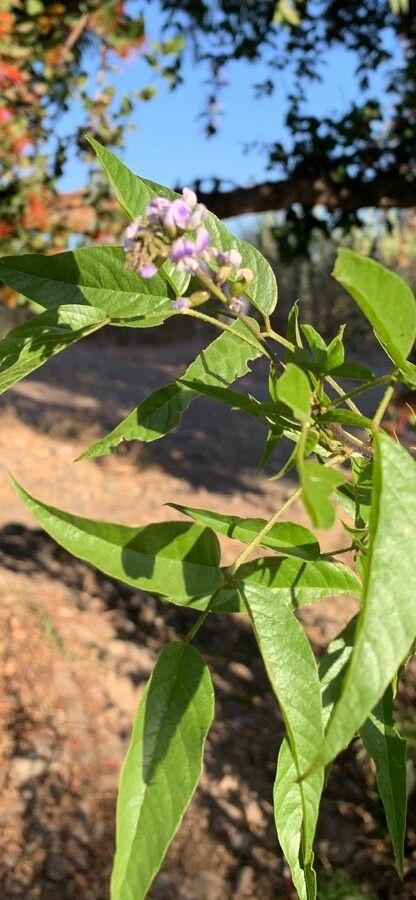
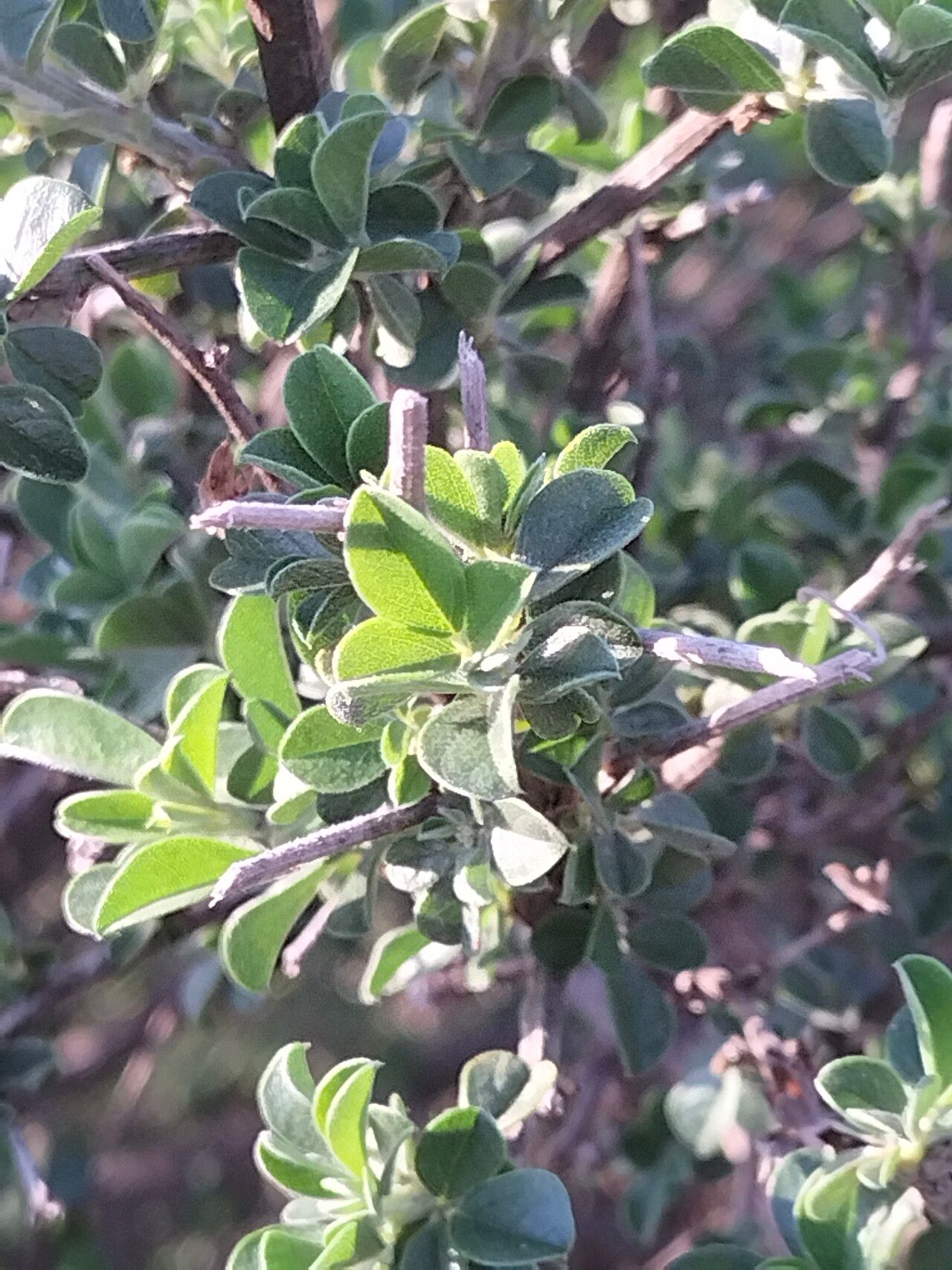
The leaves of Psoralea pinnata are compound, consisting of three leaflets. These leaflets are green on the top and silvery underneath. The plant produces small, purple or blue flowers with yellow centers, arranged in dense spikes at the top of the stems. These blooms appear from June through August.
For centuries, Native Americans have used prairie clover as a food source, consuming its edible roots after roasting or boiling them. Additionally, it has been applied for medicinal purposes, particularly in treating skin conditions like eczema and psoriasis.
Psoralea pinnata is crucial for wildlife conservation due to its ability to fix nitrogen in the soil, which enhances the growth of other plants. It also serves as a food source for various pollinators, including bees and butterflies.
Overall, Psoralea pinnata is a vital native plant species that contributes significantly to maintaining ecological balance. It also holds cultural importance among Native American communities, who have long utilized it both medicinally and nutritionally.
The fountain bush has strong resistance to disease and is typically not vulnerable to illnesses. In terms of care, the plant is fairly low-maintenance. When grown outdoors it needs only light watering, and larger specimens usually do not require pruning; smaller plants, however, should be pruned after they finish blooming. The fountain bush is appropriate for anyone with outdoor space, such as a garden or deck, and does not demand extensive gardening experience.
How to keep Psoralea Pinnata.
Light
The fountain bush thrives in sites with plenty of light and can tolerate moderately lower illumination. In its natural habitat it grows where sunlight is unobstructed. Too little light can hamper its growth, while too much light may cause leaves to scorch.
Water
The fountain bush is moderately drought-tolerant and can adapt to intermittent dry spells. It should be watered every two weeks, allowing the soil to dry out slightly between waterings. This plant thrives in a range of temperatures and requires well-draining soil to prevent root rot during rainy periods.
Temperature
Fountain bush is native to climates where temperatures fall between 68 and 100.4 °F (20 to 38 ℃). It performs best within that temperature span. To encourage optimal growth, keep temperatures similar and slowly modify them to match seasonal changes.
Fertilizer
The ideal time to fertilize a Fountain bush is in early spring, when it breaks dormancy. This encourages overall growth and flower development. Fertilization improves foliage, stems, and branches, and helps produce large, vibrant, long-lasting blooms. It assists in moving nutrients from the roots to the flowers and enhances the plant's health and resistance to disease.
Pruning
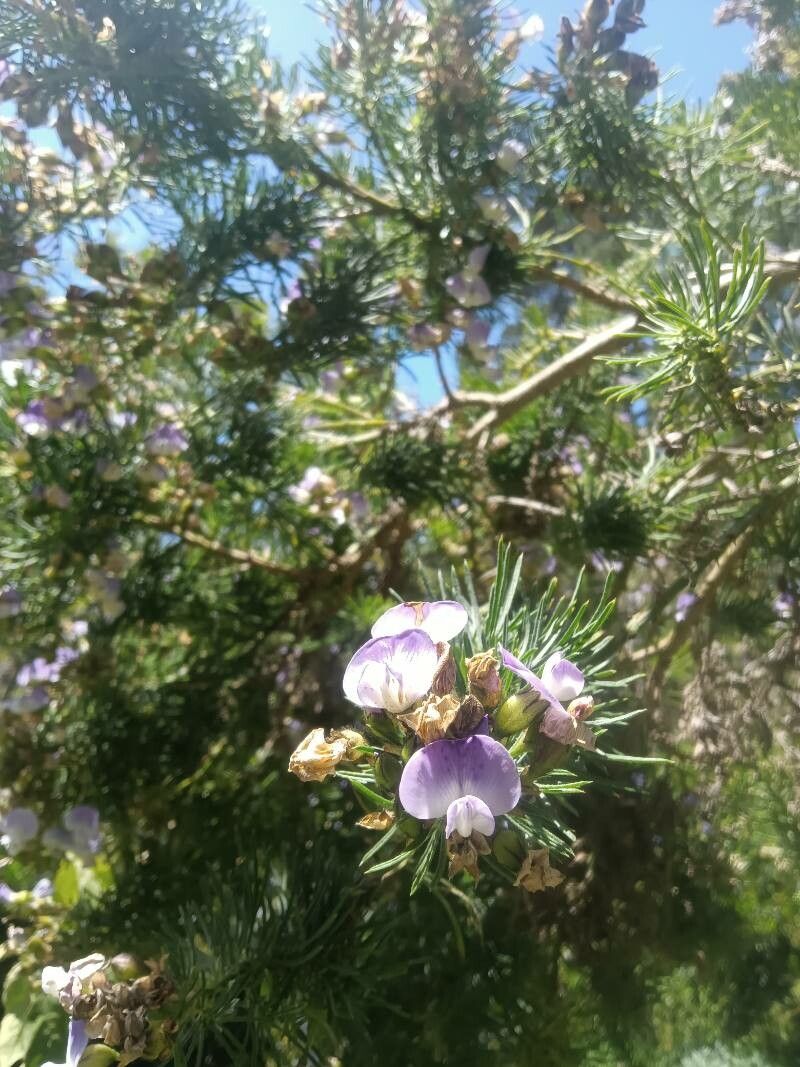
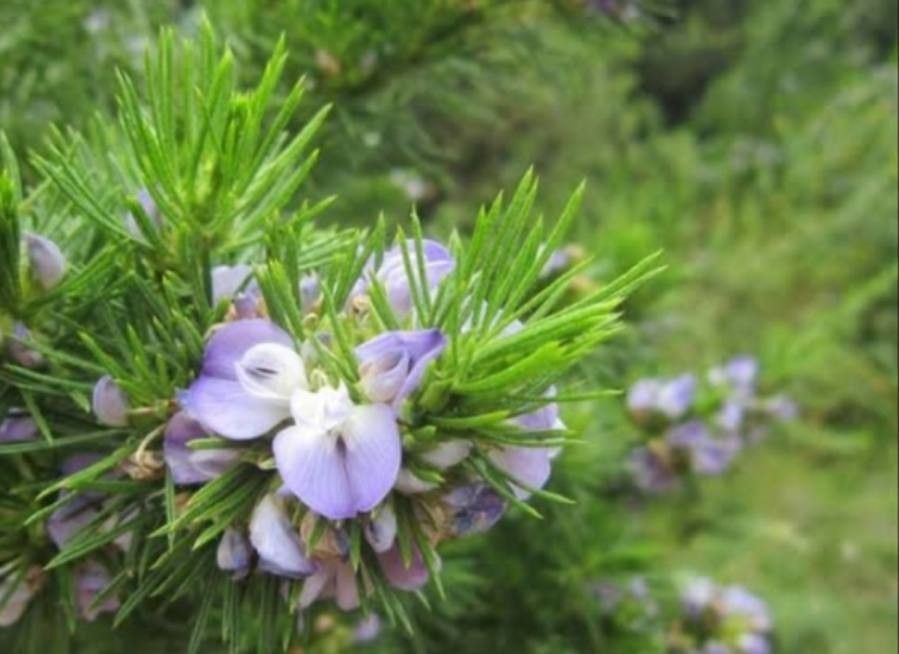
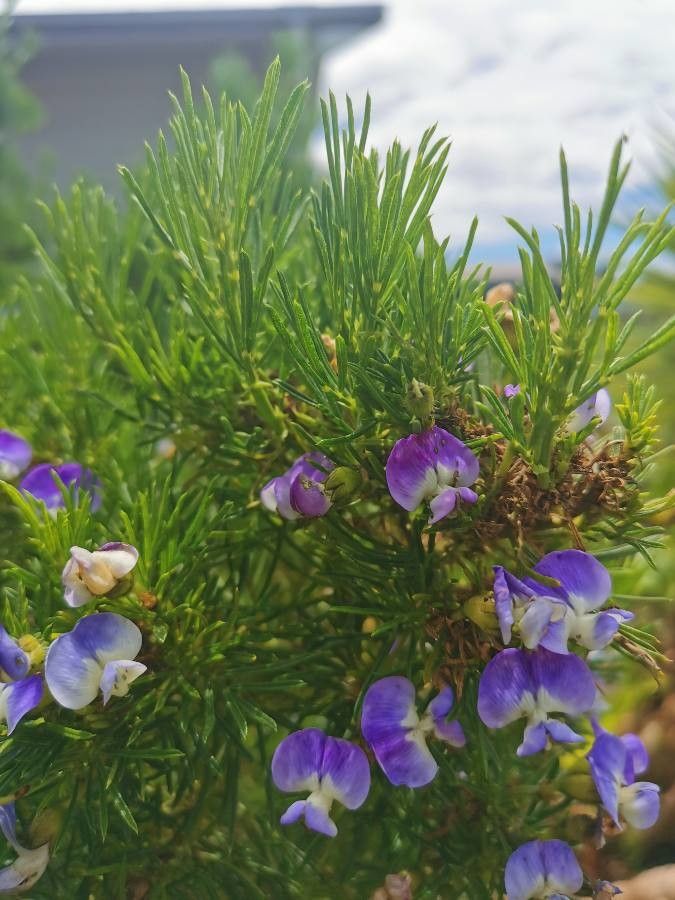
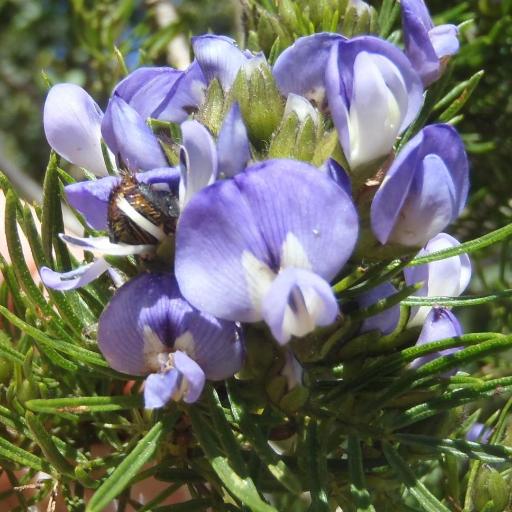
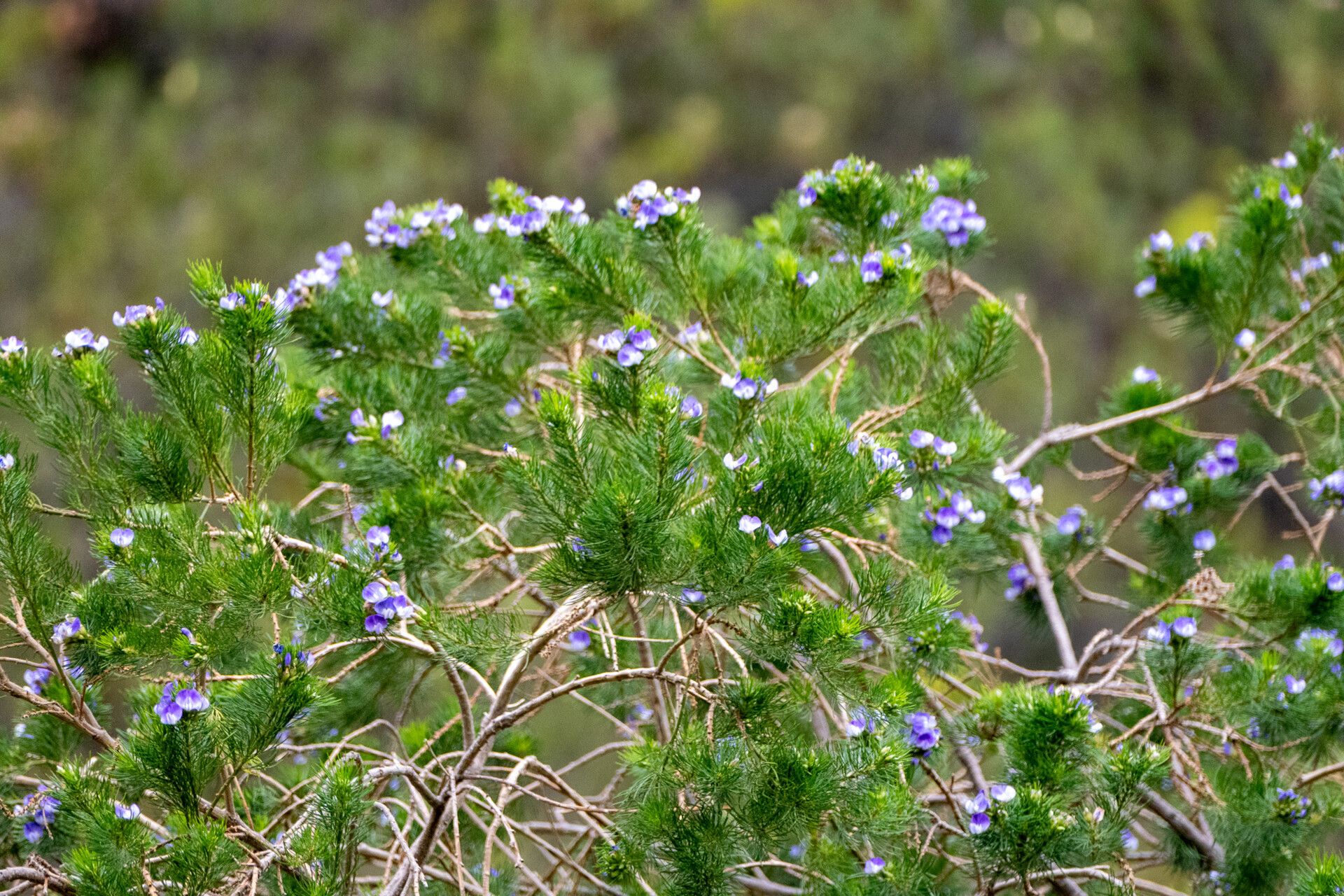
The fountain bush is a lush plant known for its bright green, feathery leaves and stunning purple-blue flowers. To encourage bushier growth and more blooms, prune it in early spring, shaping the plant and removing any damaged parts. Be careful not to prune too heavily, as the fountain bush is sensitive, and gentle pruning will help maintain its overall health and vitality.
Botanical profile.
- Plant Type
- Tree, Shrub
- Life Cycle
- Perennial
- Genus
- Psoralea
- Family
- Fabaceae
- Hardiness Zone
- 9-11
- Mature Height
- 3.05 m
- Mature Spread
- 3.05 m
- Leaf Color
- Dark Green
- Leaf Type
- Deciduous
- Flower Color
- White, Purple, Blue
- Flower Size
- 2.54 cm
- Bloom Time
- Late spring, Early summer, Mid summer
- Planting Time
- Winter, Spring
- Harvest Time
- Late summer, Early fall, Mid fall
- Native Area
- South Africa, Mozambique
Other names.
Reader questions.
What are the sunlight requirements for Fountain Bush?
Fountain Bush, or Psoralea pinnata, thrives in areas with ample sunlight. It requires full sun, defined as over 6 hours of sunlight a day, but can also tolerate partial sun, which is about 3-6 hours of sunlight. Observing how sunlight moves through your garden is crucial to finding the perfect balance of light and shade, ensuring the plants' health and happiness.
What is the indigenous climate for Fountain bush?
Fountain bush is native to climates that experience temperatures ranging between 68 to 100.4 °F (20 to 38 °C). It flourishes best within this temperature range, favoring a warm climate for optimal growth. To ensure its health, it's important to simulate similar temperature conditions, adjusting gradually to seasonal changes.
How does the Fountain Bush respond to different lighting conditions?
The Fountain Bush flourishes in environments with significant light exposure and can adapt to slightly lower light conditions. In its natural habitat, it grows in unobstructed sunlight, meaning it prefers locations where sunlight is plentiful. However, inadequate lighting might hinder its growth, and too much direct sun could cause leaf scorch. For indoor plants, artificial lighting can be a beneficial alternative, especially in less sunny spaces or during winter, with LED lights being a popular choice for mimicking natural sunlight. Depending on the plant's sunlight needs, the wattage for artificial light varies, and positioning the light correctly as well as deciding the right duration is essential for optimal plant growth.
How does cold weather affect Fountain bush, and what precautions should be taken?
Fountain bush is not tolerant of cold temperatures and requires careful handling during colder months. When temperatures drop below 20°C, the plant struggles, and exposure to temperatures nearing 0°C can severely damage it. If the temperature falls below -5°C, the leaves may lighten and exhibit symptoms of frost damage, such as browning or blackening and wilting. To protect the plant, it's recommended to trim off the frost-damaged parts and move it indoors to a warm area that receives ample sunlight, preferably near a south-facing window, while avoiding placing it too close to heaters or air conditioning vents to prevent air dryness.
What are the symptoms of inadequate lighting for Fountain Bush?
When Fountain Bush is subjected to insufficient light, especially indoors during winter, it may exhibit several symptoms indicating light deficiency. These include smaller new leaves, leggy or sparse growth, quicker leaf drop, halted or no new growth, lighter-colored or pale new leaves, and specific conditions like chlorosis, sunscald, leaf curling, wilting, and leaf scorching. These symptoms can affect the plant's health and appearance, suggesting a need for better light exposure.
How should Fountain bush be cared for in high temperatures?
During the hot summer months, it's essential to monitor the temperature to ensure it remains below 38°C to prevent heat stress on Fountain bush. Exposure to temperatures above 43°C can lighten the color of its leaves and increase susceptibility to sunburn. Should this occur, trim away the affected areas and relocate the plant to a shaded spot, especially away from direct midday and afternoon sunlight. Regular watering in the morning and evening helps keep the soil adequately moist, further aiding in the plant's ability to cope with high temperatures.
What strategies can improve light conditions for Fountain Bush?
To enhance the light exposure for Fountain Bush, gradually relocating the plant to sunnier spots can be beneficial, both indoors and outdoors, ensuring a minimum of 6 hours of direct sunlight daily. For indoor plants not easily moved, using artificial lighting such as desk lamps or investing in professional grow lights can provide the necessary light. Outdoors, it's crucial to introduce plants to brighter conditions progressively to prevent sunburn. Additionally, reducing obstructions like pruning branches from trees or relocating the plant to less shaded areas can significantly increase sunlight access. It's important to note that while parts of the plant damaged by insufficient sunlight may not recover, new growth will be healthy once light exposure is optimized.
What are the essential growing conditions for Fountain bush?
Fountain bush thrives in warm environments, with a preference for temperatures between 68 to 100.4 °F (20 to 38 °C). To ensure healthy growth, it's important to mimic these conditions, making gradual adjustments to accommodate seasonal shifts. The plant is heat-loving, so it's crucial to protect it from cold by moving it indoors during autumn to a brightly lit space, away from direct heat sources, and ensuring it remains above 20°C during winter. Adhering to these conditions helps avoid damage from extreme temperatures and maintains the plant's wellbeing.