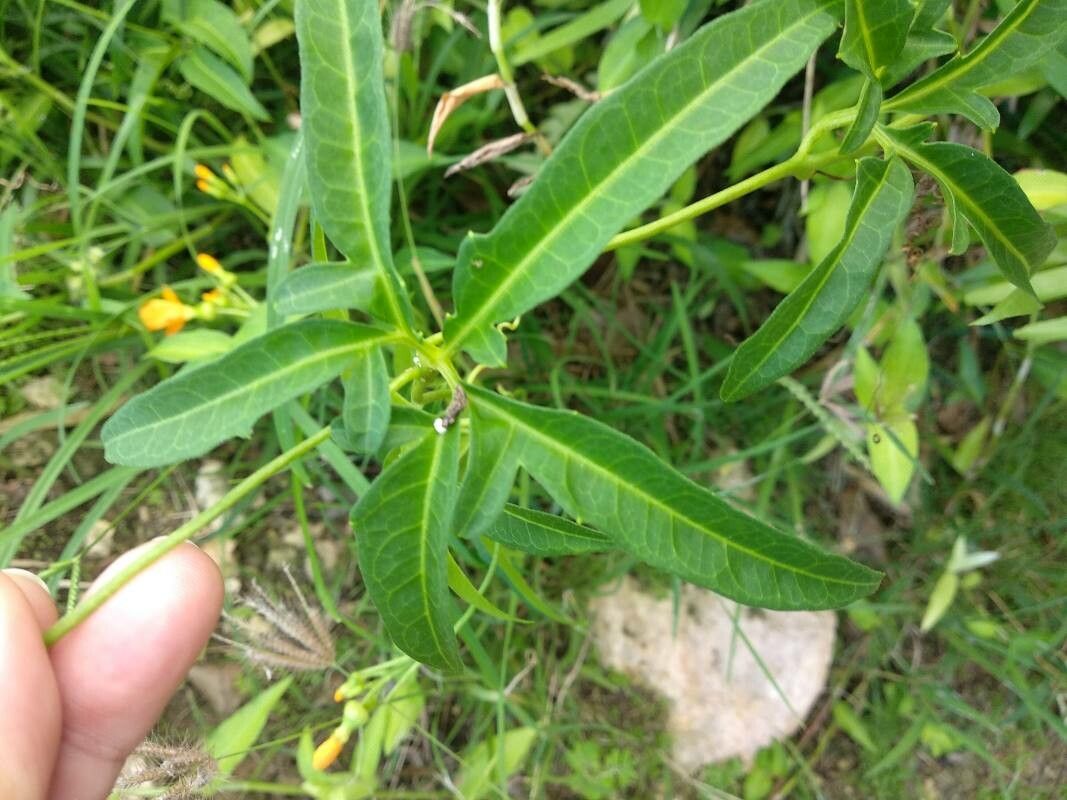
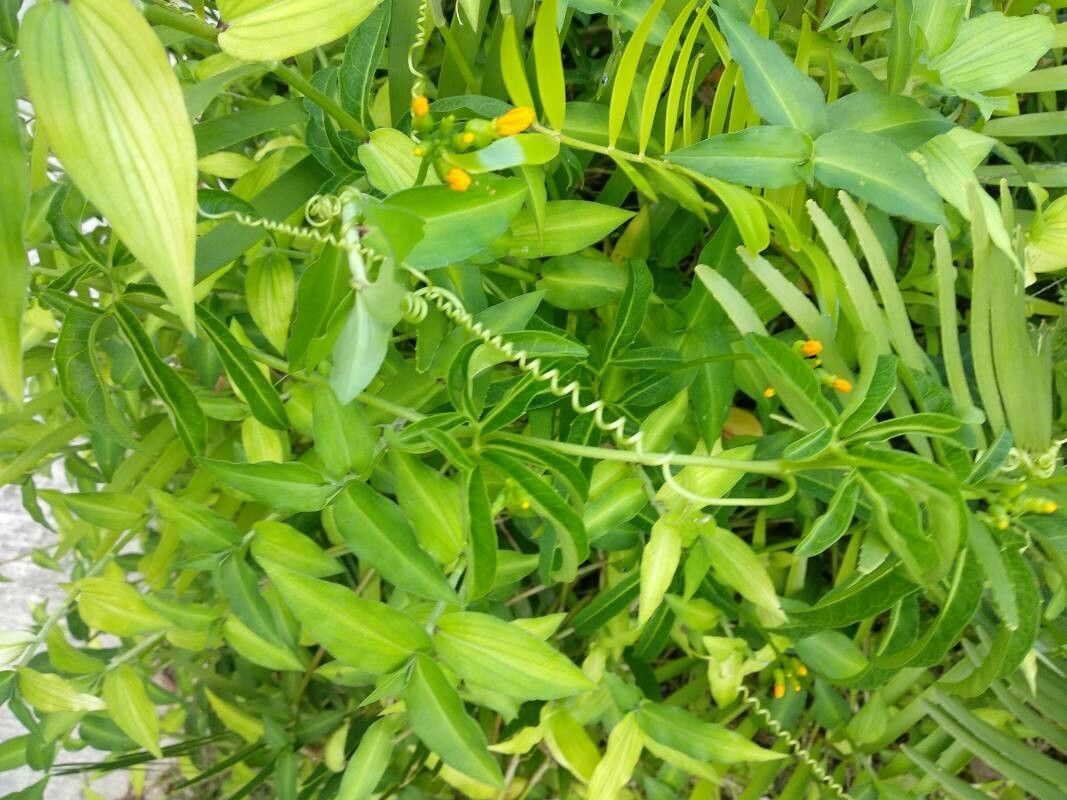
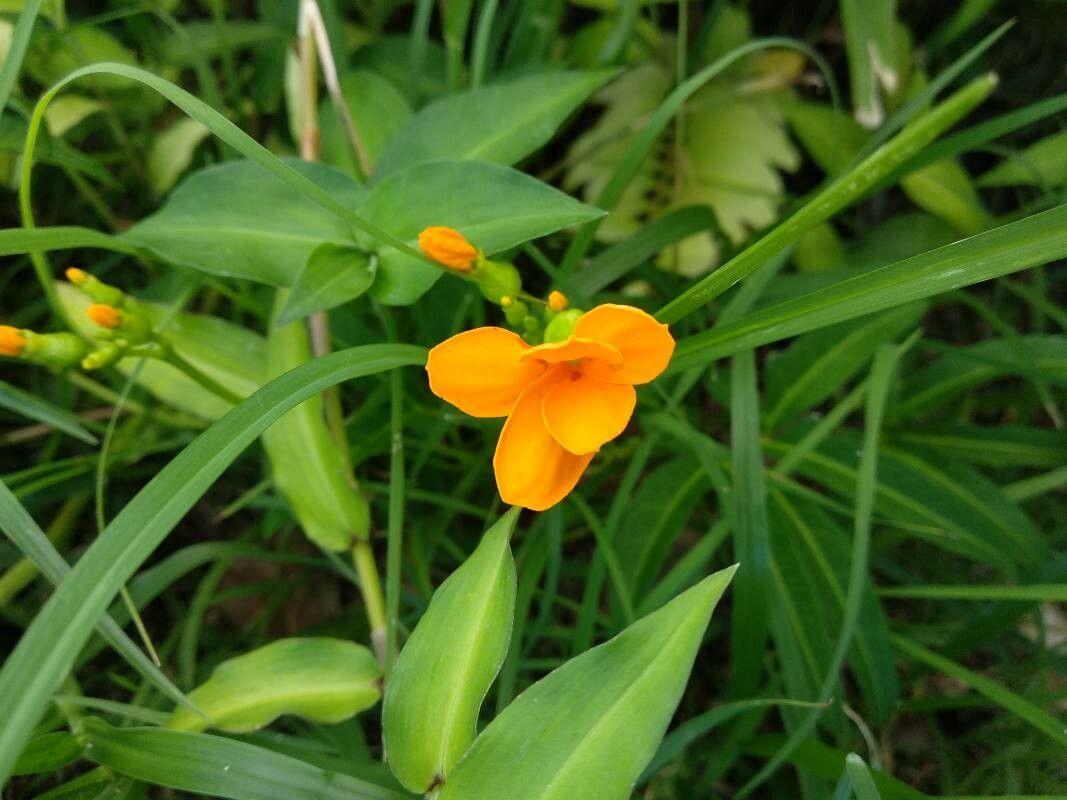
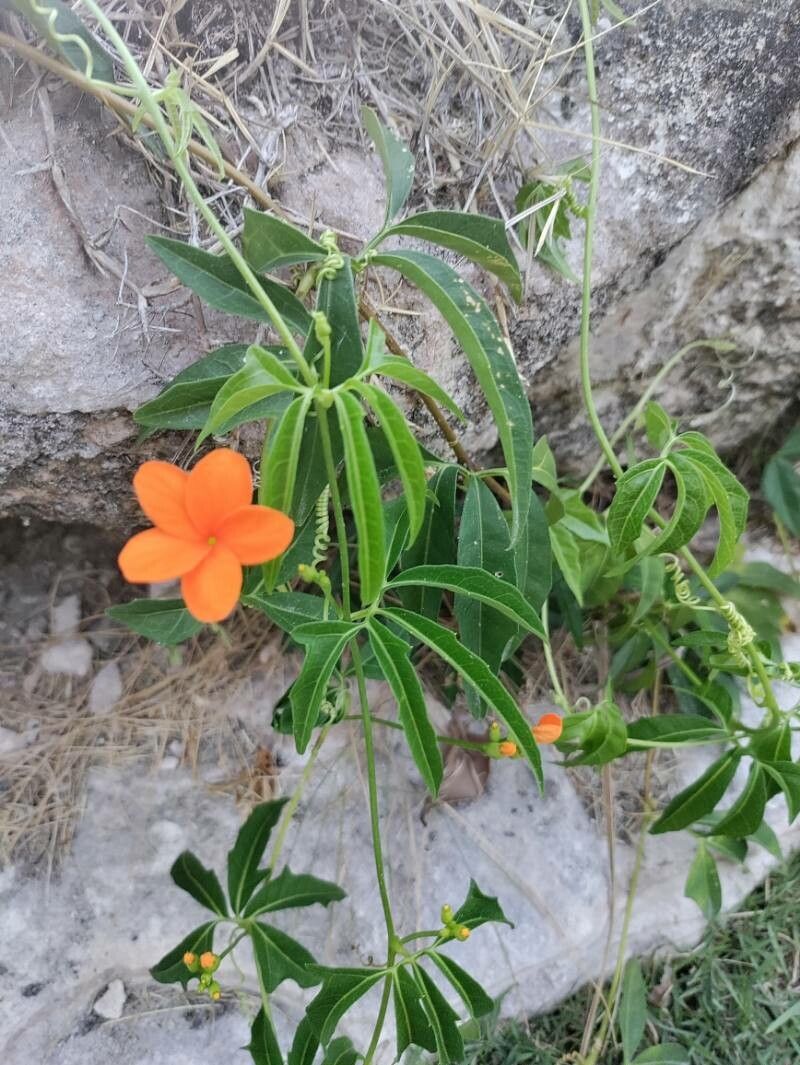
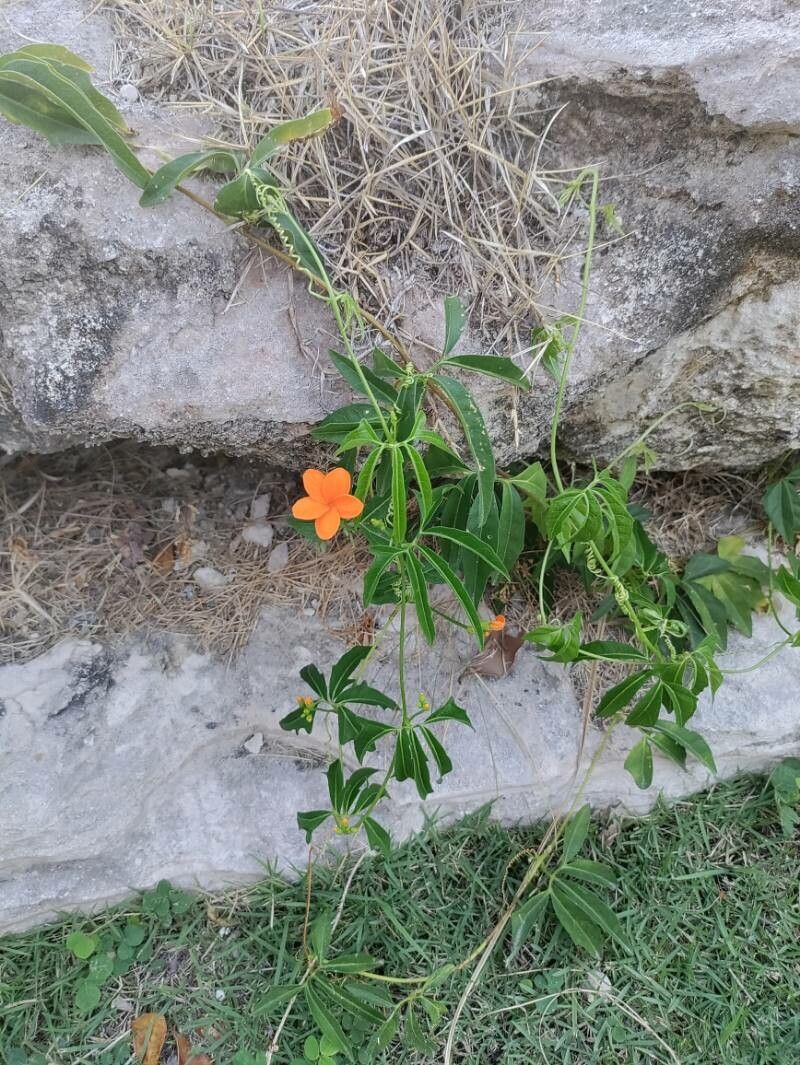
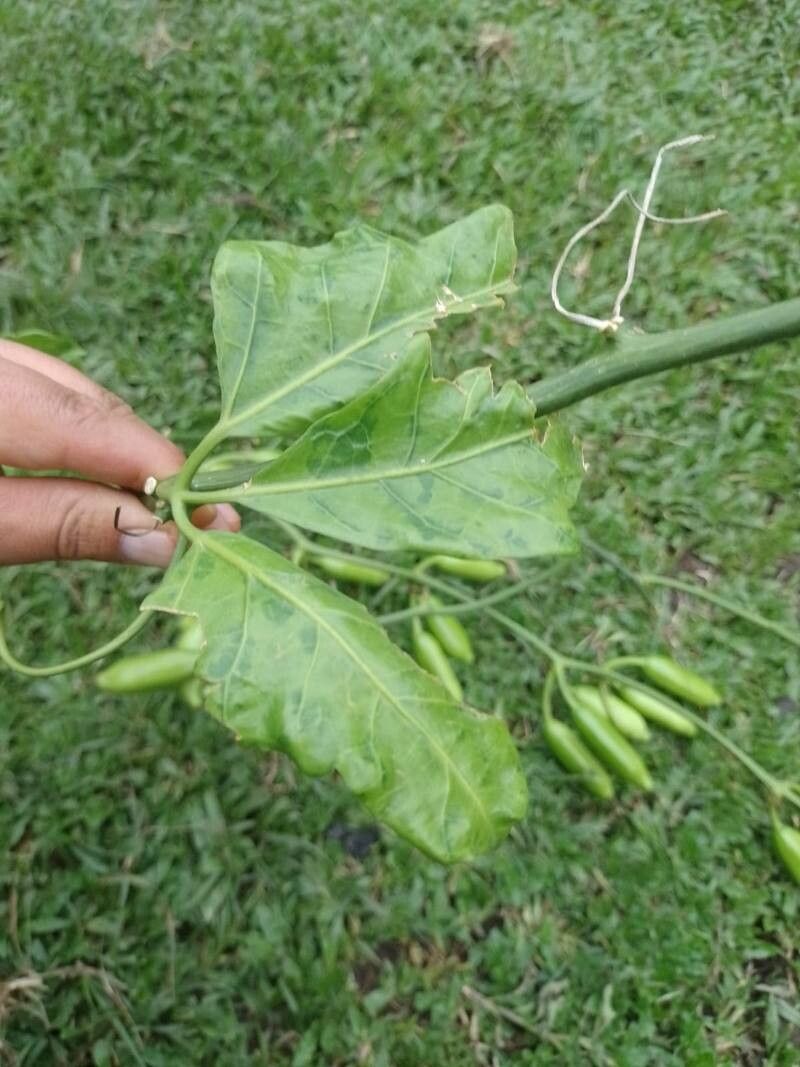
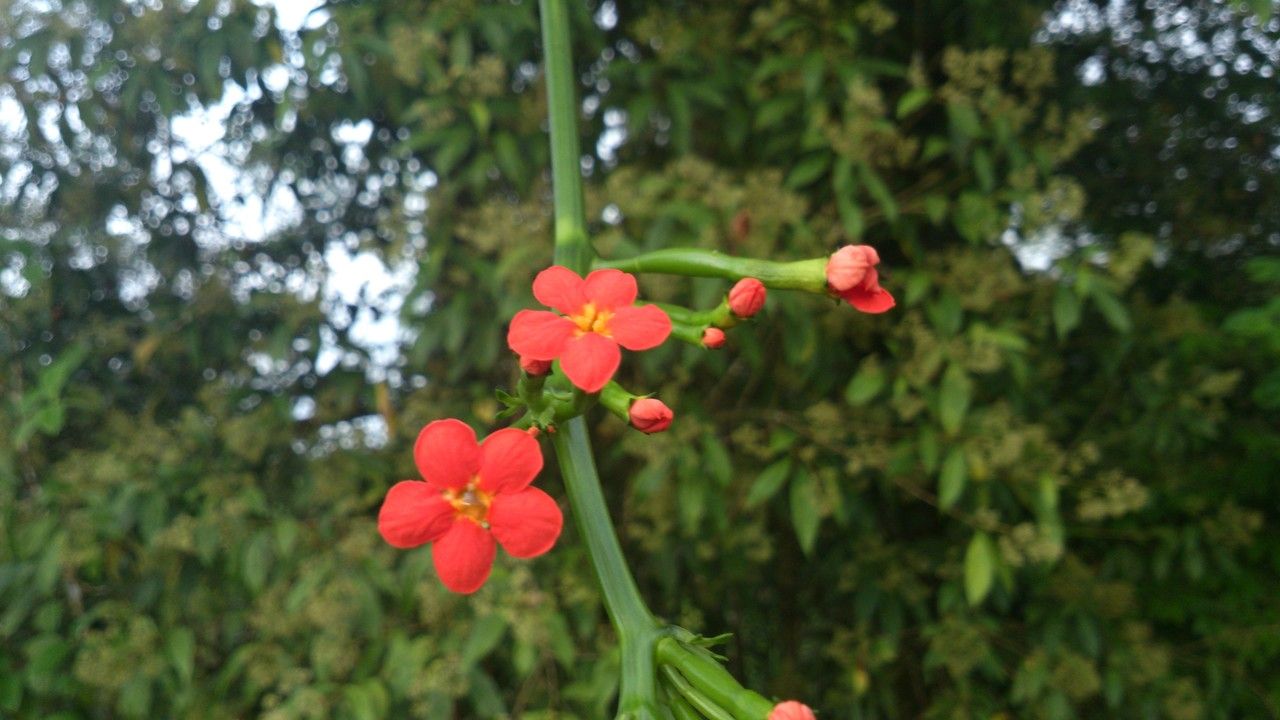
Caigua has weak disease resistance and is vulnerable to powdery mildew, horn spot, and leaf spot. It also has poor resistance to most insect pests. If it becomes infected, it requires treatment, although most diseases only reduce yield and are not fatal. In terms of care, caigua needs frequent watering in summer and extra fertilizer to encourage fruit growth. It does not need much pruning. That makes it suitable for people who have a garden or outdoor space and have some energy to care for it.
How to keep Psiguria Pedata.
Light
Caigua does best in locations where it gets long periods of sunlight each day, though partial sun is also acceptable. From germination through its main growth stages, plenty of light is essential for its health and vigor. The amount of sunlight in its native habitat is an important factor. Too much shade or too much exposure can affect its healthy development.
Temperature
Caigua is native to areas with a temperate climate and needs temperatures of 68 to 100.4 °F (20 to 38 ℃) to thrive. To reproduce its natural growing conditions, keep temperatures within this range across seasons as needed.
Fertilizer
When feeding Caigua, apply a natural or commercial fertilizer high in nitrogen for leaf development, phosphorus to support roots and flowering, and potassium to assist photosynthesis and achieve maximum fruit production. Plant in spring, amend the soil with compost or manure, and begin fertilizing seedlings once they reach 2-4 inches in height. A lack of macronutrients causes slow growth, wilting, and problems with fruit quality.
Botanical profile.
- Plant Type
- Herb, Vine
- Life Cycle
- Annual, Biennial, Perennial
- Genus
- Psiguria
- Family
- Cucurbitaceae
- Hardiness Zone
- 9-11
- Mature Height
- 11.89 m
- Mature Spread
- 91 cm
- Leaf Color
- Green
- Leaf Type
- Deciduous
- Flower Color
- Green, White
- Flower Size
- 10.16 cm to 20.32 cm
- Bloom Time
- Summer, Early fall, Mid fall
- Planting Time
- Spring, Summer
- Harvest Time
- Late summer, Fall, Early winter
- Native Area
- Colombia, Bahamas, Cuba, Honduras, Mexico, Guatemala, Peru, Nicaragua, Ecuador, Costa Rica, Panama
Other names.