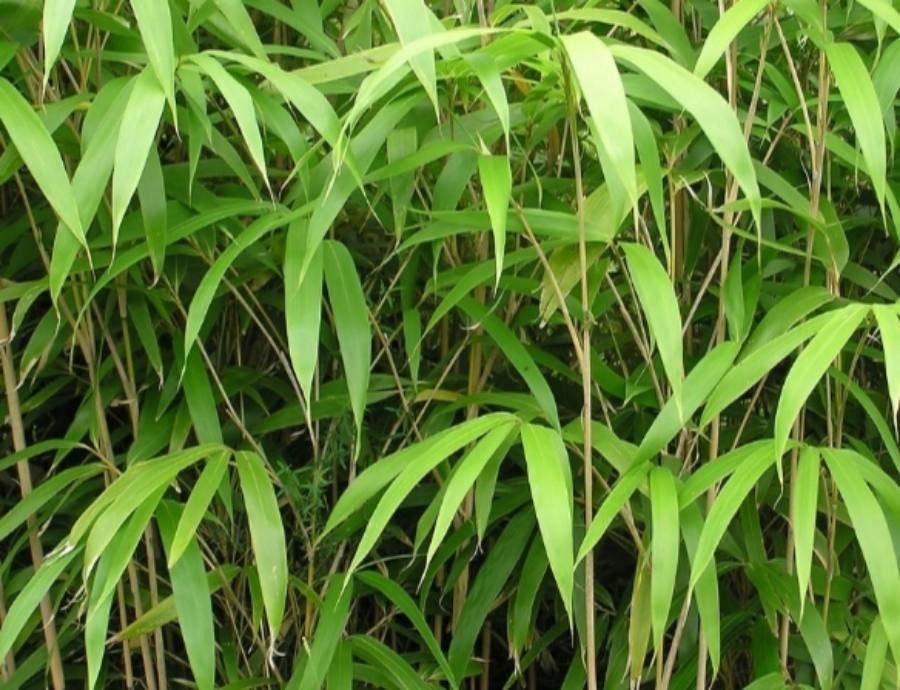
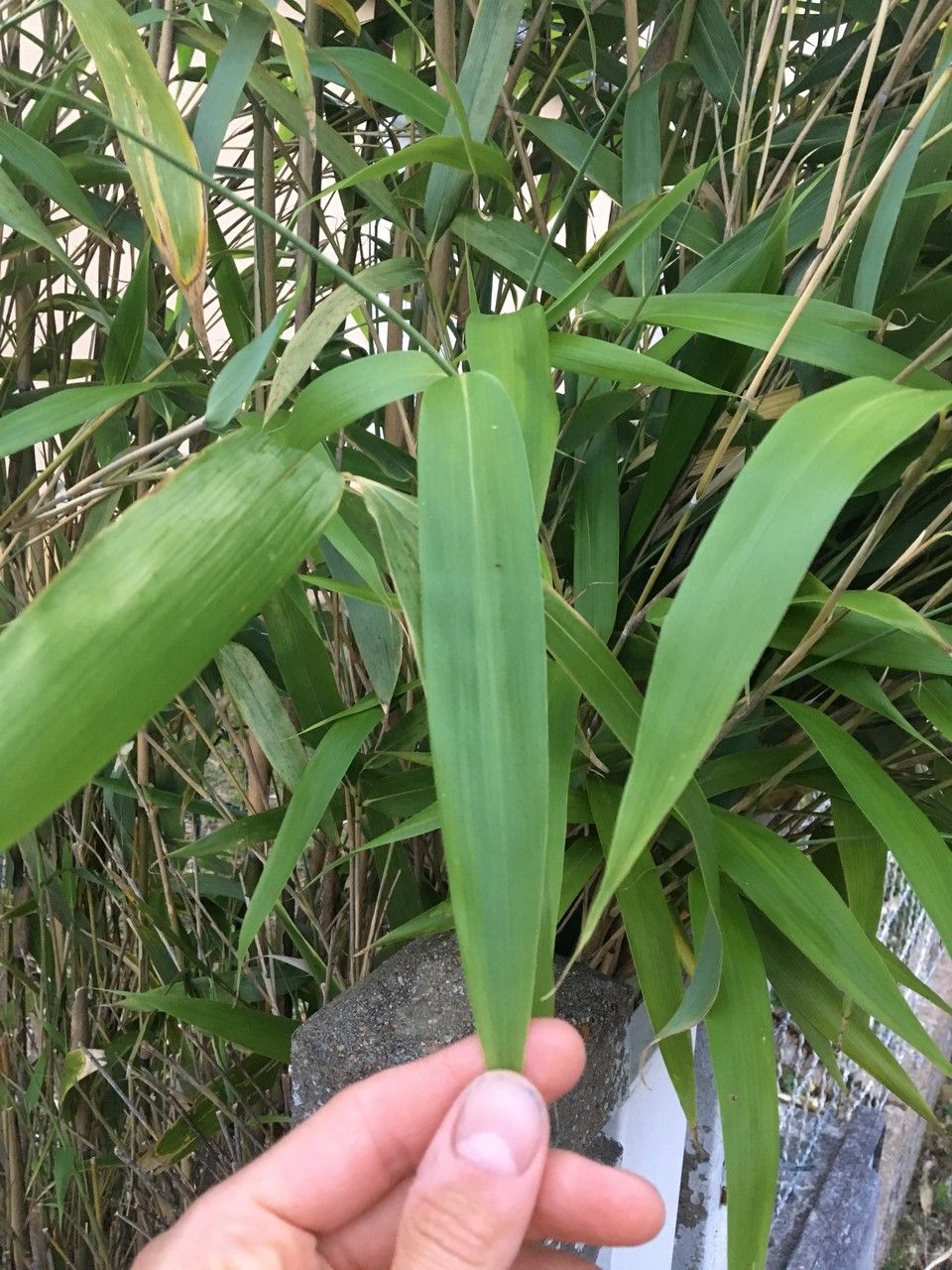
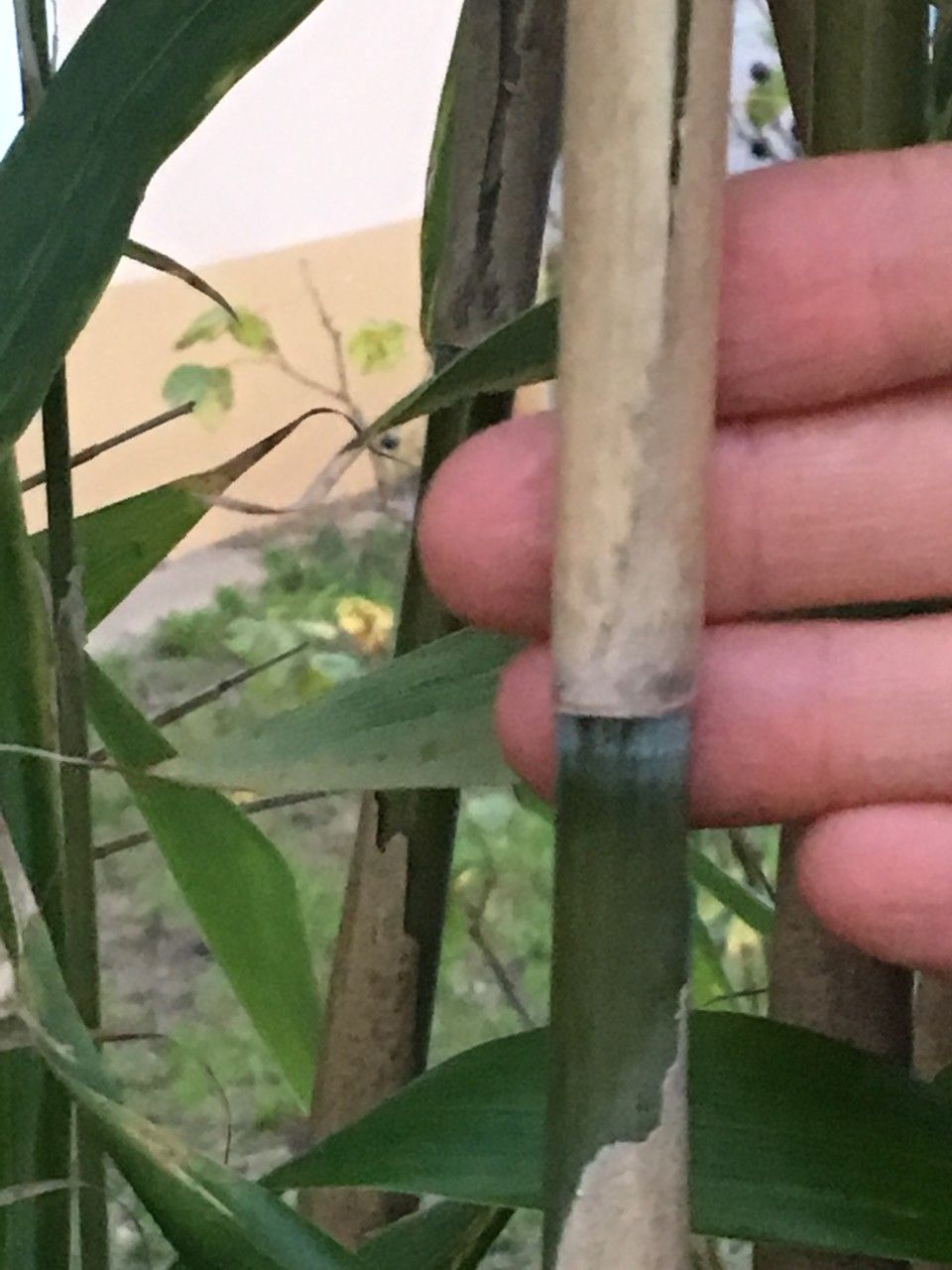
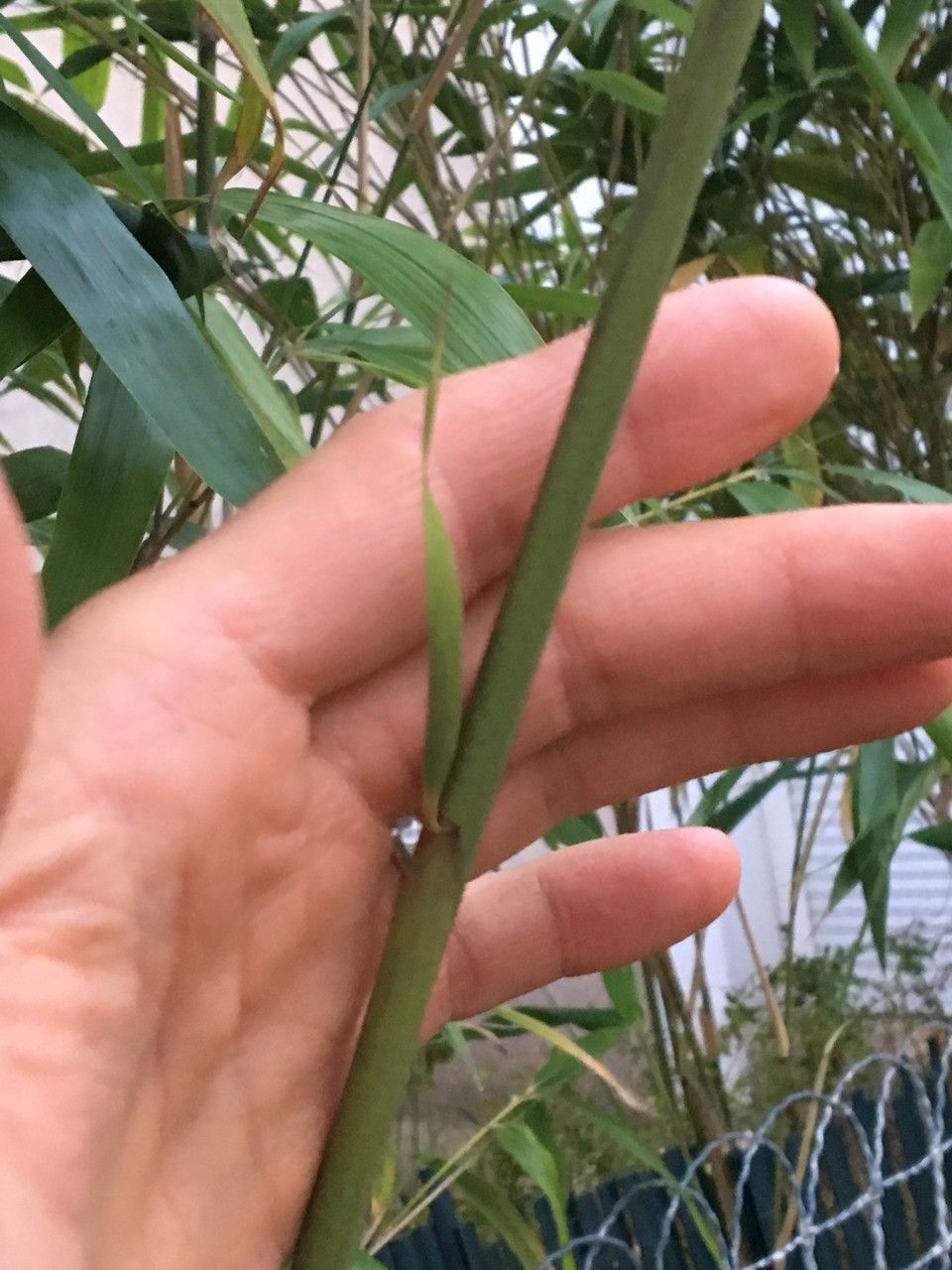
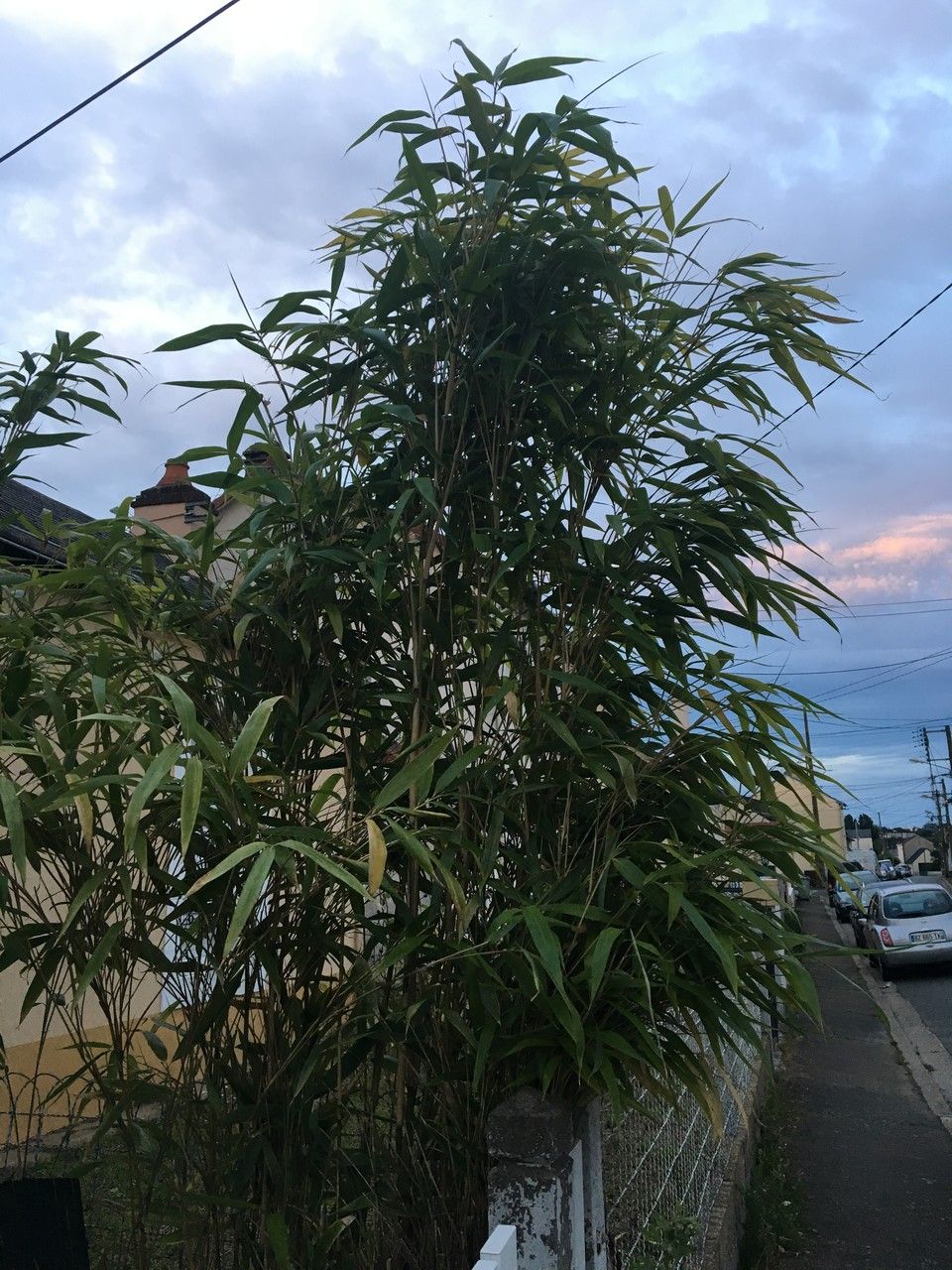
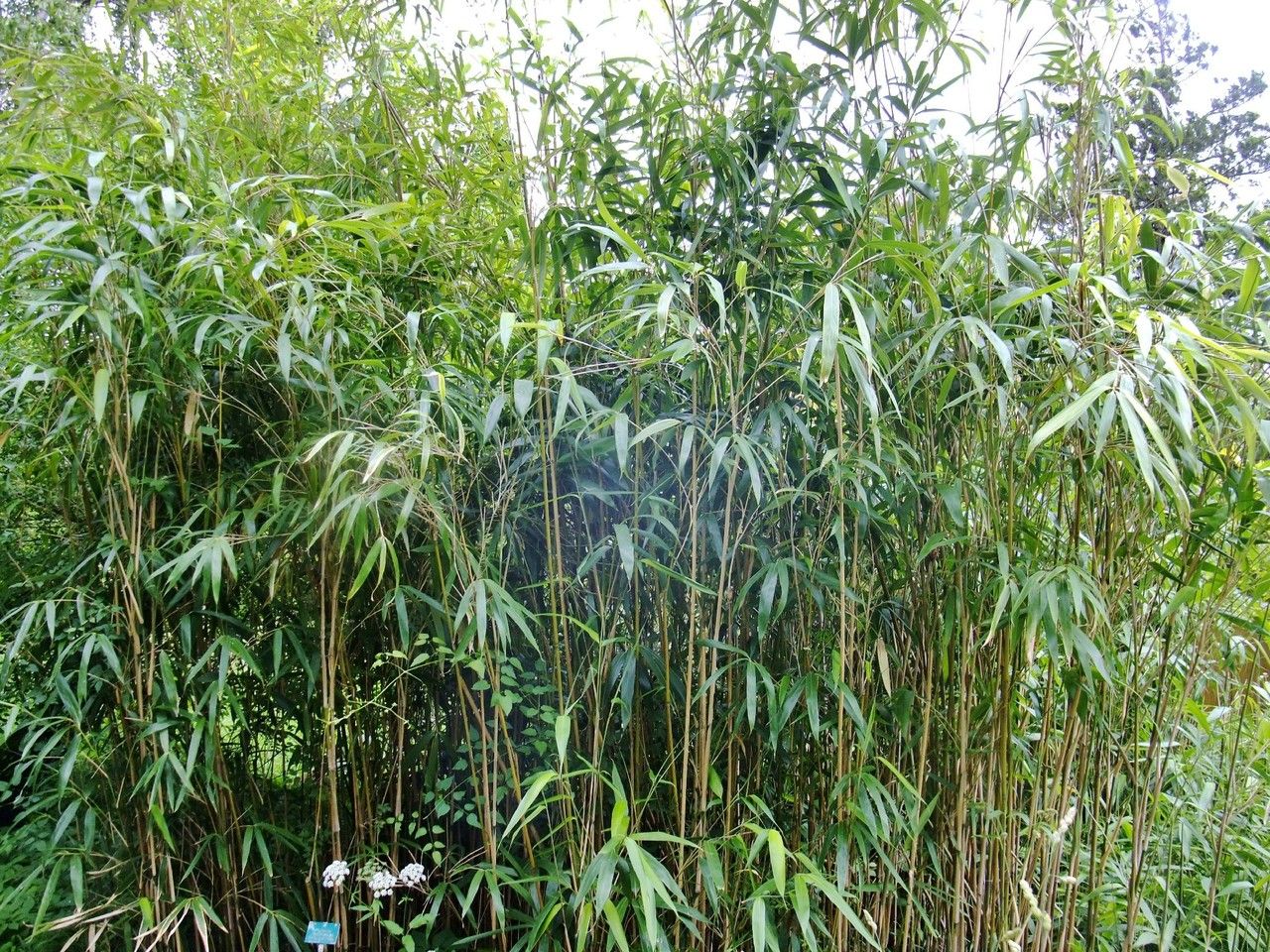
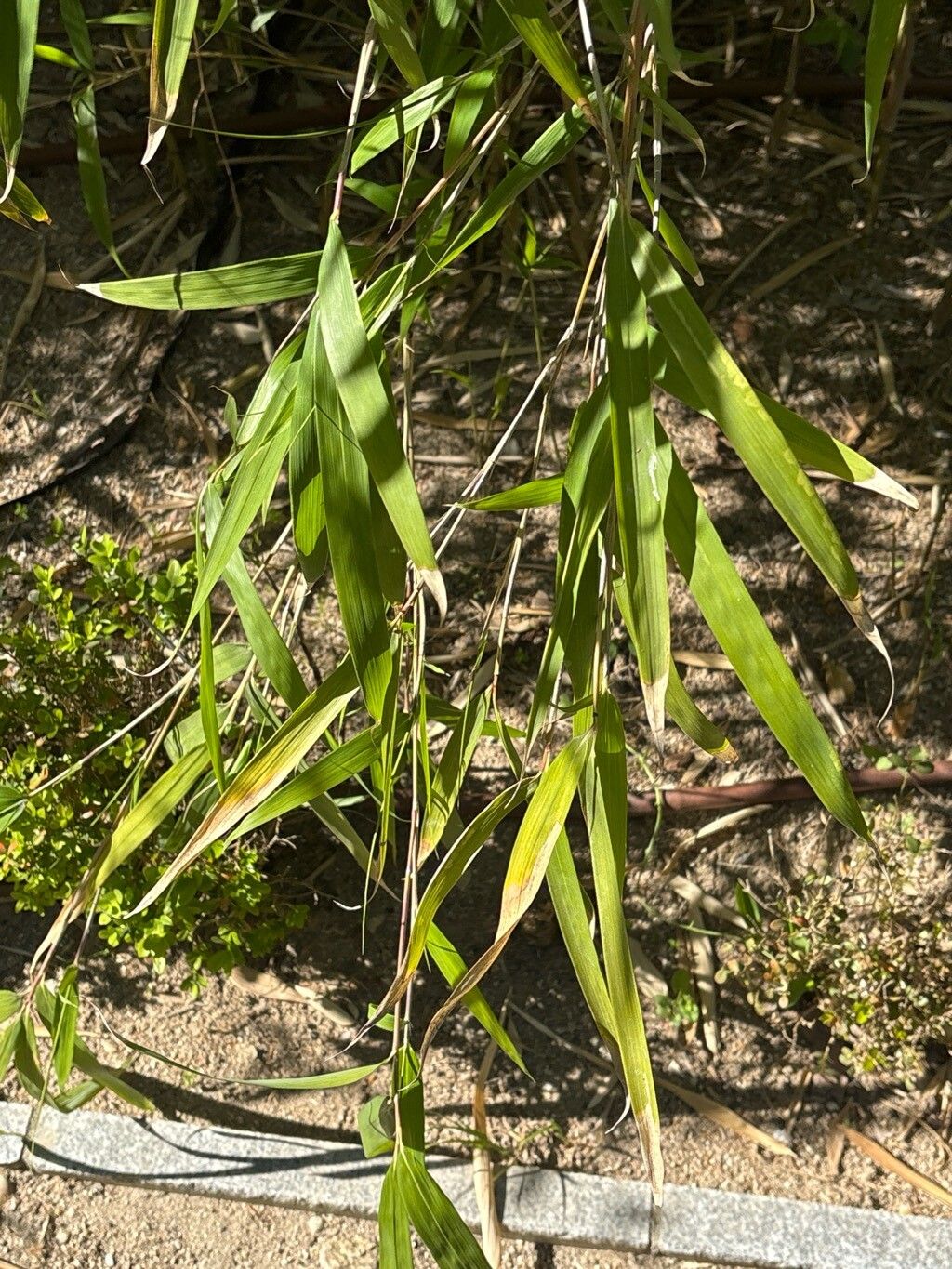
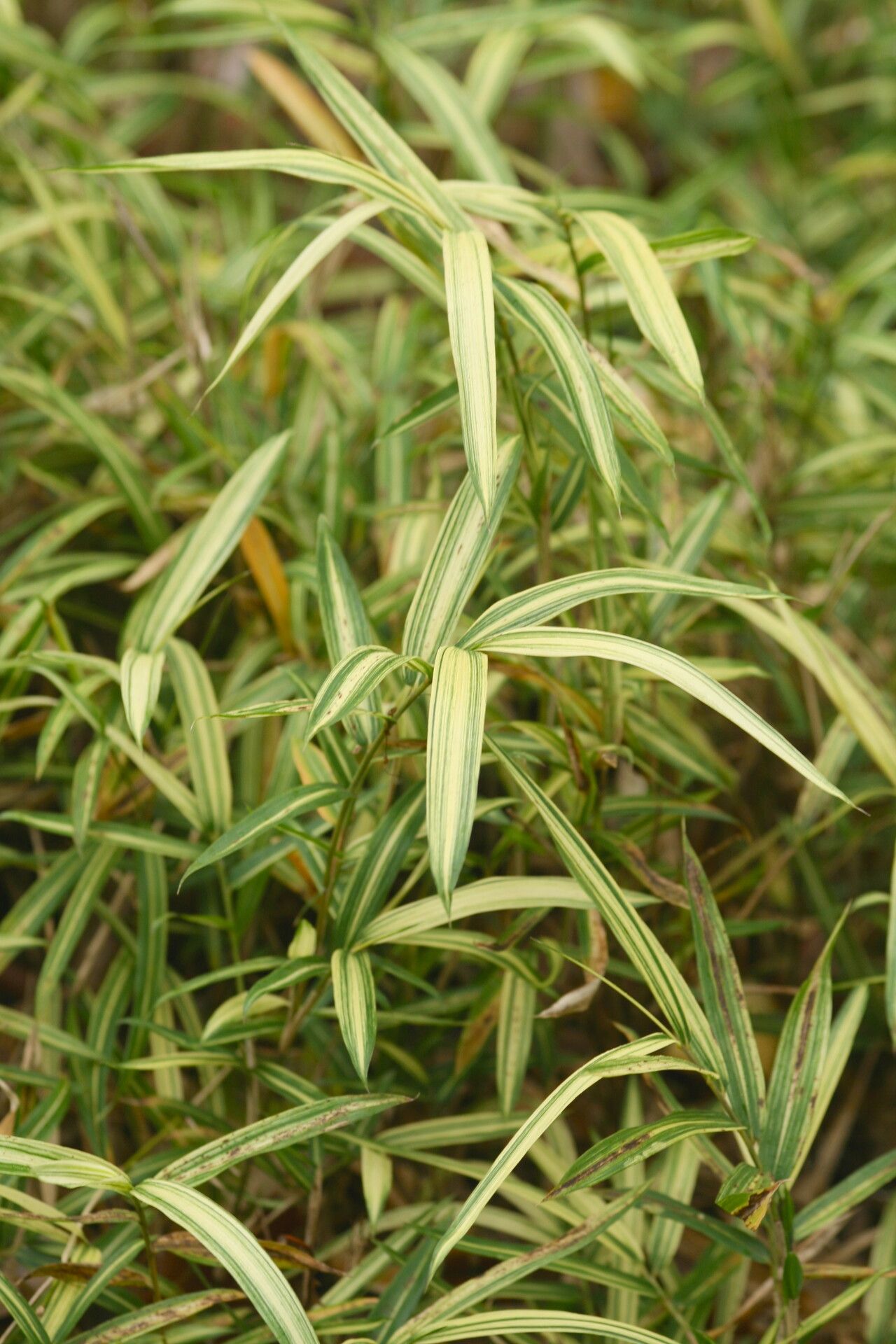
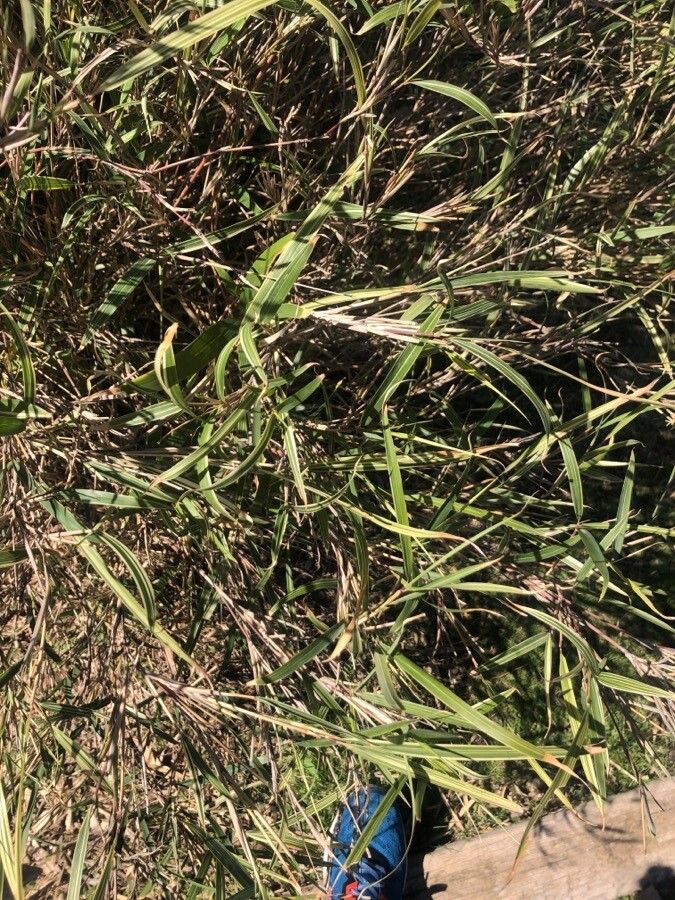
Pseudosasa japonica, commonly known as Arrow Bamboo, is a species of bamboo native to Japan and Korea. This fast-growing evergreen plant can reach up to 20 feet in height and 1 inch in diameter. It features slender green stems and dark green leaves that are long and narrow, measuring up to 8 inches in length.
Arrow Bamboo is an excellent choice for landscaping due to its attractive appearance and versatility. It can be used as a hedge, a screen plant, or grown as an ornamental specimen. The plant prefers moist soil conditions but can tolerate drought once established.
Beyond its landscaping potential, Arrow Bamboo has many practical uses. It is utilized in making furniture, paper products, musical instruments such as flutes and clarinets, fishing rods, and baskets, among other items.
Overall, Pseudosasa japonica is an attractive ornamental bamboo species with many practical uses, making it a popular choice among gardeners worldwide.
Arrow bamboo has strong resistance to disease and is usually not susceptible to illnesses. Regarding care, this plant is fairly low-maintenance. When grown outdoors it needs little watering, and larger plants typically do not require pruning; however, smaller plants should be pruned after they have bloomed. Arrow bamboo is suitable for anyone with an outdoor area, such as a garden or deck, and does not need much prior care experience.
How to keep Pseudosasa Japonica.
Light
Arrow bamboo prefers a moderate amount of sun rather than excessive exposure; too much sunlight can cause issues like scorched leaves. Native to areas that include both open and sheltered spots, this bamboo can also tolerate locations with strong sun. Its hardiness allows it to handle moderate light as well as full daylight.
Water
Arrow bamboo, native to the understories of East Asian forests, thrives in environments with moderate humidity. It prefers consistent moisture without becoming waterlogged. To keep the soil damp, water it weekly. When grown outdoors, using mulch can help retain moisture and mimic the bamboo's natural leaf litter habitat.
Temperature
Arrow bamboo is native to mild climates and prefers temperatures between 41 and 95 °F (5 to 35 °C). To maintain optimum growth, monitor seasonal temperature changes and adjust as needed, especially during extreme weather.
Fertilizer
Arrow bamboo benefits from extra nutrients to encourage healthy new growth. In spring, placing compost around the plant’s base can effectively supply the nutrition it needs. Fertilizing supports vigorous growth and helps the plant resist diseases and pests.
Pruning
Arrow bamboo benefits from early spring pruning, which involves removing dead or weak stems to enhance air circulation and light penetration. Thinning older canes encourages new growth while preserving its aesthetic appeal. To prevent damage and promote denser, healthier growth, avoid cutting too close to the ground.
Pot & Repot
Arrow bamboo needs repotting every 2 to 3 years during the spring to manage its growth. For stability, use a large, sturdy pot. After repotting, make sure to provide plenty of water and sunlight. Keep in mind that arrow bamboo thrives with sufficient space and regular care.
Botanical profile.
- Plant Type
- Grass
- Life Cycle
- Perennial
- Genus
- Pseudosasa
- Family
- Poaceae
- Hardiness Zone
- 5-9
- Mature Height
- 6.1 m
- Mature Spread
- 3.66 m to 7.62 m
- Leaf Color
- Green
- Leaf Type
- Evergreen
- Flower Color
- Green, White, Brown
- Flower Size
- 0.25 cm to 0.51 cm
- Bloom Time
- Early summer, Mid summer
- Planting Time
- Spring, Summer, Autumn
- Harvest Time
- Late summer, Early fall, Mid fall
- Native Area
- South Korea, Japan, China
Other names.
Reader questions.
What should I do if I give my Arrow bamboo too much or too little water?
Proper watering is essential for the health of ornamental grass, whether it is planted in the ground or in a container. In the ground, any watering issues can be resolved, but for Arrow bamboo in a container, excess or insufficient water can quickly kill it. When Arrow bamboo does not receive the right amount of water, its growth may be stunted. Overwatering can cause yellow leaves with brown tips to appear, while underwatering can lead to drooping leaves, weak seed head production, and browned foliage. If you suspect that your Arrow bamboo has been watered incorrectly, the first step is to determine if it is receiving too much or too little water. If it is being overwatered, stop watering it immediately and allow the soil to dry out, which may take some time. Once you see new growth, test the moisture level of the soil to determine if it requires additional watering. On the other hand, if the Arrow bamboo is not receiving enough water, simply give it a deep drink and observe if it perks up. It is important to remember that when watering, a long, deep watering is always better than frequent, shallow waterings. This approach encourages the grass to develop deep roots, making it more resistant to drought and less susceptible to watering-related issues.
Why should I put fertilizer on my Arrow bamboo?
Fertilizing Arrow bamboo is essential for its growth and overall health. By providing extra nutrients, you promote healthy new growth and bolster the well-being of existing foliage. Furthermore, these additional nutrients strengthen the plant's resistance to diseases and pests.
How much sunlight does Arrow bamboo need to grow?
Arrow bamboo thrives with 3-6 hours of direct sunlight daily, but it also needs shade during the hottest parts of the day to avoid sun damage. Morning sunlight works best, but it can handle some afternoon sun if it's not too hot. To ensure the ideal sunlight balance, plant Arrow bamboo in a partially sunny area like under a tree or on the east side of a building.
What is the preferred temperature range for Arrow bamboo?
Arrow bamboo, also known as Pseudosasa japonica, thrives in mild climates, preferring temperatures between 41 to 95°F (5 to 35°C). It's important to monitor seasonal variations and adjust care, especially during extreme weather conditions to maintain optimum growth. Despite its strong cold resistance, additional protection might be necessary if winter temperatures are expected to drop below -25°C. Preparing the plant for winter involves covering it with materials like soil or straw for insulation and watering abundantly before the first freeze to ensure the soil remains moist and helps prevent winter and early spring drought.
How often do I need to water my Arrow bamboo?
The watering needs of Arrow bamboo will depend on its location. In general, watering once a week is recommended. However, in hot climates, you may need to water once or twice a week during the summer. In moderate climates, watering once every seven days or more should be sufficient. Keep in mind that potted grass requires more frequent watering than grass planted in the ground. Additionally, the location of the grass is also important. Shaded grasses require less frequent watering compared to grasses planted in the ground. Only water Arrow bamboo when the soil is dry. To determine if the soil is dry, you can press your finger a couple of inches into the soil. For potted grass, you can also weigh the grass or feel the pot to check for lack of water. If the roots lack sufficient water, the blades of the grass might appear folded and thinner than usual. Despite its drought tolerance, regular and deep waterings will result in a beautiful color. It's worth noting that although Arrow bamboo can handle harsh conditions, it still needs care and attention. When newly planted, it will require more frequent watering until it establishes deep roots. Pay attention to potted Arrow bamboo as the soil in pots tends to dry out quickly, especially if exposed to hot, direct sunlight. Test the soil every 3 to 4 days and water only when it feels dry. Arrow bamboo planted in the ground generally needs less watering, but it depends on the type of soil. Clay soil retains moisture below the surface even if it feels dry on the surface, while sandy soil that drains quickly may require more frequent watering.
When should I fertilize my Arrow bamboo for best results?
To ensure the survival of Arrow bamboo in the garden, it is important to understand when to fertilize it. Although it doesn't require a lot of nutrients and doesn't need them when it is dying back, applying diluted fertilizer at the beginning of the growing season is not advised. Instead, it is recommended to apply some mulch or compost around the base of the plant.
What happens if Arrow bamboo doesn't get enough sunlight?
Arrow bamboo may experience issues if exposed to excessive direct sunlight. The leaves may turn yellow, dry out, or even burn, while the plant itself may wilt or become stunted. To avoid sun damage, it is important to provide Arrow bamboo with shade during the hottest times of the day. This can be achieved by using a shade cloth or placing the plant near taller plants that naturally provide shade.
How does Arrow bamboo react to low temperatures?
Arrow bamboo is notably cold-tolerant, best thriving when temperatures stay above 5°C (41°F). It generally holds up well during the winter if temperatures remain above -20°C (-4°F). However, when temperatures fall below -25°C (-13°F), the bamboo may not show immediate damage but can experience reduced sprouting or fail to sprout at all come spring. To manage this, it's advised to remove any parts of the plant that fail to sprout as the weather warms.
What should I watch out for when watering my Arrow bamboo in different seasons, climates, or stages of growth?
To determine if you are watering enough, observe the rate of grass growth. Arrow bamboo grows rapidly during the hottest months, sometimes doubling in size within a year. If the weather is hot but the grass is not growing vigorously, adjust your watering schedule. In winter, you may only need to water once a month, but always check the soil for moisture. During the growth cycle in warm months, the grass requires more water. However, water needs are significantly reduced during winter and cooler months. Remember, for Arrow bamboo, allow the soil to completely dry out before watering.
When should I not put fertilizer on my Arrow bamboo?
If you don't use packaged fertilizers, you can forget about when to stop feeding Arrow bamboo. Simply apply a layer of compost or mulch in the spring, and that should be sufficient to keep the plant happy all year round. No need to worry about mulching or composting during the dormant winter season.
What will happen if Arrow bamboo gets too much sunlight?
If Arrow bamboo doesn't receive sufficient sunlight, it may grow tall and thin, with not enough leaves. The leaves may also become yellow or pale green, which shows that the plant is lacking enough chlorophyll because of the lack of sunlight. To fix this issue, you can try moving the Arrow bamboo to a spot with more sunlight or pruning nearby foliage to let more light reach the plant.
What are the effects of high temperatures on Arrow bamboo and how can they be mitigated?
During the peak of summer, Arrow bamboo should ideally not be exposed to temperatures above 35°C (95°F). Exposure to temperatures over 38°C (100°F) can lead to the plant's leaves becoming lighter, prone to curling, and susceptible to sunburn, with severe cases resulting in the entire plant wilting and becoming dry. To counteract these effects, sunburned and dried-up parts should be trimmed away. It's also beneficial to move the plant to a shaded location or use a shade cloth to protect it from the midday and afternoon sun. Additionally, watering the plant in the morning and evening can help keep the soil appropriately moist, further aiding in its care during hot temperatures.