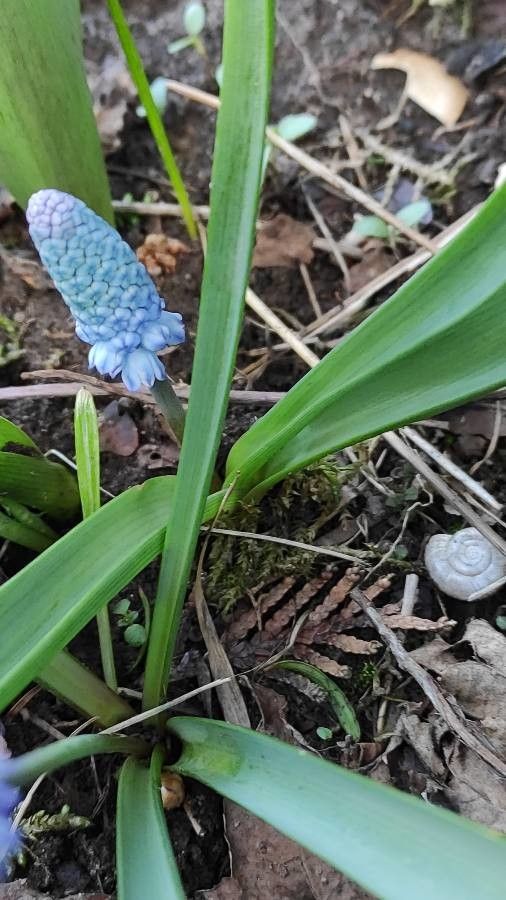
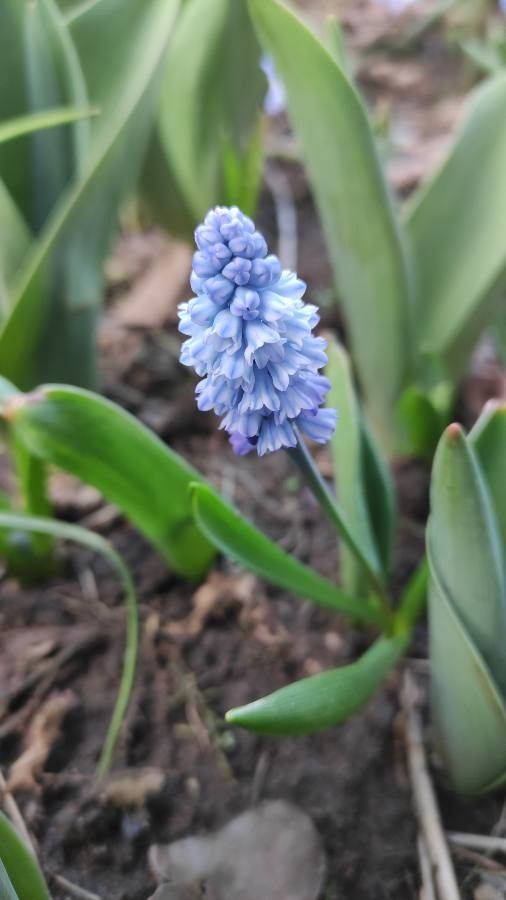
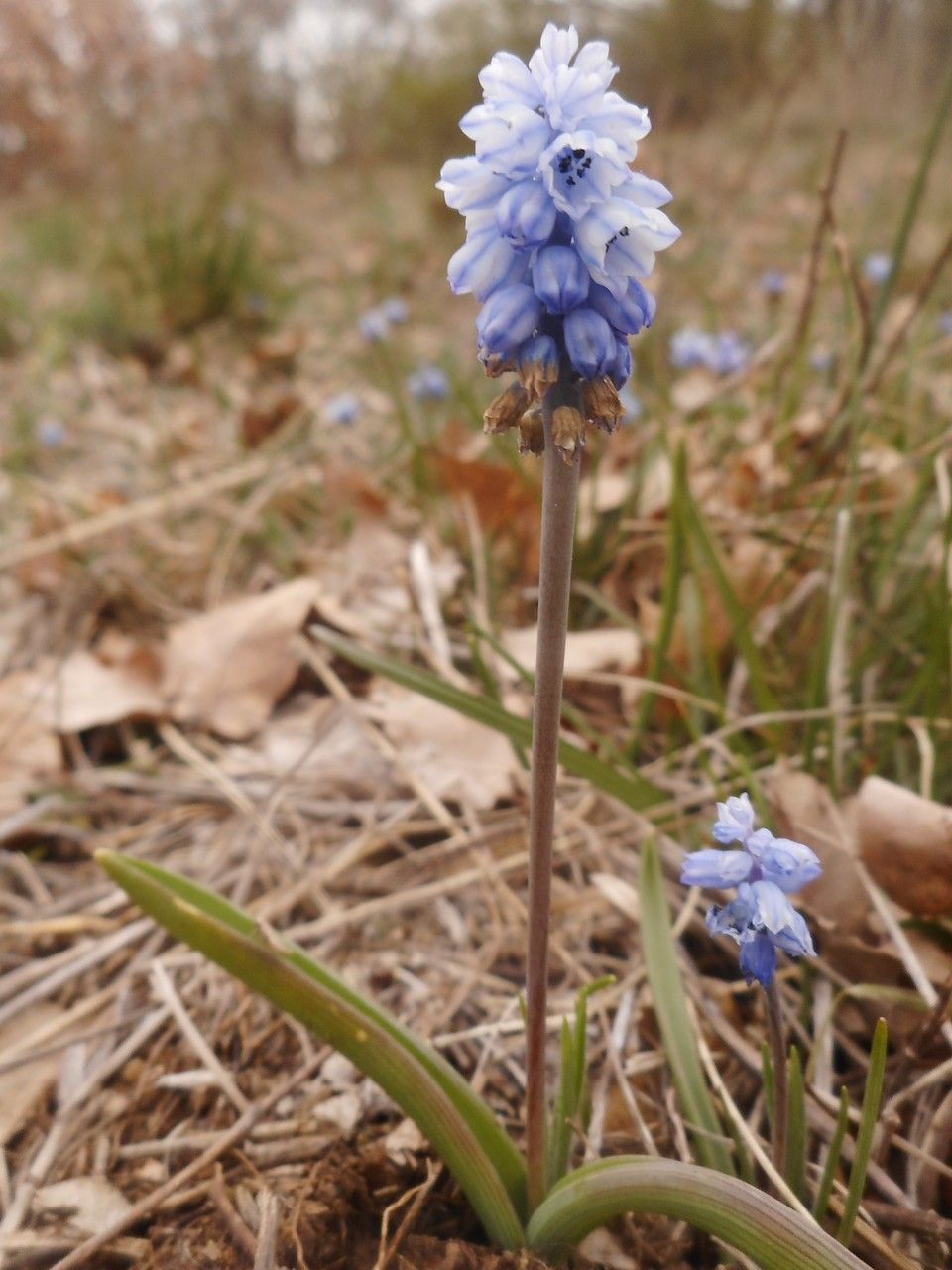
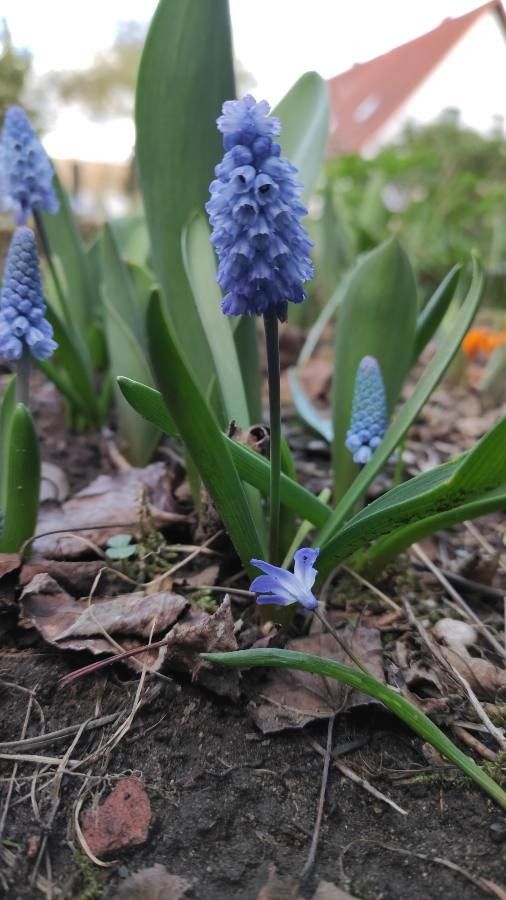
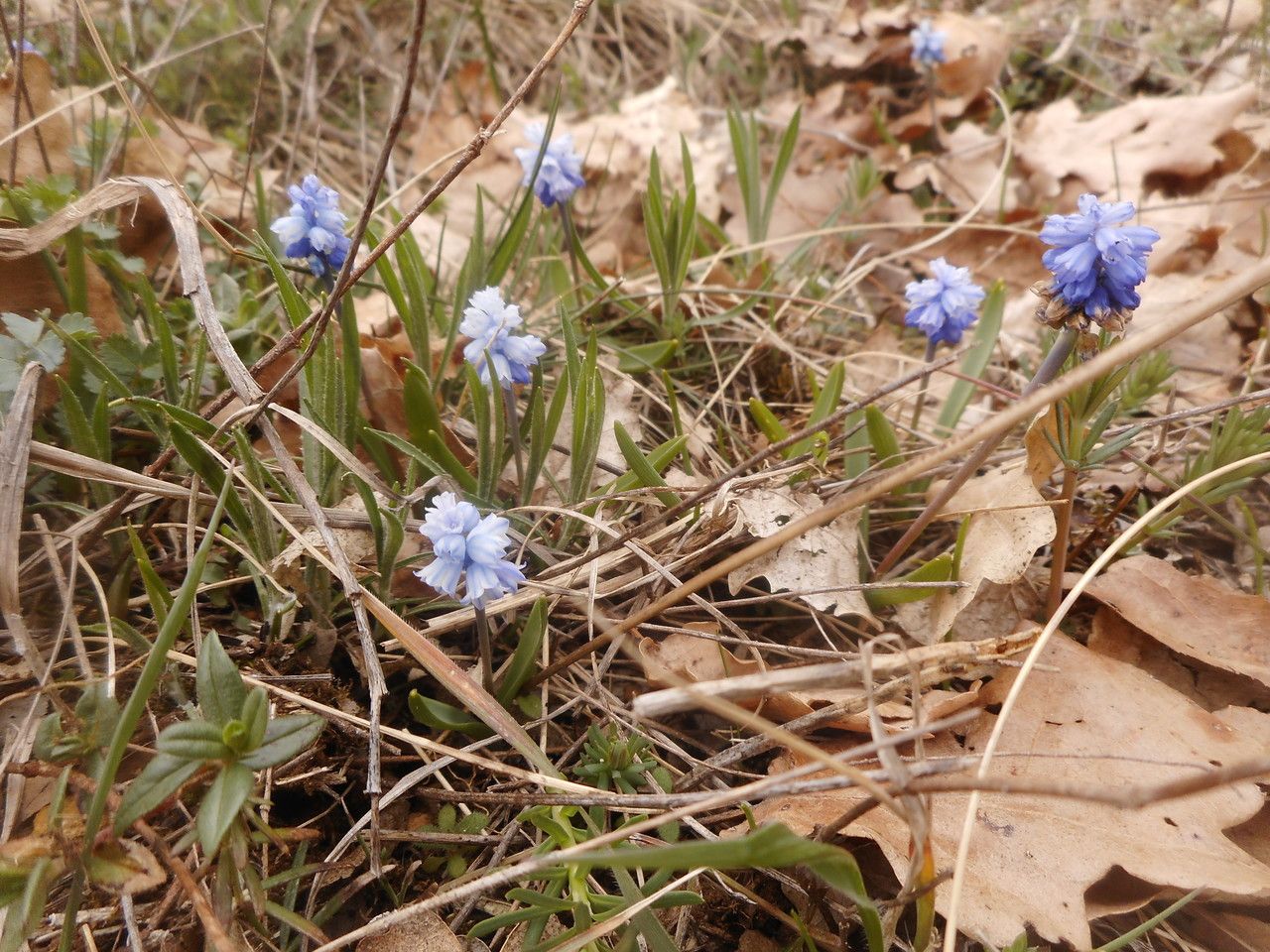
Pseudomuscari azureum (syn. Muscari azureum), the azure grape hyacinth, is a species of flowering plant in the family Asparagaceae, native to Turkey. A bulbous perennial, it is grown in gardens for its spring flowers. The Latin specific epithet azureum means "bright blue", a reference to its flower colour.
Azure grape-hyacinth is fairly disease-resistant and generally not prone to illness. However, it can be affected by pests and diseases in its environment. These problems are usually mild. For care, the plant needs moderate maintenance. It should be pruned regularly to keep a neat appearance and healthy growth. Fertilizing can also encourage flowering. Azure grape-hyacinth is suitable for anyone with outdoor space, such as a garden or patio, and does not demand extensive care experience. It may need more attention when grown indoors.
How to keep Pseudomuscari Azureum.
Light
Azure grape-hyacinth is a sun-loving, perennial herbaceous plant native to open habitats, commonly thriving in meadows and grasslands. It prefers full sun but can also tolerate partial sun conditions.
Water
The azure grape-hyacinth thrives in moderate watering conditions, which are typical of temperate regions. It has an average tolerance for drought. For optimal health, water the plant weekly, and increase the frequency during periods of active growth. This plant is adaptable to both indoor and outdoor settings. To achieve the best results, make sure to balance moisture and dryness.
Temperature
Azure grape-hyacinth can tolerate a wide range of temperatures, though its distribution may still be restricted by different combinations of moisture and heat. It grows best in warm summer climates with sufficient rainfall or watering. Extended periods of cloudy, rainy weather or prolonged high temperatures can raise the chance of Azure grape-hyacinth dying. In winter, appropriate protection from cold can increase the plant's survival rate.
Fertilizer
The best time to fertilize an Azure grape-hyacinth is in early spring, as it comes out of dormancy and begins active growth. Fertilizing supplies essential nutrients for healthy development. Although Azure grape-hyacinth has relatively low fertilizer requirements, feeding it once a year can improve its survival and encourage better, longer-lasting blooms.
Pruning
Azure grape-hyacinth is known for its compact clusters of bright blue flowers and grass-like leaves. Minimal pruning is required; simply remove spent flower stalks in the spring and trim any dead foliage to improve appearance and encourage blooming. Regular pruning promotes vigorous growth and overall health. For the best results, consult reputable guides for optimal care.
Pot & Repot
Azure grape-hyacinth is a compact, bulbous perennial that benefits from repotting every 2-3 years during its dormant period. When repotting, choose a container that is 1-2 inches wider than the current one. Place the plant in a well-lit area and water it sparingly to support root recovery, maintaining consistent care throughout.
Botanical profile.
- Plant Type
- Herb
- Life Cycle
- Perennial
- Genus
- Pseudomuscari
- Family
- Asparagaceae
- Hardiness Zone
- 4-8
- Mature Height
- 10 cm
- Mature Spread
- 5 cm
- Leaf Color
- Green
- Leaf Type
- Deciduous
- Flower Color
- Blue
- Flower Size
- 0.51 cm to 1.02 cm
- Bloom Time
- Early spring, Mid spring
- Planting Time
- Spring, Summer, Autumn
- Harvest Time
- Late spring, Early summer
- Native Area
- Turkey