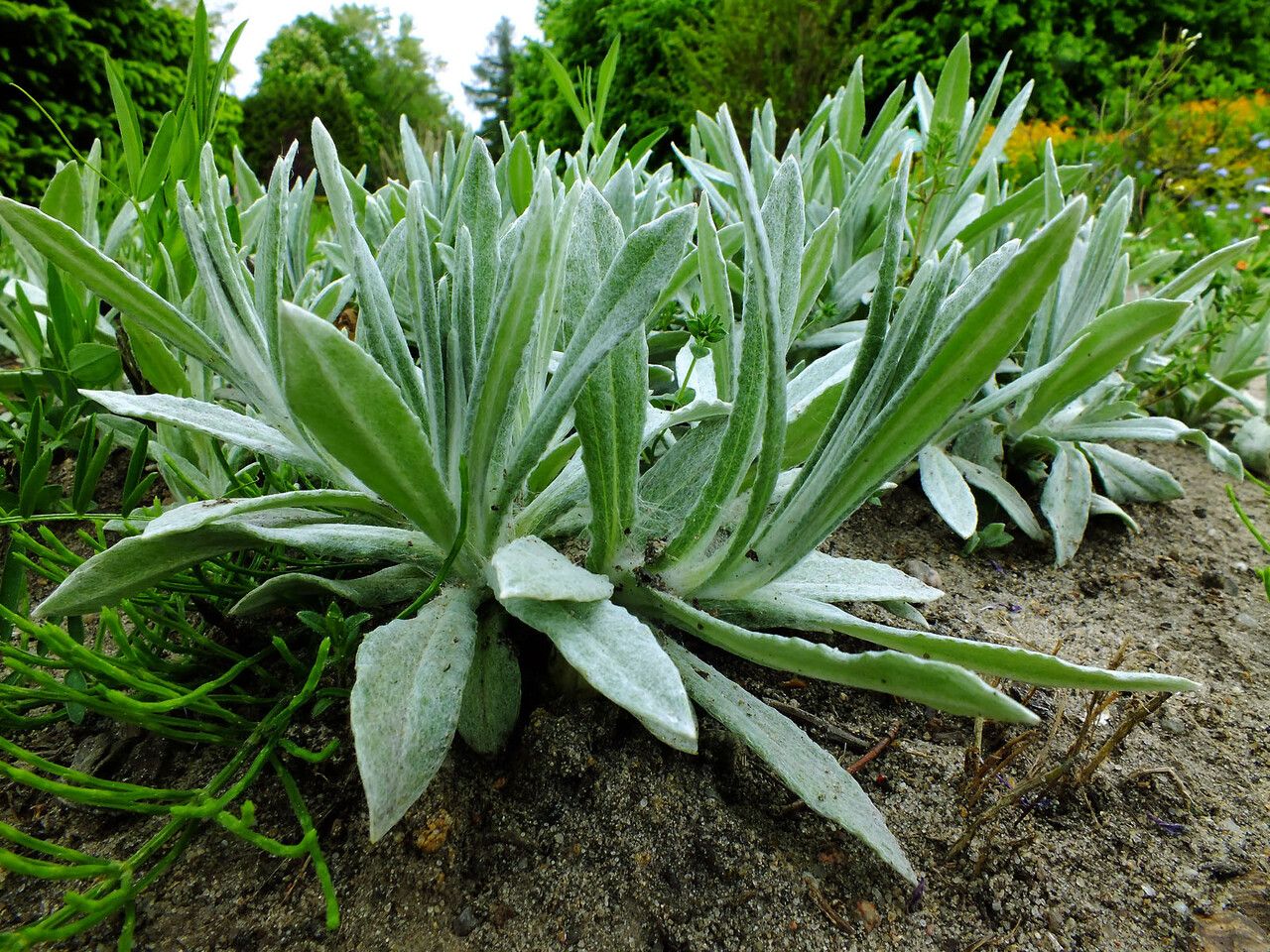
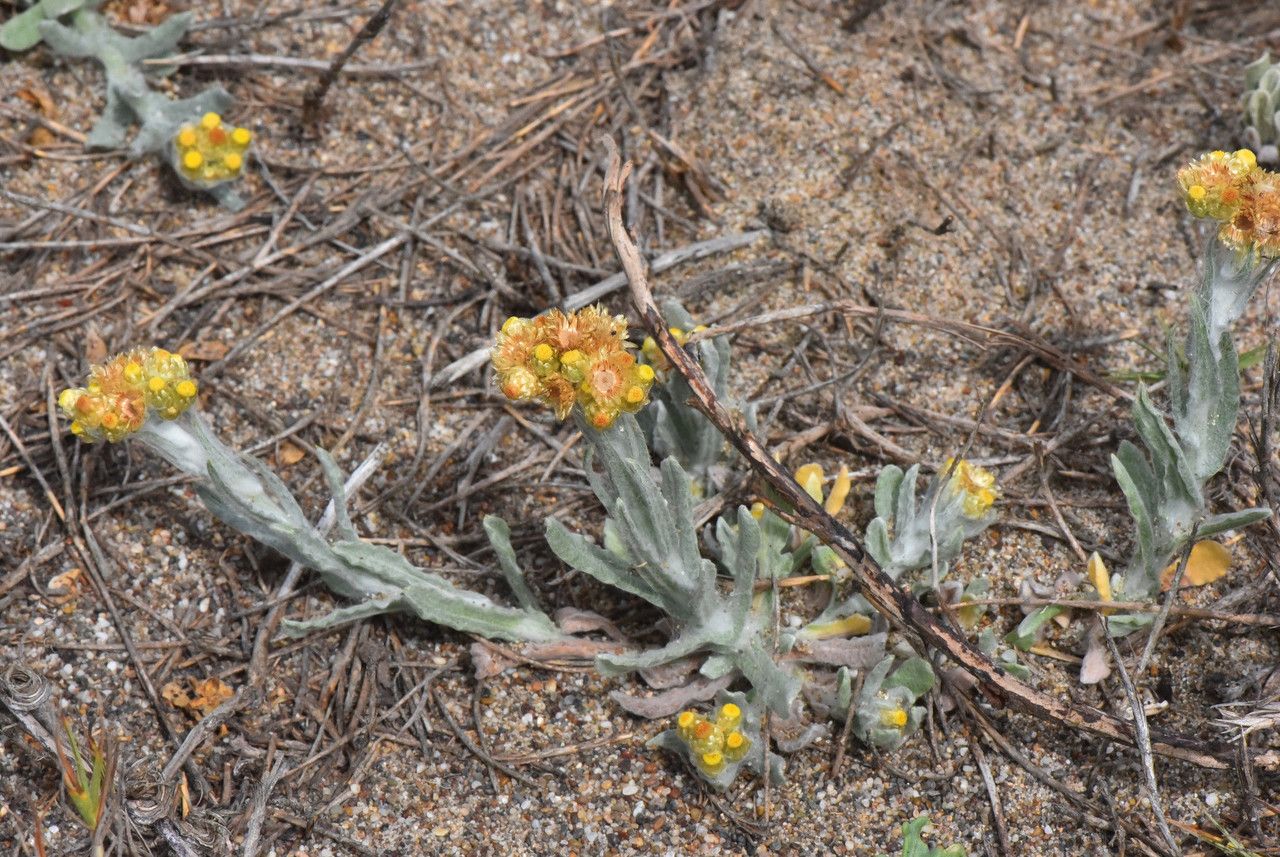
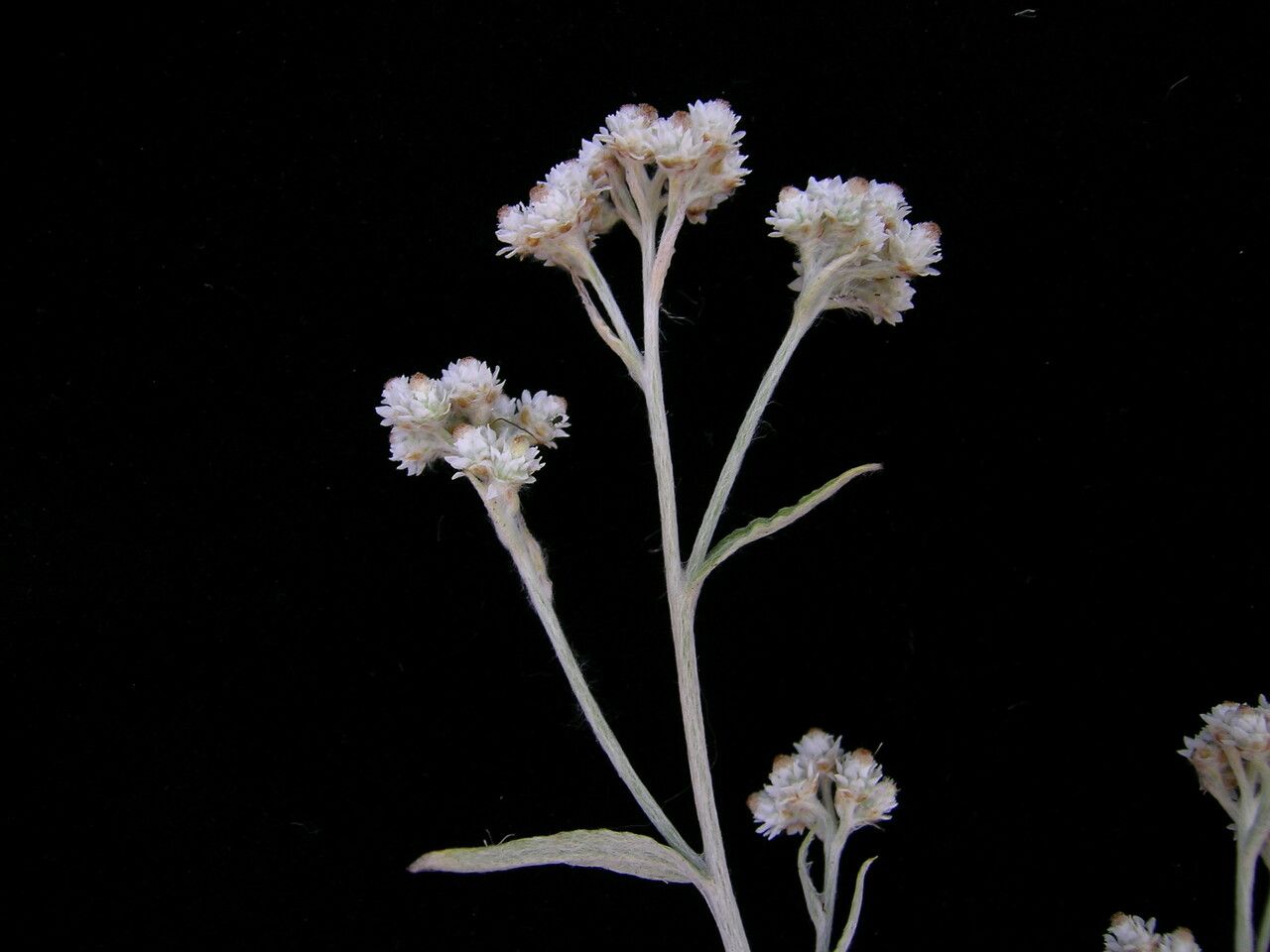
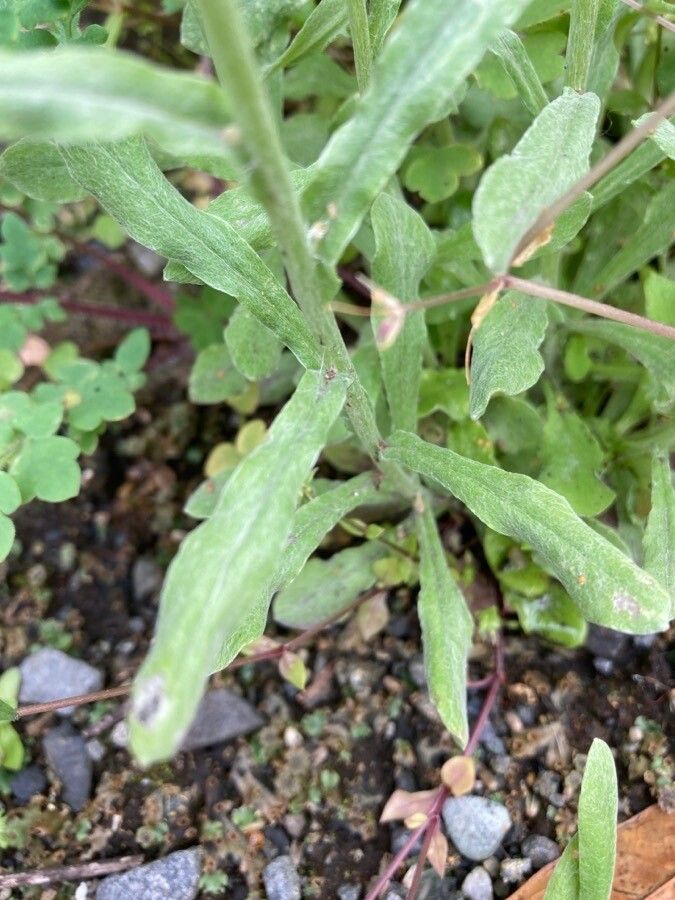
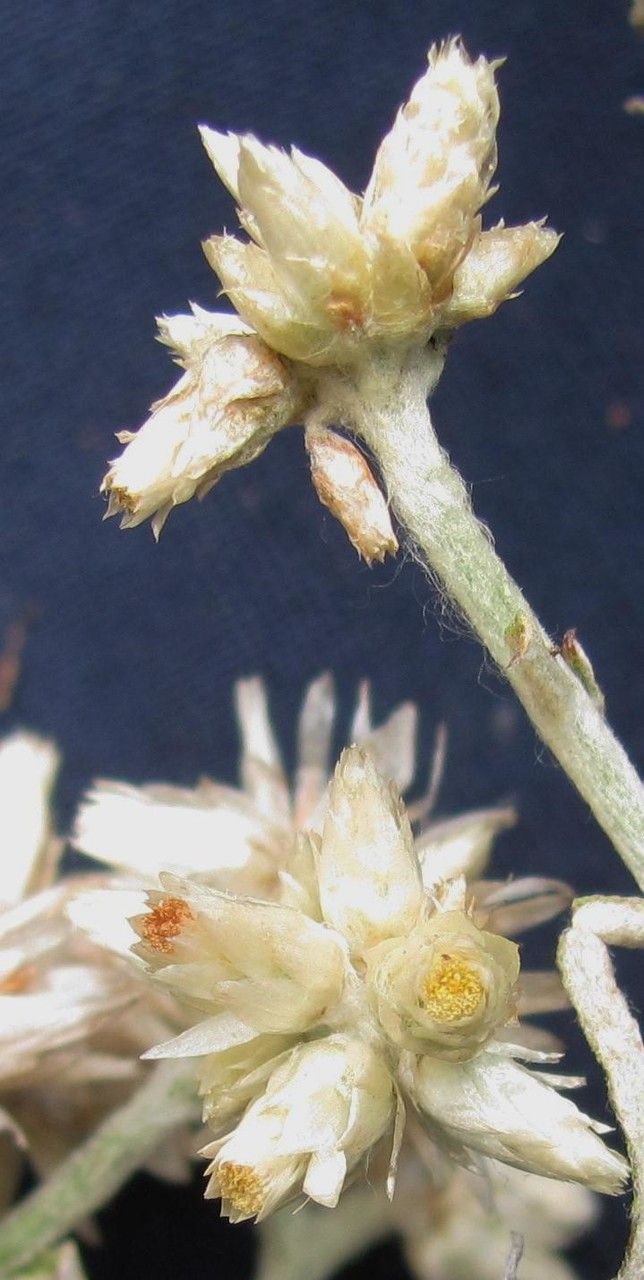
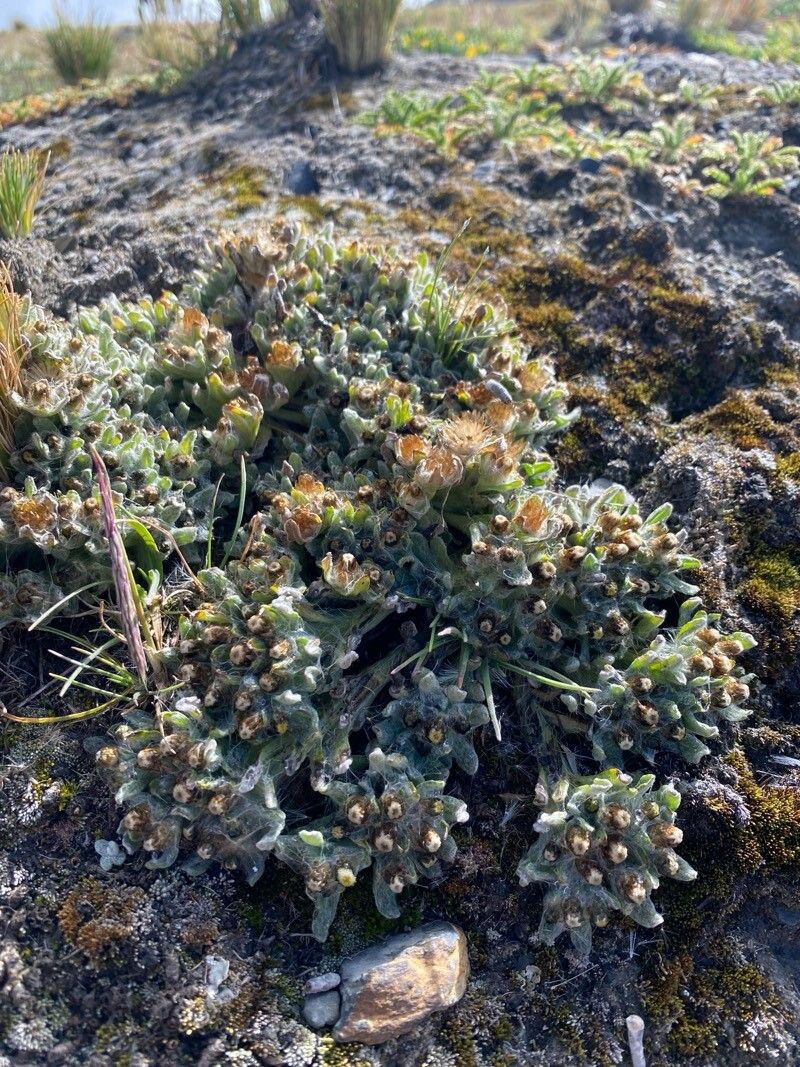
Pseudognaphalium stramineum, commonly known as yellow cudweed or straw-colored everlasting, is a perennial herbaceous plant in the Asteraceae family. Native to North America, it thrives in various habitats, including prairies, meadows, and open woods.
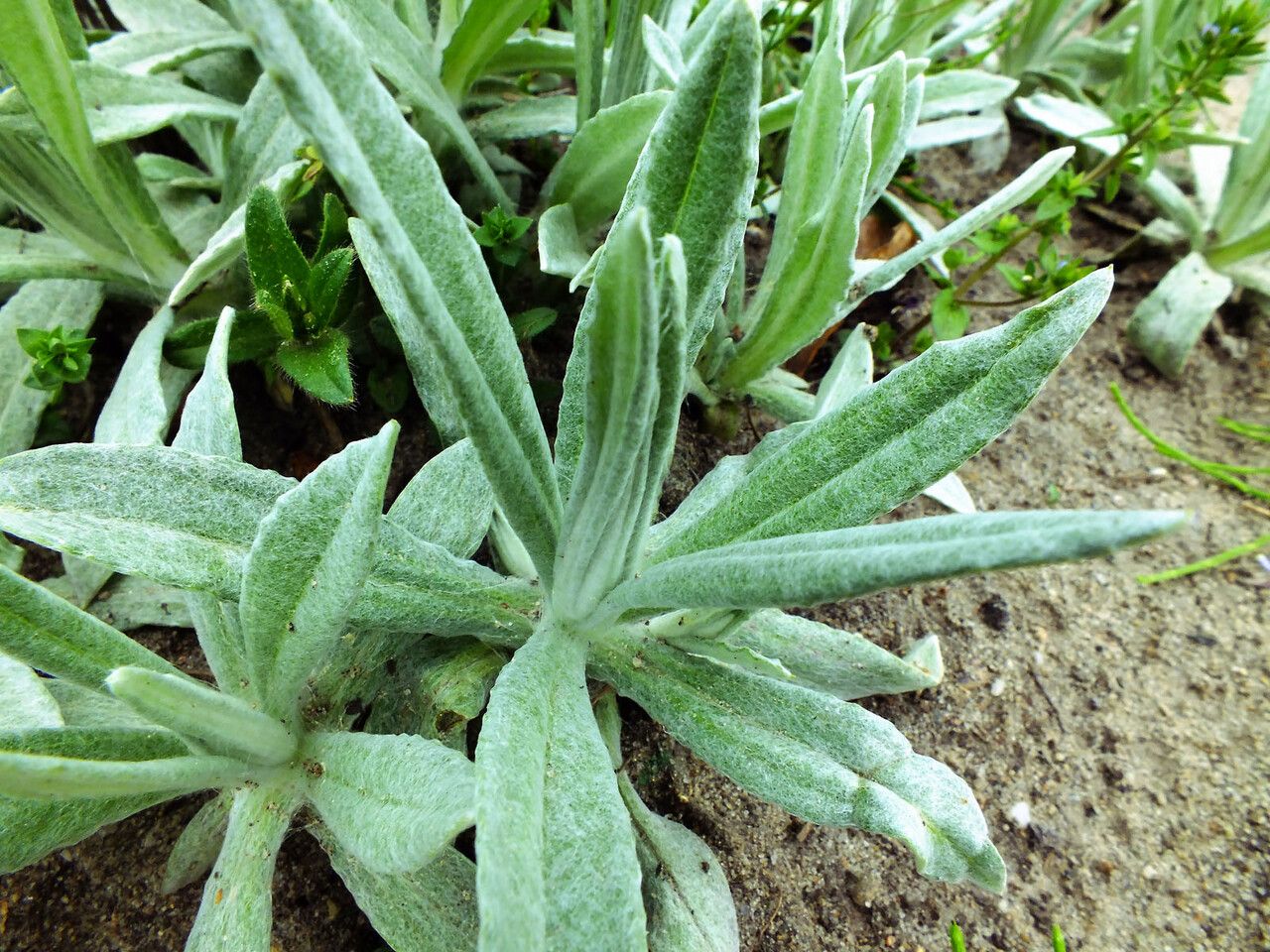
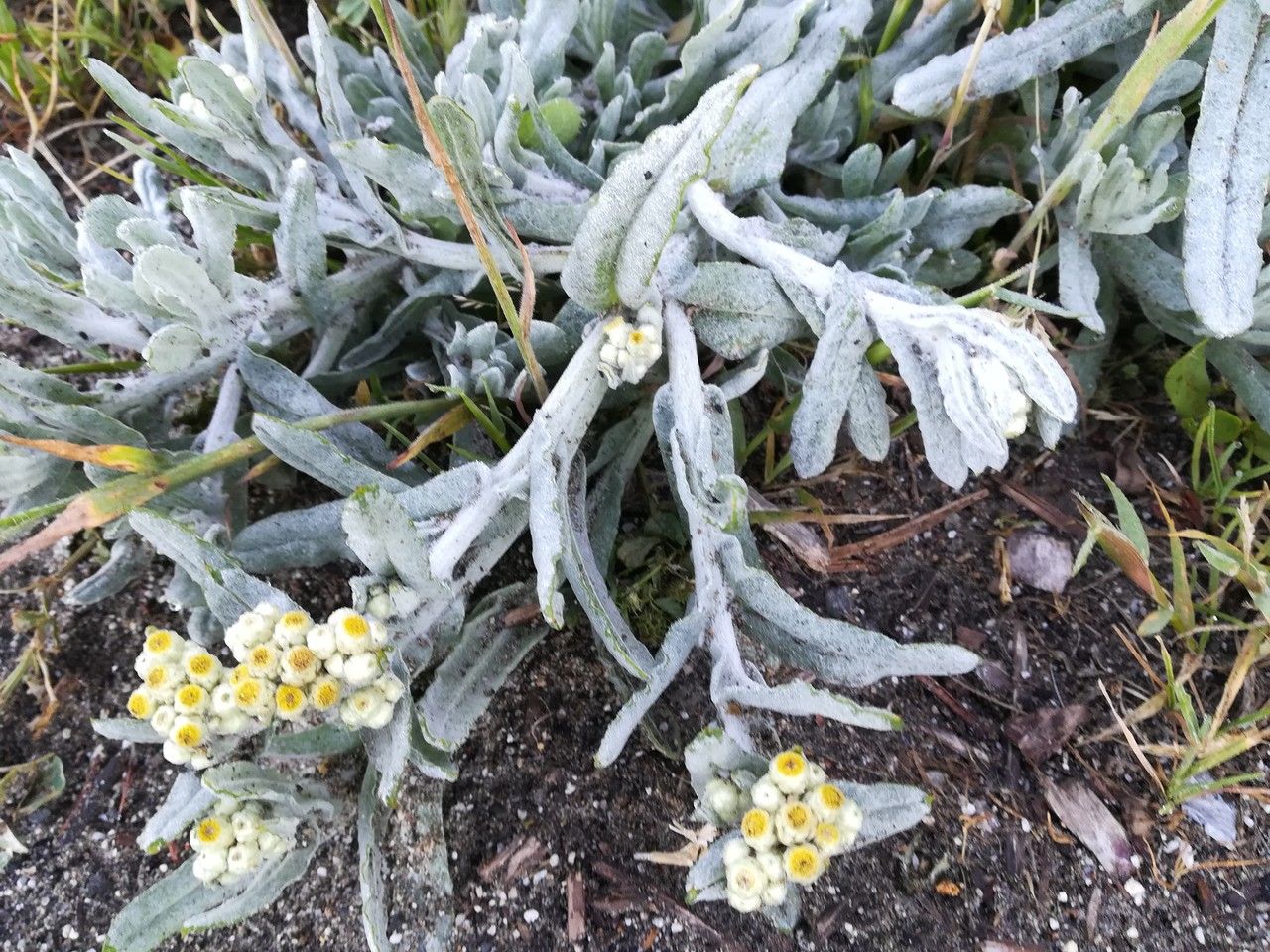
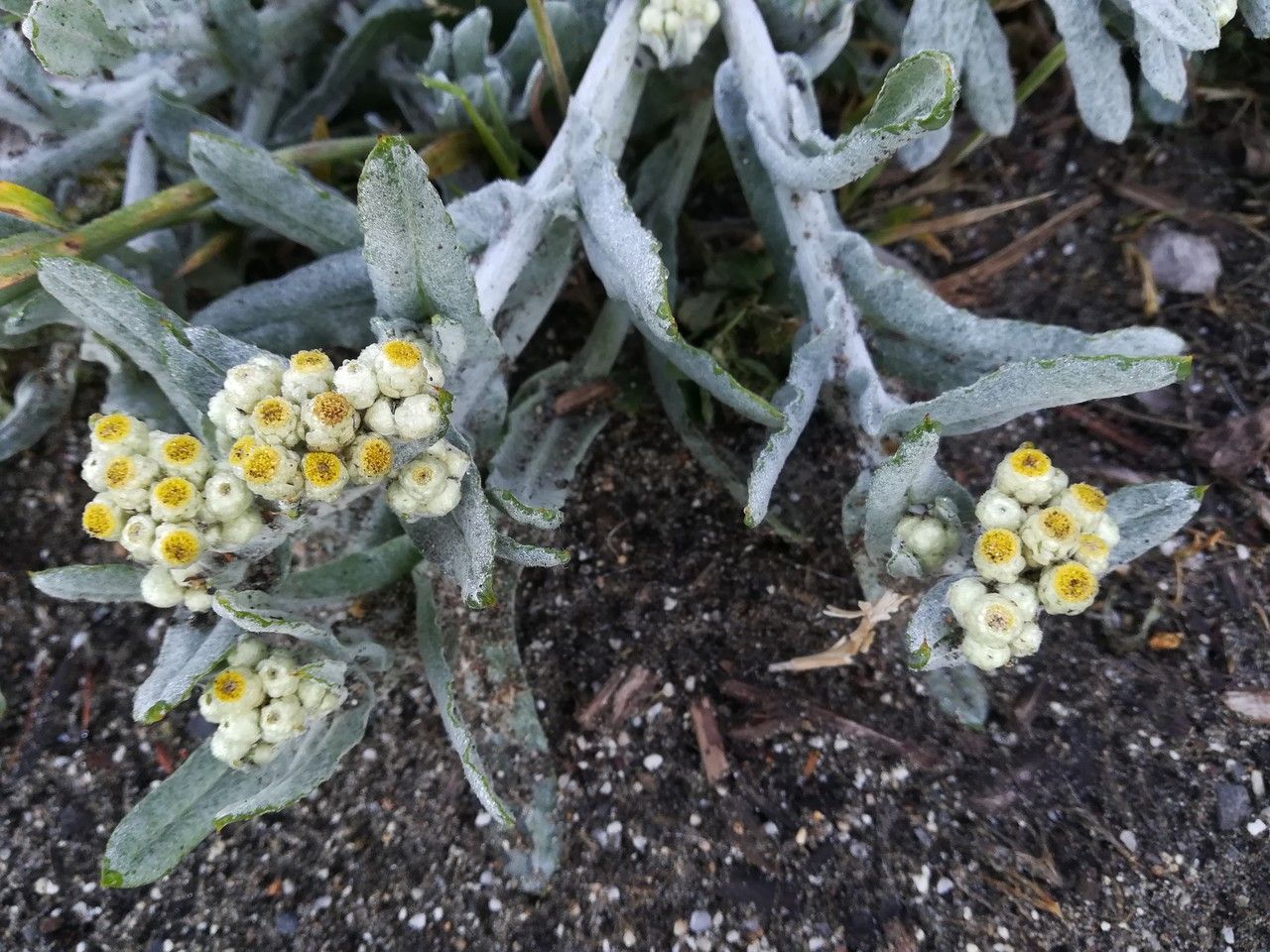
Growing up to 60 cm tall, the plant features branching stems and narrow leaves covered in fine hairs. Its small, yellowish-white, cylindrical flowers bloom from July to September.
Yellow cudweed has been traditionally used by Native Americans for medicinal purposes, treating ailments such as coughs, colds, fever, and wounds, thanks to its anti-inflammatory properties.
Additionally, the plant is valued for its ornamental appeal, with its attractive flowers often dried or preserved for floral arrangements.
Yellow cudweed is also an important food source for wildlife. Birds and small mammals consume its seeds, and it serves as a host plant for caterpillars of several butterfly species, including the painted lady butterfly (Vanessa cardui).
In summary, Pseudognaphalium stramineum is a significant ecological component of North American ecosystems, offering both medicinal value and ornamental beauty.
The Cottonbatting Plant is relatively disease-resistant and generally not prone to illness. However, it can be affected by pests and diseases present in its environment. These outbreaks are typically not severe. For care, the plant requires moderate maintenance. It should be pruned regularly to preserve a neat appearance and support healthy growth. Fertilizing can also help encourage flowering. The Cottonbatting Plant is suitable for anyone with outdoor space, such as a garden or patio, and does not demand extensive care experience. It may need more attention when grown indoors.
How to keep Pseudognaphalium Stramineum.
Light
The Cottonbatting Plant comes from bright, open habitats and does best in full sun. It can tolerate partial sun but favors direct sunlight for optimal growth. This plant, which can be annual or biennial, is known for its sun-loving nature.
Water
The cottonbatting plant, native to arid environments, is highly drought-tolerant and only needs to be watered once a week. It thrives in well-draining soil, making it an excellent choice for xeriscaping. Its resilience to dry spells means that overwatering should be avoided to prevent root rot.
Temperature
Cottonbatting Plant originates from temperate regions and flourishes in temperatures of 68 to 100 °F (20 to 38 ℃). It tolerates warmer conditions but should be watched for signs of heat stress during hotter seasons.
Fertilizer
The Cottonbatting Plant benefits from frequent, mild fertilizer applications to encourage healthy leaf growth. You should fertilize the Cottonbatting Plant about once a month during the summer. Nitrogen is important for foliage, and supplementing with nitrogen-rich sources helps the Cottonbatting Plant thrive.
Pruning
The Cottonbatting Plant is known for its fuzzy, white foliage and its drought tolerance. To encourage healthier growth and vibrant blooms, prune the plant lightly from early to late spring. This will help remove dead stems, shape the plant, and improve air circulation, thereby reducing the risk of disease. Always use clean, sharp tools when pruning to ensure the best results.
Botanical profile.
- Plant Type
- Herb
- Life Cycle
- Annual, Biennial
- Genus
- Pseudognaphalium
- Family
- Asteraceae
- Hardiness Zone
- 8-11
- Mature Height
- 30 cm to 76 cm
- Mature Spread
- 30 cm
- Leaf Color
- Green, Blue
- Leaf Type
- Evergreen
- Flower Color
- White
- Flower Size
- 1.02 cm to 2.03 cm
- Bloom Time
- Summer
- Planting Time
- Spring, Summer
- Harvest Time
- Late summer, Early fall, Mid fall
- Native Area
- Honduras, Mexico, Guatemala
Other names.
Reader questions.
How should I water my Cottonbatting Plant?
There are several options for watering the Cottonbatting Plant. You can use a garden hose with a spray nozzle, a watering can, or any common watering tool. This plant is not too particular about the type of water it receives - rainwater, tap water, or filtered water all work fine. However, it is best to avoid watering the plant from overhead as it can harm the leaves, flowers, and even cause disease. Instead, consider setting up a drip irrigation system, which evenly and directly waters the soil. If you have a container-grown Cottonbatting Plant, the watering approach is similar but you can use a cup, watering can, or tap to water the soil directly.
What are the sunlight requirements for Cottonbatting Plant?
Cottonbatting Plant thrives in environments with full sun, requiring above 6 hours of sunlight daily for optimal growth. It can also tolerate partial sun, needing about 3-6 hours of sunlight. The plant originates from bright, open environments, indicating its preference for direct sunlight. However, it's essential to monitor the sunlight's movement through your garden to ensure the right balance of light and shade, promoting the plant's overall well-being.
What is the optimal temperature range for Cottonbatting Plant?
The Cottonbatting Plant, also known as Pseudognaphalium stramineum, thrives in temperate climate regions, preferring temperatures between 68 to 100 °F (20 to 38 °C). While it adapts well to warmth, care should be taken during hotter seasons to monitor for signs of heat stress.
What should I do if I give too much or too little water to my Cottonbatting Plant?
If you notice that your Cottonbatting Plant is lacking moisture, the solution is simple: water it more consistently. On the other hand, overwatering can be a more serious problem, potentially leading to diseases and the plant's decline or death. To avoid this, choose a suitable location with plenty of sunlight and good drainage to prevent soil from becoming waterlogged. If you have overwatered a potted Cottonbatting Plant, it may be necessary to change to a new pot with better drainage. When repotting, use loose soil and a pot that drains efficiently.
How can artificial lighting be used for Cottonbatting Plant indoors?
Indoor Cottonbatting Plants require adequate lighting for optimal growth, especially when natural sunlight is insufficient. Artificial lights, such as LED lights, can offer a vital solution by providing the specific wavelengths needed by the plants. For full sun plants, 30-50W/sq ft of artificial light is required, whereas partial sun plants need 20-30W/sq ft. The light source should be placed 12-36 inches above the plant, mimicking natural sunlight, and provided for 8-12 hours per day to ensure healthy growth.
How does the Cottonbatting Plant react to cold temperatures?
The Cottonbatting Plant possesses some cold tolerance and generally does not need additional protective measures when temperatures are above 0°C. However, in anticipation of temperatures dropping below freezing, temporary measures such as wrapping the plant with plastic film, fabric, or other insulating materials are recommended. These protections should be removed once temperatures rise to prevent any potential damage from excessive moisture or warmth.
How many times should I water my Cottonbatting Plant?
To take care of your Cottonbatting Plant, it needs regular watering throughout the growing season. In spring, watering once a week is sufficient. As the season progresses and temperatures rise, you may need to water two to three times per week. However, exceeding this rate can harm the plant. Remember to keep the soil moist but not wet, regardless of how often you water. Watering a Cottonbatting Plant in a pot is slightly different. Potted plants tend to dry out faster, so you should water them a few times per week, compared to just once per week for plants in the ground.
What are the common symptoms of inadequate light in Cottonbatting Plants?
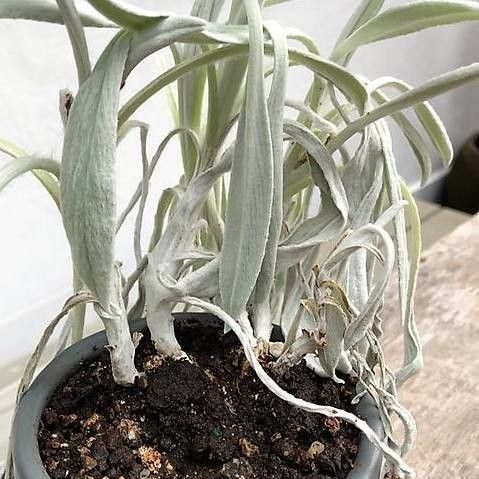
Cottonbatting Plants experiencing inadequate light may display several symptoms, including smaller new leaves, leggy or sparse growth, faster leaf drop, slower or no new growth, and alterations in leaf color such as lighter colors or yellowing (chlorosis). Additionally, intense sunlight exposure can cause sunscald, leaf curling, wilting, and leaf scorching. These symptoms indicate the plant's struggle with the current light conditions, either due to insufficient or excessive light.
What are the symptoms of and solutions for Cottonbatting Plant exposure to low temperatures?
Moderate tolerance to low temperatures characterizes the Cottonbatting Plant; it prospers best above 20°C and should remain above 0°C during winter. Exposure to temperatures below -10°C may cause the plant's leaves to droop, wilt, and eventually fall off in severe cases. To address frost damage, trim off the affected parts. Before any further low-temperature exposure, wrap the plant with non-woven fabric or cloth and create a wind barrier to shield it from cold winds.
How much water does my Cottonbatting Plant require?
There are a few ways to decide how much water to give to your Cottonbatting Plant. Some gardeners determine water volume by checking the soil moisture. This method recommends watering until the top six inches of soil feel moist. Another approach is to use a specific measurement. Generally, giving your Cottonbatting Plant around two gallons of water per week is a good guideline, considering factors like temperature and soil dryness. However, sticking to this guideline might lead to overwatering if your plant needs less water. For container-grown plants, you'll need a different method. Ideally, you should water enough to moisten all dry soil layers. You can check for moisture by inserting your finger into the soil or watering until you see excess water coming out of the drainage holes.
What are effective solutions for Cottonbatting Plants receiving inadequate sunlight?
For indoor plants, gradually moving them to a sunnier location or using artificial light, such as a desk or grow lights, for at least 8 hours daily can improve light exposure. Outdoors, gradually shifting plants to sunnier spots while avoiding sudden changes in light intensity is key to preventing sunburn. Reducing obstructions such as pruning trees can increase sunlight access. For smaller plants, consider transplanting during the plant's dormant period to a location with ample sunlight and good drainage. Note that parts of the plant affected by prior inadequate light may not recover, but new growth should be healthy with improved light conditions.
How should Cottonbatting Plant be cared for in high temperatures?
In summer, it's best to keep the Cottonbatting Plant below 38°C since temperatures above 43°C can lead to lighter leaf colors, dry and withered leaf tips, curled leaves, and an increased risk of sunburn. To mitigate damage from high temperatures, remove sunburned and dried-up parts. Relocate the plant to a shaded area, especially from the midday and afternoon sun, or use a shade cloth. Ensure the soil remains moist by watering in the morning and evening.