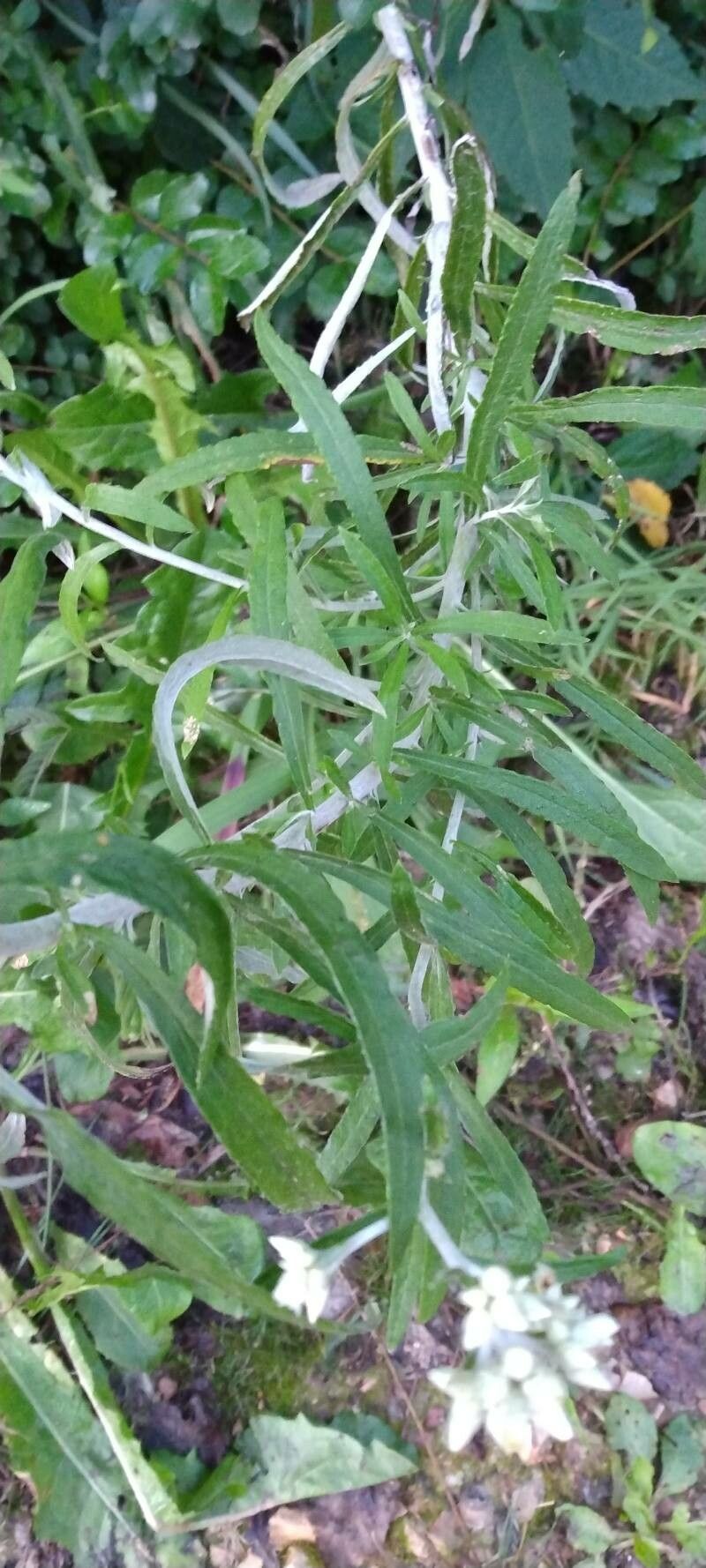
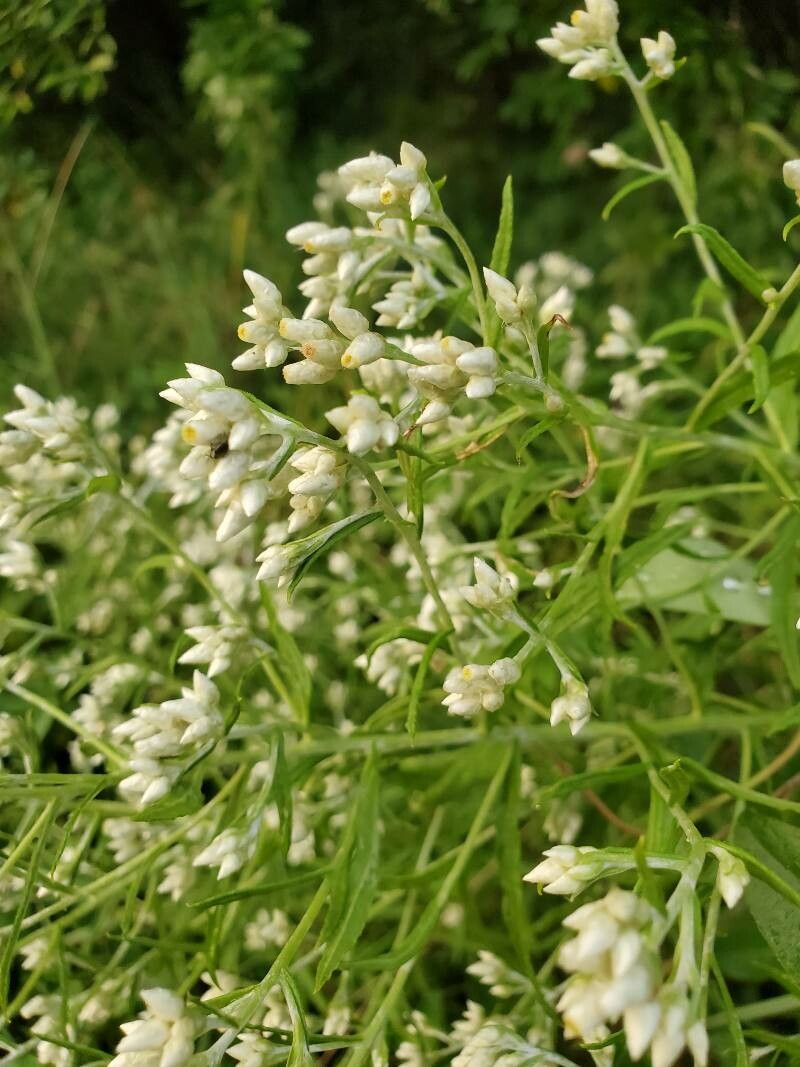
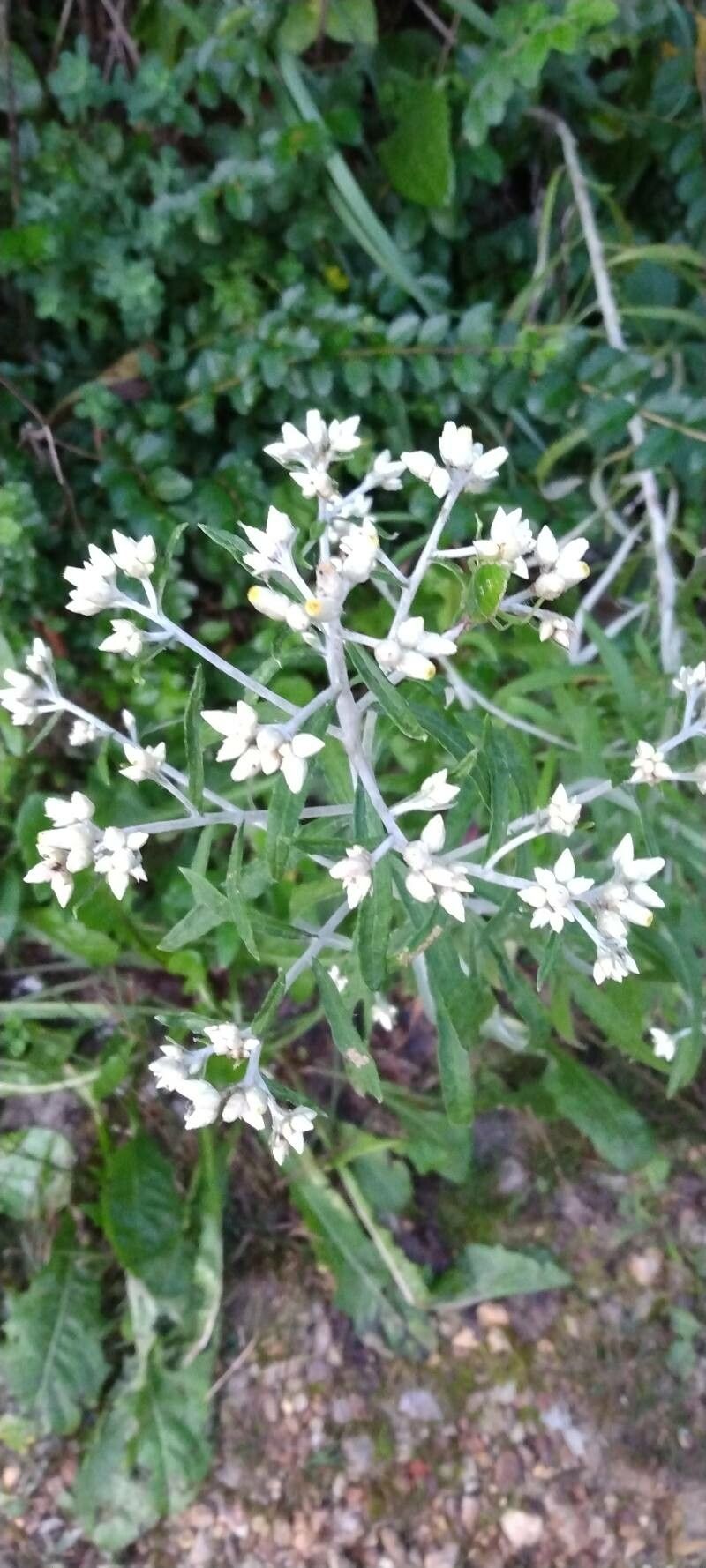
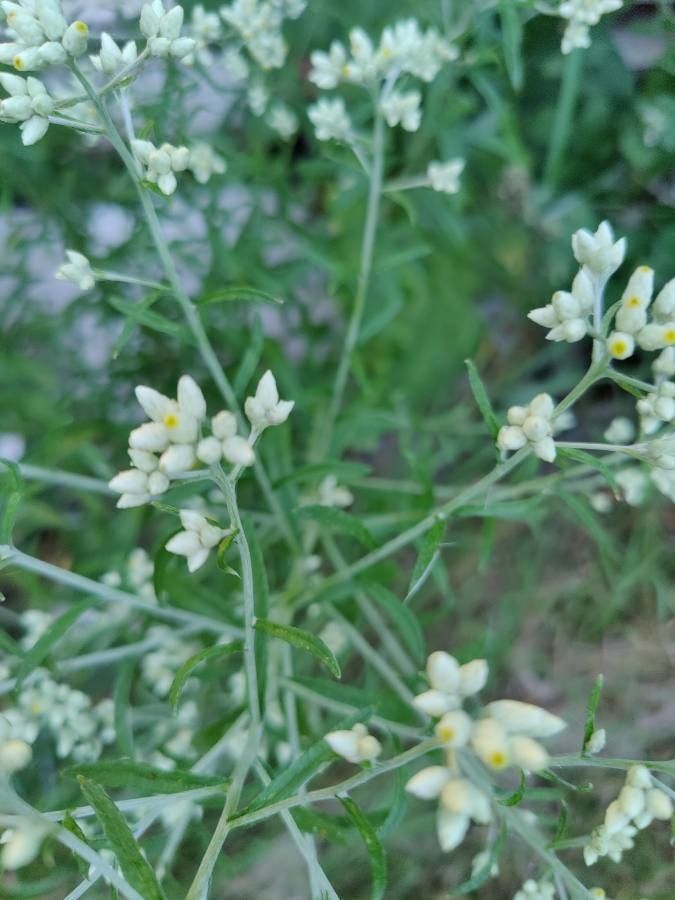
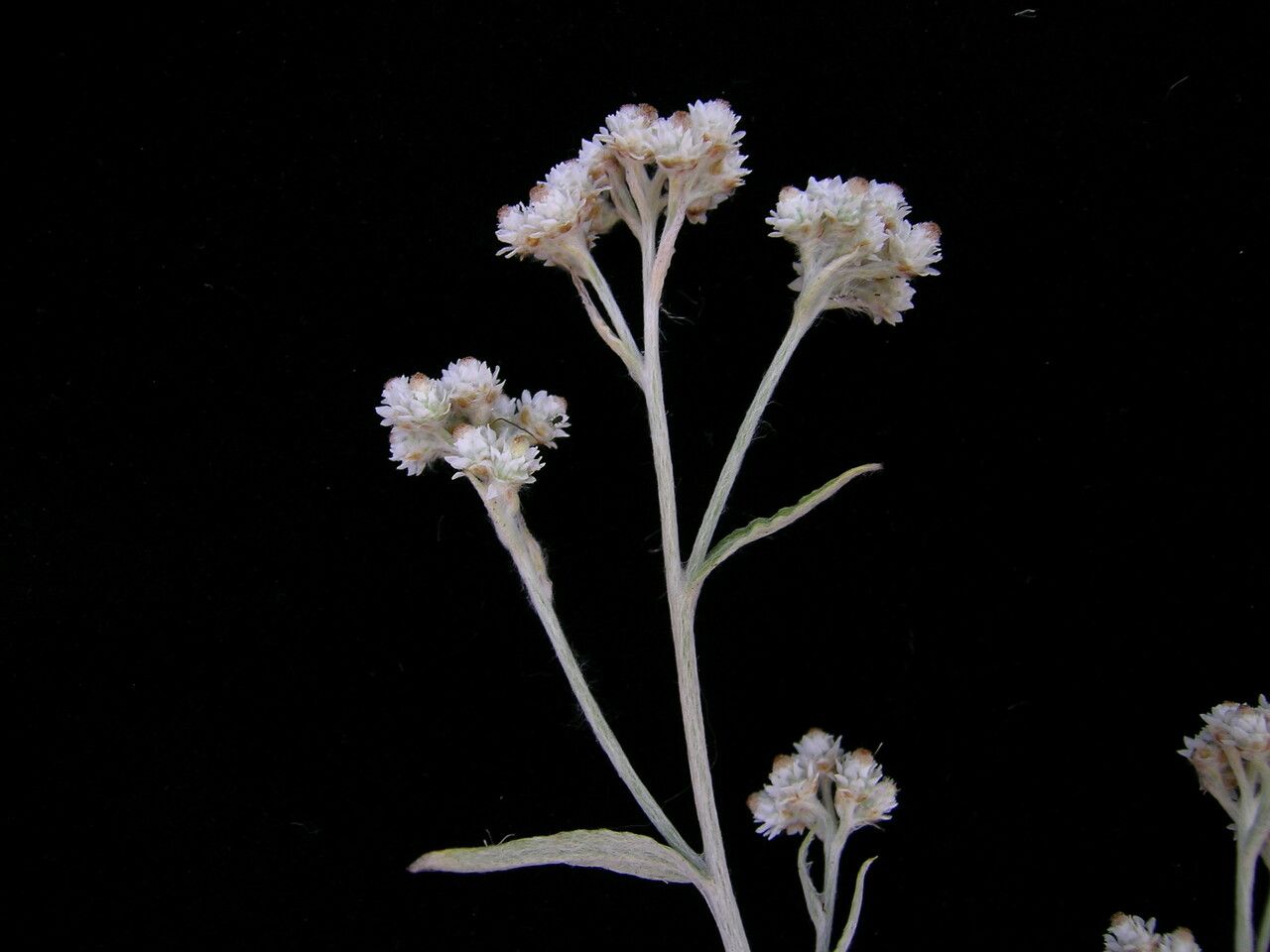
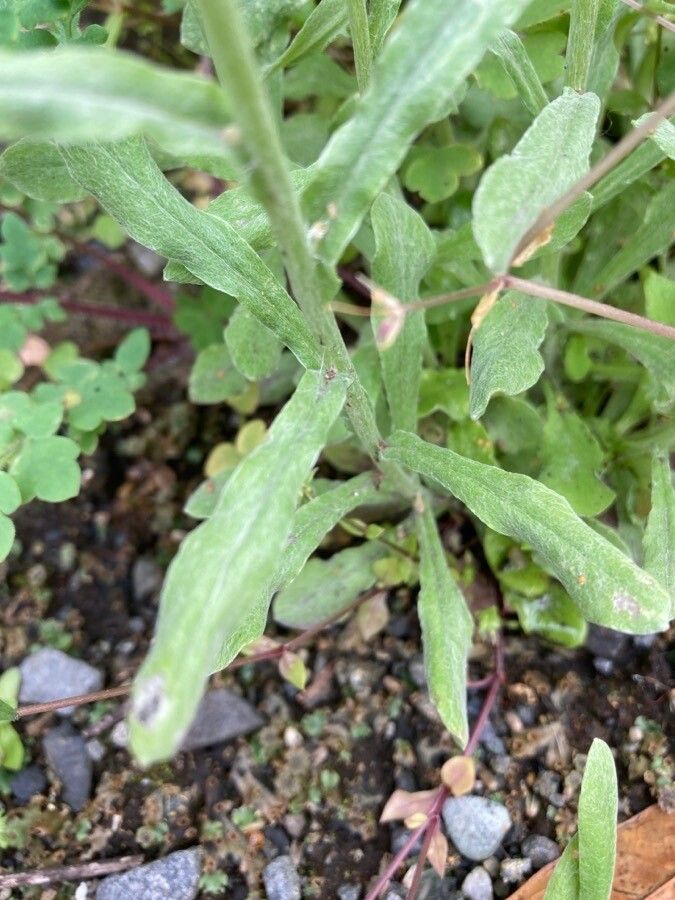
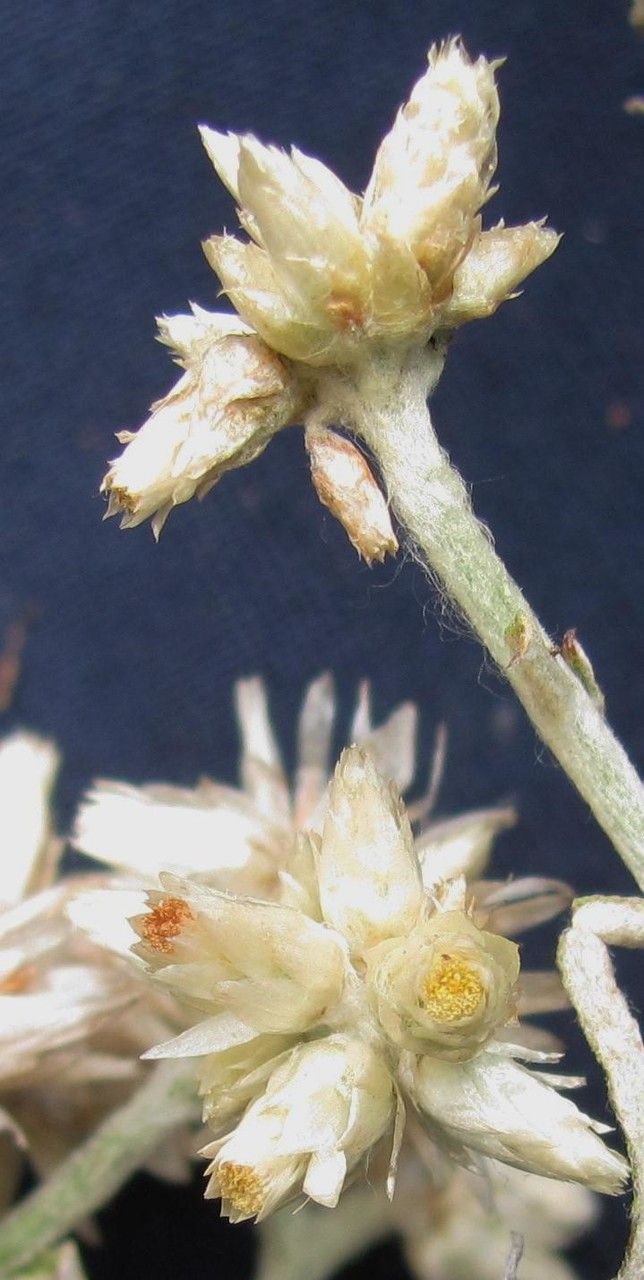
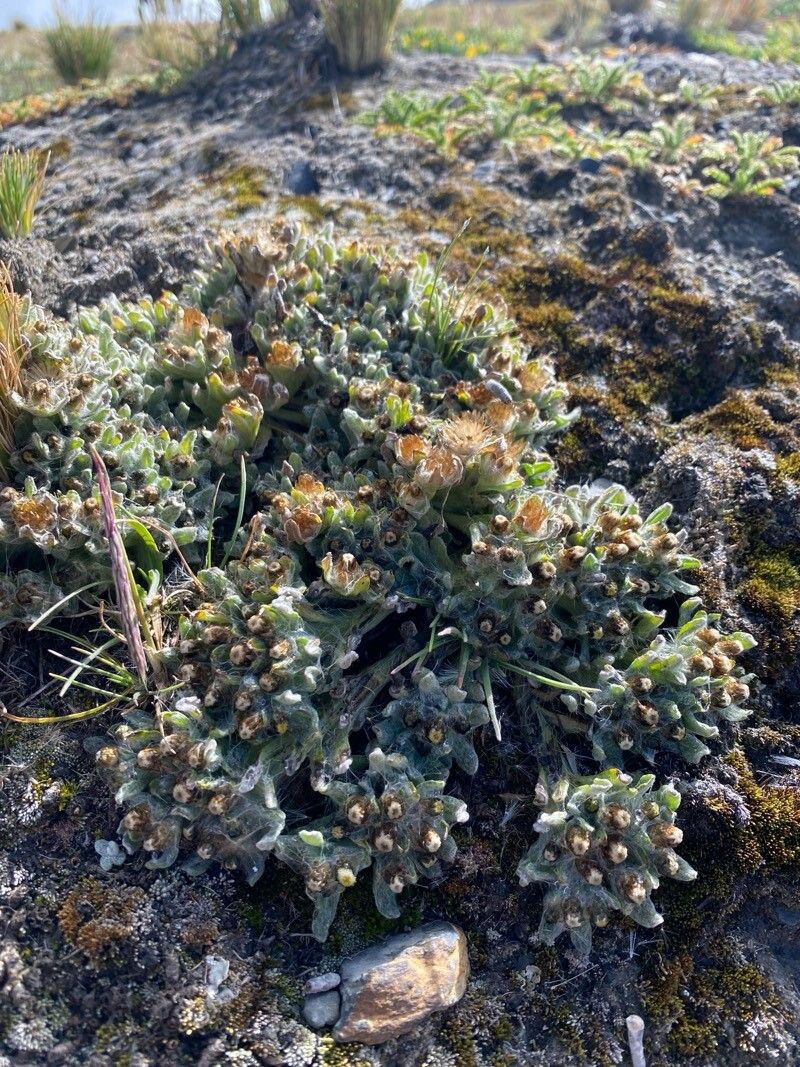
Pseudognaphalium obtusifolium (formerly Gnaphalium obtusifolium) is a member of the family Asteraceae, found on open dry sandy habitat throughout Eastern North America. Common names include old field balsam, rabbit tobacco and sweet everlasting. When crushed, the plant exudes a characteristic maple-syrup scent.
Rabbit Tobacco is fairly disease-resistant and typically not prone to illnesses. However, it can be affected by pests and diseases present in its environment. These problems are generally mild. For care, the plant needs moderate maintenance. It should be pruned regularly to maintain a neat appearance and support healthy growth. Fertilizing can also help encourage flowering. Rabbit Tobacco is suitable for anyone with outdoor space, such as a garden or patio, and does not demand extensive care experience. It may need extra attention if grown indoors.
How to keep Pseudognaphalium Obtusifolium.
Light
Rabbit Tobacco does best with moderate sunlight, though it can tolerate stronger light. Its native habitat has adapted it to those conditions. Too little light can lead to poor growth, while too much exposure may cause wilting.
Water
Rabbit Tobacco thrives in dry habitats, showing a strong tolerance for drought and a preference for low humidity. It grows best with weekly watering, but during the colder months, it enters dormancy and needs less water as it prepares for the next growing season.
Temperature
Rabbit Tobacco tolerates a broad temperature range of 68 to 95 °F (20 to 35 ℃). It grows naturally in moderately temperate settings and may need measures such as shading during hotter periods to maintain ideal growth conditions.
Fertilizer
Rabbit Tobacco benefits from regular, light applications of fertilizer to encourage healthy leaf growth. Fertilize Rabbit Tobacco about once a month during the summer months. Nitrogen is essential for foliage, and adding nitrogen-rich sources helps Rabbit Tobacco thrive.
Botanical profile.
- Plant Type
- Herb
- Life Cycle
- Annual, Biennial
- Genus
- Pseudognaphalium
- Family
- Asteraceae
- Hardiness Zone
- 6
- Mature Height
- 15 cm to 76 cm
- Mature Spread
- 30 cm
- Leaf Color
- Green, Blue
- Leaf Type
- Semi-evergreen
- Flower Color
- White, Yellow
- Flower Size
- 2.54 cm
- Bloom Time
- Mid summer, Late summer
- Planting Time
- Spring, Summer, Autumn
- Harvest Time
- Fall
Other names.
Reader questions.
How should I water my Rabbit Tobacco plant?
To water Rabbit Tobacco, there are a few different tools you can use, such as a garden hose with a spray nozzle or a watering can. This plant isn't too picky when it comes to water sources, so you can use rainwater, tap water, or filtered water. It's generally best to avoid watering from overhead as it can damage the plant's leaves and flowers and potentially cause disease. A drip irrigation system is often a good option for watering Rabbit Tobacco as it provides even and direct water to the soil. If you have Rabbit Tobacco in a container, you can still use a similar watering method, just switch to using a cup, watering can, or even tap water to water the soil directly.
What are the sunlight requirements for Rabbit Tobacco?
Rabbit Tobacco, or Pseudognaphalium obtusifolium, requires moderate to full sunlight to thrive optimally. It can endure about 3-6 hours of sunlight daily (partial sun) but prefers environments with more than 6 hours of direct sunlight (full sun). Observing how sunlight moves through your garden will help in placing your plants in locations that provide an ideal balance of light and shade, ensuring their health and happiness.
What is the optimal temperature range for Rabbit Tobacco?
Rabbit Tobacco, or Pseudognaphalium obtusifolium, is adapted to thrive within a temperature range of 68 to 95 °F (20 to 35 °C). It flourishes in environments with moderate temperatures and may need some form of shading during the hotter seasons to maintain these optimal growth conditions. Despite its adaptability to a wide temperature range, the plant is highly cold-tolerant and doesn't require special frost protection measures in winter. However, to prepare it for the colder months, it's recommended to water the plant generously before the first freeze of autumn to ensure the soil stays moist and freezes in a beneficial state for the plant.
What should I do if I give my Rabbit Tobacco too much or too little water?
The solution for underwatering Rabbit Tobacco is simple
How does artificial lighting affect Rabbit Tobacco growth?
Indoor Rabbit Tobacco plants benefit significantly from adequate artificial lighting, especially when natural sunlight is scarce, like during winter or in less sunny spaces. Artificial lights, such as LED lights, are recommended because they can be tailored to meet the specific light wavelength needs of plants. The intensity of artificial lighting should be adjusted based on the plant’s sunlight requirements: full sun plants need 30-50W/sq ft, partial sun plants 20-30W/sq ft, and full shade plants 10-20W/sq ft. Additionally, the light source should be placed 12-36 inches above the plant to mimic natural sunlight, and plants usually require 8-12 hours of light per day.
How does Rabbit Tobacco react to low temperatures?
Rabbit Tobacco is remarkably tolerant to low temperatures and can withstand winter conditions above -25°C without the need for additional frost protection measures. However, if temperatures fall below this threshold, the plant might not show immediate signs of distress during winter, but it could lead to reduced sprouting or even a failure to sprout when spring arrives. To mitigate any potential damage from such cold, it's advised to remove parts of the plant that have failed to sprout as the weather warms up in spring.
How often should I give water to my Rabbit Tobacco plant?
Rabbit Tobacco requires regular watering throughout the growing season. In the spring, aim to water this plant once a week. As the season progresses and temperatures rise, you may need to increase watering to two to three times per week. However, exceeding this rate can harm Rabbit Tobacco. It's important to keep the soil moist but not wet, regardless of how often you water. When watering Rabbit Tobacco in a pot, the frequency should be increased compared to ground soil. Generally, plan to water a potted Rabbit Tobacco a few times per week, instead of just once per week for a plant in the ground.
What are the symptoms of inadequate lighting for Rabbit Tobacco?
Rabbit Tobacco exhibits several symptoms when subjected to inadequate lighting, including smaller new leaves, leggy or sparse growth, faster leaf drop, slower or no new growth, and lighter-colored new leaves. Excessive sunlight can lead to chlorosis (leaves turning yellow), sunscald (pale, bleached areas on leaves or stems), leaf curling, wilting, and leaf scorching (brown, dry edges on leaves). These symptoms highlight the plant's struggle with either too little or too much light exposure.
What should be done if Rabbit Tobacco is exposed to high temperatures?
When exposed to temperatures above 35°C, Rabbit Tobacco's growth halts, and the plant becomes prone to rot. High temperatures are particularly challenging for Rabbit Tobacco, requiring prompt intervention. To help the plant cope, trim away any sunburned or dried parts and relocate the plant to a shaded location or utilize shade cloth to protect it from the intense midday and afternoon sun. Additionally, watering the plant in the early morning and late evening can help keep the soil moist and reduce temperature stress.
How much water does my Rabbit Tobacco plant need?
To determine how much water to give your Rabbit Tobacco, there are a few options. Some gardeners rely on the soil's moisture, watering until the top six inches feel moist. Others prefer a set measurement and recommend around two gallons per week, considering the temperature and soil's drying rate. However, be cautious not to overwater if your plant needs less. When growing in a container, a different approach is necessary. Water enough to moisten all dry layers of soil by testing for moisture with your finger or until you see a slight trickle of water from the pot's drainage holes.
What are the solutions for Rabbit Tobacco struggling with light conditions?
For indoor Rabbit Tobacco plants struggling with light conditions, gradually shifting them to sunnier spots each week until they receive 3-6 hours of direct sunlight daily helps them adapt. When moving plants isn’t feasible, consider using artificial lighting, such as desk lamps or grow lights, for at least 8 hours daily. For outdoor plants, transition them gradually to sunnier locations to prevent sunburn. Minimizing obstructions like pruning trees can also increase sunlight exposure. For smaller plants, transplanting them during their dormant period to a sunnier location with good drainage is beneficial. Note that parts of the plant affected by insufficient sunlight may not recover, but new growth should be healthy following these adjustments.
How can I know if I'm giving enough water to my Rabbit Tobacco plant?
Avoiding overwatering Rabbit Tobacco can be challenging due to their deep roots that require weekly soil moistening. However, these plants are highly susceptible to root rot, which can result in browning. Underwatering is less likely as Rabbit Tobacco can survive without supplemental watering for some time, but if left too long without water, they may wilt and develop dry leaves.