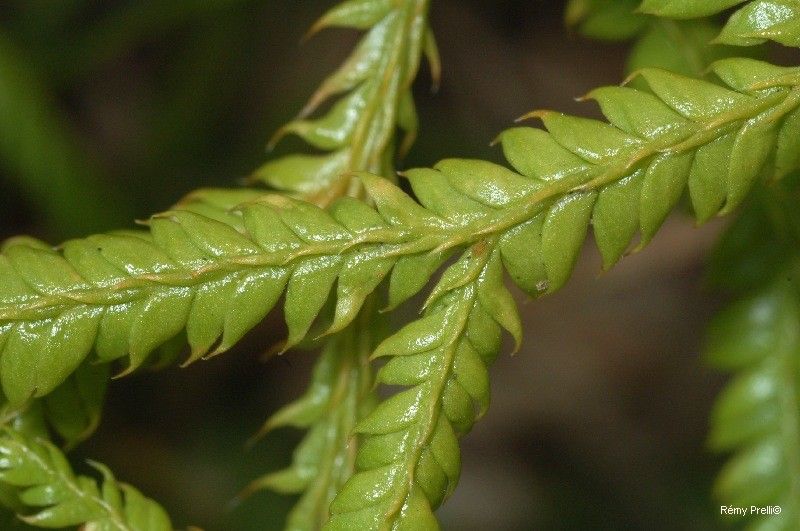
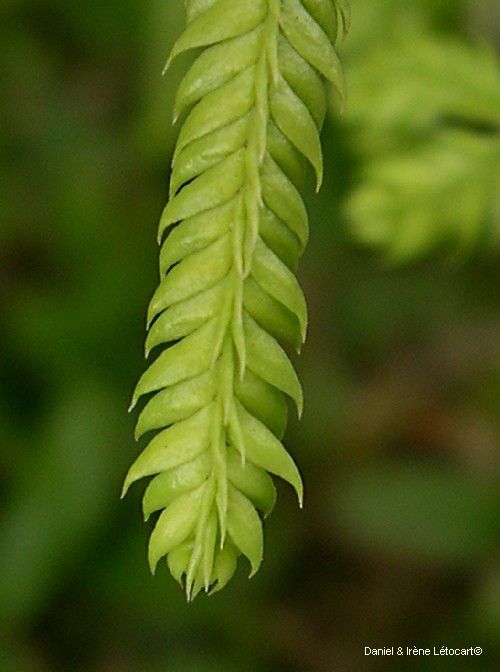
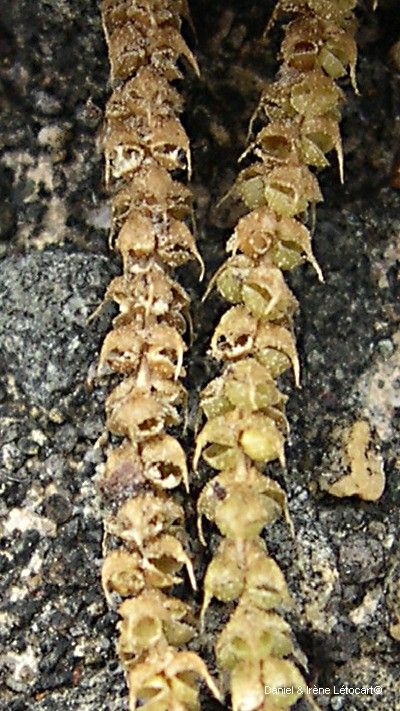
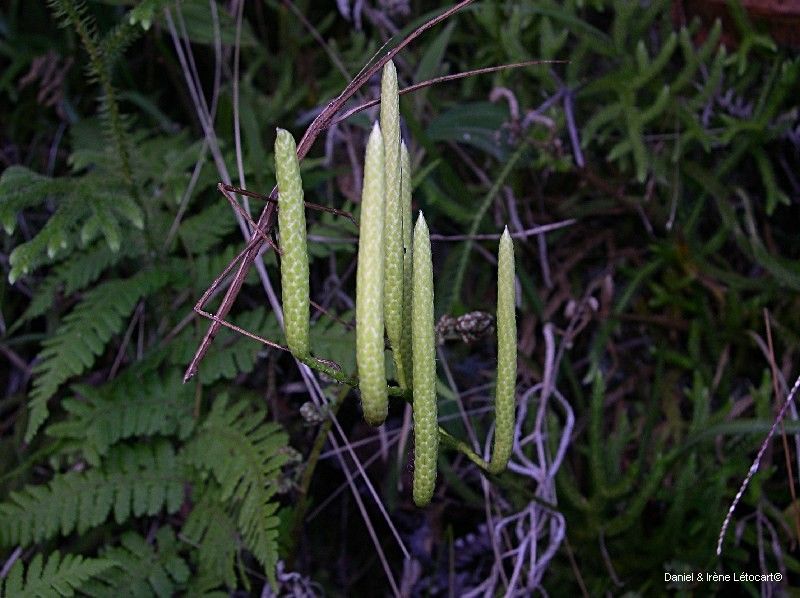
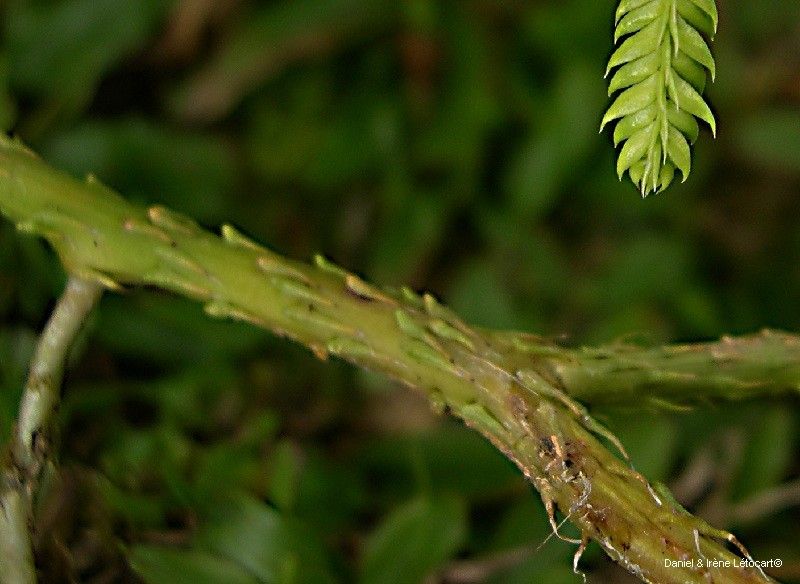
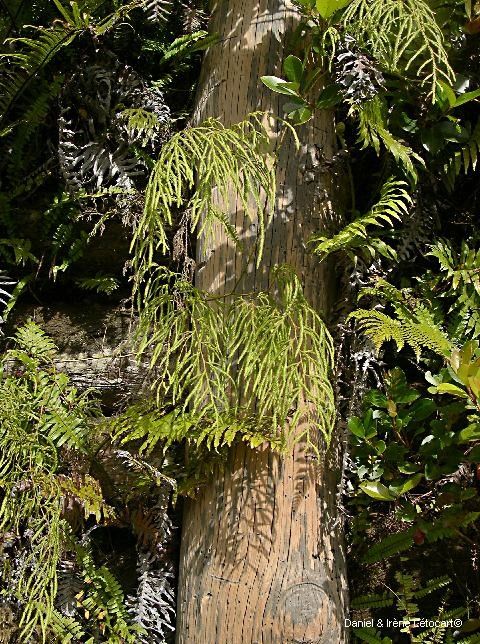
Pseudodiphasium is a genus of lycophyte in the family Lycopodiaceae with only one species, Pseudodiphasium volubile. In the Pteridophyte Phylogeny Group classification of 2016 (PPG I), the genus is placed in the subfamily Lycopodioideae. Some sources do not recognize the genus, sinking it into Lycopodium. Pseudodiphasium volubile is native from Peninsular Malaysia to Queensland, Australia, and has been introduced into Ecuador.
Climbing clubmoss is generally resistant to disease and has relatively few insect pests. Its care is regarded as difficult because it needs a consistently moist environment and frequent watering. The roots can rot if they are kept too wet and the surroundings lack good ventilation. Climbing clubmoss is appropriate for people with some growing experience, as most individuals can keep it alive for a period. Still, it may have difficulty thriving and its leaves can dry out and decline in health over time.
How to keep Pseudodiphasium Volubile.
Light
Climbing clubmoss originates from areas such as forest understories or rocky terrains, which naturally provide shade. It thrives best in Full Shade sunlight conditions, though it can also withstand Partial Sun.
Temperature
Climbing clubmoss hails from tropical zones, which are typically characterized by a hot and moist climate. Because of this, it is naturally suited to cope with high heat and humidity. Sudden changes in temperature are not favourable for this plant and it thrives best in an environment with consistent temperatures, so it's key to prevent indoor temperature swings. Generally, it doesn't withstand low temperatures and needs warm conditions to grow. If the ambient temperature becomes too low, the plant's growth might cease or it could potentially perish.
Pruning
To keep your climbing clubmoss healthy and well-shaped, regular pruning is essential. Key techniques include removing dead stems and thinning crowded areas to improve air circulation. Prune in early spring using sterilized tools to promote growth, enhance aesthetic appeal, and prevent disease.
Botanical profile.
- Plant Type
- Fern
- Life Cycle
- Perennial
- Genus
- Pseudodiphasium
- Family
- Lycopodiaceae
- Hardiness Zone
- 9-11
- Mature Height
- 46 cm to 91 cm
- Mature Spread
- 0.49 m to 1.52 m
- Leaf Color
- Dark Green
- Leaf Type
- Evergreen
- Planting Time
- Spring, Summer, Autumn
- Native Area
- Malaysia, Indonesia, Vanuatu, Philippines, New Zealand
Other names.
Reader questions.
What are the sunlight requirements for Climbing Clubmoss (Pseudodiphasium volubile)?
Climbing Clubmoss (Pseudodiphasium volubile) thrives under specific sunlight conditions. For 'partial sun,' it requires about 3-6 hours of sunlight, which suits areas that receive filtered sunlight or direct sun only part of the day. 'Full sun' entails more than 6 hours of sunlight, suitable for spots that receive prolonged exposure. It's essential to observe the movement of sunlight through your garden to identify areas that offer an ideal mix of light and shade, promoting the well-being of your plants.