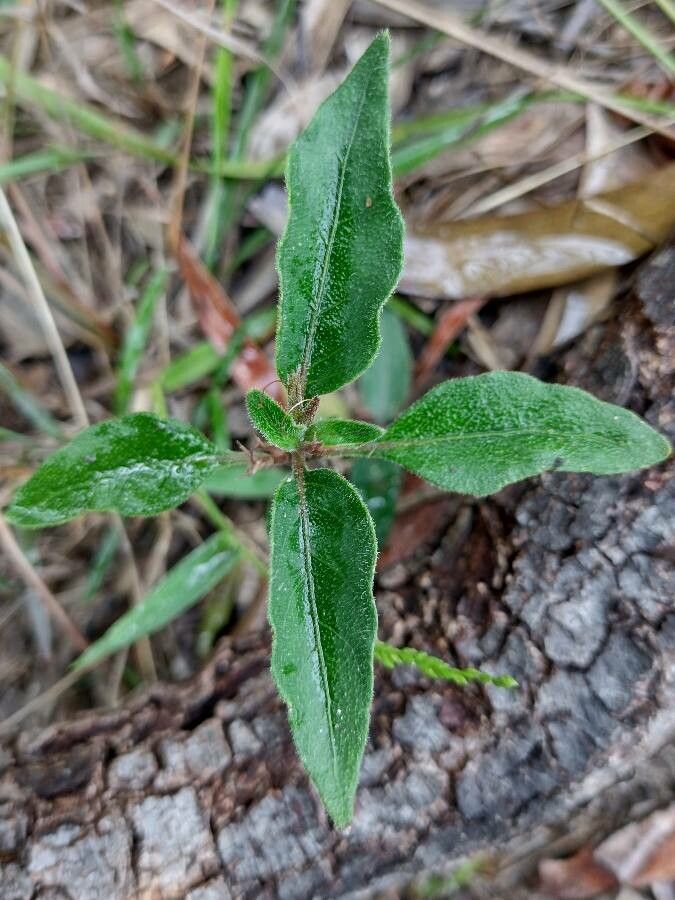
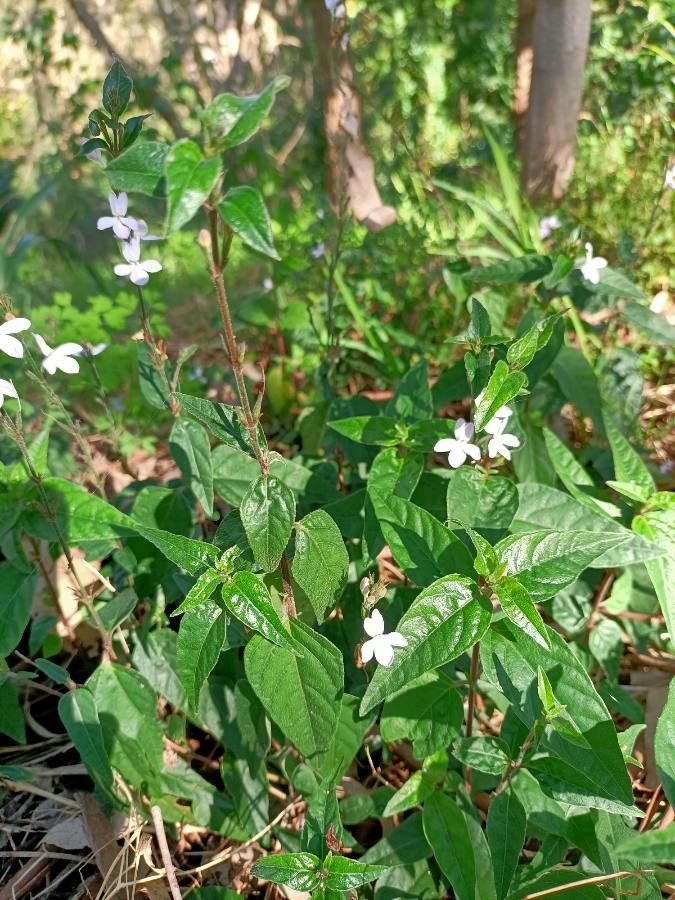
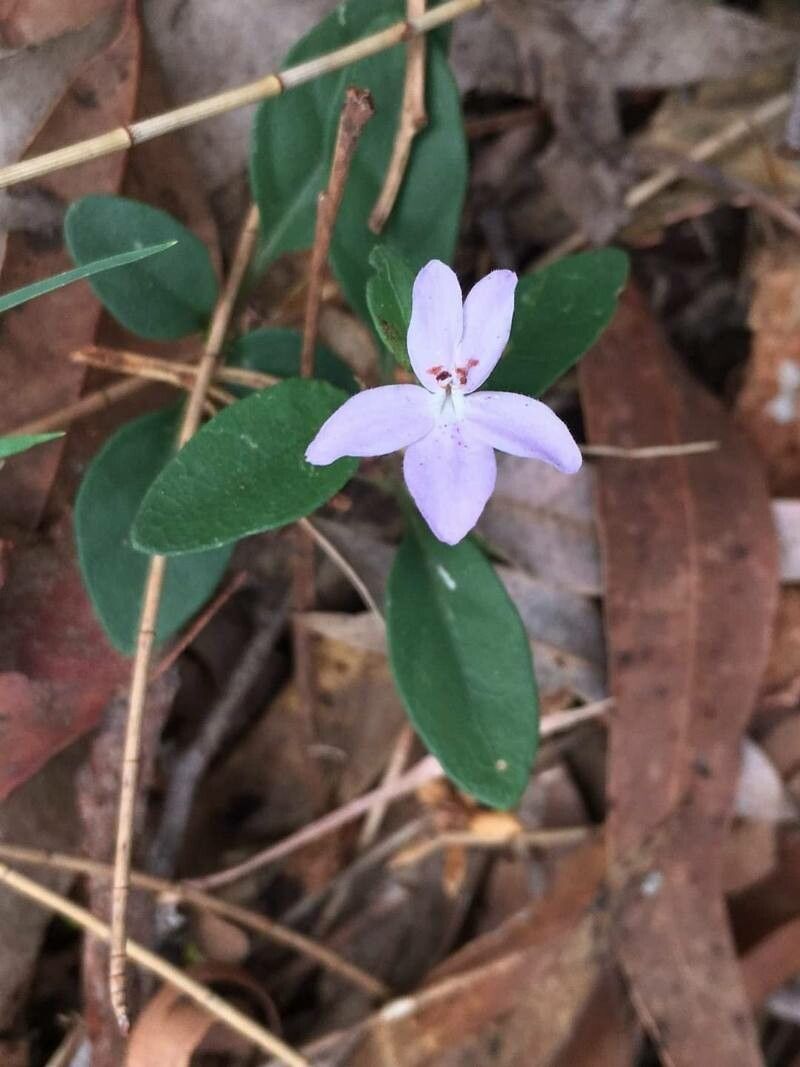
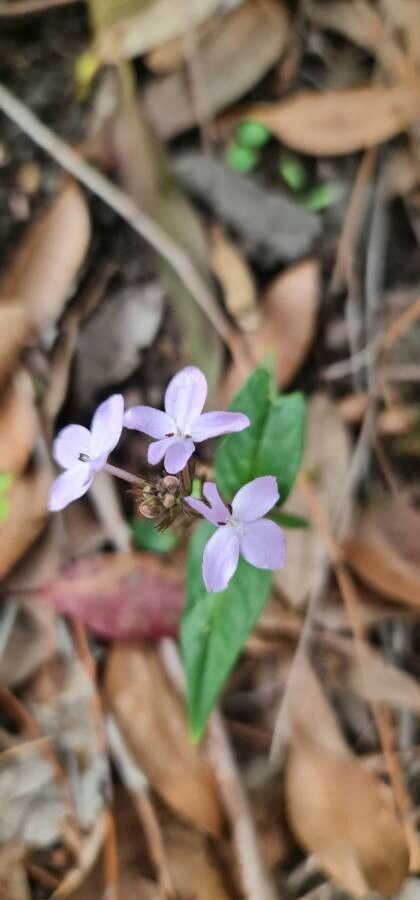
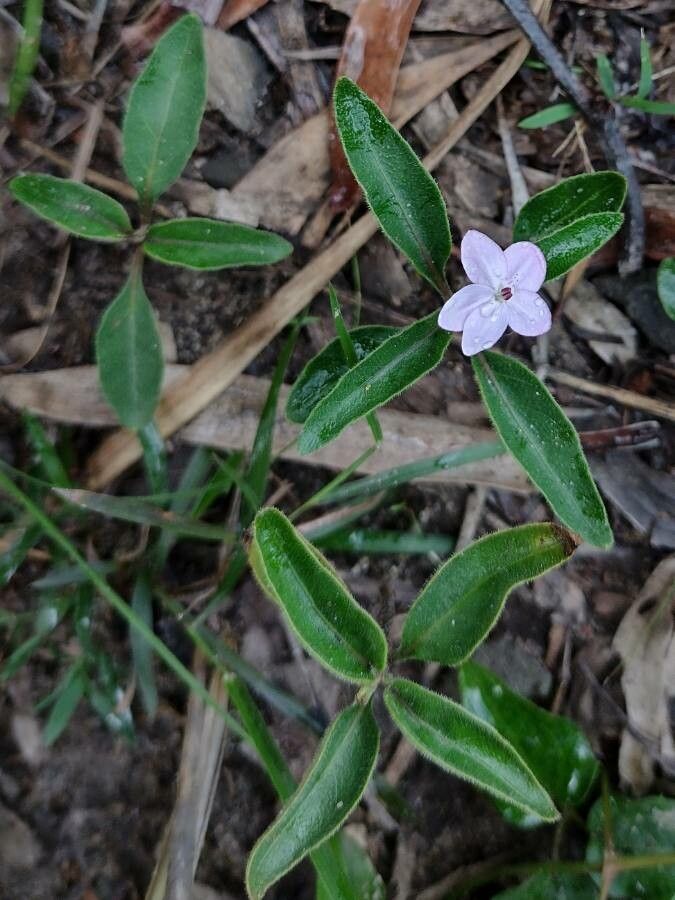
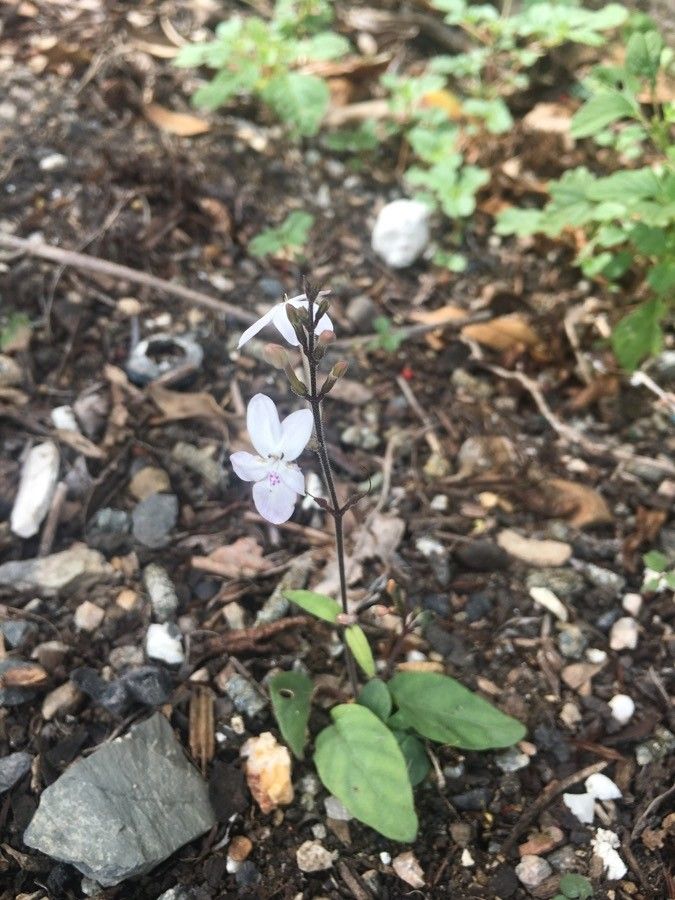
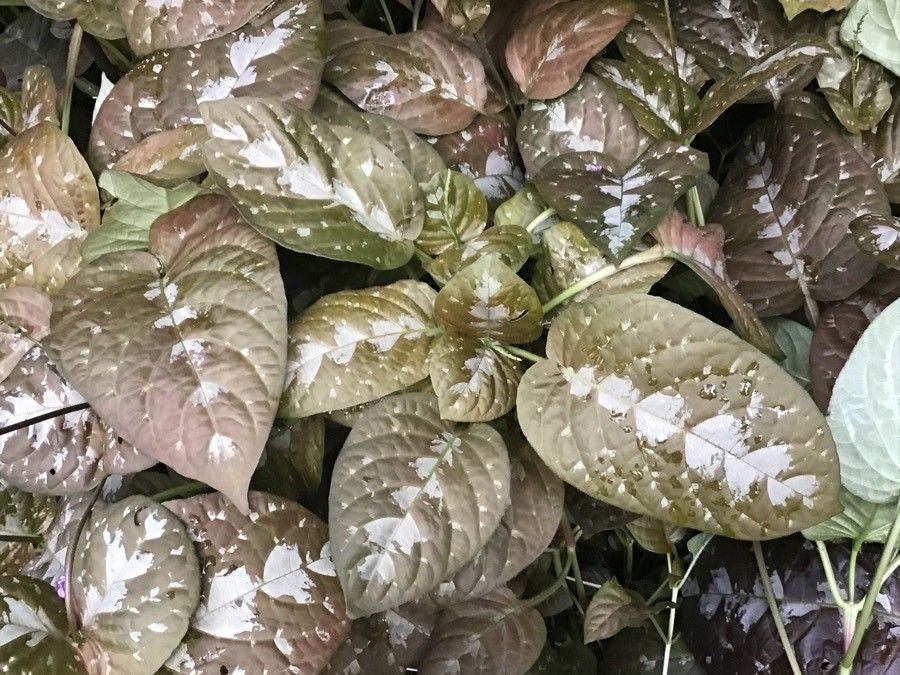
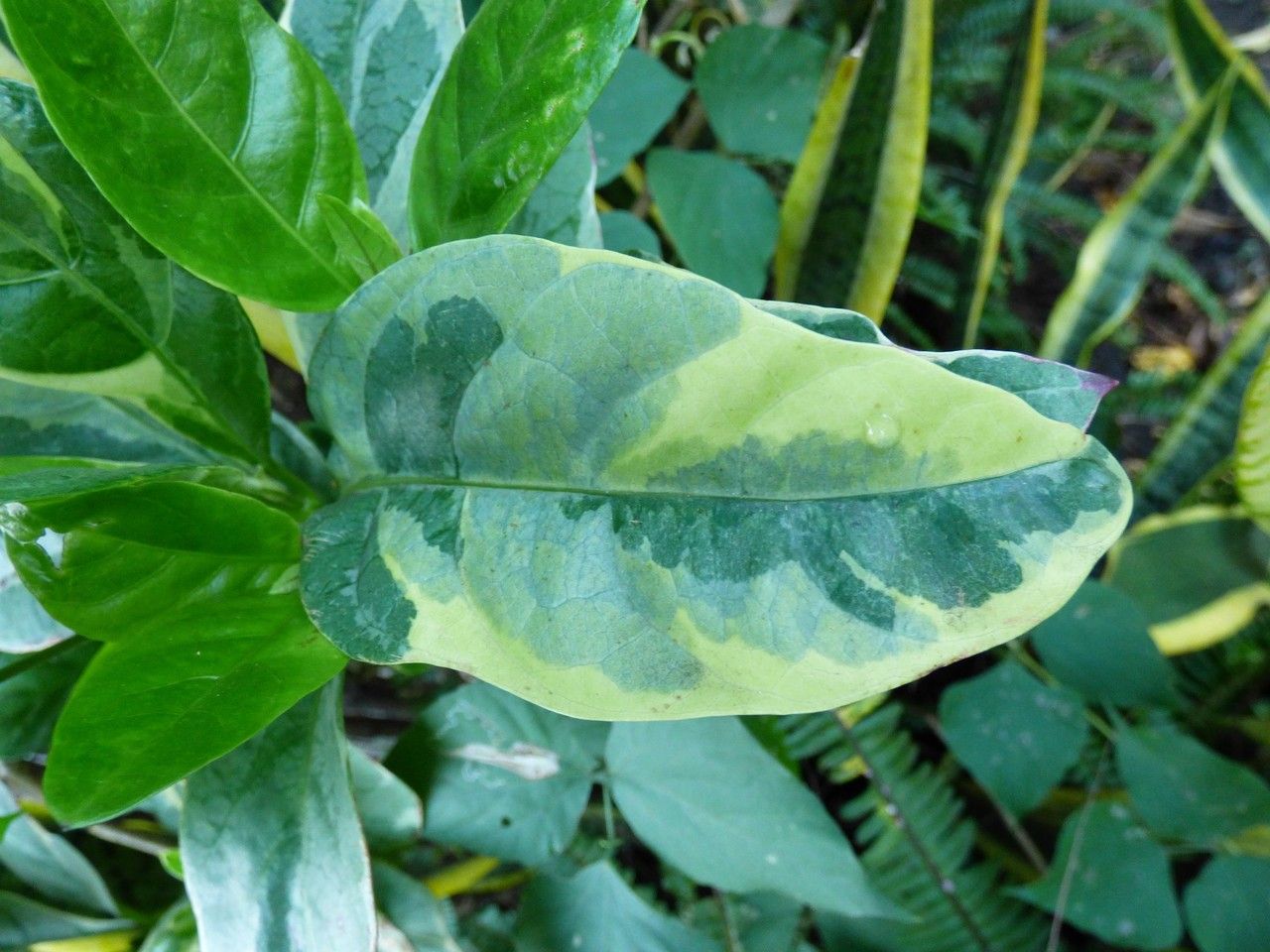
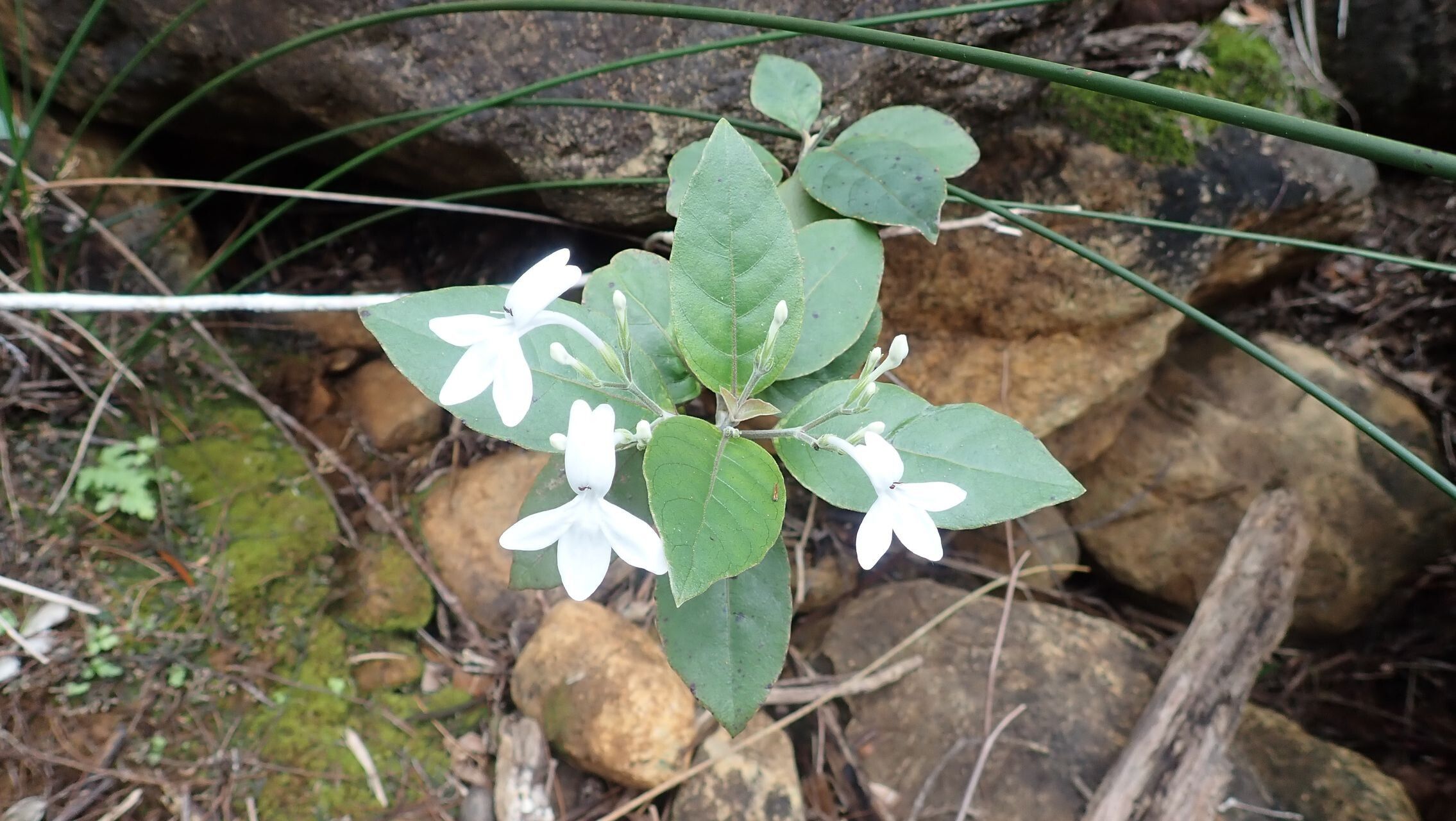
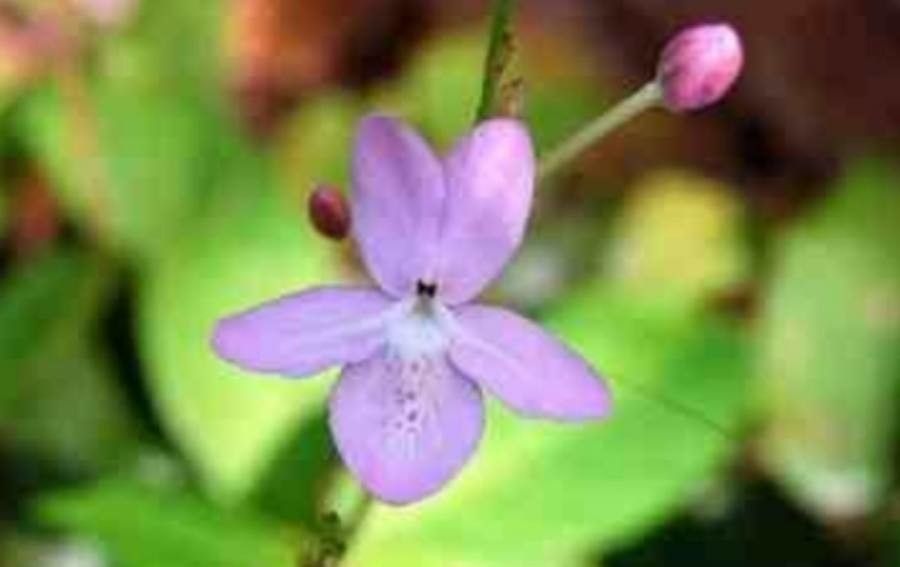
Pseuderanthemum variabile, commonly known as pastel flower or love flower in its native range, or night and afternoon in the USA, is a small perennial herb in the family Acanthaceae which is native to Australia, Papua New Guinea and New Caledonia. It can be an unwelcome nuisance in orchid nurseries in Australia.
Pastel flower is fairly disease-resistant and generally does not easily get sick. However, it can still be affected by pests and diseases present in its environment. Such infections are typically mild. For care, this plant requires moderate maintenance. Regular pruning is necessary to preserve a neat appearance and encourage healthy growth. Fertilizing can also help boost flowering. Pastel flower is suitable for anyone with outdoor space, like a garden or patio, and does not demand extensive care experience. It may need more attention when kept indoors.
How to keep Pseuderanthemum Variabile.
Light
The pastel flower does best with moderate sunlight. While it can cope with very little light, its healthiest growth comes from a mix of sun and shade. Like the environments where it originally grew, it does not need direct sun all day. Excessive sun or insufficient light can impede its development and reduce its vibrancy.
Water
The pastel flower originates from tropical forest understories, where it thrives in consistently moist and humid environments. To keep it healthy, water it weekly, making sure to avoid waterlogging, and mist the leaves regularly to enhance their vitality and support flowering. For optimal growth, aim to maintain evenly moist soil conditions.
Temperature
Pastel flower originates from a climate characterized by consistently temperate conditions. It prefers temperatures between 68 and 100.4 °F (20 and 38 ℃). During seasons when temperatures fall outside this range, adjustments are necessary to maintain its ideal health.
Fertilizer
Appropriate fertilization is essential for the Pastel flower's health and appearance. Fertilize the Pastel flower during summer, repeating once a month throughout the season. Nutrients supply energy for growth and preserve the plant's parts. Fertilization improves the Pastel flower's floral display, ensuring the best blooms.
Pruning
With its vibrant foliage and pastel flowers, the pastel flower benefits from light pruning in early spring or late winter. This timing minimizes stress, encourages fuller growth, and enhances blooms. Be sure to use clean, sharp tools to prevent disease, and maintain a consistent pruning schedule for optimal health and aesthetics.
Botanical profile.
- Plant Type
- Herb
- Life Cycle
- Perennial
- Genus
- Pseuderanthemum
- Family
- Acanthaceae
- Hardiness Zone
- 9-11
- Mature Height
- 30 cm
- Mature Spread
- 40 cm
- Leaf Color
- Green, Gray, Red
- Leaf Type
- Evergreen
- Flower Color
- White, Purple, Blue, Pink, Mauve
- Flower Size
- 1.52 cm
- Bloom Time
- All year round
- Planting Time
- Spring, Summer, Autumn
- Harvest Time
- All year round
Other names.
Reader questions.
How should I water my Pastel flower?
To properly water the Pastel flower, use filtered water at room temperature or slightly warmer. Tap water may contain harmful particles, so it's better to opt for filtered water. The reason for using room temperature water is because the Pastel flower is adapted to a warm environment, and cold water can be a shock to its system. Instead of overhead watering, apply filtered room temperature water directly to the soil until it is fully soaked. This helps moisten the roots and encourages them to spread through the soil and absorb necessary nutrients. Avoiding foliage complications is another reason to skip overhead watering.
What are the sunlight requirements for Pastel flower?
The Pastel flower, also known by its botanical name Pseuderanthemum variabile, thrives best under moderate sun exposure, necessitating about 3-6 hours of sunlight per day. It is adaptable and can tolerate both partial and full sunlight, though it flourishes in environments that mimic its natural habitat, which includes a balance of light and shade throughout the day. When selecting a location for your Pastel flower either in a garden or indoors, it's essential to observe the movement of sunlight to ensure the site offers a mix of light and shade, providing an optimal balance for the plant's growth and wellbeing.
What climate does the Pastel flower thrive in?
The Pastel flower, scientifically known as Pseuderanthemum variabile, thrives in temperate climates, preferring temperatures between 68 to 100.4 °F (20 to 38 °C). It is a heat-loving plant, sensitive to cold temperatures. To ensure its health, maintaining ideal temperature conditions is crucial, especially in seasons when temperatures fall outside its preferred range. During colder months, such as autumn, it is recommended to bring outdoor-grown Pastel flowers indoors, placing them near a bright window but away from direct heat sources to keep the temperature above 20°C. Any exposure to temperatures nearing 0°C can be detrimental to the plant.
What do I need to do if I give my Pastel flower too much water or too little water?
Both overwatering and underwatering can harm the health of your Pastel flower, but overwatering is more common. When this plant gets too much water, its stems and leaves may wilt and turn yellow. Overwatering for a long time can also lead to diseases like root rot, mold, and mildew, which can kill the plant. Underwatering is less likely for the Pastel flower because it can tolerate drought. However, underwatering is still possible, and you may notice the leaves becoming brittle and brown. It's important to recognize signs of overwatering early when taking care of your Pastel flower. Some of the diseases caused by overwatering, such as root rot, may not be fixable if you wait too long. If you see early signs of overwatering, reduce your watering schedule immediately. Also, check the quality of the soil where your Pastel flower grows. If it drains poorly, replace it with a loose, well-draining potting mix. On the other hand, if you see signs of underwatering, simply water more regularly until the signs go away.
How can artificial lighting be used for Pastel flower indoor growth?
For indoor Pastel flower plants, artificial lighting serves as a crucial substitute when natural sunlight is insufficient, especially in winter or less sunny spaces. LED lights are recommended due to their ability to be customized according to specific light wavelength needs of plants. Depending on the plant type, the required intensity of artificial light varies: full sun plants need 30-50W per square foot, partial sun plants 20-30W per square foot, and full shade plants 10-20W per square foot. The ideal placement of these lights should be 12-36 inches above the plant to best mimic natural sunlight, running for 8-12 hours daily to match natural daylight hours and promote healthy growth.
How does low temperature affect the Pastel flower, and what are the solutions?
Pastel flowers prefer warm environments and struggle with low temperatures, thriving best above 20°C. Throughout winter, keeping temperatures above 0°C is crucial to prevent damage. Exposure to temperatures below -5°C can cause the leaves to lighten in color, which is a precursor to more severe damage such as browning or blackening of the leaves, alongside wilting and drooping. To mitigate frost damage, it's advisable to trim off affected parts of the plant and move it to a warmer indoor setting promptly. Placing the plant near a south-facing window can ensure adequate sunlight without the risks that come with proximity to heaters or air conditioning vents, which could reduce air moisture.
How often do I need to water my Pastel flower?
If your plant is in a pot, the easiest way to determine if your Pastel flower needs water is to check the soil by sticking your finger into it. If the top two to three inches of soil feel dry, it's time to water the plant. If you grow your Pastel flower outdoors in the ground, you can use the same method to check the soil. If the top few inches of soil have dried out, it's time to water. In the spring and early fall, you'll likely need to water this plant about once a week using this method. During hot weather, you may need to water it twice or more per week. However, mature and well-established Pastel flowers have a remarkable ability to withstand drought.
What are the symptoms of insufficient light for Pastel flower?
A Pastel flower exposed to inadequate light may exhibit several symptoms indicating its struggle. New leaves could appear smaller than those previously matured, showcasing a deficiency in growth. The plant might also experience leggy or sparse growth, characterized by long spaces between leaves or stems, leading to a stretched-out and weak appearance. Faster leaf drop is another sign, where older leaves are shed prematurely to conserve resources for new growth. Additionally, the plant may exhibit slower or halted new growth, lighter-colored new leaves due to insufficient sunlight, and chlorosis, where leaves lose their green hue, turning yellow. Symptoms related to excessive sunlight include leaf curling, wilting, leaf scorching, and sunscald, all of which negatively impact the plant's health.
What steps should be taken when the Pastel flower is exposed to high temperatures?
During the summer, it's important to keep the Pastel flower's exposure below 38°C to prevent heat stress. Should temperatures soar above 43°C, the plant's leaves may lighten, indicating an increased risk of sunburn. To help the plant recover from sunburn, trim away the sun-damaged areas and relocate the plant to a spot where it can be shielded from the intense midday and afternoon sun. Ensuring the soil remains moist through morning and evening watering can also mitigate the adverse effects of high temperatures.
How much water does my Pastel flower require?
When watering your Pastel flower, make sure you give it an adequate amount of water. When the top two to three inches of soil are dry, it's a good time to water thoroughly. Ensure that you water enough to completely soak the soil, causing excess water to drain out of the pot through the drainage holes. If you don't see excess water draining, you might not be providing enough water. However, be cautious not to let water accumulate in the soil, as this can be harmful to the plant. If water doesn't drain well from the pot, it could be due to poorly draining soils, which is not good for the plant's health. If the plant is outside, one inch of rain per week should be enough.
What solutions can improve Pastel flower's light conditions?
Improving light conditions for a Pastel flower can be managed through strategic placement and the use of artificial lighting. Indoors, gradually moving the plant to sunnier spots each week until it receives 3-6 hours of sunlight daily can help, as well as employing desk lamps or professional grow lights for at least 8 hours daily to supplement natural light. Outdoors, it's crucial to avoid sudden changes in light conditions, instead gradually transitioning the plant to more sun-exposed areas weekly. Reducing obstructions like pruning surrounding foliage can increase sunlight access. For smaller, manageable plants, consider transplanting during their dormant period to a location with better sunlight and drainage. While parts of the plant affected by previous light conditions may not recover, new growth will be healthy and vibrant following these adjustments.
How do I water my Pastel flower as it grows?
The water needs of the Pastel flower vary depending on its growth stages. In the first few years or after transplanting to a new location, it requires more water because it focuses on developing new roots to support future growth. These new roots perform better with slightly more moisture. As the flower matures, it requires less water. Additionally, during the bloom period, when the flowers are developing, it may need more water to sustain their growth.