Pseudelephantopus spicatus, commonly known as False Elephant's Foot or Elephant's Foot, is a perennial herbaceous plant in the Asteraceae family. Native to South America, it thrives in countries such as Brazil, Argentina, and Paraguay.
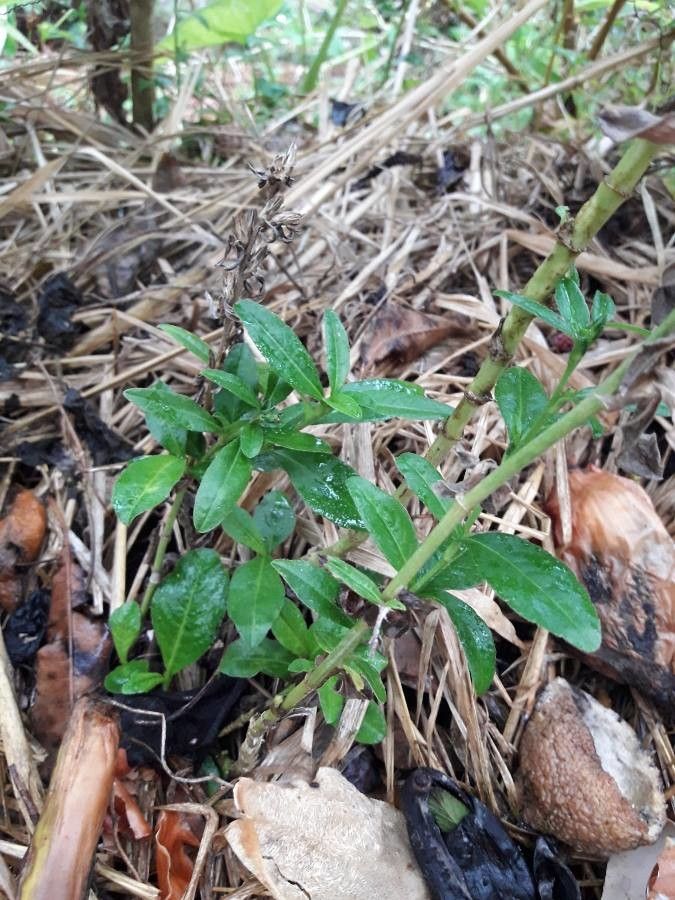
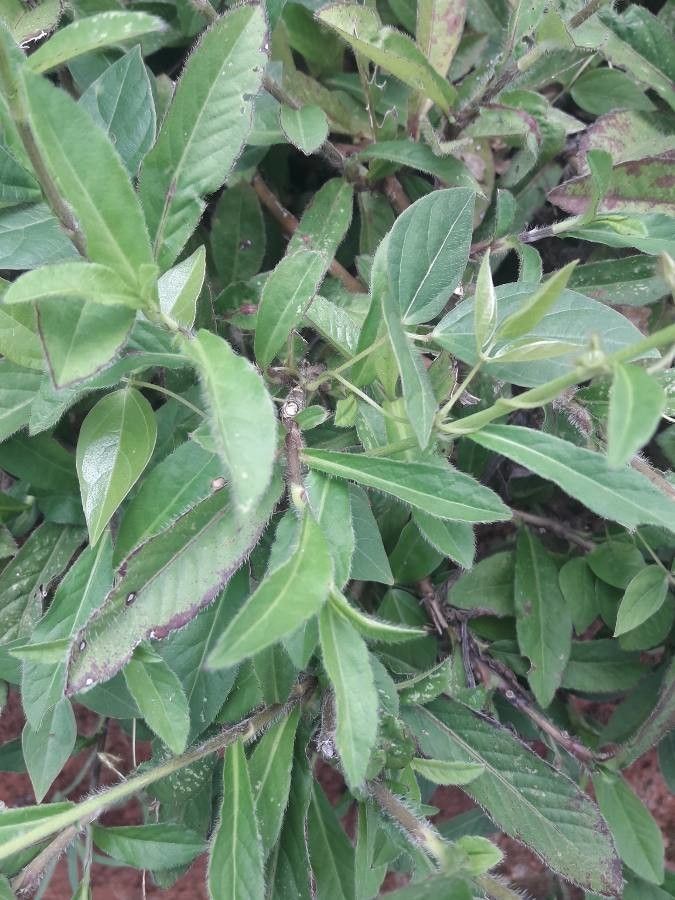
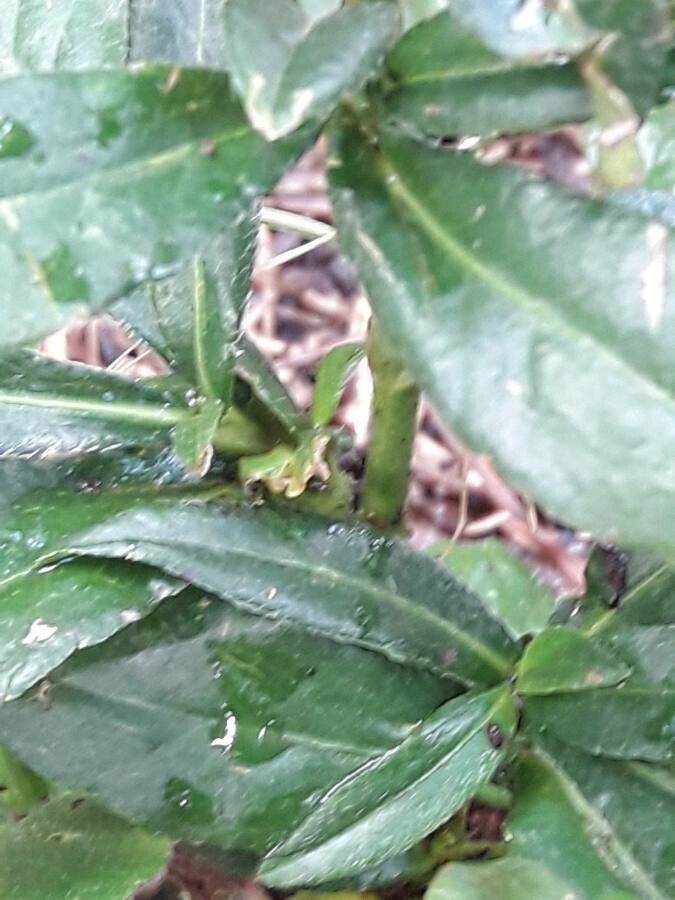
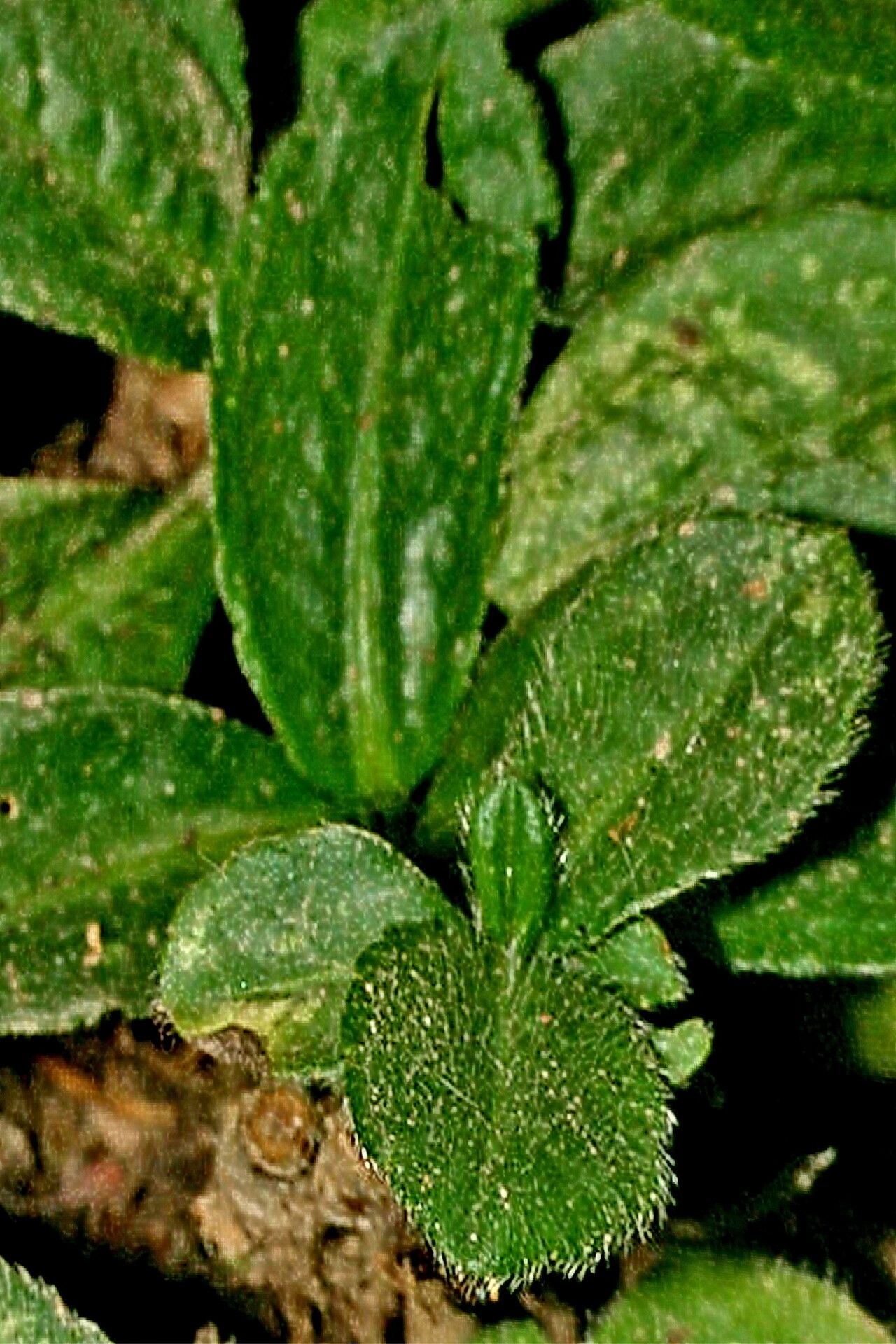
This plant features a woody stem that can grow up to 1 meter in height. Its leaves are simple, alternate, and have serrated edges, displaying a dark green color with prominent veins.
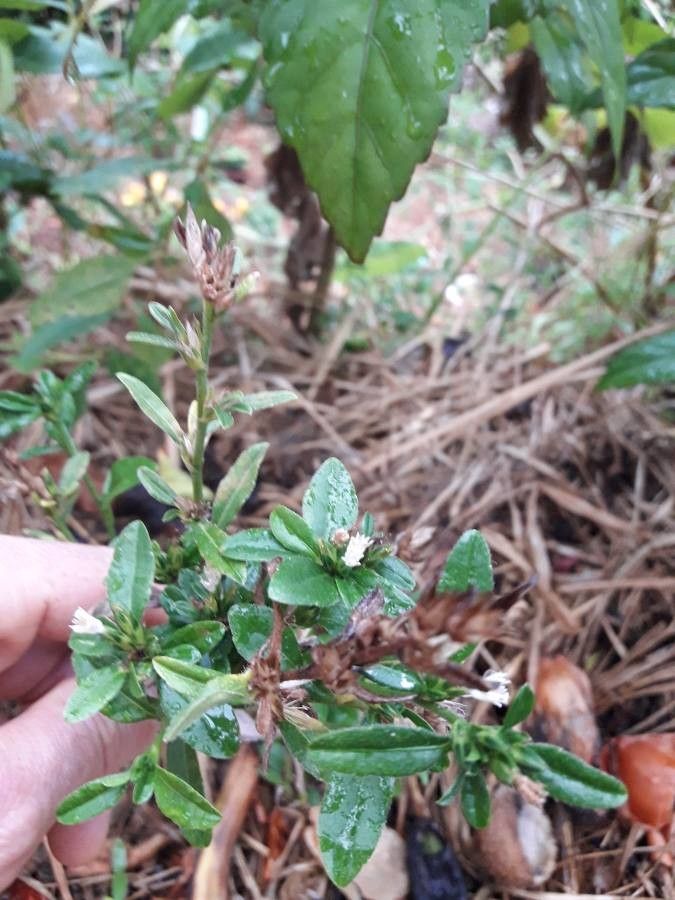
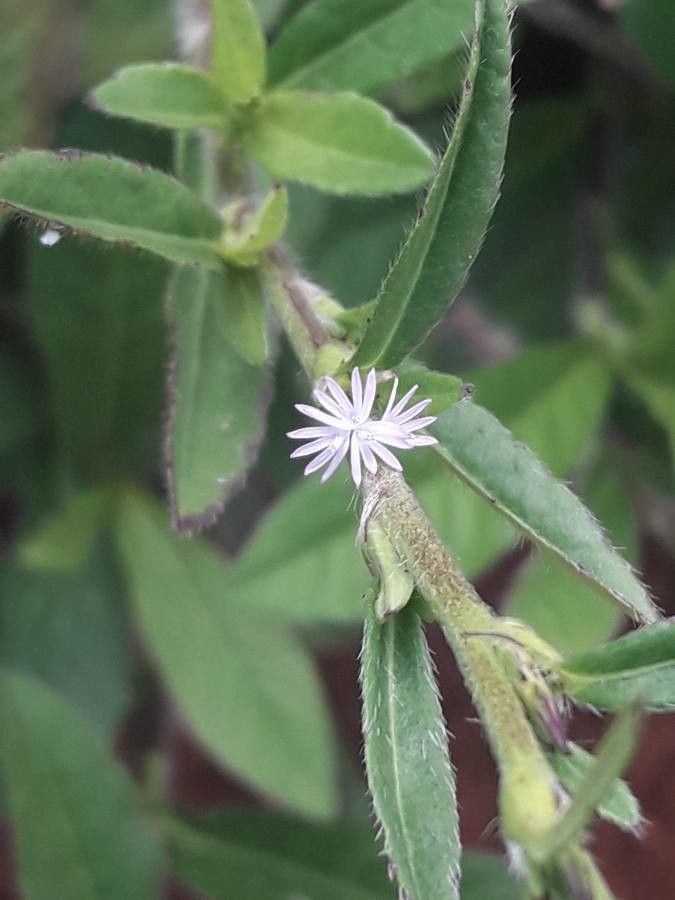
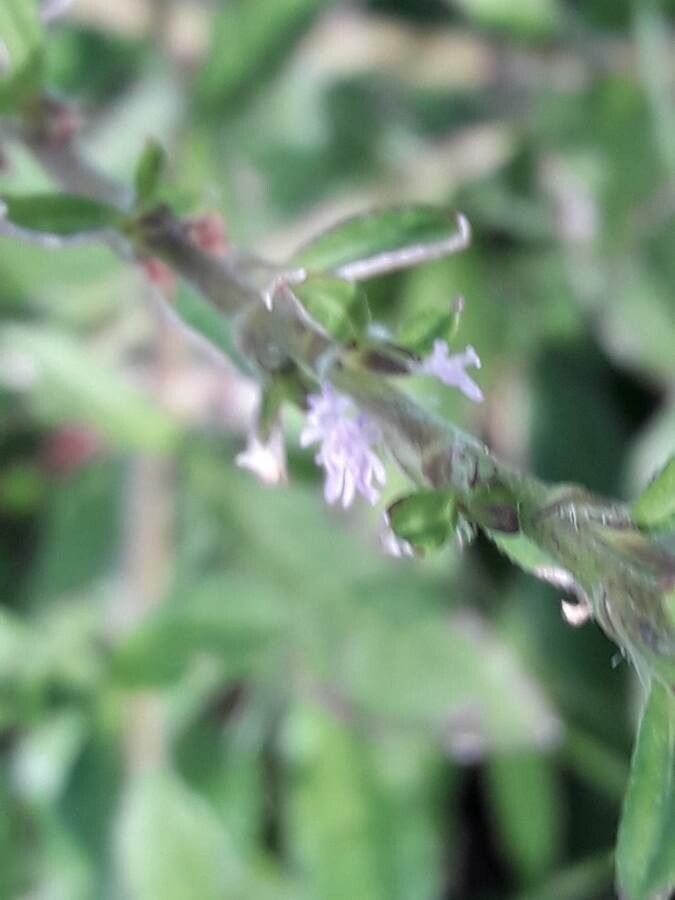
The flowers of Pseudelephantopus spicatus are small and either white or pinkish-white, with yellow centers. They bloom from late summer through fall on long stalks that emerge from the leaf axils.
Indigenous people have used this plant for medicinal purposes for centuries, thanks to its anti-inflammatory properties. It is effective for treating conditions like arthritis, rheumatism, fever, and respiratory problems.
Pseudelephantopus spicatus prefers well-drained soil with full sun exposure but can also tolerate partial shade. While it is drought-tolerant once established, it requires regular watering during its initial growth period.
Overall, Pseudelephantopus spicatus is not only an attractive ornamental plant but also offers medicinal benefits, making it a valuable addition to any garden or landscape design project.
Dog's-tongue has good disease resistance and is generally not prone to illnesses. However, it can be susceptible to pests and diseases present in its surroundings. These infections are usually mild. In terms of care, the plant requires moderate maintenance. It should be pruned regularly to preserve a good appearance and promote healthy growth. Fertilizing can also help encourage flowering. Dog's-tongue is suitable for anyone with outdoor space, such as a garden or patio, and does not demand extensive care experience. It may need more attention when grown indoors.
How to keep Pseudelephantopus Spicatus.
Light
Dog's-tongue is native to habitats like forest understories or rocky sites that offer natural shade. It prefers partial sun but tolerates both full sun and full shade, reflecting its hardy, versatile nature.
Water
Dog's-tongue thrives in tropical conditions that offer high humidity and consistent rainfall. To mimic its natural habitat, it needs to be watered weekly. As an evergreen plant, dog's-tongue retains its leaves all year round, which allows it to absorb and store water during drier periods.
Temperature
Dog's-tongue comes from tropical areas, where the climate is usually warm and humid. As a result, it is well-suited to high temperatures and humidity. It does not tolerate sudden temperature shifts and prefers a stable temperature setting, so it's important to prevent temperature fluctuations indoors. It generally cannot withstand cold and needs warmer conditions for growth. If the ambient temperature falls too low, the plant may stop growing or even die.
Fertilizer
Dog's-tongue needs the greatest amount of fertilizer during its active growing period, which takes place mainly in spring, summer, and early fall. Fertilizing supplies essential nutrients that the soil may lack, encouraging healthy root and stem growth and enhancing attractive foliage, which is a key feature of this plant.
Pruning
Dog's-tongue has lance-shaped leaves and dense clusters of flowers. To encourage healthy growth, prune the plant from early to late spring. This not only removes dead or diseased parts but also thins out crowded areas to improve air circulation. Regular pruning leads to healthier growth and makes the plant less susceptible to pests and diseases.
Botanical profile.
- Plant Type
- Herb
- Life Cycle
- Perennial
- Genus
- Pseudelephantopus
- Family
- Asteraceae
- Hardiness Zone
- 9-11
- Mature Height
- 40 cm to 91 cm
- Mature Spread
- 20 cm to 40 cm
- Leaf Color
- Green
- Leaf Type
- Evergreen
- Flower Color
- White
- Flower Size
- 1.52 cm
- Bloom Time
- Summer, Early fall, Mid fall
- Planting Time
- Spring, Summer, Autumn
- Harvest Time
- Late summer, Fall, Early winter
- Native Area
- Belize, Honduras, Mexico, Guatemala, Peru, Trinidad and Tobago, Panama, Jamaica, Colombia, Haiti, Venezuela, Guyana, El Salvador, Nicaragua, Suriname, Costa Rica
Other names.