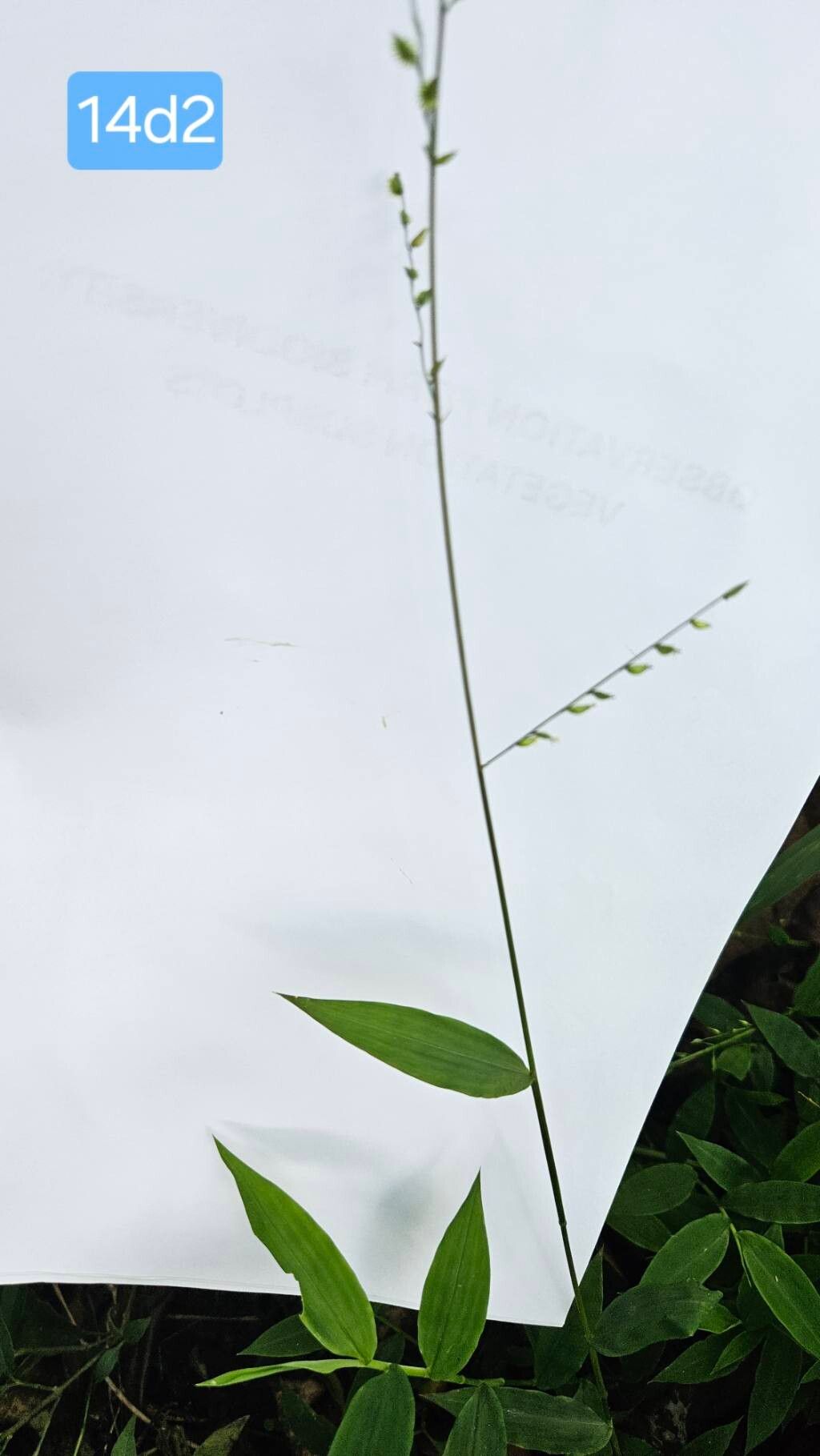
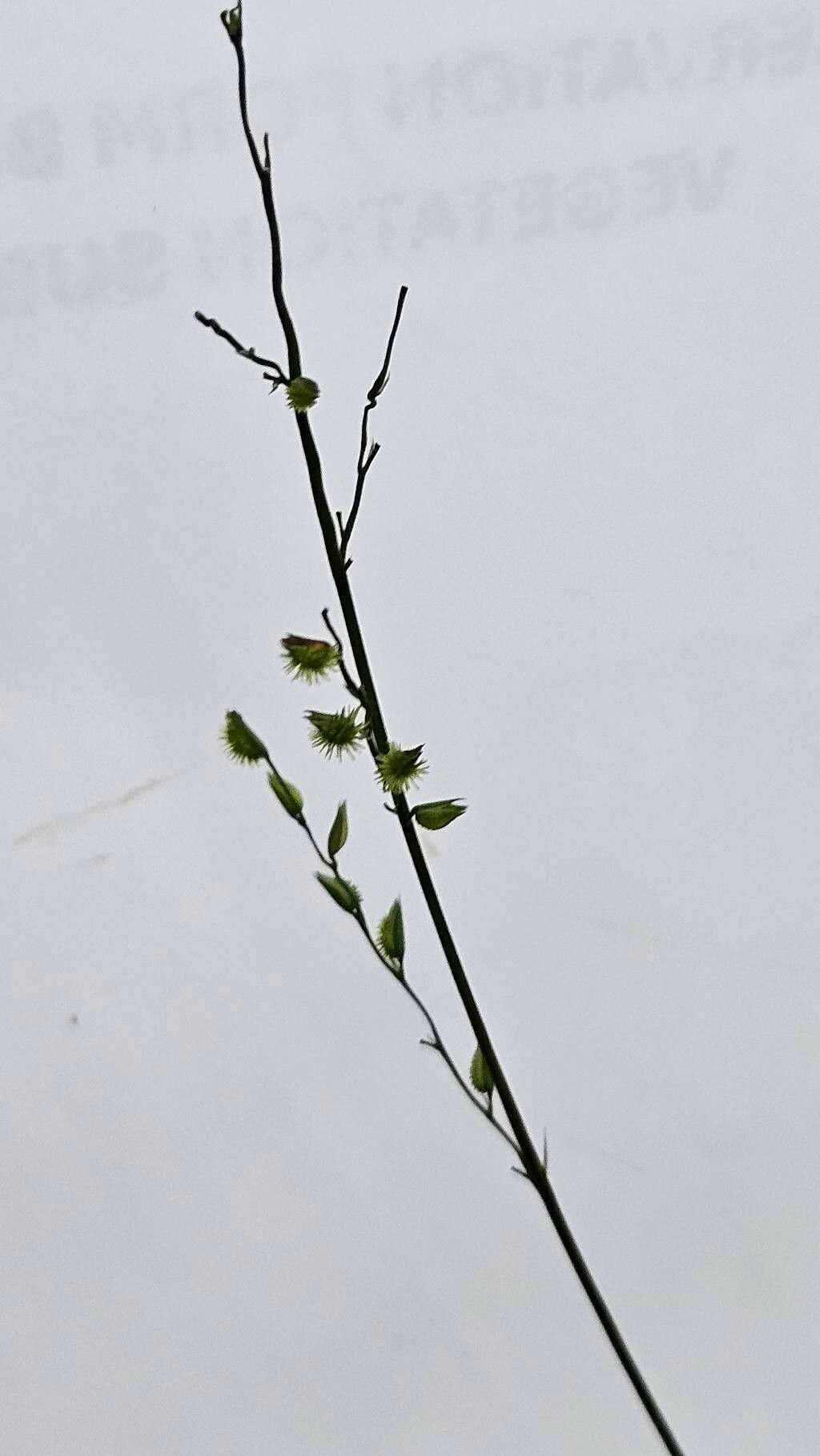
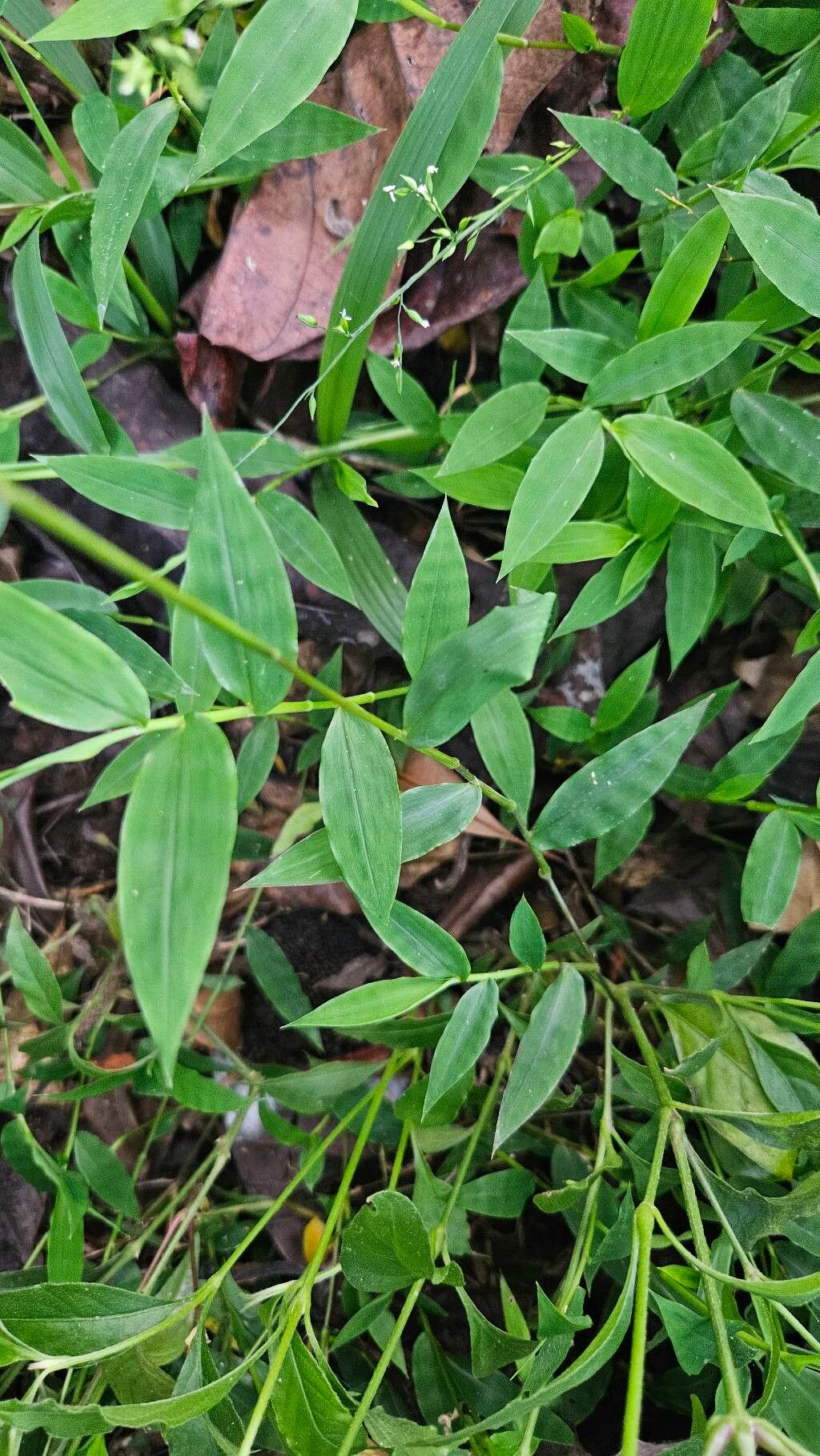
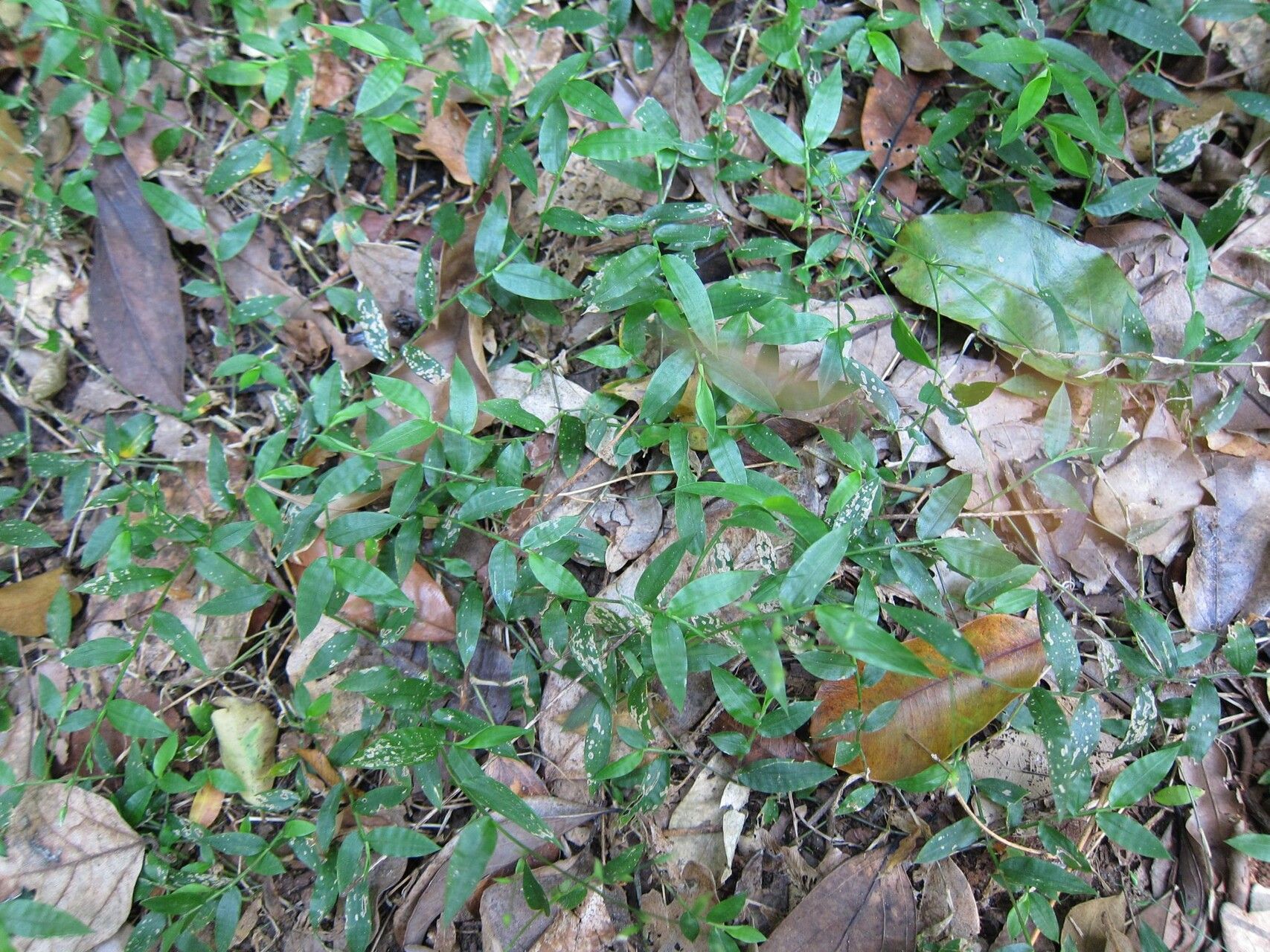
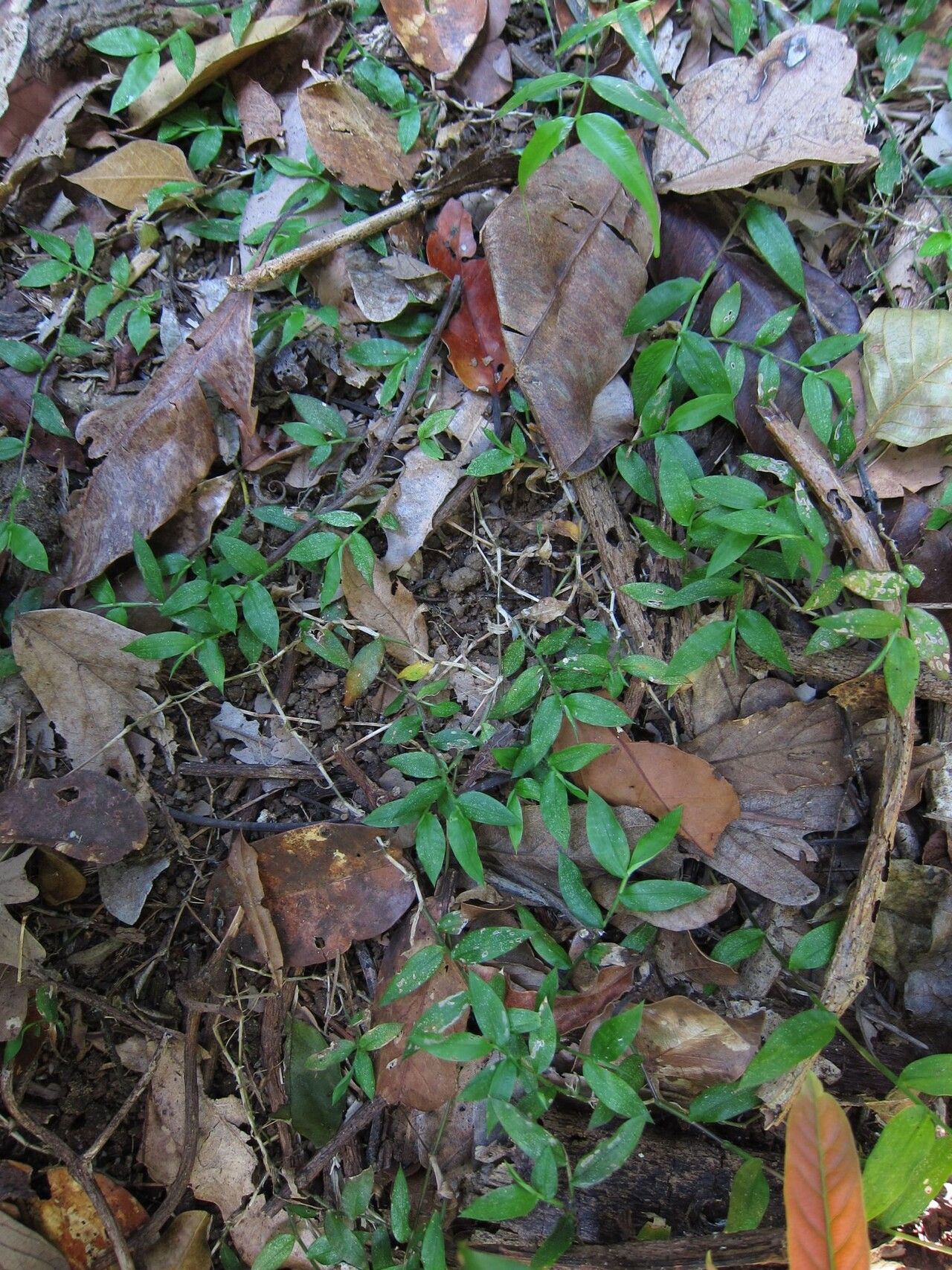
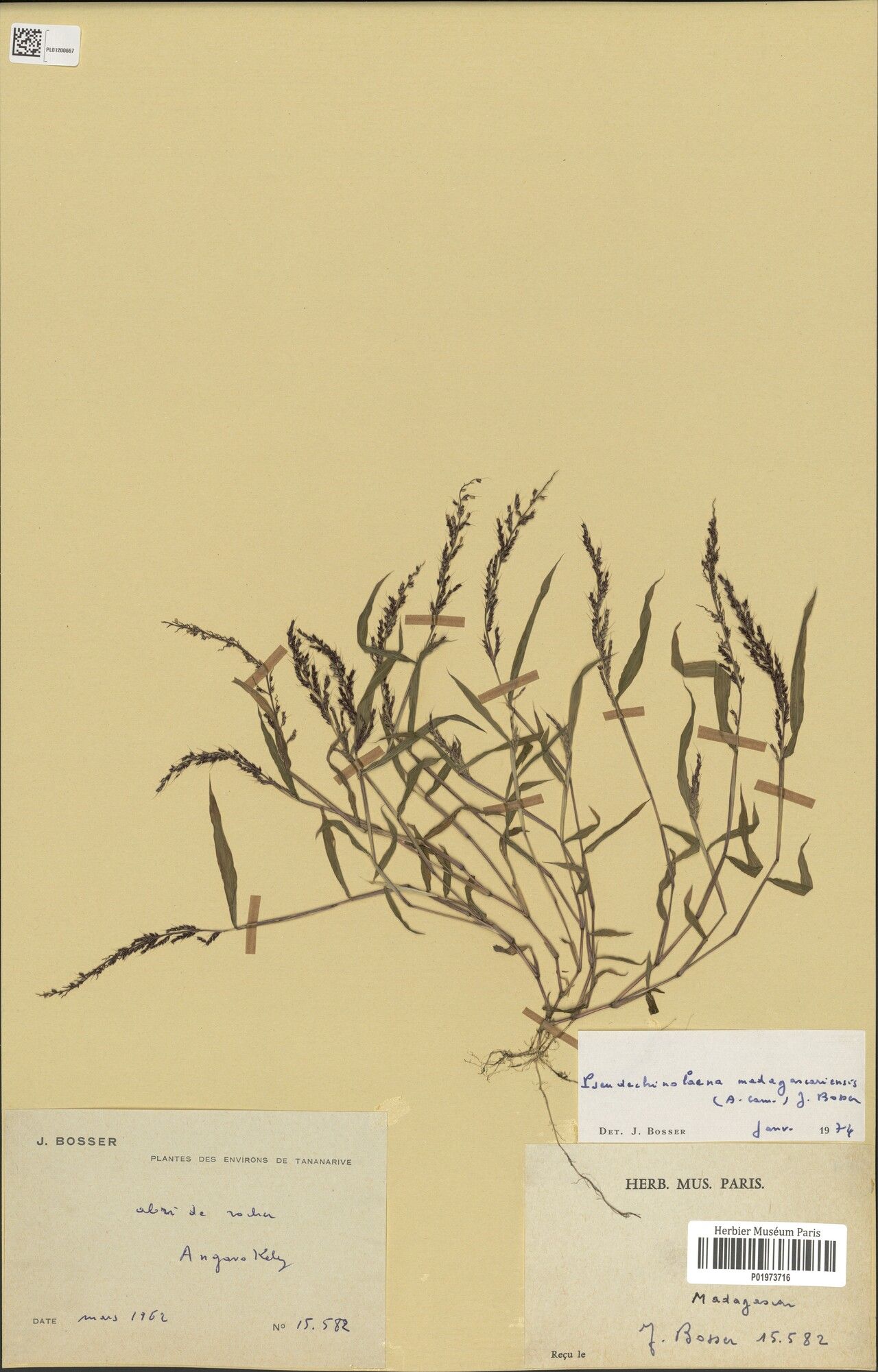
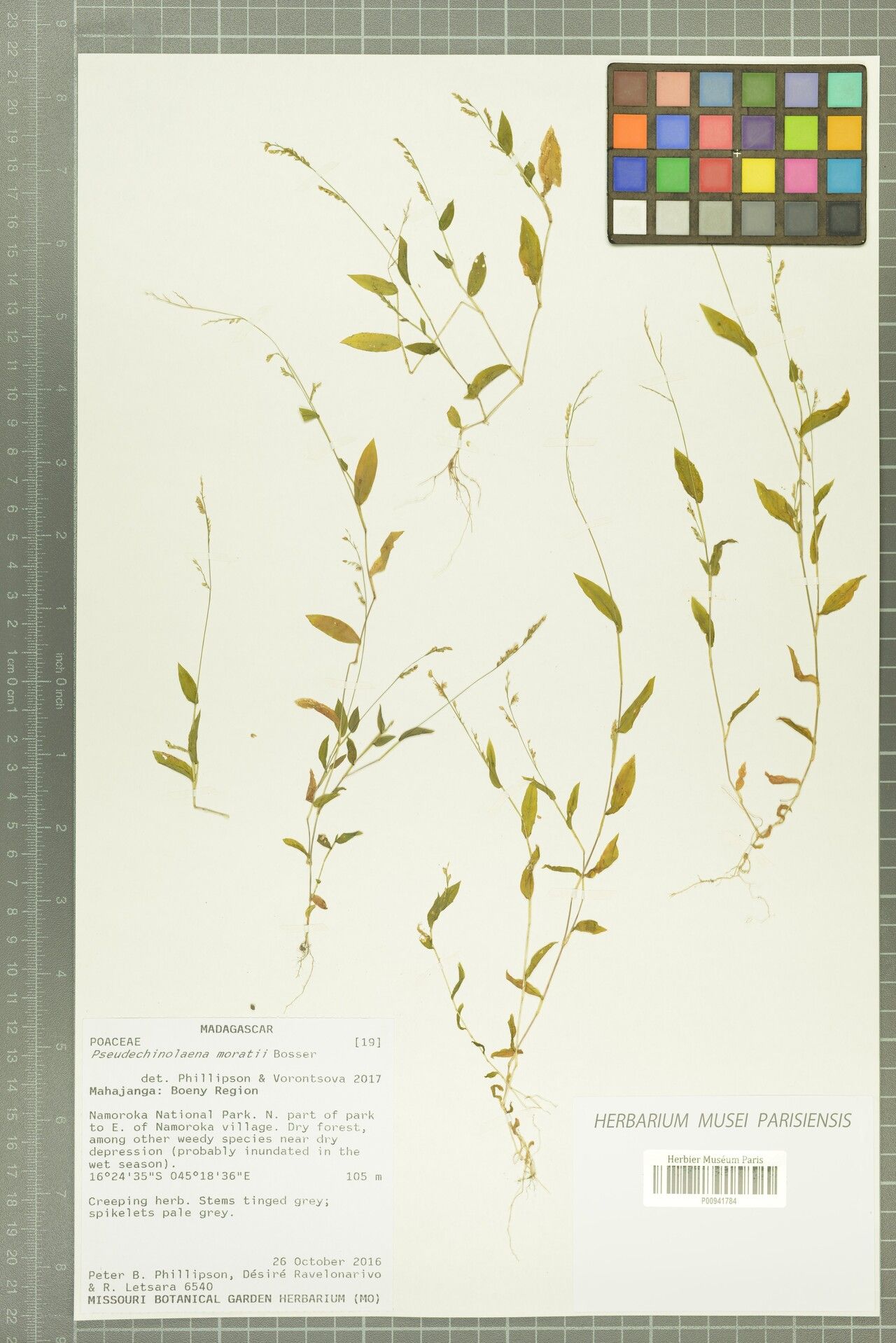
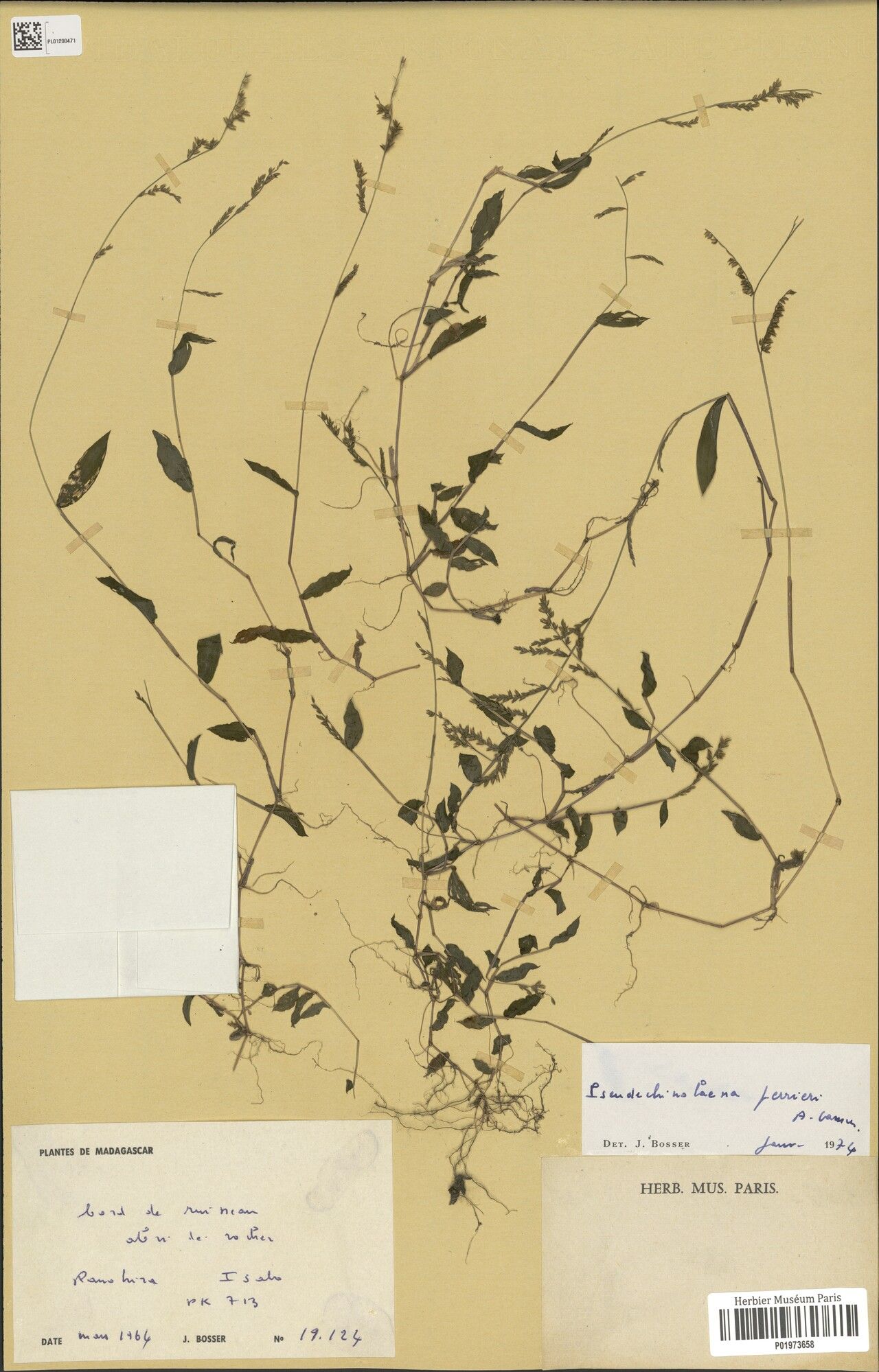
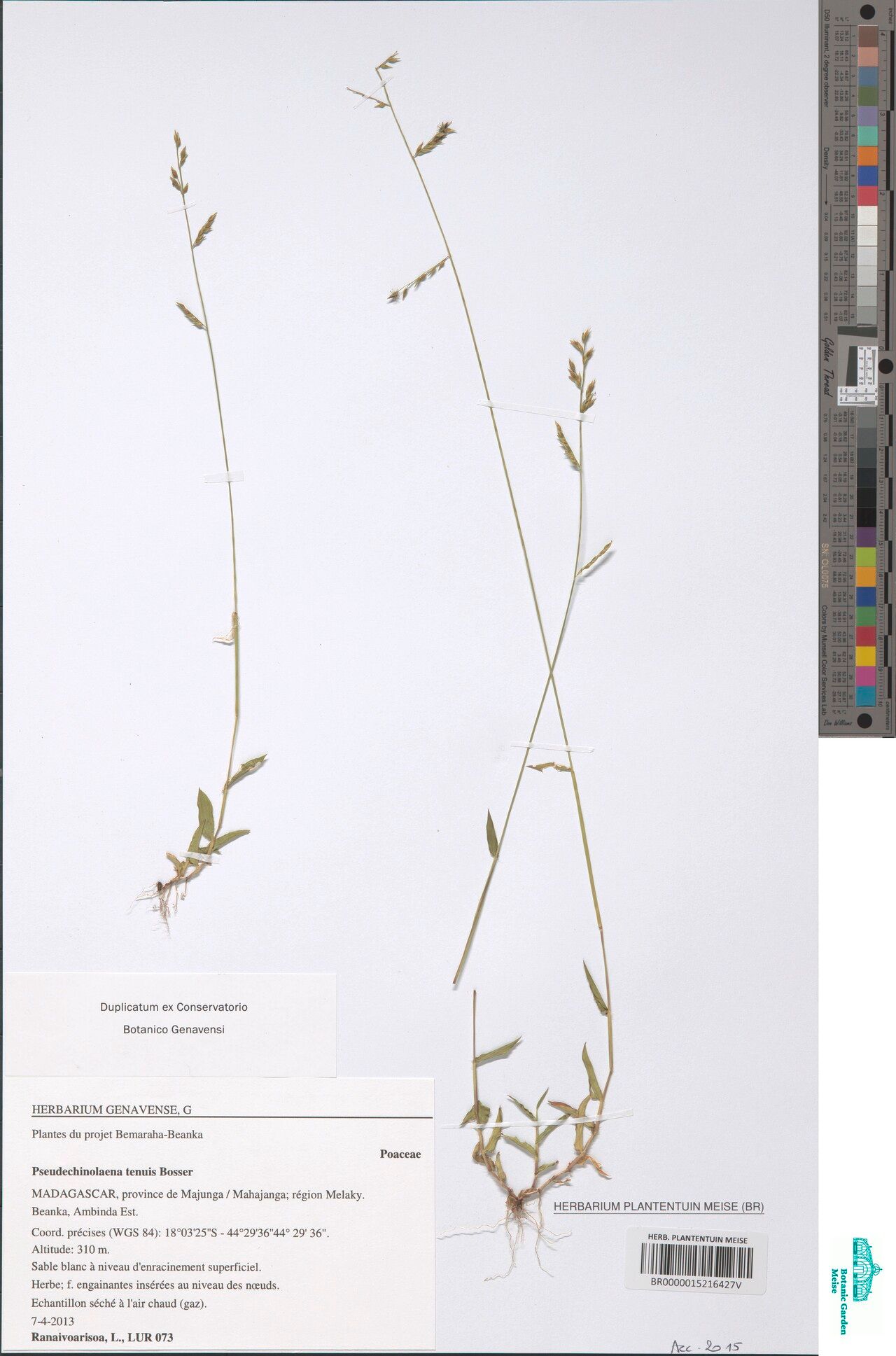
Pseudechinolaena polystachya has strong disease resistance and is generally not prone to illnesses. Nevertheless, it can be vulnerable to pests and diseases present in its surroundings. Such infections are typically not serious. Regarding care, this plant needs a moderate level of maintenance. It should be pruned regularly to preserve a neat appearance and support healthy growth. Fertilizing can also aid in encouraging flowering. Pseudechinolaena polystachya is appropriate for anyone with outdoor space, like a garden or patio, and does not demand extensive care experience. It may need more attention when cultivated indoors.
How to keep Pseudechinolaena Polystachya.
Light
Pseudechinolaena polystachya is native to well-lit, open habitats where it flourishes under full sun exposure. While it can withstand semi-shaded conditions, it has a preference for direct sunlight for its growth at its best. This plant, which follows an annual or biennial cycle, is recognized for its affinity for sunlight.
Temperature
Pseudechinolaena polystachya is a product of tropical areas where the weather is predominantly hot and moist. Consequently, it has evolved to thrive in conditions of high heat and humidity. The plant does not favor abrupt changes in temperature and thrives best in a constant thermal setting, so indoor temperature swings should be avoided. It typically does not withstand low temperatures and needs warmer conditions to grow. If the surrounding temperature falls excessively, the plant's growth may halt or it may even perish.
Fertilizer
Regular, mild applications of fertilizer are beneficial for the healthy development of leaves in Pseudechinolaena polystachya. During the summer season, Pseudechinolaena polystachya should be given fertilizers approximately once per month. Nitrogen plays a vital part in leaf growth, and through the provision of nitrogen-rich supplements, Pseudechinolaena polystachya can flourish.
Botanical profile.
- Plant Type
- Herb
- Life Cycle
- Annual
- Genus
- Pseudechinolaena
- Family
- Poaceae
- Hardiness Zone
- 9-11
- Mature Height
- 40 cm to 76 cm
- Mature Spread
- 20 cm to 40 cm
- Leaf Color
- Light Green, Dark Green
- Leaf Type
- Evergreen
- Flower Color
- White, Green
- Flower Size
- 0.25 cm
- Bloom Time
- Summer, Early fall, Mid fall
- Planting Time
- Spring, Summer
- Harvest Time
- Late summer, Fall, Early winter
- Native Area
- Sri Lanka, India, Angola, Mexico, Guatemala, Madagascar, Rwanda, Nigeria, Kenya, Uganda, Tanzania, Zimbabwe, Uruguay, Paraguay, Sierra Leone, Indonesia, Argentina, Cameroon, Liberia, Mozambique, Venezuela, Burundi, Brazil, Ghana, Ethiopia, Congo, Nepal, Malawi, Central African Republic, Honduras, Peru, South Africa, Zambia, Sudan, Bangladesh, Guinea, China, Colombia, Bolivia, Vietnam, Togo, Guyana, Nicaragua, Côte d'Ivoire, Ecuador, Costa Rica, Thailand, Gabon
Other names.