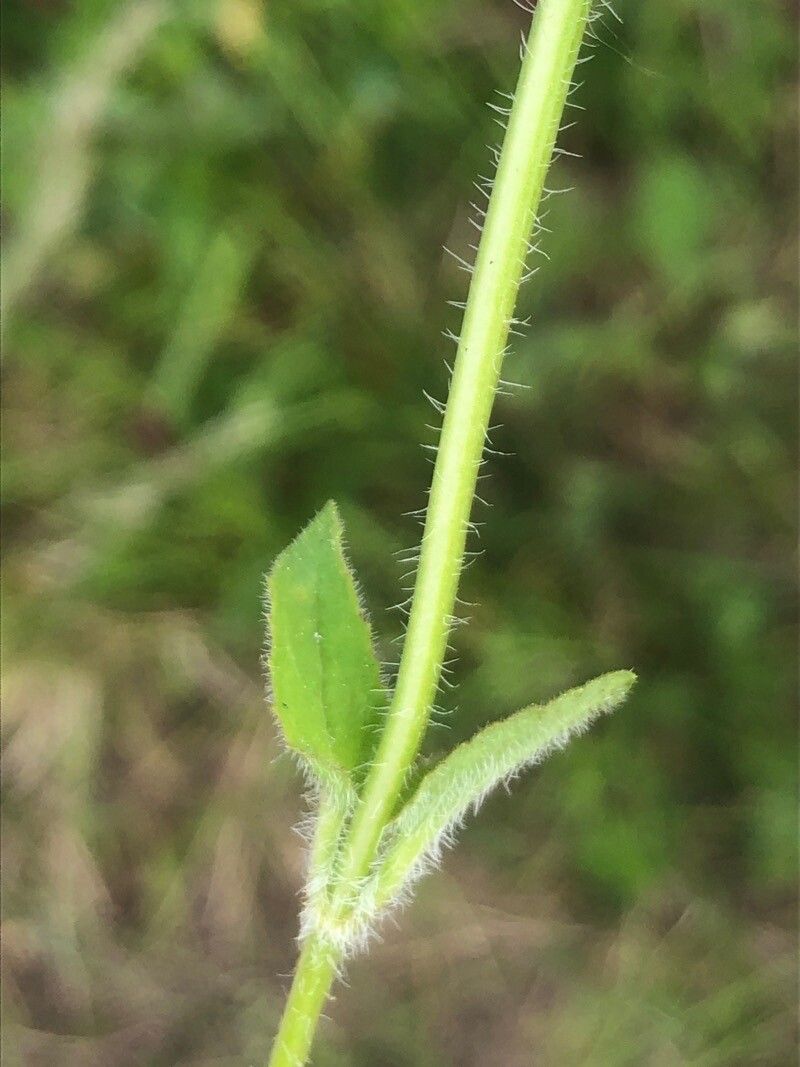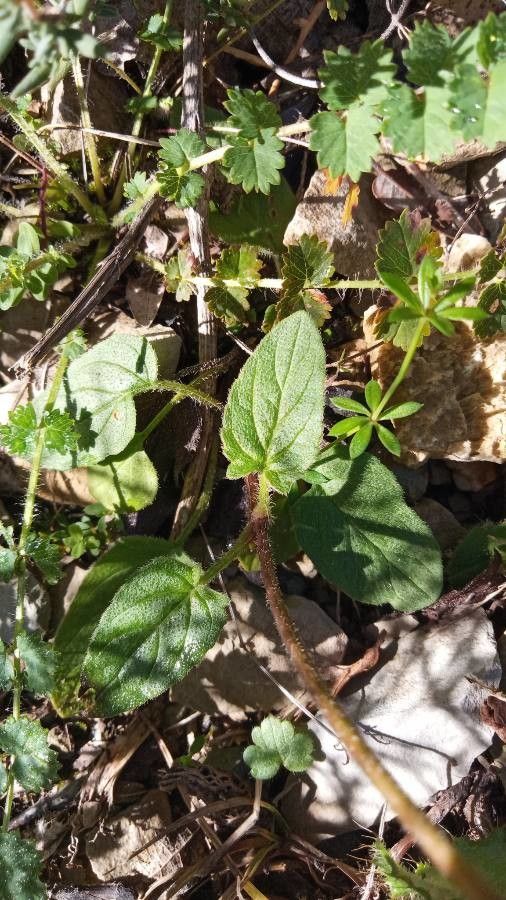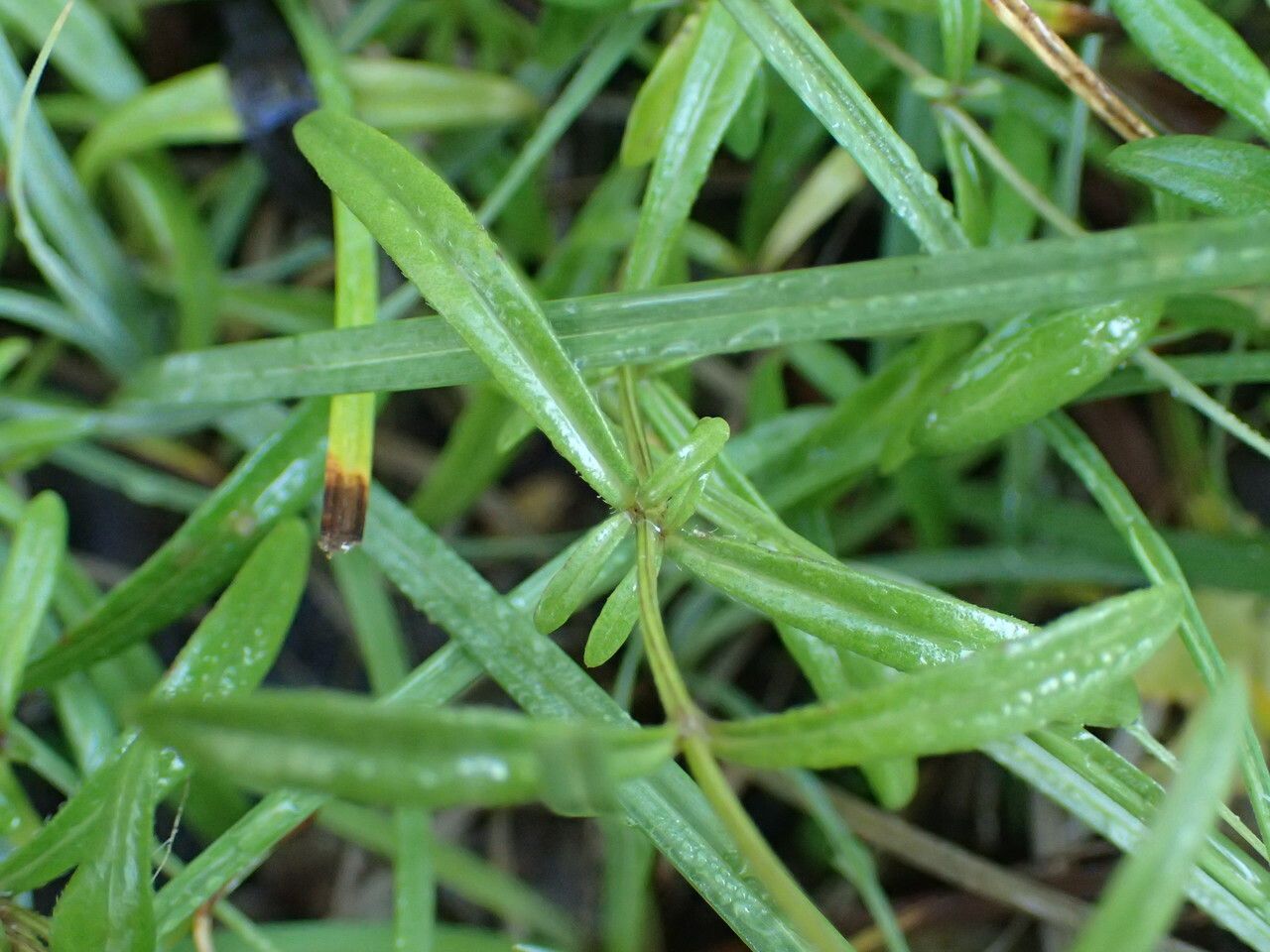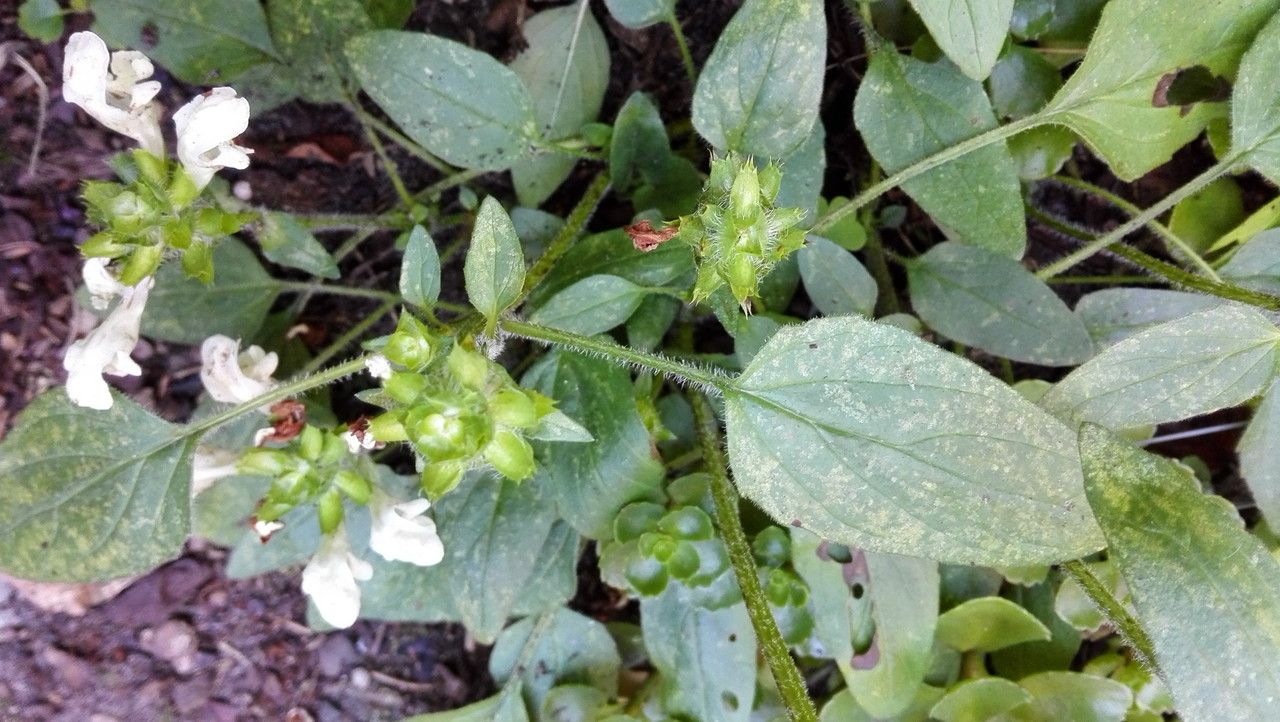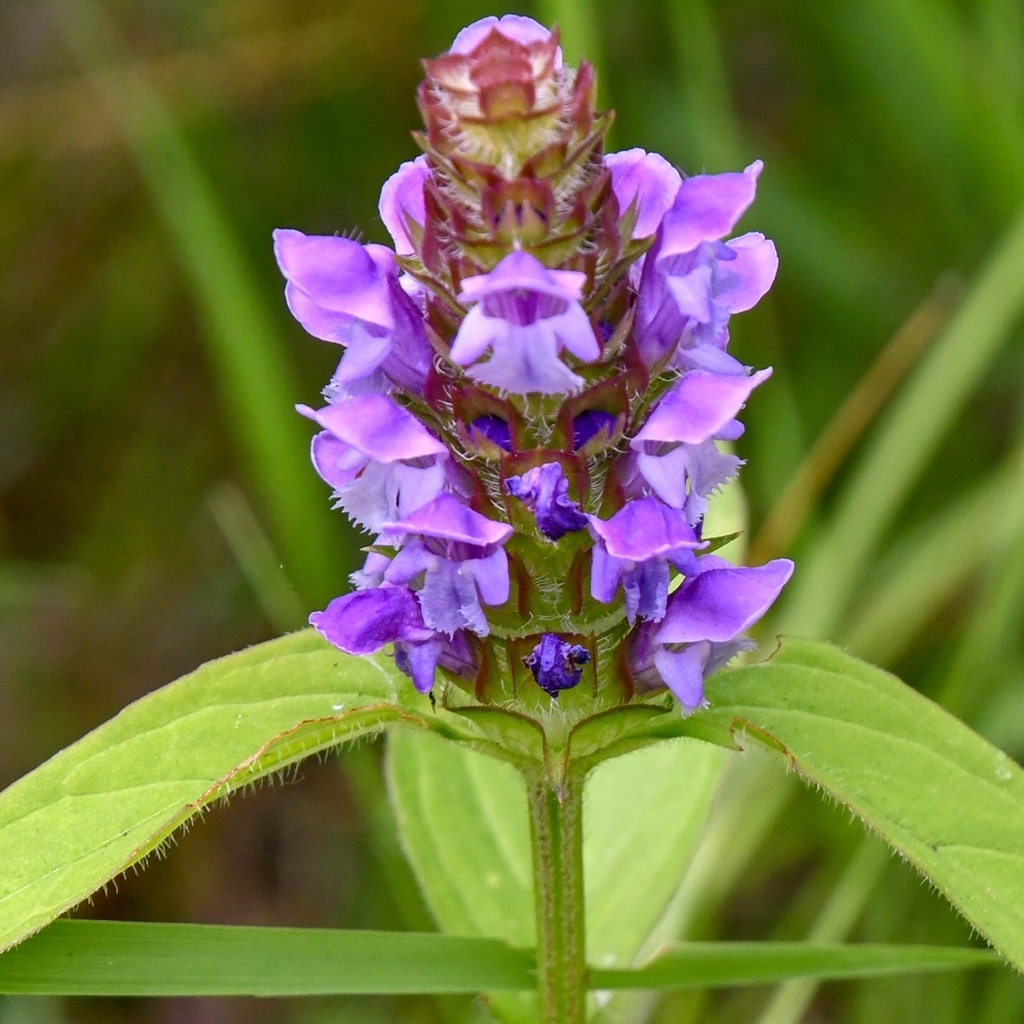
The Prunella plant, also known as self-heal or heal-all, is a perennial herb that belongs to the mint family. Originally native to Europe and Asia, it can now be found in many parts of the world. This plant grows up to 30 cm tall and features square stems with opposite, oval-shaped, toothed leaves.
The Prunella plant produces small purple or pink flowers that bloom from June to September. These flowers are arranged in dense spikes at the top of the stem and attract bees, butterflies, and other pollinators.
For centuries, the leaves of the Prunella plant have been used for medicinal purposes. They contain compounds such as rosmarinic acid, which has anti-inflammatory properties that can help reduce swelling and pain. Traditionally, the herb has also been used to treat sore throats, wounds, and digestive issues such as diarrhea and constipation.
In addition to its medicinal properties, Prunella plant also has culinary uses. It can be added fresh or dried to salads, soups, stews, and more.
Overall, Prunella plants are easy-to-grow herbs with many benefits, both medicinally and culinarily, making them a great addition to any garden!
Self-heal has strong disease resistance and is generally not prone to illness. However, it can be vulnerable to pests and diseases present in its environment. These infections are usually mild. In terms of care, the plant requires moderate maintenance. It should be pruned regularly to keep a neat appearance and support healthy growth. Fertilizing can also help encourage flowering. Self-heal is suitable for anyone with outdoor space, such as a garden or patio, and does not demand extensive gardening experience. It may need more attention when grown indoors.
How to keep Prunella Vulgaris.
Light
Self-heal flourishes with plenty of sunlight but can still grow with reduced light. Its native habitat—commonly open fields—highlights its need for light. Its requirement for sun remains largely the same through different growth stages. Either too much or too little light can limit its growth.
Water
Common selfheal thrives in moist, temperate regions and prefers consistently moist soil. Once established, it can tolerate moderate drought. To keep the plant hydrated, it should be watered weekly. When grown outdoors, mulching can help retain moisture and regulate soil temperature, which is essential for its vigorous growth during the growing season.
Temperature
Self-heal is a temperate plant species that favors a temperature range of 41 to 95 ℉ (5 to 35 ℃). In its native habitat it grows in a temperate climate with mild summers and cool winters. To cope with seasonal changes, it is advisable to place the plant in a well-ventilated spot during hot summers and in a sheltered location protected from frost during the winter months.
Fertilizer
One application of fertilizer in spring is typically enough for Self-heal, although multiple feedings can encourage maximum growth. Apply fertilizer once every month to once every month and a half. Fertilizing improves the leaves' appearance and function, helping them retain an even color and healthy texture. It also promotes root growth and nutrient uptake, supporting the plant's long-term health.
Pruning
Common selfheal is a low-growing, creeping plant known for its purple flowers. To encourage dense growth and more blooms, prune it from early to late spring. After the flowers have bloomed, trim the stems to prevent them from becoming leggy and to encourage a second bloom in the fall. Remove any dead or damaged stems promptly to enhance both the plant's growth and its appearance.
Pot & Repot
When repotting Self-heal, select a pot 1-2 inches (2.5–5.1 cm) larger with ample drainage. Use a well-draining potting mix. Repot in spring or fall, making sure the root ball sits slightly lower than the rim of the flower pot. Water thoroughly after repotting and place it in a warm spot with indirect sunlight.
Toxicity
Prunella vulgaris is nontoxic and edible plant. It is used in salads and soups and also in Chinese medicine to treat dizziness, red eyes, dry cough, and dermatitis.
Further reading →
The toxicity and danger assessments provided are for reference only. We do not assure their accuracy, so it's crucial not to depend on them. Seek professional advice when necessary for accurate guidance.
Botanical profile.
- Plant Type
- Herb
- Life Cycle
- Perennial
- Genus
- Prunella
- Family
- Lamiaceae
- Hardiness Zone
- 4-9
- Mature Height
- 5 cm to 30 cm
- Mature Spread
- 30 cm
- Leaf Color
- Green
- Leaf Type
- Evergreen, Semi-evergreen
- Flower Color
- Purple, Lavender
- Flower Size
- 2.54 cm
- Bloom Time
- Early summer, Mid summer
- Planting Time
- Spring
- Harvest Time
- Mid summer
- Native Area
- Egypt, India, Austria, Turkey, Sweden, Mexico, Guatemala, Pakistan, Morocco, Belarus, Uzbekistan, Russia, Iraq, Germany, Estonia, Koppen, South Korea, Romania, Latvia, Belgium, Netherlands, Nepal, Portugal, France, Tajikistan, Tunisia, Czech Republic, Cyprus, Bulgaria, Poland, Armenia, Greece, Ukraine, Lebanon, China, Lithuania, Norway, Afghanistan, Syria, Kyrgyzstan, Kazakhstan, Italy, Spain, Switzerland, Vietnam, Japan, Mongolia, Israel, Finland, Denmark, Bhutan, Iran, Albania, Ireland, Algeria, Hungary, Azerbaijan, Costa Rica, Turkmenistan
Other names.
Reader questions.
When should I water my Common Selfheal?
The Common Selfheal requires proper and timely watering to maintain its health, optimal growth, and vibrant flower production. Key indicators for when to water include the dryness of the soil - if the top 1 to 2 inches of soil are dry, it's time to water. Additionally, the condition of the leaves can signal the need for water; wilted, lackluster, or color-fading leaves suggest the plant is under-watered. Watering is particularly critical during the pre-flowering or bud formation stage, as insufficient water may lead to bud drop. High water requirements are also noted during periods of warm temperatures and high sunlight exposure. Be mindful not to water too early to avoid risks like root rot and not too late to prevent wilting or plant death due to dehydration.
Why should I put fertilizer on my Common selfheal?
The main structure of the Common selfheal is composed mostly of leaves. Fertilization is important for ensuring that these leaves remain healthy and visually appealing. Proper fertilization will promote consistent color and a robust texture in the leaves. Additionally, fertilization has benefits below the soil's surface, helping the plant develop new roots and maintain its existing root system. This not only improves the current health of the plant but also enhances its ability to absorb nutrients from the soil in the future.
What are the sunlight requirements for Common Selfheal (Prunella vulgaris)?
Common Selfheal requires a generous amount of sunlight to thrive, as indicated by its natural preference for open fields. It can grow under full sun conditions, which means it needs more than 6 hours of sunlight daily, but it can also manage with partial sun, requiring about 3-6 hours of sunlight. Keeping an eye on the movement of sunlight through your garden is crucial to finding spots that offer the right balance of light and shade, ensuring the plant's health and happiness.
What are the ideal temperature conditions for growing Common Selfheal (Prunella vulgaris)?
Common Selfheal thrives in a temperate climate with a preferred temperature range of 41 to 95 °F (5 to 35 °C), characterized by mild summers and cool winters. To adapt to seasonal changes, it's advisable to place the plant in a well-ventilated area during hot summers and in a sheltered spot protected from frost in the winter. The plant displays strong cold resistance, generally not requiring special frost protection measures. However, if temperatures are anticipated to drop below -30°C, taking steps to shield the plant using soil or straw for insulation is important. Ensuring the soil is moist before the first autumn freeze can help prevent drought stress during winter.
How should I water my Common Selfheal?
Watering your Common Selfheal efficiently involves specific needs and techniques. Bottom-watering is effective, allowing water absorption from the bottom, which prevents over-saturation at the surface and minimizes foliage moisture to reduce fungal disease risk. When using a watering can, opt for one with a narrow spout to direct water flow to the base of the plant, avoiding excess moisture on the leaves. This technique ensures the plant's roots receive adequate moisture without overwatering.
What is the ideal time to fertilize my Common selfheal?
If you choose to grow your Common selfheal outdoors each year, you can expect new growth to appear in early spring. This is a sign that it's time to start fertilizing for the year. Typically, a single application of fertilizer in the spring is sufficient for a healthy Common selfheal. However, if you want to maximize its growth, you can feed it multiple times during the spring and early summer. In this case, you can fertilize the plant approximately once every month to a month and a half.
Does the sunlight requirement for Common Selfheal change at different growth stages?
No, the sunlight requirements for Common Selfheal do not vary significantly at different growth stages. Consistent exposure to the right amount of sunlight is essential throughout its life. Both excessive and insufficient sunlight can negatively impact the plant's growth, highlighting the importance of monitoring and adjusting its light exposure as needed.
How does Common Selfheal respond to low temperatures, and what measures should be taken?
Common Selfheal is cold-tolerant and prefers temperatures above 5°C, remaining vigorous above -25°C. Exposure to temperatures below -30°C may not display immediate adverse effects during winter, but it can lead to reduced sprouting or a complete lack thereof in the spring. If such damage occurs, it's recommended to remove the parts of the plant that haven't sprouted come spring to promote new growth and recovery.
How much water does Common Selfheal really need?
The Common Selfheal needs vary based on environmental factors, but as a general rule, a plant about 1 foot tall in a 6-8 inch pot requires 1-2 cups of water to dampen the soil properly. Ensure the water penetrates thoroughly to reach the root zone. This plant thrives in well-draining soil that mimics its natural damp yet not waterlogged habitat. Signs of balanced hydration include shiny, healthy leaves, while wilting, yellowing, or leaf shedding may indicate over-watering. Conversely, drying and browning of leaf tips are signs of under-watering. Consistent soil moisture is crucial for the plant's health and vigor.
When is it not a good idea to fertilize my Common selfheal?
During late fall and winter, your Common selfheal goes into a dormant phase and stops producing new growth. It's best to avoid fertilizing it during this time. In spring and summer, if you choose to fertilize, gradually reduce the amount as summer approaches because the growth rate of your Common selfheal slows down. It's generally not recommended to fertilize when the weather is unusually hot or the soil is extremely dry as it can stress your Common selfheal and cause it to die prematurely.
How can artificial lighting be used for Common Selfheal indoors?
When natural sunlight is insufficient, especially during winter or in less sunny spaces, artificial lighting becomes a crucial solution for supporting Common Selfheal's growth. LED lights are recommended because they can provide specific wavelengths needed by the plant. Full sun plants should receive 30-50W/sq ft of artificial light, partial sun plants need 20-30W/sq ft, and full shade plants require 10-20W/sq ft. The light source should be placed 12-36 inches above the plant, mimicking natural sunlight's distance, with the duration of light exposure typically ranging from 8-12 hours per day.
What are the effects of high temperatures on Common Selfheal, and how can they be mitigated?
During summer, it's crucial to ensure that the ambient temperature for Common Selfheal does not surpass 35°C. Should the temperatures exceed 38°C, the plant might experience stress signs such as lighter colored leaves, curling, susceptibility to sunburn, and in extreme cases, wilt and dryness. To mitigate these effects, it's advisable to trim away sunburned and dried parts of the plant. Moving the plant to a shaded area or utilizing a shade cloth during the peak sun hours can protect it from excessive heat. Additionally, watering the plant in the morning and evening will help maintain soil moisture, supporting the plant's health through high temperature periods.