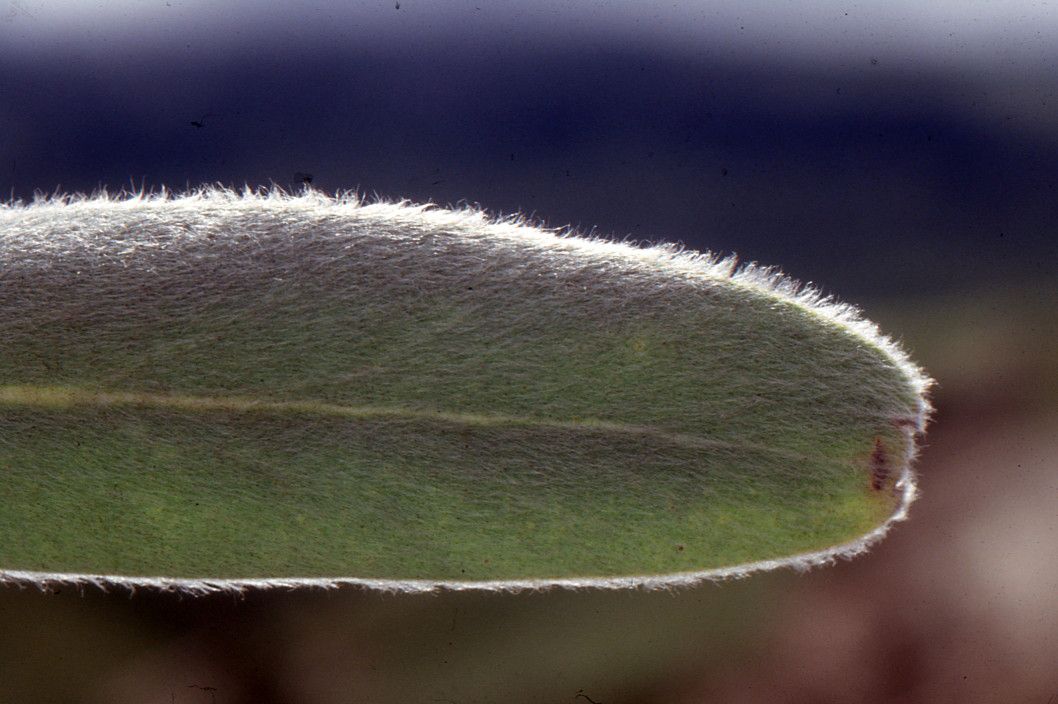
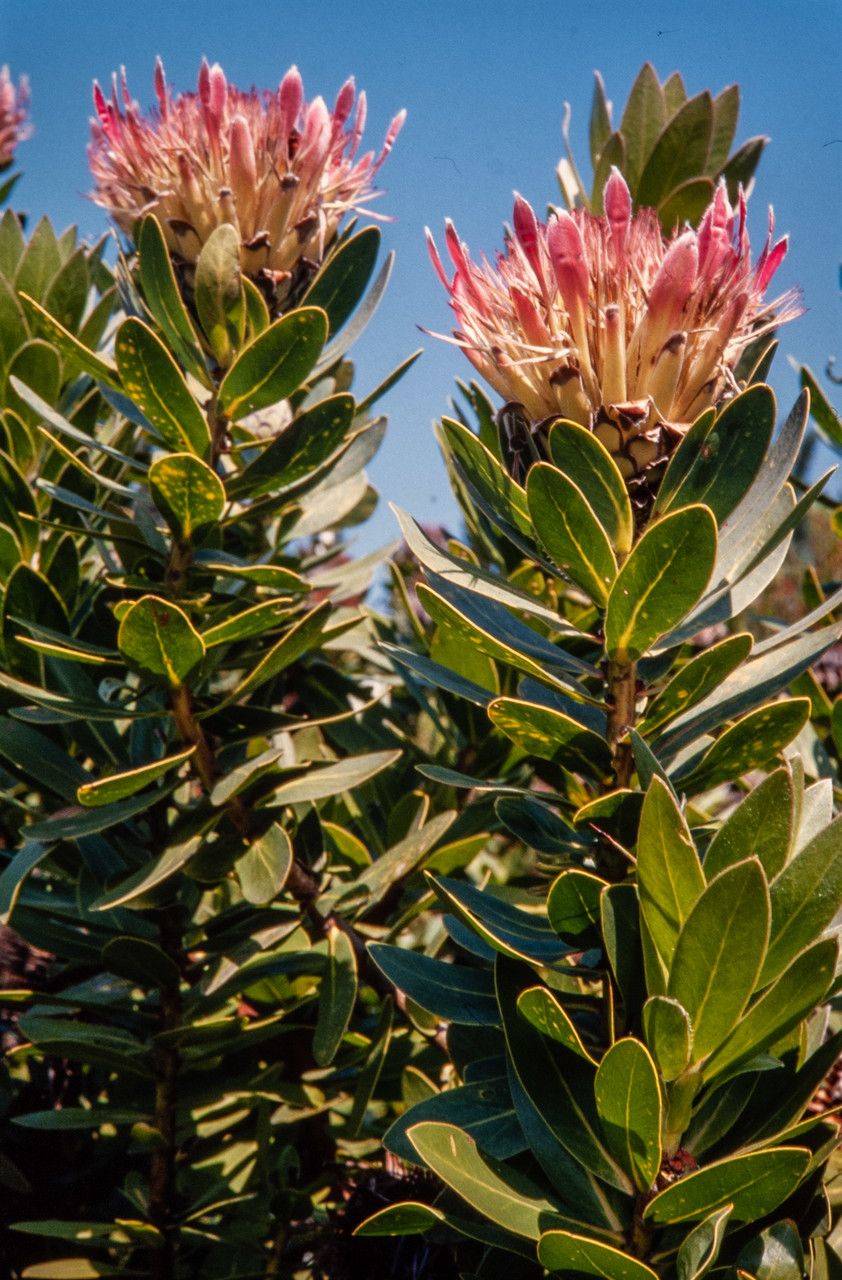
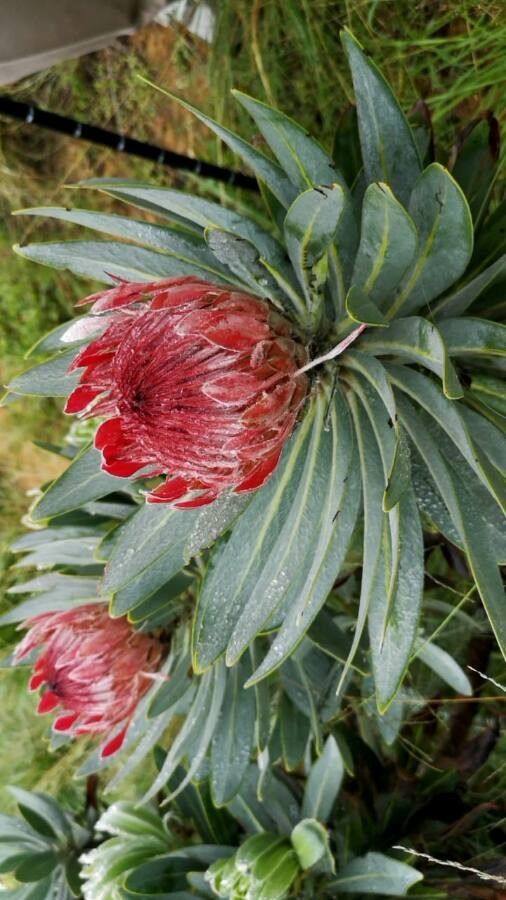
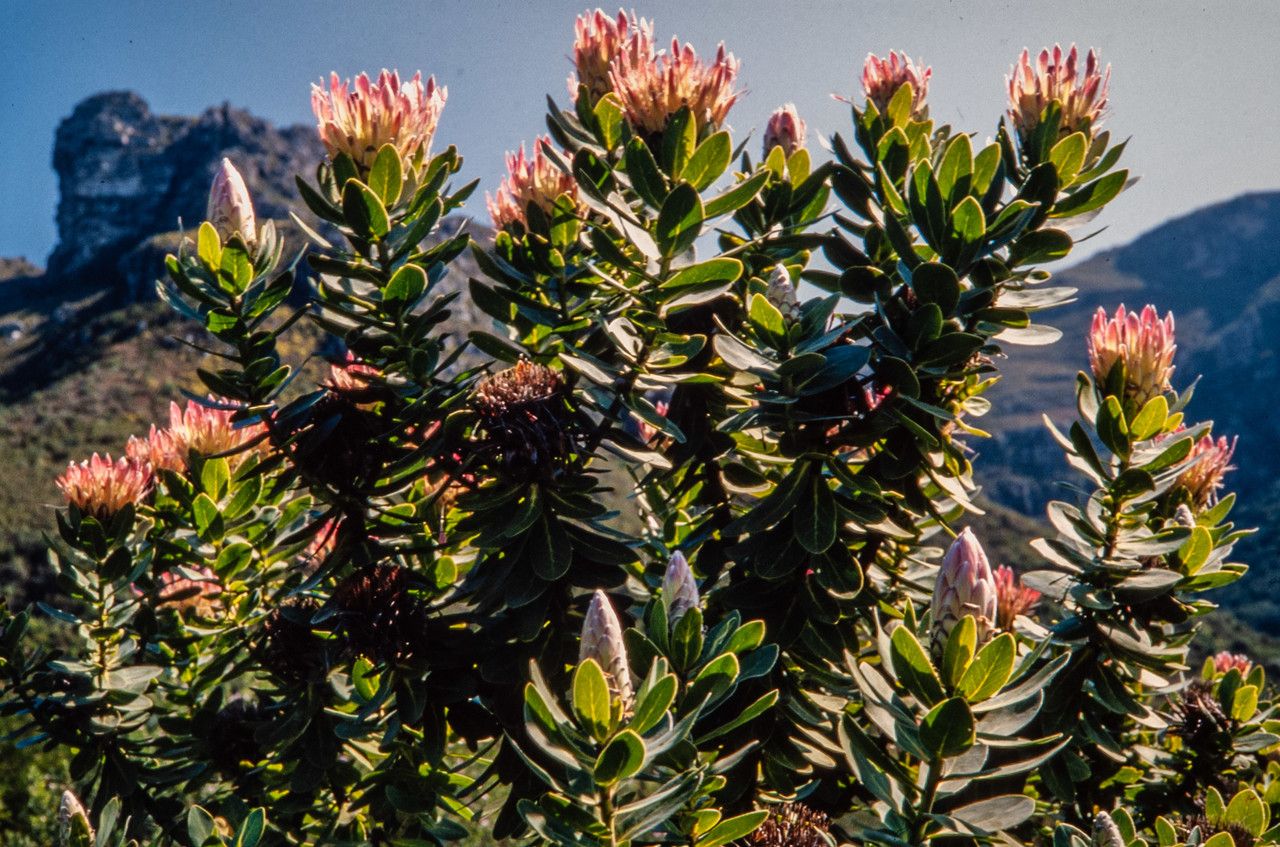
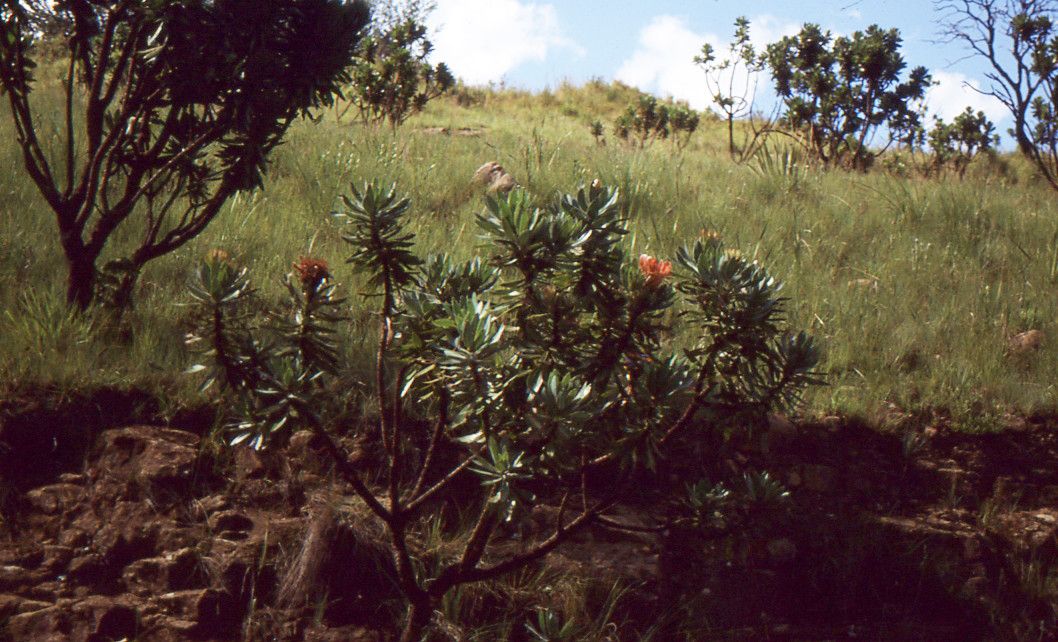
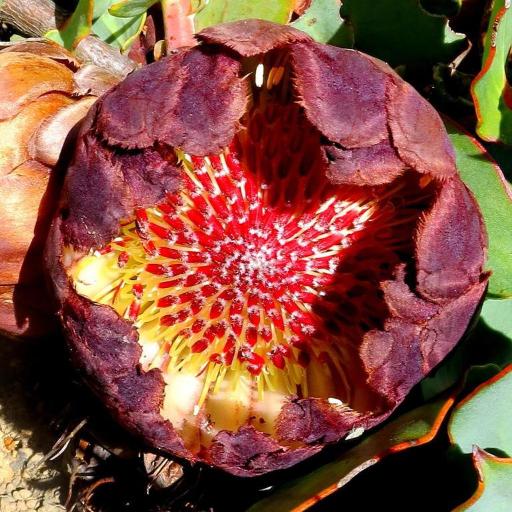
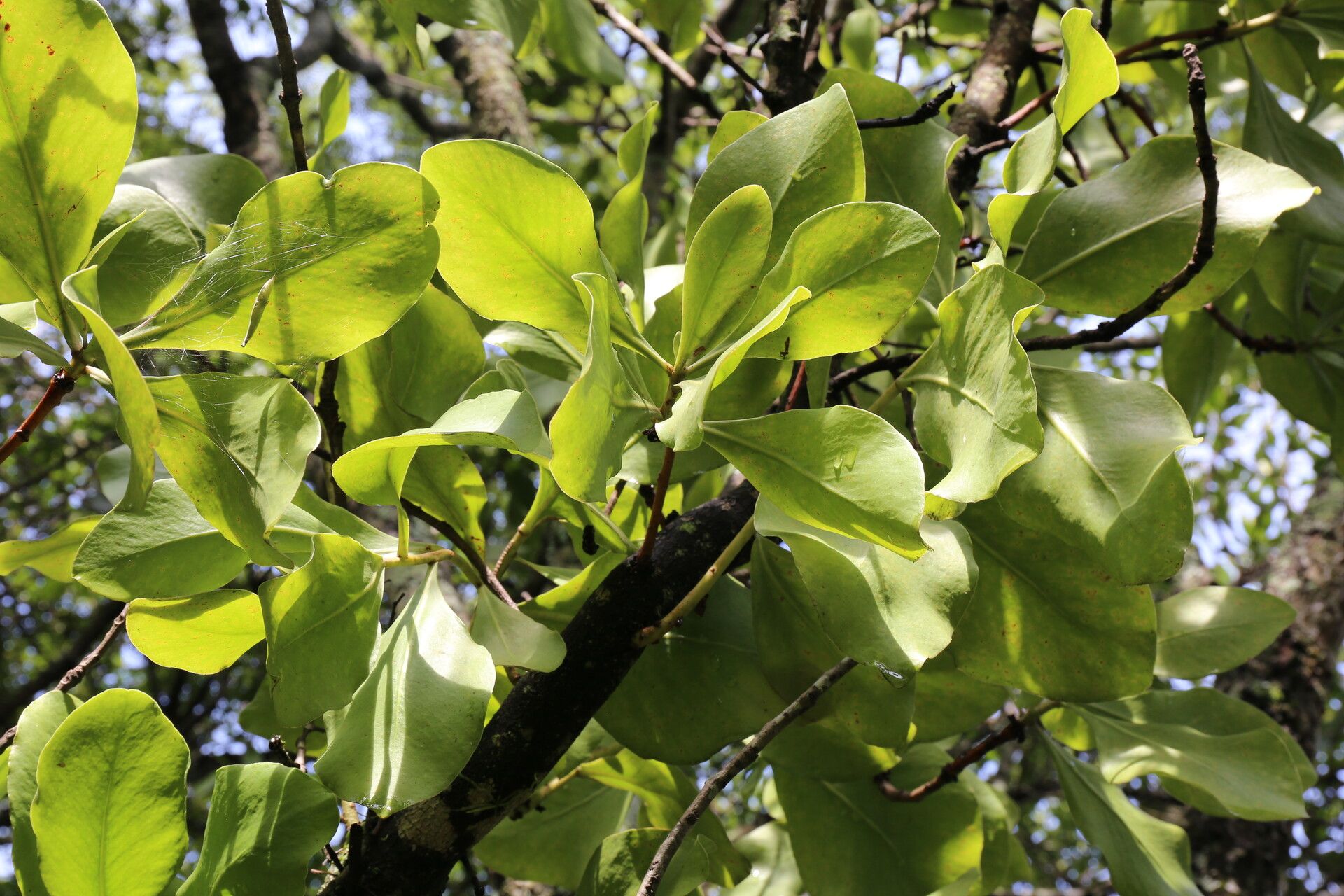
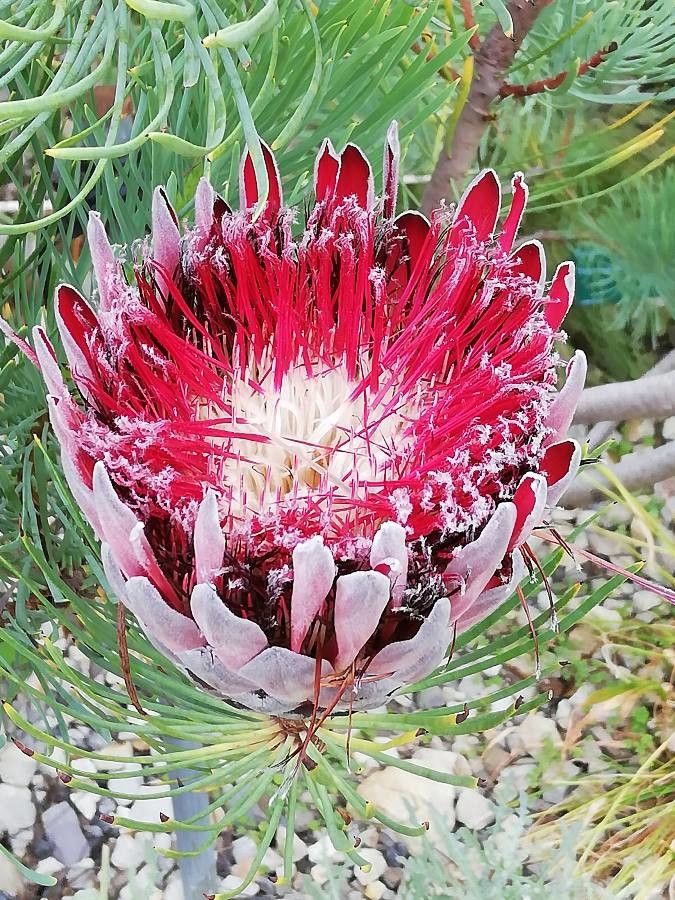
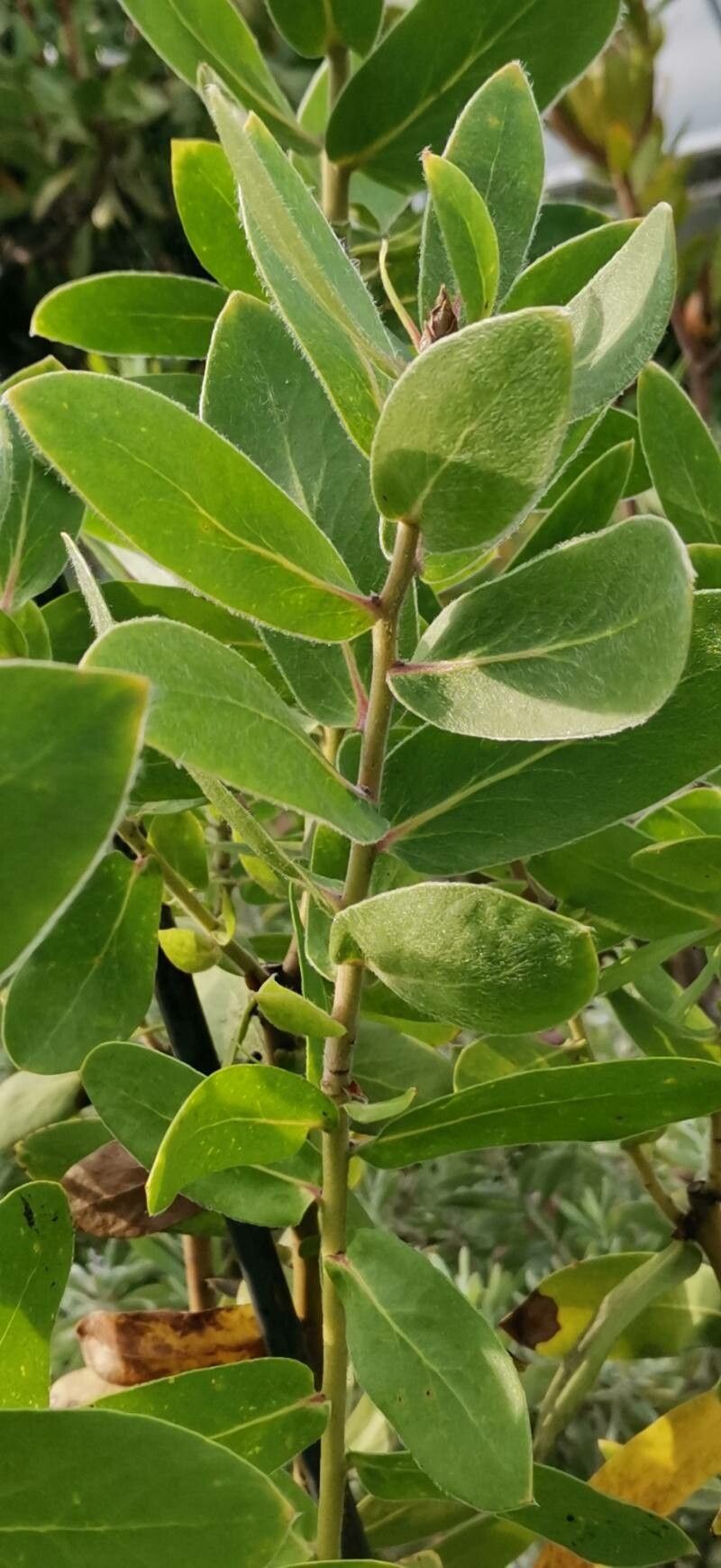
Protea roupelliae is a species of Protea in the large family Proteaceae, and was named to commemorate Arabella Elizabeth Roupell (1817-1914) who spent two years in Cape Town and painted local flowers for her own pleasure. This species is also known as the silver sugarbush.
Silver sugarbush is resistant to disease and is generally not likely to suffer from illnesses. Regarding care, this plant is fairly low-maintenance. When grown outdoors it needs only light watering, and larger specimens typically do not require pruning. Smaller plants, however, should be pruned after they finish blooming. Silver sugarbush is suitable for anyone with an outdoor area, such as a garden or deck, and does not demand much prior care experience.
How to keep Protea Roupelliae.
Light
Silver sugarbush thrives with plenty of sunlight, though it can still grow when the sun's intensity is lower. It naturally comes from areas that receive abundant daily sun. Too little light can inhibit its growth, while too much exposure can stress the plant's overall health.
Water
The silver sugarbush, native to arid regions, is highly drought-tolerant and thrives with minimal moisture. It typically requires watering only every 2-3 weeks, showcasing its adaptation to infrequent rainfall. In the garden, its growth is influenced by seasonal rains, needing less additional water during wetter periods.
Temperature
Silver sugarbush originates from habitats with temperatures between 59 and 90 °F (15 to 32 ℃). It favors moderate warmth. If conditions fall outside this range, seasonal adjustments might be required.
Fertilizer
Timing is essential for fertilizing Silver sugarbush. Apply fertilizer in early spring and continue monthly until early summer. Fertilizer encourages attractive blooms and supplies energy during both dormant and active growth stages.
Pruning
The silver sugarbush, known for its vibrant blooms and unique foliage, benefits greatly from pruning in early spring. To promote growth and flowering, it's essential to remove damaged branches and thin out crowded areas to improve air circulation. Using sharp, clean tools ensures precise cuts just above the buds. Regular pruning not only enhances the plant's health but also improves its overall appearance.
Botanical profile.
- Plant Type
- Shrub
- Life Cycle
- Perennial
- Genus
- Protea
- Family
- Proteaceae
- Hardiness Zone
- 8
- Mature Height
- 3.05 m to 4.88 m
- Mature Spread
- 2.13 m
- Leaf Color
- Dark Green
- Leaf Type
- Evergreen
- Flower Color
- Pink, Red
- Flower Size
- 7.62 cm to 11.43 cm
- Bloom Time
- Winter, Early spring, Mid spring
- Planting Time
- Spring, Summer, Autumn
- Harvest Time
- Spring
Other names.
Reader questions.
What are the sunlight requirements for Silver sugarbush?
Silver sugarbush needs full sun, which means above 6 hours of sunlight daily, to thrive optimally. It can also grow under partial sun conditions, receiving about 3-6 hours of sunlight. Observing how sunlight moves through your garden will help in choosing spots that offer the right balance of light and shade, ensuring the plants' well-being. Keeping in mind that Silver sugarbush originates from environments with abundant daily sunlight, it's crucial to provide sufficient light for its growth; however, both insufficient light and excessive exposure can negatively affect its health.
What is the preferred temperature range for Silver sugarbush?
Silver sugarbush, with its botanical name Protea roupelliae, thrives in a temperature range of 59 to 90 °F (15 to 32 °C). It enjoys moderate warmth, indicating the need for seasonal adjustments if the temperature falls outside this range. The plant possesses strong resistance to cold, meaning that in winter, special frost protection measures are typically unnecessary. However, should winter temperatures be expected to drop below -10°C, it's crucial to safeguard the plant by wrapping its trunk and branches with non-woven fabric or cloth. Additionally, to mitigate against drought and water scarcity during winter to early spring, it's recommended to water the plant abundantly before the first freeze, ensuring the soil is moist as it enters a frozen state.
How can artificial lighting be used for Silver sugarbush?
For indoor Silver sugarbush plants, when natural sunlight is insufficient, especially in winter or less sunny spaces, artificial lighting is a vital solution that promotes faster and healthier growth. LED lights are recommended because they can be customized to provide specific wavelengths needed by plants. Full sun plants need 30-50W/sq ft, partial sun plants need 20-30W/sq ft, and full shade plants require 10-20W/sq ft of artificial light. The artificial light source should be placed 12-36 inches above the plant to mimic natural sunlight, and most plants will need 8-12 hours of light per day.
How does Silver sugarbush respond to low temperatures?
Silver sugarbush is remarkably cold-tolerant, flourishing when temperatures stay above 15°C. It generally copes well during winter, provided the temperature remains above -5°C. However, once the thermometer dips below -10°C, though the plant may not exhibit immediate distress during the winter, the branches could turn brittle and dry by spring. This deterioration often leads to a lack of new shoots emerging. To address this, it's advisable to prune any dead branches that fail to produce new leaves in the spring, promoting healthier growth and resilience of the Silver sugarbush.
What are the symptoms of insufficient or excessive sunlight in Silver sugarbush?
Silver sugarbush can show several symptoms due to inadequate sunlight, including smaller new leaves, leggy or sparse growth, faster leaf drop, slowed or halted growth, and lighter-colored or irregularly colored new leaves. Excessive sunlight can cause chlorosis (leaves turning yellow), sunscald, leaf curling, wilting, and leaf scorching, indicating damage to and a reduction in the plant's health.
What should be done when Silver sugarbush is exposed to high temperatures?
During the summer months, Silver sugarbush should ideally be kept in conditions cooler than 32°C. Exposure to temperatures above 35°C can cause the plant's leaves to lighten in color, the tips to dry and wither, and increase its susceptibility to sunburn. In such scenarios, it's beneficial to trim away the affected areas and relocate the plant to a shaded spot, away from the harsh midday and afternoon sun. Utilizing a shade cloth can also provide necessary protection. Ensuring the soil remains moist is crucial, so watering the plant during morning and evening hours can help maintain its health and vitality amidst high temperatures.
What are the solutions for managing light exposure in Silver sugarbush?
To manage light exposure for Silver sugarbush, indoors, gradually move your plant to sunnier spots until it gets at least 6 hours of direct sunlight daily, utilizing south-facing windows for natural light and artificial lights for additional illumination. For outdoor plants, move them gradually to sunnier locations to adapt without getting sunburn. If obstructions limit light exposure, consider pruning or relocating plants to sunnier areas. Remember, parts of the plant damaged by light issues might not recover, but new growth should be healthy with proper light adjustment.